

Did you know that Chihuahua, known for being the smallest breed of dog, also shares its name with one of Mexico’s largest states? Nestled in the northern region of Mexico, the state of Chihuahua boasts stunning landscapes and a rich cultural heritage. Understanding where the Chihuahua breed originates from can deepen your appreciation for these spirited little companions. As a proud Chihuahua owner, you might be curious about their health, behavior, and unique needs. Whether you’re a seasoned Chihuahua enthusiast or a first-time owner eager to learn, exploring the fascinating ties between the breed and its namesake state will enrich your bond with your furry friend. So, let’s discover the captivating facts about Chihuahua, Mexico, and see how this vibrant culture shapes the lives of these feisty little canines!
What Is Chihuahua? A Quick Overview
Chihuahuas are one of the smallest dog breeds in the world, but don’t let their size fool you; they pack a big personality! Known for being incredibly vocal, fiercely loyal, and delightfully bold, Chihuahuas have a unique charm that endears them to many. They come in two distinct coat types-smooth and long-haired-and boast a variety of colors and patterns, making every Chihuahua a little masterpiece. Despite their tiny stature, they carry themselves with a confidence that often surprises onlookers.
Understanding the breed’s needs is essential for any owner. Chihuahuas thrive on companionship and can be quite protective of their humans. This makes socialization key to their development. Owners should expose them to different environments, people, and other animals early on to cultivate a well-rounded temperament. Health-wise, Chihuahuas are generally robust, but they can be prone to certain issues, including heart problems and dental issues due to their small mouths. Regular veterinary check-ups and dental care are vital.
When it comes to training, consistent, positive reinforcement works wonders with this breed. As they are intelligent, they can learn commands quickly, but their stubborn streak can sometimes make training a challenge. Be patient and keep sessions short and fun. Whether you’re a first-time dog owner or a seasoned pro, embracing the quirks of a Chihuahua will lead to a rewarding companionship filled with love and laughter. Their affectionate nature makes them excellent lap dogs, and many Chihuahuas thrive on being the center of attention in their households.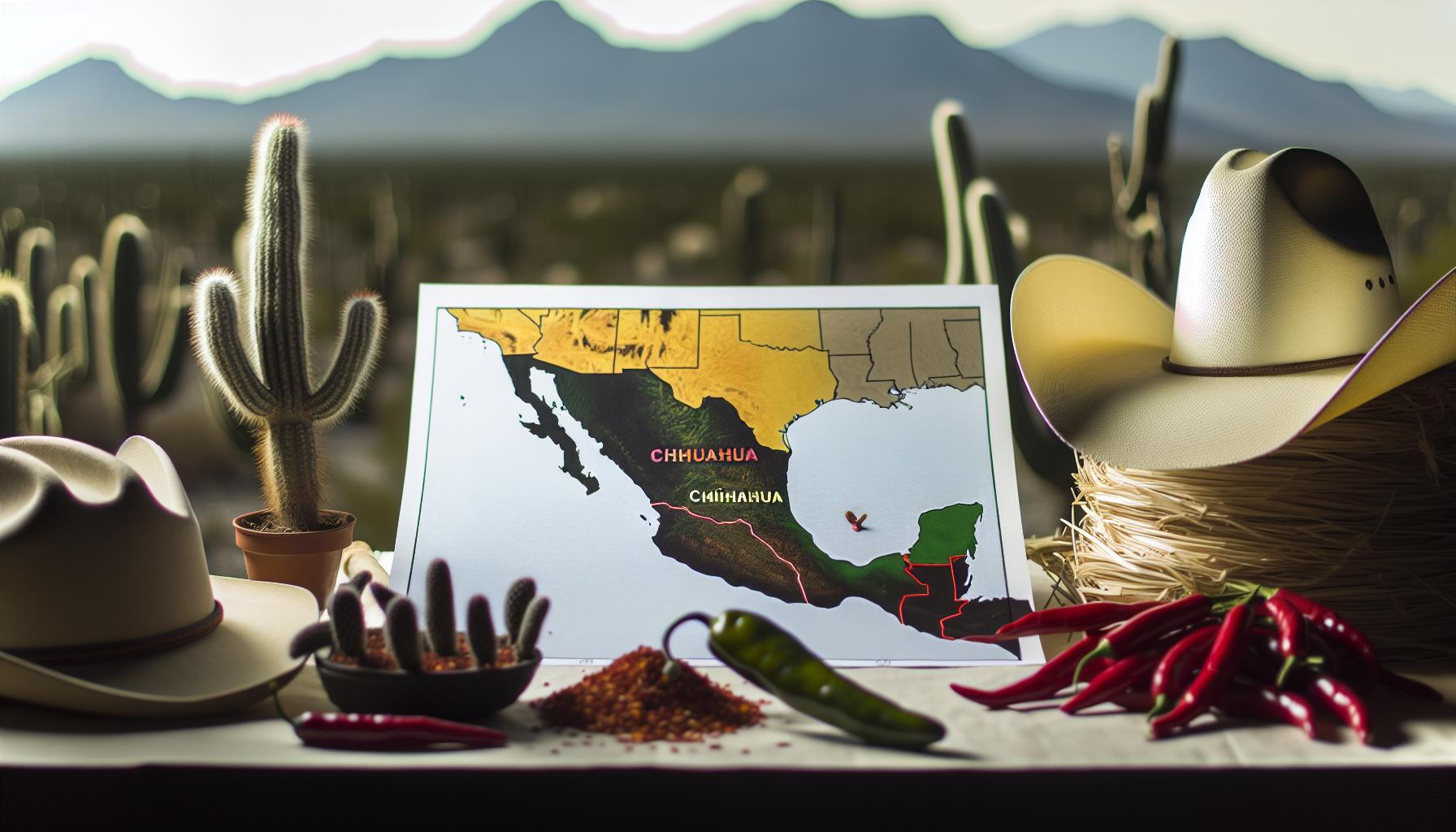
Chihuahua’s Geographic Location Within Mexico
Chihuahua is a vibrant state located in the northern region of Mexico, sharing its borders with the United States to the north. It is renowned for its sprawling deserts, dramatic mountain ranges, and rich history, making it a significant part of Mexico’s cultural and geographic landscape. This state is the largest in Mexico by area, covering approximately 247,455 square kilometers (95,544 square miles), which showcases a diverse topography ranging from the Sierra Madre Occidental mountains to vast arid plains.
The capital city of the state, also called Chihuahua, serves as a central hub for commerce and culture. It is situated in the northwest part of the state, offering visitors a blend of modern amenities and historical charm. Close to the capital lies Ciudad Juárez, one of the largest border cities in Mexico, which bustlingly interacts with El Paso, Texas. This proximity to the U.S. enhances Chihuahua’s multicultural influences and economic activities.
Chihuahua’s geographical location grants it a unique position in terms of climate and biodiversity. The state experiences a desert climate characterized by hot summers and mild winters, with annual rainfall varying largely across regions. The northern part is predominantly arid, while the southern region is more temperate and conducive to agriculture. The varied climate supports a diverse array of flora and fauna, making it a destination for nature enthusiasts.
When visiting, it’s essential to appreciate the natural beauty surrounding Chihuahua. The stunning Copper Canyon, larger and deeper than the Grand Canyon, offers breathtaking views and opportunities for hiking, fishing, and exploring small indigenous communities. Understanding this geographical context not only enriches your travel experience but also deepens your appreciation of Chihuahua’s cultural heritage and natural wonders.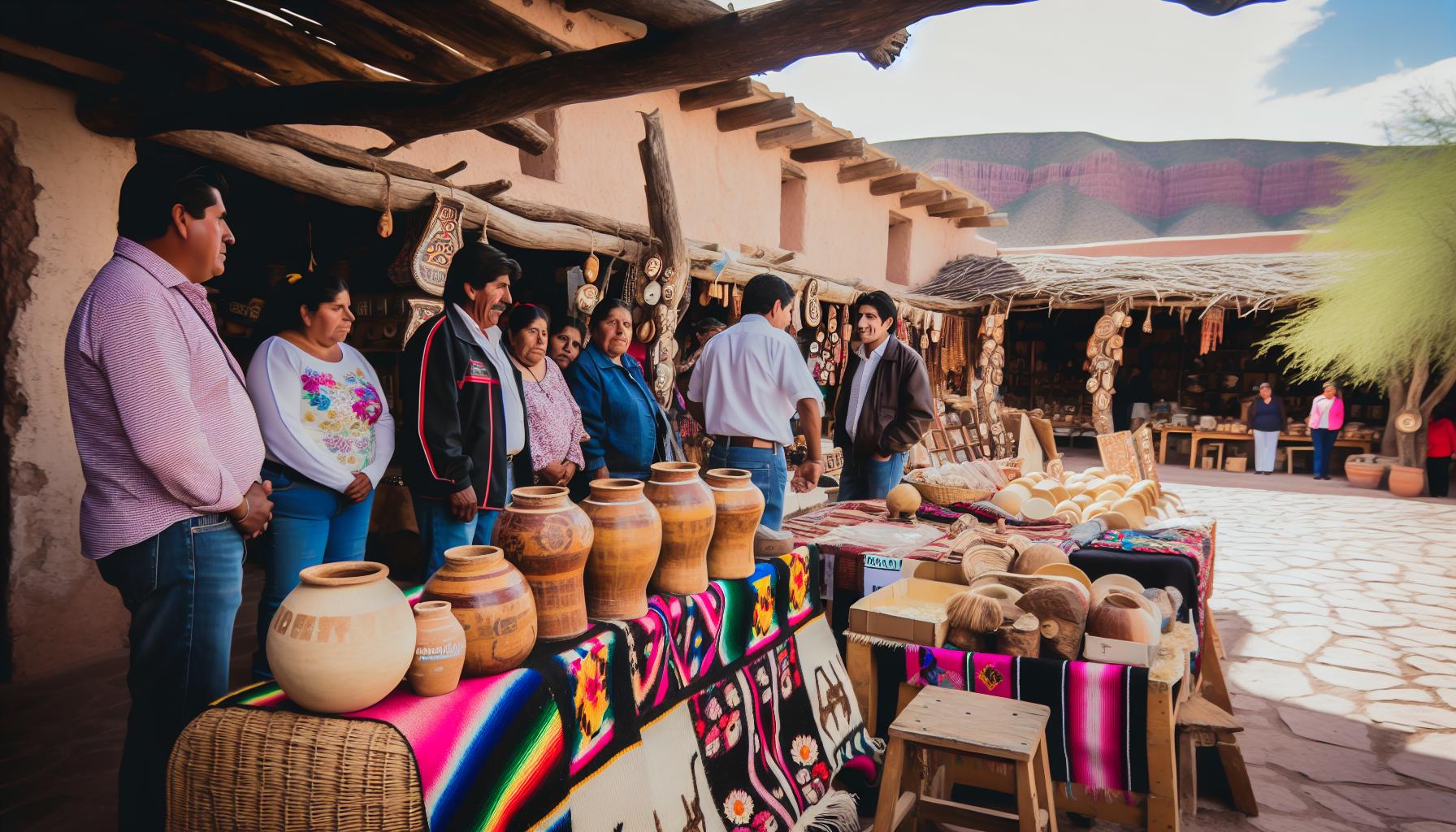
The Unique Culture of the Chihuahua State
Chihuahua’s vibrant culture reflects a rich tapestry woven from its indigenous roots, colonial history, and modern influences. This state is home to various ethnic groups, including the Rarámuri (Tarahumara), who inhabit the mountainous regions and are celebrated for their long-distance running abilities and remarkable resilience. The fusion of these diverse backgrounds creates a unique cultural landscape marked by traditional music, dance, and art, often showcased at local festivals and events.
In addition to indigenous traditions, the Spanish colonial era has significantly influenced Chihuahua’s culture, evident in its architecture, language, and religious practices. Stately colonial buildings, such as the Cathedral of Chihuahua, are not only historical landmarks but also symbols of the city’s artistic heritage. Celebrations like the Fiesta de la Revolución reflect the state’s deep historical roots, where locals commemorate the Mexican Revolution with parades, music, and traditional foods.
Chihuahua also boasts a culinary scene that highlights its cultural diversity. Local dishes often blend indigenous ingredients with Spanish techniques, resulting in unique flavors that delight both residents and visitors. Notable specialties include asado (barbecue), nopal (cactus), and various forms of tamales, showcasing the state’s agricultural bounty and culinary traditions.
Living in Chihuahua offers a daily opportunity to engage with its rich cultural offerings. Whether it’s visiting local markets filled with artisanal crafts or participating in lively folkloric dance events, the culture of Chihuahua invites everyone to experience its warmth and vitality firsthand. For anyone planning to explore this incredible state, immersing yourself in its unique culture will undoubtedly enrich your visit to this captivating part of Mexico.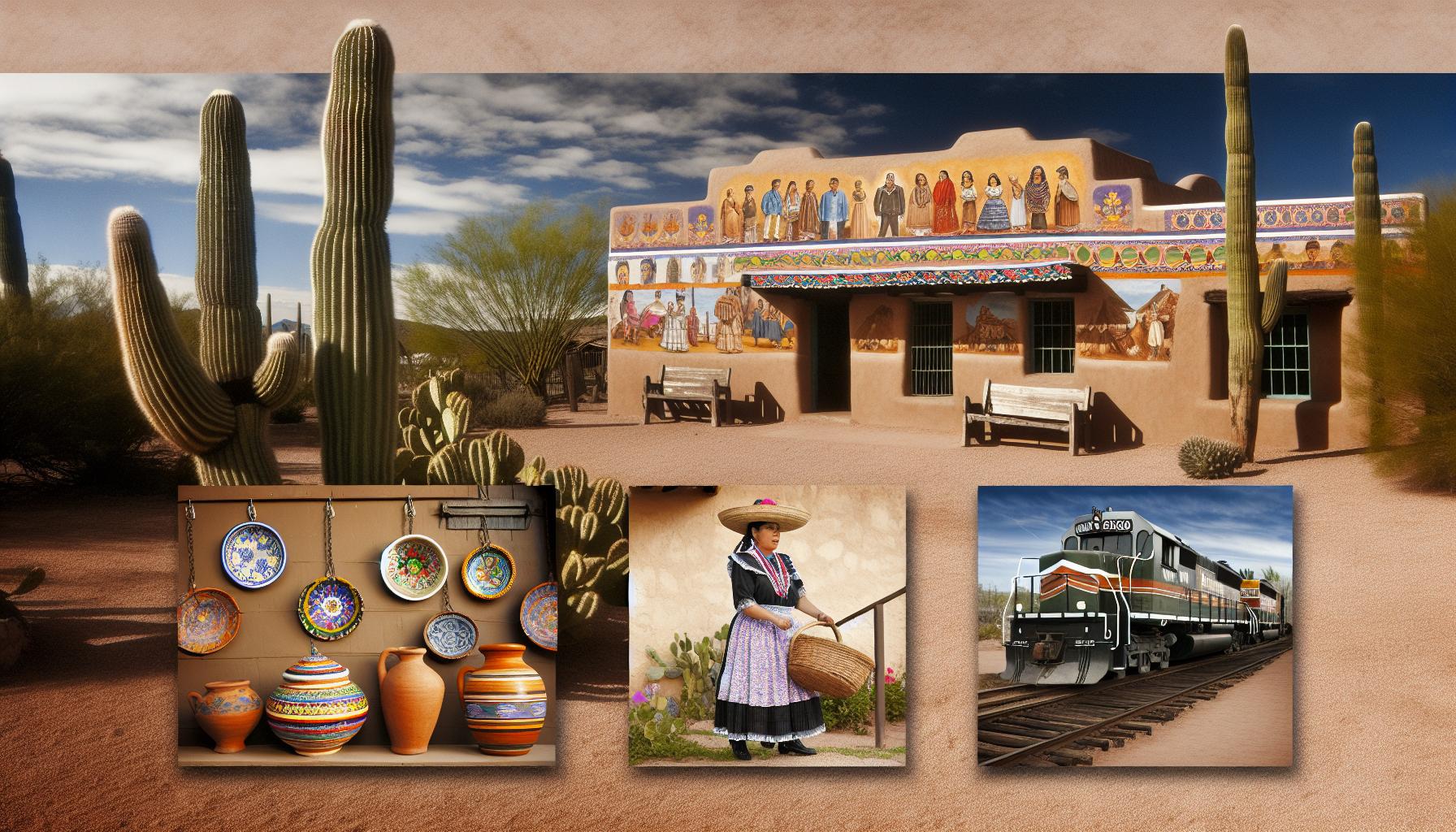
Key Historical Facts About Chihuahua
Chihuahua, the largest state in Mexico, carries a rich historical tapestry that is as vast as its landscape. The region’s history begins with its indigenous roots, primarily embodied by the Tarahumara and other native groups who have thrived in its rugged terrains for thousands of years. Their resilient spirit and deep connection to the land have significantly shaped the cultural and social fabric of Chihuahua.
In the 16th century, Spanish colonization introduced new dynamics. The establishment of the city of Chihuahua in 1709 marked a pivotal moment, as it became a key administrative and military outpost during the Spanish colonial period. Today, remnants of this era can be found in the state’s architecture, including beautiful colonial churches and government buildings that line the historic plazas. The influence of Spanish culture is still evident, blending seamlessly with indigenous traditions to create a unique cultural mosaic.
Chihuahua also played a crucial role in the Mexican Revolution, serving as a battleground for revolutionary leaders such as Pancho Villa. His legacy is intertwined with the state’s history, symbolizing both the struggle for justice and the plight of the disenfranchised. Historic sites related to Villa and the revolution, like the Museum of the Revolution in Chihuahua City, attract visitors eager to learn about this transformative period.
Throughout the 20th century, the state became known for its agricultural bounty, contributing significantly to Mexico’s economy. The rise of the border cities, particularly Ciudad Juárez, marked a period of rapid industrialization and urbanization, impacting social dynamics and cultural exchanges. Today, Chihuahua continues to honor its past while embracing modernity, making it a fascinating destination for those interested in exploring the interplay of history, culture, and geography.
Understanding Chihuahua’s Climate and Geography
Chihuahua is a captivating tapestry of varied landscapes, climate zones, and geographical features that shape its unique identity. Spanning the northern part of Mexico, this state showcases the striking contrast between its vast deserts and towering mountains. Did you know that Chihuahua is home to the Sierra Tarahumara, a majestic mountain range that not only provides stunning vistas but also harbors diverse ecosystems? The varied geography supports an array of flora and fauna, making it a haven for nature enthusiasts.
The climate in Chihuahua varies significantly due to its size and elevation. In the south, you’ll experience a semi-arid climate with mild winters and hot summers, while the higher altitudes in the Sierra Tarahumara offer a cooler, more temperate environment. Generally, the weather can be categorized into two distinct seasons: a hot, dry summer and a cooler, mild winter. This climatic diversity caters to various outdoor activities year-round, from hiking in the summer to skiing in the winter months.
Chihuahua’s unique geography includes notable natural landmarks such as the Copper Canyon, one of the largest canyons in the world, where you can witness breathtaking landscapes and explore vibrant ecosystems. The state is rich in biodiversity with species ranging from elegant deer to the elusive jaguar. For pet owners, like those who cherish the Chihuahua breed, the variety of terrains offers ideal settings for walks and outdoor adventures, ensuring your little companion can explore their surroundings while getting some much-needed exercise.
In brief, whether you’re captivated by the warm desert sunsets or the cool mountain breezes, Chihuahua’s climate and geography offer something for everyone. Embrace the vast outdoor spaces and enjoy the region’s natural beauty, knowing it enriches both your life and that of your beloved Chihuahua.
Exploring Major Cities in Chihuahua
Chihuahua boasts a diverse array of cities, each with its unique character and vibrant atmosphere, making it a fascinating region to explore. At the heart of the state is Ciudad Juárez, a bustling metropolis on the border with the United States. Known for its lively atmosphere, Juárez is a hub for culture, commerce, and history. The city offers a wealth of experiences, from its vibrant markets to restaurants serving authentic Mexican cuisine. One mustn’t miss the iconic Plaza de la Mexicanidad, where local art and music come together to reflect the city’s rich heritage.
Heading south, the capital city, Chihuahua (the city), stands out with its colonial architecture and historical significance. Here, visitors can explore the stunning Cathedral of Chihuahua, an architectural gem that showcases intricate baroque design. The city is also home to the Pancho Villa Museum, where you can delve into the life of one of Mexico’s most famous revolutionary figures. Chihuahua city combines history with modern living, making it ideal for strolling with your Chihuahua in tow, where delightful parks and pet-friendly cafes abound.
Another notable city in the state is the artists’ haven, Creel. Nestled in the Sierra Tarahumara, Creel serves as a gateway to the stunning natural beauty surrounding it. This small town is well-known among hikers and outdoor enthusiasts, with numerous trails leading to breathtaking landscapes. Imagine taking your little companion on a hike through the lush forests, where the views are nothing short of spectacular. The local community also embraces its indigenous heritage, offering visitors a unique glimpse into the traditions of the Tarahumara people.
In contrast to these urban landscapes, discover the charming town of Casas Grandes, famous for its archaeological site, Paquimé. This UNESCO World Heritage site showcases the remarkable ruins of an ancient civilization, providing a fascinating window into history. It’s a quieter city that’s perfect for enjoying leisurely walks with your furry friend while exploring the rich history ingrained in the area.
Whether you’re drawn to the hustle and bustle of Ciudad Juárez, the historical depth of Chihuahua city, the natural beauty of Creel, or the archaeological wonders of Casas Grandes, each city offers a different experience that celebrates the spirit of Chihuahua. Embrace the chance to discover these unique locales, and create lasting memories with your beloved Chihuahua by your side.
The Rich Biodiversity of Chihuahua
In Chihuahua, a state known for its vast landscapes and dramatic topography, lies a wealth of biodiversity that is both impressive and essential to the region’s ecosystem. Covering areas from the arid desert to the lush Sierra Madre mountains, Chihuahua is home to numerous species of plants and animals that have adapted to its varying climates and habitats. This diverse environment not only enhances the beauty of the state but also offers a unique glimpse into the intricate balance of nature.
The varied geography of Chihuahua creates distinct ecosystems. In the north, you’ll find the Chihuahuan Desert, rich with resilient flora like mesquite trees and cacti. These hardy plants support a range of wildlife, including roadrunners, jackrabbits, and various reptiles that thrive in the arid conditions. Meanwhile, as you move southward into the Sierra Tarahumara, the landscape transforms into mountainous terrains cloaked in pine and fir forests. This region supports a different array of species, such as the endemic Tarahumara frog and several bird species that are crucial indicators of environmental health.
Visitors and locals alike can explore this rich biodiversity through various national parks and nature reserves, such as the Copper Canyon (Barrancas del Cobre). This natural wonder not only boasts stunning views but also serves as a habitat for diverse species, including the elusive mountain lion and several types of hawks. Engaging with nature in these areas provides an opportunity to appreciate the intricate interdependence of wildlife and their habitats.
For those who own Chihuahuas, this biodiversity can serve as a reminder of the natural instincts they possess. Your little companion may benefit from encountering different scents and sounds during walks in diverse environments. Whether you’re strolling through urban parks or hiking in mountainous regions, exposing your Chihuahua to various surroundings can help them develop confidence and curiosity, traits that are typical for the breed. Remember to always keep a watchful eye, as their bold nature can sometimes lead them to explore beyond safe boundaries.
Top Attractions and Landmarks in Chihuahua
Chihuahua is a region bursting with rich history and stunning natural beauty, making it a treasure trove for travelers and locals alike. Among its many attractions, the Copper Canyon-one of the largest canyons in the world-offers breathtaking views and a variety of outdoor activities like hiking and horseback riding. This spectacular landscape is a haven for those seeking adventure and engagement with nature, perfect for little Chihuahuas who love to explore.
In the heart of the state lies the historic city of Chihuahua, which features the stunning Cathedral of Chihuahua. Known for its intricate Baroque-style architecture, this cathedral is not only a place of worship but also a must-see for anyone interested in cultural heritage. Nearby, you’ll find the Pancho Villa Museum, where you can dive into the wild history of Mexico’s revolutionary past. These sites provide a great opportunity for you and your Chihuahua to take leisurely strolls while soaking in the architecture and rich stories of this vibrant state.
For a more tranquil experience, visit the Basaseachic Falls National Park. The park, home to one of Mexico’s tallest waterfalls, boasts peaceful trails that are perfect for invigorating walks with your furry friend. Make sure your Chihuahua is comfortable with the terrain, as some areas can be rugged. The fresh air and beautiful landscapes provide a perfect setting for bonding and enjoying each other’s company amidst nature’s wonders.
To all Chihuahua owners, remember that each outing is not just an adventure for you but a lesson for your little companion. Allow him or her to experience new sights, sounds, and scents, enhancing their confidence and curiosity. As you enjoy the remarkable attractions of Chihuahua, cherish these moments together-whether you’re marveling at waterfalls or exploring historic streets.
Traditional Cuisine of the Chihuahua Region
The Chihuahua region is not only known for its stunning landscapes but also for its vibrant culinary scene, which is a delightful blend of indigenous and Spanish influences. If you’re a food lover or just looking to explore new dishes that reflect the essence of this remarkable region, you’re in for a treat. Traditional cuisine in Chihuahua highlights local ingredients and age-old cooking methods, creating flavors that are as bold and distinctive as the little Chihuahuas themselves.
One of the standout features of Chihuahua’s cuisine is its use of fresh meats and produce, often sourced from local farms. Typical dishes include carne asada (grilled beef), which is marinated and cooked over an open flame, resulting in a rich, smoky flavor. Accompanying this, you’ll often find frijoles (beans), a staple that adds heartiness to meals. The region is also famous for its queso Chihuahua, a creamy cheese that melts beautifully and enhances everything from tacos to enchiladas.
Another must-try is discada, a mixed grill dish that combines various meats, such as pork, beef, and sausage, cooked together in a large disc-shaped skillet. This dish is perfect for gatherings and reflects the communal spirit of Chihuahua’s dining culture. Don’t forget to pair your meal with salsas made from local tomatoes and chili peppers, which can range from mild and sweet to fiery hot, catering to all taste preferences.
For dessert lovers, bunuelos-crispy fried dough drizzled with syrup and often served during festive occasions-offer a sweet way to conclude a meal. Also noteworthy are capirotada (a type of bread pudding), which is traditionally prepared during Lent, showcasing the blend of flavors and textures unique to the region.
Whether you’re dining in a bustling restaurant or enjoying a meal at a local market, embracing Chihuahua’s traditional cuisine is a wonderful way to experience its culture firsthand. Just like your Chihuahua, food here is meant to be enjoyed and celebrated-so take those little leaps into delightful flavors, and don’t hesitate to explore all those culinary quirks that make each dish special!
Festivals and Events Celebrated in Chihuahua
Chihuahua is a vibrant state known for its lively festivals and events that reflect the rich culture and traditions of the region. One of the most significant celebrations is the Revolución de 1910 festival, commemorating the Mexican Revolution’s impact on the country. Held annually in November, this event includes parades featuring traditional music, dance, and colorful costumes, bringing the streets of Chihuahua City to life.
Another captivating event is the Feria de Chihuahua, a week-long festival celebrated every summer. This fair showcases local craftsmanship, agricultural exhibitions, and exciting carnival attractions. Attendees can enjoy food stalls offering traditional dishes and participate in local games and competitions, making it a delightful experience for families.
Chihuahua is also home to unique cultural celebrations such as the Día de los Muertos (Day of the Dead), where families honor their deceased loved ones with altars adorned with flowers, food, and photographs. The celebrations are particularly vibrant in the towns of Guachochi and Creel, where traditional music and dance enhance the atmosphere of this heartfelt occasion.
In addition to these major events, regional fairs throughout the year spotlight various aspects of Chihuahua’s culture, including its arts, crafts, and agricultural heritage. Each event offers an opportunity for both locals and visitors to immerse themselves in the local culture, enjoy traditional foods, and appreciate the communal spirit that defines this remarkable state.
Travelers seeking a memorable experience in Chihuahua should plan their visits around these lively events, not only to witness the festivities but to engage with the local community and understand the diverse cultural heritage that makes Chihuahua a fascinating place to explore.
Travel Tips for Visiting Chihuahua
When planning a trip to Chihuahua, you’ll discover a region where spectacular landscapes and rich cultural heritage collide. This state not only boasts the largest canyon in the world, the Copper Canyon, but also vibrant cities filled with history and modern charm. To ensure a smooth experience during your visit, here are some essential travel tips that will help you navigate and enjoy everything Chihuahua has to offer.
Transportation
Getting around Chihuahua can be straightforward with a mix of options available. In larger cities like Chihuahua City, public transportation includes buses and taxis, which are generally safe and affordable. If you plan to explore more remote areas or natural attractions, consider renting a car. This will give you the freedom to venture into smaller towns and breathtaking landscapes at your own pace.
Language
While many locals in tourist areas may speak some English, knowing basic Spanish phrases can greatly enhance your experience. Simple greetings or phrases like “Gracias” (Thank you) and “Por favor” (Please) can go a long way. Engaging with locals in their language often opens doors to more authentic interactions.
Local Cuisine
Don’t miss the opportunity to indulge in the local cuisine. Chihuahua is known for its delicious dishes, such as carne adovada (marinated meat) and burritos. Be sure to try some local delicacies in markets and eateries. Many street vendors offer incredible options that are both affordable and delicious. For dessert, look for *pan de elote* (corn cake) or *bizcocho*.
Safety and Health
Chihuahua is generally safe for tourists, but like any destination, it’s advisable to exercise caution. Stick to well-lit and populated areas, especially at night. Make sure to keep your belongings secure and be mindful of your surroundings. In terms of health, it’s a good idea to drink bottled water to avoid any stomach issues. Always have basic medications on hand, particularly if you’re venturing into rural areas where pharmacies may not be readily available.
Respect Local Customs
When visiting Chihuahua, immerse yourself in the local culture by participating in traditional customs and festivals. Be respectful of local traditions, especially during events like Día de los Muertos, where locals honor their loved ones in unique ways. Showing appreciation for cultural practices will enrich your travel experience.
By following these tips, you can embrace the vibrant life of Chihuahua fully, from its bustling cities to its serene landscapes. Enjoy your adventure in this stunning Mexican state!
Famous People from Chihuahua and Their Impact
Among the influential figures hailing from Chihuahua, the remarkable life of Pancho Villa stands out prominently. A revolutionary general and folk hero, Villa played a crucial role in the Mexican Revolution (1910-1920). His charismatic leadership and tactical genius made him a central figure in shaping modern Mexico. Born Doroteo Arango in 1878, Villa’s legacy as a champion of the oppressed resonates widely, with his actions directly impacting land reforms and social justice in the country. His banditry, while often viewed with disdain by the elite, was seen by many as an effort to combat poverty and injustice faced by peasants.
Another notable personality is filmmaker and director, Guillermo del Toro, who has gained international acclaim for his distinctive storytelling and creative vision. Born in Guadalajara but raised in Chihuahua, del Toro’s works often weave themes of fantasy with deep human emotions. Films like Pan’s Labyrinth and The Shape of Water not only garnered numerous awards, including Academy Awards, but also brought Mexican cinema to the global forefront. His dedication to depicting rich narratives and unique mythology showcases the cultural depth of the region.
Chihuahua has also produced several prominent politicians, including the former Mexican President Francisco I. Madero. His efforts to overthrow the oppressive regime of Porfirio Díaz led to significant political change in Mexico, establishing more democratic processes and acknowledging the rights of the common people. Madero’s vision for a more equitable society remains influential in contemporary discussions about democracy and governance in the country.
These figures illustrate the diverse contributions of Chihuahua’s natives across various fields, from politics to arts and culture. Their impacts resonate not only within Mexico but also on a global scale, inspiring future generations to seek justice, creativity, and resilience in their pursuits.
FAQ
Q: What is the capital city of Chihuahua, Mexico?
A: The capital of Chihuahua is Chihuahua City. It is the largest city in the state and serves as an important cultural and economic center. For more on major cities in the area, check the section on Exploring Major Cities in Chihuahua.
Q: What are the main languages spoken in Chihuahua?
A: The primary language spoken in Chihuahua is Spanish, but you can also find indigenous languages like Tarahumara and Purépecha among local communities. This linguistic diversity reflects the state’s rich cultural heritage.
Q: When is the best time to visit Chihuahua?
A: The best time to visit Chihuahua is during the spring (March to May) and fall (September to November) when temperatures are milder. For more detailed travel recommendations, see the section on Travel Tips for Visiting Chihuahua.
Q: What type of climate does Chihuahua have?
A: Chihuahua experiences a semi-arid climate, characterized by hot summers and cold winters, with rainfall mostly occurring during the summer months. Check the section about Understanding Chihuahua’s Climate and Geography for more insights.
Q: Are there any notable festivals in Chihuahua?
A: Yes, Chihuahua hosts several famous festivals, including the Festival Internacional de Chihuahua and the Revolución Festival, celebrating its rich history and culture. These festivals are excellent opportunities to experience local traditions; more can be found in the section on Festivals and Events Celebrated in Chihuahua.
Q: What natural attractions are found in Chihuahua?
A: Chihuahua boasts stunning natural attractions such as the Copper Canyon, which is larger than the Grand Canyon. The region is perfect for outdoor activities like hiking and rock climbing. For details, refer to the section on Top Attractions and Landmarks in Chihuahua.
Q: How diverse is the wildlife in Chihuahua?
A: Chihuahua is home to a wide variety of species due to its diverse ecosystems, including deserts, mountains, and forests. The rich biodiversity offers opportunities for wildlife observation and eco-tourism; see more in the Rich Biodiversity of Chihuahua section.
Q: What traditional dishes are popular in Chihuahua?
A: Traditional cuisine in Chihuahua includes burritos, quesadillas, and asado, often made with local ingredients. Discover more culinary delights in the article’s section on Traditional Cuisine of the Chihuahua Region.
To Conclude
As you explore more about Chihuahua, you’ll uncover intriguing insights about this vibrant Mexican state. Remember, Chihuahua isn’t just a name; it’s a place rich in culture and history. If you want to learn more about Chihuahua’s unique traits and how to care for your beloved Chihuahua, don’t miss our guides on Chihuahua health and behavior, and essential care tips. Curious about how to keep your little companion happy? Check out our articles on training techniques and socialization strategies tailored specifically for Chihuahuas.
Make sure you subscribe to our newsletter for the latest Chihuahua resources and tips delivered directly to you. Join our community of passionate Chihuahua owners, and share your stories and questions-we’d love to hear from you! Dive deeper into the wonders of Chihuahua, and discover what makes this breed so loyal, bold, and wonderfully quirky. Your Chihuahua deserves the best, and we’re here to help you every step of the way!
Get our latest guides, news, and insights highlighted in your Google Search & AI Overviews.