

Did you know that Chihuahuas are the tiniest dog breed but have the biggest personalities? Their bold, vibrant nature and deep loyalty have captivated dog lovers around the world. In “What Chihuahua: Essential Breed Information Revealed,” we’ll explore everything you need to know about these spirited companions-from their unique health needs and behavioral quirks to the best ways to care for them. Whether you’re a first-time owner or a seasoned Chihuahua enthusiast, understanding these little dogs is crucial to nurturing a happy and healthy relationship. Get ready to dive into the fascinating world of Chihuahuas and discover how to provide the best life for your pint-sized friend!
Essential Chihuahua Characteristics Every Owner Should Know
Chihuahuas are not just small dogs; they are feisty little companions packed with personality. Known for their loyalty, Chihuahuas often form strong bonds with their owners, making them delightful companions for those who seek a close relationship with their pet. Despite their tiny size, they possess a bold and courageous demeanor, ready to take on larger dogs and unfamiliar situations. This breed’s size makes them incredibly portable, allowing for easy companionship during outings and travel, but it also means that owners must be attentive and protective, given their vulnerability.
One key aspect to remember is that Chihuahuas come in two distinct types: the Apple-Head and the Deer-Head. The Apple-Head Chihuahua features a rounded skull and a more compact body, giving it a quintessential “cute” appearance. In contrast, the Deer-Head variety has a more elongated head and a leaner body, resembling a small deer. Both types share the same spirited temperament, but subtle differences in appearance may influence an owner’s preference.
When it comes to health, it’s essential for Chihuahua owners to be vigilant. This breed can be prone to certain health issues, such as dental problems, patellar luxation, and heart disease. Regular veterinary check-ups, a balanced diet, and proactive dental care can significantly improve your Chihuahua’s quality of life. Additionally, their small size means they can be susceptible to injuries, so providing a safe environment is crucial.
Caring for a Chihuahua also involves understanding their needs for socialization and exercise. Despite their small stature, they require regular physical activity to maintain health and prevent behavioral issues. Engaging playtime and short walks can keep them happy and relaxed. Their natural agility and curiosity also make them ideal candidates for training, which enhances not just behavior but also the bond between you and your furry friend. Embracing the unique traits of Chihuahuas will lead to a fulfilling and joyful companionship.
Understanding Chihuahua Temperament and Behavior

Chihuahuas are often described as big dogs in small packages, brimming with personality and charm. Their spirited behavior and undeniable loyalty make them captivating companions. Whether it’s their boldness in confronting much larger dog breeds or their affectionate nature toward their owners, understanding what drives and shapes a Chihuahua’s temperament is essential for any owner.
One distinctive characteristic of Chihuahuas is their strong sense of loyalty. They tend to form incredibly close bonds with their human companions, often following them from room to room, eager to be part of any activity. This loyalty can also translate into protectiveness, making them wary of strangers. However, this is not just a negative trait; it can mean that your Chihuahua will be an excellent watchdog, alerting you to unusual sounds or the presence of a stranger. Providing early socialization can help mitigate any overly cautious tendencies and encourage a more balanced outlook toward new people and experiences.
Chihuahuas are known for their vocal nature as well. They can be quite chatty, using their bark as a way to communicate with you. This playful vocalization can be adorable but may also lead to excessive barking if not managed. Establishing consistent training and routines can help in teaching your furry friend when it’s appropriate to express themselves. Remember, your Chihuahua doesn’t just bark out of it; they often have something to say, whether it’s signaling playtime or expressing excitement when you come home after a long day.
Observing common behaviors can give you insight into your Chihuahua’s emotional world. For instance, a quick wagging tail usually indicates a happy dog, while lowered ears may signal fear or submission. Owners often find that understanding these nuances helps deepen their bond with their companion. Additionally, providing a secure and loving environment allows your Chihuahua to express their true self, leading to a more confident and well-adjusted pet.
In summary, by honing in on their loyalty, vocalization, and behavioral cues, understanding your Chihuahua’s temperament becomes an enriching aspect of your companionship. They may be tiny, but their heart and spirit are truly remarkable, making every moment with them a joy. Embrace these delightful quirks, and you’ll find that your Chihuahua not only enriches your life but also teaches you about love, bravery, and the importance of being yourself.
Health Concerns Unique to Chihuahuas: What to Watch For

Chihuahuas may be small, but they come with their own set of health quirks that every owner should be aware of. As proud companions, these little dogs can face specific health challenges that are important to monitor. Understanding these issues can help you provide the best care for your Chihuahua and ensure a happy, healthy life by your side.
One of the most common health concerns in Chihuahuas is patellar luxation, where the kneecap slips out of its normal position. This can happen particularly in smaller breeds, and while some may not show symptoms, others can experience pain or lameness. Regular veterinary check-ups and maintaining a healthy weight can help mitigate this issue. Keep an eye on how your Chihuahua moves and consult your vet if you notice any limping or reluctance to play.
Another prevalent issue is dental disease, largely due to their small mouths. Chihuahuas often have crowded teeth, making them more susceptible to plaque and tartar buildup. Establishing a routine of dental care, including regular teeth brushing and professional cleanings, is essential. Many owners find that dental chews can help as well, keeping their pup’s mouth healthy while providing a tasty treat.
It’s also crucial to be aware of their heart health. Chihuahuas are prone to heart murmur and more serious conditions such as mitral valve disease. Regular screenings by a veterinarian, especially as they age, can help catch potential problems early. Owners should watch for signs such as coughing, lethargy, or difficulty breathing.
Lastly, be vigilant about hypoglycemia, or low blood sugar. Chihuahuas have a high metabolism and can be at risk, especially when they are puppies or if they skip meals. Signs to watch for include lethargy, weakness, or disorientation. Providing frequent, small meals can help maintain their energy levels. Always keep honey or syrup on hand to administer quickly if you suspect your Chihuahua might be experiencing a drop in blood sugar.
By staying informed and proactive about these common health issues, you can help ensure that your Chihuahua remains healthy and vibrant. Regular veterinary visits, a balanced diet, dental hygiene, and observant care are key components in keeping your small but feisty companion thriving.
Care Tips for Your Chihuahua: Grooming and Nutrition
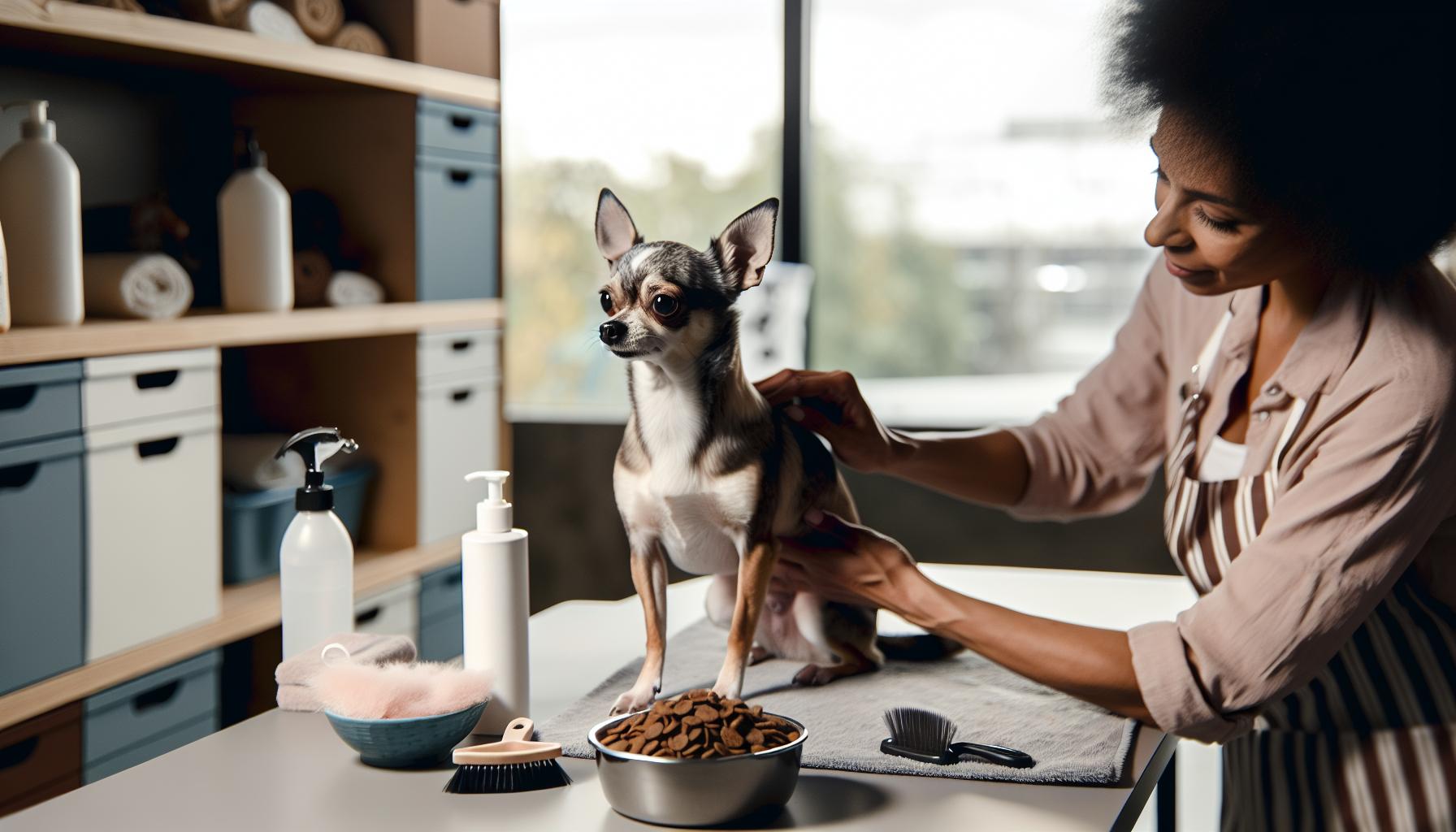
Chihuahuas, though tiny, have a big personality and a specific set of needs when it comes to grooming and nutrition. Their distinctive coats-whether long or short-require different care routines, making it essential for every owner to understand what their little companion needs to thrive. A well-groomed Chihuahua not only looks fabulous but also feels more comfortable and is less prone to skin irritations.
Grooming Your Chihuahua
Regular grooming is a key part of keeping your Chihuahua healthy and happy. For short-haired Chihuahuas, a weekly brushing with a soft-bristle brush can help reduce shedding and keep their coat shiny. However, if your Chihuahua has a long coat, more frequent brushing-about two to three times a week-will help prevent mats and tangles. Consider using a slicker brush or a comb designed for long-haired breeds to get through the coat effectively without pulling on the delicate skin.
Don’t forget to check their ears, eyes, and nails during grooming sessions. Chihuahuas can be prone to ear infections, so a gentle wipe with a damp cloth can help keep things clean. Their tear ducts may also need attention; look for dark tear stains around their eyes and clean them regularly to prevent buildup. Additionally, regular nail trimming is vital; if you can hear your Chihuahua’s nails clicking on the floor, it’s time for a trim to prevent discomfort.
Nutrition Essentials
Feeding your Chihuahua a balanced diet is crucial for overall health. Because of their small stature and high metabolism, they require nutrient-dense food in smaller portions. Look for quality dog foods that list meat as the first ingredient and are specifically formulated for small breeds. Many owners swear by feeding their Chihuahuas high-quality kibble supplemented with fresh fruits and vegetables like carrots or apples for added nutrition and antioxidants.
Since Chihuahuas can be susceptible to obesity, portion control is vital. A practical approach is to split their daily food intake into two to three meals to help manage hunger and energy levels. Always monitor their weight and adjust their diet as necessary.
Being proactive is key. If your Chihuahua shows signs of food allergies or intolerances, consult your veterinarian to find the right diet plan. Staying informed will not only help you keep your little friend in great shape but will also ensure they remain the vibrant, bold companions that Chihuahuas are known to be.
Different Chihuahua Types: Apple-Head vs. Deer-Head Explained
When considering the different types of Chihuahuas, the most prominent distinctions come down to their head shape: the Apple-Head and the Deer-Head. Understanding these two varieties is essential for owners looking to embrace the unique charm each type brings to the table.
The Apple-Head Chihuahua is characterized by its rounded skull, which resembles an apple, hence the name. This breed type typically possesses a shorter muzzle, large, expressive eyes, and a more defined jawline. Apple-Head Chihuahuas tend to have a more delicate appearance, which aligns with their often-perceived personality of being sassy yet affectionate. Many owners appreciate their bold and confident demeanor, making them both eye-catching and lively companions. However, be mindful that their prominent eyes can make them susceptible to certain health issues, such as patent ductus arteriosus (PDA) and eye injuries. For these reasons, regular vet check-ups are particularly important for these little stars.
Conversely, the Deer-Head Chihuahua boasts a longer, thinner skull, resembling more of a fawn with a longer snout and a more elegant body structure. This type usually has a more laid-back nature compared to their Apple-Head counterparts, which some owners find endearing. While Deer-Head Chihuahuas may exhibit a more robust physical build, they also tend to be less prone to certain health complications commonly seen in the Apple-Head variety. Their calm temperaments make them suitable for families and first-time dog owners, as they can adapt well to various living situations.
When selecting a Chihuahua, consider their personalities and care requirements. Both types need attention and socialization to cultivate their vibrant personalities and should never be left alone for long periods, given their need for companionship. While both types can be trained successfully, remember that Chihuahuas, regardless of their head type, thrive on positive reinforcement methods and consistent routines.
Ultimately, whether you lean toward the bold and spirited Apple-Head or the tranquil and gentle Deer-Head, both types bring immense joy and warmth to any home. Their loyalty and affection are undeniable, and as you explore each variety, you’ll find that your little Chihuahua, be it an Apple-Head or a Deer-Head, will quickly steal your heart.
Training Your Chihuahua: Proven Strategies for Success
Training a Chihuahua can be a rewarding adventure filled with plenty of character and charm. These tiny dynamos, whether Apple-Head or Deer-Head, may be small in size but make up for it with their vibrant personalities. A common misconception is that Chihuahuas are hard to train due to their feisty nature. In reality, with the right approach and techniques, you can guide your little friend to become a well-mannered companion.
One of the most effective methods for training your Chihuahua is through positive reinforcement. This technique involves rewarding desired behaviors with treats, praise, or even playtime. Since Chihuahuas are highly motivated by food, using small, soft treats can spur them into action. For example, when your Chihuahua sits on command, immediately present a treat and a loving word. This method not only encourages repeat behaviors but also strengthens the bond between you and your pet.
Consistency is also vital in training. Establish a routine for commands like “sit,” “stay,” and “down.” Chihuahuas thrive on repetition and clarity. If you consistently use the same words and gestures, your pup will quickly learn what you expect from them. Consider setting aside short training sessions daily, as Chihuahuas can have short attention spans. Five to ten minutes of focused training can make a significant impact without overwhelming your furry friend.
Socialization is another key element in training. Exposing your Chihuahua to various people, environments, and other pets from a young age will help to build their confidence and reduce any timidness or excessive barking. Arrange playdates with other dogs or take your Chihuahua on outings to pet-friendly shops. This not only teaches your Chihuahua about appropriate behaviors but also ensures they feel comfortable in diverse situations.
In addition, be mindful of your Chihuahua’s unique quirks. For instance, their bold nature might lead them to challenge larger dogs, while their smaller stature can make them feel vulnerable. Always supervise interactions with larger animals and be patient as your Chihuahua learns boundaries. Engage them with age-appropriate toys and puzzles to stimulate their minds and reduce any anxious behaviors.
With patience and loving guidance, you’ll nurture a well-behaved, confident Chihuahua. Celebrate both their progress and personality, embracing all the playful quirks that make them such fascinating companions. The joy of training is not only in achieving well-learned commands but also in enjoying the journey with your spirited little buddy by your side.
The Importance of Socialization for Chihuahuas
To foster a confident and well-mannered Chihuahua, socialization is key from a young age. These small dogs, whether they are the more delicate apple-heads or the sturdier deer-heads, can greatly benefit from expansive social experiences. Socialization helps them become comfortable with various people, environments, sounds, and even larger dogs. This exposure can mitigate behavioral issues often associated with insecurity, such as excessive barking or fearfulness.
One excellent way to socialize your Chihuahua is to arrange playdates with other dogs. This interaction can teach him appropriate play behavior and help him learn to read others’ signals. Consider joining local dog groups or attending puppy classes where socialization is part of the curriculum. Exposing your Chihuahua to pet-friendly shops, parks, and even cafes can provide enriching experiences that build his confidence. Just like Stella, a proud Chihuahua owner, shared; her pup no longer barks at strangers after regularly visiting the local dog park and meeting new friends.
It’s also essential to introduce your Chihuahua to various environments and situations. Whether you’re on a walk, exploring a new trail, or even just visiting a friend’s home, these experiences allow him to adapt to changes and new stimuli. Remember, consistency is crucial. Regularly incorporating social settings into his routine ensures he becomes familiar and comfortable with the world around him.
While socializing, always watch for signs of distress in your Chihuahua. Some Chihuahuas may be more sensitive than others. If you notice any signs of fear or anxiety, don’t rush the process. Patience and gradual exposure will allow him to thrive in all sorts of company. By making socialization an enjoyable part of your Chihuahua’s life, you’re not just preparing him for new experiences; you’re also enriching his personality and strengthening the bond you share.
Exercise Needs of Chihuahuas: Keeping Them Active and Happy
While Chihuahuas may be small in size, their exercise needs are just as important as those of larger breeds. Despite their lapdog reputation, these little dynamos have an abundance of energy and require regular physical activity to stay happy and healthy. On average, Chihuahuas benefit from at least 30 minutes of exercise a day, which can be easily achieved through short walks and playtime.
A great way to keep your Chihuahua active is through engaging play sessions. Chihuahuas enjoy a variety of activities, such as chasing after toys or engaging in tug-of-war games. Here’s how you can ensure your furry friend gets the exercise he needs:
- Daily Walks: Embrace walks as a routine. Aim for two short walks daily-one in the morning and another in the evening. This not only helps your dog burn energy but also exposes him to new sights and smells.
- Interactive Play: Utilize toys like squeaky balls or feather wands to encourage your Chihuahua to play actively. Engaging in a game of fetch can be thrilling and rewarding for him.
- Safe Outdoor Adventures: If your Chihuahua enjoys the outdoors, consider visiting dog parks or pet-friendly areas where he can run while you supervise. This offers a wonderful opportunity for socialization too.
It’s important to remember that Chihuahuas have unique personalities that can influence their exercise preferences. Some may be more adventurous and outgoing, while others might prefer a cozy game of hide-and-seek at home. For instance, Max, an apple-head Chihuahua, loves playdates with larger dogs, which helps him channel his energy positively. Always be attentive to your pup’s cues; if he seems tired or disinterested, it’s perfectly fine to scale back the activity.
Additionally, monitor the climate when exercising outdoors. Chihuahuas are susceptible to temperature variations, so avoid strenuous activities in extreme heat or cold. Recognizing when your Chihuahua needs a break is essential to maintain their well-being.
Regular and enjoyable exercise can significantly enhance your Chihuahua’s mental and physical health. By incorporating a mix of walks, playtime, and social activities, you not only ensure your little companion remains fit but also strengthen the bond you share. So, lace up your shoes and get ready for some fun – your Chihuahua is counting on you!
Common Myths About Chihuahuas Debunked
Many people harbor misunderstandings about Chihuahuas, often characterizing them as yappy, fragile, or overly aggressive. It’s essential to debunk these myths to help owners appreciate the true nature of this remarkable breed. For example, while Chihuahuas can indeed be vocal, this is often a reflection of their strong protective instincts rather than a sign of a temperament issue. They are fiercely loyal and can act as excellent watchdogs despite their tiny stature.
One common misconception is that Chihuahuas aren’t suitable for families with children. In reality, they can be wonderful companions for kids, provided the children understand how to respect their boundaries. Chihuahuas thrive on social interaction and can form deep bonds with family members. However, supervision is crucial, especially with younger children, to ensure both the dog and the child feel safe and comfortable.
Another myth suggests that Chihuahuas are delicate and prone to injury due to their small size. While it’s true that they require careful handling, they are far more resilient than many realize. For instance, owners like Sarah, who has an apple-head Chihuahua named Bella, often share stories of her playful nature and agility-skills she showcases when playing in the yard or on walks. Chihuahuas can excel in agility training and activities, turning out to be quite spry and capable when given the opportunity.
Additionally, the idea that Chihuahuas don’t require regular exercise due to their size is misleading. As spirited little creatures, they need daily physical activity to keep their energy levels balanced and their minds sharp. Engaging in playtime or short walks is essential not just for their physical health but also for their psychological well-being. Owners should embrace the playful and spirited nature of their Chihuahuas, allowing them to express their personalities through regular interaction.
In essence, understanding these myths allows owners to better appreciate their furry friends, nurturing a more fulfilling and joyful relationship. Chihuahuas are unique, loving companions that deserve the same level of care, respect, and love as any larger breed. Embrace their quirks-they truly embody the spirit of heart in a small package.
Traveling with Your Chihuahua: Tips for Adventures Together
Traveling with your Chihuahua can be an incredibly rewarding experience, provided you’re well-prepared for the unique needs of this compact breed. Chihuahuas, known for their spirited personalities and boundless loyalty, enjoy being by your side, making them great travel companions. However, their small size and sometimes sensitive nature require thoughtful planning to ensure their comfort and safety during your adventures.
First and foremost, it’s important to get your Chihuahua accustomed to being in a vehicle. Begin with short trips to help her get used to car rides. Use a secure pet carrier or a well-fitted harness attached to a seatbelt for safety. Chihuahuas can be prone to motion sickness, so if your pup shows signs of distress, consider consulting your vet for advice. Bringing along a familiar blanket or toy can help create a cozy environment and reassure her.
When planning your trip, consider pet-friendly accommodations and destinations that welcome small dogs. Whether you opt for a hotel that allows pets or a rental property, make sure it offers a safe space for your Chihuahua to explore. Before you go, check the local pet policies and ensure you have access to essentials like dog parks, pet-friendly restaurants, and even outdoor spaces where she can stretch her legs and engage with her surroundings.
Packing the right supplies is crucial for a successful journey. Create a travel bag that includes her favorite food, portable water bowls, and collapsible dishes. Don’t forget grooming tools, especially if you have a long-haired Chihuahua who might need a comb or brush during the trip. Bringing along a leash, waste bags, and any medications she may need is essential too. Keep a first aid kit handy for any minor injuries or accidents that might occur on the road.
In addition to all these preparations, remember to maintain her routine as much as possible. Chihuahuas thrive on stability and familiarity; adhering to regular feeding and exercise schedules can minimize anxiety associated with travel. For example, take breaks every couple of hours to let her stretch her legs and have a potty break. You might also consider packing a few of her favorite treats to reward her good behavior along the way.
Lastly, keep in mind that socialization is key. If you have an outgoing apple-head Chihuahua, she might love meeting new friends at pet-friendly locations. However, always supervise her interactions and ensure she’s comfortable, as too much excitement can be overwhelming. Conversely, if your Chihuahua is more reserved, opt for quieter environments where she can feel safe and secure. Embrace the little quirks that make Chihuahuas unique-a bold bark or a playful leap-because these experiences together can deepen your bond and create lasting memories.
With the right planning and care, your travels with your Chihuahua will not only be enjoyable but also strengthen the special connection you share.
Creating a Safe Home Environment for Your Chihuahua
Creating a haven for your Chihuahua at home is essential for their well-being, particularly for this pint-sized breed that thrives on comfort and security. Chihuahuas are known for their vibrant personalities, but their small stature makes them uniquely vulnerable to hazards that larger breeds might overlook. Ensuring that your living space is safe and accommodating can help foster a nurturing environment for your furry friend.
First, consider the layout of your home. Chihuahuas are naturally curious, which means they’ll explore their surroundings with gusto. To prevent accidents, secure or remove any hazardous items from their reach. This includes delicate decorations, electrical cords, and toxic plants. Preparing specific areas in your home where your Chihuahua can safely roam and play will not only protect them but also give you peace of mind. Baby gates can be useful for keeping them in safe zones, especially around stairs or rooms with potential dangers.
Keeping your space warm is also vital. Chihuahuas are sensitive to temperature changes and can get cold easily, so provide cozy nooks where your pup can curl up. A soft bed in a quiet corner or a comfy blanket on the couch creates a perfect retreat. Consider placing their bed in a warm, draft-free area, as this breed enjoys snuggling up and staying toasty. Regularly check their bedding for cleanliness and comfort; a well-maintained area can enhance their overall health and happiness.
Offering mental stimulation is another key aspect of creating a safe home. Chihuahuas thrive on interaction and challenge, so include toys that encourage play and problem-solving. Puzzle toys, for instance, can engage their minds while hours of interactive play help burn off energy. Rotate the toys regularly to keep their interest piqued. Moreover, involving them in family activities or training sessions enriches their experience and reinforces their bond with you.
Lastly, consider establishing a routine that provides stability. Chihuahuas are creatures of habit, and having a predictable schedule for feeding, walks, and playtime can reduce anxiety and promote good behavior. Engaging them in regular training sessions not only reinforces good habits but also builds confidence in their surroundings. Your Chihuahua deserves a safe, loving environment that celebrates who they are while addressing their unique needs-ensuring every day is a happy adventure at home.
Frequently Asked Questions
Q: What are the most common health issues faced by Chihuahuas?
A: The most common health issues in Chihuahuas include dental problems, patellar luxation, and heart conditions like mitral valve disease. Regular veterinary check-ups and a healthy diet can help prevent these issues. Understanding health concerns unique to Chihuahuas is essential for first-time owners.
Q: How can I effectively train my Chihuahua?
A: Consistency is key when training a Chihuahua. Use positive reinforcement techniques such as treats and praise. Start with basic commands and practice regularly. For more advanced strategies, view our section on training your Chihuahua: proven strategies for success.
Q: Why does my Chihuahua bark so much?
A: Chihuahuas are naturally vocal and may bark to express excitement, alert you, or communicate their needs. Understanding their temperament and behavior can help you manage excessive barking. Socialization and training can also reduce this tendency.
Q: Are Chihuahuas suitable for families with children?
A: Chihuahuas can be great family pets, but they need supervision with young children to prevent accidental injury. Teaching children how to interact gently with your Chihuahua is crucial. For more insights on their behavior, check our understanding Chihuahua temperament section.
Q: What is the life expectancy of a Chihuahua?
A: Chihuahuas typically live between 12 to 20 years, depending on genetics, diet, and care. Providing proper health care and regular vet visits can help ensure your Chihuahua lives a long, healthy life.
Q: How do I know if my Chihuahua is getting enough exercise?
A: A Chihuahua should receive at least 30 minutes of exercise daily. Signs of insufficient exercise include behavioral issues and obesity. Incorporate short walks and playtime into your routine to keep your Chihuahua active and happy.
Q: What type of grooming do Chihuahuas require?
A: Chihuahuas require regular grooming depending on their coat type. Long-haired Chihuahuas need more frequent brushing to prevent mats, while short-haired ones require less. Regular dental care is also essential to avoid dental issues.
Q: How do I create a safe home environment for my Chihuahua?
A: To create a safe environment, remove hazards like small objects and toxic plants. Designate a comfortable space for your Chihuahua that is free from dangers. Refer to our creating a safe home environment for your Chihuahua section for specific tips.
To Conclude
Understanding your Chihuahua’s unique traits is just the beginning of a rewarding journey. Remember, whether your pup is an apple-head or boasts a long coat, their loyalty and vibrant personality will bring joy to your life. If you’re eager to dive deeper into caring for your furry companion, check out our articles on Chihuahua health essentials and training tips to ensure a happy, healthy life together.
Your journey doesn’t end here! We invite you to explore more resources on our site-consider subscribing to our newsletter for expert insights and owner stories, or visit our breed-specific care guides. Don’t hesitate to share your experiences or questions in the comments below; your thoughts enrich our community.
Let’s celebrate the quirks of these tiny, bold companions together! Take a moment to connect with fellow Chihuahua enthusiasts and keep the conversation going. Your Chihuahua deserves the best, and we’re here to support you every step of the way!
Get our latest guides, news, and insights highlighted in your Google Search & AI Overviews.