
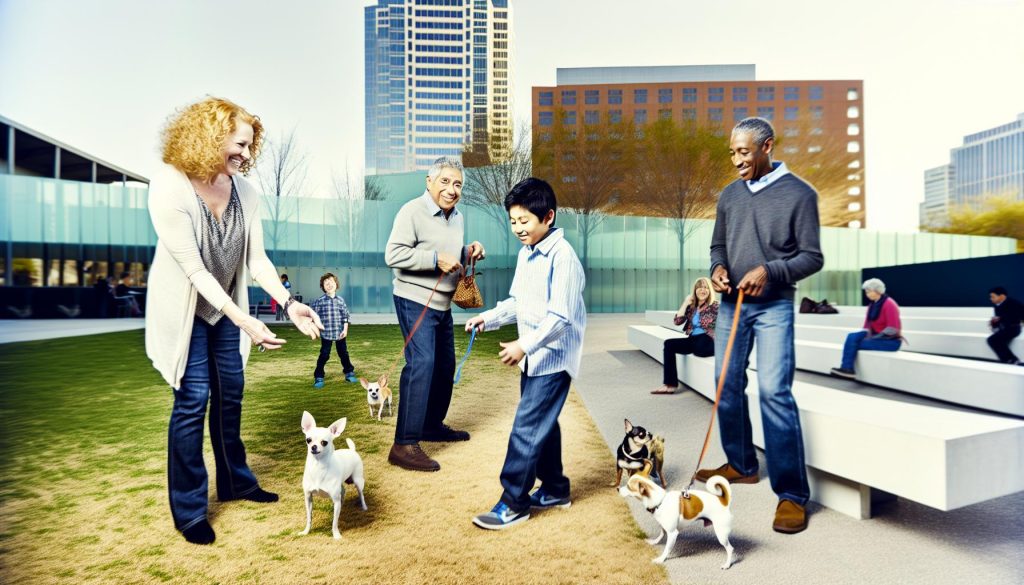
Chihuahuas are more than just the smallest dog breed; they are spirited companions known for their loyalty, boldness, and unique personalities. Whether you’re a first-time pet owner or a seasoned dog lover, understanding the pros and cons of owning a Chihuahua is crucial to ensuring a happy life together. These little dogs can be vocal guardians and charming lap buddies, but they also come with specific needs and challenges. This honest review will guide you through their temperament, health considerations, and care requirements. Let’s dive deep to uncover what makes Chihuahuas such endearing pets, as well as the realities that potential owners should be aware of-because every dog deserves a loving home, and every owner deserves to know what they’re getting into!
Understanding the Chihuahua’s Unique Personality Traits
Chihuahuas are small dogs with personalities that pack a punch! Known for their boldness and loyalty, these little companions can be fiercely protective despite their size. One standout trait is their vocal nature; Chihuahuas love to express themselves. Whether they’re barking at the mailman or chatting with you, their voices are a hallmark of their personality. This vocal trait can make them excellent watchdogs, alerting you to any unexpected visitors or changes in their environment.
Another distinctive characteristic is their unwavering loyalty. Chihuahuas often form deep bonds with their human companions, following them around the house and displaying affection through cuddles and closeness. For example, many owners notice their Chihuahuas will choose to sleep on or near them, showcasing their desire for companionship. It’s not uncommon for a Chihuahua to become particularly attached to one family member, creating an almost heartwarming dynamic that enhances the bond between pet and owner.
Chihuahuas can also exhibit a mix of confidence and wariness towards strangers. While some may warm up quickly, others might take a bit longer to assess new people. Early socialization is crucial; exposing your Chihuahua to different environments, people, and pets can help lessen their natural hesitance and promote a balanced demeanor. Additionally, understanding that Chihuahuas come in various types-like the apple-head and deer-head-can offer insight into how individual looks might reflect personality traits, with apple-head Chihuahuas often being more affectionate and playful.
It’s essential to embrace their quirks and appreciate their unique disposition. With consistent training, socialization, and love, your Chihuahua can thrive in any environment, reinforcing their role not just as pets but as beloved family members who embody a larger-than-life spirit in a tiny package.
Health Considerations for Chihuahua Owners

Chihuahuas, while bursting with personality, come with several health considerations that potential owners need to be mindful of. As one of the smallest dog breeds, they are also prone to specific health issues that deserve attention. For instance, dental issues are common in Chihuahuas due to their small mouths, which can lead to overcrowding and tooth decay. Regular dental check-ups and cleaning, along with at-home care like brushing their teeth, can help maintain dental health and prevent costly problems down the line.
Another significant concern for Chihuahua owners is their susceptibility to heart disease, particularly patellar luxation and congestive heart failure. These conditions can occur as they age or if they experience sudden shocks or trauma. Regular veterinary check-ups are essential for early detection and management of these health challenges. Owners should also be aware of monitoring their dog’s behavior for signs of distress or discomfort, which could indicate underlying health issues.
Moreover, Chihuahuas are sensitive to temperature extremes due to their small size and thin coat. It’s crucial to keep them warm in colder weather and avoid direct sunlight in hot conditions. A cozy sweater or a safe, shaded outdoor play area can protect them from harsh environmental factors. Additionally, because they are quick and active, owners must ensure their living spaces are safe to prevent injuries from falls or accidents.
Being aware of these health considerations will not only contribute to a longer, healthier life for your Chihuahua but also deepen the bond you share. Remembering that each Chihuahua is unique-like the apple-headed and deer-headed varieties-can help tailor your care approach to fit their specific needs, ensuring they thrive in your loving home.
Essential Care Tips for Your Chihuahua

Chihuahuas are often regarded as pint-sized companions with larger-than-life personalities. They embody both charm and challenge, requiring a specific understanding of their needs to thrive. As a proud parent of a Chihuahua, you’ll quickly learn that their unique traits, coupled with their unwavering loyalty, call for attentive and thoughtful care.
Nutrition and Diet
Choosing the right diet is vital for your Chihuahua’s overall well-being. Their small size means they need nutrient-dense food that caters to their energy levels and health requirements. Look for high-quality dog food formulated for small breeds, ensuring it contains real meat as the primary ingredient. Regularly consult your veterinarian to adjust portions and types based on your dog’s age, weight, and activity level.
Dental Care
These little furballs are prone to dental issues, so dental hygiene must be a priority. Invest in dog-specific toothpaste and a small toothbrush, and establish a routine for brushing their teeth regularly. Additionally, chew toys and dental treats can help keep their teeth clean and maintain good oral health. Regular vet check-ups will be crucial in catching any early signs of dental disease.
Exercise and Mental Stimulation
Despite their small stature, Chihuahuas are energetic and need daily exercise to stay fit and healthy. Short walks and play sessions are great, but mental stimulation is equally important. Engage your furry friend with puzzle toys or training exercises that challenge their minds. This will not only prevent boredom but also strengthen your bond through interactive play.
Grooming Needs
Chihuahuas come in two primary coat types: short and long. Short-haired Chihuahuas are relatively low maintenance, needing only occasional brushing to remove loose hair. Long-haired Chihuahuas, on the other hand, require more frequent grooming to avoid matting. Regular baths can help keep their coat fresh and could also be an opportunity to check for skin issues. Always use gentle dog shampoo to protect their delicate skin.
In conclusion, owning a Chihuahua is incredibly rewarding when you understand and meet their specific care requirements. Their unique personality, loyalty, and affectionate nature make them fantastic companions, but they do thrive best when their needs-be it nutrition, health care, or exercise-are met with love and diligence. Building a strong connection with your Chihuahua enhances both their life and yours, creating a bond that’s truly special.
The Chihuahua’s Exercise Needs and Habits

Chihuahuas may be small, but don’t let their size fool you-they possess bold personalities and an abundance of energy! If you’re thinking about adding one of these spirited companions to your family, it’s essential to understand their unique exercise needs to keep them happy and healthy. Chihuahuas thrive on daily physical activity, which not only burns off their natural energy but also enhances their mental well-being.
A well-rounded approach to exercise for your Chihuahua can include a mix of short walks, playtime, and mental stimulation. Aim for at least 30 minutes of exercise each day. Here are some great ways to incorporate this into your routine:
- Short Walks: Take your Chihuahua for several short walks each day rather than one long trek. Their little legs can tire quickly, but frequent walks will keep them engaged.
- Play Sessions: Interactive play-like fetch or tug-of-war-can be particularly enjoyable for Chihuahuas. Not only does it provide physical exercise, but it also strengthens your bond.
- Mental Stimulation: Chihuahuas are intelligent and benefit from activities that challenge their minds. Puzzle toys, training sessions, or even hide-and-seek can offer mental exercise alongside physical activity.
Balancing exercise with your Chihuahua’s natural inclinations is key. These tiny dogs are often fearless and can be quite vocal, so keeping them socialized with other dogs and people helps curb excessive barking and boosts their confidence. A playful environment where your Chihuahua can explore safely is ideal.
If your Chihuahua is more of a couch potato, that’s okay too! As your pup settles into your home, you might notice her own preferences. Just remember, keeping her active will ward off potential weight issues and contribute to her overall health. With their unique combination of spunk and charm, your Chihuahua’s exercise routine will be not just beneficial, but a joyful part of your life together.
How to Train Your Chihuahua Effectively

Training a Chihuahua can be a uniquely rewarding venture that showcases their intelligence and vibrant personality. These little dynamos possess an eagerness to please, but they also have a stubborn streak. That’s why finding the right training techniques is crucial to fostering a strong bond and achieving lasting obedience.
Positive reinforcement is the gold standard for training Chihuahuas. Utilizing treats, praise, and play as rewards can motivate them to learn and follow commands. For instance, when teaching basic commands like “sit” or “stay,” reward your pup each time he responds correctly. This method not only reinforces the behavior but also builds their confidence. Since Chihuahuas often respond well to a nearby human, training sessions will be much more effective when they engage closely with you, turning each lesson into a fun experience.
Short and Engaging Sessions
Chihuahuas have short attention spans, so keeping training sessions brief-5 to 10 minutes at a time-ensures they remain focused and enthusiastic. Consider incorporating training into your daily routine by teaching commands during walks or playtime. For example, practice “come” when calling your Chihuahua to you while playing fetch. Making training a regular part of your day helps solidify the lessons without overwhelming your furry friend.
Socialization: A Key Component
Socializing your Chihuahua is just as important as teaching basic commands. These small dogs can develop fearful or aggressive behaviors if not properly exposed to various people, pets, and environments. Start socialization early, introducing your Chihuahua to new experiences gradually. Arrange playdates with other dogs or take him to puppy classes to encourage positive interactions. A well-socialized Chihuahua tends to be more confident and adaptable, reducing the likelihood of behavioral issues later on.
Handling Behavioral Challenges
Do not shy away from behavioral problems, as Chihuahuas are known for their vocal tendencies and occasional assertiveness. Address issues like excessive barking or stubbornness promptly and consistently. For instance, if your Chihuahua barks at passersby, redirect his attention with a command or a toy and reward him when he complies. Understanding and managing these quirks helps create a serene home environment while ensuring your Chihuahua feels secure.
In conclusion, engaging your Chihuahua in fun, rewarding training and socialization experiences will enrich his life and strengthen your relationship. With consistent effort and a sprinkle of patience, you’ll see your tiny companion transform into a well-mannered friend who charms everyone with his bold personality.
Grooming Requirements for Different Chihuahua Coat Types
Caring for a Chihuahua’s grooming needs is essential not just for their looks but also for their overall health and happiness. These little companions come in two main coat types: short-haired (smooth coat) and long-haired. Each type requires distinct grooming practices to keep them looking their best while ensuring their well-being.
For Chihuahuas with short hair, grooming is relatively simple. They shed less and generally require minimal upkeep. A weekly brushing with a soft-bristle brush or a grooming mitt will help remove dead hair and distribute natural oils, giving their coat a healthy sheen. Because they’re small, a gentle rub-down is usually sufficient, making grooming a pleasant bonding experience. Additionally, regular check-ups for ear cleanliness and trimming their nails are crucial. Ensure you’re checking for any potential irritations or infections, as these areas can be prone to issues if not monitored.
On the other hand, long-haired Chihuahuas present a bit more of a challenge but are equally rewarding. Their glamorous locks can tangle and mat if not cared for properly. It’s recommended to brush them at least two to three times a week using a slicker brush or a wide-toothed comb to prevent mats and tangles. Always pay special attention to areas prone to mats, like behind the ears and under the legs. Bathing should be done every month or so, using a mild dog shampoo to avoid stripping the coat of its natural oils. Like their short-haired peers, long-haired Chihuahuas also benefit from regular ear checks and nail trimming.
No matter the type, bathing should not be done too frequently since it can lead to dry skin. When grooming, leverage positive reinforcement to create a positive association, rewarding your Chihuahua with treats or praise for calm behavior during the process. This approach not only makes grooming easier but also enhances your bond with your furry friend.
In summary, whether you have a sleek short-haired or a fluffy long-haired Chihuahua, consistent grooming is vital to their health and happiness. Embrace the quirks of your little companion, and make grooming a part of your shared routine, celebrating every brush stroke as a step toward keeping your Chihuahua vibrant and content.
Socialization: Importance for Your Chihuahua’s Well-being
Socializing your Chihuahua is crucial for their overall happiness and well-being. These spirited little companions often come with a bold personality and a natural tendency towards protectiveness, which can sometimes manifest as wariness around unfamiliar faces or environments. Proper socialization helps them develop confidence, reducing fearfulness and anxiety, and allowing them to navigate the world with poise.
One effective way to socialize your Chihuahua is through consistent and positive interactions with various people, pets, and environments. Early exposure during puppyhood-ideally between 3 and 14 weeks-is particularly effective; however, it is never too late to start. Regular trips to parks, playdates with other dogs, and visits from friends can make a world of difference. For example, a Chihuahua that regularly meets calm children may grow to be more accepting and patient around kids, turning potential fearful situations into joyful experiences.
Chihuahuas can be vocal, and their tendency to bark at unfamiliar sights or sounds comes from their instinct to protect their territory. By introducing her to a range of situations-such as different noises, people, and animals-you can teach her that not everything is a danger. Positive reinforcement techniques, such as treats and praise for calm behavior during these introductions, can make the process enjoyable. Additionally, observing an older, well-socialized dog can serve as an excellent guide for your Chihuahua, helping her learn appropriate social cues.
Ultimately, building a strong foundation of socialization ensures that your Chihuahua grows up to be friendly and adaptable. When she’s comfortable in various settings, you can relax knowing she will thrive in diverse situations. The joy of seeing your tiny friend confidently navigating her world, tail wagging and ready to play, is well worth the effort. So, embrace those quirks, celebrate her unique personality, and enjoy this bonding experience through socialization, as it significantly enhances her quality of life.
Common Behavioral Issues in Chihuahuas and Solutions
Chihuahuas are known for their bold personalities packed into tiny frames, which can lead to some unique behavioral challenges. One common issue is their tendency to be territorial and protective, often barking at strangers or unfamiliar sounds. This instinct stems from their innate desire to safeguard their family, but uncontrolled barking can become a nuisance. To manage this behavior, it’s essential to socialize your Chihuahua early. Regularly exposing her to different people and environments can help her learn that not all newcomers are threats. Reward calm behavior with treats or praise to reinforce positive responses.
Another frequent concern is the Chihuahua’s sensitive nature. These small dogs can be prone to anxiety, especially if they feel threatened or neglected. This sensitivity can manifest in destructive behaviors, such as chewing on furniture or excessive barking. Providing a safe space for your Chihuahua to retreat to when she feels overwhelmed is crucial. Additionally, maintaining a consistent routine can help her feel secure. For instance, consistent feeding times and regular walks can provide a structure that helps reduce anxiety.
Lastly, leash aggression is a notable issue in Chihuahuas. When on a leash, they may become more defensive, especially if they see other dogs or people. To counter this, it’s advisable to teach her commands such as “leave it” or “let’s go” to redirect her focus. Practicing polite leash manners through positive reinforcement will not only make walks pleasant but also help her build confidence while reducing the likelihood of aggressive behavior.
In conclusion, understanding the common behavioral issues Chihuahuas face and applying proactive strategies can significantly enhance both your dog’s well-being and your relationship with her. With the right approach, your lively little companion will thrive, showcasing her unique personality without the pesky behavioral quirks.
Living Arrangements: Are Chihuahuas Apartment-Friendly?
Chihuahuas are often considered perfect companions for apartment living due to their small size and adaptable nature. Their diminutive stature allows them to thrive in cozy quarters, making them an ideal choice for those residing in urban settings. Despite their tiny frames, Chihuahuas possess big personalities, exhibiting loyalty and affectionate behavior that can fill any space with joy. However, like any breed, they come with their own set of challenges and considerations for apartment dwellers.
Space Considerations
Living in an apartment doesn’t mean compromising on your Chihuahua’s happiness. They don’t require extensive room to roam, but having a designated play area is beneficial. Here are some tips for optimizing the space:
- Create a Safe Zone: Designate a specific area of your apartment where your Chihuahua can play freely. A soft dog bed or plush blanket provides comfort and security.
- Use Vertical Space: Dog shelves or ramps allow your little companion to explore different levels, keeping her mentally stimulated.
- Limit Access to Hazards: Ensure that your apartment is free from small objects or cords that an inquisitive Chihuahua might ingest or get tangled in.
Noise Management
Chihuahuas are known for their vocal nature, which can be a consideration in shared living spaces. While their barking is often a reflection of their protective instincts, finding ways to manage this behavior is essential for maintaining harmony with neighbors.
- Praise Calmness: Reinforce quiet behavior with treats and affection to train your Chihuahua to remain calm in potentially stressful situations.
- Offer Distractions: Engage him with toys or puzzles that can keep him busy and focused on something other than the sounds outside.
- Regular Socialization: Introducing your Chihuahua to various sounds and sights can help her adapt better to city living and reduce excessive barking.
Exercise Needs and Outdoor Access
Despite their small size, Chihuahuas require daily exercise to thrive. Fortunately, apartment living can provide ample opportunities for short walks and playtime. When it comes to exercise:
- Daily Walks: Regular leashed walks not only cater to your dog’s physical needs but also give her ample socialization opportunities with other dogs and people.
- Interactive Playtime: Simple games like fetch or tug-of-war can easily take place in your living room, keeping your Chihuahua active and engaged.
- Pawtastic Parks: If your community has nearby parks, be sure to take advantage of them. A trip to the dog park can be exhilarating for her and a great way for you to meet fellow dog owners.
In essence, while Chihuahuas certainly have unique needs as apartment dwellers, their adaptability, combined with your dedication to meeting their social, exercise, and psychological needs, can lead to a fulfilling and harmonious living experience. As long as you emphasize their health, manage their behavior with patience, and ensure regular interaction and stimulation, your Chihuahua will undoubtedly thrive, transforming your apartment into a vibrant home.
Cost of Owning a Chihuahua: What to Expect
Owning a Chihuahua can be one of the most rewarding experiences, but it’s crucial to understand the financial commitment involved. While these tiny pups often come with a small price tag, the reality of pet ownership extends far beyond the initial cost. From daily needs to unexpected expenses, being informed is key to ensuring your furry friend receives the best care possible.
Chihuahuas generally have low initial purchase costs, especially when compared to larger breeds. Depending on the breeder, the location, and the dog’s pedigree, you might find prices ranging from $300 to $2,000. Adopting from a shelter or rescue can significantly lessen this expense, sometimes costing as low as $50 to $200. Regardless of where you acquire your Chihuahua, ensure you choose a reputable source to avoid common health issues associated with poor breeding practices.
Ongoing Expenses
Once you welcome a Chihuahua into your home, ongoing expenses will include food, grooming, and healthcare. Chihuahuas typically require high-quality dog food, which can cost about $20 to $50 per month. Since they have a fast metabolism and are prone to dental issues, investing in quality kibble and dental treats is essential.
Healthcare is another critical aspect; routine veterinary visits, vaccinations, and unexpected health issues can add up quickly. Expect to budget around $200 to $600 annually for veterinary care. Keep in mind that as your Chihuahua ages, you may face additional medical costs, especially if chronic conditions arise, which can be common in small breeds.
Grooming Needs
Whether your Chihuahua has a smooth coat or a long-haired variety, they will require regular grooming. Smooth-coated Chihuahuas might need less maintenance, but long-haired types will require more frequent brushing to prevent matting. Budget approximately $10 to $50 per session if you decide on professional grooming. Alternatively, learning to groom your Chihuahua at home can be a cost-effective option and a great way to bond.
Miscellaneous Costs
Additional costs like toys, training classes, and pet insurance can also impact your budget. Toys can add anywhere from $50 to $100 annually, depending on the quantity and type of toys you choose. Training is crucial for this intelligent yet sometimes stubborn breed; lessons can range from $100 to $300 for a series of classes. Pet insurance is a great way to mitigate unexpected expenses, costing around $20 to $100 monthly, depending on the coverage you select.
In essence, the cost of owning a Chihuahua can range widely based on several factors, including health, grooming, and lifestyle choices. Preparing for these financial commitments early on will help ensure that your Chihuahua lives a happy and healthy life-full of love, care, and plenty of cuddles.
Chihuahuas and Children: Compatibility Insights
When it comes to living with children, Chihuahuas can be delightful companions, but it’s essential to understand their unique personalities and needs. These tiny dogs boast a bold spirit; they may be small, but they often act much bigger than they are! This can be a fantastic attribute when matched with respectful, gentle children who understand how to interact with them. With proper introductions and guidance, Chihuahuas often form strong bonds with kids, providing both love and loyalty.
To ensure a harmonious household, here are some key considerations for families with Chihuahuas and children:
Introduction and Social Interaction
- Supervised Introductions: Always supervise the initial meetings between your Chihuahua and children. Young kids should be taught the basics of dog interactions, such as not pulling ears or tails. This prevents stress for the dog and helps children learn appropriate boundaries.
- Gentle Play: Encourage gentle play. Chihuahuas can be vocal and may react if they feel overwhelmed or mishandled. Teach kids to engage with your Chihuahua in calm, interactive play, like gentle tosses of a small toy, instead of roughhousing.
Temperament and Behavior
- Vocalization: Chihuahuas are known for being quite vocal, which can be amusing but may also pose challenges. Children need to learn to respect the dog’s space, especially when he is resting or feeling overwhelmed. Understanding when a Chihuahua barks out of excitement versus anxiety is crucial for a positive environment.
- Protective Nature: Chihuahuas are fiercely loyal and can be protective of their family. This endearing trait can be beneficial, but it can also lead to jealousy if they feel their territory is being invaded. To balance this, teach your Chihuahua to feel comfortable with family members, allowing socialization to extend beyond just the immediate family.
Training and Responsibilities
- Training Sessions: Involve children in training sessions, which can be an excellent way for them to bond with your Chihuahua. Simple commands allow children to take an active role in their pet’s life, fostering responsibility and empathy.
- Daily Care: Older children can help with daily tasks such as feeding, grooming, and even walking (with supervision). This not only teaches them responsibility but strengthens their understanding of their Chihuahua’s needs.
Chihuahuas thrive in loving environments with understanding and respect. With a little effort, they can coexist beautifully with children, providing love, joy, and endless cuddles in return. Just remember, every Chihuahua is an individual, and their reactions can vary based on previous experiences and socialization. By nurturing these relationships with patience and care, your Chihuahua can be a loving playmate for kids, making both the dog and the family happier.
The Lifespan and Aging of Chihuahuas: What Owners Should Know
As your beloved Chihuahua ages, understanding their lifespan and the changes that come with it can help you provide the best care possible. Chihuahuas typically live between 12 to 20 years, with proper care influencing this range significantly. They’re resilient little dogs, but their small size does come with specific health considerations that owners should be aware of as their furry friend matures.
Health Focus: Regular Vet Visits
Regular check-ups are crucial as Chihuahuas age. Not only do these visits help catch issues early, but they also allow your vet to monitor conditions like dental disease, which chihuahuas are particularly prone to due to their small mouths. A comprehensive health plan might also include discussions about heart health, patellar luxation, and maintaining a healthy weight-conditions that are more prevalent in older Chihuahuas. Ask your vet about specific screenings as your dog matures; routine blood work can reveal underlying health concerns before they become serious.
Behavioral Changes to Watch For
Aging can alter your Chihuahua’s behavior. You might notice changes in their energy levels; a once-vibrant little companion may prefer lounging on the couch instead of chasing after toys. It’s essential to adapt their play routine to ensure engagement without overexertion. Additionally, some older Chihuahuas may experience anxiety or cognitive decline, leading to increased vocalization or confusion. Establishing a comforting routine can help them feel secure. Real-life examples often show that maintaining social interactions with other pets or humans can greatly enhance their happiness and reduce anxiety.
Adjusting Diet and Nutrition
Diet plays an influential role in your dog’s health as they age. Transitioning to a senior formula dog food may be necessary as it often has lower calories but maintains high-quality nutrients. Pay attention to their body condition; if they’re gaining weight, you might want to consult your vet about portion control or adjusting their diet. You might also consider adding joint supplements; many owners find that glucosamine aids their Chihuahuas, especially if you notice stiffness during playtime.
Maintaining a close bond with your Chihuahua through their senior years is crucial. Be vigilant about their health, make adjustments as needed, and ensure they remain part of the family circle of love and attention. A well-cared-for aging Chihuahua can continue to bring joy and companionship for many years, filling your life with loyalty and affection right until the very end.
FAQ
Q: What are common health issues in Chihuahuas?
A: Common health issues in Chihuahuas include dental problems, patellar luxation, and heart disease. Regular veterinary check-ups and proper dental care can help mitigate these risks. For more detailed insights, refer to the section on health considerations in your article.
Q: How do Chihuahuas behave with strangers?
A: Chihuahuas can be wary or even aggressive toward strangers due to their protective nature. Early socialization is crucial to help them become more comfortable. Engage in positive experiences with new people to reduce anxiety and promote friendly behavior.
Q: Do Chihuahuas require special diets?
A: Yes, Chihuahuas benefit from a high-quality, balanced diet specific to their size and activity level. It’s crucial to avoid overfeeding, as they are prone to obesity. Consulting with a vet about dietary needs is advisable for optimal health.
Q: Are Chihuahuas good for first-time dog owners?
A: Chihuahuas can be a good fit for first-time owners if they are ready for a vocal and sometimes stubborn dog. Consistent training and a patient approach can lead to a rewarding relationship. Refer to the training section in your article for effective tips.
Q: What is the average lifespan of a Chihuahua?
A: The average lifespan of a Chihuahua is between 12 to 20 years. Factors such as genetics, diet, and regular vet care significantly influence longevity. Understanding their aging can help owners provide better care as they grow older.
Q: How do I manage a Chihuahua’s barking?
A: Managing a Chihuahua’s barking involves identifying triggers and utilizing positive reinforcement training. Consistent commands and distractions, such as toys or treats, can help reduce unnecessary barking. Explore behavioral solutions in your article for more strategies.
Q: Can Chihuahuas adapt to different living environments?
A: Yes, Chihuahuas can adapt well to different living environments, including apartments. Their small size makes them suitable for limited spaces, but they still require regular exercise and mental stimulation to thrive. Check out the living arrangements section for more recommendations.
Q: Do Chihuahuas bond well with other pets?
A: Chihuahuas can bond well with other pets if properly socialized from an early age. Introductions should be gradual and monitored to ensure a positive relationship. Refer to your article’s socialization tips for effective strategies to foster multi-pet harmony.
Final Thoughts
As we’ve explored, Chihuahuas are more than just tiny companions; they are bold, vibrant personalities packed into small frames. With proper care and attention to their unique needs-like understanding their vocal nature and ensuring they get enough socialization-you can enjoy a fulfilling bond with your furry friend. Whether you’re drawn in by their loyal companionship or their playful quirks, the joys of owning a Chihuahua are immense. Don’t wait to deepen your understanding-check out our detailed guides on Chihuahua training and health tips to further enhance your journey.
Have questions or want to share your experiences with Chihuahuas? We invite you to comment below! Exploring the beauty of having a Chihuahua is just the beginning; consider signing up for our newsletter for insightful articles and tips, or head to our product pages for must-have accessories tailored for your little companion. Remember, embracing the steadfast loyalty and unique character of a Chihuahua can transform your life-so take the next step today!
Get our latest guides, news, and insights highlighted in your Google Search & AI Overviews.