

Did you know that Chihuahuas are one of the most recognizable dog breeds in the world, not just for their tiny size but also for their big personalities? These loyal, bold little companions are famous for their vocal tendencies and affectionate nature. Understanding the unique traits and quirks of Chihuahuas can enrich the bond you share with your furry friend. Whether you’re a first-time owner or a seasoned Chihuahua enthusiast, exploring their distinctive behaviors-from their love for cuddling to their fearless attitudes-can help you provide the best care possible. Dive deeper to discover how their vibrant personalities can brighten your life and what makes these pint-sized pooches such beloved companions.
What Makes Chihuahuas Unique and Adorable?
Chihuahuas boast a captivating blend of characteristics that make them not just unique, but utterly adorable. These tiny pups often embody an oversized personality that transcends their small stature. Known for their boldness and confidence, Chihuahuas can charm anyone with their lively antics and remarkable expressiveness. They are not merely companions; they are vibrant personalities that fill any room with energy. This exuberance is often matched by an affectionate nature that makes them incredibly loyal to their owners. It’s common to see a Chihuahua snugly nestled in their owner’s lap, radiating warmth and love.
One aspect that sets Chihuahuas apart is their impressive variety, characterized by different head shapes and coat types. You may encounter the Apple-head Chihuahua, recognized for its rounded skull and expressive eyes, or the Deer-head Chihuahua, distinguished by its longer nose and more elongated face. Each type showcases unique traits, from playful to regal, adding layers of charm to the breed. Additionally, their coats can range from short-haired to long-haired, presenting owners with options that suit their aesthetic preferences and lifestyle needs.
Their vocal nature may also surprise you. Many Chihuahuas have a distinct penchant for barking, using their surprisingly loud voices to express excitement or alert their owners of perceived threats. While some view this as a challenge, savvy owners recognize it as an opportunity for training and bonding. With consistent guidance, you can channel their vocal tendencies into a lively alert system rather than excessive noise.
Overall, the unique blend of bold personality, physical diversity, and expressive communication makes Chihuahuas one of the most charming breeds. They possess an innate ability to forge deep connections with their owners, highlighting their role not just as pets but as beloved family members. Embracing these traits will not only enhance your experience as a Chihuahua owner but also create a joyful environment where both you and your pup can thrive.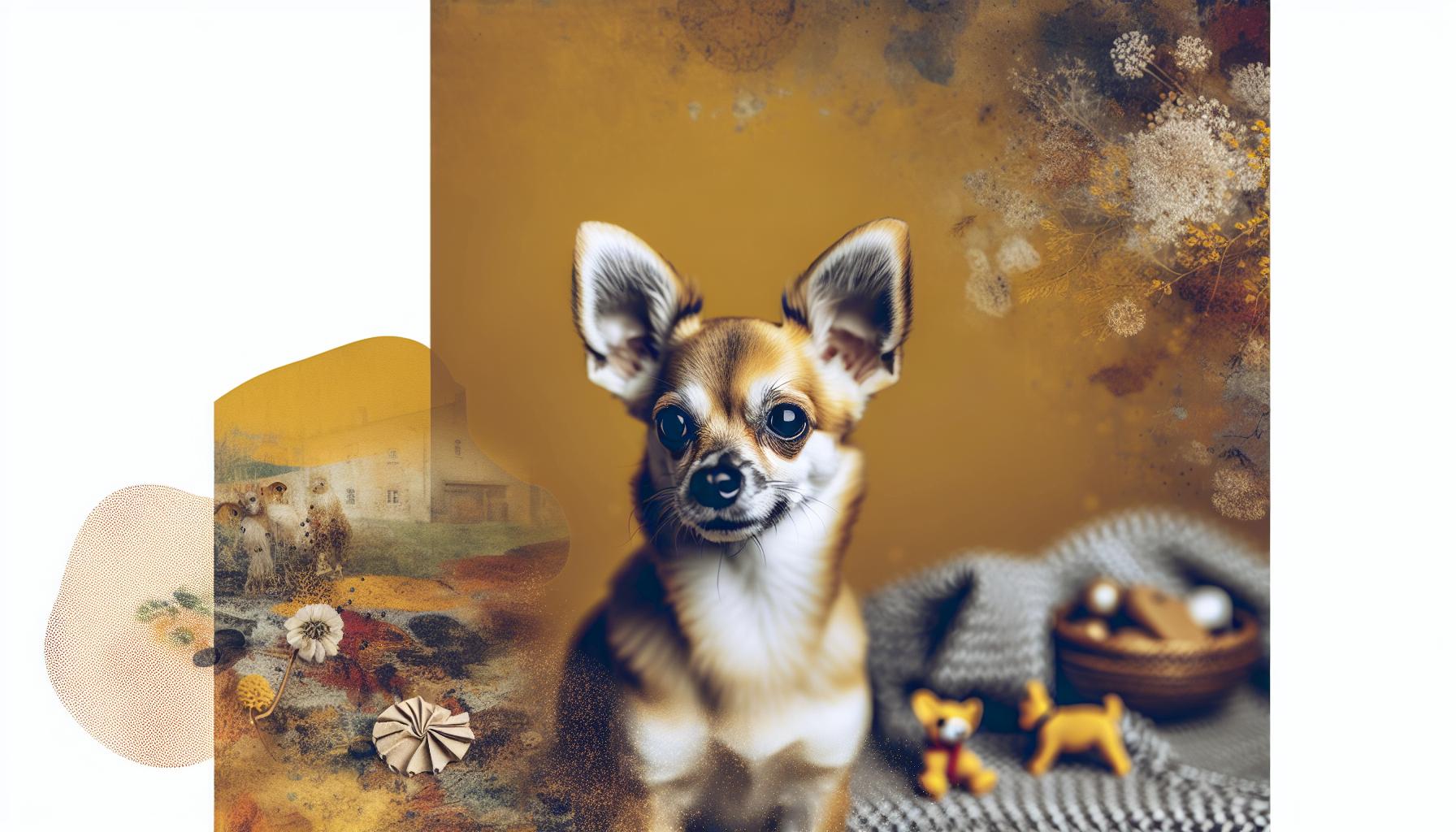
Understanding Chihuahua Temperament and Behavior
Chihuahuas are renowned for their vibrant personalities, which often manifest in their distinct temperaments and behaviors. These little dogs may be tiny in stature, but they boast a confidence that rivals much larger breeds. You’ll often notice that many Chihuahuas carry themselves with a certain attitude, complete with a curious demeanor that encourages exploration and interaction with their surroundings. This spirited nature makes them wonderful companions, as they not only engage with their owners but also charm anyone lucky enough to meet them.
To better understand your Chihuahua, it’s essential to recognize their propensity for strong social bonds. They are fiercely loyal and tend to become closely attached to their owners. This loyalty is often accompanied by a protective instinct, making them vigilant companions. For instance, if a new person enters the home, a Chihuahua may bark to alert their owner, showcasing both their vocal personality and their desire to safeguard their chosen family. This behavior can be endearing but may also require some guidance to ensure it doesn’t turn into unnecessary barking.
Another element of their temperament is their adaptability. Chihuahuas thrive in various living situations, from sprawling houses to cozy apartments. However, their need for social interaction means they fare best in environments where they can spend quality time with their owner. Regular playtime and obedience training can help channel their high energy levels and intelligent nature into positive behaviors. Notably, early socialization is crucial. Exposing them to different environments, people, and animals helps them develop a more balanced and less fearful disposition.
Understanding these characteristic behaviors-like their vocal tendencies or their need for companionship-can greatly enhance the owner-pet relationship. By observing and responding to your Chihuahua’s unique personality traits, you can foster a happier, healthier, and more harmonious life together. Embrace the quirks and joys that come with owning a Chihuahua, and you’ll find that your bond deepens, enriching both your lives.
The Chihuahua’s Notable Vocal Personality
Chihuahuas are not just adorable companions; they’re also known for their charming vocal personalities. These little dogs have a way of expressing themselves that can be both entertaining and lovingly annoying. If you’ve ever owned a Chihuahua, you’ll likely appreciate their unique vocalizations, which range from barks and yips to a surprising ability to engage in what seems like conversation with their owners. Their vocal flair often stems from their innate desire to communicate, protect, and connect with the people around them.
A Chihuahua’s bark is more than just noise; it is a testament to their bold personalities. Despite their small stature, many Chihuahuas approach life with a larger-than-life attitude. This can manifest in a steady stream of barks when they encounter a stranger or something unusual in their environment. Many owners share stories of their Chihuahuas alerting them to the mailman’s arrival, barking fiercely at any perceived threat, however tiny, like a leaf blowing past or a squirrel up a tree. While it can be endearing, this vocal trait may require some attention-consistent training can help manage excessive barking, while still allowing them to express their lively spirit.
Encouraging Positive Vocalization
To harness this vocal energy positively, integrate commands associated with quietness and calmness into your training routine. Here are a few strategies to consider:
- Reward Silence: When your Chihuahua is quiet, reward them with treats or affection. This teaches them that calm behavior is desirable.
- Teach the “Quiet” Command: Use a command like “quiet” when your Chihuahua starts barking. Pair this with a reward once they stop barking-consistent repetition will build positive behavior over time.
- Divert Their Attention: If your Chihuahua barks at specific stimuli, redirect their focus with toys or engaging activities. This can diminish their urge to bark at distractions.
With a bit of patience and practice, you can foster a balanced vocal personality that fits well within your home’s atmosphere, allowing you to appreciate their spirited expressions without overwhelming the household.
Ultimately, Chihuahuas’ vocal habits underscore their personality traits: they are loyal, attentive, and loving. Each bark, yip, and whine can be a window into their feelings, fears, and needs. As you navigate your Chihuahua’s vocal journey, remember to celebrate the quirky sounds that make them, well, uniquely yours.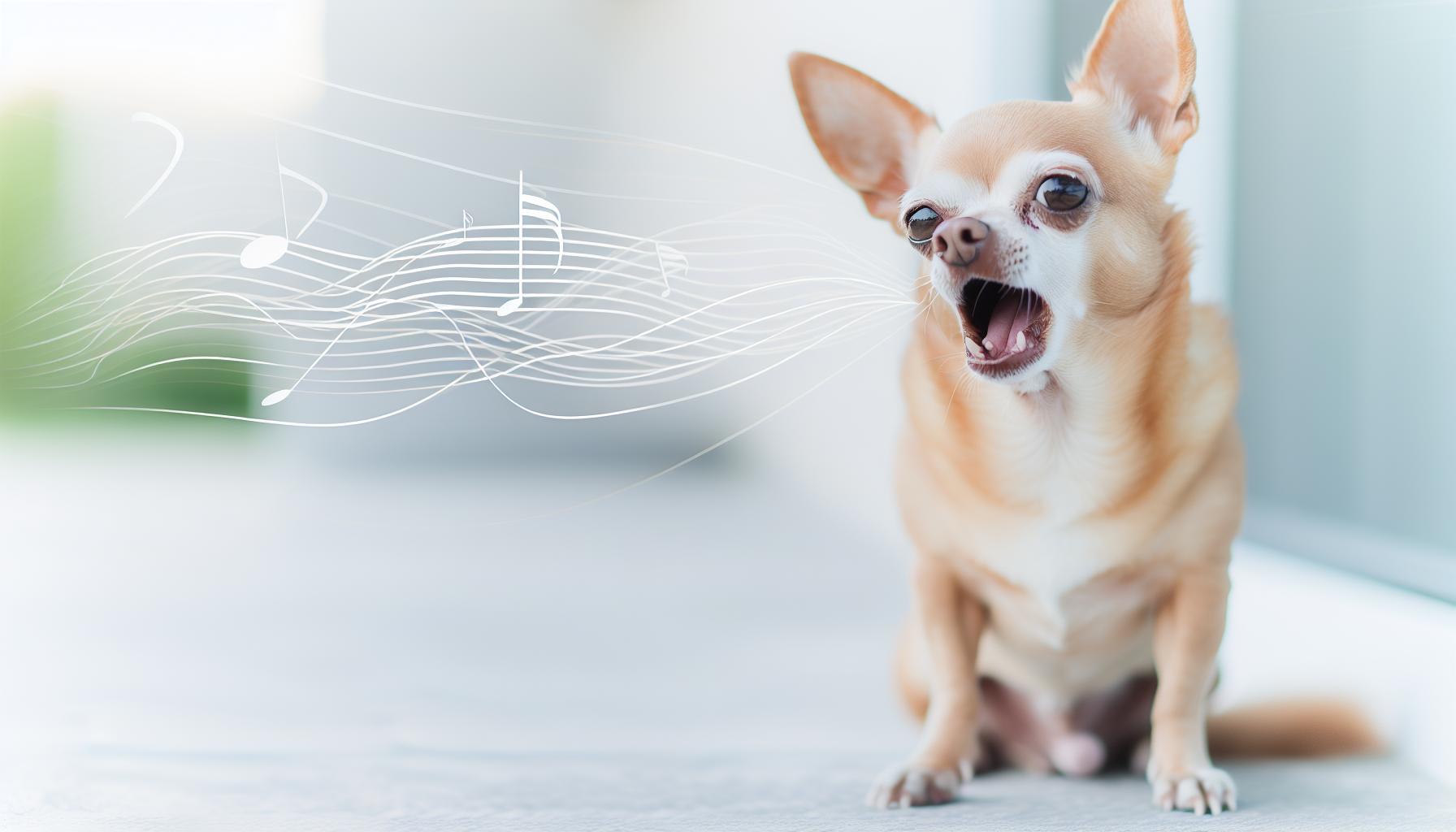
Health Concerns Commonly Found in Chihuahuas
Chihuahuas, despite their tiny stature, bring a unique set of health considerations that owners should be aware of to ensure their long, happy lives. This breed is renowned for its vibrant personality, but some common health issues can affect their quality of life. Being proactive about these concerns can make a significant difference, allowing you to enjoy the delightful quirks of your Chihuahua without the worry of underlying health problems.
One significant health issue in Chihuahuas is dental disease. Their small mouths can contribute to overcrowding of teeth, leading to plaque buildup and periodontal disease. Regular dental care, such as brushing your Chihuahua’s teeth and providing dental chews, can help stave off these problems. Many owners have found that routine vet visits that include dental checkups can catch issues early, often before symptoms arise.
Another common concern is patellar luxation, where the kneecap dislocates from its normal position. This condition can lead to discomfort and difficulty walking, particularly in active Chihuahuas. If you notice your pup suddenly skipping or holding up a leg, it’s essential to consult your vet. Some owners have found that minimizing high-impact activities can help manage this condition effectively.
Chihuahuas are also prone to heart problems, particularly mitral valve disease, which is often secondary to dental issues. Regular veterinary check-ups and a heart-healthy diet play crucial roles in prevention. Many happy Chihuahua owners recommend monitoring their pup’s weight closely, as obesity can exacerbate heart issues.
Finally, due to their size, Chihuahuas can be more susceptible to temperature extremes. Whether it’s the chill of winter or the heat of summer, Chihuahuas need protection from the environment to stay comfortable and healthy. Clothes for colder months and ensuring ample hydration and shade during hot weather can make a significant impact.
In short, while Chihuahuas are indeed adorable and loaded with personality, being aware of these health concerns will help you cherish every moment with your spirited companion. Embrace their quirks with a proactive approach to health, and you’ll enjoy a loving bond for years to come.
Essential Care Tips for Your Chihuahua
Caring for a Chihuahua goes beyond simple feeding and grooming-it’s about understanding their unique needs and celebrating their vibrant personalities. These little bundles of energy are known for their spunky demeanor and undeniable charm, but they also require dedicated attention and love to thrive. Here’s how to ensure your Chihuahua not only survives but truly flourishes.
Health and Wellness
Being aware of your Chihuahua’s health is crucial. Regular veterinary check-ups are essential to catch any potential issues early. Chihuahuas face specific health challenges like dental problems, which are common due to their small mouths. To combat this, brush your Chihuahua’s teeth regularly using dog-friendly toothpaste and provide dental chews that can help keep their teeth clean. Many pet owners have shared that incorporating dental treats into their Chihuahuas’ diets has significantly reduced plaque buildup.
Additionally, keep an eye out for signs of patellar luxation, a common condition where the kneecap slips out of place. If your pup suddenly skips a leg or seems reluctant to jump, it’s worth a trip to the vet. Regular exercise is important, but be sure to tailor it to your Chihuahua’s abilities; short, gentle walks can work wonders.
Nutrition and Diet
Your Chihuahua’s diet plays a vital role in their overall health. High-quality, small-breed dog food formulated for their specific needs will help maintain their energy levels and weight. Chihuahuas can be prone to obesity, which can exacerbate heart problems, so portion control is very important. Many owners find that feeding multiple small meals throughout the day keeps their Chihuahua happy and healthy, rather than one or two larger meals.
Monitor their weight regularly, and consider discussing a nutrition plan with your vet, especially if your Chihuahua has any health concerns. Providing fresh water at all times and incorporating healthy snacks like baby carrots can be a great way to keep them hydrated and engaged.
Training and Socialization
Training your Chihuahua is key to fostering good behavior and a happy home. Begin training early using positive reinforcement techniques. Chihuahuas are intelligent but can be a bit stubborn, so patience is necessary. Owners often find success with short training sessions that incorporate fun, engaging activities-treats work wonders as rewards!
Socialization is also critical for Chihuahuas. Introduce your pup to different environments, people, and other dogs from a young age. This exposure helps to curb any fearfulness or excessive barking as they grow. Regular visits to dog parks or playdates can build their confidence and ensure they develop a well-rounded temperament.
Grooming and Comfort
Depending on their coat type-smooth or long haired-Chihuahuas require different grooming routines. While smooth coats may only need occasional brushing, long-haired Chihuahuas benefit from more frequent grooming to prevent mats and tangles. Regular baths are also essential, but be careful not to overdo it since too much washing can strip their skin of essential oils.
Finally, remember that Chihuahuas are sensitive to temperature changes due to their small size. Should there be a cold snap, a cozy sweater can keep your Chihuahua warm, while during summer, make sure they have plenty of shade and fresh water. As one owner put it, “Keeping my Chihuahua comfortable in her little sweater during the winter makes her sparkle brighter!”
With proper care, you’ll find that your Chihuahua’s unique traits-vocal personality, loyalty, and playful spirit-shine through, making every moment with your tiny companion truly rewarding.
Exploring the Different Chihuahua Coat Types
Chihuahuas are charming companions, not just for their striking personalities but also for their diverse coat types. This breed primarily comes in two distinct coat varieties: smooth and long-haired. Each type has its own unique qualities and grooming needs, contributing to the adorable quirks that Chihuahua lovers cherish.
The smooth-coated Chihuahua is perhaps the more recognizable of the two. With sleek, short fur, this coat can be a variety of colors and patterns, ranging from fawn to black, white, and even chocolate. Owners of smooth Chihuahuas often appreciate the ease of care that comes with this coat type. A quick weekly brushing is usually enough to keep their fur shiny and healthy. Additionally, smooth coats are less prone to matting, making them ideal for first-time dog owners or those looking for lower-maintenance grooming routines.
In contrast, the long-haired Chihuahua boasts a more glamorous look with flowing locks that can vary in length and texture. This coat can range from wavy to silky, requiring more attention than its smooth counterpart. Regular grooming sessions-ideally several times a week-are essential to prevent tangles and mats. Many owners find joy in these grooming routines, seeing them as opportunities for bonding with their furry friends. It’s common to see long-haired Chihuahuas flaunting their fluffy coats, especially after a good brushing, looking every bit the regal companion.
Chihuahuas can also exhibit various colors within these coat types, leading to unique combinations that reflect their vibrant personalities. Regardless of coat type, all Chihuahuas share a common trait: they thrive on love and attention. Adopting a Chihuahua means embracing their individuality, from their distinctive fur to their bold and quirky mannerisms. Whether you’re drawn to the sleek elegance of a smooth coat or the enchanting beauty of a long-haired variety, one thing is clear-your Chihuahua will undoubtedly steal your heart with their charm and unique style.
The Amazing Loyalty of Chihuahuas
Chihuahuas are renowned for their extraordinary loyalty, often forming unbreakable bonds with their owners that can be nothing short of heartwarming. This small breed, characterized by their big personalities, naturally becomes protective of their humans. Many owners share stories of how their Chihuahuas will follow them from room to room, preferring to stay close to their side at all times. This unwavering attachment can be particularly evident during stressful situations, where a Chihuahua will seek comfort from their owner, showcasing their keen ability to sense emotions.
What truly sets Chihuahuas apart is their fierce loyalty despite their petite size. Whether it’s an apple-head or deer-head variety, each Chihuahua carries the same tenacity. They may be tiny, but they often believe they are much larger than life, standing guard over their humans, and barking at perceived threats. This instinctive protectiveness can be amusing and endearing, and many owners appreciate how their Chihuahuas take their role as “watchdogs” seriously.
To cultivate this loyalty even further, it’s essential for owners to foster a trusting relationship. Regular positive reinforcement training plays a crucial role in this process. Here are some tips to strengthen that bond:
- Consistency is Key: Establish regular routines in feeding, walking, and playtime. Chihuahuas thrive on predictability.
- Socialization: Introduce your Chihuahua to various people and environments, helping them build confidence and reinforce trust in you as their leader.
- Quality Time: Engage in interactive play and cuddle sessions to deepen your connection. They cherish moments spent with their favorite person.
Real-life examples highlight this unwavering loyalty. One Chihuahua owner recounted how her little companion sensed her anxiety during a particularly tough day and snuggled close to her, bringing immense comfort without needing words. Another owner shared how his Chihuahua would bark whenever a stranger approached, seamlessly merging the roles of companion and protector.
In summary, the loyalty of Chihuahuas is a hallmark trait that many owners adore. By providing love, attention, and a stable environment, you’ll not only reap the rewards of affection but also cultivate a deeply loyal companion ready to stand by you through thick and thin.
Training Your Chihuahua: Tips and Techniques
Training a Chihuahua can be a delightful experience, especially when you understand the breed’s unique personality traits. Known for their boldness and lively spirit, Chihuahuas require a tailored approach to training that accounts for their small stature yet big attitude. These little companions often think they are much larger than they are, which can lead to fun but also challenging training moments. To get the most out of your training sessions, consider the following techniques that are particularly effective for Chihuahuas.
Positive Reinforcement
One of the most effective training methods for Chihuahuas is positive reinforcement. This involves rewarding your dog with treats, praise, or play when they exhibit desired behaviors. For instance, if your Chihuahua sits on command, immediately reward them with a treat and some enthusiastic praise. Over time, this helps reinforce the behavior, making them more likely to repeat it. Here’s how to effectively implement this method:
- Be Quick: Deliver the reward as soon as they perform the desired action. Timing is crucial.
- Use High-Value Treats: Find treats that your Chihuahua absolutely loves-something they don’t get every day-to really get their attention.
- Short Sessions: Keep training sessions brief (around 5-10 minutes) but frequent to maintain your Chihuahua’s focus and interest.
Establishing Boundaries
Given their feisty nature, Chihuahuas benefit greatly from having clear boundaries. It’s essential to establish what behaviors are acceptable and which are not. For example, if your Chihuahua likes to bark excessively or jump on guests, address these behaviors early on. Be consistent in your corrections. If you allow certain behaviors one day but not the next, it can confuse your dog. Consider the following strategies:
- Calm Corrections: If your Chihuahua exhibits unwanted behaviors, calmly redirect them. For instance, if they start barking at the door, guide them to a designated spot away from the action.
- Use Commands: Utilize commands like “quiet” or “down” in a firm but gentle voice. Reward them when they comply.
- Be Patient: Understand that some behaviors might take longer to correct due to their strong-willed personality.
Socialization is Key
Socializing your Chihuahua from a young age is crucial in helping them become well-rounded companions. This breed can be more susceptible to anxiety or overprotectiveness if not properly socialized. Introduce your Chihuahua to a variety of people, environments, and other animals early on. To facilitate socialization effectively:
- Controlled Encounters: Arrange playdates with other dogs and ensure the interactions are positive and controlled.
- Frequent Outings: Take your Chihuahua to parks, pet-friendly stores, or even just for drives in the car-the more diverse experiences they have, the better.
- Observe Reactions: Watch how your Chihuahua reacts to new situations. Reward calm behavior but manage any signs of fear or aggression with a soft touch and reassurances.
Overall, training a Chihuahua is not just about commands; it’s an opportunity to strengthen the bond between you and your little friend. Celebrate their quirks, whether it’s their spirited vocalizations or their sassy attitudes. As you engage in training, you’ll find that these little dogs respond best to love and patience, rewarding you with a loyal companion in return.
Chihuahua Size Variations: Apple-head vs. Deer-head
Chihuahuas are not just known for their lively personalities and loyalty; they also exhibit fascinating physical traits that distinguish them from one another, particularly their head shapes. Among Chihuahuas, two prominent types, the apple-head and the deer-head, stand out, each embodying unique characteristics that appeal to different owners. Understanding these size variations can enhance your appreciation for the breed and help you choose the companion that’s right for you.
The apple-head Chihuahua is easily identifiable by its rounded skull and short, well-defined muzzle. This type tends to have a distinctive “apple” shape-which is not only adorable but also gives them an expressive face that many enthusiasts adore. Owners often find that apple-head Chihuahuas are affectionate and tend to bond closely with their human companions. Their petite stature makes them perfect for cozy lap times, but it’s crucial to be aware of their delicate nature. Because of their head structure, they can be more prone to certain health issues, such as hydrocephalus, so regular vet check-ups are essential.
In contrast, the deer-head Chihuahua features a longer, more tapered muzzle and a flat forehead that resembles a small deer. This type typically has a more robust build and might be slightly larger than the apple-head variety. Owners often appreciate the deer-head Chihuahuas for their outgoing nature and adaptability. These dogs can be a bit more active than their apple-headed brethren, making them great companions for those who enjoy outdoor activities. However, they too require proper care to ensure they remain healthy and happy throughout their lives.
When deciding between the two, consider not only their appearance but also their temperamental differences. While both types carry the distinct Chihuahua quirkiness and spirited vocalizations, your lifestyle might align better with one head shape over the other. Remember, whether you gravitate toward the apple-head’s sweet charm or the deer-head’s playful demeanor, both types are sure to fill your home with love and joy.
The Quirky Habits of Chihuahuas You’ll Love
Chihuahuas are a treasure trove of quirks and behaviors that endear them to their owners. Their charmingly bold personalities, combined with their diminutive size, make them both entertaining and utterly lovable companions. One of the standout qualities of Chihuahuas is their confidence; despite weighing just a few pounds, they often act like they own the place. A classic example comes from a Chihuahua named Bella, who would strut into the dog park, tail high and barking at larger dogs as if to say, “I dare you!”
Another delightful habit that many Chihuahua owners observe is their tendency to cuddle-often referred to as “copycat cuddling.” Chihuahuas love to snuggle up against their humans or even other pets. You might find your Chihuahua burrowing under blankets or pushing their way into your lap, seeking warmth and affection. This need for closeness stems from their strong pack mentality. For Chihuahua owners, this reinforcement of bond is a daily joy, especially during quiet moments at home.
Chihuahuas also boast unique vocalizations. Known for their impressive barking repertoire, they may express excitement, warning, or simply a call for attention. Their vocal prowess can catch you off guard, especially when an apple-head like Charlie starts a one-dog symphony at the sight of a squirrel outside the window. While their barking can be humorous, it’s essential to provide appropriate training and socialization to channel that vocal energy positively. This will help your Chihuahua learn when it’s time to be quiet and when to vocalize their feelings.
Moreover, many Chihuahuas exhibit a funny habit of burrowing, going as far as creating a cozy nest in their owner’s clothing or blankets. This behavior not only shows their instinct for seeking safety but also their love for warmth and closeness. Providing a soft, designated space can cater to this need and keep them feeling secure. As first-time Chihuahua owners, embracing these quirky habits can create an enriching experience for you and your furry friend, allowing both of you to grow and bond through those playful moments of affection and understanding.
Socializing Your Chihuahua for a Happy Life
Chihuahuas thrive on social interactions, and introducing them to various environments is vital for their development and happiness. Their bold nature can sometimes lead to apprehension in new situations, making it essential to start socialization early. Engaging your Chihuahua with different people, pets, and places helps them build confidence and reduces anxiety. For instance, inviting friends over can familiarize your little one with new faces, while trips to the local dog park can introduce them to other dogs, reinforcing positive experiences with both.
Utilizing positive reinforcement during these social encounters is key. When your Chihuahua interacts well with another dog or greets a new person without barking excessively, rewarding them with treats or praise reinforces this behavior. This type of training can also be helpful if your Chihuahua shows signs of fear or aggression. Regularly exposing her to various sounds, sights, and experiences while providing comfort and encouragement will cultivate a well-adjusted and adaptable little companion.
Tips for Successful Socialization
- Start Early: If possible, begin socializing your Chihuahua as a puppy. Early experiences can set the foundation for their adult behavior.
- Use Controlled Environments: Start in calm settings where your Chihuahua can explore new experiences at her own pace.
- Meet Various Animals: Introduce her to different dog breeds and sizes, as well as other animals, to build comfort around different species.
- Regular Outings: Take your Chihuahua on regular outings to parks, pet stores, or dog-friendly cafes. This helps her become accustomed to being out and about.
- Be Patient: Every Chihuahua is unique, so adjust your socialization pace based on your pup’s comfort level.
Creating positive experiences is especially important for those adorable apple-head Chihuahuas, who may be more sensitive than their deer-head counterparts. Owners often find that these little pups appreciate gentle introductions to social situations-such as a gradual approach to meeting new friends or other dogs. Remember, as a loving Chihuahua parent, your goal is to help her feel secure and confident while celebrating her quirky, endearing nature. In doing so, you nurture a happy, well-socialized companion who is ready to take on the world with you by her side!
Understanding Chihuahua Nutrition and Diet Needs
When it comes to keeping your Chihuahua happy and healthy, understanding their unique nutritional needs is essential. These little pups, known for their bold personalities and strong bonds with their humans, require a diet that supports their active lifestyles and overall well-being. Whether you have an apple-head or a deer-head Chihuahua, providing proper nutrition can make a significant difference in their energy levels, coat health, and longevity.
Chihuahuas have a high metabolism due to their small size, which means they need to consume nutrient-dense foods in smaller, more frequent meals. A balanced diet for your furry friend should include quality protein sources, healthy fats, and essential vitamins and minerals. Look for high-protein dog food that lists real meat-like chicken or fish-as the first ingredient. Typically, Chihuahuas do well on a dry kibble diet, but you can also incorporate wet food to add variety and increase hydration. Just ensure any food you choose is specifically formulated for small breeds for the best results.
Monitoring Weight is another crucial aspect of your Chihuahua’s nutrition. Due to their tiny frames, even a small weight gain can lead to health issues. You should regularly check your pup’s waistline-when viewed from above, there should be a noticeable waist rather than a straight line. If your Chihuahua is gaining excess weight, consider adjusting portion sizes and focusing on low-calorie treats or healthy vegetable snacks, such as baby carrots or green beans, which many dogs love.
Common Dietary Myths
- Table Scraps are Safe: Avoid giving your Chihuahua table scraps, as many human foods can be harmful to them. Foods like chocolate, grapes, and onions are toxic.
- All Grains are Bad: While some Chihuahuas might be sensitive to certain grains, many thrive on diets that include whole grains, so consult your vet if you’re considering grain-free options.
- Supplements are Always Necessary: If you provide a high-quality dog food that is appropriate for their life stage, your Chihuahua may not need additional supplements, but consult your vet for personal recommendations.
By paying close attention to your Chihuahua’s diet, you celebrate all the unique traits that make them the beloved companions they are. Providing balanced nutrition contributes to their vibrant energy and quirks, ensuring they remain the lively, affectionate little shadows that follow you everywhere. Remember, each dog is different; don’t hesitate to seek the guidance of your veterinarian to tailor the best feeding plan for your darling companion.
Faq
Q: What are some common personality traits of Chihuahuas?
A: Chihuahuas are often described as bold, confident, and loyal companions. They can be protective of their owners, making them great watchdogs. Despite their small size, they often exhibit a larger-than-life personality, showcasing both playfulness and a feisty temperament, especially when socialized properly.
Q: Why do Chihuahuas bark so much?
A: Chihuahuas are known for their vocal nature, barking to express excitement, alertness, or even discomfort. Their barking can also be a result of their strong protective instincts. Training and early socialization can help manage excessive barking, leading to a more balanced demeanor.
Q: How do I socialize my Chihuahua properly?
A: Socializing your Chihuahua involves exposing him/her to various people, pets, and environments gradually. Start with controlled introductions and positive reinforcement. Regular outings and puppy classes can enhance their social skills, reducing fear and aggression towards unfamiliar situations.
Q: What are the unique quirks of Chihuahuas?
A: Chihuahuas have fascinating quirks like curling up in unexpected places, shivering, even when warm, and often preferring to be carried rather than walk. Understanding these traits can enhance their care experience; it’s part of what makes them adorable and unique!
Q: Do Chihuahuas have any specific health issues?
A: Yes, Chihuahuas are prone to certain health concerns such as dental problems, heart disease, and patellar luxation. Regular vet check-ups and proper dental care can address many of these issues early, helping ensure your Chihuahua lives a healthy, happy life.
Q: How much exercise does a Chihuahua need?
A: Chihuahuas typically require 15 to 30 minutes of exercise daily. Short walks and playtime can meet their needs, but it’s important to keep their activity levels consistent for health and behavior stability. Be mindful of their size; avoid overly strenuous activities.
Q: Can Chihuahuas be left alone for long periods?
A: While Chihuahuas are independent, they thrive on human interaction. Leaving them alone for extended periods can lead to separation anxiety. It’s best to train your Chihuahua to become accustomed to alone time gradually, providing toys or puzzles to keep them engaged.
Q: What should I feed my Chihuahua?
A: A balanced diet is crucial for Chihuahuas. Choose high-quality dog food that meets their nutritional needs, considering their size and age. Consult your veterinarian for specific dietary recommendations, especially regarding portion control to avoid obesity, which they are prone to.
Final Thoughts
As you embrace the delightful quirks and strong personalities of Chihuahuas-like their loyal, bold nature and unique vocalizations-remember that every dog brings its own charm. Whether you’re a first-time owner or an experienced enthusiast, understanding their health and care needs is essential for a happy life together. To deepen your knowledge, check out our articles on “Chihuahua Health Essentials” or “Fun Activities for Active Chihuahuas” for practical insights that will enrich your experience with your furry friend.
Don’t miss out on our tips for training and socializing your Chihuahua to help him thrive. If you found this guide helpful, sign up for our newsletter for ongoing expert advice and community stories that celebrate this beloved breed. Share your Chihuahua’s quirks in the comments below-we’d love to hear from you! Your journey with your little companion is just beginning, so let’s explore it together.
Get our latest guides, news, and insights highlighted in your Google Search & AI Overviews.