
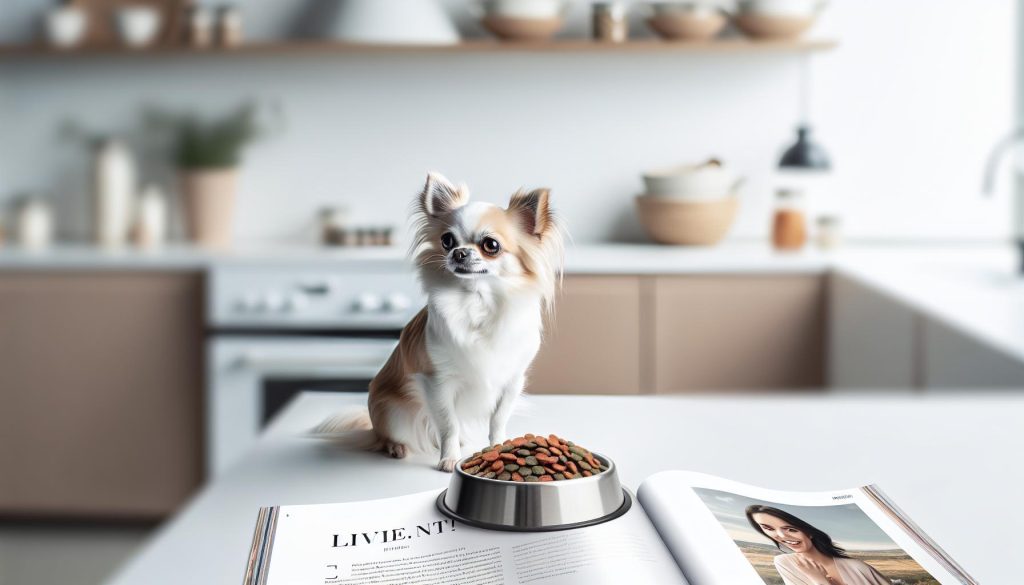
Did you know that Chihuahuas are among the smallest dog breeds, yet they have big personalities? Understanding the right diet for your loyal little companion is crucial for maintaining his health and happiness. Proper nutrition helps prevent common issues like obesity, dental problems, and heart disease, ensuring your furry friend thrives. Whether you’re a first-time owner or a seasoned Chihuahua enthusiast, knowing what to feed him can significantly impact his energy levels and overall wellbeing. In this guide, we’ll explore the best dietary practices for Chihuahuas, focusing on their unique needs based on age, size, and activity level. Get ready to learn how to nourish your tiny powerhouse, and discover tips to create a balanced meal plan that delights his taste buds while keeping him fit and vibrant! Let’s dive into the world of Chihuahua nutrition and unlock the secrets to a healthy, happy life for your beloved pet.
The Best Diet for Your Chihuahua: Essential Nutrients Explained
Chihuahuas are small dogs with big personalities, and their dietary needs reflect their unique characteristics. To keep your furry friend healthy, it’s essential to understand which nutrients are crucial for this spirited breed. Chihuahuas require a diet rich in high-quality proteins, healthy fats, and specific vitamins and minerals to support their energetic lifestyle. Protein should be the cornerstone of their diet, as it helps maintain muscle mass and supports their metabolism. Look for sources such as chicken, turkey, and fish, ensuring they are easily digestible.
In addition to protein, fats are vital for energy and coat health. Omega-3 and Omega-6 fatty acids play a significant role in keeping your Chihuahua’s skin and fur in top condition, especially beneficial for the apple-head types known for their delicate skin. You can find these healthy fats in fish oil or flaxseed oil, which can be added to their meals in moderation. Moreover, vitamins such as Vitamin E, which is crucial for immune function, and B vitamins, which promote energy levels, should be included in their diet.
Chihuahuas are prone to dental issues, so it’s important to balance their nutrient intake with dental health. Consider incorporating crunchy kibble or treats specifically designed to reduce plaque buildup. As a general rule, choose high-quality dry dog food that lists meat as the first ingredient and avoid fillers like corn and soy, which provide little nutritional value.
A well-rounded diet that focuses on these essential nutrients will support not only your Chihuahua’s overall health but also their playful and lively spirit, ensuring they remain the vibrant companions we adore. Remember, introducing any new diet or ingredient should be done gradually to prevent digestive upset, so keep an eye on how your Chihuahua reacts to any changes!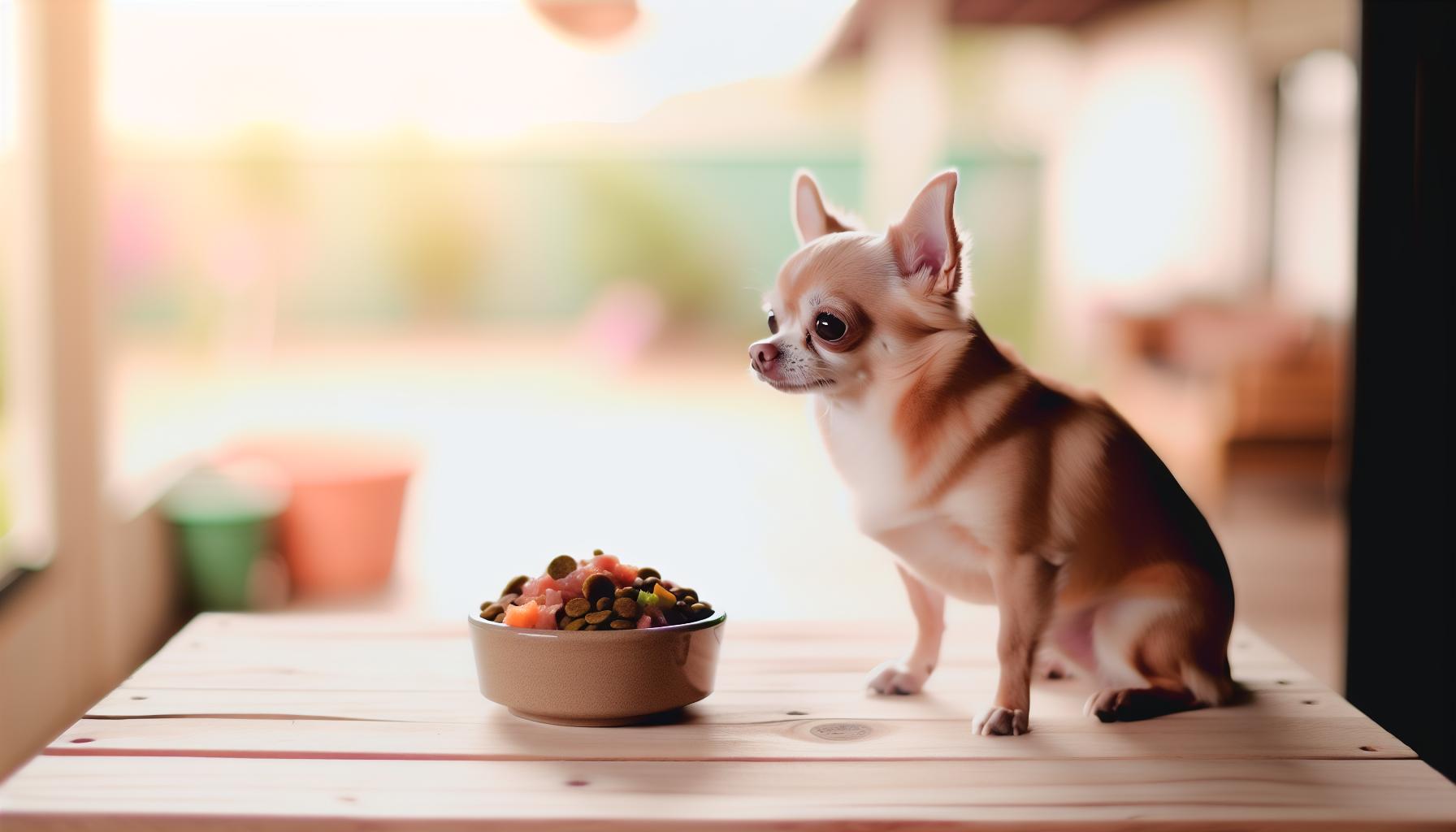
Understanding Chihuahua-Specific Feeding Needs
Chihuahuas are more than just tiny companions; they’re vibrant little souls, brimming with personality. Understanding their unique feeding needs is essential for nurturing their energetic nature and maintaining their health. These pint-sized pooches require a carefully balanced diet that caters to their specific nutritional requirements. High-quality proteins are pivotal, supporting muscle maintenance and energy levels. Sources like chicken, turkey, and fish are excellent choices, but the key is to ensure they are digestible.
A diet rich in healthy fats, particularly Omega-3 and Omega-6 fatty acids, is crucial for promoting a shiny coat and healthy skin. These beneficial fats can be found in fish oil or flaxseed oil, which you can easily mix into their meals. It’s not just about what goes in, though; how it goes in matters too. Chihuahuas, especially apple-head types, can have sensitive systems, so gradual introductions of new foods are essential. Pay attention to their reactions-some may thrive on variety, while others might prefer a consistent diet.
Chihuahuas can be prone to dental issues, making dental health a key consideration in their diet. Incorporating crunchy kibble can not only provide essential nutrients but also help in reducing plaque buildup. When selecting food, look for options that prioritize meat as the primary ingredient and avoid fillers like corn and soy, which offer little nutritional benefit. This simple but effective approach will ensure that your spirited companion remains healthy and happy, continuing to bring you joy with their loyalty and exuberance.
By focusing on these specific dietary needs and adjustments based on age and activity level, you can significantly improve your Chihuahua’s quality of life. Remember, every little change matters in keeping your beloved pet thriving and full of life!
Tips for Choosing Quality Dog Food for Chihuahuas
When selecting food for your beloved Chihuahua, the stakes are high. These spirited little companions need a diet that’s not only nutritious but also caters specifically to their unique needs as small breed dogs. The right food can enhance their energy levels, improve their coat, and support overall health, so let’s delve into some essential tips for making the best choices.
Start with the ingredients list. Quality dog food should prioritize high-quality protein sources such as chicken, turkey, or fish as the first ingredient. Look for brands that specify named meats instead of generic terms like “meat meal.” Chihuahuas thrive on digestible proteins, which help maintain their muscle mass and support their high-energy lifestyle. Avoid foods laden with fillers like corn, soy, and wheat, as these offer little nutritional value and can contribute to allergies or digestive issues.
Consider size and texture, too. Since Chihuahuas have small mouths, they often struggle with large or hard kibble. Opt for small-bite options or those specifically formulated for toy breeds. This not only aids in eating but can also help with dental health. Crunchy kibble can assist in reducing plaque buildup, which is particularly important given the breed’s predisposition to dental problems. Some owners find success with a mix of dry kibble and wet food for an enticing combination that encourages hydration while keeping mealtime interesting.
Finally, think about your Chihuahua’s specific life stage and activity level. Puppies require more calories and nutrients for growth, while older dogs may benefit from food tailored to support joint health. Always be mindful of portion sizes; a good rule of thumb is to consult the feeding guidelines provided by the food manufacturer but adjust based on your Chihuahua’s weight and activity level. Regular vet check-ups can help guide any necessary adjustments to ensure your tiny pal stays healthy and strong.
By focusing on high-quality ingredients, suitable sizes, and the unique needs of your Chihuahua, you’re not just feeding your dog-you’re nurturing a vibrant personality full of energy and affection.
The Ideal Portion Sizes for Chihuahuas
Feeding your Chihuahua the right portion sizes is crucial for maintaining their health, energy levels, and overall well-being. These little dynamos have unique nutritional needs, influenced by their size, age, and activity level, so understanding how much to feed can keep them happy and healthy. A well-fed Chihuahua is not just adorable; she is vibrant and ready to engage in her wonderfully bold personality!
Generally, an adult Chihuahua should eat between 1/4 to 1 cup of high-quality dog food daily, broken into two meals to aid digestion and prevent hunger-related anxiety. Puppies, on the other hand, require more frequent feedings-typically three to four times a day-to support their rapid growth and energy needs. As a rule of thumb, always refer to the feeding guidelines on your dog food package, but remember these are just starting points. Adjust based on how your furry friend responds-are they maintaining a healthy weight? Acting lively and playful?
It’s also important to monitor their body condition. A good way to check is by feeling your Chihuahua’s ribs: you should be able to feel them without excess padding, and she should have a noticeable waistline when viewed from above. If your little one is gaining too much weight, reducing portion sizes slightly can help, just as increasing playtime might. Conversely, if she’s losing weight or is too thin, a small increase in portions or a switch to a higher-calorie food may be necessary.
Keep in mind that treats can also add up in calories. Aim to keep treats to no more than 10% of her daily calorie intake to ensure that she’s still receiving a balanced diet from her main meals. If you’re unsure, a quick consultation with your veterinarian can provide personalized guidance based on your Chihuahua’s specific needs.
Ultimately, feeding the right portion sizes tailored to your Chihuahua’s lifestyle will help her to thrive and live her best life full of love and adventure!
Homemade Meals: Safe and Healthy Recipes for Chihuahuas
Creating homemade meals for your Chihuahua can be a delightful way to ensure she eats nutritious, wholesome food tailored to her specific needs. Not only do homemade meals foster a deeper bond between you and your furry companion, but they also allow you to control the ingredients, enabling you to avoid any fillers or allergens that may be present in commercial dog food. It’s like giving your little diva the gourmet experience she deserves!
When preparing meals for your Chihuahua, it’s crucial to balance protein, healthy fats, and carbohydrates while including essential vitamins and minerals. Here are some safe and healthy recipes to get you started:
Simple Chicken and Rice Recipe
This recipe is easy to digest and great for maintaining healthy energy levels.
- Ingredients:
- 1 cup cooked, shredded chicken (no bones or skin)
- 1/2 cup cooked white rice
- 1/4 cup steamed vegetables (like carrots or peas)
- Instructions: Mix the chicken, rice, and vegetables together in a bowl. Serve warm, and store leftovers in the refrigerator for up to 3 days.
Beef and Sweet Potato Mash
Rich in nutrients, this dish is perfect for a hearty meal.
- Ingredients:
- 1 lb lean ground beef
- 1 large sweet potato, peeled and diced
- 1/2 cup green beans, chopped
- Instructions:
- Cook the ground beef in a skillet until browned, draining any excess fat.
- Boil the diced sweet potato in water until tender, then mash it.
- Combine the beef, mashed sweet potato, and green beans in a bowl. Let it cool before serving.
Health Considerations
Always consult your veterinarian before changing your Chihuahua’s diet, especially if she has any health conditions or dietary restrictions. Portion sizes should be tailored to her weight and activity level, so keep an eye on her body condition to adjust as needed. Additionally, avoid adding salt, seasonings, or ingredients like onions and garlic, which can be harmful to dogs.
Making homemade meals for your Chihuahua not only caters to her dietary needs but also showcases the love and care you invest in her health. The joy of watching her relish her food will make the extra effort worthwhile!
Common Foods to Avoid for Your Chihuahua’s Health
Chihuahuas, with their bold personalities and tiny frames, are quite discerning eaters. As a devoted owner, you may be tempted to share your meals with your little companion, but it’s essential to know that not all human foods are safe for them. Some common foods can do serious harm to your Chihuahua’s health, leading to discomfort or even life-threatening conditions.
One of the most critical foods to avoid is chocolate. Even small amounts can be toxic, causing symptoms like vomiting, rapid heart rate, and seizures. Similarly, grapes and raisins pose a severe risk; they can lead to kidney failure even in tiny doses. Be cautious with foods like avocados and macadamia nuts, which can cause gastrointestinal distress and lethargy. Owners must be especially vigilant as these ingredients can sometimes be hidden in recipes.
It’s also important to steer clear of onions and garlic, which belong to the Allium family. These can cause oxidative damage to red blood cells in dogs, leading to anemia. Keep an eye on snacks and processed foods, as many contain ingredients that might seem benign but can be harmful to your Chihuahua’s system. For instance, products containing xylitol, an artificial sweetener, are incredibly toxic and can result in liver failure.
Always remember that the safest approach to your Chihuahua’s diet is to stick to high-quality dog food and treats specifically formulated for her needs. If you’re ever in doubt about what foods are appropriate, consult with your veterinarian to keep your little diva healthy and happy.
Grooming and Diet: How Nutrition Affects Coat Health
Ensuring your Chihuahua has a healthy, shiny coat is closely tied to what she eats. Nutrition plays a crucial role in not only maintaining your little one’s overall health but also directly impacts the quality of her coat. A well-nourished Chihuahua reflects her vitality through her fur, which should be vibrant, soft, and free of excess shedding. By focusing on a balanced diet rich in essential nutrients, you can foster a beautiful coat that showcases her vibrant personality.
Chihuahuas, especially those with longer or double coats, benefit significantly from diets rich in fatty acids, particularly Omega-3 and Omega-6. These nutrients are found in fish oils, flaxseed, and certain plant oils. They help maintain skin moisture levels and support healthy hair growth. To ensure your dog gets these beneficial oils, consider adding a small amount of fish oil or flaxseed oil to her food, or choose high-quality dog foods that list these ingredients among the first few on their labels. Remember, a dog’s coat can also indicate her hydration levels-dehydrated skin can lead to a dull and flaky coat. Thus, always ensure she has access to fresh water throughout the day.
Regular grooming, in addition to a proper diet, can enhance coat health. Brush your Chihuahua a few times a week to remove dirt and dead hair, which helps distribute natural oils produced by her skin. This practice not only improves the appearance of her coat but also helps you check for any skin irritations or parasites. Some owners have found that using specific grooming products, like moisturizing sprays or conditioners formulated for dogs, can also keep their Chihuahuas’ coats looking fabulous. For instance, a fellow Chihuahua enthusiast, Maria, swears by a natural conditioner that helps combat the drying effects of indoor heating during winter months, keeping her pup’s coat silky smooth.
Ultimately, a consistent routine of adequate nutrition coupled with appropriate grooming will ensure your Chihuahua’s coat remains healthy and glossy. This not only makes her feel comfortable and confident but also allows her to strut her stuff, showing off her beauty and flair, which is what our little companions do best!
Hydration: The Role of Water in Your Chihuahua’s Diet
Keeping your Chihuahua properly hydrated is essential to her well-being and vitality. As a proud owner of this tiny yet spirited breed, you may have noticed that Chihuahuas can be quite picky about their water. It’s vital to ensure she always has access to fresh, clean water. This not only helps prevent dehydration but also supports her overall health, including digestion, energy levels, and coat condition.
Chihuahuas can be prone to certain health issues, such as dental disease and urinary tract problems, which can be exacerbated by inadequate hydration. Always ensure her water bowl is filled with fresh water, and consider using a fountain-style bowl to encourage her to drink more. Many little ones are drawn to running water, which can make the drinking process more appealing. Additionally, keep an eye on her water intake, especially during warmer months or after playtime, as they can easily become dehydrated.
To further enhance hydration, it’s sometimes beneficial to include wet food in her diet, which can contain up to 75% water. This can be particularly helpful if your Chihuahua is hesitant to drink. You might also consider adding a splash of low-sodium chicken or beef broth to her water to entice her. Just be sure to avoid any broth with onions or garlic, as these can be toxic to dogs.
Lastly, you can create a refreshing treat by freezing low-sodium broth into ice cubes. This not only serves as a fun treat on hot days but also encourages her to stay hydrated. Remember, your Chihuahua’s approach to drinking water may fluctuate based on her activity level and temperature, so stay attentive to her needs. With a little creativity and dedication, you can ensure your loyal companion remains happy, healthy, and hydrated!
Supplements for Chihuahuas: When and What to Use
When it comes to keeping your Chihuahua healthy, supplements can play a valuable role in their overall nutrition, especially given the breed’s unique size and health concerns. A well-rounded diet is crucial, but sometimes even the best dog food might not cover all the nutritional bases that your little one might need. This is where supplements can step in to fill those gaps and boost her well-being.
Chihuahuas are known for their bold personalities, but they can also be prone to particular health issues like dental problems, heart conditions, and joint concerns. To aid in this, consider incorporating supplements that promote dental health, such as dental chews or powders rich in enzymes. These can help reduce tartar buildup and maintain fresh breath, which is essential considering their susceptibility to dental issues. Omega-3 fatty acids are another excellent supplement for Chihuahuas, promoting a shiny coat and supporting joint health, especially if you have an older or more active dog that enjoys a spirited game of fetch.
It’s also vital to assess her specific needs based on her age and activity level. Young, energetic Chihuahuas may benefit from multivitamins or probiotics to support their immune systems and digestion. In contrast, senior Chihuahuas might require joint support supplements like glucosamine or chondroitin to help maintain mobility. Always consult with your veterinarian before introducing new supplements, as they can provide personalized recommendations based on her health status and diet.
Lastly, don’t forget about the importance of hydration when considering supplements. Some owners creatively mix liquid supplements into their Chihuahua’s water or food, ensuring she stays hydrated while receiving her nutrients. With the right combination of diet and supplements, you can enhance your little companion’s health and vitality, enjoying many happy moments together-after all, a healthy Chihuahua is a happy Chihuahua!
Feeding Chihuahuas: Adjustments for Age and Activity Level
Feeding your furry little companion involves more than simply filling her bowl; understanding her dietary needs based on age and activity level is crucial for her overall health and happiness. Chihuahuas have unique metabolic rates and nutrient requirements, which can change as they progress through different life stages. For instance, a young, sprightly Chihuahua full of energy will have different dietary needs compared to a calm, senior dog who prefers lounging on the couch.
Young Chihuahuas, usually under the age of three, typically require a diet that supports their high energy levels and rapid growth. This means focusing on high-quality dog foods designed for puppies, which often contain higher protein levels and essential fatty acids to promote healthy development. Incorporating a balanced mix of protein sources, like chicken or fish, along with carbohydrates from sweet potatoes or brown rice, can also enhance their energy and growth. For example, a puppy named Bella thrived on a combination of puppy kibble mixed with a small amount of shredded chicken, giving her a nutritious boost.
As Chihuahuas transition into adulthood, usually around three years old, their activity levels may vary significantly. A more active dog will need a different caloric intake compared to one that prefers a more laid-back lifestyle. It’s essential to monitor her weight and adjust her portions accordingly, ensuring she maintains a healthy weight. Opting for a high-quality adult formula can help meet her nutritional needs while avoiding the weight gain that can come from overfeeding. If your adult Chihuahua like Max loves to go on long walks or play fetch, consider adding some fitness-friendly treats or incorporating more protein in her meals to sustain her energy.
For senior Chihuahuas, typically those over seven years of age, the focus shifts toward maintaining health and mobility. Aging dogs may benefit from diets that are lower in calories but enriched with joint-supporting supplements like glucosamine and chondroitin. These nutrients help keep their joints healthy and active, helping them enjoy their golden years without discomfort. Additionally, ensuring that older dogs have easy-to-chew food can make meal times more enjoyable. For example, Luna, an apple-head Chihuahua, thrived on a diet of soft, wet food that was specifically formulated for senior dogs, making her meals both easier to eat and more appetizing.
Overall, being attentive to your Chihuahua’s specific age and activity level can significantly enhance her health and quality of life. Whether she’s a playful puppy, an energetic adult, or a wise senior, tailoring her diet will ensure she remains as vibrant and spirited as her personality suggests. Always consult with your veterinarian to determine the best dietary approach tailored specifically for her individual needs and lifestyle.
Transitioning Your Chihuahua to a New Diet: Best Practices
Transitioning your Chihuahua to a new diet requires a careful and considerate approach to avoid upsetting her sensitive stomach. Given that these little companions often react rigorously to changes in their routine, making a gradual shift is essential. Chihuahuas are known for their strong personalities, and you want to ensure this process is as smooth as possible, keeping their health and happiness front and center.
Begin the transition by mixing a small amount of the new food with her current diet. A good rule of thumb is to start with about 25% of the new food and 75% of the old food for the first few days. Gradually increase the proportion of the new food over the course of a week or more, adjusting according to how well she is handling the change. This method allows her digestive system to adapt without overwhelming it. For instance, if your Chihuahua, Bella, shows signs of discomfort-like vomiting or diarrhea-consider slowing down the transition to give her system more time.
It’s also crucial to observe her reactions. Chihuahuas can be discerning eaters, and their preferences can sometimes surprise us. Some may refuse the new food altogether, while others might gobble it up without hesitation. If she seems hesitant at first, try enhancing the flavor by mixing in a small spoonful of her favorite wet food or a sprinkle of chicken broth. Alternatively, warming the food slightly can enhance aromas and make it more appealing.
Do keep in mind that your Chihuahua’s age, health, and activity level can influence this process. For example, senior dogs may require a slower transition due to their more delicate digestive systems. Alternatively, a high-energy young pup might adapt more quickly. Regular check-ins with your vet during this period can help ensure she’s thriving and adjusting well.
Lastly, don’t forget to celebrate the quirks that make Chihuahuas so special through this process. If your little one tends to be vocal, expect some extra chatter during mealtime as she adjusts to her new flavors. Embracing her unique character will make the transition not only successful but also enjoyable for both of you!
Spotting Allergies: Dietary Causes and Solutions for Chihuahuas
Identifying allergies in Chihuahuas can be a bit tricky, given their unique physiology and sensitivity. These little companions are not just bold and vocal; they’re also prone to various food allergies and intolerances. What might seem like a harmless treat can sometimes lead to discomfort or even severe reactions. It’s vital to be aware of how certain foods affect their well-being, allowing you to provide the best care possible.
To start, watch for common signs of allergies which can include itching, skin irritations, gastrointestinal upset, or excessive chewing of paws. If your Chihuahua suddenly starts scratching or develops red spots, consider evaluating her diet. Often, allergies manifest after introducing new ingredients or food brands. For example, if you’ve recently switched to a grain-free diet and noticed an increase in itching, he may be sensitive to peas or lentils, which are commonly used in these formulations.
Common Allergens
Some of the most common food allergens for Chihuahuas include:
- Beef: Many dogs develop sensitivities to beef, which can lead to skin issues or digestive upset.
- Dairy: While some dogs can tolerate dairy, Chihuahuas often struggle with lactose, leading to tummy troubles.
- Chicken: Surprisingly, chicken is another frequent allergen. If your Chihuahua is always sneezing or has a runny nose, consider checking his chicken intake.
- Wheat and grain: Although not universally harmful, grains can upset the stomach of some sensitive Chihuahuas.
Confirming an allergy typically requires a process of elimination. Begin by maintaining a food diary. Note everything your Chihuahua consumes and any reactions observed. This method can reveal patterns, helping you pinpoint potential allergens.
Taking Action
If you suspect your Chihuahua has a food allergy, consult your vet. They may recommend a hypoallergenic diet or suggest a prescription option for a more controlled approach. A limited-ingredient diet can also help identify allergens; start with novel proteins like turkey or duck, which are less likely to trigger an immune response.
Don’t underestimate the power of certain supplements, like omega-3 fatty acids, which can help alleviate skin irritation and inflammation. However, always check with your vet before introducing any new supplements or making drastic changes to her diet.
By recognizing the signs of allergies and understanding her dietary needs, you will empower your Chihuahua to live a healthier and happier life. Embrace her quirks and make her diet a priority; after all, a content Chihuahua is a companion full of personality!
Frequently asked questions
Q: What fruits can Chihuahuas eat safely?
A: Chihuahuas can enjoy a variety of fruits, such as blueberries, watermelon, and apples (without seeds). These fruits provide vitamins and hydration. Start with small portions to see how your dog reacts, as individual sensitivities can vary. For more safe food options, check the section on common foods for Chihuahuas.
Q: How often should I feed my Chihuahua?
A: Ideally, adult Chihuahuas should be fed twice a day, while puppies may need three to four meals daily. Regular feeding schedules help maintain energy levels and prevent overeating. For detailed portion sizes, refer to our portion guideline section.
Q: Can Chihuahuas be vegetarian?
A: While it is possible for Chihuahuas to thrive on a well-planned vegetarian diet, you must ensure that they receive essential nutrients like protein and omega fatty acids. Consult a vet before making dietary changes. Explore our article about dietary adjustments for age and activity levels for more insights.
Q: What are symptoms of food allergies in Chihuahuas?
A: Signs of food allergies in Chihuahuas may include itchy skin, ear infections, and gastrointestinal upset. If you suspect an allergy, consult your vet for guidance on eliminating certain foods and transitioning diets. Our section on spotting allergies can provide additional tips.
Q: Is it safe to give my Chihuahua table scraps?
A: Feeding your Chihuahua table scraps can be risky as many human foods are unhealthy or toxic for dogs. Stick to approved dog food and occasional safe treats. For ideas on appropriate snacks, explore our section on common foods to avoid.
Q: What should I do if my Chihuahua refuses to eat?
A: If your Chihuahua is suddenly refusing to eat, first check for underlying health issues. Ensure their food is fresh and appealing. You might also consider warming their food or mixing in a bit of chicken broth for encouragement. Refer to our transitioning diet section for more strategies.
Q: How can I tell if my Chihuahua is overweight?
A: You can determine if your Chihuahua is overweight by feeling their ribs and checking their waist. If you can’t feel their ribs or if they lack a defined waistline, consider adjusting their diet and portion sizes. Our dosage and portion sizes section provides tailored guidance.
Q: Are there specific health issues related to Chihuahua diets?
A: Chihuahuas can be prone to health issues such as obesity, dental problems, and heart disease, often influenced by diet. It’s essential to choose high-quality food and maintain a healthy feeding routine. Learn more about how nutrition affects their overall health in our grooming and diet section.
In Conclusion
Understanding what to feed your Chihuahua is essential for keeping him healthy, vibrant, and full of life. Remember, a balanced diet tailored to his unique needs-considering factors like his size, age, and energy level-means you’ll see him thrive. If you have lingering questions about specific brands or homemade options, feel free to explore our article on the Best Chihuahua Diet Plans for more detailed guidance.
Ready to take the next step? Sign up for our newsletter for personalized tips and exclusive content that will enhance your Chihuahua’s health and happiness. Don’t forget to check out our resource on Chihuahua Health and Care for additional insights that will support your journey as a proud owner. Your little companion deserves the best, and we’re here to help you every step of the way! Share your experiences in the comments below and connect with other Chihuahua lovers-let’s build a community that celebrates these bold, loving pups together!
Get our latest guides, news, and insights highlighted in your Google Search & AI Overviews.