
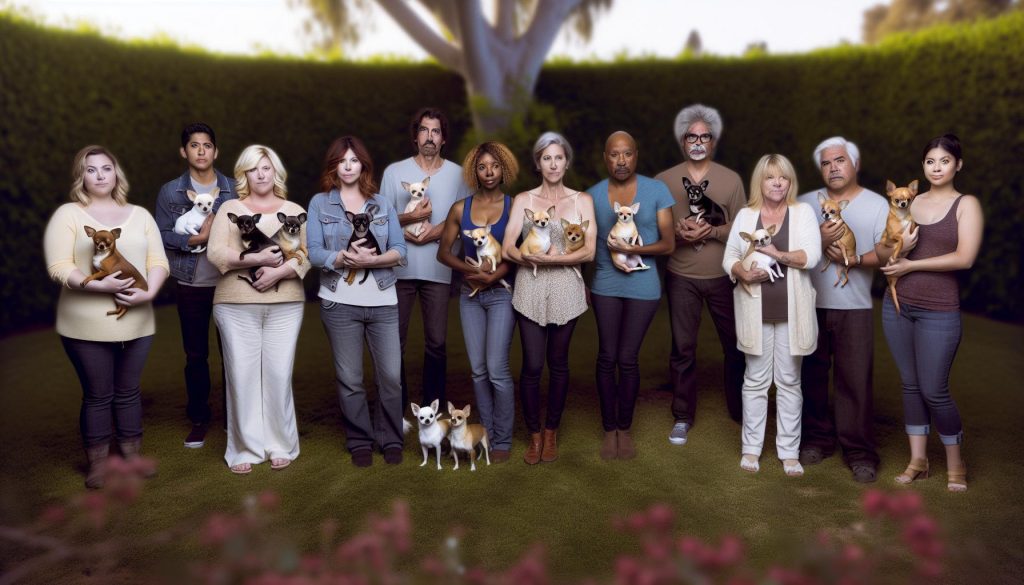
Did you know that Chihuahuas are one of the oldest dog breeds in the Americas, tracing their lineage back over a thousand years? Understanding how these vibrant little companions were developed can enhance your appreciation for their unique characteristics. In “How Were Chihuahuas Made: Breeding History Uncovered,” we delve into the intriguing origins of this breed, exploring the mix of history, culture, and breeding practices that shaped their distinct personality, from their bold nature to their diminutive size. Whether you’re a first-time owner curious about your spirited friend or a seasoned Chihuahua enthusiast wanting to deepen your knowledge, uncovering their breeding history offers valuable insights into their health, behavior, and care. Join us as we celebrate the remarkable story behind these loyal, vocal companions and discover what makes them truly special.
The Fascinating Origins of Chihuahuas
Chihuahuas, cherished for their bold personalities and tiny stature, have a history that is as fascinating as it is complex. Tracing back to ancient Mexico, these lively little companions are believed to have descended from the Techichi, a companion dog of the ancient Toltec civilization. The Techichi, larger than the modern Chihuahua, accompanied their owners in life and death, showcasing their loyalty and significance within the culture. As civilizations evolved, the Techichi were bred down in size, eventually giving rise to the breed we adore today.
Despite their diminutive size, Chihuahuas are often filled with a larger-than-life spirit. Their sizes typically range from 2 to 6 pounds, with variations in coat types: smooth and long-haired, each bringing its own set of characteristics to the table. This breed is not merely a product of their ancestry but a blend of various influences. The Spanish conquest brought new dogs, which likely contributed to the Chihuahua’s genetic tapestry, adding daintiness and diversity.
Understanding their origins is crucial for any owner aspiring to give their Chihuahua the best life. Owners often find themselves enamored by the distinct personality traits that Chihuahuas display-fearless, sometimes sassy, and fiercely loyal. These traits can often manifest through vocalizations, bark sizes larger than their bodies, and an unwavering attachment to their human companions. Taking the time to learn about the breed’s history enhances our appreciation of their quirks-like that iconic head tilt when they hear a crinkly bag or the spirited way they engage with other dogs despite their small size.
As a breed, Chihuahuas embody resilience. Their rich ancestry and the cultural significance assigned to them throughout history contribute to their behavioral and physical traits today. Understanding these elements not only enriches the bond with your Chihuahua but also prepares you for the joys and challenges of Chihuahuan companionship. Engaging with their unique needs, like appropriate training and socialization, ensures a happy and well-adjusted canine partner.
Understanding the Chihuahua’s Ancestry
Chihuahuas, with their charming personalities and petite frames, have a rich history that traces back to ancient civilizations in Mexico. Originating from the Techichi, a companion dog revered by the Toltec civilization, these little canines were more than just pets; they were believed to carry the spirits of their owners in the afterlife. This deep cultural connection laid the groundwork for the vibrant personality traits we adore today-traits that include their daring, vocal nature and unwavering loyalty.
As civilizations progressed, so too did the Chihuahua’s lineage. The Spanish conquest introduced new dog breeds to Mexico, which likely influenced the Chihuahua’s development. Over time, selective breeding played a pivotal role in reducing the size of these dogs, resulting in the small yet spirited companions we recognize and love. For example, the once larger Techichi gradually evolved into two distinct types of Chihuahuas: the apple-head, known for its rounded skull and short snout, and the deer-head, characterized by a longer face and more slender build. Each type brings unique quirks, enriching our experiences as their owners.
When welcoming a Chihuahua into your life, understanding their ancestry is essential. This awareness allows you to appreciate their behaviors and needs better. For instance, Chihuahuas often exhibit their historic role as protectors through assertive barking and a penchant for cuddling. They thrive in environments where they feel secure and bonded with their humans. Taking the time to learn about their past, including their development through various breeding practices, prepares you for the joys and challenges of ownership while fostering a deeper connection with your loyal companion.
As you embark on your journey with your Chihuahua, remember that their complex history is woven into the fabric of their personality. By embracing their ancient roots and unique traits, you can provide a nurturing environment that celebrates their spirited essence-ensuring that your life together is filled with joy, understanding, and companionship.
Breeding Practices Throughout History
The journey of the Chihuahua from its ancient roots to the beloved companion we know today is a testament to the art and science of breeding. Historically, these tiny dogs began as larger, stockier Techichis, which were revered by the Toltecs and were known for their loyalty and companionship. As European settlers arrived in Mexico, the local dog population adapted and evolved through a mixture of natural and intentional breeding practices that transformed the Techichi into what we now recognize as Chihuahuas.
Selective breeding became prominent as the breed’s popularity soared in the 19th century. Breeders began to emphasize specific traits such as size, head shape, and temperament. This practice led to the division of Chihuahuas into two primary types: the apple-head and the deer-head. The apple-head, with its rounded skull and short snout, tends to have a more playful demeanor, while the deer-head boasts a longer face and is often seen as slightly more reserved. Understanding these distinctions can inform how you train and care for your Chihuahua, as each type may exhibit unique behavioral traits.
As breeding practices evolved, so did the attention to health and genetic diversity. While initial breeding often focused primarily on aesthetics, modern breeders recognize the importance of maintaining genetic health. Responsible breeding today aims to reduce the incidence of common health issues seen in the breed, such as patellar luxation and dental problems. Seek out breeders who prioritize genetic testing and have a clear history of health within their breeding lines. This not only increases the chances of a healthy dog but also fosters traits such as calmness and sociability.
Incorporating the wisdom of seasoned Chihuahua owners can greatly enhance your understanding of proper care and socialization. For example, many owners have found that early exposure to different environments and people significantly reduces anxiety-related behaviors in their Chihuahuas. The insights from these personal experiences, combined with the evolving practices of breeders, can provide a well-rounded approach to nurturing your future furry friend. Celebrating the Chihuahua’s rich heritage and understanding the impact of breeding will help you appreciate the unique quirks of your companion, ensuring a fulfilling relationship for years to come.
The Unique Traits of Different Chihuahua Types
Chihuahuas come in a delightful variety of traits that reflect their rich breeding history. These charming little companions are not just loved for their adorable looks but also for their distinct personalities, which can vary significantly between the two primary types: the apple-head and the deer-head. Understanding these differences can deeply enrich your experience as a Chihuahua owner, whether you’re a first-timer or a seasoned pro.
The apple-head Chihuahua is perhaps the most recognized type, characterized by its rounded skull, large eyes, and short snout. This type often exudes a feisty and playful spirit. Owners frequently share that their apple-head Chihuahuas have vibrant personalities, marked by a boldness that defies their tiny stature. For instance, one owner recounted how her apple-head, named Bella, would bark vigorously at much larger dogs, displaying an admirable bravado. These little athletes thrive on attention and often seek to please, making them ideal companions for interactive play and training. Ensuring regular socialization helps foster their outgoing nature.
On the other hand, deer-head Chihuahuas, identifiable by their longer skulls and slightly more refined features, often tend to be calmer and more laid-back. Many owners report that their deer-head Chihuahuas are more reserved around strangers but form exceptionally strong bonds with their families. This type’s sweet demeanor often surprises new owners. For example, a deer-head named Max was described by his owner as the perfect couch companion-he loved cuddling during movies and was surprisingly low-key. This temperament makes deer-heads fantastic for families looking for a loving, loyal friend who enjoys cuddles over chaos.
Both types come in a wide array of coat colors and textures, from smooth to long-haired. A Chihuahua’s coat may influence not only its appearance but also its grooming needs. Smooth-coated Chihuahuas require less maintenance compared to their long-haired counterparts but still benefit from occasional brushing to keep shedding at bay. Owners often find that their long-haired Chihuahuas, like a fluffy little cloud, need more frequent grooming to prevent tangles, especially if they enjoy outdoor escapades. Regardless of coat type, all Chihuahuas enjoy pampering and bonding time during grooming sessions.
In summary, knowing can guide you in providing the best care and training for your furry friend. Whether your Chihuahua is a spirited apple-head or a serene deer-head, embracing and understanding their distinct personalities will undoubtedly lead to a happier and more fulfilling companionship.
How Geography Influenced Chihuahua Breeding
Geography has played a pivotal role in shaping the Chihuahua breed, influencing not only their physical traits but also their temperament and behaviors over centuries. Originating in the mountainous regions of Mexico, Chihuahuas were bred in varying environments, reflecting adaptations to both their landscape and the lifestyles of the people who cared for them. The availability of specific resources, like food and shelter, along with climate conditions, have shaped the distinctive qualities we recognize today.
Environmental Adaptations
In the highlands of Mexico, where temperatures can vary dramatically, Chihuahuas developed traits that would help them thrive in both warm days and cooler nights. This led to their agility and compact size, allowing them to conserve heat while still being able to navigate rocky terrains with ease. Additionally, these little companions exhibit a variety of coat types – from smooth to long-haired – which can be attributed to geographical influences. For instance, long-haired Chihuahuas were likely favored in cooler regions due to their additional insulation.
- Temperament Variation: Chihuahuas from urbanized areas often display bolder, more outgoing personalities, likely reflecting the bustling environments they were raised in, while those from rural settings may be more cautious and reserved around strangers.
- Health Considerations: Certain geographic areas also introduced specific breeding patterns, sometimes leading to health issues unique to each environment. For example, urban Chihuahuas may encounter different health challenges compared to their rural counterparts due to lifestyle differences.
Cultural Influences
The cultural significance of Chihuahuas in Mexican society cannot be understated. They were not merely companions but were revered in ancient tribes, believed to possess protective qualities for their owners in the afterlife. These cultural practices often influenced breeding choices, prioritizing traits that represented loyalty and companionship. For example, as urbanization increased, there was a higher demand for companionable pets, giving rise to traits ideal for family life, such as gentle temperaments and affectionate behaviors.
To illustrate, one owner from Mexico City shared how her Chihuahua, named Lola, embodies the characteristics notable in urban environments – vibrant, social, and adaptative. Lola is known to easily interact with people, reflecting the lively atmosphere of her city life, making her the perfect companion during her owner’s daily outings.
In summary, the interplay of geography and culture has not only molded the physical attributes of Chihuahuas but has also instilled within them diverse personalities and behaviors. Understanding these elements can help you appreciate your Chihuahua’s unique traits, ensuring you provide the best care and companionship tailored to her needs.
Identifying Key Chihuahua Bloodlines
Many Chihuahua enthusiasts find themselves fascinated by the idea of bloodlines, as understanding them can enhance the experience of caring for these charming little dogs. Chihuahuas can be categorized into different bloodlines, each exhibiting unique physical traits, temperamental characteristics, and potential health issues. Two of the most recognized bloodlines are the Apple Head and the Deer Head, each named for their distinct head shapes. The Apple Head features a rounded skull with a more prominent forehead, giving the face a “cute and compact” appearance, while the Deer Head has a longer, more elongated face and a flatter skull, resembling more of a miniature deer.
The importance of identifying these bloodlines goes beyond aesthetics. For instance, health considerations vary between them. Apple Head Chihuahuas are more prone to certain genetic issues, such as dental problems and patellar luxation, due to their skull shape. On the other hand, Deer Head Chihuahuas might experience different concerns related to their size and structure. Knowing what to expect can help you provide better care and preventive measures for your Chihuahua’s specific needs.
When selecting a Chihuahua, it’s also crucial to consider the types of coat and color variations. You can find Chihuahuas with smooth, short coats or long, luxurious fur. Each coat type can influence grooming needs and general care. For example, a long-haired Chihuahua may require more frequent brushing to avoid mats and tangles, whereas the short-haired variety might need less maintenance. Additionally, coat colors can vary widely-from fawn to chocolate to black-each adding to the breed’s allure.
Beyond physical traits, personality can also differ among bloodlines. While each Chihuahua possesses a unique spirit, you might notice that some Apple Heads tend to be more vibrant and vocal, displaying bold personalities, while Deer Heads may exhibit a calmer demeanor. As an example, my friend Jessica has an Apple Head named Bella, who is both sassy and playful, winning the hearts of everyone she meets. In contrast, her Deer Head, Max, is more laid-back and enjoys snuggling up for quiet evenings.
Understanding these key elements about Chihuahua bloodlines not only enriches your knowledge but can also deepen the bond you have with your little companion. Different traits may call for tailored care practices, so taking the time to identify your Chihuahua’s bloodline can empower you to provide the best life possible for her.
The Role of Cultural Significance in Chihuahua Breeding
Chihuahuas are not just adorable little companions; they are steeped in cultural significance that stretches back centuries. Originating from Mexico, these spirited dogs were revered by ancient civilizations such as the Toltecs and the Aztecs, who believed that Chihuahuas held spiritual powers. In fact, it is said that these tiny dogs were often sacrificed to accompany their owners in the afterlife, showcasing the profound bond and importance they had within these vibrant cultures.
Cultural significance has influenced Chihuahua breeding practices over the years, as breeders sought to maintain traits that reflected their historical role. For example, many owners value the unique personality traits that have emerged over generations. Chihuahuas are known for being vocal, loyal, and sometimes a bit feisty-characteristics that endear them to their human companions. As cultural perceptions of the breed evolved, so did the breeding focus. Today, many enthusiasts aim to capture the sassy yet affectionate spirit that Chihuahuas are known for, ensuring the traits remain a critical aspect of the breed.
Training and socialization are vital components of caring for a Chihuahua, partly because of their dynamic personalities. Chihuahuas often thrive in environments where they can be socialized with a variety of people and other pets. As I have observed with my Chihuahua, Mia, she loves her time at the park, showing a distinctive sassy streak when meeting new friends. This playful and bold behavior is often celebrated, but understanding that their cultural roots emphasize strong bonds with humans can help owners navigate their social needs more effectively.
Furthermore, the lore surrounding Chihuahuas fuels their charm as pets in contemporary society. For instance, the adorable image of a Chihuahua donning a tiny sweater or sharing the spotlight in pop culture-thanks to celebrities like Paris Hilton-adds to their appeal. Yet behind the glamour, whether in a bustling city or a quiet home, every Chihuahua owner knows that these dogs are more than just trendy accessories; they are tiny, spirited companions with a rich cultural heritage that deserves recognition and care. Understanding this heritage not only enhances the bond with your Chihuahua but also fosters a deeper appreciation for their unique role in both history and modern life.
Modern Chihuahua Breeding Techniques and Trends
The breeding of Chihuahuas today reflects a fascinating blend of tradition and innovation. With their charming personalities and distinctive traits, Chihuahuas have captured the hearts of many dog lovers. However, modern breeding techniques have evolved substantially from the methods of the past, focusing on enhancing health, temperament, and adherence to breed standards. This evolution is vital for ensuring that our tiny companions not only look adorable but also lead healthy, fulfilling lives.
One significant trend in modern Chihuahua breeding is the increasing emphasis on health screening. Reputable breeders are now more vigilant than ever about genetic testing for common breed-specific health issues, such as patellar luxation, heart problems, and dental issues. By conducting these tests, breeders can make informed decisions and reduce the likelihood of passing on hereditary conditions to their puppies. This conscientious approach not only protects the breed’s integrity but also enhances the overall health and longevity of individual Chihuahuas.
Through selective breeding, enthusiasts are also working towards preserving the breed’s unique traits. For example, both the apple-head and deer-head Chihuahuas showcase different physical characteristics, and knowing the differences helps prospective owners choose the right Chihuahua for their lifestyle. Apple-heads typically have rounder heads and shorter noses, while deer-heads are characterized by their longer snouts and more streamlined appearance. This variety allows dog owners to enjoy distinct personalities and aesthetic qualities, further enriching the Chihuahua expérience.
Moreover, as cultural perceptions evolve, so do preferences in breeding. Many Chihuahua owners now seek dogs that not only fit the breed standard but also embody desirable traits like friendliness and sociability. This shift leads to a growing number of breeders focusing on temperament alongside appearance, eager to produce Chihuahuas known for their gentle nature and playful energy. This is particularly important as these qualities can significantly influence a Chihuahua’s adaptability to family life, social settings, or even therapy work.
The spotlight on ethical breeding is blossoming, with breeder organizations and clubs promoting responsible practices. Aspiring Chihuahua owners should research breeders thoroughly, seeking out those dedicated to the health and welfare of the breed. Online forums and social media groups are excellent resources for sharing insights and experiences among Chihuahua enthusiasts. Engaging with these communities can offer invaluable support to new owners, helping them navigate the joys and challenges of living with these spirited little dogs.
By staying informed about modern breeding techniques and trends, we can ensure that our beloved Chihuahuas thrive in health and happiness, carrying forward the rich legacy of this remarkable breed while enjoying their vibrant, quirky personalities.
Common Health Issues in Chihuahuas: A Genetics Perspective
Chihuahuas, with their charming personalities and small stature, are often thought of as hardy little companions. However, they are prone to specific health issues, many of which stem from their unique genetics and breeding practices. Understanding these common health concerns is essential for any Chihuahua owner who wants to ensure their pooch leads a happy and healthy life.
One of the most prevalent issues affecting Chihuahuas is patellar luxation, a condition where the kneecap dislocates from its normal position. This can occur in both apple-head and deer-head types, although toy breeds like Chihuahuas are particularly susceptible. Regular check-ups with a veterinarian can help catch this early, allowing for interventions that can improve your dog’s quality of life. Owners can also help by providing a safe environment that minimizes the risk of injuries during play.
Another significant health concern for Chihuahuas is dental issues. Given their small mouths, overcrowding of teeth can be a frequent problem, leading to periodontal disease if not properly managed. It’s crucial to establish a routine dental care regimen tailored to your Chihuahua. This could include regular tooth brushing, dental treats, and periodic professional cleanings. Owners often share stories of how consistent dental care transformed their Chihuahua’s overall health and demeanor.
Heart problems are also commonly reported among Chihuahuas. Conditions such as mitral valve disease can emerge as they age, which is why early detection is critical. Symptoms like persistent coughing, lethargy, or difficulty breathing should prompt an immediate visit to the vet. Moreover, maintaining a healthy weight through a balanced diet and regular exercise can significantly reduce the risk of heart-related issues.
Finally, hypoglycemia, or low blood sugar, is another health risk particularly prevalent in Chihuahuas, especially in puppies. Signs include weakness, lethargy, and disorientation. Owners should always ensure their Chihuahua has regular meals and snacks throughout the day, particularly if they have a small appetite. Keeping a small supply of high-glucose treats can be a lifesaver in emergencies.
By staying informed and proactive about these common health issues, you can enjoy a long, joyful life with your Chihuahua. Be sure to engage in discussions with other Chihuahua owners and your vet to build a solid support network that enriches both your and your pup’s experiences.
The Impact of Selective Breeding on Behavior
Selective breeding has profoundly shaped the behavioral traits of Chihuahuas, turning these tiny companions into the bold, spirited dogs we know today. Originating from ancient roots, Chihuahuas were bred not just for their compact size but also for their vibrant personalities. These little dogs often display tenacity and confidence that belies their stature. Due to selective breeding practices, they’ve developed unique behaviors and temperaments that are both endearing and, at times, challenging for their owners.
One significant aspect of selective breeding is the tendency to emphasize certain traits, which can lead to notable behavioral patterns. Chihuahuas are inherently protective and loyal, characteristics that stem from their historical use as companion animals. They often develop strong bonds with their owners, proving to be steadfast companions. However, this loyalty can also manifest as a tendency toward possessiveness. For instance, many Chihuahua owners have experienced their furry friend barking frantically whenever a stranger approaches. This protective instinct, while admirable, often requires training to prevent excessive barking and potential aggression.
Another behavioral consequence of selective breeding is their remarkable vocality. Chihuahuas are known for being quite chatty, and this trait has been reinforced through breeding choices. While some owners appreciate their little one’s vocal personality, it can be a source of frustration, especially in urban environments. To manage this behavior, it can be beneficial to reinforce quiet moments with treats and praise-a strategy that can turn their natural inclination to bark into a more controlled expression.
Additionally, different Chihuahua types-including the apple-head and deer-head varieties-can exhibit variations in behavior. For example, apple-head Chihuahuas might be slightly more inclined toward being the diva of the household, often showing a propensity for dramatic flair, while deer-heads may be more laid back and affectionate. Understanding these differences can help owners provide tailored training and socialization to nurture positive behaviors in their specific Chihuahua.
Ultimately, as you navigate the delightful quirks of your Chihuahua, remember that selective breeding has given us wonderful traits but also challenges. Embrace their boldness and vocal nature, but be prepared to invest time in training and socialization. Engaging with your dog as a partner in their growth will not only enhance their behavior but also strengthen the bond you share. Celebrate their spirit, and with patience and love, you can guide your Chihuahua to be the best version of themselves.
Chihuahua Owner Experiences: Insights and Anecdotes
Chihuahuas have an undeniable charisma that often leads to memorable experiences for their owners. One such owner, Jane, shares how her apple-head Chihuahua, Bella, has transformed her daily routine. Jane describes Bella as her vibrant companion, with an assertive personality that demands the spotlight. While on their daily walks, Bella’s fearless nature becomes apparent as she approaches larger dogs without hesitation, displaying the breed’s bold temperament. Jane emphasizes the need for careful socialization to channel Bella’s confidence positively, turning potential confrontations with bigger dogs into playful encounters.
Unique Challenges and Triumphs
Chihuahua owners often face specific challenges tied to their dog’s unique traits. Mark, another proud owner of a deer-head Chihuahua named Gus, recounts how Gus’s affectionate behavior has enriched his life. However, he too has had his share of struggles. Gus, being slightly more laid back, initially showed hesitation around new people. Mark implemented a gradual introduction strategy, allowing Gus to meet visitors in his own time. This thoughtful approach not only boosted Gus’s confidence but strengthened the trust between them. Mark emphasizes patience and positive reinforcement as key components in fostering a secure environment for Chihuahuas, especially those with more reserved personalities.
The Vocality Factor
One of the most endearing and, at times, challenging traits Chihuahuas possess is their vocal nature. Sarah shares her experience with her chatty apple-head pup, Coco. According to Sarah, Coco’s spirited barking became a delightful soundtrack to her household. However, she quickly learned the importance of instilling boundaries. By using a simple command like “quiet” and rewarding Coco when she complied, Sarah effectively encouraged a calmer atmosphere. This experience highlights the need for balance-embracing their vocal traits while guiding them towards appropriate behavior.
Incorporating the lessons learned from many Chihuahua owners can create a supportive community where shared experiences lead to informed practices. Whether you’re navigating socialization challenges or managing their vibrant vocalizations, it’s essential to recognize the joy and companionship these spirited little dogs bring into our lives. By celebrating their quirks, understanding their needs, and sharing insights, we can create fulfilling relationships with our beloved Chihuahuas.
Caring for Your Chihuahua: Breed-Specific Tips
Chihuahuas may be tiny, but they come with big personalities that require thoughtful care and attention. As perhaps the most spirited of all breeds, they need a nurturing environment to thrive. Understanding their specific needs can make your journey as a Chihuahua owner smoother and more rewarding.
One of the standout features of Chihuahuas is their health sensitivities, often due to their petite size. Regular vet check-ups are a must, focusing on dental care since these little ones can be prone to dental issues. Daily brushing can be a bonding experience and keeping an eye on their weight is crucial; obesity can lead to severe health problems. Remember, Chihuahuas benefit from a well-balanced diet rich in nutrients but low in fat, tailored to their age and activity level.
Socialization is another key component in raising a happy Chihuahua. These dogs are known for their boldness, yet they can also be a bit timid. Gradual exposure to different people and pets is important. For example, Sarah, a proud Chihuahua owner, encourages her apple-head pup Coco to interact with visitors at home first in a calm space, which helps Coco feel secure. Activities like puppy classes can also provide not only socialization but also mental stimulation, which is vital for this intelligent breed.
Another unique trait of Chihuahuas is their vocal nature. While some owners embrace this characteristic, it’s beneficial to set boundaries early on to prevent excessive barking. Techniques like consistent reinforcement of commands, such as “enough” or “quiet,” can help manage their vocal tendencies while still allowing them to express themselves.
Daily exercise is essential, too. While Chihuahuas don’t need extensive workouts, short walks and playtime can greatly enrich their lives. Embracing their playfulness with structured games, like fetch or hide and seek, not only keeps them physically fit but also mentally engaged. Remember, each Chihuahua, whether a lively apple-head or a serene deer-head, has unique traits that should shape their care and training practices.
By celebrating the quirks and features of your Chihuahua while providing the right care, you’ll foster a lifelong bond built on trust and love. The joy these little companions bring into your life is immeasurable; nurturing their unique personalities and needs will lead to a harmonious and fulfilling relationship.
Q&A
Q: What are the historical breeds that contributed to the Chihuahua’s development?
A: The Chihuahua is primarily derived from the Techichi, a small companion dog believed to be kept by the ancient Toltec civilization. Other influences include small European breeds brought by Spanish colonists in the 19th century, which enhanced the Chihuahua’s size and coat variety. Explore more about his ancestry in the section on *Understanding the Chihuahua’s Ancestry*.
Q: How did geography affect Chihuahua breeding practices?
A: Geography played a crucial role in Chihuahua breeding by influencing the adaptability of the breed to various climates and environments. Variations in elevation and climate in Mexico led to differences in coat types and sizes, creating distinct regional characteristics. Learn more in the *How Geography Influenced Chihuahua Breeding* section.
Q: What are the most common health issues in Chihuahuas related to their breeding history?
A: Common health issues for Chihuahuas, influenced by selective breeding, include dental problems, patellar luxation, and heart conditions. Understanding genetics can help you make informed decisions about health care. Further details can be found in the article’s *Common Health Issues in Chihuahuas: A Genetics Perspective*.
Q: Why is the cultural significance of Chihuahuas important in their breeding?
A: The cultural significance of Chihuahuas, particularly in Mexico, has shaped their breeding practices by emphasizing traits like loyalty and companionship. These traits are often celebrated in local folklore, influencing breeding choices throughout history. Discover more in *The Role of Cultural Significance in Chihuahua Breeding*.
Q: How can modern breeding techniques improve Chihuahua health and behavior?
A: Modern breeding techniques utilize genetic testing and health screenings to minimize hereditary diseases in Chihuahuas. Ethical breeders focus on enhancing desirable behaviors and maintaining breed standards. Check out *Modern Chihuahua Breeding Techniques and Trends* for more insights.
Q: What are the distinguishing traits of different Chihuahua types?
A: Chihuahuas exhibit several distinct traits based on their type, such as coat length (long-haired vs. smooth), head shape (apple-head vs. deer-head), and size variations. Each type has unique needs and characteristics, making understanding these traits vital for owners. More details can be found in the *The Unique Traits of Different Chihuahua Types* section.
Q: When did Chihuahuas become popular in the United States?
A: Chihuahuas gained widespread popularity in the United States in the late 20th century, particularly the 1990s, thanks to their small size and lively personalities, as well as celebrity endorsements. This surge affected breeding trends significantly. Discover the broader impact of cultural trends in the *Chihuahua Owner Experiences* section.
Q: What role does selective breeding play in the behaviors of Chihuahuas?
A: Selective breeding has greatly influenced Chihuahua behaviors, promoting traits like alertness, loyalty, and companionship. These traits can vary greatly based on breeding practices, affecting their interactions with owners and other pets. Learn more about these dynamics in the *The Impact of Selective Breeding on Behavior* section.
To Conclude
Understanding how Chihuahuas were bred reveals the rich history behind this beloved breed. From their unique coat types to their vibrant personalities, these tiny dogs bring an immense amount of joy and companionship. If you’re contemplating bringing a Chihuahua into your home, remember that they thrive on attention and love-even the boldest little guardian needs care and socialization. To further your knowledge, check out our guides on “Chihuahua Health Essentials” and “Training Your Chihuahua: Tips for Success.”
Don’t miss your chance to become a part of the Chihuahua community! Subscribe to our newsletter for expert advice and connect with other Chihuahua enthusiasts. Share your experiences in the comments below-every owner has a charming story to tell. Embrace your journey with your Chihuahua; their loyalty and love will enrich your life in ways you never imagined.
Get our latest guides, news, and insights highlighted in your Google Search & AI Overviews.