

Chihuahuas are known for their big personalities packed into tiny bodies, often leaving owners puzzled by their bouts of aggression. This common issue can stem from fear, territorial instincts, or lack of socialization-challenges that many Chihuahua owners face. Understanding how to manage and reduce aggression is essential not only for your dog’s well-being but also for the harmony of your home. In this guide, we’ll explore five proven methods that can help you foster a calm and confident Chihuahua. By addressing these behavioral concerns, you’ll enhance the bond between you and your furry friend while ensuring a stress-free environment for everyone. Keep reading to discover actionable strategies that respect your Chihuahua’s unique spirit while guiding them toward better behavior.
Understanding Chihuahua Aggression and Its Causes
Understanding the intricacies behind Chihuahua aggression can significantly benefit owners looking to foster a harmonious relationship with their furry companions. Chihuahuas, known for their bold personalities and vocal nature, may exhibit aggression for several reasons, including fear, territorial instincts, and past negative experiences. Unlike larger breeds, Chihuahuas often feel the need to assert themselves in situations they perceive as threats, whether towards strangers or even other animals. Recognizing the underlying causes of these behaviors is key to effective management.
One primary cause of aggression in Chihuahuas is their natural instinct to protect themselves and their space. This tiny breed, particularly the more timid apple-headed variety, might react defensively if they feel cornered or threatened. For example, a Chihuahua raised in an environment with little exposure to other pets may grow up to be apprehensive and aggressive towards new animals, simply out of fear. Similarly, Chihuahuas can become overprotective of their owners, barking or snapping at anyone who comes too close. This is often misinterpreted as a lack of training but is deeply rooted in their instinctual behavior.
Another factor contributing to aggressive tendencies is socialization-or the lack thereof. Chihuahuas who haven’t been properly introduced to various people, environments, and other dogs during their critical early months may develop a restricted worldview that makes them wary of anything unfamiliar. For instance, a Chihuahua that frequently interacts with children may become increasingly aggressive when encountering children who behave differently than those it knows. This underscores the necessity of socialization from a young age, allowing them to grow into well-rounded adults.
Understanding these causes enables Chihuahua owners to adopt tailored methods to mitigate aggressive behavior. By emphasizing positive reinforcement and consistent training techniques, owners can help their Chihuahuas feel more secure and less threatened. Moreover, providing a calm environment, ensuring adequate exercise, and consulting professionals when necessary will create a conducive atmosphere for reducing stress and anxiety, thereby minimizing aggressive outbursts and fostering a loving bond between the owner and their spirited companion.
Recognizing Signs of Aggressive Behavior in Chihuahuas
Chihuahuas are known for their lively personalities and fierce loyalty, but these charming traits can sometimes come with a side of aggression. It’s essential for owners to recognize the signs of aggressive behavior in their tiny companions to create a safe and harmonious environment. When you understand these signals, you can act swiftly to defuse potential conflicts and manage your Chihuahua’s behavior.
One of the first signs to watch for is posturing. A Chihuahua that suddenly stiffens or raises its tail might be feeling threatened or assertive. Keep an eye on their ear position: ears pinned back against the head can indicate fear or submission, while ears perked up and facing forward often signal aggression. Additionally, a bold stance can mean your Chihuahua is ready to defend their territory, especially if provoked by a stranger or another dog.
Vocalizations are another critical indicator of aggressive tendencies. Your Chihuahua might bark, growl, or yelp when feeling threatened. While barking can be a natural alert behavior, excessive barking when guests arrive or during walks could suggest an excessive level of protectiveness or anxiety. Pay attention to the tone as well: a sharp, quick bark may indicate alarm, while a lower growl often signals discomfort or a warning.
Behavior during interactions can also reveal a lot about your Chihuahua’s state of mind. If you notice her snapping, lunging, or nipping at others-whether children, adults, or other pets-it’s crucial to intervene. These actions are often cries for help or signals that she feels cornered or frightened. An often-overlooked signal is body language; if your Chihuahua exhibits signs of stress such as lip licking, yawning, or turning away, these can be precursors to more overt aggression.
By staying attuned to these behaviors and signals, you can better understand your Chihuahua’s emotional landscape. This awareness is vital for addressing underlying fears or anxieties and implementing effective management strategies to prevent aggression from escalating. Tailoring your approach based on her unique personality will help foster a more relaxed atmosphere that encourages the cheerful, loving bond you desire.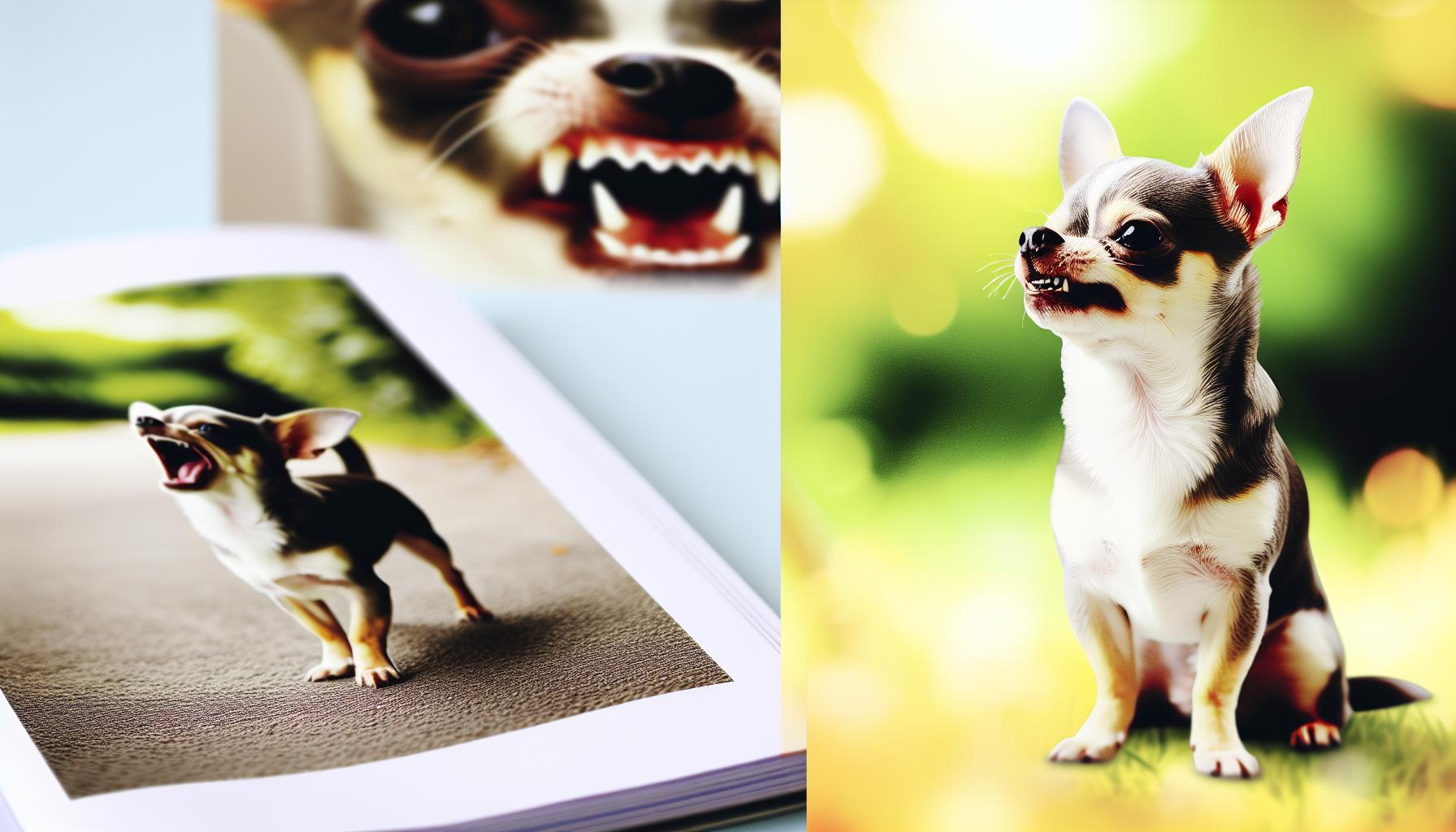
Proven Method 1: Positive Reinforcement Training
To effectively manage aggressive tendencies in Chihuahuas, one of the most impactful strategies you can employ is positive reinforcement training. This approach not only helps in correcting undesired behaviors but also strengthens the bond between you and your furry companion. Chihuahuas, with their vibrant personalities, respond beautifully to encouragement and praise, making this method especially effective for the breed.
At the core of positive reinforcement training is the concept of rewarding desirable behaviors instead of punishing negative ones. For example, if your Chihuahua remains calm when meeting a new person, immediately reward this behavior with praise or a small treat. This creates a positive association with good behavior, reinforcing that calmness is what you want. Aim for consistency-every time your pup exhibits the behavior you wish to encourage, ensure that they receive their reward promptly.
Tips for Implementing Positive Reinforcement
- Identify Triggers: Understanding what provokes your Chihuahua’s aggressive behavior is crucial. Once you identify these triggers, you can work to reinforce calm behavior in those situations. For instance, if your dog reacts aggressively when the doorbell rings, practice having someone ring the bell while you reward your Chihuahua for staying calm.
- Use High-Value Rewards: Chihuahuas can be particularly discerning, so use treats that really excite them. Consider tiny bites of chicken or cheese rather than regular kibble when training. The enthusiasm for these rewards will motivate your pup to behave well.
- Short, Engaging Sessions: Keep training sessions brief but frequent. A five to ten-minute session can be more productive than a longer, drawn-out one. End on a positive note, ensuring your Chihuahua feels accomplished.
- Stay Patient and Positive: Chihuahuas can be feisty, and sometimes they may not respond as quickly as you’d like. Patience is key. If your pup struggles with a command, try breaking it down into smaller steps and celebrating minor victories along the way.
By focusing on positive reinforcement, you not only curb aggression but also enhance your Chihuahua’s confidence and overall behavior. This method celebrates their spirited nature while guiding them toward better social interactions. Remember, consistency in rewarding good behavior will set your Chihuahua up for success, turning those bold little quirks into charming displays of personality rather than aggression.
Proven Method 2: Socialization Techniques for Chihuahuas
To combat aggression effectively in Chihuahuas, introducing them to a variety of social experiences can work wonders. Socialization is not only crucial for a well-rounded temperament, but it also helps your tiny companion feel more comfortable in the world around them. Chihuahuas are often seen as feisty and protective, a trait that can stem from having limited exposure to different environments, people, and other animals. By actively socializing your dog, you can help mitigate aggressive behaviors rooted in fear or insecurity.
Start socialization early if your Chihuahua is still a puppy. Expose her to diverse experiences-new people, different settings, and other dogs. Frequent, positive introductions to different stimuli help build confidence. However, be mindful and gradual; overwhelming her can lead to stress and undesirable reactions. For instance, begin with calm environments, such as inviting a friend over who has a well-behaved dog. Allow them to meet while you supervise closely, rewarding your Chihuahua with treats for calm behavior.
- Daily Walks: Regular walks not only provide exercise but also serve as an opportunity for social interactions. Consider places with varied sights and sounds-parks or outdoor markets can be great for this. Keep a close watch on her body language; if she seems anxious or reactive, allow distance from triggers and offer her reassurance.
- Playdates: Arrange playdates with other friendly dogs, particularly if they are in a similar size range. Supervised interactions with gentle, sociable dogs can teach your Chihuahua proper doggy etiquette and help her learn to respond positively to her peers.
- Training Classes: Enroll in puppy or obedience classes that encourage interaction with both humans and other dogs. These classes teach essential commands while providing a safe environment to meet new friends, further enhancing her confidence.
- Public Outings: Take your Chihuahua along for errands where dogs are welcome. Retail stores, outdoor cafés, or pet-friendly events are excellent venues to meet and greet new people and dogs, keeping interactions brief and positive.
It’s essential to accompany all these activities with plenty of praise and rewards, reinforcing her ability to remain calm and composed. Remember, the goal is to make socialization a pleasant experience. Celebrate her small successes-every wag and relaxed posture is progress. Socializing can dramatically reduce the tendency to react aggressively, transforming your feisty friend into a more confident, well-adjusted companion.
Proven Method 3: Creating a Calm Environment
Creating a serene atmosphere is essential for reducing aggression and fostering a sense of safety for your Chihuahua. These little furballs are known for their spirited nature, but when they feel threatened or anxious, their instincts can lead to aggressive behavior. To cultivate a calm environment, it’s vital to understand that your dog’s surroundings should reflect tranquility and security, allowing her to relax and feel at ease.
Start by designating a peaceful space in your home just for her. This area can be cozy and inviting, with a soft bed, toys, and her favorite blankets. Ensure this space is away from loud noises or chaotic activity, providing her with a sanctuary she can retreat to whenever she’s feeling overwhelmed. Incorporate some calming elements, like a gentle air diffuser with essential oils (safe for dogs, like lavender), which can help soothe her nerves. Keep the environment consistent-Chihuahuas thrive on routine, so try to maintain regular schedules for feeding, walks, and playtime.
Engagement and Engagement
Another significant aspect of establishing a calm atmosphere involves your interactions. As a proud Chihuahua parent, your demeanor directly influences her behavior. Speak softly and maintain a relaxed posture to convey calmness. Avoid sudden movements or loud noises, which can trigger your dog’s anxiety. When she starts to show signs of stress-like barking, growling, or whining-redirect her to a calming activity, such as gentle petting or offering a chew toy. This not only distracts her but reinforces the idea that calm behaviors are rewarded.
Incorporating a routine of quiet time together can also work wonders. Spend a few minutes each day simply sitting with her, petting her gently and allowing her to bask in the calmness of your presence. Many Chihuahua owners find success with soft background music designed for pets; these sounds can help create a peaceful environment that eases anxiety and aggression.
Remember, building a tranquil home environment takes time and consistency. Celebrate little victories as your Chihuahua discovers her safe haven. With dedication and understanding, you can help her navigate her world with more confidence, turning your spirited companion into a more serene and well-adjusted pup.
Proven Method 4: The Importance of Proper Exercise
While Chihuahuas may be small, they are filled with energy and a bold spirit that, when not properly channeled, can lead to aggressive behavior. Understanding the importance of exercise is key to managing your Chihuahua’s temperament and ensuring they are happy and healthy. Regular physical activity is essential not only for maintaining a healthy weight but also for reducing anxiety and aggression.
Chihuahuas thrive on routine and variety in their exercise regimen. Daily walks are a fantastic way to explore the world while providing mental stimulation. Try incorporating various surfaces and environments during your walks-pavements, grass, and even sandy trails can keep things interesting. Additionally, consider interactive activities like agility training or fetch, which can burn off excess energy and foster bonding over shared playtime. Engaging your little warrior in activities suited to her size ensures that she feels valued and fulfilled.
To ensure the exercise routine is effective, pay attention to your Chihuahua’s unique personality and preferences. Some may love running after toys, while others might prefer leisurely strolls. Introducing short play sessions throughout the day can also help maintain a balance between activity and rest. Remember, a tired Chihuahua is usually a calmer Chihuahua, making it essential to find that sweet spot of physical exertion.
It’s also important to keep her safety in mind during exercise, especially considering her petite stature. Use a secure harness instead of a collar to prevent strain on her neck, and always supervise her during playtime to avoid injury. Regular exercise not only helps to mitigate aggressive tendencies but also fortifies the bond you share with your furry friend, making your time together more enjoyable and enriching.
Proven Method 5: Consult a Professional Dog Trainer
Consulting a professional dog trainer can be a game changer for Chihuahua owners struggling with aggression. Many owners try to rectify behavioral issues on their own, which can be overwhelming and at times, ineffective. Understanding that your little companion may need expert guidance is a critical step towards fostering a peaceful and happy environment. Trainers not only provide techniques that are tailored to your pup’s unique temperament but also educate you on understanding and managing their instincts.
One of the greatest advantages of working with a professional is their ability to observe your Chihuahua’s behavior in real-time. They can pinpoint triggers that you may overlook, such as high-pitched noises, sudden movements, or even specific social interactions. For instance, if your apple-head Chihuahua is particularly defensive around larger dogs, a trainer can help you develop strategies to desensitize and manage those encounters more effectively. This tailored support is invaluable, especially since Chihuahuas often have strong personalities-bold and fierce despite their small size.
When selecting a dog trainer, look for someone who understands the breed’s specific characteristics. Chihuahuas are known for being vocal and sometimes overly protective, so a trainer with experience in dealing with small breed behaviors will be more effective. Ask potential trainers about their training philosophy and methods-positive reinforcement is key here, as it aligns well with the Chihuahua’s sensitive nature. The bond between you and your dog can be strengthened through positive experiences during training, making your sessions enjoyable for both of you.
Furthermore, maintaining consistent follow-ups with your trainer can help you stay on track. After a few sessions, you might notice significant changes not just in your Chihuahua’s behavior, but also in your own confidence as an owner. Support doesn’t just come from the trainer-it’s a collaborative effort where you’re learning to advocate for your pet’s needs while practicing gentle, assertive leadership. Remember, every dog is unique, and with the right guidance, you can cultivate a calm and loving atmosphere for your little warrior.
Managing Aggression: Daily Tips for Chihuahua Owners
Understanding your Chihuahua’s behavior can transform everyday interactions into positive experiences. These little warriors are known for their bold personalities, often displaying traits that can be perceived as aggression. However, with consistent management strategies, you can help your Chihuahua feel more secure and less reactive.
One of the best daily practices is to establish a routine. Structure provides comfort to Chihuahuas, who thrive on predictability. Consider incorporating the following into your daily routine:
- Regular Exercise: Short walks or play sessions can channel excess energy that might otherwise lead to aggressive behavior. Aim for at least two short walks each day, along with playtime that includes toys he can fetch or tug.
- Training Sessions: Even five minutes of training can reinforce good behavior. Use positive reinforcement techniques, rewarding him with treats or praise when he responds well to commands or behaves calmly.
- Socialization Opportunities: Gradually expose your Chihuahua to different people, pets, and environments. Start with controlled settings, allowing him to explore without feeling overwhelmed. This could be a friend’s home with a calm dog or a quiet park during off-peak hours.
- Praise Calm Behavior: Whenever your Chihuahua remains calm in a situation that usually causes him to act out, offer praise. This shines a light on the positive behavior you want to encourage.
Additionally, creating a “safe space” within your home can be incredibly beneficial. Designate a cozy area with his bed and toys where he can retreat when feeling anxious. This will serve as a refuge, giving him a place to decompress whenever he encounters stressors.
Finally, keep a close eye on his body language. Chihuahuas are vocal but also express a lot through their posture and movements. Understanding signs of stress-like pacing, growling, or lip curling-will enable you to intervene before situations escalate. For example, if your apple-head Chihuahua starts barking excessively when someone visits, redirect his attention with a toy or treat before he gets overwhelmed.
By integrating these daily tips, you’re not just managing aggression but also fostering a deeper understanding of your Chihuahua’s unique personality and needs. Embrace these quirks and remember, with patience and love, you can guide your tiny companion toward a calmer and more balanced life.
Understanding Your Chihuahua’s Unique Personality
Chihuahuas are complex little beings packed into tiny bodies, and understanding their unique personality is pivotal for managing any aggressive tendencies they might show. These dogs can be fiercely loyal and protective, often inflating their self-importance despite their petite size. This boldness can be mistaken for aggression, but it’s essential to differentiate between the two. When you embrace and understand their traits, you can foster a nurturing environment that diminishes the likelihood of aggressive behavior.
One key aspect of a Chihuahua’s personality is their need for close bonding. They often choose a specific person as their favorite, showing loyalty and affection in spades. However, this attachment can also lead to possessiveness, especially over toys or their favorite resting spots. Observing interactions in these moments can give you insight into what might trigger aggressive reactions, such as when other pets or people encroach on what they perceive as their territory. Understanding this behavior allows for proactive measures, like creating a comfortable space for your Chihuahua where they can feel secure and not threatened by the presence of others.
Chihuahuas are also among the most vocal breeds, using their barks not just to communicate their needs but also to express excitement or alert the household of perceived threats. This vocal nature can sometimes escalate situations if not managed properly. For instance, if your little one barks at strangers or other dogs, it might be coming from a place of fear rather than aggression. In such cases, using distraction techniques, such as redirecting their attention with a toy or treat, can help teach them more appropriate responses, while also recognizing the anxious energy behind the bark.
Lastly, it’s crucial to acknowledge that every Chihuahua has its quirks shaped by life experiences. Just like humans, each dog is influenced by their upbringing, environment, and encounters. For example, a Chihuahua who’s been positively socialized with people and other pets is likely to be more confident and less aggressive in new situations than one who has been shielded or not socialized at all. Positive reinforcement, patience, and consistent socialization efforts are essential in shaping a well-adjusted Chihuahua, allowing their true, lovable nature to shine through while keeping aggression at bay. By celebrating their quirks and caring for their unique personalities, you’ll strengthen your bond and create a harmonious living environment.
Common Misconceptions About Chihuahua Aggression
Despite their small stature, Chihuahuas are often the center of many misconceptions regarding aggression. One prevalent myth is that all Chihuahuas are inherently aggressive. In truth, aggression in these little dogs is often a response to fear, anxiety, or a perceived threat. Their bold and protective nature can sometimes lead to defensive behaviors, which are misconstrued as aggression. Understanding this distinction is crucial for any owner navigating their Chihuahua’s behavior.
Another common misconception is that Chihuahuas should not be socialized because they are small dogs and generally safe from larger breeds. This belief can lead to fearful or aggressive behaviors, particularly toward unfamiliar people or animals. Every Chihuahua needs proper socialization to develop confidence and security in various environments. For instance, a well-socialized Chihuahua that has positive experiences with other dogs and humans is likely to greet new situations with curiosity rather than aggression. Early and consistent exposure to different settings, sounds, and people can help mitigate aggressive tendencies.
Additionally, many owners believe that small size means less responsibility in training. In reality, Chihuahuas can exhibit stubbornness if left untrained, leading to behaviors that appear aggressive. Training should begin as early as possible, emphasizing positive reinforcement techniques. For example, praising your Chihuahua when they respond calmly to a stranger can help reinforce the desired behavior over time. Keeping training sessions short and engaging also caters to their personalities, making learning enjoyable for both you and your furry companion.
Lastly, it’s important to understand that possessiveness is not the same as aggression. Many Chihuahuas may display protective instincts over their toys or people, which can be mistaken for aggression. Recognizing the difference is key to effective behavior management. Providing designated spaces and engaging in play that involves sharing can help mitigate possessiveness. Reinforcing positive interactions over shared items can lead to a more harmonious household.
Ultimately, fostering a positive relationship with your Chihuahua requires empathy and understanding. Debunking these misconceptions will guide you toward better training methods and a deeper bond with your pet. Your little companion’s quirks and unique personality traits are what make Chihuahuas so endearing; embracing and nurturing these differences can pave the way for a happy and well-adjusted pet.
FAQ
Q: What causes aggression in Chihuahuas?
A: Aggression in Chihuahuas can stem from fear, lack of socialization, territorial behavior, or past trauma. Understanding these underlying causes is crucial for effectively addressing and managing aggressive behavior in your pet.
Q: How can I tell if my Chihuahua is aggressive?
A: Look for signs such as growling, barking, snapping, or stiff body posture. Observing these behaviors can help you identify when your Chihuahua is feeling threatened or insecure.
Q: What are the best techniques to socialize my aggressive Chihuahua?
A: Gradual exposure to different environments and controlled interactions with other dogs and people can help. Use positive reinforcement during these encounters to encourage calm behaviors and build confidence.
Q: How important is exercise in managing my Chihuahua’s aggression?
A: Regular exercise is vital as it helps reduce pent-up energy and stress, which can lead to aggressive behavior. Aim for daily walks and playtime to keep your Chihuahua physically and mentally stimulated.
Q: When should I consult a professional for my aggressive Chihuahua?
A: If your Chihuahua’s aggression persists despite your efforts, or if it escalates to biting or serious threats, it’s time to consult a professional dog trainer or behaviorist for expert guidance.
Q: Can diet affect my Chihuahua’s behavior?
A: Yes, a poor diet can contribute to hyperactivity and irritability. Ensure your Chihuahua is on a balanced, high-quality diet tailored to their needs to support their overall well-being.
Q: How can I create a calm environment for my Chihuahua?
A: Reduce loud noises, establish a routine, and provide a cozy space where your Chihuahua feels safe. Incorporate calming aids like pheromone diffusers to create a peaceful atmosphere.
Q: What common misconceptions about Chihuahua aggression should I be aware of?
A: Many believe Chihuahuas are inherently aggressive due to their small size. In reality, aggression is often a response to fear or insecurity, and with proper training, most Chihuahuas can be well-adjusted, friendly pets.
Key Takeaways
If you’re eager to see your Chihuahua thrive in a peaceful environment, implementing these proven methods is your first step towards a happier, more harmonious home. Remember, consistent training and patience are key to overcoming aggression. Don’t hesitate to explore more about Chihuahua care by checking out our guides on “Chihuahua Health Tips” and “Understanding Chihuahua Behavior” for deeper insights.
Have you tried any of the methods discussed? Share your experiences in the comments below-your stories could help other owners facing similar challenges. For even more expert tips, consider signing up for our newsletter, where we deliver valuable insights right to your inbox. Let’s work together to celebrate the unique personalities of our vocal, loyal, and adventurous Chihuahuas as we navigate their quirks with love and respect!
Get our latest guides, news, and insights highlighted in your Google Search & AI Overviews.