

Chihuahuas are often regarded as the smallest dog breed, but just how tiny are they? These little dogs, known for their bold personalities and unwavering loyalty, typically weigh between 2 to 6 pounds. Their tiny stature can raise important questions for both potential owners and seasoned Chihuahua enthusiasts, such as health considerations, care needs, and even their unique behaviors. Understanding their size is crucial, as it impacts everything from their social interactions to their suitability for various living environments. In this article, we’ll delve into fascinating size comparisons with everyday objects and other breeds, revealing the adorable quirks of your pint-sized companion. Join us as we celebrate the Chihuahua’s special place in the dog world and help you appreciate just how small and mighty they truly are!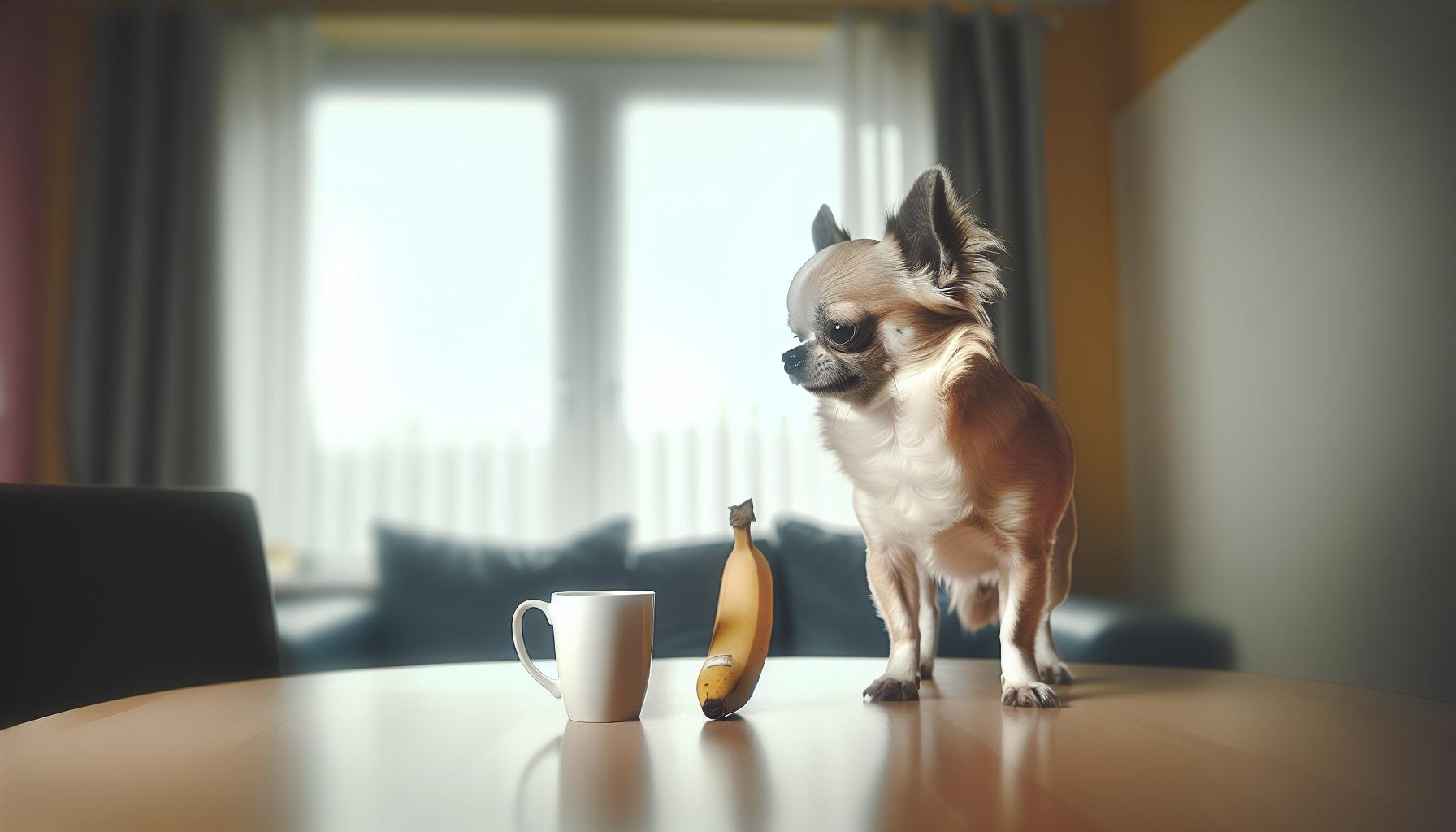
How Big Do Chihuahuas Really Get? Understanding Their Size
Chihuahuas are fascinating little creatures, often surprising those unfamiliar with their size and personality. On average, these tiny dogs stand about 6 to 9 inches tall at the shoulder and weigh between 2 to 6 pounds, though some exceptional individuals may weigh up to 12 pounds. Their small stature only adds to their appeal, making them one of the smallest dog breeds around. Chihuahuas may be small, but they boast a vibrant personality that belies their size; they are known for being bold, confident, and full of energy.
There are two main body types within the breed: the apple-head and the deer-head. The apple-headed Chihuahua features a rounded skull and a more compact body, while the deer-head type has a longer face and a taller, slimmer body. This distinction contributes not only to their appearance but also to the overall personality traits often seen in each type. For instance, apple-head Chihuahuas are typically more prone to shyness, whereas deer-head Chihuahuas might exhibit a more outgoing demeanor.
When selecting a Chihuahua, it’s crucial to consider their unique health requirements associated with their size. Small dogs like Chihuahuas can face challenges such as dental problems, heart issues, and patellar luxation. Regular veterinary check-ups and a balanced diet tailored to their needs can help ensure they lead a healthy life. Remember that regardless of their tiny size, Chihuahuas have big hearts and remarkable longevity, often living well into their teens.
To care for a Chihuahua effectively, understanding their minimal exercise needs is vital. Short daily walks and playful interactions are usually sufficient to keep them happy and healthy. Chihuahuas thrive on affection and companionship, so investing time in establishing a strong bond with your pet will pay off in a loyal and loving relationship. Embrace their quirks, and remember: although they may be small companions, their spirits are anything but tiny!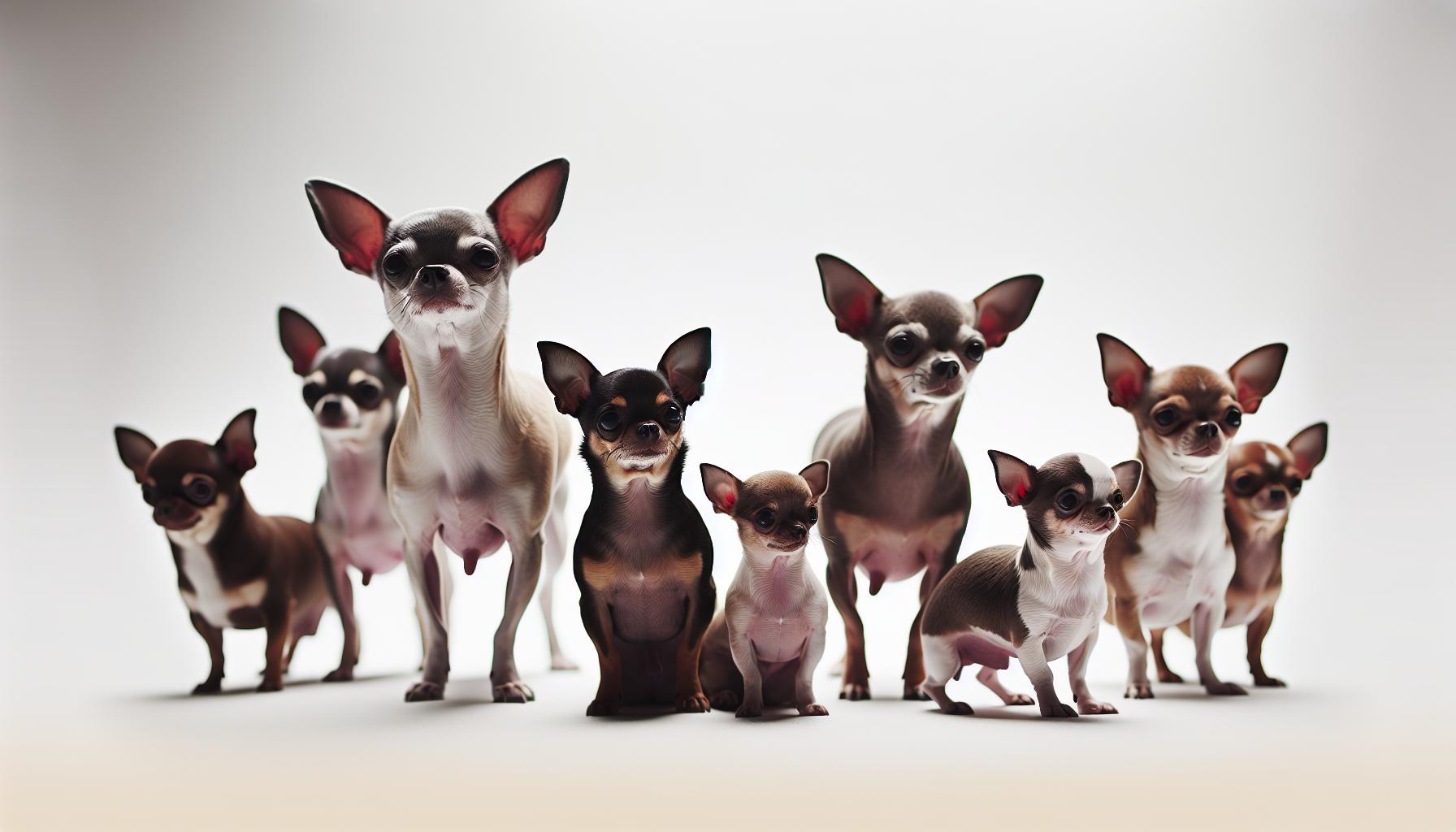
Exploring the Unique Body Shapes of Chihuahuas
Chihuahuas showcase a delightful variety of body shapes that reflect their unique charm and personality. Understanding these distinctions can enrich your relationship with your tiny companion and help you cater to their specific needs. Primarily, Chihuahuas come in two main types: the apple-head and the deer-head, each with distinct physical traits and potentially different temperaments.
The apple-head Chihuahua is characterized by its rounded skull and compact body. This breed type often has a larger cranium compared to the rest of its body, giving it a more pronounced appearance. Owners frequently point out that apple-head Chihuahuas can be more reserved, displaying a shy demeanor when meeting new people or environments. Their endearing look often includes large, expressive eyes that seem to capture a wealth of emotion, enhancing their otherwise diminutive frame.
In contrast, the deer-head Chihuahua features a longer, more narrow shape, resembling the profile of a deer. This type tends to be taller and leaner with a comparatively more elongated snout. Deer-head Chihuahuas typically exude a more outgoing and playful personality. Many owners appreciate their adventurous spirit; these little dogs often seem more willing to interact boldly with other pets and new surroundings. Their confident swagger can be truly entertaining, demonstrating that great things come in small packages.
When caring for a Chihuahua, recognizing these body shapes aids in providing appropriate accommodations for their health and comfort. For example, both types are prone to specific health concerns related to their structure, such as dental issues due to their small mouths. Regular dental check-ups and a suitable diet can help mitigate these risks. Additionally, providing a safe environment that encourages gentle play can cater to their natural tendencies. By nurturing their particular traits and body shapes, you ensure a happy, healthy life for your spirited companion.
Apple-Head vs. Deer-Head: Key Differences
When it comes to Chihuahuas, size is just one aspect of what makes these little companions so captivating. However, it’s their distinct body shapes that truly set them apart. The two primary types of Chihuahuas-apple-head and deer-head-each exhibit unique physical traits and personality nuances that can significantly influence your experience as an owner.
The apple-head Chihuahua is easily recognized by its rounded skull and compact body. These little sweethearts often have large, expressive eyes and a shorter snout. They tend to be a bit more reserved, with many owners noting their shyness around strangers and new environments. This shyness can manifest as cautious behavior, making a cozy, familiar setting crucial for their comfort. It’s not uncommon for apple-heads to be more attached to their owners, displaying a loyal, bond-oriented disposition. Their cute, somewhat whimsical appearance can make them seem more delicate, which might tempt owners to baby them a bit more. However, it’s essential to keep them sociable with controlled introductions to other pets and people to prevent anxiety.
On the other hand, the deer-head Chihuahua presents a different silhouette. With a longer, leaner frame and an elongated snout reminiscent of a deer, this type often exudes a more spirited vibe. Deer-head Chihuahuas are typically more outgoing and adventurous, frequently showcasing their bold personalities. This type often flourishes in dynamic environments, eagerly exploring new places and engaging confidently with other pets and humans alike. Their playful nature can bring loads of joy and laughter to a household, and they tend to adapt quickly to changes in their surroundings. Owners might find their spirited attitude refreshingly high-energy compared to the more laid-back apple-head counterparts.
Understanding these two types is crucial not just for recognizing and appreciating their unique characteristics, but also for tailoring care to suit their individual needs. For apple-heads, focusing on socialization and gentle exposure to new experiences can help manage their timid nature. In contrast, deer-head owners might want to provide ample opportunities for exploration and play to fulfill their energetic tendencies. Both types, regardless of shape, benefit from regular vet visits to monitor health issues typical for their size, such as dental problems and patellar luxation. By celebrating these differences, you can ensure a fulfilling life for your little friend, highlighting that indeed, great things come in small packages!
The Average Weight Range of a Chihuahua
Chihuahuas may be small, but their weight can vary significantly, making them a unique breed to understand. On average, a healthy Chihuahua typically weighs between 2 and 6 pounds. This weight range can depend on several factors, including genetics, diet, and even their individual body type, whether they are an apple-head or a deer-head. Many first-time owners might be surprised to learn just how much these little dogs can weigh; after all, it’s not uncommon to encounter Chihuahuas that hover just above or even below this average range.
When considering their weight, it’s essential to monitor their body condition closely. Chihuahuas can easily gain weight, leading to health issues, particularly in their later years. The general rule of thumb for a healthy Chihuahua is that they should maintain a lean physique, with ribs that are easy to feel but not visible. Owners should be cautious of overfeeding or indulging them with too many treats, as this can lead to obesity, which is a common problem in small breeds. Regular veterinary check-ups are crucial not just for monitoring weight, but also for ensuring your Chihuahua’s overall health is on track.
In terms of growth, most Chihuahuas reach their full height by about 12 months old, but their weight can continue to fluctuate slightly until they are around 2 years old. This is a vital consideration for owners, especially when choosing the right food and exercise routine. Implementing a consistent feeding schedule and incorporating daily walks or playtime can help maintain your Chihuahua’s ideal weight.
In summary, understanding the average weight range and how to manage your Chihuahua’s health is integral to ensuring a happy, fulfilling life for your little companion. With proper care and attention, you can celebrate their tiny size while keeping their health in check – let’s cherish every quirky moment with our tiny, yet mighty friends!
Tiny Yet Mighty: Chihuahua’s Health Considerations
Chihuahuas may be small, but their bold personalities and unique health needs make them larger than life! These little companions, weighing only between 2 and 6 pounds, are susceptible to a variety of health issues due to their tiny size. Understanding these concerns can help ensure your pint-sized friend enjoys a long and happy life.
Common Health Issues
Chihuahuas are prone to certain health conditions that owners should be aware of. Here are some common issues to monitor:
- Dental Problems: Due to their small mouths, Chihuahuas often suffer from overcrowded teeth, leading to dental disease. Regular dental check-ups and at-home care, like tooth brushing, are vital.
- Patellar Luxation: This condition occurs when the kneecap dislocates, which is common in small breeds. Signs include limping or an unusual gait.
- Heart Issues: Chihuahuas can develop heart problems, such as mitral valve disease, especially as they age. Regular veterinary check-ups can help catch these issues early.
- Obesity: Their tiny bodies can’t support extra weight. Obesity can lead to numerous health issues, so maintain a balanced diet and avoid overfeeding.
Nutrition and Diet
A well-balanced diet is critical for a Chihuahua’s health. Due to their small size, portions should be carefully measured. High-quality dog food formulated for small breeds can help ensure they receive essential nutrients. Additionally, avoid table scraps, which can contribute to obesity and digestive issues.
Consider consulting your veterinarian for personalized dietary advice, especially if your Chihuahua has health concerns or special needs. Some owners even find their Chihuahuas thrive on a raw food diet, but it’s essential to research and ensure it’s balanced.
Exercise Needs
Despite their size, Chihuahuas are full of energy and need regular exercise to maintain a healthy weight and mental stimulation. Daily walks and playtime are essential. Simple games of fetch or tug-of-war can provide great exercise in a small space. Furthermore, socialization with other dogs can promote good behavior and confidence.
Always be cautious of their surroundings-Chihuahuas can be more susceptible to injuries due to their size, so providing a safe space for exploration is crucial.
Being a proud Chihuahua owner means embracing their tiny size but also recognizing their health needs. With proper care, nutrition, and attention, you can ensure your little companion remains the vibrant and loving friend that brings so much joy to your life!
Chihuahua Behavior: Size Doesn’t Matter!
Chihuahuas may be tiny in stature, but their confidence and spirited personalities can be larger than life! It’s fascinating how these little companions can exhibit behavior that rivals much larger breeds. Many owners will attest that despite weighing only 2 to 6 pounds, Chihuahuas possess a strong sense of loyalty and an unyielding protective instinct. They often see themselves as the guardians of the home, barking fiercely at anyone they perceive as a potential threat, regardless of their own size.
Their bold behavior is coupled with an affectionate nature. Chihuahuas thrive on attention and companionship, often forming close bonds with their owners. This breed is known for following their humans from room to room, eager to be at the center of the action. It’s not uncommon for Chihuahuas to demand lap time, snuggling up for comfort while keeping a watchful eye on their surroundings. Their vocal tendencies can also make them quite the communicators, using a range of barks and whines to convey their feelings.
When it comes to playtime, don’t underestimate their energy levels. Chihuahuas may be small, but they are playful and spirited, requiring regular exercise to channel their energy constructively. Engaging in interactive play, like fetch or agility games, can stimulate them both physically and mentally. Even in a confined space, such as an apartment, a few short play sessions throughout the day can keep them happy and healthy.
In dealing with any behavioral challenges, consistency and positive reinforcement are key. Whether it’s addressing barking or managing anxiety in social situations, training should be rooted in understanding and patience. Given their sensitivity, harsh training methods can lead to fear or anxiety, which is counterproductive. Instead, celebrate their quirks and focus on building a trusting relationship. By embracing their tiny size and big personality, you’ll find that Chihuahuas have a unique ability to fill your life with joy, laughter, and unconditional love.
Caring for Your Chihuahua: Size-Specific Tips
Caring for a Chihuahua requires a unique approach that considers their tiny size and spirited personality. These little companions might weigh between 2 to 6 pounds, but their boldness and energy often make them feel much larger. Owners should be mindful of their delicate frame while fostering an environment that allows their Chihuahua to thrive and express their vibrant character.
To start, it’s crucial to create a safe living space. Chihuahuas are known for their adventurous spirit, so make sure to eliminate any potential hazards at dog level. This includes securing loose wires, keeping small objects out of reach, and using baby gates if needed to block off stairways. Also, since Chihuahuas are often up for exploration, consider using a harness instead of a collar when walking outside. Their tracheas are vulnerable, and a harness can help prevent any injury while ensuring a comfortable fit.
When it comes to feeding, opt for high-quality kibble specifically designed for small breeds. Smaller bites will help your Chihuahua eat comfortably without the risk of choking. Portion control is also essential-overfeeding can lead to obesity, which is common in small dogs. It’s vital to measure their food properly and ensure they receive a balanced diet that suits their age and activity level. Real-life example: many owners find that feeding their Chihuahua a mixture of wet and dry food not only pleases their picky palates but also keeps them hydrated.
Playtime is another essential aspect of caring for your Chihuahua. Though they don’t take up much space, they have a wealth of energy! Engage in short, interactive play sessions that stimulate both their mind and body. Toys that are small enough for their little mouths, such as squeaky toys and plush dolls, are often favorites. Don’t forget to vary activities to keep things exciting-consider agility games tailored to their size, which can be both physically and mentally rewarding. A local owner shared how her Chihuahua loves to play hide-and-seek around the house, showcasing his cleverness while also building their bond.
Always remember that despite their small stature, Chihuahuas have big personalities and unique needs. Regular vet check-ups tailored to their size and breed-specific concerns, like dental care and heart health, will ensure they stay happy and healthy. With consistent care, plenty of love, and a tailored approach to their unique needs, your tiny companion will reward you with loyalty, affection, and a multitude of joyful moments together.
Understanding Size Variations in Chihuahua Breeds
Chihuahuas come in a delightful array of shapes and sizes, making each dog a unique representative of the breed. Their size variations often lead to misunderstandings, especially for new owners. Did you know that genetics plays a significant role in determining your Chihuahua’s size? While the average weight is between 2 to 6 pounds, individual dogs can fall outside of this range, thanks to differences in lineage and distinct breed characteristics.
Apple-Head vs. Deer-Head
Two main head types characterize Chihuahuas: apple-head and deer-head. The apple-head Chihuahua is known for its rounded skull, short muzzle, and big, expressive eyes, which contribute to its appealing “cute” factor. Typically, these Chihuahuas are on the smaller side, making them a popular choice for people looking for a compact companion. In contrast, the deer-head variety features a longer, more tapered skull and often has a more slender body. These dogs can sometimes reach a slightly larger size and have a lighter build compared to their apple-headed counterparts.
Factors Influencing Size
Aside from head shape, several factors influence the size of Chihuahuas. Genetics is paramount; if both parents are small, they’re likely to produce small puppies. However, even with the same genetic background, environmental factors such as nutrition and overall health during growth phases can impact their final size. For example, a dog raised on high-quality food and receiving ample exercise may reach a healthier weight than one who is overfed on low-nutritional-value food.
Additionally, it’s essential to recognize that there is no “one-size-fits-all” approach when it comes to Chihuahuas. Careful breeding practices can lead to healthier, well-rounded pups, and being mindful of size differences can help tailor care techniques. For instance, a local owner noted how her apple-head Chihuahua, Bella, requires softer, more compact beds and toys due to her petite size, while her deer-head friend, Rocky, thrives with more robust playthings suited for his slightly larger frame.
Conclusion
Understanding these size variations among different Chihuahua breeds helps create a fulfilling life for your tiny friend. Recognizing the physical differences will also assist you in meeting their specific needs, from selecting suitable toys to ensuring proper nutrition. Regardless of their size, all Chihuahuas share a bold personality and a loving disposition, ready to bring joy and companionship into your life. By appreciating and embracing these unique characteristics, you’re set for a wonderful journey with your cherished companion!
Common Misconceptions About Chihuahua Size
Many people hold misconceptions about Chihuahuas and their size, often underestimating the breed’s unique presence and personality. One of the most common myths is that Chihuahuas are “lap dogs” that require little to no exercise due to their tiny stature. In reality, these little dynamos are full of energy! Despite their small size, they need regular walks and playtime to stay healthy and mentally stimulated. This active nature is essential for a well-rounded Chihuahua-just ask any owner whose apple-head Chihuahua, like Sweet Pea, jumps around the yard like a mini kangaroo!
Another prevalent misunderstanding is that all Chihuahuas will remain tiny. While the average weight range is between 2 to 6 pounds, individual dogs can vary greatly, especially based on their genetic background. If both parents are on the larger side, their offspring may exceed that average range. Owners should be prepared for surprises-your new puppy might be dainty today, but could grow into a sturdier companion tomorrow!
Additionally, size does not automatically translate to fragility, a mistake many make. Many think Chihuahuas, being small, are delicate and must be handled with extreme care. Instead, they are incredibly resilient and have a spirited temperament. Even a deer-head Chihuahua, typically larger in appearance, can be just as energetic and bold as their apple-headed counterparts. Regular, gentle handling and proper training from a young age can ensure they thrive in a variety of environments.
Understanding these misconceptions can greatly enhance your companionship with a Chihuahua. Embrace their bold personalities and ensure they receive the exercise and stimulation they need. Each dog, regardless of size, deserves an owner who recognizes their unique needs and character.
Life with a Small Dog: Tips for Chihuahua Owners
Living with a Chihuahua brings an abundance of joy, but it also requires a nuanced understanding of their unique needs and behaviors. These little companions, often weighing between 2 to 6 pounds, may be small in stature, but they boast big personalities! As an owner, it’s important to recognize that their size influences not just their physical care but also their emotional wellbeing, social interactions, and training methods.
One vital aspect of caring for your diminutive friend is ensuring they get enough exercise. Despite the common misconception that lap dogs need little activity, Chihuahuas are energetic creatures who thrive on playtime and daily walks. Aim for at least 30 minutes of activity each day, which can include brisk walks, interactive play, or even indoor activities like fetch. Keep in mind the weather; tiny bodies can get cold quickly, so dress your Chihuahua in a snug sweater when temperatures drop, and be mindful of overheating in the summer.
Nutrition also plays a crucial role in maintaining your Chihuahua’s health. Their small stomachs require specially formulated dog food that meets their high-energy needs. Look for high-quality kibble that lists meat as the first ingredient. Additionally, be cautious with treats; while it’s tempting to spoil your loyal companion, maintaining a healthy weight is essential. Overweight Chihuahuas can face serious health issues, so always consult your vet about the appropriate amounts.
Socialization is another key component to a happy Chihuahua life. These dogs can be wary of strangers due to their small size, so it’s essential to expose them to a variety of people, pets, and environments during their early months. Positive experiences will help diminish any anxiety and prevent fearful behaviors down the line. Remember, Chihuahuas often see themselves as much larger than they are and may not back down from bigger dogs. Supervising their interactions can ensure everyone stays safe.
Finally, be prepared for the vocal nature of your not-so-little companion. Chihuahuas are known for their bark, which is often a reflection of their assertive personalities. Training them to differentiate between when to alert you and when to relax is key. Use positive reinforcement techniques to encourage quiet behavior when it isn’t necessary to bark. Patience and consistency in training will foster a strong bond, ensuring your Chihuahua feels secure in their home environment.
By understanding these dynamics, you can create a fulfilling life for your Chihuahua that celebrates their spunky spirit while catering to their specific needs. Tiny in size but large in heart, your Chihuahua will undoubtedly make every day an adventure worth cherishing.
Fun Facts About Chihuahuas’ Tiny Size
Chihuahuas may be small, but they are packed with unique characteristics and fascinating facts that make them truly special companions. Did you know that the Chihuahua is one of the smallest dog breeds in the world, often weighing only 2 to 6 pounds? This compact size means they are easily portable, fitting comfortably in a handbag or snugly on your lap. Their tiny stature, however, is often accompanied by a surprisingly bold personality, with many Chihuahuas believing they are much larger than they actually are, making them fearless little guardians of their home.
Unique Body Shapes
Chihuahuas come in two primary types distinguished by their head shapes: the Apple-Head and the Deer-Head. The Apple-Head Chihuahua features a rounded skull and a short, compact body, while the Deer-Head has a longer, more elegant appearance with a flatter skull and longer legs. This delightful diversity offers owners a variety of looks to choose from, all encapsulated in that adorable small frame. Each type carries its own charm and potential health considerations, so it’s essential for new owners to be aware of these differences.
Health Considerations
Even though Chihuahuas are small, they can face significant health challenges. Their fragile nature requires care, especially with their dental health. Regular vet check-ups are crucial for monitoring their small frames to prevent issues like obesity, which can strain their hearts and joints. Despite their size, maintaining a healthy weight through proper nutrition and exercise is essential to ensure a long and happy life for your little friend.
Vibrant Personalities
Don’t let their size fool you; Chihuahuas carry big personalities! They are known for their intense loyalty and affection towards their owners, often developing very strong bonds. Their vocal nature can be surprising at first. Many owners find that their Chihuahuas are alert little watchdogs, barking to signal both excitement and alertness. Training and socialization are key to helping them learn when to bark and when to be quiet, creating a peaceful home environment.
In life with a Chihuahua, you’ll discover that their tiny size belies their enormous capacity for love, personality, and charm. Whether you’re carrying them around in your bag or enjoying their feisty antics during playtime, these small dogs can fill your life with joy and companionship in ways you might not expect.
Faq
Q: What is the smallest Chihuahua recorded?
A: The smallest Chihuahua ever recorded was a mere two pounds and stood about six inches tall. This tiny size highlights the breed’s remarkable range, making them one of the smallest dog breeds globally. For more insights into size variations, check the section on Understanding Size Variations in Chihuahua Breeds.
Q: How small do Miniature Chihuahuas typically get?
A: Miniature Chihuahuas usually weigh less than five pounds and can be as small as two to three pounds. Their petite figures often lead to heightened care needs, including protection from the cold. Explore our Caring for Your Chihuahua: Size-Specific Tips section for more info.
Q: Are Chihuahuas born small?
A: Yes, Chihuahuas are born small, typically weighing just four to six ounces at birth. Their rapid growth occurs in the first few months, leading to the characteristic tiny size seen in adulthood. For a better understanding, refer to How Big Do Chihuahuas Really Get?.
Q: What is the average height of a Chihuahua?
A: The average height of a Chihuahua ranges from 5 to 8 inches at the shoulder. This compact stature makes them perfectly portable companions. For a deeper look into their body shapes, visit our section on Exploring the Unique Body Shapes of Chihuahuas.
Q: How do Chihuahuas compare in size to other small dog breeds?
A: Compared to other small breeds like the Pomeranian or Yorkshire Terrier, Chihuahuas typically maintain a similar size but often lean towards being slightly shorter and lighter, making them one of the tiniest. For more comparisons, see Tiny Yet Mighty: Chihuahua’s Health Considerations.
Q: Do Chihuahuas have special needs due to their size?
A: Yes, Chihuahuas have special needs related to their small size, including careful handling, a warm environment, and appropriate nutrition. Because of their delicate frame, it’s essential to provide them with a safe space. Learn more in our section Tiny Yet Mighty: Chihuahua’s Health Considerations.
Q: What health issues are Chihuahuas prone to due to their small size?
A: Due to their small size, Chihuahuas are prone to health issues such as luxating patella, heart problems, and dental issues. Regular veterinary check-ups and a healthy diet can mitigate these risks. Refer to Tiny Yet Mighty: Chihuahua’s Health Considerations for preventive measures.
Q: How can I safely pick up a Chihuahua without hurting them?
A: To safely pick up a Chihuahua, always use both hands, supporting their chest and bottom. Avoid lifting them by the scruff, as this can cause injury. Consider consulting the Caring for Your Chihuahua: Size-Specific Tips for more strategies on handling your small dog.
In Conclusion
Thanks for exploring the fascinating world of Chihuahuas! This tiny breed is not just small in size but huge in personality. Whether you’re a first-time owner or have years of experience, understanding their health, care, and behavior is essential. If you’re curious about training tips or looking for the best gear for your new friend, check out our guides on Chihuahua training techniques and essential supplies.
Don’t let their size fool you-Chihuahuas are bold and lively companions who thrive on attention and love. If you have questions about their unique quirks or need advice on nutrition, we encourage you to join our community in the comments below. Share your experiences or ask your burning questions; we’re here to help you enhance your journey with your little furball!
Ready to dive deeper? Subscribe to our newsletter for more breed-specific tips and resources to ensure your Chihuahua has the best life possible. Remember, each day with your Chihuahua is a new adventure waiting to be discovered!
Get our latest guides, news, and insights highlighted in your Google Search & AI Overviews.