

Did you know that Chihuahuas can have surprisingly variable litter sizes? Understanding how many puppies your tiny companion can have is essential for any Chihuahua owner, whether you’re considering breeding or simply curious about your pet’s potential. Typically, a Chihuahua can have anywhere from one to five puppies per litter, but factors like health, size, and age play significant roles in this range. This knowledge is not just about numbers-it’s about preparing for the joy, challenges, and responsibilities that come with welcoming new life into your home. By exploring the influences on litter size, you’ll be better equipped to ensure the health and happiness of both your Chihuahua and her puppies. Join me as we delve into the intricacies of Chihuahua litters, offering insights and tips to help you navigate this rewarding journey with confidence.
How Many Puppies Can a Chihuahua Have?
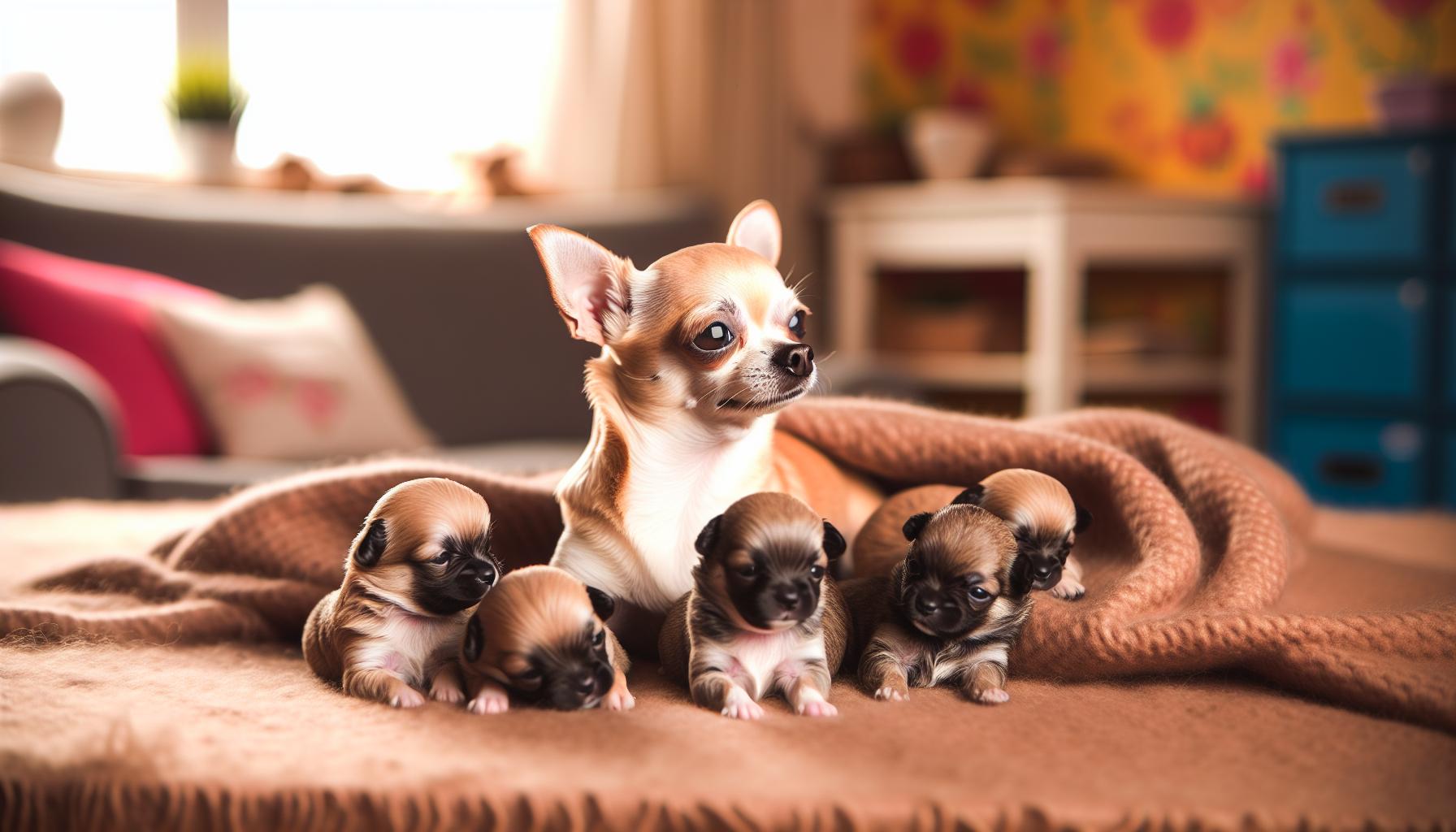
Chihuahuas, renowned for their bold personalities and tiny stature, typically have smaller litters compared to larger breeds. On average, a Chihuahua can have between two to five puppies per litter, although litters of one or even up to seven aren’t unheard of. Factors influencing litter size include the dog’s age, health, and genetic background. Older females tend to produce smaller litters, while younger and healthier females generally yield more puppies. It’s not uncommon for a new mother to experience anxiety during her first litter, leading to less predictability in the number born.
In terms of preparation, understanding the breed’s unique needs is crucial. Chihuahuas can face challenges during pregnancy and delivery due to their small size. Ensuring that she is in optimal health and receiving proper prenatal care, such as nutritious food and regular vet check-ups, will help facilitate a smoother birthing process. Observing your Chihuahua’s behavior can also provide insights; if she appears restless or anxious as her time approaches, it’s essential to have a comfortable and secure space ready for her.
As an owner, being prepared for the varying outcomes of a Chihuahua’s litter can lead to a more seamless experience. With proper care and attention, you can help ensure both the mother and her puppies thrive.
Understanding Chihuahua Pregnancy Stages
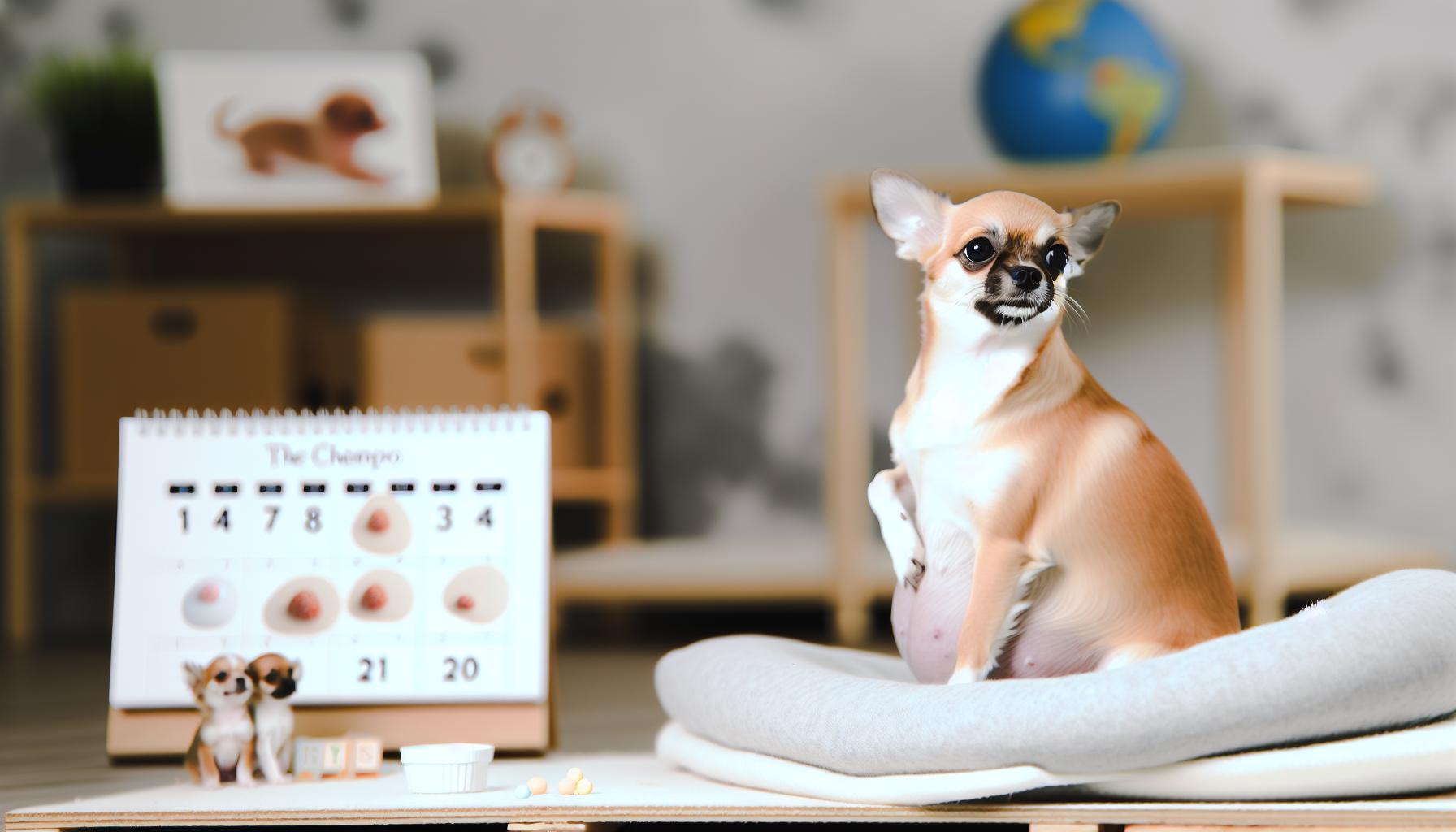
Understanding the journey of a pregnant Chihuahua can be as fascinating as it is crucial for ensuring her health and the health of her future puppies. A typical Chihuahua’s pregnancy lasts around 63 days, but this can vary slightly, so paying close attention to her behavior and physical changes is essential. As an owner, observing these stages will help you support her better and prepare adequately for the arrival of her little ones.
Early Stage: Weeks 1-3
During the first three weeks of pregnancy, it might be difficult to tell if your Chihuahua is expecting. During this time, she may not display significant changes in behavior, but hormonal shifts begin affecting her body. You might notice some slight changes in appetite or increased affection. It’s crucial to keep an eye on her health by providing a balanced diet tailored for pregnant dogs, which includes high-quality puppy food that supports her nutritional needs.
Mid Stage: Weeks 4-5
By weeks four and five, changes become more apparent. Your Chihuahua’s belly may begin to swell slightly, and her nipples will likely darken and become more prominent as her body prepares for nursing. You might also see behavioral changes as she may become more withdrawn or anxious-common for dogs in this stage as they seek to create a secure environment for their future puppies. This is an excellent time to ensure she has a comfortable, quiet space where she can rest undisturbed.
Final Stage: Weeks 6-9
In the final weeks leading up to delivery, her appetite may fluctuate; some Chihuahuas experience increased hunger, while others may eat less. It’s important to offer frequent, small meals to meet her nutritional needs without overwhelming her stomach. Around this time, you should start to notice more obvious physical signs of pregnancy, such as a larger abdomen and increased nesting behaviors. Providing her with blankets or a dedicated dog bed in a quiet area can help her feel safe as she prepares for labor.
Being aware of these stages and understanding the specifics of your Chihuahua’s pregnancy can make a world of difference. Every Chihuahua is unique, and what works for one may not work for another. If you have any doubts during her pregnancy, don’t hesitate to contact your veterinarian for guidance tailored to your Chihuahua’s specific needs. Preparing with love and knowledge will ensure a smooth transition for both her and her adorable puppies.
Factors Influencing Litter Size in Chihuahuas
When it comes to the number of puppies a Chihuahua can have, numerous factors come into play that can significantly influence litter size. While Chihuahuas are known for having relatively small litters compared to larger breeds, understanding these elements will help you prepare for the joyous arrival of her puppies.
One of the most prominent factors is the age and health of your Chihuahua. Younger Chihuahuas tend to have smaller litters, often averaging around two to three puppies, while those that are a bit older and in good health may be more likely to have a slightly larger litter, ranging from three to five puppies. Additionally, the overall health condition, including any underlying medical issues or nutritional deficiencies, can either hinder or facilitate increased litter sizes. For instance, a Chihuahua that is well-nourished and has regular veterinary check-ups is more likely to have a healthier pregnancy, which can contribute positively to the number of puppies.
Genetics also plays a pivotal role. It’s essential to consider the breeding history of your Chihuahua and her lineage-if her mother had larger litters, it’s possible she may too. Size can also vary depending on whether she is an apple-head or a deer-head Chihuahua, with some studies suggesting that certain physical traits can influence litter size. The size of the father is another aspect to weigh, as larger Sires can sometimes contribute to larger puppies and potentially larger litters.
Lastly, environmental factors and the timing of breeding can impact litter size. Stressful living conditions or improper breeding practices can lead to smaller litters, while optimal breeding time, when the female is at her peak fertility, can promote better chances of maximizing the number of puppies. The careful planning of breeding and ensuring both potential parents are in good shape will enhance the likelihood of a larger, healthy litter.
Ultimately, being informed and prepared can ensure you provide the best care for your pregnant Chihuahua and her future puppies, making the experience rewarding and manageable for both you and your furry friend.
What is the Average Litter Size for Chihuahuas?
Chihuahuas are adorable little companions, and part of what makes them so special is their capacity to bring new life into the world. When it comes to the average litter size for Chihuahuas, it typically ranges from one to five puppies. While this might seem small compared to larger breeds, each litter is a unique blessing and can vary depending on a range of factors.
Younger Chihuahuas, especially those under three years old, often have the smallest litters-usually averaging around two to three puppies. On the other hand, more mature Chihuahuas that are in good health can sometimes produce larger litters of three to five puppies. A Chihuahua’s breed type can also influence litter size, with certain characteristics seen in apple-head versus deer-head Chihuahuas potentially affecting their capacity to carry more puppies.
In addition to age and breed type, the health of your Chihuahua plays a critical role in bringing forth a healthy litter. A well-nourished Chihuahua with regular veterinary care is generally more likely to have a safer pregnancy and a healthier number of puppies. Moreover, environmental factors such as stress levels and the timing of breeding can significantly impact the size of the litter. Owners should keep in mind that no two pregnancies are exactly alike; even within the same household, different Chihuahuas may have varying experiences.
Owners should celebrate every little addition to their family, nurturing and caring for each puppy with the same love and attention they give to their adult Chihuahuas. No matter the number, each puppy’s unique personality adds warmth and joy to your home.
The Role of Health in Puppy Production
The health of your Chihuahua plays a pivotal role in not just the size of her litter, but also the overall health and vitality of her puppies. A well-cared-for Chihuahua is more likely to produce a healthier, better-nurtured litter. Regular veterinary check-ups ensure any underlying health issues are addressed before breeding, which can include dental care, vaccinations, and overall physical health assessments. Just like people, Chihuahuas should be in optimal condition before embarking on the journey of motherhood.
Nutrition is a key factor in your Chihuahua’s health. A balanced diet rich in essential nutrients supports both the mother and her puppies during pregnancy. Owners should ideally transition their Chihuahuas to a high-quality puppy food several weeks before and during pregnancy. This type of food is formulated to meet the increased nutritional needs of a pregnant dog, helping ensure that she receives enough calcium, protein, and vitamins, which are critical for puppy development.
- Regular Exercise: Keeping your Chihuahua active with daily walks and playtime can help maintain her fitness, which is vital during pregnancy.
- Stress Management: Reducing stress in the environment can significantly affect your Chihuahua’s health. Create a calm and quiet space where she can relax.
- Hydration: Fresh water should always be accessible, as dehydration can lead to complications during pregnancy.
Chihuahuas can also be prone to specific health issues such as heart disease or patellar luxation, which may complicate pregnancy and affect litter size. Always consult with your veterinarian about potential risks related to your Chihuahua’s specific lineage (for example, apple-head Chihuahuas are known to have certain vulnerabilities).
A Chihuahua mother in good health not only stands a better chance of carrying a full healthy litter but also can provide her puppies the energy and nutrition needed once they are born. Healthy puppies are more resilient, demonstrating the effects of their mother’s well-being.
By understanding and prioritizing your Chihuahua’s health, you’re setting a strong foundation for a successful breeding experience. Every step taken to care for her leads to a joyous outcome, and each puppy can thrive under the right conditions. After all, the bond between a mom and her pups begins long before they make their grand entrance into the world.
Chihuahua Breeding: Age and Size Factors
Breeding Chihuahuas is both an exciting and delicate endeavor, and understanding the impact of age and size on litter size is crucial for responsible breeders. Typically, Chihuahuas are considered mature enough for breeding between the ages of one and two years. Breeding too early, before they reach full maturity, can lead to smaller litters or health complications, as younger dogs may not have fully developed physically or emotionally. As she ages beyond two years, her breeding health can improve, but the risks associated with age-related health issues arise as well.
Size can significantly affect a Chihuahua’s breeding capabilities. Generally, a healthy female Chihuahua weighing between 5 to 10 pounds will likely have a more successful pregnancy than smaller or larger counterparts. If a female is too small, she may struggle to carry and deliver her puppies safely. Conversely, larger male Chihuahuas can successfully mate with smaller females, but caution is needed to ensure the size difference doesn’t pose risks during delivery. A balanced weight that matches the breed standard greatly improves health outcomes for both mother and puppies.
Key factors to consider include:
- Cohort Resource: Common practice for breeders is to consult with a veterinarian who understands the breed’s nuances. This ensures appropriate health checks are conducted.
- Breeding Strategy: Some owners prefer to keep breeding within the same weight class to maintain health standards as well as breed characteristics.
- Health History: Additionally, ask about potential hereditary diseases common in Chihuahuas, as these can be exacerbated by size and age.
By being mindful of these factors, you set the stage for a healthy breeding experience. After all, the joy of welcoming a litter of lively puppies is immensely rewarding, and being well-informed is your best tool for success.
Common Risks in Chihuahua Pregnancies
Breeding Chihuahuas comes with its unique set of challenges and risks, especially considering their small size that can complicate pregnancy and delivery. One of the most significant concerns is the potential for dystocia, or difficulty in delivering puppies. Due to their petite frame, a Chihuahua may face complications if the puppies are too large or if the birth canal is too narrow. It’s essential for any owner considering breeding to understand these risks and prepare accordingly.
Another risk factor is hypoglycemia, which can affect both the mother and her puppies. Pregnant Chihuahua mothers require optimal nutrition, and if their glucose levels drop too low, it can lead to lethargy or fainting, putting both her and her litter in jeopardy. Ensuring she has regular, nutritious meals with the right balance of vitamins and minerals will help mitigate these concerns.
Additionally, older Chihuahuas or those with pre-existing health conditions may face increased risks, such as infection or pre-eclampsia, which can be serious for mother and puppies alike. Regular veterinary check-ups are crucial throughout the pregnancy. They can monitor the health of the mother and preemptively address potential complications.
It’s also vital to consider the emotional and psychological stresses that can accompany pregnancy. Some Chihuahuas may become anxious or agitated, which can affect their overall health. Providing a calm, comfortable environment and using calming aids, like pheromone diffusers, can make a significant difference.
Ultimately, being proactive about these risks will help promote a safe pregnancy and a healthy litter. – Chihuahuas are playful and loving companions, and nurturing them through this delicate time is a rewarding yet diligent task that requires both knowledge and commitment.
Caring for a Pregnant Chihuahua: Tips and Best Practices
Caring for a pregnant Chihuahua requires a blend of attentive nurturing and practical management to ensure both mom and her puppies thrive. Chihuahuas, with their tiny frames and spirited personalities, can face unique challenges during pregnancy, but with the right approach, you can provide a supportive environment that promotes their health and well-being.
First and foremost, nutrition plays a crucial role in the health of the pregnant Chihuahua. Providing high-quality, nutrient-rich food is vital to support the development of her puppies. Look for foods specifically formulated for pregnant dogs, as they contain optimal levels of protein, calcium, and essential vitamins. Offer smaller, more frequent meals to help maintain her energy levels and prevent hypoglycemia, a common risk among Chihuahuas. Regularly monitoring her weight is essential; consult your veterinarian to determine the ideal weight range throughout her pregnancy.
Creating a cozy and secure environment can greatly reduce any anxiety your Chihuahua may feel. Establish a quiet space where she can retreat, especially as her due date approaches. Use soft bedding and consider providing a nest or whelping box, which can help her feel safe and ready for the birth process. Maintaining a calm atmosphere is beneficial, as noise and chaos can exacerbate stress.
Regular veterinary check-ups are indispensable during this time. Your veterinarian will monitor her health, check for signs of complications, and provide guidance on her care. Keep an eye out for any changes in her behavior or health, such as unusual lethargy, refusal to eat, or signs of distress. Being proactive in seeking veterinary advice can prevent serious issues from arising.
Lastly, stay attuned to her emotional needs. Many Chihuahuas become more affectionate or, conversely, more withdrawn during pregnancy. Be patient and understanding, offering gentle interactions and plenty of love. Engaging her in light play and short walks can also help keep her spirits up, provided she’s comfortable and not overexerting herself.
By focusing on nutrition, comfort, health monitoring, and emotional support, you can help ensure a successful pregnancy for your Chihuahua and a healthy litter of puppies. Remember, the bond you share with her during this time is not only about care; it’s a celebration of her remarkable spirit as she journeys into motherhood.
How to Prepare for a Chihuahua Litter
To welcome a new litter of Chihuahuas into the world, preparation is crucial for ensuring both the mother and her puppies have everything they need. Chihuahuas, with their charmingly bold personalities and compact sizes, require special considerations during this life-changing event.
Start by creating a comfortable whelping area. Choose a quiet, comfortable space in your home where your Chihuahua can feel safe, away from noise and distractions. A whelping box, which can be lined with soft bedding, is ideal as it provides the mother with a defined space for birthing and caring for her puppies. The box should be large enough for her to move around but small enough to give a sense of security. Many experienced breeders suggest having the box slightly elevated and with low sides so the mother can easily enter and exit while keeping the puppies contained.
Stock Up on Supplies
Gather essential supplies ahead of time to ensure you’re prepared for the arrival of the puppies. Some items to consider include:
- Clean Towels: For drying off the puppies after birth.
- Heating Pads: Since newborn Chihuahuas cannot regulate their body temperature well, a heating pad set on low can help keep them warm.
- Veterinary Kit: Have basic supplies like scissors (for cutting umbilical cords), iodine (for disinfecting), and a thermometer.
- Food and Water Bowls: Keep her well-hydrated and nourished during this demanding time.
Don’t forget that the nutritional needs of your Chihuahua will increase as she prepares to nurse her puppies. Consult your veterinarian for advice on the best diet to promote her health and prepare for feeding her young.
Understanding the Birth Process
It’s helpful to familiarize yourself with the stages of the birthing process. Most Chihuahua litters consist of 2-4 puppies on average, but sizes can vary, with smaller breeds often having smaller litters. Knowing what to expect can alleviate anxiety. Puppies usually arrive headfirst; however, should any complications arise during the birthing process, having a veterinary contact on hand is essential.
Lastly, monitor her behavior as she approaches her due date. Many Chihuahuas exhibit nesting behavior; they might seek out quiet, cozy spots to settle down. Being attentive to her needs, offering affection when required, and maintaining a calm, low-stress environment will support her and help ensure a smooth delivery.
By preparing adequately and creating a nurturing environment, you’ll set the stage for a positive experience as your furry friend embarks on her amazing journey into motherhood.
Post-Birth Care for Chihuahua Puppies
Caring for newborn Chihuahua puppies is a delicate but rewarding process that requires attentiveness and dedication. Right after birth, these tiny creatures, who often weigh just a few ounces, rely heavily on their mother for warmth, nourishment, and security. It’s crucial to ensure that the whelping area remains a safe, warm, and quiet place where the mother and her pups can bond without stress.
After the puppies are born, the mother will instinctively begin cleaning them, which also helps stimulate their breathing and circulation. Make sure she has a clean, comfortable space to do this. It’s important to monitor the puppies in the first few days. Newborn Chihuahuas can’t regulate their body temperature, so maintaining warmth is vital. You might consider using a heat lamp or heating pads set on low, but always ensure the puppies can move away from the heat if they become too warm.
In the early weeks, the mother’s milk is essential for the puppies’ growth and development. It’s highly nutritious and provides antibodies that protect against infections. Ensure the mother is well-fed and hydrated. High-quality puppy food with adequate protein and fat content will help her produce nourishing milk. Regular vet check-ups are important, not just for the mother’s health but also for monitoring the puppies’ growth and health. You may want to weigh the puppies regularly to ensure they are gaining weight and thriving.
As the puppies grow, they will begin to explore their environment, typically starting around three weeks of age. At this stage, introducing a soft puppy food can begin, alongside continued nursing. They’ll also need socialization, so gently handling them and allowing them to interact with their mother stimulates healthy development. Watch for any signs of distress or illness, such as unusual crying or failure to thrive, and consult your veterinarian if any concerns arise.
With nurturing care, your Chihuahuas will grow up to be happy and healthy companions, adding more joy to your lives with their quirky personalities and loyal demeanor. Celebrating their small size while ensuring they receive quality care will set a solid foundation for their futures.
Recognizing Signs of Distress During Birth
During the delicate process of labor, a Chihuahua can exhibit various signs of distress that should not be overlooked. Understanding these indicators is crucial for the well-being of both the mother and her puppies. Chihuahuas, being such small and sensitive creatures, can face challenges during birthing, making it imperative for owners to be observant and prepared.
One of the first signs of distress to watch for is excessive panting or whimpering. This could indicate that your Chihuahua is experiencing pain or anxiety. Also, pay attention to her posture. If she is excessively nesting or changing positions frequently without progressing, she may be struggling. A Chihuahua should ideally have a calm demeanor during labor; signs of agitation can also signal complications.
If you notice that she is attempting to push but not producing a puppy after several contractions, this may be a cause for concern. Each contraction should ideally lead to the birth of a puppy within a reasonable time frame. If she’s straining without results for over 30 minutes, seek veterinary assistance. Additionally, if you see bright red vaginal discharge, this could indicate placental abruption or other serious issues that need immediate medical attention.
Another critical aspect to monitor is her energy level. After labor has begun and there’s been a prolonged period without puppy births, exhaustion can set in, which is particularly concerning in smaller breeds like Chihuahuas. Ensure she remains hydrated and calm, and consult a vet if she seems lethargic or unresponsive.
Being proactive and recognizing these signs early can make a significant difference in ensuring a safe delivery. Always have a vet’s contact information handy and don’t hesitate to reach out for help if you have any doubts about your Chihuahua’s health during this crucial time. Your attentiveness and readiness to act can greatly influence the well-being of both her and her new puppies, helping them welcome the world in the best possible way.
Finding Loving Homes for Chihuahua Puppies
Finding suitable homes for Chihuahua puppies can be one of the most rewarding yet challenging aspects of breeding this beloved breed. With their vibrant personalities and unique characteristics, it’s crucial to match each puppy with families that will appreciate their quirks and provide the loving care they deserve.
Start by sharing their adorable photos and charming stories on social media or local community boards. Highlight their individual personalities, whether they are the bold little adventurer who never backs down from a challenge or the cozy cuddlebug who thrives on attention. Chihuahua puppies, with their tiny stature and big hearts, often capture the affection of potential owners at first sight. Make sure to provide potential adopters with informative details about each puppy’s temperament, health, and care requirements to set the right expectations from the outset.
When interacting with interested families, consider discussing their lifestyle and what they’re looking for in a pet. Chihuahuas, while small, are known for their big personalities. They can be vocal and spirited, requiring owners who appreciate their feisty nature and are ready to engage with them actively. Ask questions about how much time they can dedicate to socialization and exercise, as well as their experience with small breeds. This not only helps you determine suitability but also educates new owners about what it means to welcome a Chihuahua into their home.
As you prepare to send your puppies off on their new adventures, make it a memorable experience. Consider providing a small care package for each puppy that includes their favorite toy, a few samples of their current food, and a copy of their health records. This thoughtful gesture not only helps with the transition but also establishes a positive relationship with the new owners, encouraging them to stay in touch. Building a community around your puppies can lead to lifelong friendships and invaluable support for new owners as they navigate the joys and challenges of Chihuahua parenthood.
Frequently asked questions
Q: What factors influence a Chihuahua’s litter size?
A: Several factors can impact a Chihuahua’s litter size, including the mother’s age, health, genetics, and breeding practices. Healthier and well-cared-for Chihuahuas tend to have larger litter sizes. It’s also crucial to consider the breeding pair’s genetic history and compatibility, as this can affect outcomes.
Q: How often can a Chihuahua get pregnant?
A: A Chihuahua can typically become pregnant twice a year, although it’s essential to allow proper recovery time between litters. Breeding too frequently can lead to health complications for the mother and reduce the viability of the puppies.
Q: What is the best age for a Chihuahua to breed?
A: The ideal breeding age for a female Chihuahua is between 1.5 to 5 years old. Breeding before 1.5 years can pose health risks to both mother and puppies, while breeding after 5 years may also increase pregnancy complications.
Q: Can a Chihuahua have a single puppy?
A: Yes, it is possible for a Chihuahua to have a single puppy, which is often referred to as a “singleton.” While this is less common, singletons require special attention to ensure they develop properly, as they may not benefit from the socialization that comes from having siblings.
Q: What should I do if my Chihuahua has complications during birth?
A: If your Chihuahua experiences complications during birth, such as prolonged labor, unusual distress, or lack of puppies after strong contractions, contact your veterinarian immediately. Quick medical attention is vital to ensure the safety of both the mother and the puppies.
Q: How can I support my Chihuahua during pregnancy?
A: Supporting your Chihuahua during pregnancy involves providing a balanced diet, a stress-free environment, and regular vet check-ups. Keep her comfortable and monitor her health closely. Familiarize yourself with potential complications by referring to the section on Caring for a Pregnant Chihuahua.
Q: What common health issues should I watch for in pregnant Chihuahuas?
A: Pregnant Chihuahuas can face health issues like gestational diabetes, infections, or eclampsia. It’s crucial to monitor her health closely and seek veterinary assistance if you notice any unusual symptoms such as lethargy or loss of appetite.
Q: How long does a Chihuahua’s pregnancy last?
A: A Chihuahua’s pregnancy typically lasts between 58 to 68 days. It’s important to allow for proper monitoring and care as the due date approaches. Regular veterinary check-ups can help ensure both mother and puppies are healthy during this critical time.
Insights and Conclusions
As you navigate the exciting journey of Chihuahua breeding, remember that the health, behavior, and nurturing of your little ones are paramount. From understanding the ideal litter size to ensuring the best care for your vibrant apple-heads, every detail matters. If you’re eager to delve deeper, check out our guides on caring for newborn pups and the unique traits of different Chihuahua coat types.
Don’t hesitate to share your experiences or ask questions in the comments below-your voice enriches our community! As a devoted Chihuahua enthusiast, I’m here to help you succeed, whether you’re a first-time breeder or a seasoned pro. For more expert advice and resources tailored just for you, sign up for our newsletter and stay updated on all things Chihuahua. Embrace this beautiful journey; the world of Chihuahuas is full of joy, quirks, and unforgettable moments!
Get our latest guides, news, and insights highlighted in your Google Search & AI Overviews.