

Did you know that Chihuahuas, despite their tiny stature, can have quite a surprising litter size? Understanding how many puppies your beloved Chi can have is essential for every dog owner-especially if you’re considering breeding. This knowledge not only helps in planning for the care of both the mother and her puppies but also ensures their health and well-being during those critical months.
Chihuahuas are renowned for their spirited personalities; they are vocal companions, fiercely loyal, and full of boldness. However, with breeding comes the responsibility of managing health and behavior during pregnancy and after birth. Whether you’re a first-time owner or a seasoned Chihuahua enthusiast, knowing what to expect can ease your concerns. Join us as we delve into the fascinating details of Chihuahua litters, exploring the factors that influence size and what that means for your precious fur babies. Ready to uncover the unique journey of your Chihuahua’s motherhood? Let’s get started!
How Many Puppies Do Chihuahuas Typically Have?

Chihuahuas often steal hearts with their bold personalities and tiny stature, but as a future or current owner, you might wonder how many adorable pups your little one can bring into the world. Generally, a Chihuahua can have a litter size ranging from one to five puppies, with three being the average. Factors such as the dog’s size, age, health, and breeding practices contribute to this variability. For instance, a well-nurtured female with a healthy weight will likely have a healthier pregnancy, potentially resulting in a larger litter.
If you’re considering breeding your Chihuahua, it’s essential to keep in mind that smaller breeds like Chihuahuas can face unique challenges during pregnancy. Their small frames can limit the space available for growing puppies, which might increase the risk of complications. Moreover, older or less healthy Chihuahuas might have smaller litters or face greater risks during labor. Regular veterinary check-ups throughout the pregnancy are crucial to ensure both the mother and her puppies remain healthy.
When it comes to the joy of welcoming a new litter, there’s so much to anticipate. Each puppy brings a distinct personality, just like their parents. Their size can vary, as even within the same litter, some puppies may resemble their apple-head mother while others might take after their deer-head father. Understanding the average litter size and the factors that influence it can help you prepare for this exciting journey into puppy parenthood. So, whether you’re aiming for one tiny miracle or hoping for a small pack, be ready for the delightful chaos that comes with raising Chihuahua puppies!
Factors Influencing Chihuahua Litter Size
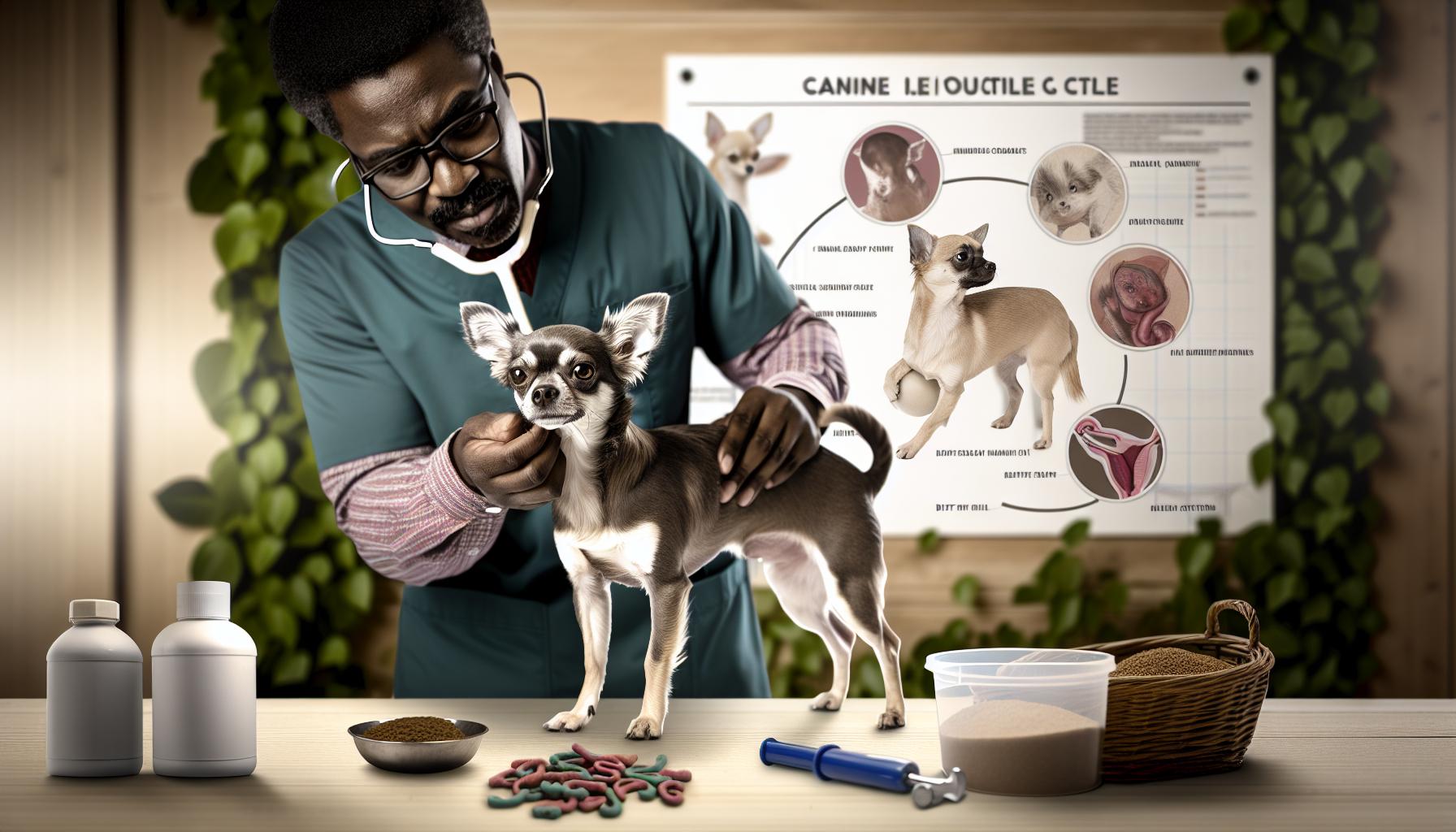
Chihuahuas may be small, but they can have a big impact on your heart and home, especially when it comes to welcoming a new batch of puppies. The litter size of Chihuahuas can vary significantly, typically ranging from one to five puppies, with three being the average. However, several crucial factors can affect this number and understanding them will help you be better prepared for your future Chihuahua family members.
One major influence on litter size is the health and age of the female Chihuahua. Younger, healthy dogs are generally more likely to have larger litters compared to older or less healthy ones. A well-cared-for Chihuahua, who maintains a healthy weight through proper nutrition, is more likely to experience a successful pregnancy, potentially yielding a larger number of puppies. It’s also important to consider her breeding history; a Chihuahua that has previously had several litters may have a clearer pattern of litter sizes that can assist in predictions for future matings.
The size and type of the Chihuahua can also play a significant role. Apple-head Chihuahuas, known for their rounded skulls, tend to have varying litter sizes compared to deer-head Chihuahuas, who have a more elongated shape. This difference can be attributed to their physical structures accommodating the puppies during gestation. Moreover, the size disparity between the breeding pair can impact the number of puppies; a smaller female paired with a larger male might increase the risks and complications during delivery, potentially resulting in a smaller litter.
Additionally, breeding practices contribute significantly to outcome variances. Responsible breeders will ensure that both the male and female are in prime health, have undergone necessary health screenings, and are of appropriate ages to breed. This foresight is essential, as poor breeding practices can lead to health issues for both the mother and her puppies, influencing not only litter size but also the vitality of the offspring.
Finally, remember that each pregnancy is unique, and while averages can guide you, they do not dictate outcomes definitively. Regular vet check-ups during the pregnancy can help monitor the health of the mother and puppies, ensuring a safe arrival when the time comes. Embrace the wonderful journey of Chihuahua motherhood, knowing that every litter comes with its own set of surprises!
Understanding Chihuahua Pregnancy: Key Milestones
Understanding the journey of Chihuahua pregnancy is crucial for any owner considering breeding. This process involves several key milestones that can help you ensure the health and well-being of your beloved Chihuahua during this exciting time.
The first significant milestone is the detection of pregnancy, which usually occurs around 20 to 30 days after mating. Vets can often confirm pregnancy through blood tests or ultrasounds, giving you peace of mind about your Chihuahua’s condition. Once pregnancy is confirmed, it’s essential to provide optimal care, which includes a balanced diet rich in nutrients, regular vet appointments, and a comfortable living environment.
As your Chihuahua progresses through her pregnancy, it’s important to be attentive to her health. The gestation period for Chihuahuas typically lasts about 63 days, but it can vary slightly. During this time, you’ll notice her energy levels and appetite may fluctuate. Week by week, here are some key changes to expect:
- Weeks 1-2: Little noticeable change; conception occurs.
- Weeks 3-4: Early signs of pregnancy (nausea, appetite decrease); possible vet confirmation.
- Weeks 5-6: Increased appetite and weight gain; noticeable belly growth.
- Weeks 7-8: Preparing for birth; nesting behaviors may occur, such as seeking quiet spaces.
As you approach the due date, it’s wise to prepare for the arrival of puppies. This means gathering supplies like whelping boxes, clean towels, and a reliable contact for your vet. Creating a calm environment is crucial, as Chihuahuas can be quite sensitive to stress, especially during labor.
Throughout this entire process, remember to monitor her behavior closely. Look for signs of distress or complications, such as excessive panting, lethargy, or not eating. These are indicators that prompt a visit to the veterinarian. By being proactive and informed, you can ensure a smooth pregnancy and healthy delivery for your Chihuahua and her future puppies.
Health Risks for Pregnant Chihuahuas and Their Puppies

Pregnancy in Chihuahuas can be an exhilarating yet challenging experience for both the mother and her owner. However, it is essential to be aware of the health risks that can arise during this delicate period. Chihuahuas, being a small breed, may face unique challenges compared to larger dogs, which can significantly affect their pregnancy and the health of their puppies.
One of the main concerns is the risk of complications during labor. Due to the small size of Chihuahuas, there is a higher chance of dystocia, a condition where the mother has difficulty delivering her puppies. Factors such as the size of the puppies and their positioning can affect the delivery process. It’s crucial to monitor your Chihuahua closely as she approaches her due date, looking for signs such as excessive panting, straining, or disinterest in eating, which may indicate that she needs veterinary assistance.
Another critical health risk is related to the nutrition and wellbeing of the mother throughout her pregnancy. Chihuahuas require a well-balanced diet rich in essential nutrients to support the growth of their puppies. An inadequate diet can lead to various health issues for both the mother and her puppies, including low birth weight or developmental problems. As a responsible owner, ensure that you provide your pregnant Chihuahua with high-quality food, and consult your veterinarian for any necessary dietary adjustments.
Additionally, stress can have a significant impact on a Chihuahua’s health during pregnancy. This breed is naturally sensitive to their environment, and excessive stress can lead to complications such as premature labor or even miscarriage. Create a calm and comfortable space for your Chihuahua, free from loud noises and disturbances, and provide her with plenty of affection and reassurance during this sensitive time.
Ultimately, being proactive and informed is key to ensuring the health and safety of your Chihuahua and her puppies. Regular veterinary check-ups throughout her pregnancy can help catch potential issues early, allowing for timely interventions if necessary. Your attentive care and awareness of the risks can make all the difference in their health journey together.
Signs of a Healthy Pregnancy for Your Chihuahua
Pregnancy is a beautiful journey for both Chihuahuas and their owners, but knowing what to look for can ease your mind during this time. A healthy pregnancy in your little companion is often indicated by several observable signs that show she is thriving. One of the most notable signs is a change in appetite. While some expectant mothers may experience initial nausea, many Chihuahuas will develop a stronger desire for food as their bodies begin to support growing puppies. Keeping an eye on her eating habits and offering nutritious, high-quality food can make a world of difference.
Another encouraging sign is her energy levels. A Chihuahua in good health during pregnancy will likely exhibit bursts of playful energy, followed by periods of rest. This is perfectly normal; she’s working hard to nurture her puppies! Pay attention to her overall demeanor-she should still display her characteristic quirks, such as being vocal or seeking your affection. If she continues to insist on cuddling up with you, it’s a positive indication that she feels comfortable and secure.
Maintaining a stable, calm environment is crucial for her and her developing puppies. Look out for any unusual behavior too-excessive lethargy or disinterest in interaction could signal potential health issues. Ensure you have regular vet check-ups; these visits are essential not only for monitoring her health but also for confirming the progression of her pregnancy through ultrasounds or X-rays, especially as she approaches her due date.
Finally, physical changes can also give insight into her well-being. As the pregnancy progresses, you may notice her belly rounding out and perhaps some swelling of the teats as her body prepares for nursing. All of these signs together can reflect a healthy pregnancy, but remember each Chihuahua is unique. Paying close attention to her individual behavior will help you discern what is typical for her and what may need further investigation. Your love and attention during this time will help ensure a smooth journey for both her and her little ones.
Preparing for Your Chihuahua’s Litter Arrival
As you prepare for your Chihuahua’s upcoming litter, it’s essential to create a nurturing environment that supports both her and the puppies. A Chihuahua typically gives birth to a small litter, usually ranging from one to five puppies, but being ready for anything is key. This special time requires thoughtful planning to ensure a safe and comfortable experience for the new mom and her little ones.
Start by setting up a whelping area in your home. This should be a quiet, clean, and warm space, free from disturbances. Use a sturdy box or a similar container lined with clean towels for bedding. The area should be cozy enough to help her feel secure but spacious enough for her to move around comfortably. Keeping the temperature regulated is also vital; puppies are particularly sensitive to cold. A blanket or heating pad can help maintain warmth, but take care to monitor her to prevent overheating.
During the final weeks of her pregnancy, ensure she has a comfortable spot to retreat to as she prepares for labor. You might notice her nesting behavior increase, as she instinctively seeks out a safe space. Offering her favorite toys or blankets can provide added comfort and familiarity. It’s also beneficial to keep her current routine – this includes feeding and walks – as much as possible to help ease any stress.
Gather essential supplies in advance-puppy food, feeding bottles, and their bedding. After the puppies arrive, their feeding will be a top priority, especially if their mom is unable to nurse them. In this case, having quality puppy milk replacer on hand will ensure they receive proper nutrition. Don’t forget to have a vet’s contact information readily available for any concerns during or after delivery.
Throughout this period, your Chihuahua will need extra love and attention. Ensure she’s receiving proper nutrition, hydration, and regular vet check-ups, especially as she approaches her due date. Her health and comfort should always come first. With your support and preparation, you’ll be well on your way to welcoming a joyful new chapter in your life with her adorable puppies!
Caring for Newborn Chihuahuas: Essential Tips
Caring for newborn Chihuahuas requires special attention and knowledge, particularly because of their small size and unique needs. When those tiny bundles of fur arrive, the first priority is ensuring a safe and comfortable environment for both the puppies and their mother. Newborn Chihuahuas are incredibly delicate; they rely on their mom for warmth, nutrition, and nurturing. Here’s what you need to focus on to give them the best start in life.
First, the whelping area you’ve prepared will be crucial during these early days. Ensure it’s quiet, clean, and warm. Chihuahuas, being so small, can easily succumb to low temperatures. Keep a thermometer in the area to monitor the temperature, ideally between 85°F to 90°F (29°C to 32°C) for the first week. Use blankets and heating pads to help maintain warmth, but ensure any heating pads are set to low and monitored closely to avoid overheating.
Next, feeding is a top priority for newborn puppies. Chihuahuas typically nurse every couple of hours, so you’ll want to keep a close eye on them. If the mother is unable to nurse, either due to health issues or being overwhelmed, a high-quality puppy milk replacer is essential. Look for products specifically designed for puppies and consult with your vet about the best options. Ensure each puppy is gaining weight and thriving; a healthy puppy should weigh more each day.
Observation is key during this stage. Regularly check each puppy to see that they are warm, dry, and nursing properly. If you notice any that seem lethargic or are not nursing, it’s crucial to consult a veterinarian immediately. You might also want to keep a journal of their weight and feeding times to detect any potential issues early.
Finally, don’t forget about the mother. After giving birth, she will also need plenty of care and nutritional support. Providing her with a balanced diet rich in nutrients will help ensure she has enough milk for her puppies. Foods high in protein and healthy fats are ideal during this time. Hydration is equally important; fresh water should always be available.
With attentive care and preparation, you’ll set a solid foundation for your Chihuahua’s new puppies, celebrating their vibrant personalities and adorable quirks in no time. Being proactive about their needs will help foster a healthy, happy litter and a joyful experience for both you and your canine family.
When to Seek Veterinary Help for Your Chihuahua
Every seasoned Chihuahua owner knows that pregnancy can be a delicate time for our tiny companions. Chihuahuas, with their bold personalities and unique physical challenges, often require extra attention during this period. It’s crucial to recognize when it’s time to seek veterinary care, as early intervention can make all the difference for both the mother and her puppies.
One of the first signs that you should consult your veterinarian is if your Chihuahua displays any unusual behavior during her pregnancy. If she becomes excessively lethargic, refuses to eat for more than a day or two, or shows signs of distress, such as whining or pacing, it’s essential to get her checked. Remember, these behaviors can indicate complications such as infections or nutritional deficiencies, which need prompt attention to ensure a healthy pregnancy.
Additionally, keep a close eye on her physical condition. If she has a noticeable decrease in her appetite, prolonged vomiting, or if you observe abnormal discharge from her vulva-especially if it is green or foul-smelling-these are red flags. Chihuahuas are prone to certain health issues due to their size, and complications like puppy distress or uterine infection can occur. Regular veterinary check-ups during pregnancy can help catch any potential issues early.
For new litters, ensure that each puppy is nursing properly. If any pup isn’t gaining weight or appears lethargic, reach out to your veterinarian. A common cause of concern is when a mother Chihuahua appears overwhelmed or unable to care for her puppies. In such cases, veterinary advice may be necessary to determine if the mother needs additional support or if the puppies require different feeding interventions.
Lastly, it’s equally important to consider your Chihuahua’s breed-specific health challenges, such as potential risks during whelping due to her size. If labor lasts more than a couple of hours without the appearance of a puppy, or if you see her straining without producing a pup, contact your veterinarian immediately. Quick action can prevent serious complications.
Being proactive about your Chihuahua’s health can help ensure a safe and healthy journey through pregnancy. Just like our little companions, staying alert and informed allows us to provide the best care for both the mother and her adorable, spirited puppies.
Behavioral Changes in Chihuahuas During Pregnancy
During pregnancy, Chihuahuas often exhibit a mix of charming and perplexing behavioral changes. As they prepare for motherhood, these spirited little companions may become more affectionate and clingy, seeking out your presence for reassurance. You might notice her following you around the house or curling up in your lap more frequently. This need for closeness is not just a sweet quirk; it can be her way of seeking protection and comfort as her body undergoes significant changes.
On the flip side, some Chihuahuas may display increased anxiety or irritability during this delicate time. Changes in hormones can lead to mood swings, making your normally bubbly Chihuahua a bit skittish or even snappy. If your furry friend has always been social, she might become more withdrawn as she focuses on her pregnancy. It’s essential to provide a calm and safe environment for her, ensuring she has a cozy space to retreat to when she feels overwhelmed.
Additionally, watch out for changes in her appetite. While some Chihuahuas experience bouts of hunger, others may show a disinterest in food early in their pregnancy. This could be due to nausea, similar to what humans experience. If she seems to be eating less, don’t be alarmed right away; just ensure she maintains hydration and gradually encourage her to nibble on her favorite foods. However, if the appetite loss persists, it’s time to consult your veterinarian.
Lastly, prepare for some nesting behavior. Chihuahuas may start looking for the perfect spot to set up camp for their upcoming litter. You might catch her arranging blankets or seeking out secluded areas in your home. Providing her with an appropriate nesting area can help fulfill this natural instinct and make her feel safe and secure as she approaches labor.
Understanding these behavioral changes is crucial for ensuring a healthy pregnancy for your Chihuahua. By being attentive to her needs and emotions, you can provide the best support for your loyal little companion as she embarks on this exciting journey into motherhood.
The Role of Nutrition in a Chihuahua’s Pregnancy
A balanced and nutritious diet is crucial for your Chihuahua during her pregnancy, not only to sustain her health but also to support the development of her puppies. During this time, your little friend will need extra nutrients to handle the demands of growing a litter. Knowing what to feed her can make a significant difference in the health of both mom and her puppies.
In the early stages of pregnancy, your Chihuahua’s regular diet might still suffice, but as she progresses, her caloric intake will need to increase. Pregnant Chihuahuas often require about 25-50% more calories, depending on how many puppies she is carrying. It’s best to transition her to a high-quality puppy food or a specially formulated diet for pregnant dogs. Puppy food has a higher fat content and essential nutrients such as DHA for brain development, which is beneficial for her growing pups.
### Nutritional Needs
To help navigate this period, here are key nutrients to focus on:
- Protein: This is vital for tissue development. Look for foods with high-quality animal protein sources like chicken, turkey, or fish.
- Fat: Healthy fats provide necessary energy. Omega-3 and Omega-6 fatty acids are excellent for supporting fetal growth.
- Vitamins and Minerals: Ensure her diet is rich in calcium and phosphorus to help with her own bone health and that of her developing puppies.
- Hydration: Keep fresh water available at all times, as hydration is especially important during pregnancy.
### Feeding Tips
Track any changes in her appetite and provide smaller, more frequent meals. This approach not only accommodates her increased nutritional needs but can also help manage any nausea she might experience. Some owners find that adding a little rotation of tasty, safe snacks like carrots or peas can encourage her to eat. Always be careful with treats; they should complement her balanced diet, not replace her meals.
Additionally, keeping a close eye on her body condition is essential. You want her to maintain a healthy weight, as obesity can complicate delivery and affect her overall well-being. If you notice excessive weight gain, consult your veterinarian to adjust her diet accordingly.
By prioritizing her nutritional needs during this special time, you’ll not only ensure your Chihuahua stays healthy but also set the foundation for strong and vibrant puppies. Remember, every little detail counts when it comes to nurturing an expectant mother.
Socialization Tips for Chihuahua Puppies
The early days of a Chihuahua puppy’s life are filled with discovery and growth, and socialization plays a crucial role in shaping their future behavior and temperament. Chihuahuas, with their bold personalities, can sometimes develop into little guardians of their home, but proper socialization helps them learn to embrace the world rather than shy away from it.
To begin the socialization process, introduce your puppies to a variety of environments, sounds, and people. Start with gentle handling and short trips in a carrier. Allow them to experience different surfaces, textures, and noises. This exposure during the critical early weeks will ease their transition into the broader world. For example, bring them to a friend’s house where they can meet new faces and different pets in a controlled manner.
Positive Reinforcement
Using positive reinforcement techniques is essential when socializing Chihuahua puppies. Reward her with treats and praise when she reacts positively to new experiences or environments. For instance, if she stays calm while meeting a friendly dog, offer her a tasty treat and lots of affection. This not only reinforces good behavior but also builds her confidence. Keep the sessions short and fun to prevent overwhelming her, as Chihuahuas can be particularly sensitive.
Gradual Exposure
Remember to manage the pace of your puppy’s socialization. Start with quiet environments and gradually introduce her to busier places. A trip to the park might be daunting at first, so consider visiting during quieter hours. Also, consider puppy training classes specifically designed for small breeds; these can be excellent for socializing with other dogs in a supervised setting.
Being vocal and feisty, Chihuahuas often have a lot to say. Encourage her to express herself in appropriate ways by socializing with a variety of other dogs and people. This will help her learn not only to interact well with others but also to understand cues from her environment. Remember, every little interaction shapes her behavior, so make those moments count!
Frequently asked questions
Q: How often can a Chihuahua get pregnant?
A: A Chihuahua can become pregnant twice a year under optimal conditions. However, it’s crucial to give her adequate time to recover between pregnancies to ensure her health and the well-being of her puppies. For more details, see our section on Understanding Chihuahua Pregnancy: Key Milestones.
Q: What are the signs of pregnancy in a Chihuahua?
A: Common signs that your Chihuahua may be pregnant include changes in appetite, increased affection, or behavioral shifts. Additionally, look for physical changes, such as weight gain or enlarged nipples. For a deeper understanding, refer to the Signs of a Healthy Pregnancy for Your Chihuahua section.
Q: What is the ideal age for a Chihuahua to have puppies?
A: The optimal age for a female Chihuahua to have puppies is between 1.5 to 5 years old. Breeding at too young or too old an age can pose health risks to both the mother and her puppies. Explore Factors Influencing Chihuahua Litter Size to learn more.
Q: Can Chihuahuas have more puppies if they’re larger?
A: Generally, larger Chihuahuas may have bigger litters, but size isn’t the only factor. Genetics, health, and age also play significant roles in determining litter size. For a comprehensive view, check our article on Factors Influencing Chihuahua Litter Size.
Q: How can I help my Chihuahua during her pregnancy?
A: To support your pregnant Chihuahua, ensure she has a nutritious diet, regular vet check-ups, and a safe, comfortable space to rest. Learn more about essential care in our section on Caring for Newborn Chihuahuas: Essential Tips.
Q: What should I do if my Chihuahua has complications during pregnancy?
A: If you notice any signs of complications, such as excessive bleeding or distress, contact your veterinarian immediately. It’s critical to seek professional help to ensure the safety of both the mother and her puppies. See When to Seek Veterinary Help for Your Chihuahua for more guidance.
Q: How long is a Chihuahua pregnant?
A: A Chihuahua’s gestation period typically lasts between 63 to 65 days. It’s important to monitor her condition during this time and prepare for the arrival of her puppies. For key milestones, refer to our section on Understanding Chihuahua Pregnancy: Key Milestones.
Q: What unique challenges might I face when breeding Chihuahuas?
A: Breeding Chihuahuas can pose unique challenges such as health risks due to their small size, difficult birthing, and potential genetic issues. Education is vital; consult our section on Health Risks for Pregnant Chihuahuas and Their Puppies for more information.
The Conclusion
Now that you know how many puppies a Chihuahua can have, you’re well-equipped to embark on this exciting journey. Remember, whether you’re a first-time owner or an experienced Chihuahua enthusiast, nurturing your little one’s unique personality is key. Consider exploring our articles on Chihuahua care and best practices for breeding to deepen your understanding of this vibrant breed.
Don’t forget to check out our resources on health tips and socialization techniques. Have you had experiences with Chihuahua pups that you’d like to share? We invite you to leave your comments below! If you want to stay updated with expert advice and fun tips, sign up for our newsletter or explore our site further. Your adorable companion and their future litters will thank you for it!
Get our latest guides, news, and insights highlighted in your Google Search & AI Overviews.