

Chihuahuas, with their adorable size and vibrant personalities, have captured the hearts of dog lovers around the world. But have you ever wondered how these tiny companions got so small? The Chihuahua’s unique breeding history is not just a tale of size; it’s about their vibrant temperament, health, and adaptability. Originally bred in Mexico, these spirited little dogs were favored for their loyalty and bold nature. As we delve into their evolution, you’ll discover fascinating insights into the choices that shaped their traits and what that means for you as a devoted owner. Understanding their history not only enriches your appreciation of these dogs but also helps you provide the best care possible. So, let’s explore the journey of the Chihuahua-one that reveals the heart behind its small stature and vibrant quirks.
How Breeding Shaped the Chihuahua’s Size
The intriguing journey of the Chihuahua’s size is deeply intertwined with the practices of breeding over generations. Known for their tiny stature and bold personalities, these affectionate companions have become one of the smallest dog breeds in the world. This shift towards smaller sizes is not merely a matter of chance; it has been heavily influenced by selective breeding, cultural preferences, and even certain genetic factors.
Breeders have historically sought out Chihuahuas that fit a particular aesthetic-small, lightweight, and endearingly bold. These preferences have led to a focused breeding strategy that emphasizes miniaturization. By selecting the smallest dogs from each litter, breeders systematically reinforced the traits associated with reduced size, perpetuating a cycle that increasingly downscaled the breed. While early ancestors of the Chihuahua were likely larger and bred for utility, contemporary breeding has deviated significantly from these roots, prioritizing size over many traditional functional traits.
One key aspect to consider is the evolution of the Chihuahua’s appearance. The breed is often categorized into two distinct types: the apple-head and the deer-head, both of which can vary significantly in size. The apple-headed Chihuahuas tend to have a more rounded skull and smaller bodies, characteristics that are favored in the show ring and increasingly sought after by pet owners. This consistent choice has enhanced the prominence of smaller sizes within the breed standard, illustrating a clear example of how specific traits can be exaggerated through selective breeding practices.
However, as delightful as these small companions are, their size does come with implications. Owners must be mindful of potential health issues, such as dental problems or patellar luxation that can arise from their petite stature. Additionally, the cultural perception that smaller is better can lead to the overlook of these health considerations. It’s crucial for those who love Chihuahuas to embrace their quirks and personality while ensuring they receive the care necessary to live healthy and fulfilling lives.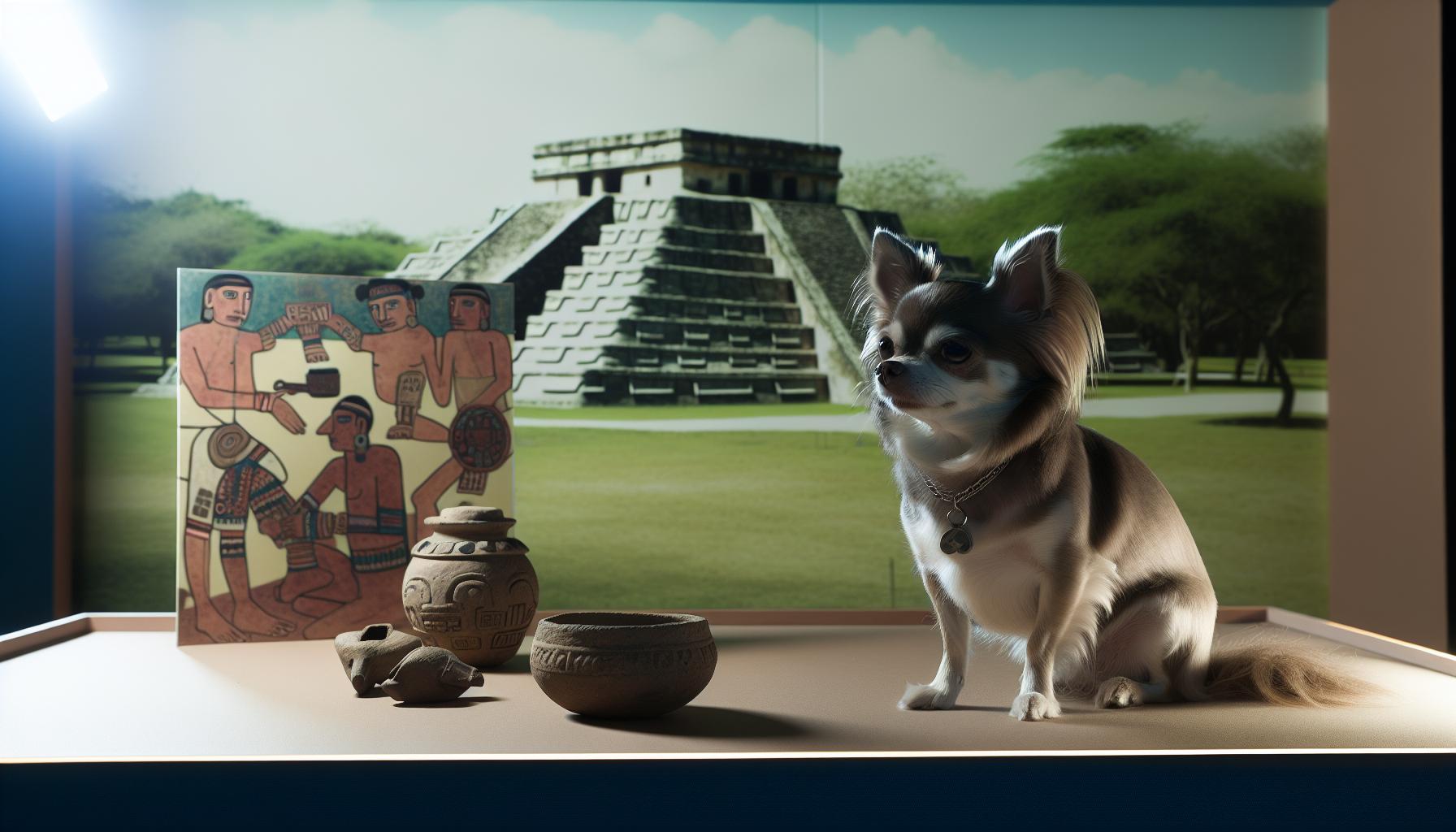
The Origins of the Chihuahua: A Historical Perspective
The Chihuahua’s history is as rich and colorful as its vibrant personality, dating back thousands of years to pre-Columbian civilizations in Mexico. These little dogs are believed to be descendants of the Techichi, a companion animal of the ancient Toltec civilization, known for their loyal companionship and role in cultural rituals. This historical perspective not only illuminates the Chihuahua’s long-standing presence in human life but also hints at the breeding practices that would shape its size over time.
Originally, Chihuahuas were larger than the petite pets we admire today. They were bred for practicality and companionship, but as their popularity surged, especially among the elite, a cultural shift occurred. The demand for smaller, more portable dogs began to influence breeding choices, leading to a focused effort on producing diminutive versions of these hardy companions. In fact, the Chihuahua was first recognized as a distinct breed by the American Kennel Club in 1904, highlighting its growing popularity and the trend towards miniaturization that was emerging in American pet culture.
One cannot ignore the distinct types that have emerged, with the apple-head and deer-head Chihuahuas being two primary varieties. Each showcases differing traits that appeal to breeders and pet owners alike. The apple-head, with its rounded skull, embodies the ideal of tiny elegance and is often favored in show rings, while the deer-head features a more elongated face reminiscent of its distant ancestors. These physical distinctions emphasize how meticulous breeding practices have further refined size and appearance, aligning them with evolving aesthetic preferences.
As we step into the modern era, the influences of selective breeding remain evident, with an emphasis not just on size but also on maintaining the bold and spirited nature of the Chihuahua. Yet, it’s essential for owners to recognize the health implications that come with such small sizes, ranging from common dental issues to joint problems. As a proud Chihuahua owner, understanding this blend of history and careful breeding can help ensure that our pint-sized companions live long, healthy lives while keeping their quirky personalities front and center. Embrace their uniqueness-after all, each little barker is a testament to a long legacy of companionship and joy.
Key Breeding Practices That Influenced Size
To understand how Chihuahuas became the petite companions we adore today, we must explore the pivotal breeding practices that shaped their size. Originally, these dogs were bred not just for companionship, but also for their utility. Their ancestors, such as the Techichi, were larger and served practical roles in their communities. However, as Chihuahuas began to gain popularity, particularly among affluent circles in the early 20th century, the focus of breeding evolved significantly.
Selective breeding became the cornerstone of creating the diminutive Chihuahuas we see today. Breeders started prioritizing smaller size traits, creating a demand for dog breeds that were not just compact but also carried attractive features like the characteristic apple-head shape. The apple-head Chihuahua, prized for its round skull and expressive eyes, became a symbol of status and luxury. This is a stark contrast to the historically larger Techichi, illustrating how societal shifts can greatly influence breeding decisions.
In more recent years, breeders have honed in on specific attributes by choosing parent dogs that not only fit the smaller size criterion but also possess desirable temperaments. Many Chihuahuas today exhibit a vibrant mix of boldness and loyalty, traits that breeders continue to encourage. Real-world examples, such as those shared by Chihuahua owners, reveal that despite their tiny frames, these dogs often exhibit larger-than-life personalities, often exhibiting behaviors that are vocal and confidently assertive.
While celebrating the Chihuahua’s reduced size and unique charm, it’s essential for prospective and current owners to consider the health implications that can arise from such selective breeding practices. Smaller breeds are often prone to issues like dental problems, patellar luxation, and heart conditions. Thus, informed breeding practices that ensure the long-term health of these vibrant companions should remain a priority for breeders and owners alike. By understanding the breeding history and current practices, you can better appreciate your tiny companion’s unique quirks and ensure they thrive both in size and spirit.
Examining Genetic Factors in Chihuahua Size
To truly appreciate the Chihuahua’s miniature stature, we must delve into the genetic factors contributing to their size. The phenomenon of size reduction in Chihuahuas is not solely a product of selective breeding; it is also deeply rooted in the complex interplay of genetics. The genes that influence body size are primarily responsible for determining bone structure, body proportions, and even the overall health of these little companions.
Research indicates that the insulin-like growth factor 1 (IGF-1) gene plays a crucial role in regulating growth. In Chihuahuas, variations in this gene can lead to the petite frames that define the breed today. Additionally, the presence of certain alleles in this gene has been linked to the reduced size of various toy breeds, including Chihuahuas. This genetic predisposition means that when breeders select for smaller dogs, they inadvertently amplify these traits, leading to even smaller offspring.
Understanding these genetic connections can help owners make informed decisions when selecting a Chihuahua puppy. When seeking to add a tiny friend to your family, it’s essential to choose a reputable breeder who prioritizes health alongside size. Look for breeders who conduct health screenings for common genetic issues like heart conditions and dental problems, which are more prevalent in smaller dogs.
Moreover, it’s fascinating to note how hereditary traits extend beyond just size. For example, you may notice that your tiny companion often exhibits a unique personality, showcasing the same vibrant energy and bold demeanor that Chihuahuas are known for, regardless of size. Breeders who focus on these traits often produce puppies that are not only small but also affectionate and assertive.
In summary, the Chihuahua’s small size is a remarkable blend of genetics and breeding practices. As a devoted owner, it’s rewarding to embrace their unique qualities while also being mindful of their health and well-being. By understanding these genetic influences, you can celebrate your Chihuahua’s tiny stature and cherish the large personality they bring into your life.
The Role of Selective Breeding Over Generations
Through generations of careful selection, breeders have significantly shaped the Chihuahua’s diminutive size and distinct character. The origins of this beloved breed trace back to small dogs that were thought to be companions of ancient civilizations, like the Toltecs and Aztecs in Mexico. Over the years, breeders focused on cultivating specific traits that not only echoed the breed’s rich heritage but also enhanced their appeal as pets-compactness being at the forefront of these traits.
Selective breeding practices actively target size and temperament. In the early days, larger Chihuahuas were often bred down, gradually emphasizing a smaller stature. Breeders might pair dogs that exhibited desirable miniaturized characteristics, ensuring each generation brought forth even more petite companions. This deliberate choice often focuses on traits like the apple-head shape-a hallmark of Chihuahuas. Pairing dogs with this unique head shape reinforces the breed’s signature look, which many enthusiasts adore.
Moreover, this breeding method does not solely aim for size; it encompasses overall health and personality traits. For instance, vibrant Chihuahuas known for their lively demeanor are often favored. A first-time owner might be surprised at how vocal and bold their tiny friend can be, a testament to the breed’s history of selective breeding toward more outgoing and assertive companions. Such behavioral dynamics are crucial, as they make Chihuahuas not just petite pets but also engaging family members.
Maintaining a focus on health is essential in this process to avoid common issues like patellar luxation or dental problems that can manifest more frequently in smaller dogs. A conscientious breeder will conduct health screenings and provide potential owners with health histories, ensuring that pride in size doesn’t overshadow wellbeing. As you navigate the path of Chihuahua ownership, consider these factors when choosing your next furry friend, as they contribute to a happy, healthy relationship with your miniature companion. The journey of the Chihuahua’s size through selective breeding is as much about understanding these nuances as it is about appreciating the breed’s fascinating history and vibrant personality.
Health Implications of Small Size in Chihuahuas
The Chihuahua’s small size comes with its set of unique health implications that both prospective and current owners should consider. While their petite stature makes them undeniably cute and portable, it also predisposes them to specific health challenges. For instance, smaller dogs like Chihuahuas often face an increased risk of certain orthopedic issues, such as patellar luxation, where the kneecap dislocates. This condition may lead to discomfort and mobility issues if not addressed promptly. Owners should monitor their Chihuahua’s activity levels; signs such as limping or unwillingness to play could indicate underlying problems that warrant a veterinary visit.
Another common concern is dental health. Due to their small mouths, Chihuahuas can be more susceptible to tooth overcrowding, leading to periodontal disease. Regular dental care is essential, including brushing your dog’s teeth frequently and scheduling professional cleanings when necessary. Many owners find that dental chews or toys designed for small dogs also help promote good oral hygiene while keeping their Chihuahua entertained.
It’s also important to keep an eye on your furry friend’s weight. Chihuahuas may be prone to obesity, especially if they’re overindulged with treats or lack sufficient exercise. Obesity not only exacerbates orthopedic issues but can also lead to diabetes and heart problems. A balanced diet and regular exercise are key elements in maintaining your Chihuahua’s health. Short, daily walks and playtime will not only help keep their weight in check but also provide them with mental stimulation and strengthen your bond.
While owning a small dog like a Chihuahua is a joy, awareness of these health implications is crucial. Providing a supportive environment with proper care, attention to their unique health needs, and regular veterinary check-ups will help ensure that your tiny companion lives a long, vibrant life. Embrace their quirks as you learn to navigate the nuances of Chihuahua ownership, turning potential challenges into rewarding experiences that deepen your connection with your beloved pet.
Understanding the Unique Traits of Miniature Chihuahuas
Miniature Chihuahuas, with their pint-sized stature and spirited personalities, are a testament to the art of selective breeding. These charming little companions have become favorites among dog lovers, thanks to their unique traits shaped through a long history of breeding practices. As you delve into the intricacies of these beloved dogs, it’s intriguing to note how their small size contributes to their bold nature and loyal temperament.
One striking characteristic of Miniature Chihuahuas is their wide variety of appearances, ranging from apple-head to deer-head shapes. The apple-head variety is particularly popular, featuring a rounded skull and a more compact body, often reaching weights as low as 2 pounds. This compactness can create a perfectly portable pet, ideal for those who like to take their furry friend everywhere. On the other hand, deer-head Chihuahuas have longer snouts and leaner bodies, giving them a different aesthetic while still maintaining that distinctive small size.
While their size adds to their appeal, it’s essential to understand their health needs. These tiny dogs often face unique challenges. For example, dental health can be a major concern due to their small mouths. Owners should make dental care a priority by incorporating regular tooth brushing into their routines and providing dental treats designed for small breeds. Additionally, due to their size, Miniature Chihuahuas can be susceptible to injuries and require careful handling, especially around larger pets or children.
Moreover, the spirited nature of Miniature Chihuahuas means they often have larger-than-life personalities. They tend to be vocal, asserting their presence with enthusiastic barks that often catch newcomers off guard. This boldness is surprisingly endearing and makes them excellent watchdogs. Their loyalty and attachment to their owners also shine through, as they form strong bonds and may follow you around the house like a shadow.
In caring for a Miniature Chihuahua, consistent exercise and mental stimulation are vital to keeping them healthy and happy. They enjoy short walks and playtime, which can help maintain their weight and prevent obesity-a common concern given their small size. Engaging with puzzle toys and interactive games can also provide mental enrichment, helping these bright, spirited dogs thrive.
Ultimately, embracing the unique traits of Miniature Chihuahuas means recognizing their incredible adaptability and vibrant personalities. With proper care and understanding, your tiny companion can bring endless joy to your life, showing that even the smallest dogs have the biggest hearts.
Cultural Perception: Why Smaller is Better
The appeal of smaller dogs, particularly Chihuahuas, resonates deeply within contemporary culture, aligning with the modern lifestyle that often favors compactness and convenience. As urban living becomes more prevalent, the desire for smaller pets grows-owners appreciate dogs that can thrive in limited spaces, such as apartments, and that are easy to transport. This trend has made Miniature Chihuahuas particularly desirable; their small size does not compromise their big personalities, making them vibrant companions with enough energy to fill any room.
Miniature Chihuahuas often embody a sense of luxury and exclusivity. Celebrities frequently showcase these tiny pups on social media or carry them in stylish bags, enhancing the cultural perception that smaller sizes signify status and charm. This visibility influences potential owners, creating a “must-have” allure that goes beyond just the dog itself. Moreover, the breed’s unique traits, like the distinctive apple-head and deer-head shapes, contribute to their individualized appearance, allowing each Chihuahua to stand out, further embedding them in popular culture.
Yet, it’s important to recognize that while smaller dogs are often viewed as more convenient, the realities of owning a Miniature Chihuahua come with health considerations that shouldn’t be overlooked. Their delicate physiques can make them susceptible to injuries, especially from larger dogs or rough play. For example, one Chihuahua owner shared how her tiny companion managed to jump off the couch, resulting in a minor but concerning injury. Awareness and preparation are key-owners should ensure a safe environment while adhering to specific care routines, such as maintaining dental health in those tiny mouths.
Ultimately, the cultural perception that “smaller is better” celebrates the endearing qualities of the Chihuahua, positioning them as not just pets but as loving companions that uplift their owners’ lives with joy and energy. Embracing the quirks that come with this breed, from their vocal nature to their loyal companionship, allows us to appreciate why these pint-sized pups have carved out such a significant niche in the hearts of dog lovers everywhere.
Comparative Size: Chihuahuas vs. Other Dog Breeds
When it comes to size, Chihuahuas stand out not just among their breed peers but across the entire dog world. These tiny canines, often weighing no more than 2 to 6 pounds, are considerably smaller than many popular breeds, making them a unique choice for those seeking a compact companion. For instance, a standard Dachshund can weigh anywhere from 16 to 32 pounds, while a Pomeranian typically tips the scales at around 4 to 7 pounds. The stark contrast in size often leads new owners to marvel at how such a petite creature can possess such a bold personality.
The Chihuahua’s miniature stature is a product of centuries of selective breeding. Originally bred from larger ancestral dogs, specifically the Techichi, these little dogs were favored for their portability, adaptability to smaller living spaces, and unique presence. As cultural trends leaned towards preferring smaller breeds, breeders started to emphasize traits that favored reduced size. This is in stark contrast to larger breeds like the Great Dane, which averages 100 to 160 pounds. Over generations, dedicated breeders selected for size, leading to the Chihuahuas we know today: vibrant, intelligent, and fiercely loyal companions wrapped in a tiny package.
Chihuahuas are not only smaller in stature but differ greatly in personality compared to many larger breeds. While breeds like Labradors and Golden Retrievers are known for their gentle and friendly demeanor, Chihuahuas often showcase a feisty spirit. They tend to be protectors of their territory, boldly barking at strangers and displaying a confidence that belies their size. An owner once shared a story about his Chihuahua’s unexpected bravery when a larger dog approached them at the park-rather than retreat, his little one stood firm, barking assertively as if to say, “This is my space!”
Understanding these differences is crucial for potential and current owners alike. Care routines for Chihuahuas must take into account their unique vulnerability due to size. While they may fit comfortably in a tote bag, their health concerns require careful consideration. Unlike larger breeds that may process exercise and food differently, Chihuahuas can be prone to health issues such as dental problems and patellar luxation, which necessitates a vigilant approach to their diet and activity levels.
In summary, comparing Chihuahuas to other breeds emphasizes not just their size, but their vibrant personalities and specific needs as well. Whether you’re an experienced owner or considering bringing one of these tiny dynamos into your life, it’s essential to appreciate the blend of size, energy, and character that makes Chihuahuas truly one-of-a-kind.
The Future of Chihuahua Breeding Trends
As the world of dog breeding evolves, promises to be just as dynamic as the little dogs themselves. With their growing popularity as companions and the rising demand for increasingly smaller sizes, breeders are navigating a fine balance between aesthetics and the health of these spirited canines. While many enthusiasts cherish the compact form of Chihuahuas, responsible breeders are becoming increasingly aware of the potential health implications associated with excessive size reduction.
One key trend is the focus on health testing and genetic screening prior to breeding. This ensures that breed standards are upheld without compromising the overall vitality of the breed. Many dedicated Chihuahua owners are opting for breeders who prioritize health over appearances, seeking out those who can provide records of screenings for conditions like dental issues, heart disease, and patellar luxation. By promoting the breeding of healthy, well-adjusted dogs, owners are ensuring that their future companions maintain the lively personality inherent to the Chihuahua breed.
Another emerging trend is the diversification of Chihuahua coat types and colors. While traditional long-haired and short-haired Chihuahuas continue to be popular, unique variations such as the “fawn” and “blue” Chihuahuas are gaining traction. This inclination toward diverse aesthetics is reflective of an overarching cultural appreciation for individuality in pets. Owners are increasingly drawn to the idea of celebrating their Chihuahua’s uniqueness, making these small dogs even more of a statement in an individual’s life.
Moreover, an interesting movement is the increasing acceptance of mixed-breed Chihuahuas, known as “Chihuahuas mixes.” These hybrids marry Chihuahua traits with those of other breeds, resulting in puppies that boast the size and spirited personality of Chihuahuas while potentially mitigating health issues associated with inbreeding. This trend is appealing to a broader audience, including those who might love the feistiness of Chihuahuas but are looking for a little more variation in size or temperament.
The future of Chihuahua breeding emphasizes not just smaller sizes but healthier, happier companions. By advocating for responsible breeding practices and celebrating the breed’s diversity, Chihuahua owners can ensure that these tiny, often vocal companions remain vibrant and beloved family members for generations to come. Taking care of a Chihuahua, considering their unique health needs and spirited nature, will always be paramount-yet the journey evolves as we learn more about giving them the best lives possible.
Living with a Small Dog: Care and Considerations
Living with a Chihuahua can be one of the most rewarding experiences for a dog lover, especially given their big personalities packed into such tiny bodies. With a well-bred Chihuahua often weighing around 2 to 6 pounds, these dogs are not just compact in size-they’re bold, vocal, and fiercely loyal. If you’re new to owning a small dog or considering bringing a Chihuahua into your life, there are several important care and consideration points to keep in mind.
Health and Nutrition
Maintaining a Chihuahua’s health starts with a balanced diet tailored to their size and energy needs. Small sizes often come with unique health considerations, including dental issues, heart conditions, and patellar luxation. Consult your veterinarian about suitable kibble that supports dental health or specific supplements that benefit small breeds. A common recommendation amongst Chihuahua owners is to incorporate high-quality, grain-free food to help maintain their vitality. Many owners find success feeding their Chihuahuas small, multiple meals throughout the day instead of a single large meal, which can prevent stomach upset and help maintain energy levels.
Socialization and Training
Chihuahuas are known for their spirited nature, but this can also mean they may exhibit behavioral quirks if not properly socialized and trained. Early socialization is crucial; expose your Chihuahua to different environments, people, and other pets to help cultivate a confident yet calm demeanor. Basic obedience training should be started quickly. Tools like positive reinforcement and consistent commands work wonders with the breed’s intelligent yet sometimes stubborn personality. For example, a Chihuahua can proudly master tricks like ‘sit’ or ‘shake’ and will love the attention they receive from showing off.
Daily Care and Living Environment
Due to their size, Chihuahuas are highly adaptable, making them suitable for both apartments and homes. However, they are also sensitive to temperature extremes. It’s important to provide a warm, safe space for your dog, especially during colder days. Investing in a cozy dog bed and perhaps a stylish sweater for outdoor walks can keep your little friend comfortable. Grooming needs will vary depending on whether you have a long-haired or short-haired variety; regular brushing helps to minimize shedding and build a bond during grooming sessions.
Understanding Their Behavior
Chihuahuas might be small, but they often have larger-than-life attitudes. Their vocal nature can be a delight, but it can also lead to unwanted barking if not managed correctly. It’s important to teach them the proper moments to express themselves. Engaging them in playtime and mental stimulation can significantly help reduce excess energy-think puzzle toys or playing fetch on short distances.
Being a Chihuahua parent means embracing their lively spirit, preparing for health challenges, and enjoying every quirky moment. Whether it’s that tiny bark or the way they curl up in your lap, Chihuahuas have a uniquely enriching way of bringing companionship and warmth into your life!
Common Misconceptions About Chihuahua Size and Behavior
Many people believe that the small size of Chihuahuas directly correlates to their fragility or that they might not be suitable as ‘real’ pets. However, this is far from the truth. Chihuahuas are remarkably robust, not only in their health but also in their personalities. These little dogs pack a lot of attitude and bravery into their tiny frames, often considering themselves the guardians of the home. A common misconception is that their small size means they lack the ability to engage in physical activities or require less exercise than larger breeds. In reality, Chihuahuas are energetic and enjoy brisk walks and playtime just like any other dog.
It’s essential to address the belief that Chihuahuas are inherently aggressive due to their small stature. While some may exhibit defensive behaviors, this often stems from lack of socialization or training rather than their breed. Proper introduction to new people and animals can help cultivate a well-balanced demeanor. Owners often find that their Chihuahuas thrive in social settings when adequately trained. Encouraging calm interactions with larger dogs can help foster confidence in your Chihuahua, proving that size does not dictate temperament.
Another prevalent myth is that Chihuahuas are ‘yappy’ dogs. While it’s true that they tend to be vocal, this behavior can be attributed to their natural protectiveness and intelligence rather than a flawed trait. A well-trained Chihuahua can learn to limit excessive barking through positive reinforcement techniques, along with consistent commands. Engaging in plenty of mental stimulation can keep them content and reduce unnecessary vocalizations.
Lastly, let’s not forget that despite commonly being categorized as a single breed, Chihuahuas come in various types, including the apple-head and deer-head varieties, as well as different coat lengths. Each type can exhibit unique characteristics, and understanding these can enhance your appreciation for their differences. When you embrace the quirks of your Chihuahua, recognizing that their size is just one aspect of their rich personality, you create a deeper bond built on affection and respect. By dispelling these misconceptions, you can become a more informed and nurturing owner, celebrating the true nature of this tiny but mighty breed.
Frequently asked questions
Q: Why are Chihuahuas bred to be so small compared to other dog breeds?
A: Chihuahuas are bred to be small primarily for aesthetic preferences and companionship. Their tiny size makes them ideal for people seeking a portable pet. Over generations, breeding practices favored miniature traits, enhancing their popularity and demand.
Q: What specific traits were selected for to create smaller Chihuahuas?
A: Breeders selected for traits like smaller skull size and shorter limbs, focusing on cute, compact appearances. Traits associated with friendly demeanor and loyalty also played a role in preference for these tiny companions, ensuring they remained popular among pet owners.
Q: Are there any health risks associated with the small size of Chihuahuas?
A: Yes, smaller Chihuahuas can experience health issues such as dental problems, patellar luxation, and heart disease. It’s vital to provide proper care and regular veterinary check-ups to monitor these risks associated with their miniature size.
Q: How does Chihuahua size compare to other small dog breeds?
A: Chihuahuas are among the smallest dog breeds, typically weighing between 2 to 6 pounds. This contrasts with breeds like the Pomeranian or Yorkshire Terrier, which while also small, tend to be slightly larger and more robust.
Q: What role does genetics play in the small size of Chihuahuas?
A: Genetics significantly impacts Chihuahua size, with specific alleles associated with growth regulation. Through selective breeding, traits promoting smaller stature have become fixed in the breed, distinguishing them from their larger ancestors.
Q: How can Chihuahua owners care for their pets’ health given their small size?
A: Chihuahua owners should prioritize weight management, a balanced diet, and regular exercise to maintain health. Additionally, dental care is crucial due to their susceptible teeth, and routine vet visits can help catch health issues early.
Q: Are there different types of Chihuahuas in terms of size and appearance?
A: Yes, Chihuahuas can vary in size and appearance, with notable types like the apple-head and deer-head. Their sizes range between 2 to 6 pounds, influenced by breeder choices and genetic factors, contributing to diverse looks within the breed.
Q: What are some common misconceptions about the size of Chihuahuas?
A: A common misconception is that smaller Chihuahuas are weaker or less active than larger breeds. In reality, Chihuahuas can be quite energetic and vocal, exhibiting strong personalities regardless of their petite stature. Understanding this can enhance their owner’s experience with them.
The Conclusion
Understanding the fascinating history behind how Chihuahuas became the small, spirited companions we adore today sheds light on their unique traits. These dogs, with their bold personalities and vocal nature, truly embody the essence of loyalty and charm. As you continue your journey with your Chihuahua, remember that caring for their health and behavior is essential. Consider exploring our resources on Chihuahua care, or read up on the different coat types to keep your furry friend looking their best.
Don’t miss out on the joy and connection this breed offers! Join our community by signing up for our newsletter for expert tips and updates. If you have questions or stories to share about your Chihuahua, let us know in the comments below; we love hearing from fellow enthusiasts! Dive deeper into the world of Chihuahuas and enhance your knowledge today. Remember, every little paw print leaves a big mark on our hearts, so let’s celebrate these bold little companions together!
Get our latest guides, news, and insights highlighted in your Google Search & AI Overviews.