

Did you know that Chihuahuas, despite their tiny stature, can have a surprisingly varied litter size? As proud Chihuahua owners or those considering adding this spirited breed to your family, understanding how many puppies Chihuahuas typically have is essential. This knowledge not only helps you prepare for the joys and challenges of welcoming a new litter but also aids in ensuring the health and well-being of both the mother and her puppies. Whether you’re a first-time breeder or a seasoned pro, learning about the factors that influence litter size will give you insights into this remarkable breed’s unique reproductive traits. Join us as we explore the fascinating world of Chihuahua litters and uncover what to expect when your beloved companion is due to have her puppies!
Different Factors Influencing Chihuahua Litter Size
Understanding the many factors that influence the size of a Chihuahua’s litter is essential for any responsible owner considering breeding. Chihuahuas, despite their tiny stature, can have varying litter sizes due to a mix of genetic, health, and environmental factors. Typically, a Chihuahua can have between one to three puppies in a litter, but occasional larger litters do occur.
Genetics and Breed Characteristics
The genetic background of both the mother and father play a pivotal role in determining litter size. Generally, breeding two healthy Chihuahuas with a strong lineage may result in healthier puppies and potentially larger litters. Additionally, the type of Chihuahua-such as apple-head vs. deer-head-can also impact reproductive traits. An apple-head female, known for her stockier build, might fare differently than a more slender deer-head in terms of carrying and nurturing multiple puppies.
Health of the Dam
The health of the mother Chihuahua is one of the most critical factors. A well-nourished and fit female is more likely to produce a healthy litter. Poor nutrition, stress, and underlying health issues can inhibit her ability to conceive or carry more puppies. Regular veterinary check-ups before breeding can help ensure that she is in optimal condition, which might also include vaccinations and appropriate health screenings.
Age and Experience
Age significantly affects litter size and health. Younger Chihuahuas, especially those under two years old, might have smaller litters as their bodies are still developing. Conversely, as females reach their prime (approximately three to five years), they may produce larger litters. Yet, after a certain age, particularly after seven, risks increase both for the dam and her puppies, often leading to smaller litters or complications during pregnancy.
Environmental and Psychological Factors
The environment also plays a crucial role. A calm, supportive atmosphere can positively affect a pregnant Chihuahua’s gestation experience, potentially influencing litter size. Stressors such as noise, other pets, or disruptions in routine can negatively impact the pregnancy. Owners should create a serene space that allows her to relax, especially as she approaches her due date.
By integrating these critical elements into breeding practices, owners can better understand and potentially optimize litter sizes, ensuring the health and well-being of both the mother and her new puppies.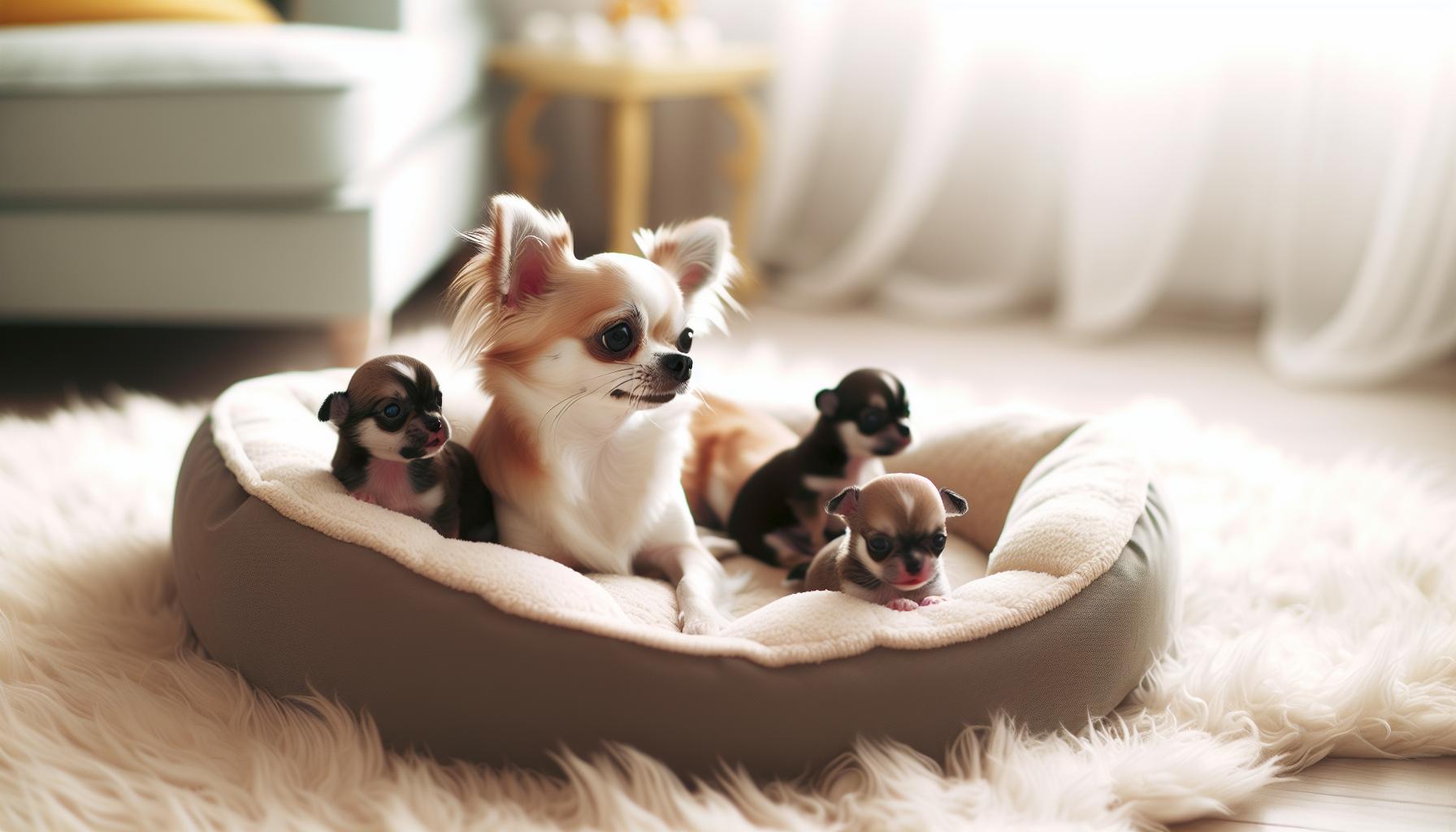
Typical Litter Size for Chihuahuas
Chihuahuas are known for their compact size and vibrant personalities, but when it comes to litter size, these little dogs can surprise you. Typically, a Chihuahua will have a litter size averaging between one to three puppies. While it’s not rare to see larger litters, especially in healthy, well-bred dogs, owners should be prepared for the unpredictability that comes with breeding this adorable breed.
Factors Influencing Litter Size
The size of a Chihuahua’s litter can be affected by several factors, including the genetic background of the parents and the health of the mother. Breeding two genetically robust Chihuahuas often results in healthier litters; for instance, an apple-head female might typically have different reproductive outcomes than a more slender deer-head counterpart. Genetics matter! If you’re considering breeding, always prioritize health screenings and vaccinations to give your puppies the best start in life.
Another key factor is the age of the mother. Younger Chihuahuas, particularly those under two years, may only deliver one or two puppies, as their bodies are still growing. On the other hand, a more mature female, around three to five years, is likely to yield larger litters. However, as Chihuahuas age past seven, the risk of complications increases, leading to fewer puppies or health issues during pregnancy.
Behavioral and Environmental Considerations
Surroundings play a significant role in the well-being of a pregnant Chihuahua. A calm and nurturing environment can positively influence the size and health of the litter. For example, one devoted owner shared how she set up a cozy, quiet area for her Chihuahua during her pregnancy, minimizing stress from other pets and household noise. Creating a serene space can truly make a difference!
By understanding these nuances, you can help ensure your Chihuahua has a healthy pregnancy and, potentially, a larger litter. The excitement of welcoming tiny new companions is unmatched, especially when you know you’re doing everything possible for their health and happiness.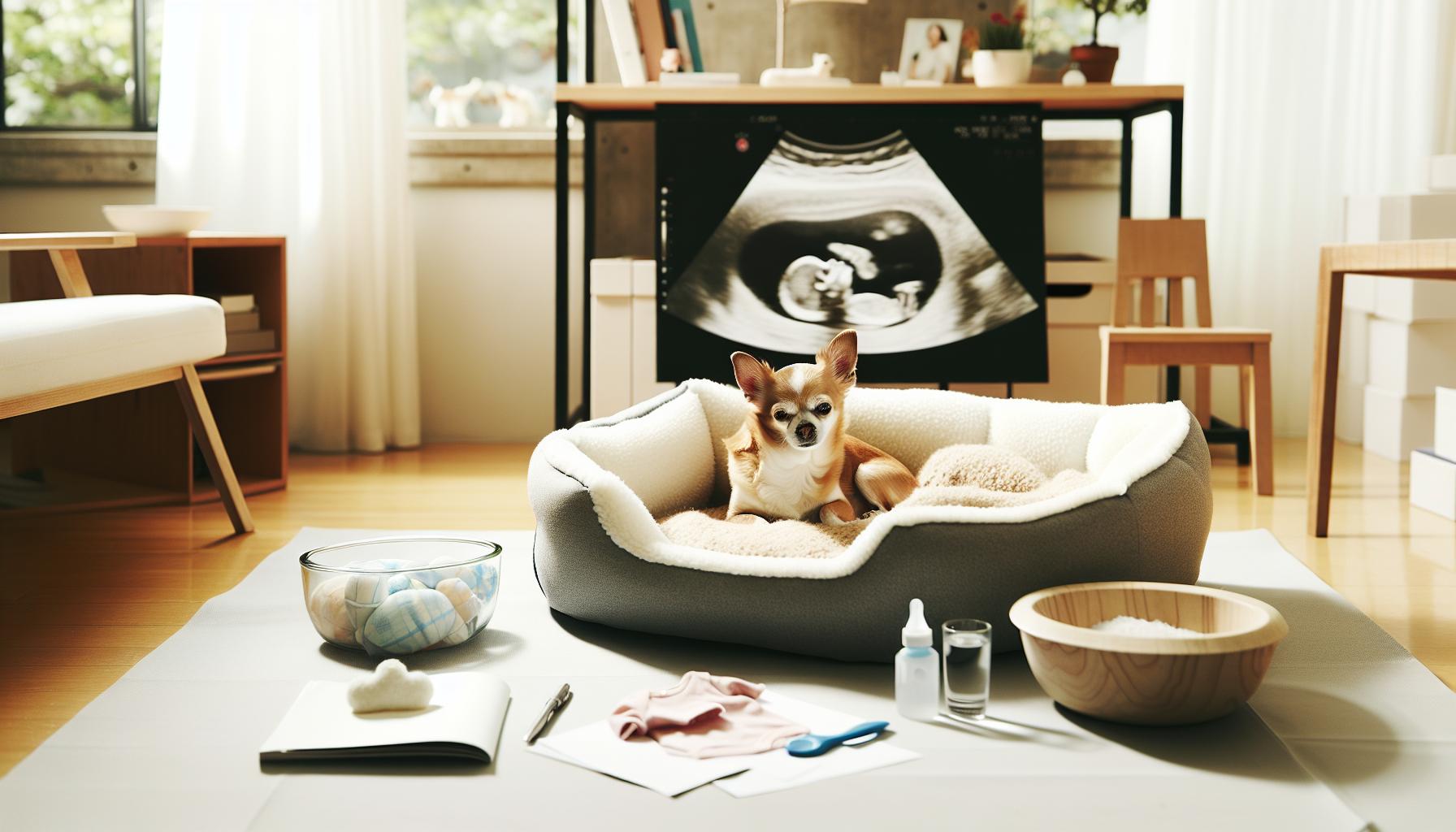
What to Expect During Chihuahua Pregnancy
When your Chihuahua is pregnant, it’s a journey filled with excitement, curiosity, and a few surprises. Typically, a Chihuahua will carry a litter of one to three puppies, but like all things in life, there can be exceptions. Understanding what to expect during this time can make the process smoother for both you and your little fur friend.
As your Chihuahua’s pregnancy progresses, there are several stages you’ll encounter. Initially, she may show signs of mild fatigue and changes in appetite. It’s not uncommon for her to become a bit more affectionate or, conversely, more reserved-each dog reacts differently. Providing her with plenty of love, a balanced diet, and a stress-free environment will set a strong foundation for her and her puppies. If you notice any unusual symptoms, be sure to consult your veterinarian.
Health Monitoring
Regular vet visits are essential throughout your Chihuahua’s pregnancy. Your veterinarian will monitor her health, check for any complications, and give you guidance on nutrition and exercise. It’s particularly important to ensure that she receives the right amount of high-quality food to support her and her growing pups. For example, if you have an apple-head Chihuahua, her physical form may affect how she carries her puppies; staying ahead with check-ups can help address any breed-specific concerns.
As her due date approaches, you may notice her belly becoming rounder, and she may start nesting, looking for a safe place for her puppies. This is a natural instinct, and allowing her to find a cozy, quiet spot can make her feel more secure. Your support during these moments will encourage her to relax and prepare for the arrival of her little ones.
Preparing for Birth
Creating a comfortable space for whelping is crucial. A quiet, enclosed area with soft bedding will help her feel safe and secure. During this time, keep things calm around the house and limit interactions with other pets, ensuring she has the peaceful environment she needs to birth her puppies.
In summary, the pregnancy of your Chihuahua can be a beautiful experience. By staying informed, being proactive about her health, and preparing adequately, you’re not just waiting for puppies; you’re nurturing both her health and the future happiness of her little ones. Cherish the moments, and soon you’ll be rewarded with the joy of welcoming those tiny, bold personalities into your home!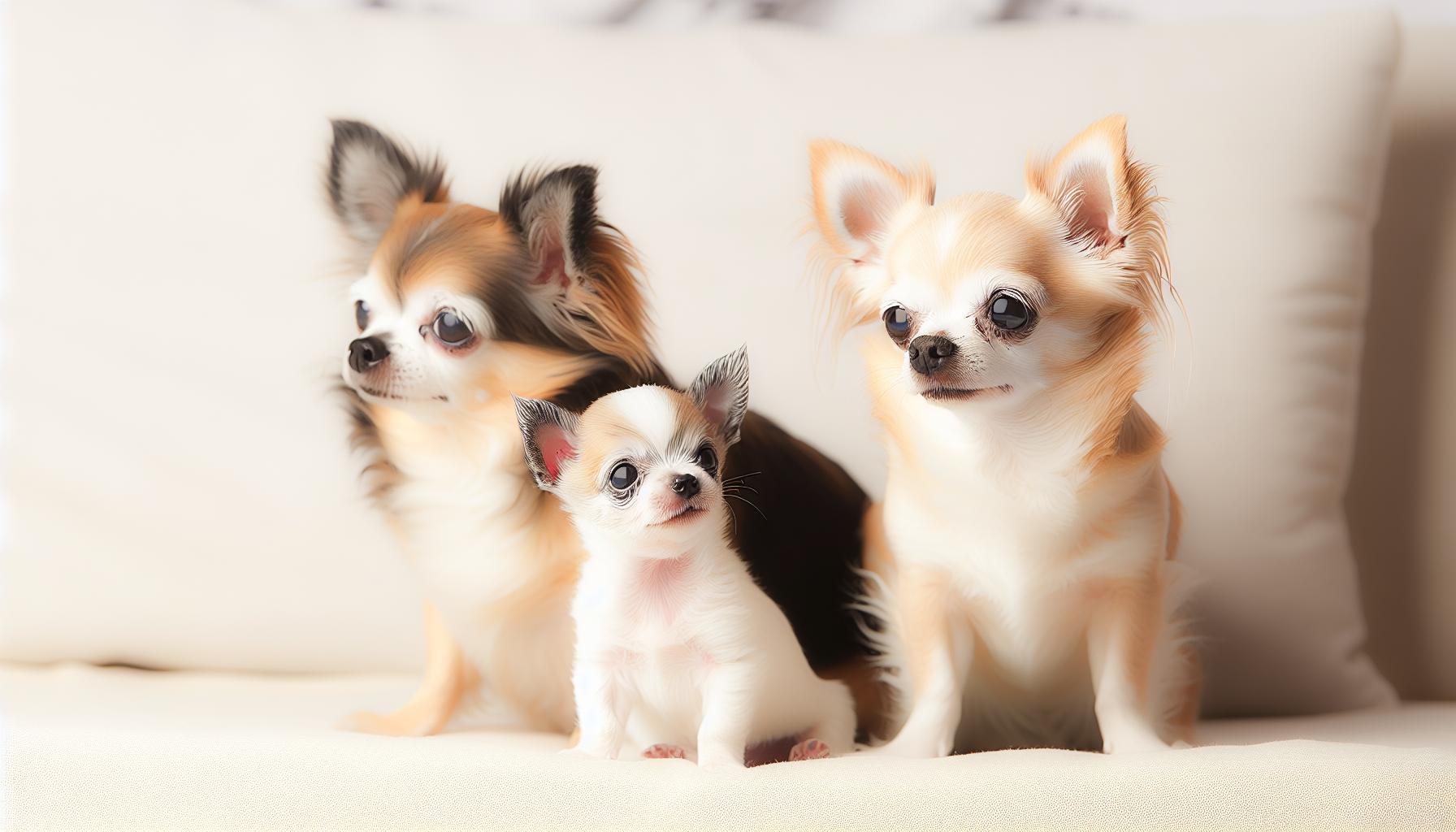
How Age Impacts Chihuahua Litter Size
As your beloved Chihuahua ages, the impact on her litter size can be quite notable, reflecting her health, vitality, and reproductive cycles. Generally, younger Chihuahuas-typically those between one and five years old-tend to have larger litters, averaging two to three puppies. This phase of her life is marked by a healthier reproductive system, which can facilitate more successful breedings and healthier pregnancies. In contrast, as she matures past five years, her fertility may decline. Litter sizes might decrease to just one puppy or, in some cases, none at all.
The physiological changes that accompany aging can affect not only how many puppies she can carry but also her overall health during pregnancy. Older Chihuahuas may experience complications such as higher risks of miscarriage or health issues that could impair their ability to nurture multiple puppies. For instance, an experienced owner shared that their ten-year-old apple-head Chihuahua had a single, healthy puppy during her last litter, after previously delivering three puppies in her youth. This highlights the common trend where advanced age leads to smaller litters.
Moreover, it is essential to consider the overall health and wellness of an older Chihuahua when planning for breeding. Regular veterinary check-ups become even more critical. Your veterinarian can assess her health, suggest dietary modifications, and determine whether she is fit for breeding. Prioritizing her health not only maximizes her chances of a smooth pregnancy but also enhances the likelihood of strong, healthy puppies.
To maximize her chances for a safer pregnancy and delivery, ensure she is in optimal health before breeding. A balanced diet, adequate exercise, and a stress-minimizing environment are paramount. As you navigate these considerations for your cherished Chihuahua, remember, fostering a nurturing and supportive atmosphere is crucial at any age. By celebrating each stage of her life, you’re not just preparing for potential litters, but honoring the unique character and spirit of your little companion.
The Role of Health in Chihuahua Litters
A Chihuahua’s health significantly influences her litter size, making it crucial for owners to pay close attention to her overall well-being before and during pregnancy. A robust and healthy Chihuahua typically supports larger and healthier litters. Factors such as diet, exercise, veterinary care, and genetics all contribute to her reproductive health. For instance, a balanced diet rich in essential nutrients can enhance her vitality and reproductive capability. Additionally, healthy Chihuahuas often experience fewer complications during pregnancy, such as miscarriages or health-related issues that could affect the puppies.
Regular veterinary check-ups form the backbone of maintaining your Chihuahua’s health. These visits allow for early detection of any underlying health conditions that could impede her ability to breed successfully. An experienced Chihuahua owner noted that after ensuring their dog received routine check-ups and proper vaccinations, her second litter consisted of three vibrant puppies, compared to her first, where stress and minor health issues limited her to just one. Monitoring her health also involves assessing her weight, as obesity can lead to more significant health risks, including reduced litter sizes.
Furthermore, environmental stressors can have a profound impact on a Chihuahua’s pregnancy. Creating a calm, enriched environment where she feels secure can make a significant difference. This might involve providing a quiet space away from household commotion for her to nest and rest. Positive interaction with her family members can also alleviate anxiety, which is beneficial during her gestation period.
In summary, prioritizing your Chihuahua’s health through comprehensive care not only maximizes her chances for a successful pregnancy but also enriches the lives of her future puppies. By nurturing your dog’s health with the right diet, regular vet visits, and a loving home environment, you’re not just preparing for potential litters; you’re ensuring that each pup has the best possible start in life.
Caring for a Pregnant Chihuahua: Essential Tips
Caring for a Chi during pregnancy is a remarkable journey filled with excitement and anticipation, but it also comes with its unique challenges. As a Chihuahua owner, your focus should be on ensuring her health, comfort, and well-being during this critical time. Pregnancy can be taxing for our petite pups, and a little extra care can make all the difference in nurturing her and her future puppies.
First and foremost, nutrition is key. A balanced diet tailored to a pregnant Chihuahua’s needs helps support her energy levels and the development of her puppies. Consider high-quality puppy food, as it is formulated with higher protein and calorie content to support both the expectant mother and her growing litter. During this period, monitor her weight closely. It’s essential to ensure she gains a healthy amount, typically around 15% more than her normal weight, without tipping into obesity.
Next, consistent veterinary care is essential. Schedule regular check-ups to monitor her health and the progress of her pregnancy. Your veterinarian can provide tailored advice specific to your Chihuahua’s needs, including prenatal vitamins and vaccinations that should be up to date before she gives birth. It’s also crucial to discuss any concerns like behavior changes or any signs of discomfort, as Chihuahuas can sometimes show stress easily due to their small size and temperament.
Creating a stress-free environment is another vital component. Provide a comfortable, quiet space where your Chihuahua can retreat and feel secure. This might involve setting up a cozy nesting area away from the hustle and bustle of daily life. Positive reinforcement and gentle handling are important as well; while she may still be her spunky self, offering extra cuddles and reassuring words can help soothe any anxiety she may feel as her body changes.
Finally, preparing for the arrival of the puppies involves gathering necessary supplies beforehand. You’ll need whelping pads, a suitable whelping box, and other essentials to create a safe space for her to give birth. Having these items ready will reduce last-minute stress and help you focus on supporting her through labor.
In summary, caring for a pregnant Chihuahua requires attentive nurturing and understanding of her specialized needs. By maintaining her health with proper nutrition, veterinary support, and a comforting environment, you’re setting the stage for a successful pregnancy and a happy, healthy litter. Your dedication will not only benefit her but also ensure each little pup enters this world with the best possible start.
Understanding Breeding: Responsible Practices
Breeding short-statured Chihuahuas can be exhilarating, yet it’s a journey that requires careful consideration and a commitment to responsible practices. Understanding the unique needs of your Chihuahua and the intricacies of breeding is vital. A key aspect of being a responsible breeder is ensuring the health and temperament of both the mother and prospective sires. Poor health or a mismatched temperament can lead to challenges during pregnancy and with the resulting puppies.
One of the first steps in responsible breeding involves thorough health testing. Before considering breeding your Chihuahua, consult your veterinarian to assess her overall health. This may include screening for genetic conditions common in the breed, such as patellar luxation or heart issues. Ensuring both parents are in peak physical condition reduces the risk of passing on hereditary problems to the puppies. Many owners have seen the benefits of health screenings. For example, a Chihuahua named Bella thrived after her owner discovered her heart condition before breeding, allowing her to undergo treatment and ultimately lead a healthy life.
Nurturing a Healthy Environment
Providing a supportive and healthy environment for your Chihuahua is equally important. A well-nourished pregnant dog has a better chance of producing healthy puppies. Consider switching to a high-quality diet specifically designed for pregnant or nursing dogs, which is richer in essential nutrients. Hydration is also crucial; always ensure she has access to clean water. Many owners find that managing stress levels during the pregnancy can significantly impact the well-being of both mother and puppies. Creating a quiet and cozy space for her to relax can make a profound difference.
Socialization for Success
Another aspect of responsible breeding is ensuring that puppies are raised in a stimulating environment. Early socialization is key for Chihuahuas, who by nature, can be a bit spunky and bold. Engage with your puppies early on, exposing them to different noises and experiences. This will help them grow into well-adjusted adults. A Chihuahua owner shared how starting socialization when her pups were just a few weeks old made them confident and friendly, traits that made finding loving homes much easier.
Remember, breeding should not be taken lightly. It’s a long-term commitment that requires dedication to the health and happiness of both your Chihuahua and her puppies. By respecting the breed’s quirks and needs, you’re preparing not just for the arrival of new little souls, but contributing positively to the future of Chihuahuas everywhere.
Common Health Issues in Chihuahua Litters
Breeding Chihuahuas can be a joyous journey, but it also comes with its share of potential health challenges, particularly when it comes to the delicate nature of the puppies in the litter. Chihuahuas, being a small breed, can be predisposed to specific health issues that might arise during pregnancy or affect the litter post-birth. Understanding these common health concerns can prepare you for the responsibilities of breeding and caring for the puppies.
One of the most prevalent health issues in Chihuahua litters is patellar luxation. This condition occurs when the kneecap dislocates from its normal position, which can cause significant discomfort and mobility issues for the puppy. Notably, smaller breeds like Chihuahuas are especially prone to this condition due, in part, to their tiny stature and bone structure. Regular health checks and consultations with your veterinarian can help catch this problem early on, ensuring that potential treatment options can be explored.
Another notable concern is hypoglycemia, a condition where the puppy’s blood sugar drops too low. This can be particularly common in small breed puppies. Symptoms to watch for include lethargy, weakness, and disorientation. To prevent hypoglycemia, it’s essential to provide a balanced, high-quality diet and to monitor feeding schedules closely in the initial weeks of a puppy’s life. Some owners have found success by keeping a small supply of sugar water on hand to quickly address symptoms if they occur.
Additionally, the risk of cardiac issues should not be overlooked. Chihuahuas are sadly predisposed to certain heart conditions, such as mitral valve disease. Puppies born from parents with known heart issues are especially at risk, highlighting the importance of health screenings prior to breeding. Owners who’ve faced these challenges often emphasize the need for regular veterinary checks throughout the puppies’ early growth stages, as early intervention can make all the difference.
Finally, socialization can also impact health-both mental and physical. Puppies that are well-socialized tend to develop stronger immune systems and better overall behavior. Creating a safe, loving environment where they can interact with humans and other animals is crucial for their development. Many Chihuahua owners have shared heartwarming stories of how early socialization helped their puppies grow into confident, well-adjusted dogs, making the transition to new homes a smoother process.
In nurturing these tiny canines, understanding and addressing these potential health issues is paramount. Every owner should take proactive steps to ensure the health and welfare of both mother and puppies, celebrating the unique beauty and vivacity that Chihuahuas bring to our lives.
Preparing for New Chihuahua Puppies
Welcoming new Chihuahua puppies into your home is an exhilarating experience, but preparation is key to ensuring a smooth transition for both mother and the little ones. Chihuahuas can have litters ranging from one to five puppies, with their small size impacting not just the number of pups born but also the attention and care each puppy will need. As you get ready for this joyful occasion, it’s important to set the stage for the health and well-being of both the mother and her newborns.
Creating a comfortable, safe space for the expectant mother is crucial. Designate a quiet area where she can whelp-this could be a cozy corner in your home with minimal foot traffic. Use soft bedding, such as blankets or a pet bed, to make her feel secure. Chihuahuas can be particularly sensitive to temperature, so ensure this area is warm, especially if you’re expecting a winter litter. Many Chihuahua owners recommend providing a whelping box; it’s an enclosed area that helps her feel safe and secure during the birthing process.
Monitor the mother’s health closely as she nears her delivery date. Regular vet check-ups are essential throughout her pregnancy to address any concerns. Because Chihuahuas are predisposed to certain health issues, like patellar luxation or heart conditions, your vet can guide you on nutritional needs and any supplements she may require. A well-nourished mother is more likely to produce healthy puppies. After all, a healthy diet during pregnancy not only supports her but also lays the groundwork for stronger, more resilient puppies.
Once the puppies arrive, be prepared to give them plenty of love and care. You’ll want to watch for common issues like hypoglycemia or infections, which are more prevalent in small breeds. Keep a log of their growth, as tracking each puppy’s weight and behavior can help you identify any potential health concerns early on. Moreover, consider gently introducing them to various sensory experiences from the get-go-this builds a strong foundation for socialization and adaptability later in life.
Being proactive and attentive as you prepare for your Chihuahua puppies will set the tone for their healthy development. As an owner who understands their unique needs and quirks, you’ll find great joy in nurturing these tiny companions, celebrating the vibrant personalities that each little one brings into the world. Remember, preparation is your best ally in ensuring a happy, thriving litter!
Socializing Chihuahua Puppies for Success
Bringing a new litter of Chihuahua puppies into the world is thrilling, but it comes with the responsibility of ensuring they grow into well-adjusted companions. Socializing your tiny bundles of joy is crucial to their development, shaping their personalities and helping them navigate the bustling world around them. Chihuahuas, known for their vibrant and sometimes sassy nature, benefit greatly from early and consistent socialization, which can prevent behavioral issues down the line.
Start socializing your puppies from a young age, ideally when they are about three weeks old, as this is a critical period for learning. Expose them to a variety of experiences that enable them to explore and feel secure in different environments. Incorporate different sights, sounds, and smells as you introduce them to new people and animals. A gentle approach works best; allow them to interact at their own pace. Remember, each puppy is unique-some may be bold and curious, while others could be shy and need a little encouragement to step out of their comfort zones.
Helpful Socialization Activities
Consider these effective strategies for socializing your Chihuahuas:
- Playdates: Arrange playdates with well-mannered dogs to teach your puppies proper play behavior and canine body language.
- Public Outings: Take them for short walks in controlled environments, like quiet parks, where they can meet new people and other pets.
- Household Sounds: Gradually expose them to household noises such as vacuum cleaners and doorbells to help them adjust to common sounds.
- Gentle Handling: Encourage friends and family to handle the puppies carefully to promote confidence and comfort with different kinds of touch.
Each interaction builds a solid foundation for their social instincts, making them more adaptable adult dogs. Celebrate their quirks: Chihuahuas can be vocal little guardians, so acknowledging their spirited nature during social experiences can make the process enjoyable for both you and your puppies.
As your puppies grow, continue introducing them to new experiences while ensuring each encounter remains positive. Positive reinforcement-praise, treats, and affection-will help them associate new experiences with happy outcomes. Remember, a well-socialized Chihuahua is more than just a pleasant pet; they are confident, balanced, and ready to charm everyone around them. Embrace the journey of nurturing their flamboyant yet affectionate spirits, and enjoy watching them develop into delightful companions!
Finding Loving Homes for Chihuahua Puppies
Finding a loving home for your Chihuahua puppies is one of the most rewarding yet critical steps in the breeding journey. These spirited little companions are beloved for their loyalty, bold personalities, and unique charms. Ensuring that each puppy goes to a responsible and caring owner is essential not only for their well-being but also for the continued appreciation of this delightful breed.
When seeking homes for your puppies, start by screening potential owners carefully. You want to know that they have a genuine interest in keeping a Chihuahua and are prepared for the commitments involved. A well-structured application form can help, asking about previous dog ownership experience, lifestyle, and the living environment. Look for signs that applicants appreciate the Chihuahua’s quirks, such as their vocal nature and tendency to form close bonds with their humans.
Utilizing social media platforms and breed-specific forums can be an effective way to connect with responsible dog owners eager to add a Chihuahua to their family. Share heartwarming stories and images of your puppies, showcasing their unique personalities and the joyful life they can bring. When meeting interested parties, arrange for them to spend time with the puppies, observing how they interact. Watch for natural rapport and whether they understand the need for care and socialization.
Ensuring that each puppy is well-adjusted and healthy is equally important. Prior to adoption, make sure they have received appropriate vaccinations and health checks. Providing new owners with tips for continued care, including feeding, training, and socialization needs, will set them on the right path. Furthermore, consider implementing a contract that includes a return policy, ensuring that your puppies are never left without a family, should circumstances change for their new owners.
Ultimately, the goal is to find loving homes that will cherish your Chihuahua puppies and provide them with the quality lives they deserve. Every home you place a puppy in is another opportunity for a vibrant little life to flourish and bring joy to its new family. Embrace the journey of finding these perfect matches, and celebrate each new chapter in the lives of your puppies.
Post-Birth Care for Your Chihuahua and Puppies
Caring for your Chihuahua and her new puppies in the days and weeks following birth is absolutely vital to their health and well-being. Did you know that Chihuahua litters typically range from one to five puppies? Your focus during this time should be on ensuring that both mom and her pups are comfortable, healthy, and developing properly. Here’s how you can best support your loyal companion and her lively little ones.
First and foremost, create a clean, quiet, and secure space for your Chihuahua to care for her puppies. This area should be away from the hustle and bustle of daily life and should have all her essentials close at hand. Use soft bedding, as Chihuahuas love warmth and comfort, but ensure it’s easy to wash have that it doesn’t retain heat excessively. Monitor the temperature closely; it should be warm enough for the newborns, who are unable to regulate their body temperature effectively at this stage.
As your Chihuahua recovers from labor and starts nursing, keep a close eye on her behavior and the puppies’ health. It’s natural for her to be very protective and possessive, but she should also have moments of calm when she allows herself to rest. Ensure she has access to fresh water and nutritious food at all times, as this is essential for lactation. Consider offering her high-quality puppy food to ensure she’s getting adequate nutrition, which is crucial for maintaining her energy levels.
During the first few weeks, it’s important to handle the puppies carefully and as little as possible. This avoids stressing both her and her pups. However, gentle touch is necessary when checking their health. Watch for signs like weight gain, which is a positive indicator of healthy nursing. Weigh each puppy daily during this period, and keep a log, noting their weight and any observations about their health or behavior.
Lastly, don’t forget about your Chihuahua’s emotional health. The transition to motherhood can be overwhelming, and she may experience anxiety. Spend quality time with her-gentle petting or quiet companionship can help reassure her. If you notice any signs of distress or if she seems overly aggressive or lethargic, consult your veterinarian. Keeping a supportive environment will make all the difference for her and her delightful new family.
By prioritizing both the mother’s and the puppies’ needs during this critical period, you’ll set the stage for healthy, happy, and well-adjusted Chihuahuas. With your attentive care and love, these spirited little dogs will surely bring joy and companionship into many lives!
FAQ
markdown
Q: What is the average litter size for Chihuahuas?
A: The average litter size for Chihuahuas is typically between 1 to 3 puppies. However, larger litters can occur. Factors such as health and breeding practices can influence this number. For more on factors affecting litter sizes, check out our section on Different Factors Influencing Chihuahua Litter Size.

Q: How long is a Chihuahua's pregnancy?
A: A Chihuahua's pregnancy lasts approximately 63 days, although it can range from 58 to 68 days. This gestation period is crucial for puppy development. For tips on what to expect during pregnancy, see our article on What to Expect During Chihuahua Pregnancy.

Q: Can Chihuahuas have multiple litters per year?
A: Yes, Chihuahuas can have up to two litters per year, given proper health and care. However, it's vital to allow a recovery period between litters to ensure the mother's health and well-being. For responsible breeding practices, refer to our section on Understanding Breeding: Responsible Practices.

Q: What are common health issues affecting Chihuahua puppies?
A: Common health issues in Chihuahua puppies include hypoglycemia, patellar luxation, and heart problems. Early veterinary check-ups and vaccinations are essential for a healthy start. Explore potential health concerns further in our section on Common Health Issues in Chihuahua Litters.

Q: What should I feed a pregnant Chihuahua?
A: A pregnant Chihuahua should be fed a high-quality, nutrient-dense diet rich in protein, vitamins, and minerals. Consult your veterinarian for specific dietary recommendations tailored to her needs during pregnancy. For care tips, see Caring for a Pregnant Chihuahua: Essential Tips.

Q: When can Chihuahua puppies start eating solid food?
A: Chihuahua puppies can typically start eating solid food around 4 weeks old. It's vital to provide a balanced diet formulated for puppies to support their rapid growth. For guidance on post-birth care, check out Post-Birth Care for Your Chihuahua and Puppies.

Q: How can I find homes for Chihuahua puppies?
A: Finding homes for Chihuahua puppies involves networking, using social media, and engaging with local breed clubs. It's essential to ensure potential owners are informed about the breed's needs. For more on this, refer to our section on Finding Loving Homes for Chihuahua Puppies.

Q: What factors influence the size of a Chihuahua litter?
A: Factors influencing Chihuahua litter sizes include the mother's age, health, genetics, and breeding practices. Younger and healthier Chihuahuas tend to have larger litters. For a deeper dive, see our section on The Role of Health in Chihuahua Litters.
Concluding Remarks
As we’ve explored, Chihuahuas typically have small litters, usually ranging from one to three puppies. Understanding your Chihuahua’s reproductive cycle can help you prepare for the pitter-patter of tiny paws. Remember, proper care during pregnancy is crucial for the health of both the mother and her pups. If you’re considering breeding, be sure to check out our detailed guide on Chihuahua health and care practices.
Feeling inspired? Dive deeper into our articles on common Chihuahua behaviors and tips for raising happy, healthy puppies. Don’t forget to subscribe to our newsletter for expert advice and the latest insights into Chihuahua care right in your inbox! Share your Chihuahua experiences in the comments below-let’s celebrate this unique breed together! Every engagement helps fellow owners navigate the wonderful world of Chihuahuas. Your input is valuable, and we’d love to hear from you!
Get our latest guides, news, and insights highlighted in your Google Search & AI Overviews.