
Did you know that Chihuahuas, despite their small stature, have unique anatomical features that every owner should understand? One question that often arises is, “How many nipples does a Chihuahua have?” This might seem trivial, but knowing the answer is essential for monitoring your pet’s health and ensuring proper care, especially if you’re considering breeding. Chihuahuas typically have 8 to 10 nipples, which is consistent with other dog breeds, but understanding their anatomy helps you appreciate their individual quirks and health needs. Whether you’re a first-time owner or a seasoned Chihuahua enthusiast, getting to know the anatomy of your furry friend can enhance your bond and help you cater to their specific wellness needs. So, let’s delve deeper into this fascinating topic and uncover more about the Chihuahua’s anatomy!
Understanding Chihuahua Anatomy and Characteristics
Understanding the anatomy of Chihuahuas reveals not just their physical characteristics but also their unique personality traits. Known for their compact size and bold demeanor, Chihuahuas typically have around 8 to 10 nipples, which is standard for many dog breeds, allowing them to nurse their puppies effectively if bred. This count may vary slightly between individual dogs and genders-female Chihuahuas generally have the full set, while males tend to have a similar structure but walk through life unburdened by the need for them.
In addition to nipple count, Chihuahuas exhibit diverse physical traits that can affect their health and appearance. For instance, the Apple-Head Chihuahua is known for its round skull and large eyes, making it a distinct member of the breed. These features not only contribute to their quirky charm but can also make them prone to certain health conditions, such as dental issues or eye problems. Regular veterinary check-ups are essential to catch any potential health issues early, particularly those related to their unique anatomy.
Chihuahuas also have varying coat types-smooth and long-haired-each requiring different grooming techniques. Owners should frequently monitor their coats and skin for signs of irritation or infection, especially around sensitive areas like the nipples, where lumps or unusual discharge can indicate health concerns. Embracing this breed’s quirks-such as their tendency to bark assertively despite their small size-can enhance the bond between owner and pet. By understanding their anatomy and characteristics, like nipple count and overall health needs, Chihuahua owners can better support their beloved companions throughout their lives.
How Many Nipples Do Chihuahuas Have?
Chihuahuas, despite their petite size and bold personalities, have much in common with other dog breeds when it comes to anatomy. One interesting aspect to consider is their nipple count. Generally, a healthy female Chihuahua will have about 8 to 10 nipples, which is quite typical across many dog breeds. This anatomical feature allows for effective nursing if she becomes a mother. Here’s where it gets intriguing: while female Chihuahuas showcase the full complement of nipples, you may notice that male Chihuahuas also possess a similar structure, albeit without the practical need for nursing and nurturing.
Understanding this part of your Chihuahua’s anatomy goes hand in hand with their overall health. Just like any other breed, monitoring the condition of their nipples is essential. For instance, keep an eye on any unexpected changes such as lumps, discoloration, or discharge, as these could indicate underlying health issues. Regular checks not only help ensure your dog stays in good health but also allow for early detection of potential problems that could arise due to their unique body structure.
To further expand on the nuances, it’s worth noting the differences associated with the Chihuahua breed’s physical traits. For example, the Apple-Head Chihuahua, characterized by its round skull and large expressive eyes, may encounter specific health challenges, including dental problems that could indirectly impact their overall well-being. Knowing the typical anatomy of your Chihuahua, including their nipple count, helps you be a more vigilant and caring owner. Always consult your veterinarian for routine checks and any concerns regarding your Chihuahua’s health, particularly if they exhibit changes in behavior or physical condition, including issues related to their nipples.
This thoughtful care contributes significantly to embracing the unique quirks and requirements of Chihuahuas, ensuring they stay healthy and vibrant companions throughout their lives.
Chihuahua Gender Differences in Nipple Count
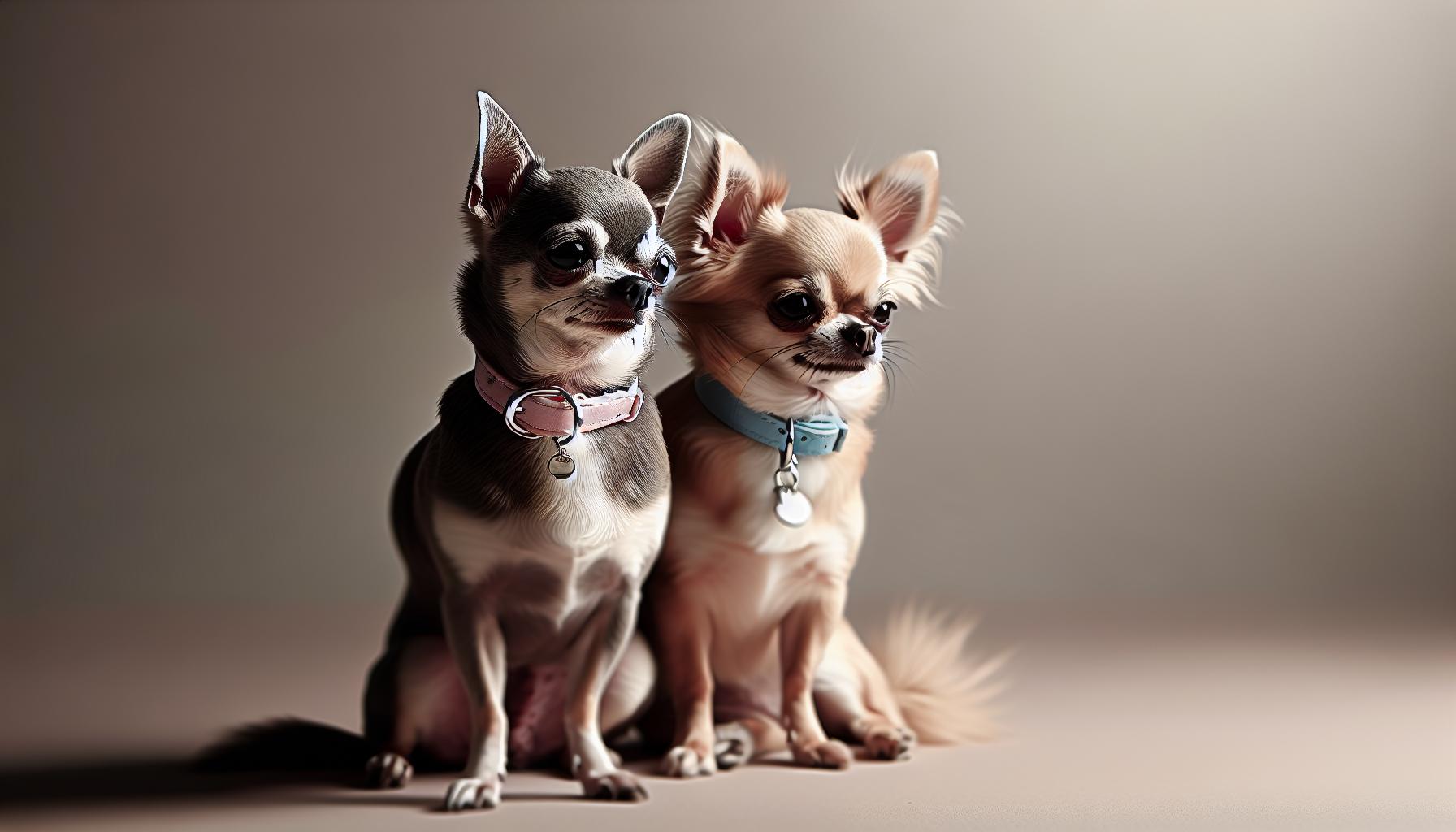
While Chihuahuas may be small in stature, they offer a fascinating insight into gender differences when it comes to anatomy-specifically, nipple count. Generally, female Chihuahuas possess a standard range of about 8 to 10 nipples. This number ensures that if she has a litter, she can effectively nurse multiple puppies. However, male Chihuahuas, despite not having the capacity to nurse, typically display a similar nipple count. This feature is a common trait among many dog breeds, yet it highlights an interesting aspect of canine biology.
Understanding the implications of these differences is essential for Chihuahua owners. While male and female Chihuahuas may share a similar anatomical feature, it is the females who require a thorough understanding of their bodies, especially for those considering breeding. Monitoring the nipples for any changes-such as unusual swelling, discharge, or color changes-is crucial. Keeping these factors in check can help identify potential health issues early, such as mastitis in females or other underlying conditions.
Moreover, it’s beneficial to note how anatomy can influence behavior. For instance, females, especially when in heat, may exhibit various behaviors related to their hormonal changes. Observing your female Chihuahua during these times can offer great insight into how her body is operating. Adequate care and attention to her unique physical makeup, including her nipples, can aid in a healthier, more comfortable life.
In practice, every responsible Chihuahua owner should familiarize themselves with their pet’s anatomy. This knowledge not only includes nipple count and condition but extends to understanding how these aspects affect health and behavior. Consultations with a veterinarian can provide tailored advice and ensure both male and female Chihuahuas enjoy long, healthy lives. By being attentive and informed, you contribute positively to your Chihuahua’s well-being, helping her thrive in your loving home.
What to Know About Chihuahua Breeding
Breeding Chihuahuas can be a rewarding endeavor, but it comes with specific responsibilities and considerations that every owner should keep in mind. One vital aspect of breeding is understanding the anatomy of your female Chihuahua, particularly the purpose and health of her nipples, since they play a crucial role during nursing. Generally, female Chihuahuas have between 8 to 10 nipples, which can accommodate a litter of puppies. It’s important to monitor the condition of these nipples as any swelling or discharge can signal health issues.
Before breeding, ensure that your Chihuahua is in good health, both physically and emotionally. You should schedule a health check with a veterinarian to discuss your plans. The vet can provide essential guidance on vaccinations, genetic screening, and overall suitability for breeding. Genetic health screenings are significant; Chihuahuas can be prone to certain health conditions, and evaluating potential mates for hereditary issues can reduce the risk of passing these conditions onto the puppies.
H3: Factors to Consider in Breeding
When planning for a breeding, consider the following points to ensure a successful and healthy litter:
- Temperament: Chihuahuas are known for their bold personalities. Choose a mate that complements your female’s temperament to promote balanced puppies.
- Age: Ideally, wait until your female is at least 2 years old for safer breeding. Breeding too young can lead to health complications.
- Nutritional Needs: Focus on a high-quality diet to support her health before, during, and after pregnancy. Nutritional requirements increase significantly during gestation.
- Support During Pregnancy: Provide a calm and comfortable environment. Limit stress and engage in moderate exercise to keep her fit.
H3: After the Birth
Postpartum care is just as crucial as preparation. Your female Chihuahua will need a peaceful place to care for her puppies. During the first weeks, she may require help, especially if she has a larger litter. Providing her with plenty of resources like food, water, and a cozy space will ensure she can focus on nurturing her puppies.
Using your knowledge about their anatomy, be attentive to her reproductive health. Routine vet check-ups after the birth are essential for both the mother and her puppies to identify any health issues early. A nurturing environment combined with proper care throughout the process can lead to a happy and healthy outcome for your Chihuahua and her new family. Keep your Chihuahua’s unique traits in mind; each has her personality and challenges, and a little extra patience and love go a long way in nurturing your Chihuahua and her puppies.
Comparing Nipples: Chihuahuas vs. Other Breeds
Many Chihuahua owners marvel at the unique characteristics of their tiny companions, including the anatomy that contributes to their nurturing capabilities. Female Chihuahuas typically have between 8 to 10 nipples, a count that aligns with their ability to care for a litter of puppies. This nipple count serves practical purposes, providing nutrition to multiple pups simultaneously. However, understanding how this compares to other breeds can help you appreciate the distinctions and similarities across canine types.
For instance, larger breeds like Labrador Retrievers often have more nipples, averaging around 8 to 12. This number corresponds to their generally larger litters, as they can give birth to several puppies at once. It’s fascinating to see how size and breed influence anatomical features. However, the key difference is not merely the quantity of nipples but also the health and functioning of these anatomical elements. Conditions such as mastitis can affect any breed, but it might manifest differently depending on the physical characteristics of the dog’s body.
Beyond numbers, the significance of nippled health is paramount for Chihuahuas, especially during breeding or nursing. Owners should be vigilant for any signs of discomfort or abnormalities, such as swelling or unusual discharge, as these can indicate health issues that require attention. For Chihuahuas, their small size means that any health concerns can escalate quickly. Regular veterinary check-ups are essential to ensure that all parts of your Chihuahua’s anatomy, including her nipples, are healthy and functioning well.
It’s crucial to recognize that while the nipple anatomy may vary, the care and attention every breed deserves do not change. Each dog, regardless of size, thrives on love, support, and understanding of their specific needs. Whether your Chihuahua is an apple-head with a bold personality or a longer-hair variety, taking the time to understand her anatomy promotes a healthy, happy life together. Be proactive about health checks and maintain a nurturing environment, especially during breeding and nursing periods, to support your little one through her life stages.
Chihuahua Health: The Importance of Routine Checks
Routine health checks are crucial for keeping your Chihuahua healthy and thriving, especially considering their unique anatomy, including their petite size and specific reproductive characteristics. Regular examinations can help you catch potential health issues early on, ensuring that your loyal little companion stays happy and active. Many owners find that establishing a consistent routine not only aids in maintaining their pet’s physical health but also strengthens the bond shared between them.
Chihuahuas typically have 8 to 10 nipples, but just like with any other breed, it’s essential to keep an eye on these specific areas-particularly in females, especially during or after breeding. If you notice any signs of swelling, unusual discharge, or discomfort around her nipples, it could signify an underlying issue that needs prompt attention. Veterinary visits should ideally coincide with routine vaccinations and check-ups to address any concerns you may have.
In addition to nipple health, these appointments provide opportunities to discuss other important aspects of your Chihuahua’s health. For example, due to their small size, they are prone to dental issues, obesity, and patellar luxation. Ask your vet about proper dental care techniques, weight management, and physical activity tailored to your dog’s unique needs. Engaging with your vet regularly helps create a comprehensive health plan that caters to the specific quirks and challenges of your breed.
Don’t forget that your Chihuahua thrives on attention and comfort. Incorporate regular at-home checks into your routine as well. This could include checking her teeth, gums, and eyes, along with a gentle examination of her paws and ears. By making these practices a part of your life together, not only do you secure her health, but you also reinforce that nurturing relationship built on trust and care. Celebrate her quirks and love her fiercely, and you’ll both enjoy countless joyful moments ahead.
Signs of Health Issues Related to Nipple Problems
Noticing changes in your Chihuahua’s nipples can be a key indicator of health issues. Given the breed’s small size and specific anatomical features, any abnormalities should raise your concern. Healthy nipples are typically uniform in size and free from swelling or discharge. If your Chihuahua is female, keep a close eye, especially during and after her heat cycle or if she’s recently given birth.
Signs of potential problems may include:
- Swelling: If the nipples appear enlarged or red, this could indicate hormonal changes or an infection.
- Discharge: Any unusual discharge, whether clear, pus-like, or bloody, is a strong signal that veterinary care is needed.
- Discomfort: If your Chihuahua shows signs of pain when her nipples are touched or appears restless, this may indicate an issue.
- Lumps or masses: Palpating the nipple area should reveal smooth, normal tissue. Feel for any hard lumps that could suggest cysts or tumors.
Regular veterinary check-ups are essential not only to catch these issues early but also to obtain tailored advice regarding your Chihuahua’s specific needs. For instance, if your girl experiences recurrent problems, your vet might suggest hormone treatments or specific dietary adjustments.
Creating a trusting environment allows for easier at-home checks. When giving your Chihuahua a cuddle, take a moment to gently inspect her nipples while she is relaxed. Many owners find that such checks can be incorporated naturally into playtime or grooming, making it a positive experience for both of you. Remember, staying observant and proactive about these details can significantly contribute to her lifelong health and happiness.
Caring for Your Chihuahua’s Maternal Needs
As a proud Chihuahua owner, you know that these little furballs have tremendous personality packed into their tiny frames. If your girl is pregnant or has recently given birth, understanding her maternal needs is essential for her health and the well-being of her puppies. This stage can be overwhelming, but with some preparation, you can ensure she receives the care and attention she needs.
To start, make sure your Chihuahua has a quiet, comfortable space to nest. This should be away from the hustle and bustle of daily life but close enough for family members to keep an eye on her. A cozy bed lined with soft blankets can help her feel secure. Many owners opt for a quiet corner of the home or even a dedicated whelping box to give her the privacy she desires.
Nutrition is another crucial aspect of maternal care. Pregnant and nursing Chihuahuas require a nutrient-rich diet to support their health and the growth of their puppies. You might want to consider switching to a high-quality puppy food, which offers the increased calories and essential nutrients she needs during this demanding time. Always consult your vet about the best diet for her specific situation, as they can recommend food tailored to her needs.
Hydration is equally important. Make sure she has access to fresh water at all times. Dehydration can lead to complications, especially after giving birth. Frequent, smaller meals throughout the day may also help prevent any tummy troubles, particularly if she’s experiencing any morning sickness.
Pay close attention to her behavior as well. If your Chihuahua seems restless or anxious, it’s a sign that she may be feeling overwhelmed. Offer her soothing distractions, like gentle petting or talking to her in a calm voice. Equally, close observation of her health is paramount. Signs of distress or complications, such as excessive panting or a lack of interest in food, should prompt a call to your veterinarian.
By fostering a supportive environment, providing quality nutrition, and attentively monitoring her well-being, you’ll help your Chihuahua thrive as a mother. Celebrating her journey into motherhood not only strengthens your bond but also ensures she and her puppies will enjoy a happier, healthier life together. Whether it’s her first litter or her last, your attentiveness will pay off, making this experience joyful and rewarding for both of you.
Understanding Chihuahua Lifespan and Reproductive Health
Caring for your Chihuahua involves understanding their unique anatomy, including their reproductive health and lifespan. Chihuahuas typically have between 6 to 10 nipples, with females having more than males due to their biological role in nursing puppies. During breeding seasons or when pregnant, it’s essential to monitor her health closely. This breed can be vulnerable to various health issues, including problems related to reproduction. A healthy, stress-free environment coupled with proper nutrition can significantly enhance her maternal experience and the health of her puppies.
Lifespan for Chihuahuas averages around 12 to 20 years, making them one of the longer-living dog breeds. Proper care, regular vet check-ups, and good nutrition can contribute to a longer, healthier life. Understanding their reproductive health is vital, especially if you plan to breed your Chihuahua. Always consult with your vet to determine the best breeding practices and to monitor for any potential complications, like dystocia, that can arise during the birthing process.
When considering the health of your Chihuahua’s nipples, look for any signs of distress or abnormalities, such as swelling or discharge, which might indicate health issues. Regular checks can help in early detection of potential problems, ensuring your furry friend remains healthy throughout her life stages. Remember, nurturing a Chihuahua involves not only physical care but also engaging with their exuberant, spirited personalities.
Lastly, fostering a supportive environment helps your Chihuahua thrive not just in terms of physical health but also emotional well-being. Provide her with love, attention, and a quiet space to rest, especially during her pregnancy. Your support and understanding will create a nurturing atmosphere that benefits both her and her future puppies.
Unique Features: The Apple-Head Chihuahua Explained
The Apple-Head Chihuahua is a distinctive variety of this beloved breed, known for their unique facial structure that resembles the shape of an apple. This characteristic head shape is not just a physical trait; it also influences their personality and care needs. With a rounded skull and a shorter muzzle, Apple-Head Chihuahuas are often more delicate compared to their more compact counterparts, the Deer Head Chihuahuas. Understanding these differences can help you provide the best care for your furry friend.
When it comes to health, Apple-Head Chihuahuas may have specific considerations due to their facial structure. The shorter muzzle can sometimes lead to issues like dental problems or respiratory concerns. Regular veterinary check-ups are crucial to monitor these aspects. Ensure your Chihuahua’s teeth are brushed regularly, as dental disease is common in small breeds. Providing a clean environment and proper diet can also contribute significantly to their health and longevity.
Behaviorally, Apple-Head Chihuahuas are known for their bold and spirited nature. They are often quite vocal and can be fiercely loyal to their owners. It’s not uncommon for them to develop a strong bond with you, leading to a somewhat protective demeanor. Early socialization is essential to ensure they are well-adjusted and comfortable around other pets and people. Engaging them through play, training, and social activities will enrich their lives and deepen your bond.
In terms of care, these little companions thrive in warm, comfortable environments. Due to their small size and potential for cold sensitivity, providing cozy blankets and a secure space to rest can help keep them happy. Apple-Head Chihuahuas do well in small living spaces, where they can feel safe and loved. Remember that their small size doesn’t mean they don’t require exercise; short, regular walks or play sessions in a secure area will help keep them healthy and mentally stimulated.
By understanding these unique features, you can ensure that your Apple-Head Chihuahua not only feels loved but also receives the specialized care that meets their specific needs.
Nurturing Your Chihuahua Through Different Life Stages
As your Chihuahua moves through life, each stage brings its own unique needs and challenges. From the lively puppy days filled with playful energy to the tranquil maturity of older age, understanding these phases can help you provide the best care for your beloved companion. Notably, Chihuahuas, on average, have about 8 to 10 nipples, a trait that can vary between genders and individual dogs, impacting their breeding process if you choose to go that route.
Puppy Stage: Early Development
During the puppy stage, socialization is crucial. Exposing your Chihuahua to different environments, people, and other animals can shape them into a well-adjusted adult. This stage is also key for understanding their anatomy-puppies will grow rapidly, and observing their health, including the condition of their nipples, is important for ongoing wellness. If you have a female, knowing she has more nipples can be useful for potential breeding considerations, as this can influence litter size.
Adolescent Stage: Exploring Independence
Adolescence in Chihuahuas is a time of testing boundaries. They become more vocal and may assert themselves more. Providing a consistent routine-including playtime, training, and socialization-is essential to foster their confident nature. During this phase, keep an eye on their health. Regular veterinary visits can catch any developing issues early, especially changes in their skin or nipple health, which can sometimes signal other underlying problems.
Adulthood: Maintenance and Care
In adulthood, Chihuahuas typically settle into their personalities. Whether they showcase the boldness of an Apple-Head or the sturdiness of a Deer Head, continuing regular health checks is vital. This includes monitoring their weight and nutrition, which can affect their overall well-being, including skin health and any potential nipple issues. Ensure they receive adequate exercise to maintain a healthy lifestyle, which is especially important as they can be prone to obesity.
Senior Years: Health and Comfort
As your Chihuahua enters their senior years, comfort becomes paramount. They may slow down, and their specific health needs will change. Routine veterinary check-ups should include discussions about health issues typical for older Chihuahuas, such as dental decay and joint problems. It’s also important to adapt their living environment for comfort; soft, warm bedding can soothe their aging joints. Maintain vigilance regarding any changes in their health, including the condition of their nipples, which might indicate hormonal changes or health issues.
By adapting care strategies to fit each life stage, you will nurture a happy, healthy Chihuahua who can thrive and share many enjoyable moments with you, no matter how small they are. Each stage of their life is a journey worth celebrating, with its own set of challenges and rewards.
Fun Facts About Chihuahuas You Didn’t Know
Chihuahuas are often celebrated for their bold personalities and unforgettable quirks. Did you know that despite their tiny stature, these dogs boast about 8 to 10 nipples? This anatomical trait can be particularly insightful when considering breeding, as the number of nipples can often correlate with potential litter sizes in female Chihuahuas. It’s fascinating how such small details can play a significant role in their health and reproductive capabilities!
Another interesting fact is that vet visits can reveal whether your Chihuahua’s nipples are in good condition, which is crucial for overall health. Regularly examining these areas can help you spot signs of potential health issues, such as infections or skin irritations. Just like with skin folds in larger breeds, keeping an eye on your Chihuahua’s anatomy helps ensure they remain healthy and comfortable.
Chihuahuas come in two primary types: Apple-Head and Deer Head, each with distinct features. These differences not only influence their appearance but also their health concerns. While both types typically have the same number of nipples, the prominence of the head shape can affect how they interact with their surroundings, impacting everything from exercise habits to grooming needs.
Lastly, did you know that these little companions are remarkably loyal and often bond deeply with their owners? This loyalty extends to their routines. Many Chihuahua owners find that maintaining consistent health checks-including monitoring their nipple condition-can promote a long and happy life together. After all, understanding the unique anatomy and needs of Chihuahuas brings you closer to the vibrant personality that makes them so special. Embrace the quirks, celebrate their vibrancy, and enjoy the journey with your delightful Chihuahua!
Frequently asked questions
Q: How can I tell if my Chihuahua’s nipples are healthy?
A: To assess your Chihuahua’s nipple health, look for signs such as smooth texture, absence of discoloration, and no unusual discharge. Regular checks during grooming can help. If you notice any changes, consult your vet for advice on nipple health specific to Chihuahuas.
Q: Do male Chihuahuas also have nipples?
A: Yes, male Chihuahuas have nipples, typically numbering between 6 to 10. However, they do not serve any reproductive function in males. Understanding this can help you recognize differences between genders in Chihuahua care outlined in the article.
Q: Why do Chihuahuas have a different number of nipples than other dog breeds?
A: The number of nipples in Chihuahuas can vary due to genetic factors and breed standards. Most small breeds, including Chihuahuas, generally have fewer than larger breeds, which may help with maternal bonding and nursing.
Q: When should I be concerned about my Chihuahua’s nipples?
A: You should be concerned if you notice changes such as swelling, pain, or abnormal discharge. These signs may indicate health issues. Frequent health checks can prevent potential problems; refer to health sections in the article for tips.
Q: Can nipple issues affect my female Chihuahua’s ability to nurse?
A: Yes, if a female Chihuahua has nipple problems, it can hinder her ability to nurse her puppies effectively. It’s crucial to monitor her health during breeding, as discussed in the article, and consult with a veterinarian if issues arise.
Q: What is the average size of Chihuahua nipples relative to their body size?
A: Chihuahua nipples are relatively small, usually about 0.5 to 1 cm in diameter. Their size is in proportion to their small body frame, aligning with the breed’s unique anatomical features. Understanding size can help owners better monitor their health over time.
Q: How do I care for a pregnant Chihuahua’s nipples?
A: Proper care for a pregnant Chihuahua’s nipples includes ensuring they remain clean and free from infection. Gently cleaning them regularly can prevent irritation or infection, ensuring she is healthy and ready for puppy nursing.
Q: What common nipple health issues do Chihuahuas face?
A: Common nipple issues in Chihuahuas include mastitis, infections, and cysts. Regular examinations and prompt veterinary visits can help address these concerns early. Explore the health monitoring strategies discussed in the article for effective care.
Future Outlook
Understanding how many nipples a Chihuahua typically has gives you a closer look at this beloved breed’s anatomy, and shows just one of the many unique quirks that make Chihuahuas special. Whether you’re a first-time owner or a seasoned Chihuahua enthusiast, recognizing these little details can help you cherish the health and well-being of your pup even more. If you’re curious about caring for their small but vibrant personalities, check out our articles on Chihuahua grooming and nutrition.
Don’t let your Chihuahua’s small size fool you; they have big hearts and a bold spirit! For more insights into their health, behavior, and care tips, consider subscribing to our newsletter. Share your favorite Chihuahua stories in the comments below, and check out related topics like “Understanding Your Chihuahua’s Behavior” for deeper dives into their lively world. Explore your Chihuahua’s unique anatomy and personality today-your furry friend will thank you!
Get our latest guides, news, and insights highlighted in your Google Search & AI Overviews.