
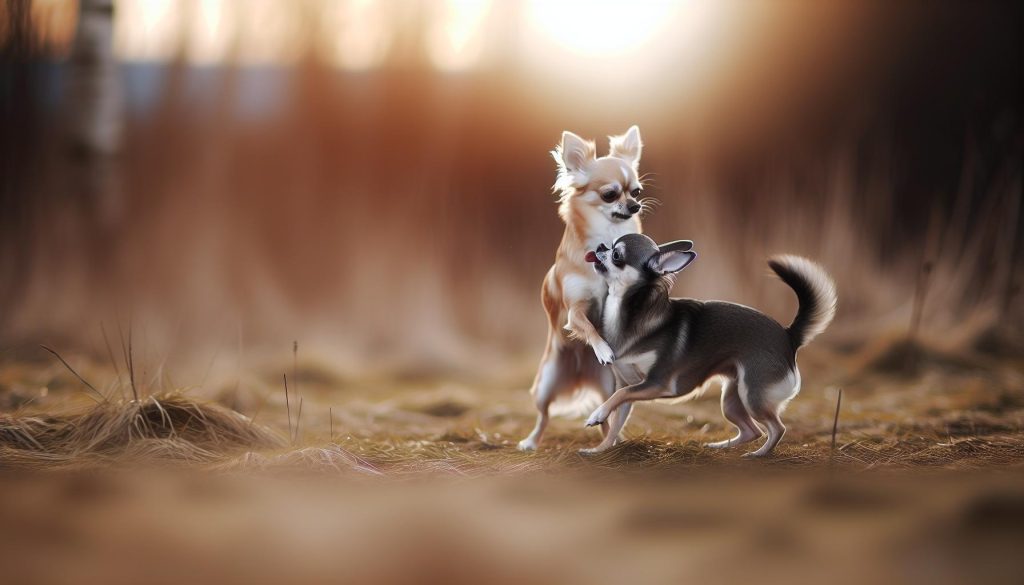
When deciding between male or female Chihuahuas, you might be surprised to find that each gender brings its own unique charm and set of characteristics. These tiny companions are known for their bold personalities, loyalty, and tenacity. Understanding gender differences in health, behavior, and care can significantly influence your choice and ensure a harmonious fit with your lifestyle. For instance, while males often exhibit a playful and sometimes stubborn demeanor, females can be more independent and nurturing, making this an essential consideration for prospective owners. Whether you’re a first-time pet parent or an experienced Chihuahua enthusiast, unraveling these distinctions can lead to a happier, more fulfilling relationship with your new furry friend. Join us as we explore the fascinating traits of male and female Chihuahuas to help you make an informed decision that suits your needs and fosters a loving bond.
Gender Differences in Chihuahua Behavior
Chihuahuas are a breed filled with character, and understanding the nuances between male and female behaviors can greatly enhance the bond you share with your furry friend. Generally speaking, male Chihuahuas are often seen as more playful and eager for attention, while females may exhibit more independence and cunning. This doesn’t mean one gender is better than the other; rather, each has unique traits that cater to different lifestyles and preferences.
Male Chihuahuas can be lively and affectionate, often leaning towards “mama’s boy” behavior, where they seek constant companionship. This affectionate nature can lead to a stronger attachment to their owners, but it can also come with challenges like clinginess or separation anxiety if not properly managed. On the flip side, female Chihuahuas are known for their intelligence and often display a stronger instinct to explore their surroundings. They can be both nurturing and playful, typically balancing independence with affection. An owner of a female Chihuahua shared how her pup would often choose to play alone before seeking cuddles, showcasing that blend of spirited independence and love.
When considering behavior in both genders, it’s essential to factor in individual personality variations that go beyond mere gender stereotypes. Environment, socialization, and early training experiences play crucial roles in how a Chihuahua interacts with people and other pets. Many owners report that their male Chihuahuas tend to be more vocal and protective, barking at strangers or perceived threats. This protective instinct can be charming but also requires training to ensure it doesn’t become excessive. Meanwhile, female Chihuahuas may be less vocal, displaying a more reserved, thoughtful approach rather than immediately jumping into action.
Ultimately, choosing a Chihuahua-be it male or female-depends on your lifestyle and preference. If you prefer an active companion who enjoys playing and receiving attention, a male might be the perfect match. Conversely, if you appreciate a dog with a dash of independence who still loves affection, a female could be ideal. Embracing the distinct qualities of each gender allows for a more harmonious relationship with your Chihuahua, ensuring that you both thrive in each other’s company.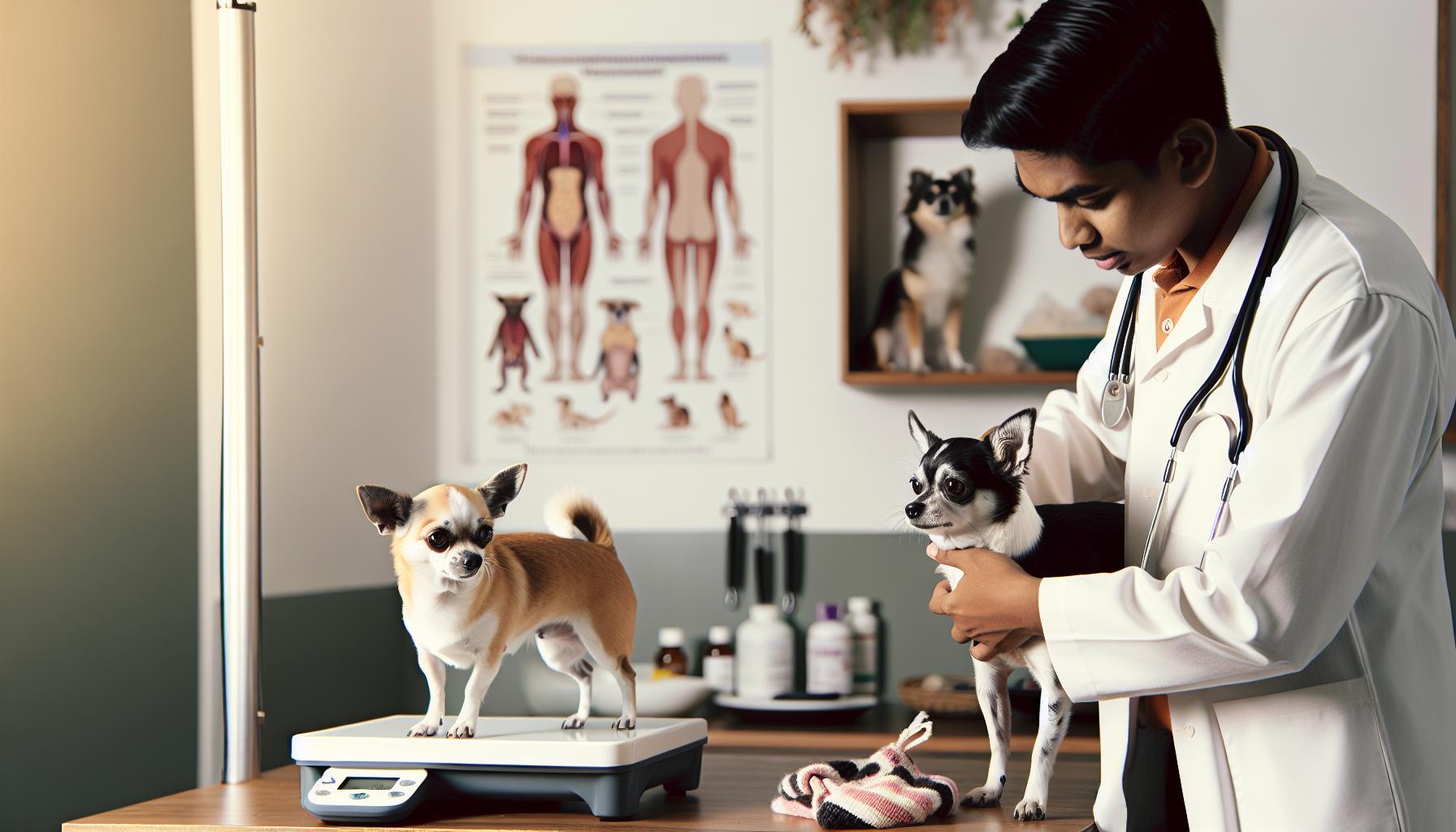
Health Considerations for Male and Female Chihuahuas
Chihuahuas, despite their tiny stature, can face health issues that vary between males and females, impacting their overall well-being and lifespan. Understanding these gender-specific health considerations is crucial for any owner looking to provide the best care for their furry companion. Males tend to face certain risks, particularly related to reproductive health, while females have their unique set of concerns tied to their heat cycles and potential for certain hormonal imbalances.
Male Chihuahuas are known to be prone to prostate issues, especially as they age. Regular veterinary check-ups can help identify these problems early. Neutering is often recommended, as it can mitigate risks of prostate disease and testicular cancer. Owners have reported noticeable differences in behavior post-neuter, often experiencing a more relaxed demeanor in their male Chihuahuas, making it a worthwhile consideration for many.
On the other hand, female Chihuahuas are affected by their heat cycles, typically occurring twice a year. This can come with behavioral changes, including increased clinginess or mood swings. It’s essential for owners to monitor their females during this time-especially if they’re not spayed-since unspayed females are at risk for pyometra, a potentially life-threatening uterine infection. Spaying can help avoid these health issues and eliminate the heat cycle altogether, which many owners find beneficial for both the pet and their home environment.
Diet also plays a role in health for both genders. Maintaining an appropriate weight through portion control and exercise is crucial, as Chihuahuas are particularly susceptible to obesity, exacerbating conditions like heart disease and joint problems. Look for a high-quality, balanced diet specifically formulated for small breeds. Regular exercise not only helps in weight management but also keeps both male and female Chihuahuas mentally stimulated and happy.
Additionally, dental health is paramount for Chihuahuas, regardless of gender. Small breeds often experience dental problems due to their smaller mouths and crowded teeth. Daily dental care, including brushing and dental treats, is a great way to prevent periodontal disease, which is common in this breed. Create a health plan tailored to your Chihuahua’s needs, factoring in their unique gender-related health considerations, to ensure you’re giving your little companion the best chance at a long, healthy life.
Training Tips: Male vs. Female Chihuahuas
Training Chihuahuas can be a delightful experience, but knowing how gender differences impact their behaviors can make the process smoother. Males and females may exhibit distinct training responses, and understanding these nuances can help you tailor your approach. For instance, male Chihuahuas are often more exuberant and may display a boldness that requires firm, consistent training methods. They can also be prone to distractions, especially if they catch a whiff of something interesting or see another dog, so keeping training sessions focused and brief is vital. Using high-value treats can help capture their attention more effectively.
On the other hand, female Chihuahuas tend to be a bit more independent and may take a little longer to respond to commands, although this varies widely between individuals. Many owners have noticed that females often train with a certain level of focus once they’re interested in the task. Offering praise and affection works wonders; a warm approach often yields better results. It’s also essential to be mindful of their heat cycles, as they can affect a female’s motivation and mood during training. Some owners find that introducing training during a time when their female is not in heat can lead to more productive sessions.
Establishing Boundaries
Both genders benefit from clear boundaries and consistent reinforcement. Males might be more prone to testing these limits, especially if they are unneutered, so a strong and confident hand is crucial. On the flip side, females, particularly those who are unspayed, can show signs of dominance, especially during their heat cycles. Establishing a routine that includes basic commands and socialization is essential for both genders to thrive.
In summary, whether you have a vocal, spirited male or an independent, clever female, patience and consistency are key. Chihuahuas are incredibly smart and reactive, making them excellent companions when trained correctly. Celebrate their quirks and unique personalities, and tailor your training methods to suit your furry friend’s individual needs, resulting in a well-behaved and happy Chihuahua.
Socialization: Are Males or Females More Friendly?
When it comes to socializing Chihuahuas, many owners wonder if there’s a difference in friendliness between male and female dogs. While every dog has its own personality, breed tendencies can reveal some common traits. Males are often known for their bold and extroverted behavior, which can make them seem friendlier in social settings. They are typically more eager to greet new people and dogs, displaying a confident approach to interactions. This can translate to a more playful demeanor, allowing them to make friends quickly in both familiar and unfamiliar settings.
In contrast, female Chihuahuas might present a more reserved or cautious personality when meeting new friends. They tend to observe their surroundings first and may take time to assess new people or situations before engaging. This isn’t a sign of aggression or unfriendliness; rather, it’s simply their way of ensuring that they feel safe. Once a female Chihuahua feels comfortable, she can be equally affectionate and playful, often forming deep bonds with her companions.
Tips for Enhancing Socialization
To foster positive social experiences, regardless of gender, here are some practical steps you can take:
- Start Early: Begin socialization as a puppy. Expose your Chihuahua to different environments, people, and other pets in a gradual manner.
- Positive Reinforcement: Use treats and praise to reward your dog when they engage positively with others. This creates a happy association with social interactions.
- Controlled Playdates: Arrange playdates with well-mannered dogs. This not only helps with social skills but also allows you to monitor interactions closely.
- Be Patient: Each Chihuahua will progress at their own pace. Celebrate small victories and avoid forcing interactions that may overwhelm them.
Ultimately, fostering social skills is less about the gender of your Chihuahua and more about your approach to their development. Both males and females can be friendly and sociable, but their initial reactions may differ. Engaging them through play and positive interactions will help your Chihuahua thrive, showcasing the vibrant personality that makes them such beloved companions.
Personality Traits: What to Expect from Each Gender
When considering what personality traits to expect from male and female Chihuahuas, it’s important to remember that each dog is unique. However, some general tendencies can help guide potential owners in their decision-making. Males are often more outgoing and exuberant. Their playful nature can make them appear friendlier, as they tend to approach new situations with enthusiasm. For example, many male Chihuahuas love to initiate playtime with both humans and other pets, displaying a confidence that can be endearing and entertaining.
On the other hand, female Chihuahuas generally have a more cautious demeanor. They often take a moment to assess their environment before they engage. This doesn’t mean they are unfriendly; instead, it’s a reflection of their more reserved nature. Once they feel safe, female Chihuahuas can be just as affectionate and playful as their male counterparts. It’s common for owners to share experiences of their female Chihuahuas forming deeper, more loyal bonds, perhaps due to their deliberate approach to relationships.
Common Traits
- Male Chihuahuas: Typically more social, lively, and eager to greet visitors. Their boisterousness can be charming, making them seem very approachable.
- Female Chihuahuas: Often more nurturing and protective. They can be a bit bossy, which might manifest as herding behavior, especially if they feel their territory or humans are at stake.
Both genders can display typical Chihuahua traits such as being vocal, loyal, and fiercely affectionate with their families. It’s crucial for owners to recognize these traits when considering training and socialization strategies. For instance, male Chihuahuas might benefit from structured play sessions to channel their energy, while training a female Chihuahua may require patience, especially in new environments where she might feel shy or apprehensive at first.
In summary, whether you lean toward a male or female Chihuahua, understanding their inherent personalities can greatly enhance your relationship with your pet. Recognizing these traits allows you to nurture their strengths and support them through their individual quirks, leading to a rewarding companionship that is full of love and joy.
Size and Weight Differences in Male and Female Chihuahuas
When considering your next Chihuahua, the size and weight differences between males and females can play a significant role in your decision-making process. Generally speaking, male Chihuahuas tend to exceed females in both size and weight. While individual variances exist, you can expect male Chihuahuas to weigh between 6 to 9 pounds on average, while females usually range from 4 to 6 pounds. This difference can influence everything from their suitability for certain living environments to specific care needs.
Understanding Size Variations
Chihuahuas come in various shapes, and understanding the general size differences can help you prepare your home and lifestyle for the new addition. For instance, male Chihuahuas are often slightly taller and have a more robust bone structure, which can contribute to their sturdier appearance. In contrast, female Chihuahuas tend to be more petite and can sometimes appear daintier. If you’re considering adopting one for a young family, some owners find that the smaller female Chihuahuas can be easier to manage around small children, while the more boisterous males can handle rough play.
Weight Considerations
Weight is crucial not only for health reasons but also for ensuring you provide appropriate nutrition and care. Male Chihuahuas, being larger on average, may require slightly more food than females, but it’s essential to focus on high-quality, nutritionally balanced options to support their rapid metabolism. Owners often share insights that adapting a weight management approach suited to their dog’s gender can be beneficial in preventing obesity-a common issue in Chihuahuas, regardless of gender.
Real-World Examples
Many Chihuahua owners find that these size differences manifest in their daily interactions. For example, a male Chihuahua named Max is known among his owner’s friends for his enthusiastic jumps and playful antics, showcasing more energy that can be attributed to his larger size. On the flip side, Bella, a gentle female with a petite frame, is often picked up and cuddled, reflecting her owner’s comfort level in handling her.
Ultimately, whether male or female, understanding these size and weight differences can aid in making an informed decision that aligns with your lifestyle and living situation. Both genders make loving companions, and their size can enhance or influence how you interact and bond with them through everyday activities. Choosing the right gender can lead to a more fulfilling relationship, based on both understanding and shared experiences that enrich your life and theirs.
Nurturing Your Chihuahua: Care Tips by Gender
When caring for Chihuahuas, understanding the unique needs of male and female dogs can enhance your nurturing approach. These tiny companions have distinct personalities and health considerations that merit attention, making it crucial to tailor your care practices based on their gender.
For male Chihuahuas, it’s common to observe certain behaviors that require specific management strategies. Males may exhibit marking behavior, especially if not neutered, which can lead to territorial disputes within your home. Preventing this involves regular walks and potty training, ensuring they can relieve themselves appropriately. In terms of health, males may be prone to certain conditions such as patellar luxation, so maintaining a healthy weight through proper diet and regulated exercise is vital. A recent owner mentioned how consistent playtime and early training helped their male Chihuahua, Max, grow into a well-behaved companion.
Female Chihuahuas, on the other hand, have their own unique considerations, particularly during their heat cycles. Understanding this cycle is essential for responsible ownership, as females can experience mood swings and increased vocalization during this time. If you choose not to breed her, spaying is highly recommended for long-term health benefits, such as reducing the risk of mammary tumors and other reproductive issues. Providing a calm environment where she feels secure can make a significant difference during her heat cycle. One owner shared that her female, Bella, became more affectionate and cuddly when she was given a quiet space, demonstrating how emotional support during this period can strengthen your bond.
Both male and female Chihuahuas thrive on social interaction and mental stimulation. Regardless of gender, incorporating training sessions, socializing with other dogs, and engaging in playful activities helps keep their minds active and fosters good behavior. Chihuahuas are known for their loyalty, and they flourish in an environment filled with love and attention, making quality time an essential component of their care.
Recognizing these gender differences not only informs your care routine but also enriches your relationship with your furry friend. Whether you have a spirited male or a gentle female, embracing their quirks and idiosyncrasies ensures that your nurturing fosters a happy and healthy Chihuahua.
Grooming Needs: Male and Female Chihuahua Care
Chihuahuas, whether male or female, have distinct grooming needs that enhance their health and well-being. These tiny dogs come with unique coat types and personalities, making grooming not just a routine task, but a bonding experience that reinforces your connection. Understanding these needs can help ensure your Chihuahua stays looking and feeling their best.
When considering grooming, coat type plays a fundamental role. Chihuahuas can be either short-haired or long-haired. Short-haired Chihuahuas require less maintenance; a weekly brushing with a soft bristle brush helps remove loose hair and promotes a healthy coat. Long-haired Chihuahuas, however, benefit from a more rigorous grooming routine. Daily brushing is ideal to prevent mats and tangles, especially around the ears and tail, where their luxurious fur tends to get tangled easily.
Hygiene is paramount for both genders. Regular nail clipping, which every owner likely dreads but must master, is vital. Long nails can lead to discomfort and more serious health issues. Aim for a manicure every 3-4 weeks. Baths should be tailored to your Chihuahua’s activities and coat type; a gentle dog shampoo every 4-6 weeks is recommended. Overbathing can strip their skin of natural oils, but keeping them clean is necessary, especially if they enjoy outdoor play.
Dental health is another crucial aspect of grooming that impacts both male and female Chihuahuas. These little companions can be prone to dental issues, so incorporating dental chews or regular brushing is a proactive measure. Many owners, like Sarah, report that her female, Coco, loves her daily brushing routine, which not only keeps her teeth healthy but also strengthens their bond.
In summary, whether you’re caring for a spirited male or a gentle female, developing a consistent grooming routine tailored to their needs is essential. Paying attention to their coat, dental hygiene, and overall well-being will not only help your Chihuahua thrive but will also create moments of joy and connection between you. Embrace each grooming session as a chance to show your love, ensuring a happy and healthy life together.
Male Chihuahua Marking Behavior Explained
Male Chihuahuas are notorious for their marking behavior, a natural instinct that often takes owners by surprise. This behavior is not merely a sign of dominance; it’s a way for them to communicate. When male Chihuahuas encounter new scents or other dogs, their instinct might kick in, prompting them to claim their territory. Understanding this behavior is essential for fostering a peaceful home environment, especially if you have multiple pets or frequent visitors.
- Territorial Instinct: Male Chihuahuas may start marking when they feel their territory is being threatened or when new dogs are introduced. They may elevate their leg and leave small amounts of urine in various spots to signal their presence.
- Excitement or Stress: Sometimes marking occurs during moments of excitement or stress. Your Chihuahua might mark in response to loud noises, unfamiliar guests, or even when playing energetically.
- Age and Neutering: Younger males are often more prone to marking, but neutering can significantly reduce this behavior. Many owners report that once their male Chihuahua is neutered, marking behaviors decrease or even cease.
- Consistency in Training: Consistent training and reinforcement can help mitigate marking. If your male Chihuahua starts to mark indoors, gently redirect him outside. Celebrate his outdoor bathroom breaks to establish positive reinforcement.
Incorporating strategies such as routine walks and outdoor play can also help reduce marking incidents. Regular outings provide him with opportunities to claim his territory outside, leaving less motivation to mark indoors. Additionally, creating a calm environment at home can ease the anxiety or excitement that sometimes drives marking behaviors.
Remember, marking isn’t inherently a bad behavior; it’s a part of who your male Chihuahua is. With patience and understanding, you can work together to manage and reduce this instinct while embracing the quirky, loyal nature that makes Chihuahuas so delightful.
Female Chihuahua Heat Cycle: What to Know
Female Chihuahuas have unique needs and behaviors that revolve significantly around their heat cycle, which typically occurs twice a year. Understanding this natural process can help you better care for your little companion and manage any changes in her behavior. Many first-time Chihuahua owners are surprised by how different a female’s needs can be, especially during her heat cycle, as it can also affect her interactions with other dogs, her temperament, and even her training habits.
During her heat, which can last about three weeks, you may notice some physical symptoms, such as swelling of the vulva and an increase in urination. She may also engage in slightly altered behaviors, such as becoming more affectionate or, conversely, more skittish. It’s not uncommon for female Chihuahuas to become more vocal during this time, as they express their feelings and attempt to attract potential mates. If you have other pets, especially male dogs, it’s crucial to monitor interactions closely; they can sense a female in heat and may behave differently or become overly excited.
To manage your Chihuahua’s heat cycle, consider the following practical tips:
- Keep her indoors: This is particularly important during the early stages of her heat to prevent any unwanted mating. Designate a safe space in your home where she can feel comfortable.
- Use doggie diapers: These can be a lifesaver, preventing messes around the house. Be sure to change them frequently to keep her comfortable.
- Maintain a routine: Dogs thrive on routine, and keeping her daily activities consistent can help alleviate any anxiety she may feel during this transitional period.
- Consider spaying: If you’re not planning to breed her, spaying can prevent heat cycles altogether and reduce the risk of certain health issues.
When your Chihuahua is in heat, it’s also an excellent time to reinforce her training. If she demonstrates any behavioral challenges during this time, approach her with extra patience. Positive reinforcement techniques can help keep her focused and engaged, even amidst distractions. Remember that this natural phase is just one of many in your journey together; with love and understanding, you can navigate it smoothly while ensuring your precious companion feels secure and cherished.
Adopting the Right Gender for Your Lifestyle
Choosing the right gender for your Chihuahua can significantly impact your experience as a dog owner. Male and female Chihuahuas come with unique traits that should align with your lifestyle, living situation, and personal preferences. It might surprise you to learn that both genders have their quirks, but understanding these differences can help you make a more informed decision.
Male Chihuahuas tend to be more playful and outgoing. They often enjoy being the center of attention, which can make them a joy to have around, especially for families and active individuals. On the flip side, males can sometimes exhibit territorial behaviors and are notorious for “marking” their territory, especially if not neutered. If you live in a smaller space or have multiple pets, consider how easily you can manage these tendencies.
Female Chihuahuas, while still spirited and lively, may offer a different type of companionship. They often form particularly strong bonds with their owners and can display more nurturing behaviors, especially if they have puppies. However, it’s essential to consider their heat cycles, which can occur biannually, leading to behavioral changes such as increased affection or even moodiness. If you’re prepared to manage these cycles or choose to spay her to avoid them, a female might suit your lifestyle wonderfully.
In terms of size, male Chihuahuas tend to be slightly larger than females. This can be a factor if space or travel is a consideration for your living situation. Whether you envision spending time on long walks in the park with a male or cuddling up with a female during a cozy night in, think about what fits best with your day-to-day life.
Ultimately, there’s no one-size-fits-all answer. Real-world experiences from other Chihuahua owners can provide insight. For instance, one owner shared that they chose a male for his lively personality, which matched their active family lifestyle, while another loved her female for her loyalty and softness, particularly appreciating how she snuggled up during quiet evenings. Whatever your choice, understanding your lifestyle and preferences is key to a harmonious relationship with your Chihuahua.
Real Owner Experiences: Stories from Chihuahua Families
Every Chihuahua owner has a unique story about their pet, showcasing the joys and challenges that come with each gender. For example, Jenna, a first-time Chihuahua owner, opted for a female named Bella. She quickly discovered that Bella was incredibly affectionate, often cuddling close during quiet evenings. Jenna noted that Bella’s slightly more nurturing demeanor made her feel especially connected, bringing a sense of calm in their home. However, Jenna found Bella’s heat cycles challenging, leading her to consider spaying to maintain a more consistent temperament.
Conversely, Mike, who is more active and lively, chose a male Chihuahua named Max. From the moment they met, Max radiated energy and playfulness, thriving on attention and interaction. Mike loved how Max would bring life to their outings, always eager to socialize with both people and other dogs. However, Mike had to be vigilant about Max’s tendency to mark his territory, especially when new dogs were around. Neutering Max helped him manage this behavior, allowing them to focus on enjoying their playful adventures together.
Then there’s Linda, who decided to adopt a pair of Chihuahuas, one of each gender. Her male, Charlie, is a bundle of joy, always up for a game of fetch, while her female, Daisy, is more reserved but deeply loyal. Linda cherishes the balanced energy they bring to her home, noting that while Charlie might be the star of the show, it’s Daisy who quietly knows her needs, providing comfort during stressful days. This duo has taught her about the unique traits of each gender, proving that a harmonious household can thrive with both.
These stories reflect real-life experiences and highlight how both male and female Chihuahuas can bring love, laughter, and challenges into our lives. Whether you’re drawn to a playful male or a nurturing female, understanding these quirks will enrich your journey with your furry companion. Each story underscores that, regardless of gender, Chihuahuas have a magical way of capturing our hearts and becoming cherished members of the family.
Q&A
Q: What are common behavioral differences between male and female Chihuahuas?
A: Male Chihuahuas tend to be more territorial and assertive, while females may show stronger maternal instincts. These traits can influence their interactions with other pets and people. Understanding these behaviors can help you choose the right gender for your household dynamics.
Q: Are female Chihuahuas more prone to health issues than males?
A: While both genders can face health challenges, female Chihuahuas may experience issues related to their heat cycles and pregnancy. Regular veterinary check-ups are essential for both genders to address specific health needs and ensure a happy life.
Q: How do male and female Chihuahuas differ in training responsiveness?
A: Generally, female Chihuahuas are considered more focused and easier to train, while males can be more stubborn but may also display robust learning abilities through play. Consistent training methods tailored to their personalities can foster better learning experiences.
Q: Do male or female Chihuahuas generally get along better with other pets?
A: Socialization experiences matter more than gender; however, males can be more dominant in multi-pet households. Early socialization and training can help ensure a harmonious environment, regardless of gender.
Q: Can the gender of a Chihuahua affect its playfulness?
A: Yes, male Chihuahuas often display a playful and energetic demeanor, while females might be more nurturing and thus less inclined to engage in roughhousing. Individual personality plays a significant role, so observe your Chihuahua’s unique behavior.
Q: Which gender tends to be more prone to aggression in Chihuahuas?
A: Male Chihuahuas may exhibit more aggressive tendencies due to territorial instincts. Proper training and socialization are crucial in managing aggression and ensuring positive interactions with other pets and people.
Q: How can I decide between a male or female Chihuahua for my family?
A: Consider your lifestyle, home environment, and what traits you value in a pet. Researching gender characteristics can help you match a Chihuahua’s behavior and health needs to your family’s dynamics and energy levels.
Q: Are there any differences in grooming needs between male and female Chihuahuas?
A: Grooming needs do not significantly differ by gender; both require regular brushing to minimize shedding and maintain coat health. However, males may need additional care to manage marking behavior, while females benefit from attention during heat cycles. Regular grooming helps keep your Chihuahua healthy and happy.
Concluding Remarks
In our exploration of whether male or female Chihuahuas are better, we’ve uncovered unique traits that make both genders special. Remember, it’s not just about gender; it’s about finding the right fit for your lifestyle. Whether you’re drawn to the lively spirit of a male or the nurturing nature of a female, the right Chihuahua will enrich your life with love and loyalty. Now that you’re armed with insights, why not dive deeper? Check out our articles on Chihuahua health and training tips to ensure you provide the best care for your furry friend.
If you have any thoughts or stories about your own Chihuahua experiences, we’d love to hear from you-share in the comments below! Don’t forget to sign up for our newsletter for more tips on caring for your tiny companion. Every day is a new adventure; let’s embrace it together with your loyal little friend by your side!
Get our latest guides, news, and insights highlighted in your Google Search & AI Overviews.