

Chihuahuas are often celebrated for their big personalities packed into tiny bodies, but potential owners might wonder: are these little companions low maintenance? Understanding their care requirements is essential for a fulfilling pet ownership experience. Although Chihuahuas generally require less exercise than larger breeds, their unique needs-including grooming, health considerations, and temperament-can impact how much care they demand from you.
As a dedicated Chihuahua owner, you might find yourself asking how to navigate their quirks, from their vocal nature to their affectionate bonds. This guide will unravel the truth about Chihuahua care, helping you make informed decisions-whether you’re a first-time owner or an experienced breed enthusiast. With the right knowledge, you can enjoy a happy, healthy life with your loyal companion, celebrating all the joy these spirited dogs bring. Continue reading to discover what it truly takes to care for a Chihuahua and whether they might be the perfect fit for your lifestyle.
Are Chihuahuas Really Low Maintenance?
If you’re considering adding a Chihuahua to your family, you might be wondering how low-maintenance they really are. While these pint-sized pups are undeniably cute and full of personality, their care requirements can be more nuanced than you might expect. Yes, Chihuahuas can be easier to manage compared to larger breeds, but they still have distinct needs that require attention.
One of the key factors in understanding a Chihuahua’s maintenance is their size and energy level. Although they are small, Chihuahuas are spirited and can be quite vocal, often displaying a bold demeanor that belies their tiny stature. Daily exercise doesn’t mean hours of intense activity-short walks and play sessions will generally suffice to keep your Chihuahua happy and healthy. They thrive in environments where they can engage with their owners, but importantly, their exercise needs can often be met with indoor activities as well, making them suitable for apartment living.
Health is another area where a Chihuahua owner’s vigilance pays off. These dogs are prone to specific issues, including dental problems, patellar luxation, and heart issues, which may require regular vet check-ups. Their dental health is especially important; brushing their teeth regularly and providing dental chews can help prevent decay. While many Chihuahuas can be considered low maintenance compared to other breeds, being proactive about their health ensures that their special needs don’t become overwhelming.
When it comes to grooming, Chihuahuas are relatively low-maintenance, especially the smooth-coated variety. Regular brushing is beneficial for long-haired Chihuahuas to prevent mats, but for most, a quick combing once a week will do the trick.
In summary, while Chihuahuas can be easier to manage in a lot of ways, they do come with their own set of care requirements. With proper attention to their health, regular exercise, and a little grooming, a Chihuahua can be a delightful, low-maintenance addition to your household. Embrace their personality, and you’ll find that caring for your spirited companion is a rewarding experience.
Understanding the Unique Health Needs of Chihuahuas

Chihuahuas may be small in size, but their health needs are as significant as their vibrant personalities. Understanding these unique requirements is essential in ensuring your little companion remains happy and healthy. With their distinctive features-like the apple-shaped head common in many Chihuahuas-and their lively spirit, these dogs often face specific health challenges that can be addressed with proactive care.
One crucial aspect of keeping your Chihuahua healthy is their predisposition to dental problems. Due to their small mouths, teeth can become crowded, leading to issues like plaque buildup and gum disease. Regular dental care is vital. Owners should brush their Chihuahua’s teeth several times a week and consider dental chews as a tasty way to maintain their oral hygiene. Some owners find that incorporating dental treats into their dog’s routine not only aids in cleaning but also satisfies their chewing instinct.
Another health concern for Chihuahuas is patellar luxation, a condition where the kneecap dislocates from its normal position. This is more common in toy breeds and can cause discomfort and mobility issues. It’s wise to consult your veterinarian about any signs of limping or changes in activity level, as early intervention can help. Keeping your Chihuahua at a healthy weight is also crucial, since excess weight can aggravate joint issues and other health problems.
Finally, heart disease is a significant concern as Chihuahuas age, particularly conditions like mitral valve disease. Regular vet check-ups are essential for early detection and management of potential heart issues. Keeping an eye on their breathing patterns and energy levels will also help you spot changes that may require veterinary attention.
In summary, while Chihuahuas can bring enormous joy with their spirited nature, attentive care regarding their unique health needs is vital for a happy life. By focusing on dental hygiene, joint health, and cardiovascular care, you’ll ensure your Chihuahua enjoys a long and vibrant life by your side.
Daily Exercise: How Much is Enough for Your Chihuahua?
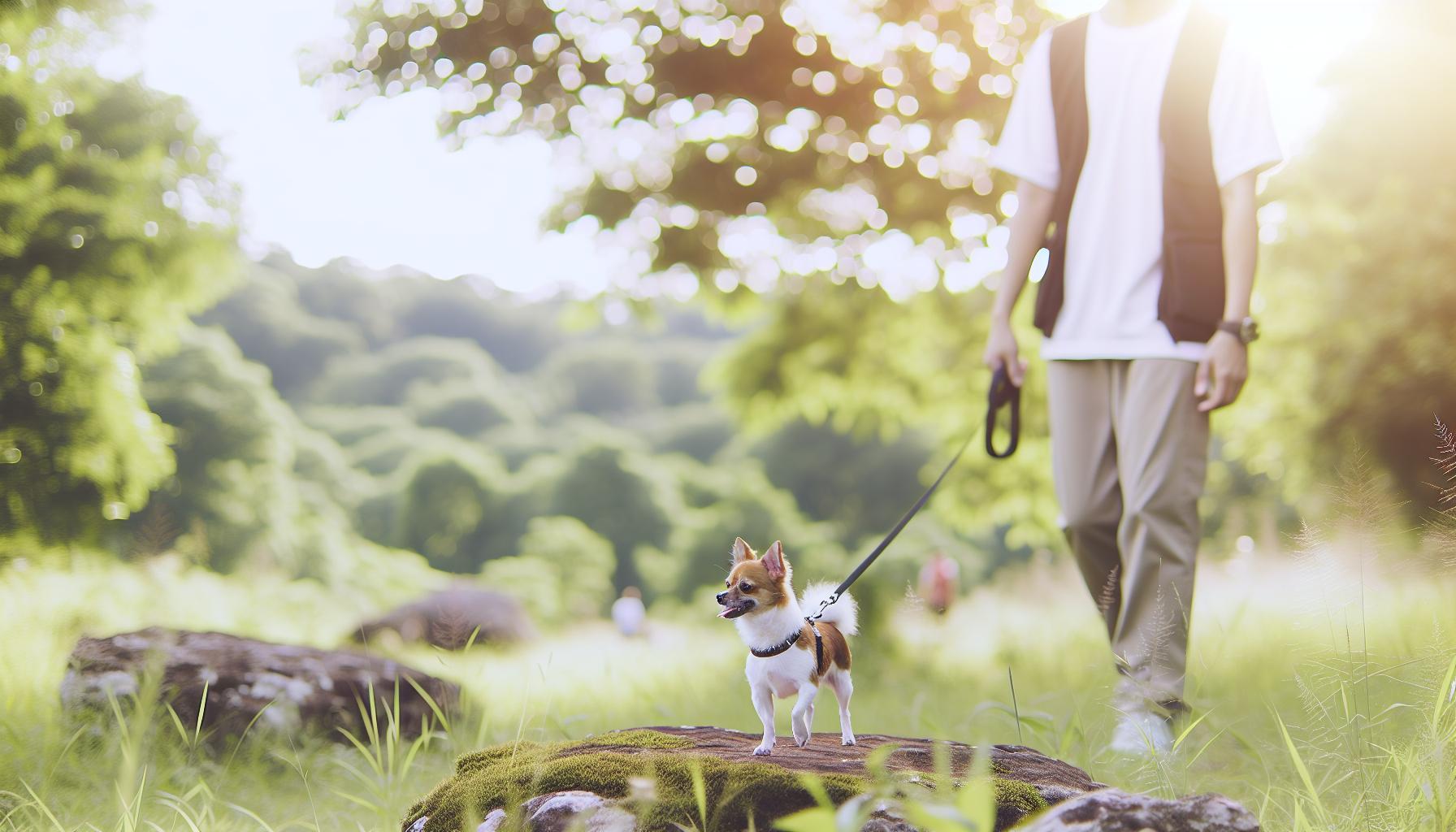
Daily exercise is essential for Chihuahuas to maintain their physical health and mental well-being. These tiny pups, with their big personalities, might seem low maintenance compared to larger breeds, but they have specific needs that require our attention. While a short dash around the living room can be enough to tire out some small dogs, Chihuahuas benefit from varied activities that stimulate both their bodies and minds.
Typically, aim for about 30 minutes of exercise each day, divided into multiple sessions. This can include brisk walks, playful fetch games, or even some time spent socializing with other dogs. Chihuahuas are naturally curious and love to explore new environments, so frequent visits to a dog park can provide them with ample opportunities to run and play-just make sure to supervise them closely, as their small size makes them vulnerable in rough play situations.
Tips for Exercising Your Chihuahua:
- Short Walks: Two walks of about 10-15 minutes each can effectively provide physical exercise. Just watch the weather; Chihuahuas are sensitive to cold.
- Indoor Play: If weather conditions are poor, engage them with toys that promote movement, such as wiggly plush toys or balls that squeak.
- Socialization: Arrange playdates with other small dogs. This not only helps to burn off energy but also improves social skills.
Despite their small stature, Chihuahuas are spirited and energetic, often exhibiting bursts of excitement that can catch you off guard. They love to run, jump, and, believe it or not, bark-it’s their way of expressing joy. As a Chihuahua owner, you’ll notice that regular exercise can help minimize behavioral issues like excessive barking or digging. Just like many other breeds, a tired Chihuahua is a well-behaved Chihuahua.
Remember, consistency is key! Building a routine around your Chihuahua’s exercise schedule not only keeps them happy and fit but also strengthens the bond between you. Embrace their quirks and energy; playtime can become a cherished part of your daily life together, making every walk or game an adventure to enjoy.
Diet Essentials: Feeding Your Chihuahua Right

Feeding your Chihuahua is about more than just filling a bowl; it’s an essential part of ensuring his overall health and happiness. These little dogs may be small in size, but they have a big appetite for life and need the right nutrition to support their spirited personalities. They can be prone to weight gain, so it’s vital to keep a close eye on their diet. Choosing high-quality, small-bite kibble specifically formulated for small breeds is a great starting point. These formulas typically contain balanced nutrients tailored for their unique metabolism and energy needs.
When considering portion sizes, it’s essential to follow the recommendations on the dog food packaging, but also to adjust based on your own Chihuahua’s activity level and body condition. Many owners find success by splitting the daily amount into two or three meals to help regulate energy levels throughout the day. For an active Chihuahua, feeding him about ¼ to ½ cup of kibble per day is often sufficient, but remember-every dog is unique, just like their needs.
Chihuahuas can also have specific dietary requirements based on their age and health conditions. For instance, if your Chihuahua is a senior or has particular health issues, consulting with your vet about a suitable diet is crucial. Ingredients such as high-quality proteins and healthy fats are beneficial. In some cases, incorporating wet food can enhance palatability and increase hydration, especially for those who might be picky eaters.
Fruits and Vegetables: Healthy Treats
Adding small pieces of safe fruits and vegetables can provide additional nutrients and variety. Consider offering slices of apple (without seeds), blueberries, or cooked carrots as treats. However, always introduce new foods gradually, watching for any adverse reactions.
The key to keeping your Chihuahua healthy and happy lies in understanding his specific dietary needs and maintaining a balanced approach. Avoid overindulging in treats-while it’s tempting to spoil your little companion, moderation is critical. With proper nutrition, your Chihuahua can lead a vibrant, energetic life, full of those delightful barks and boisterous antics that make having a Chihuahua such a joy.
Grooming Guidelines for Smooth and Long-Haired Chihuahuas
Grooming your Chihuahua is an essential part of keeping him healthy and happy, and it can be more straightforward than you might think, especially when you understand their specific needs. Both smooth and long-haired Chihuahuas require some grooming attention, but the frequency and techniques differ slightly. Regular grooming not only keeps their coat looking good but also helps to reduce shedding and prevent skin issues, which can be particularly important for a breed that is prone to certain skin sensitivities.
For smooth-coated Chihuahuas, a simple weekly brushing will suffice to remove loose hairs and stimulate the skin’s natural oils. Use a rubber grooming mitt or a soft-bristle brush to make the experience enjoyable for him. Chihuahuas love attention, so turning grooming into a bonding activity can help him associate it with positive experiences. Regular bathing every month or as needed-especially if he gets into something messy-will keep his coat in top condition. Always use a gentle dog shampoo to avoid skin irritation.
Long-haired Chihuahuas, on the other hand, require more frequent brushing-ideally two to three times a week-to prevent mats and tangles, particularly around the ears and chest. A slicker brush or a comb with wide teeth works well for this breed. Pay special attention to the underbelly and areas behind the ears, where tangling can occur more easily. Regularly trimming the hair around the paws also helps reduce dirt accumulation and maintain his neat appearance. You’ll want to bathe him every three to four weeks, using a conditioner designed for dogs to keep his coat soft and manageable.
Additional Grooming Tips
- Nail Care: Keep his nails trimmed to prevent discomfort when walking. A good rule of thumb is to trim them every 2-4 weeks.
- Dental Hygiene: Regular tooth brushing is crucial, as Chihuahuas are prone to dental issues. Aim for brushing several times a week.
- Ear Cleaning: Check his ears weekly for wax buildup and signs of infection. A cotton ball with a vet-recommended cleaner should suffice.
Ultimately, grooming your Chihuahua should feel more like a bonding routine than a chore. With their vibrant personalities and loving nature, they thrive on the attention and care you provide. The time you invest in grooming not only enhances his appearance but also strengthens the unique bond you share.
House Training Challenges and Solutions for Chihuahuas
While many owners might consider Chihuahuas to be low-maintenance companions, house training can present unique challenges due to their small size and specific personality traits. Chihuahuas are known for their stubbornness-an endearing quality for some but a real hurdle during potty training nonetheless. Understanding these challenges is essential for any owner, especially first-timers looking to foster a positive training experience.
Patience is key when house training a Chihuahua. Given their small bladders, they may require more frequent trips outside than larger breeds. As a rule of thumb, Chihuahuas can hold it for about one hour for every month of age they have reached, up to about 8-10 hours for adult dogs. This means a 1-year-old Chihuahua may need to relieve itself every 3-4 hours during the day.
Utilizing a consistent schedule for bathroom breaks can help. Taking your pup out first thing in the morning, after meals, and before bed can set a reliable routine. When you do take her outside, choose a specific spot where she can become familiarized with the scent. Always use positive reinforcement-praise her and offer treats when she has an accident outside. Celebrating these small victories fosters her desire to repeat the behavior.
If you face setbacks, don’t be discouraged. Accidents will happen, especially with such a tiny and spirited breed. It’s important to avoid punishment, as this may lead to fear rather than learning. Instead, if she has an accident inside, clean the area thoroughly to remove the scent, then take her outside immediately. You might also consider using a crate, as Chihuahuas typically prefer not to soil their sleeping area, which can encourage them to hold it until they are let outside.
Ultimately, with consistent training methods and lots of love, you’ll find that your Chihuahua can be successfully house trained, paving the way for a happy and healthy companionship.
Behavioral Traits: What Makes Chihuahuas Special?
Chihuahuas are known for their distinctive personality traits, making them truly one-of-a-kind companions. With their bold demeanor and vibrant energy, these little dogs often believe they are much larger than their size suggests. They possess a unique blend of confidence and loyalty, often forming an intense bond with their owners that can be both heartwarming and humorous.
One notable trait of Chihuahuas is their vocal nature. They are often referred to as “little watchdogs” because they will alert you to any unusual sounds or visitors, no matter how minor. This tendency to bark can be endearing, but it’s important for owners to provide training to help manage excessive barking. Positive reinforcement strategies, such as rewarding quiet behavior, can go a long way in training your Chihuahua to be a more serene companion.
In addition to their vocalizations, Chihuahuas are incredibly social and thrive on human interaction. They thrive in environments where they receive plenty of affection and attention. It’s not uncommon for a Chihuahua to follow their owner from room to room or demand lap time, ensuring they are always near their favorite human. This affectionate nature makes them excellent companions, particularly for those who appreciate a dog that likes to be involved in daily activities.
Their intelligence is also a double-edged sword. Chihuahuas are quick learners and can master commands and tricks with relative ease, but they also possess a streak of independence and stubbornness. This means that while they can be trained effectively, patience and consistency are key. Incorporating play into training can keep them engaged and make learning more enjoyable for both of you.
When considering care requirements, it’s essential to account for their unique behavioral quirks. Regular socialization and mental stimulation will keep your Chihuahua happy and well-adjusted. Engaging them in playdates with other small dogs or introducing them to family members can help curb any territorial tendencies and foster a friendly demeanor. Balancing their strong personality with appropriate training and socialization techniques will lead to a harmonious and fulfilling relationship.
Socialization Tips for a Well-Adjusted Chihuahua
Chihuahuas are small in stature but big in personality! A well-socialized Chihuahua is not just easier to manage; he’s also a happier, more well-rounded companion. Early and consistent socialization is crucial for both first-time and seasoned Chihuahua owners to ensure their little friend grows up to be confident and well-adjusted. Whether your pup is an apple-head or a deer-head, understanding how to effectively socialize him can help mitigate behavioral issues that arise from fearfulness or overprotectiveness.
Start by exposing your Chihuahua to a variety of experiences. Positive introductions to new people, environments, and other animals can help lay a strong social foundation. Consider enrolling in puppy classes or taking him to doggy daycare, where he can interact with other dogs in a controlled environment. This can be particularly beneficial as Chihuahuas often have a tendency to be territorial or possessive. Remember to monitor interactions closely; a nervous Chihuahua should never be forced into social situations but gently encouraged.
To make socialization positive, use a mix of treats and praise. When your Chihuahua encounters something new, offer him a favorite snack, coupled with gentle praise. For example, if he bravely meets a new friend or explores a strange park, reward him immediately. This association strengthens his confidence and reinforces good behavior. As you incorporate these new experiences consistently, it will help him learn that the world is a safe place.
Creating regular opportunities for social interaction within your home can also be advantageous. Inviting friends over, or organizing playdates with other small breed dogs can help him practice his social skills in a familiar environment. Additionally, you might want to expose him to different types of settings such as bustling cafes or calm parks. Each experience contributes to his ability to handle various situations gracefully, turning potential shy or aggressive reactions into confident interactions.
Ultimately, ongoing socialization is key. Even as adults, Chihuahuas need continued engagement with both people and other pets. Regular outings and the introduction of new activities will not only keep his social skills sharp but also help to satisfy his curious mind and energetic spirit. Taking the time to nurture these social connections will lead to a more balanced and joyful life for both of you!
Common Health Issues in Chihuahuas: Prevention and Care
Chihuahuas, while petite and often perceived as low maintenance, can face several unique health challenges that require proactive care and attention. Understanding these common issues is crucial for any owner committed to providing a happy, healthy life for their furry friend. Some notable health concerns for Chihuahuas include dental problems, heart diseases, and patellar luxation, each demanding a tailored approach for prevention and management.
Dental Health Challenges
Chihuahuas are particularly prone to dental issues due to their small mouths and compact jaws. They often accumulate plaque and tartar, leading to periodontal disease. Regular dental cleanings are essential, both at home and through professional veterinary care. Consider incorporating dental chews designed specifically for small breeds into your Chihuahua’s diet, as they can help reduce plaque buildup while also satisfying your dog’s natural urge to chew. Daily brushing, if possible, should also be part of your routine; it not only enhances your pup’s breath but can drastically improve their overall dental health.
Heart Health Monitoring
As they age, many Chihuahuas develop heart problems, particularly mitral valve disease. Regular vet check-ups, including listening to your dog’s heart and possibly performing diagnostic tests, are crucial for early detection. Keeping your Chihuahua at a healthy weight through proper diet and exercise is vital for heart health. If you notice symptoms such as coughing, difficulty breathing, or lethargy, seek veterinary advice immediately. A proactive approach can lead to better quality of life for your little companion.
Patellar Luxation and Joint Care
Patellar luxation, or dislocation of the kneecap, is another common issue in this breed, especially in active Chihuahuas. Maintaining a healthy weight is essential to reduce stress on their joints. Choose high-quality dog food and ensure regular, moderate exercise without overexerting him. If your Chihuahua seems to be limping or holds his leg up, it’s important to consult a veterinarian promptly to discuss treatment options, which may include lifestyle changes or surgical corrections in severe cases.
In caring for Chihuahuas, staying informed about these health issues lays the groundwork for prevention and successful management. Regular vet visits, a balanced diet, dental care, and appropriate exercise not only tackle these common health concerns but also contribute significantly to your Chihuahua’s long-term wellbeing. Every small effort counts in ensuring that your tiny dynamo remains happy, vibrant, and healthy.
Traveling with Your Chihuahua: Tips for Smooth Adventures
Traveling with your Chihuahua can be an incredibly rewarding experience, filled with adventures and precious memories together. However, to ensure a smooth outing, a little planning is required. Chihuahuas, with their big personalities in tiny frames, can handle travel well, but keeping their comfort and safety in mind is paramount. Since they can be prone to anxiety, especially in new environments, preparation is key.
Start by ensuring your Chihuahua is comfortable in a secure carrier. Choose one that is well-ventilated, spacious enough for him to move around, and lined with her favorite blanket to make it feel like home. Familiar smells can be incredibly reassuring. If your Chihuahua isn’t used to the carrier, take some time ahead of the trip to acclimate him. Leave the carrier open in your home and encourage him to explore it by placing treats inside. This will help create positive associations.
When planning your travel route, factor in regular breaks. Chihuahuas have small bladders and need to relieve themselves more often than larger breeds. Stop every couple of hours to let him stretch his legs and take a bathroom break. If you’re traveling by car, always ensure he wears a safety harness or is secured in his carrier to prevent any risky situations. Keeping a travel bag stocked with essentials like water, his favorite toys, and a travel bowl can make stops easier and more enjoyable.
Moreover, consider your destination’s pet policies and pack accordingly. Whether you’re headed to a pet-friendly hotel or a family member’s house, confirm that dogs are welcome. Bring along his bedding, food, and any medications he may need. If you’re going somewhere warm, be cautious about the temperature; Chihuahuas can easily get overheated due to their small size. Hydration is essential, so offer him water often and never leave him in a parked car, as temperatures can rise quickly.
Lastly, embrace the delight of traveling together! Many Chihuahuas enjoy exploring new sights and sounds, so take the opportunity to let him meet new friends and experience the world around him. Just remember to stick to his routine as much as possible. Routine helps her feel secure, even in unfamiliar settings. Traveling with your little companion can be an adventure you both cherish-just keep her needs in mind, and you’ll create unforgettable memories.
Building a Strong Bond with Your Chihuahua
To forge a deep connection with your Chihuahua, understanding their unique needs and personalities is essential. Known for their bold personalities packed into a tiny frame, Chihuahuas are not just low-maintenance pets; they thrive on strong relationships filled with love and attention. Establishing this bond can be as simple as recognizing their quirks and giving them the attention they crave.
Chihuahuas are incredibly loyal and often form strong attachments to their owners. This bond can be nurtured through consistent daily interactions. Spend time playing with your Chihuahua, whether it’s chasing a toy or engaging in a brief training session. Positive reinforcement, such as treats and praises, not only helps in training but also strengthens your relationship. For example, many owners of apple-headed Chihuahuas find that simple commands lead to delightful bonding moments, as their dogs proudly show off their newfound skills.
Another essential aspect of bonding is the comfort of presence. Chihuahuas are sensitive and can become anxious when left alone. To alleviate this, try playing soothing music during your absence and designating a cozy space with their favorite blanket where they can feel secure. Engaging them in interactive toys while you work can also keep their minds stimulated and reinforce your connection. Remember, Chihuahuas often like to be close to their humans, so don’t hesitate to invite them onto the couch or bed; this physical closeness can help them feel truly loved.
Lastly, regular grooming sessions can serve as both practical care and a bonding experience. Whether your Chihuahua has smooth or long hair, gentle brushing can be a relaxing activity for both of you. Not only does grooming keep their coat healthy, but it also allows you to check for any unusual bumps or issues, emphasizing your role as their caregiver. Through shared experiences and attentive care, your relationship with your Chihuahua will flourish, ensuring a lifetime of loyalty and affection from your little buddy.
Practical Tips for First-Time Chihuahua Owners
As you embark on the exciting journey of being a Chihuahua owner, it’s important to remember that while these cute little companions may seem low maintenance due to their size, they have unique needs and personalities that require your attention and care. Chihuahuas are not just tiny pups; they are bold and spirited, brimming with character. Here are some practical tips to help you navigate the early days of ownership and foster a loving environment for your new furry friend.
Get Acquainted with Their Unique Personality
Chihuahuas tend to be strong-willed and can exhibit a feisty demeanor. Understanding that your Chihuahua may be vocal, prone to barking at unfamiliar noises, or protective of their space will help you manage their behavior effectively. For instance, using positive reinforcement-like treats or praise-when they remain calm in new situations can significantly reduce excessive barking and build their confidence.
Daily Routine: Consistency is Key
Establishing a daily routine can make a world of difference for your Chihuahua’s well-being. They thrive on stability, so keep feeding times, walks, and play sessions at similar times each day. Aim for short but frequent walks-10 to 20 minutes is often sufficient for their exercise needs, depending on their energy levels. Incorporating some playtime with their favorite toys can further aid in keeping them mentally stimulated.
Diet and Health Considerations
When it comes to diet, remember that Chihuahuas have small stomachs but can often be prone to obesity. Choosing high-quality dog food specifically formulated for small breeds will provide them with the necessary nutrients without overwhelming them with excessive portions. Consult your vet to determine the best feeding schedule and portion size based on your Chihuahua’s age, weight, and activity level.
Grooming Tips
Chihuahuas come in both smooth and long-haired varieties, but regardless of their coat type, regular grooming is important. For smooth-coated Chihuahuas, weekly brushing will keep their skin healthy and coat shiny. If you have a long-haired companion, daily brushing can help prevent tangles and matting. Grooming sessions can double as bonding time, so use this opportunity to check for any lumps or skin issues, and shower them with affection.
By following these tips and embracing the quirks of your little buddy, you can ensure a smooth adjustment period for both you and your Chihuahua. Remember, it’s about building a strong, trusting relationship through care, understanding, and of course, plenty of love!
Faq
Q: Are Chihuahuas easy to train?
A: Chihuahuas can be trained, but it requires patience. Their strong personalities may lead to stubbornness. Positive reinforcement methods work best, along with short, engaging training sessions. Frequent socialization, as covered in “Socialization Tips for a Well-Adjusted Chihuahua,” helps develop their training responsiveness.
Q: How much attention do Chihuahuas need daily?
A: Chihuahuas thrive on attention and companionship. They need around 30-60 minutes of quality interaction and playtime each day. Regular bonding activities not only fulfill their social needs but also strengthen your relationship, as discussed in “Building a Strong Bond with Your Chihuahua.”
Q: What kind of health care do Chihuahuas require?
A: Chihuahuas need routine veterinary care to ensure their health. Regular check-ups, vaccinations, and dental care are critical due to their susceptibility to certain health issues, as highlighted in “Common Health Issues in Chihuahuas: Prevention and Care.”
Q: Are Chihuahuas hypoallergenic?
A: Chihuahuas are not considered hypoallergenic. They can produce allergens, which may trigger reactions in sensitive individuals. However, their low grooming needs help minimize shedding, making them manageable for some allergy sufferers.
Q: Do Chihuahuas get along with other pets?
A: Chihuahuas can get along with other pets, but early socialization is key. Introducing them gradually to other animals helps ease potential conflicts. Follow the tips in “Socialization Tips for a Well-Adjusted Chihuahua” for a smoother integration.
Q: What should I consider before adopting a Chihuahua?
A: Before adopting a Chihuahua, consider their unique needs. They require a lot of attention and interaction. Understanding their health requirements and grooming needs, as well as assessing your living situation, is important for a happy companionship.
Q: How can I tell if my Chihuahua is healthy?
A: A healthy Chihuahua is active, maintains a good appetite, and exhibits normal behavior. Regular veterinary check-ups and monitoring for any changes in behavior or physical condition are essential to identify potential health issues early.
Q: Can Chihuahuas be left alone for long periods?
A: Chihuahuas shouldn’t be left alone for too long. They are social creatures and may experience separation anxiety. Aim for a maximum of 4-6 hours alone, and consider pet sitters or playdates if you need to be away longer for optimal well-being.
Key Takeaways
In conclusion, while Chihuahuas are often seen as low maintenance due to their size, they do require specific care to thrive. With proper attention to their health, nutrition, and unique behavioral traits, you’ll find they’re incredibly loyal companions that bring joy to your life. If you’re a first-time owner or considering adding a Chihuahua to your family, remember to explore our resources on Chihuahua training techniques and essential health tips for your new friend.
Ready to dive deeper into the world of Chihuahuas? Check out our articles on understanding your Chihuahua’s needs and the best health practices for small breeds. Share your experiences in the comments below or subscribe to our newsletter for more tips tailored to Chihuahua lovers like you. Embrace the quirks of your bold little companion and start building a lifelong bond today!
Get our latest guides, news, and insights highlighted in your Google Search & AI Overviews.