

Did you know that Chihuahuas come in a fascinating variety of shapes, sizes, and personalities? As one of the smallest dog breeds, they pack an incredible amount of character into their tiny frames. Whether you’re a first-time owner or a seasoned Chihuahua enthusiast, understanding the different types of Chihuahuas-like the charming apple-head and the adorable deer-head-can enrich your relationship with your furry companion. This guide delves into the various Chihuahua varieties, highlighting their unique traits, care needs, and quirks. You’ll discover which type might be the perfect fit for your lifestyle while celebrating what makes this breed so special. Join us on this journey to uncover the wonderful world of Chihuahuas and embrace all the joy they bring into our lives!
Types of Chihuahuas: An Overview for Owners
Chihuahuas are a delightful breed known for their bold personalities and unwavering loyalty, but did you know there are distinctive types within this tiny treasure? Understanding the different varieties can enhance your experience as a Chihuahua owner, whether you’re bringing home your first furry friend or adding to your beloved pack.
Chihuahuas can primarily be categorized into two head shapes: the apple head and the deer head. The apple head Chihuahua has a rounder skull with a more pronounced forehead, creating that classic cute look many adore. They’re often small with a compact body and are known for their lively personalities. On the other hand, the deer head variety sports a longer snout and a flatter skull, resembling a miniature version of their larger canine relatives. This type usually has a taller stature and a more elegant appearance, bringing their own unique charm to the breed.
When it comes to size, Chihuahuas typically weigh between 2 to 6 pounds, making them one of the smallest dog breeds. Their petite size doesn’t hinder their spirits; they can be spirited and feisty. Furthermore, you may encounter variations like the teacup Chihuahua, which is even smaller and often subject to concerns about health and care due to their tiny stature. Owners need to be especially vigilant about their well-being.
In addition to size and head shape, coat types emerge as a significant differentiation among Chihuahuas. They can have either short coat, which is easier to groom, or long coat, which may require additional brushing to prevent matting. Both coats come in an array of colors, patterns, and combinations, allowing owners to choose one that matches their taste.
Understanding these types of Chihuahuas not only helps in recognizing their physical traits but also offers insights into their behaviors and care needs. Regardless of the type, what remains constant is the joy they bring into our lives with their unique quirks and affectionate nature. So, whether you’re captivated by the apple head’s cuteness or the elegance of the deer head, rest assured that you’ll find a loyal companion that will charm your heart!
Understanding Chihuahua Size Variations
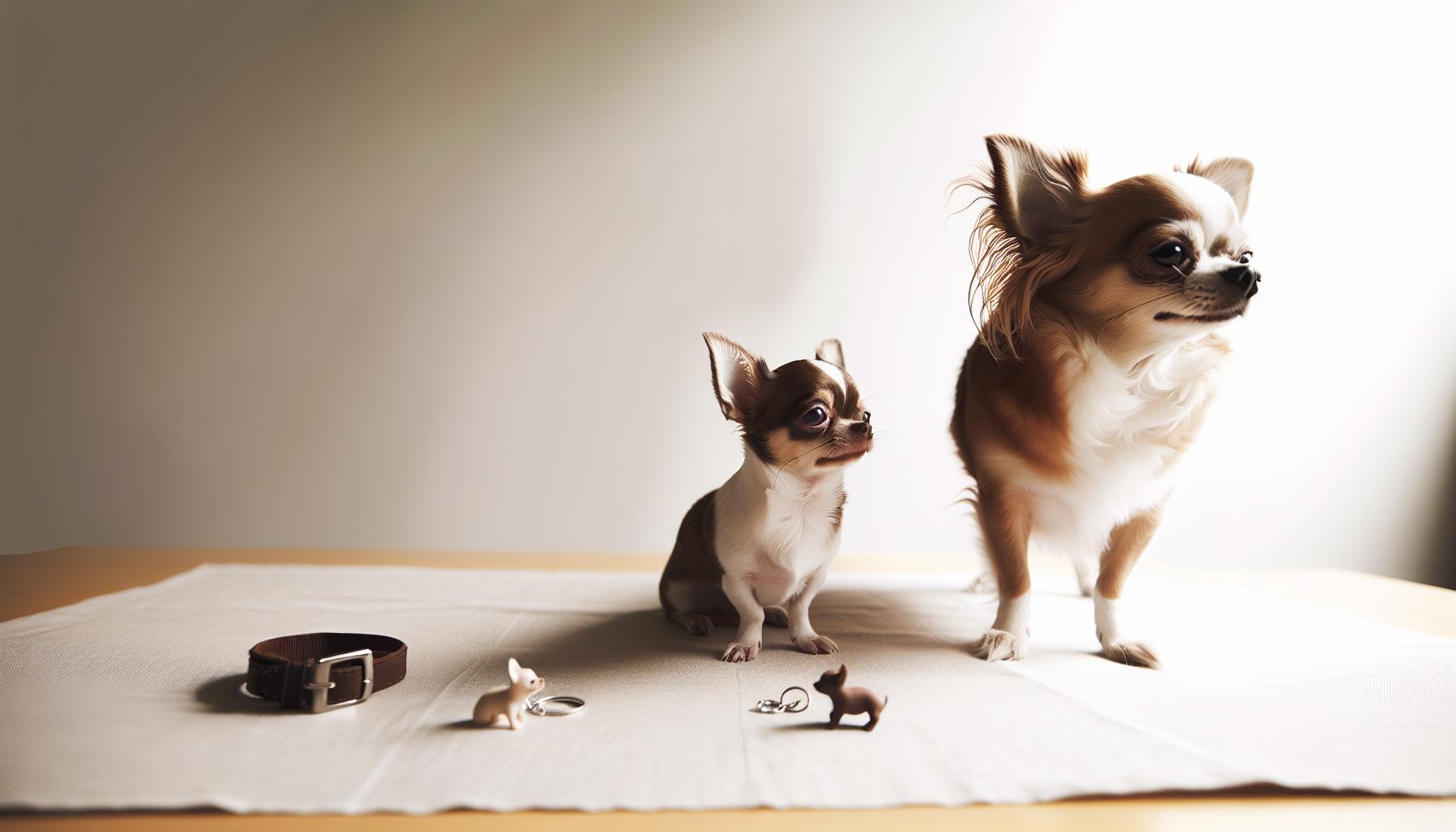
Chihuahuas come in various sizes, making them a unique and endearing breed. Their small stature is one of their most charming traits, but it can also lead to specific challenges and considerations that owners should be aware of. Generally, Chihuahuas weigh between 2 to 6 pounds, but size can vary significantly due to breeding practices, which gives rise to different Chihuahua variations, including the popular teacup size.
Teacup Chihuahuas, often weighing less than 2 pounds, are particularly fragile. Owners of these tiny pups must be mindful of their health and care needs, as their delicate frame makes them prone to injuries and health issues. For instance, a teacup Chihuahua may face challenges such as hypoglycemia and heart problems that larger Chihuahuas are less likely to encounter. Hence, it’s vital for potential owners to weigh the allure of this miniature version against the extra care they demand.
In addition to the general weight range, the body structure and bone density can influence how a Chihuahua fits into a household. A shorter, stockier Chihuahua might have a more robust build and tend to be bolder, while a slimmer, more elegant Chihuahua may showcase a different personality but still embody the breed’s characteristic sassiness. Understanding these distinctions helps in choosing the right Chihuahua that fits your lifestyle.
Ultimately, when considering a Chihuahua, weighing the size against your living situation, lifestyle, and readiness to accommodate their specific needs is essential. Regular veterinary check-ups, a nutritious diet, and a safe environment are crucial for maintaining their health, especially in the smaller varieties. Whatever size you choose, these little companions are sure to fill your life with joy, loyalty, and lots of personality!
Exploring Chihuahua Coat Types and Patterns
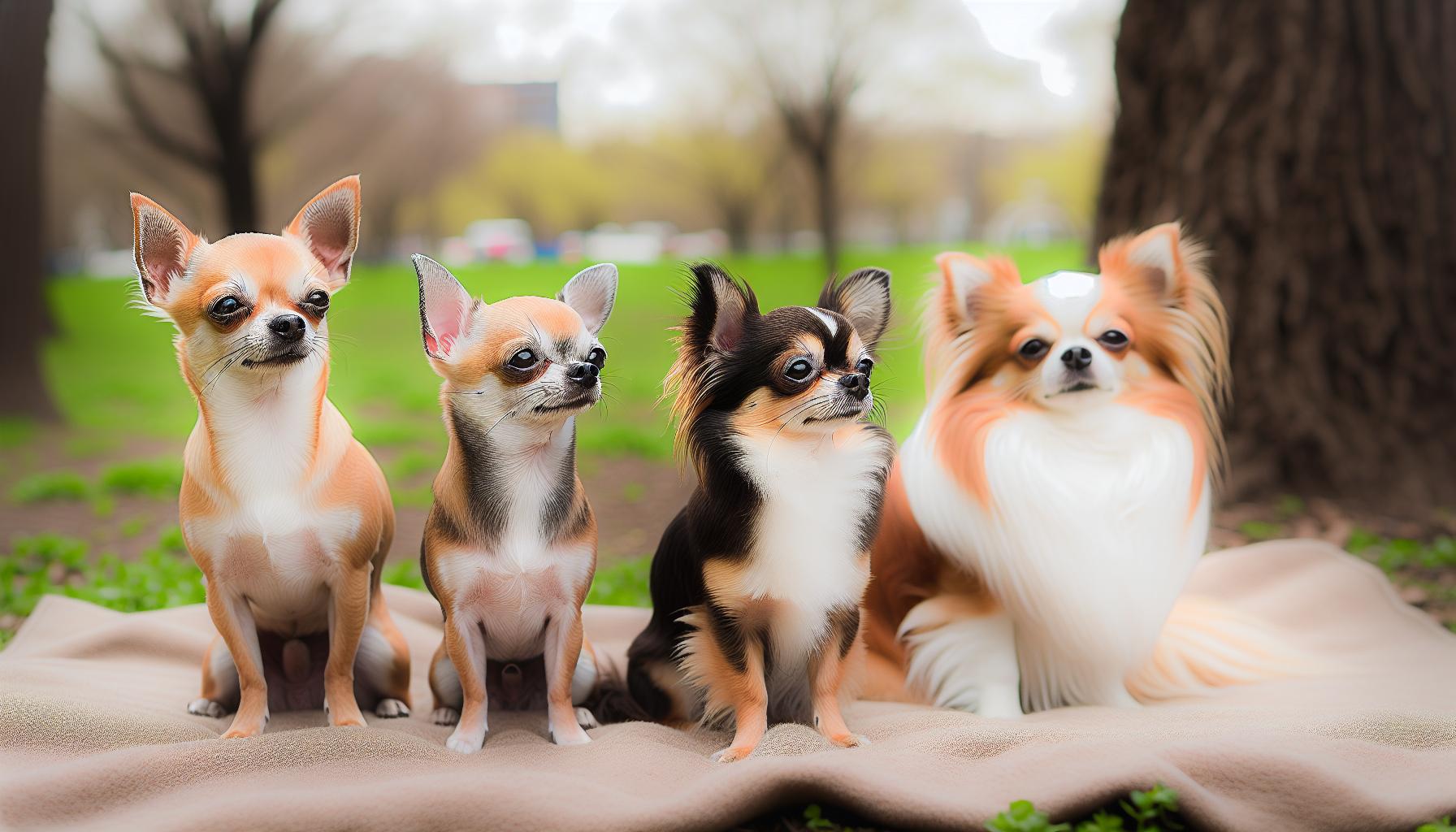
Chihuahuas are not just beloved for their spunky personalities but also for their charming and diverse coat types. Whether you’re choosing a furry friend or you already have one by your side, understanding the variations in coat types can enhance your care routine and help you appreciate the breed even more. Chihuahuas typically fall into two major categories based on their coat lengths: smooth coat and long coat.
Smooth Coat
Smooth-coated Chihuahuas have short, sleek fur that lies flat against the body. This type is often easier to groom, requiring only minimal brushing to keep their coat healthy. They come in a wide range of colors and patterns, including:
- Solid: One uniform color throughout the coat, such as fawn, black, or chocolate.
- Brindle: A mix of light and dark stripes, giving them a unique appearance.
- Spotted: A base color with distinct patches or spots of another color.
- Chocolate or Blue: Less common colors that are often highly sought after.
Owners like Jane, who has a smooth-coated fawn Chihuahua named Bella, often rave about how easy it is to maintain her coat, with a simple wipe down needed to keep her looking her best.
Long Coat
Long-coated Chihuahuas, on the other hand, boast luscious, flowing fur that can require more grooming and care. Their coat can be soft and feathered, creating a luxurious feel. Long coats can also exhibit various patterns and colors, with some of the common varieties being:
- Solid: Just like their smooth counterparts, solid colors can be stunning.
- Masked: Featuring a darker mask around the face, adding an element of charm.
- Parti-color: Two or more distinct colors, often with white.
- Merle: A marbled coloration that displays a blend of colors and is truly captivating.
Tom, another Chihuahua owner, shares his experiences grooming his long-coated pup, Max. He emphasizes the importance of regular brushing to prevent matting and tangles, especially as Max loves to play outside and explore.
Caring for Coats
Regardless of coat type, both smooth and long-coated Chihuahuas can benefit from quality nutrition and routine care. Here are some practical tips for maintaining coat health:
- Regular brushing: Smooth coats may need brushing once a week, while long coats might require daily brushing.
- Bathing: Use dog-specific shampoo and maintain a consistent bathing schedule, usually every 4-6 weeks.
- Check for skin issues: Regularly inspect their skin for any signs of irritation or parasites.
By understanding these coat types, you can better cater to your Chihuahua’s needs, ensuring they remain both happy and healthy. Whether they boast a shiny smooth coat or a luxurious long coat, each Chihuahua’s unique appearance is a testament to the breed’s charm and diversity.
Behavioral Traits of Different Chihuahua Types
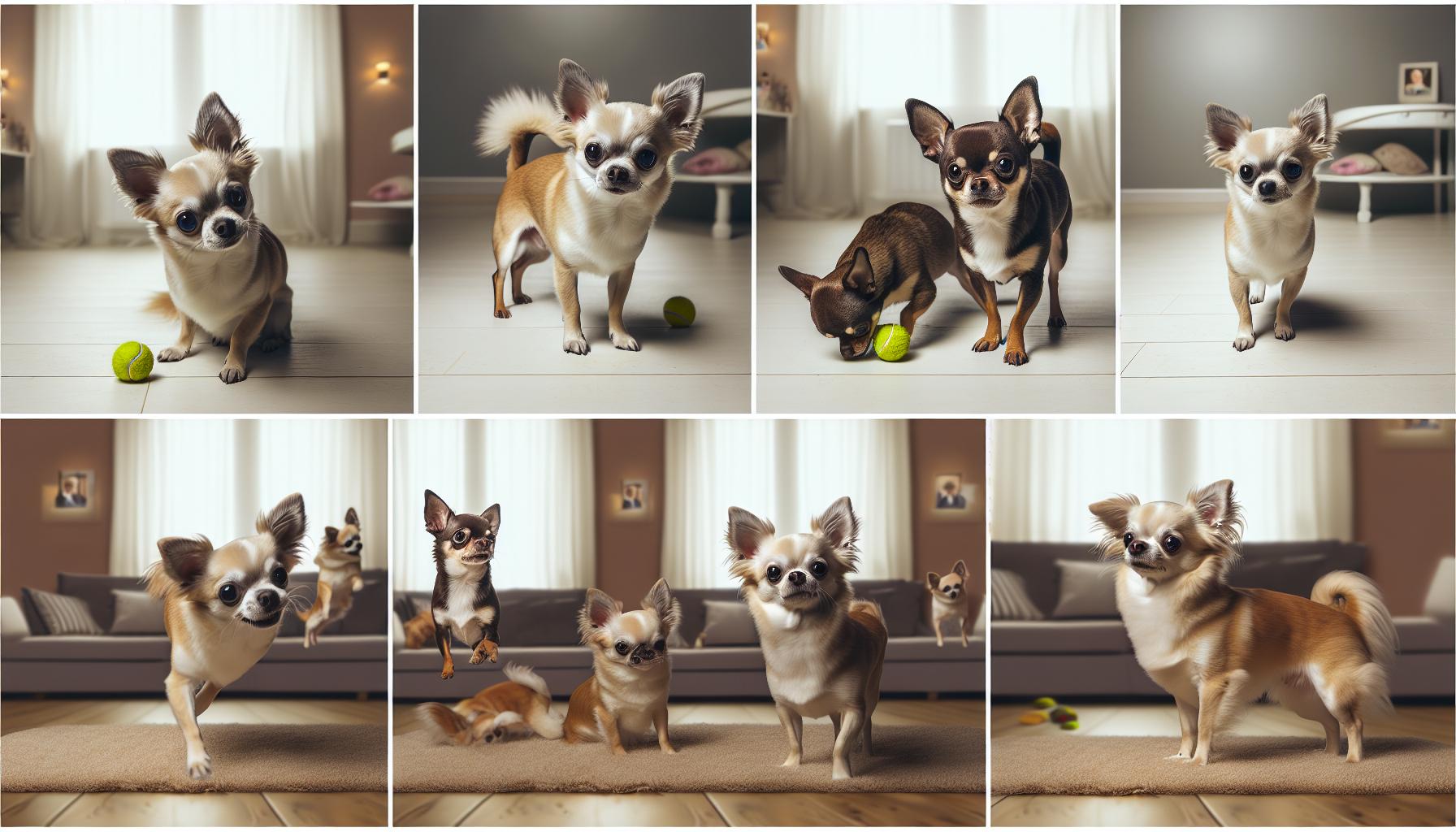
Chihuahuas are not just tiny companions; they are a blend of vibrant personalities and behaviors that can vary significantly across different types and coat lengths. Understanding these behavioral traits can help you connect better with your Chihuahua and provide the care they need. Chihuahuas, regardless of their physical appearance, often share core behavioral characteristics, but nuances exist that can depend on their lineage and upbringing.
One of the most notable traits of Chihuahuas is their boldness. Despite their small stature, many Chihuahuas act as if they own the world, often exhibiting a fearless demeanor. For instance, an owner named Sarah has an apple-head Chihuahua named Coco, who, despite being the smallest dog in the park, barks excitedly at much larger breeds, showcasing her confidence. This endearing boldness means that Chihuahuas thrive in environments where they feel secure and confident, which can be nurtured through positive reinforcement and socialization.
Vocalization is another hallmark of the breed. Many Chihuahuas are known for their tendency to bark frequently, signaling their opinions about any perceived threats or changes in their environment. This characteristic can vary by individual-some are more vocal than others, influenced by factors such as personality and early training. Owners like Mark, who has a long-coat Chihuahua named Bella, often find that consistent training can help curb excessive barking, although it’s important to remember that some vocalization is part of their charm.
Affectionate and loyal, Chihuahuas typically form strong bonds with their owners, displaying a fierce loyalty that can be endearing but also sometimes clingy. This trait is particularly pronounced in Chihuahuas that receive plenty of love and attention from their families. For example, Emily’s smooth-coated Chihuahua, Max, follows her everywhere, refusing to be left alone, which is quite common in the breed. Such attachment can be a double-edged sword, as it makes them wonderful companions but can lead to separation anxiety if not managed well.
In terms of their intelligence, Chihuahuas are quick learners but can also exhibit a stubborn streak. Patience and consistency are key in training, as they thrive on positive reinforcement methods. Their size and cleverness allow them to perform tricks and learn commands effectively, though the training might require more effort for those with a more independent streak. For instance, Rachel found that her long-coated pooch, Daisy, responded well to clicker training, showcasing the breed’s aptitude for learning when approached correctly.
Overall, the behavioral characteristics of Chihuahuas are more than just quirks-they reflect the breed’s rich history and its adaptive nature as companions. By understanding these traits, you can create an environment that caters to their needs and enhances your relationship, ensuring your Chihuahua flourishes in your home.
Caring for Your Chihuahua: Breed-Specific Tips
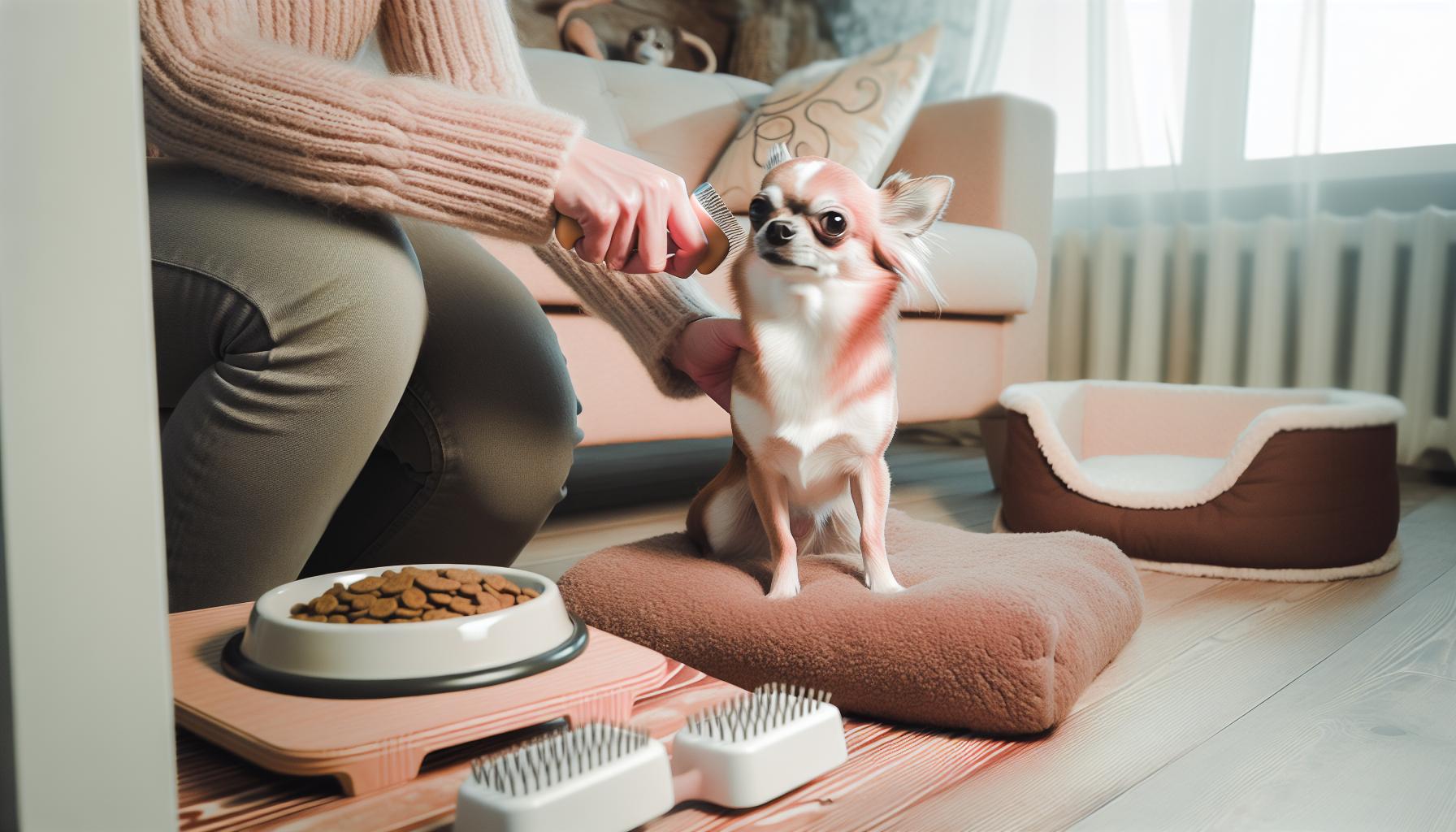
Chihuahuas are not only tiny companions but also uniquely spirited individuals that require special attention to thrive. From their diet to their daily routines, understanding the specific needs of your Chihuahua can significantly improve their well-being and strengthen your bond. As a proud owner of this delightful breed, you’ll want to ensure that your little friend feels secure, loved, and happy.
One of the most crucial aspects of caring for Chihuahuas involves their diet. Due to their small size, they need a high-quality, high-nutrient diet that matches their energy levels. Many owners prefer premium kibble designed for small breeds, which offers balanced nutrition. For a more personalized approach, consider consulting with a veterinarian to create a tailored meal plan based on your Chihuahua’s age, weight, and health needs. Remember, portion control is key. Overfeeding can lead to obesity, which is a common issue in Chihuahuas.
Another important care aspect is their exercise needs. While Chihuahuas are small, they have a lot of energy packed into their tiny frames. Daily walks, playtime, and mental stimulation are essential for their happiness. Even simple games like fetch or hide-and-seek can keep them engaged. For example, Laura, who owns a long-coat Chihuahua named Pippa, finds that mixing short walks with interactive play enhances Pippa’s mood and keeps her fit.
Health and Grooming
Keeping your Chihuahua healthy also involves regular vet check-ups. These appointments help monitor their health and catch any potential issues early. Common problems in Chihuahuas include dental issues and heart disease, so maintaining good dental hygiene with regular tooth brushing and providing dental chews can be beneficial. Additionally, staying up-to-date on vaccinations is crucial for your Chihuahua’s overall health.
Grooming is another key aspect that varies depending on your Chihuahua’s coat type. Smooth coat Chihuahuas require less grooming than their long-coat counterparts; however, both types benefit from regular brushing sessions to minimize shedding and keep their coats healthy. If you own a fluffy apple-head Chihuahua like Tanya, who has Izzy, you’ll find that these grooming sessions can be a great bonding experience, allowing you to check for any unusual lumps or skin issues as you groom.
By understanding these breed-specific tips and incorporating them into your daily routine, you can ensure your Chihuahua lives a happy and healthy life. Each little quirk and personality trait makes them unique, and by addressing their needs with love and attention, you create a joyful and fulfilling environment for both of you.
Common Health Issues in Various Chihuahua Varieties
Chihuahuas, with their tiny frames and vibrant personalities, can face a range of health issues that vary by variety, but understanding these can significantly enhance your pup’s well-being. Interestingly, despite their small size, Chihuahuas are susceptible to some serious conditions that can affect their quality of life. As a dedicated owner, familiarizing yourself with these health concerns equips you to better care for your cheerful companion.
One of the most common health problems in Chihuahuas is dental issues, due in part to their small mouths. Many owners, like Sarah, who has a long-coat Chihuahua named Bella, have found that regular dental cleanings and at-home brushing are essential. Small breeds often struggle with dental disease, so it’s important to maintain a routine for brushing and provide dental treats to help keep their teeth healthy. Additionally, heart disease, particularly mitral valve disease, is prevalent among this breed. Regular veterinary check-ups are crucial for early detection and management of heart conditions, ensuring that your Chihuahua remains active and playful for years.
Aside from dental and heart problems, luxating patella-where the kneecap dislocates-can also impact Chihuahuas. This condition can manifest as limping or an unusual way of walking when your pup is excited or stressed. Regular vet visits can help monitor joint health, especially for Chihuahuas who are active. Moreover, obesity is another significant concern, as these dogs can easily gain weight, leading to health complications. For effective weight management, first-time owners often learn the importance of portion control and consistent exercise routines to keep their Chihuahuas fit and agile.
Owners of long-coat Chihuahuas should also be aware of skin allergies and irritations, which can arise from environmental factors or food sensitivities. Things like grooming allergies or exposure to certain grasses can lead to itching and discomfort. Incorporating regular grooming sessions not only helps manage shedding but also allows you to inspect your dog’s skin for any signs of issues. As Tanya, who cares for a fluffy apple-head Chihuahua, shares, these grooming moments can turn into bonding experiences and an opportunity to check for any unusual bumps or irritations.
By paying attention to these common health issues, you can create a supportive environment for your Chihuahua where early detection and proactive care are prioritized. Engaging with your Chihuahua, whether through playtime, exercise, or grooming, enhances not only their well-being but also strengthens the special bond you share.
Training Techniques for Different Chihuahua Personalities
Chihuahuas are not just small; they pack a big personality that varies greatly among individual dogs. Understanding these personality traits is crucial when it comes to training. For instance, the feisty nature of a smooth-coat Chihuahua may require different techniques compared to the gentler demeanor often found in a long-coat variety. Recognizing your Chihuahua’s unique personality will help you tailor your training approach effectively.
To start, positive reinforcement is key for encouraging desired behaviors. Chihuahuas respond well to treats, praises, and playtime as rewards. If you have a spirited apple-head Chihuahua, she might thrive on enthusiastic praise after mastering a trick, while a calmer, more reserved deer-head might need a gentler approach. Here are some specific techniques that cater to various types:
Training Tips for Different Personalities
- Energetic Chihuahuas: For the lively types, frequent short training sessions work wonders. Their attention spans may be limited, so keep training sessions brisk and fun, incorporating games like fetch to build focus.
- Shy Chihuahuas: A shy Chihuahua might require a more patient and gentle approach. Use soothing tones and give her time to warm up to new commands or environments. Gradually introduce distractions during training to help her build confidence.
- Vocal Chihuahuas: Many Chihuahuas are quite vocal, often barking to express themselves. Teach them the “quiet” command using a mild distraction. Reward them for stop barking, reinforcing that calm behavior is both recognized and appreciated.
- Independent Thinkers: Some Chihuahuas can be stubborn. For these personalities, try offering choices during training. Rather than simply commanding them to perform a trick, let them decide between two behaviors, which can make them feel more in control.
Patience and consistency are your best friends when training any Chihuahua. You’ll often hear that Chihuahuas train their owners just as much as we train them, and it’s true! Setting boundaries and being consistent in your expectations will help establish a strong foundation for good behavior. A well-structured training regimen not only teaches good habits but also strengthens the bond between you and your tiny companion.
Real-life examples can illuminate these techniques further. Consider Maria, who has a spirited brown long-coat Chihuahua named Coco. Maria finds that incorporating agility exercises keeps Coco engaged, turning training into a playful adventure. Another owner, Dave, has a shy apple-head Chihuahua named Bella. He focused on slow introductions to new experiences, which helped Bella trust him and gradually build confidence in social settings.
By embracing the diverse personalities of Chihuahuas, you can create training experiences that are enjoyable and effective for both you and your furry friend. Whether your Chihuahua is a bold little explorer or a delicate sweetheart, there’s a training style that will resonate with her unique spirit.
Choosing the Right Chihuahua for Your Lifestyle
Choosing a Chihuahua can be one of the most delightful decisions in your life, as these small dogs bring immense joy and personality into any home. However, their unique qualities can also shape how well they fit into your lifestyle. Understanding what each type of Chihuahua offers and how to align that with your needs is crucial for a happy companionship.
Consider the energy levels of the Chihuahuas you’re interested in. For example, apple-head Chihuahuas are known for their spirited, lively nature. They thrive in active households where they can join in on adventures or playtime. In contrast, deer-head Chihuahuas, with their more laid-back demeanor, often enjoy a cozy lap to snuggle in. If you prefer a calm yet affectionate companion, a deer-head might suit your quieter home better. Long-coat varieties tend to be a bit more sociable, while smooth-coat ones can be a little more independent, so think about what kind of temperament will be a better match for you.
Health and grooming needs are also vital factors. Chihuahuas, regardless of their coat type, are generally healthy, but each type may require different levels of maintenance. For instance, long-haired Chihuahuas need regular brushing to prevent tangles, while their short-haired companions usually require less grooming but might need more regular bathing to reduce skin issues. If you lead a busy life, a smoother-coated Chihuahua might complement your routine better.
Social preferences shouldn’t be overlooked either. Some Chihuahuas are more prone to being barky and protective, making them great watchdogs, while others are more devoted lapdogs who prefer to entertain themselves quietly. For first-time owners or family-oriented settings, think about how well a Chihuahua’s personality types could mesh with children or other pets in your home. An energetic apple-head, for instance, could be perfect for families with children who can play with and engage him, while a shy, gentle long-coat might feel overwhelmed and would thrive in a more serene environment.
Ultimately, envision how a Chihuahua will fit into your daily life. Are you looking for a sprightly companion for walks and outings? Or perhaps a snuggly buddy for cozy evenings at home? By matching your lifestyle and activity levels with the unique traits of various Chihuahua types, you can be well on your way to forming a loving, fulfilling bond with your new furry friend. Each little personality is ready to fill your life with love, fun, and (let’s be honest) a little bit of delightful chaos!
Socialization Needs of Chihuahuas by Breed Type
To thrive as happy and well-adjusted companions, Chihuahuas require tailored socialization strategies that reflect their diverse personality traits and breed types. Understanding the specific socialization needs of each subtype-be it apple-head, deer-head, smooth-coat, or long-coat-can pave the way for a more harmonious relationship between your furry friend and the world around them.
Chihuahuas, especially the apple-head variety, are known for their spunky attitudes and high energy levels. Early socialization is essential for these spirited dogs to reduce tendencies toward excessive barking and protectiveness. Engaging them in diverse experiences-such as meeting new people, encountering different dogs, and exploring various environments-can cultivate their confidence. An owner described her apple-head Chihuahua, Max, who thrived after meeting other dogs at the park regularly, transforming from a timid barker to a more sociable pup who enjoyed running with his peers.
On the other hand, deer-head Chihuahuas tend to have a gentler disposition, often preferring a quieter atmosphere. Their socialization journey may require more patience and a calm approach. Introducing them slowly to new environments can foster comfort and trust. For instance, quiet visits to dog-friendly cafes or calm nature walks allow these Chihuahuas to engage with their surroundings without feeling overwhelmed. Such settings can help an owner notice how Bella, her deer-head Chihuahua, gradually warmed up to new experiences and became more adventurous with each outing.
When it comes to coat types, long-coat Chihuahuas are generally more sociable, often enjoying the company of other pets and humans alike. They benefit greatly from positive reinforcement during playdates and group training sessions, which can enhance their social skills. Daily interactions play a crucial role in their development, as seen with Charles, a long-coat Chihuahua who flourished after being part of a puppy socialization class. His confident nature blossomed through group play and structured activities, showcasing how community engagement can lead to a well-rounded temperament.
Conversely, smooth-coat Chihuahuas might exhibit a bit more independence, hence they may need a more proactive approach to socialization. These pups can benefit from a blend of structured training and free play to encourage trust and teamwork. For example, introducing them to agility courses can be a fun way to build both agility and friendships with fellow dogs. Moreover, an owner shared how her smooth-coat, Leo, became less territorial and more adaptable once she regularly introduced him to structured playtime with friends’ dogs, showing how proactive social strategies can overcome shyness and foster camaraderie.
In conclusion, successfully socializing your Chihuahua, regardless of type, involves understanding their unique behavioral traits and preferences. Giving them varied opportunities for interaction-based on their breed characteristics-will not only enrich their lives but also enhance your bond. Embrace their quirks and individuality, and you’ll create a loving and social environment that your Chihuahua will thrive in.
Chihuahua Mixes: Unique Characteristics and Care
Chihuahua mixes are a delightful blend of personalities, traits, and quirks that can make each mixed breed unique. Understanding these combinations is vital for any owner looking to adopt or care for a mixed Chihuahua. One popular mix is the Chihuahua and Dachshund combination, often termed a “Chiweenie.” This hybrid typically inherits the lively spirit and intelligence of the Chihuahua, paired with the charming demeanor of the Dachshund. Chiweenies can vary in size and coat length, depending on which parent they take after, which adds to their unique charm.
When considering a Chihuahua mix, it’s essential to consider potential health issues that can arise from their parent breeds. Chihuahuas are prone to conditions like patellar luxation and heart issues, while other breeds may bring their own set of concerns. For instance, a Poodle-Chihuahua mix (often called a “Choodle”) may inherit the Poodle’s curly coat and hypoallergenic properties, which can be beneficial for allergic families. However, they might also inherit dental issues from either breed, so regular vet check-ups and dental care are crucial.
Care Tips for Chihuahua Mixes
Chihuahua mixes require specific care that reflects their hybrid nature. Here are a few tailored tips:
- Socialization: Like purebred Chihuahuas, mixed breeds benefit from early and varied socialization experiences to build confidence and reduce anxiety. This is particularly important for mixes that might inherit a more timid or protective nature.
- Training: Mixed breeds can also possess stubborn streaks, especially if they take after their Chihuahua parent. Positive reinforcement methods work wonders. For example, Bella, a Chihuahua-Pomeranian mix, learned basic commands quickly with treats and praise.
- Exercise: Different mixes may have varying energy levels. For instance, a Chihuahua with a high-energy partner, like a Jack Russell, may require more substantial playtime and exercise routines compared to those with a sedentary breed.
Behavioral Traits
Many mixed Chihuahuas retain the bold, loyal, and slightly vocal nature of Chihuahuas while also adopting traits from the other breed in the mix. For example, a Chihuahua and Shih Tzu blend might showcase both the confidence and the affectionate, lapdog-type demeanor of each parent. This mix could be less yappy and more cuddly, reflecting the Shih Tzu’s loving nature. Owners have noted how their “Shihuahua” tends to be more laid back yet playful, which can be perfect for family environments.
In the ever-growing landscape of mixed breeds, each Chihuahua mix presents an opportunity for unique companionship and adventures. By understanding their specific characteristics and care requirements, you can forge a deeper connection and provide a nurturing environment tailored to their needs. Remember to celebrate their individuality, as there’s no one-size-fits-all approach-each mix is a special blend of resilience, loyalty, and charm.
Grooming Essentials for Each Chihuahua Variety
Chihuahuas come in a delightful array of varieties, and each type has its own unique grooming needs that reflect their individual coats and characteristics. Whether you have a long-haired beauty or a smoothly coated companion, keeping your Chihuahua well-groomed not only helps with their hygiene but also strengthens the bond between you and your tiny friend. Regular grooming sessions provide an excellent opportunity for checking for any unusual bumps, skin irritations, or parasites.
Coat Types and Grooming Techniques
Chihuahuas typically fall into two main coat categories: short-haired and long-haired. Short-haired Chihuahuas, often considered lower maintenance, benefit from regular brushing with a soft-bristled brush or grooming mitt to remove loose hair and distribute natural oils. A quick once-over once a week is usually enough to keep their coat sleek and shiny. On the other hand, long-haired Chihuahuas require more frequent grooming-ideally every two to three days-to prevent mats and tangles. A slicker brush or a wide-toothed comb can work wonders, especially around the ears and under the legs, where tangles tend to form.
Bathing and Ear Care
While Chihuahuas don’t require frequent baths, doing so every month or so can help keep their skin healthy and their coat clean. Use a gentle dog shampoo suited for their sensitive skin. Make bath time a positive experience by using warm water and treats, which can alleviate any anxiety. After bathing, it’s essential to dry them thoroughly, as Chihuahuas can get cold easily.
Don’t forget about ear care! Check your Chihuahua’s ears weekly for dirt or wax buildup, and clean them with a veterinarian-recommended solution or a damp cotton ball. Pay attention to any signs of redness or odor, which could indicate an infection.
Nail Trimming and Dental Health
Regular nail trimming is crucial for Chihuahuas since their tiny paws can easily get sore if their nails become too long. Aim to trim their nails every 3-4 weeks, and if you’re unsure how to do it, a vet or groomer can offer guidance or even perform the task for you.
Dental care is another essential aspect of grooming for Chihuahuas. Their small mouths can be prone to dental issues, so daily brushing with dog-specific toothpaste is highly recommended. Providing dental chews can also help maintain oral hygiene and keep their breath fresh.
Incorporating these grooming practices into your routine will not only keep your Chihuahua looking their best but also contribute to their overall health and happiness. Little by little, you’ll find that grooming can become a cherished bonding time, providing both you and your Chihuahua with moments of love and care.
Fun Facts About Chihuahuas You Didn’t Know
Chihuahuas are not only the tiniest dog breed but also brimming with personality and interesting traits. Did you know that these little companions can be a whopping six different colors? From classic fawn to stunning chocolate and even rare blue or merle patterns, their coats can be as unique as their personalities. Additionally, Chihuahuas come in various sizes, which can sometimes surprise new owners; some may be as small as a soda can, while others can weigh up to six pounds or more.
One of the most captivating aspects of Chihuahuas is their vocal nature. They are known to be quite the chatterboxes, expressing their feelings through a range of sounds. This vocalization is not just for show – it often serves as a protective instinct. Chihuahuas are natural watchdogs and will alert you to any unusual sounds or movements, making them great companions for those who appreciate a dog that can help keep an eye on things.
Health and Longevity
Chihuahuas typically enjoy a long lifespan, commonly living between 12 to 20 years. However, due to their small size, they can be prone to certain health issues. Awareness of these potential challenges, such as dental problems or patellar luxation, is crucial for any owner. Regular vet checkups and at-home dental care can significantly enhance their quality of life.
Chihuahuas can also form very strong bonds with their owners. Many are particularly loyal to one person, often demonstrating a “one-person dog” personality. This loyalty extends to how they engage in play and cuddle time, making them excellent companions for those who enjoy a deeply affectionate relationship. First-time owners often find that socializing their Chihuahuas early can help prevent excessive attachment and anxiety.
Incorporating these fun facts into your knowledge base will not only help you appreciate your Chi’s quirks and idiosyncrasies but also equip you to provide the best care for your loyal little friend. Whether you’re navigating their unique grooming needs, training quirks, or simply enjoying their playful antics, understanding their background can deepen the bond you share.
Frequently asked questions
Q: What are the most popular Chihuahua varieties?
A: The most popular Chihuahua varieties include the Apple Head and Deer Head Chihuahuas. The Apple Head has a rounder skull and a more compact body, while the Deer Head features a longer snout and larger ears. Both types offer unique personalities and charm, making them beloved by owners.
Q: How can I identify the size of a Chihuahua?
A: To identify a Chihuahua’s size, consider its weight and height. Chihuahuas typically weigh between 2 to 6 pounds and stand about 6 to 9 inches tall. Familiarize yourself with the breed standards to help distinguish between teacup, standard, and larger varieties.
Q: Are there any unique health concerns for different Chihuahua types?
A: Yes, different Chihuahua types may have specific health concerns. For instance, Apple Head Chihuahuas can be prone to skull problems due to their head shape, while Deer Heads might be more susceptible to joint issues. Regular vet check-ups for your Chihuahua are essential.
Q: What are the common personality traits of Chihuahuas?
A: Chihuahuas are known for their bold and lively personalities. They can be loyal, protective, and often form strong bonds with their owners. Some may exhibit sassy behavior or be vocal, making them entertaining companions. Socialization is crucial to ensure a well-adjusted temperament.
Q: How does coat color affect Chihuahua temperament?
A: There is no direct link between coat color and temperament in Chihuahuas. However, individual temperamental traits can vary widely within any color. Each Chihuahua, regardless of its coat color, has a unique personality shaped by genetics and early experiences.
Q: What is the best way to train a Chihuahua?
A: The best way to train a Chihuahua is using positive reinforcement techniques. Short, fun training sessions with treats can keep them engaged. Consistency is key; starting early helps establish good behaviors. Focus on basic commands and socialization to create a well-rounded dog.
Q: Why do some Chihuahuas seem more aggressive than others?
A: Some Chihuahuas may appear more aggressive due to fear or anxiety. This breed often has a big-dog attitude despite their small size, which can lead to barking or aggression towards strangers. Understanding their triggers and providing proper socialization can help mitigate this behavior.
Q: What lifespan can I expect for a Chihuahua?
A: Chihuahuas typically have a lifespan of 12 to 20 years, depending on their overall health and care. Regular vet visits, a balanced diet, and proper exercise can contribute to a long, healthy life for your Chihuahua.
Insights and Conclusions
Now that you’ve explored the diverse types of Chihuahuas and their unique characteristics, you’re equipped to choose the perfect companion that matches your lifestyle. Remember, whether you’re captivated by the apple-head’s charm or the vibrant coats of long-haired varieties, each Chihuahua brings joy and personality to your home. Consider diving deeper by reading our guides on Chihuahua care, health tips, and training secrets to ensure a happy, thriving relationship with your new friend.
Ready to take the next step? Explore more resources to expand your Chihuahua knowledge or sign up for our newsletter for the latest insights and tips! Your journey to becoming the best Chihuahua owner starts here-join our community and share your experiences. Let’s celebrate the loyalty and bold spirit of Chihuahuas together.
Don’t forget to leave a comment below with your thoughts or questions, and share this guide with fellow dog lovers! By investing a little time now, you’re ensuring a happy and fulfilling future with your adorable Chihuahua.
Get our latest guides, news, and insights highlighted in your Google Search & AI Overviews.