

Did you know that Chihuahuas, despite their tiny stature, have the same number of bones as a larger dog? Generally, Chihuahuas have about 320 bones-just like all dogs! Understanding the skeletal structure of your Chihuahua is crucial for their health and well-being. These little companions may look delicate, but their bones tell a different story. Knowing how many bones he has can help you understand potential health issues, care routines, and even the importance of exercise for their strong framework. Plus, as a proud Chihuahua owner, you’ll appreciate how their unique anatomy contributes to their bold personalities. So, let’s dive into the fascinating world of your Chihuahua’s skeleton and uncover some surprising facts that will not only boost your knowledge but also help you take even better care of your beloved pup.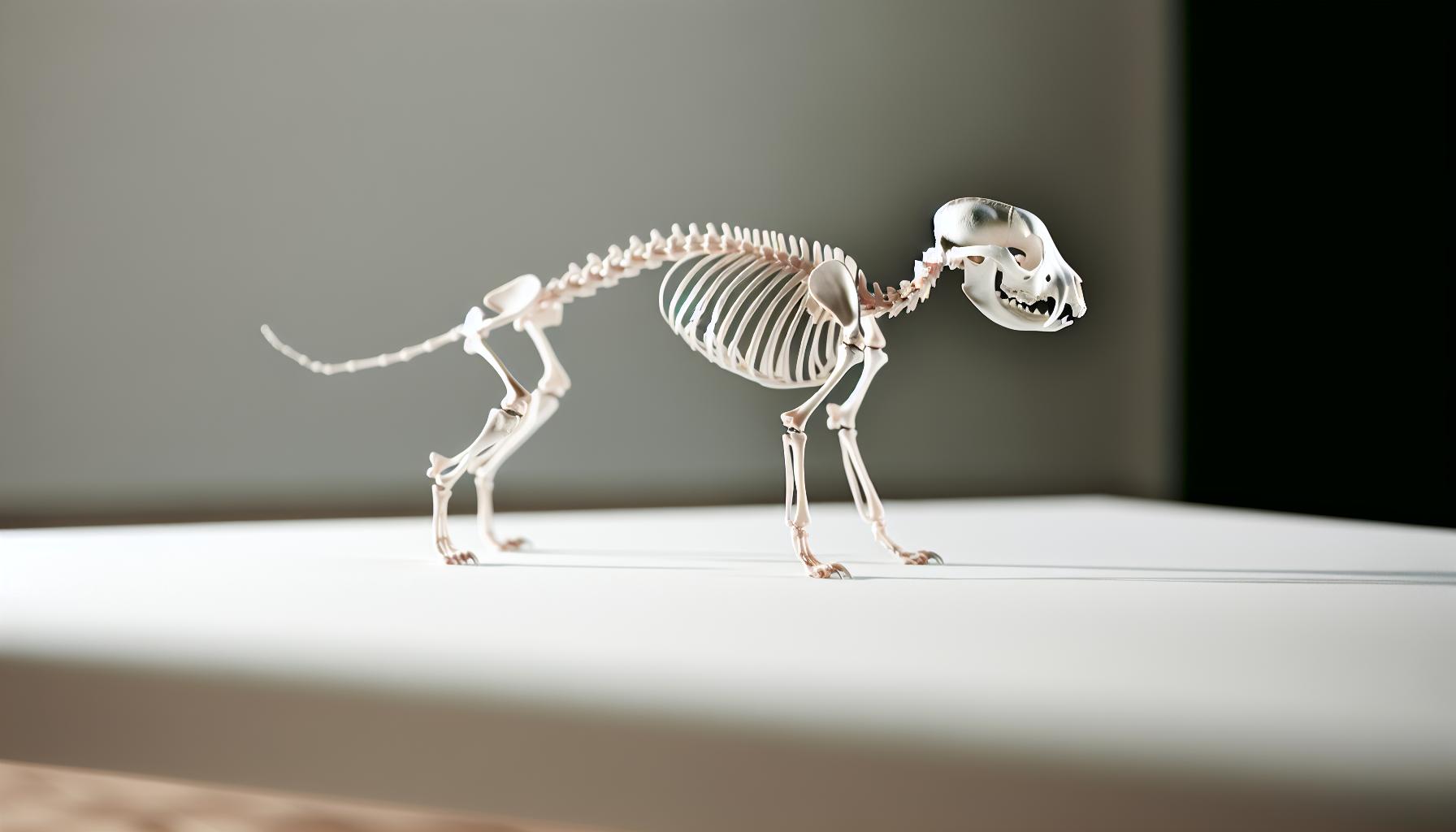
How Many Bones Do Chihuahuas Have? Understanding Their Unique Skeleton
Did you know that Chihuahuas, despite their small size, have approximately 200 bones in their tiny bodies? This number can vary slightly, as most dogs have between 200-220 bones, depending on factors like age and breed variations. Chihuahuas are known for their unique skeletal structure, which supports their lively personalities and energetic nature. Their bones are not just about sturdiness; they contribute significantly to the breed’s characteristic movements and overall health.
The Chihuahua’s bone structure is specifically adapted for agility and quick movements. Their lightweight bones make it easier for them to dart around, which is great for their playful nature. However, this can also make them prone to certain bone-related health issues, such as fractures or joint problems, especially as they age. Owners should be aware of these potential issues and take preventive measures, such as avoiding rough play and providing a safe environment.
Maintaining proper bone health in Chihuahuas goes beyond just physical care. Adequate nutrition plays a crucial role. A balanced diet that includes key nutrients like calcium and phosphorus is essential for strong bones. Additionally, regular vet check-ups can help catch any bone health issues early on. Always consider your Chihuahua’s specific needs, especially if they exhibit signs of discomfort or changes in activity levels. As a proud owner, taking these steps can ensure your little companion remains active and joyful, preserving their vibrant spirit well into their golden years.
The Anatomy of a Chihuahua: Bone Structure Explained
Did you know that a Chihuahua’s bone structure is a remarkable blend of strength and agility? This tiny breed typically has around 200 bones, similar to other dogs, but their lightweight skeleton allows them to move with surprising speed and flexibility. This unique anatomy supports their energetic lifestyle and playful antics, making them one of the most dynamic small breeds.
Chihuahuas have two main skull types: the apple-head and the deer-head. The apple-head type has a rounded skull with a prominent dome, while the deer-head type exhibits a more elongated shape. This variety can influence bone structure slightly, affecting how they move and their overall health. The spine is also quite flexible and contributes to their agile movements, enabling them to dart around obstacles effortlessly.
Furthermore, their long limbs, though petite, are designed for quick sprints rather than heavy lifting. These dogs can be quite vocal and bold, showcasing their larger-than-life personalities, but this liveliness can make them susceptible to injuries, particularly fractures. It’s crucial for owners to manage playtime by ensuring a safe environment to prevent accidents, especially during rough and tumble play.
As they age, a Chihuahua’s bones may change due to natural wear and tear, so regular vet visits are key. Owners should keep an eye out for signs of discomfort or decreased activity levels, which can indicate bone health issues. By being proactive about their care and providing a balanced diet rich in essential nutrients, you can help your Chihuahua maintain strong bones and enjoy a vibrant life well into their senior years. Remember, a happy, healthy Chihuahua is a joyful companion!
Curious Chihuahua Growth: How Bones Change with Age
As your Chihuahua grows, her bones undergo fascinating changes that reflect her transition from a feisty puppy to a dignified adult. Just like humans, Chihuahuas experience periods of growth and development during which their bone structure evolves. When puppies are born, they have around 300 bones, a number that decreases to approximately 200 as they mature due to the fusion of certain bones. Understanding this growth process can help you appreciate the unique physicality of your little companion.
During their early months, Chihuahuas are full of energy, driven by their tiny but mighty spirits. Their bones are growing rapidly, and this phase is crucial for setting the foundation for a strong skeletal system. It’s essential to provide balanced nutrition during this time; look for high-quality puppy food that supports bone health with the right balance of calcium and phosphorus. Monitoring your puppy’s growth and weight is vital-if you notice signs of excessive weight gain, consult your veterinarian, as this can stress her developing bones and joints.
As she matures into adulthood, typically around 10 to 12 months, you’ll find that her bones have reached a more stable state. However, this doesn’t mean her bones are done changing! Aging brings its own set of challenges. The once flexible cartilage in her joints may degrade over time, leading to conditions such as arthritis. Regular vet check-ups are crucial as she ages to catch any issues early.
A thoughtful approach to your Chihuahua’s health can make a significant difference in how her bones age throughout her life. Providing interactive play that respects her need for activity without risking injury, along with a diet rich in nutrients, will keep her bones healthy. Remember, a well-cared-for Chihuahua not only thrives but continues to amaze you with her boldness and agility throughout her life.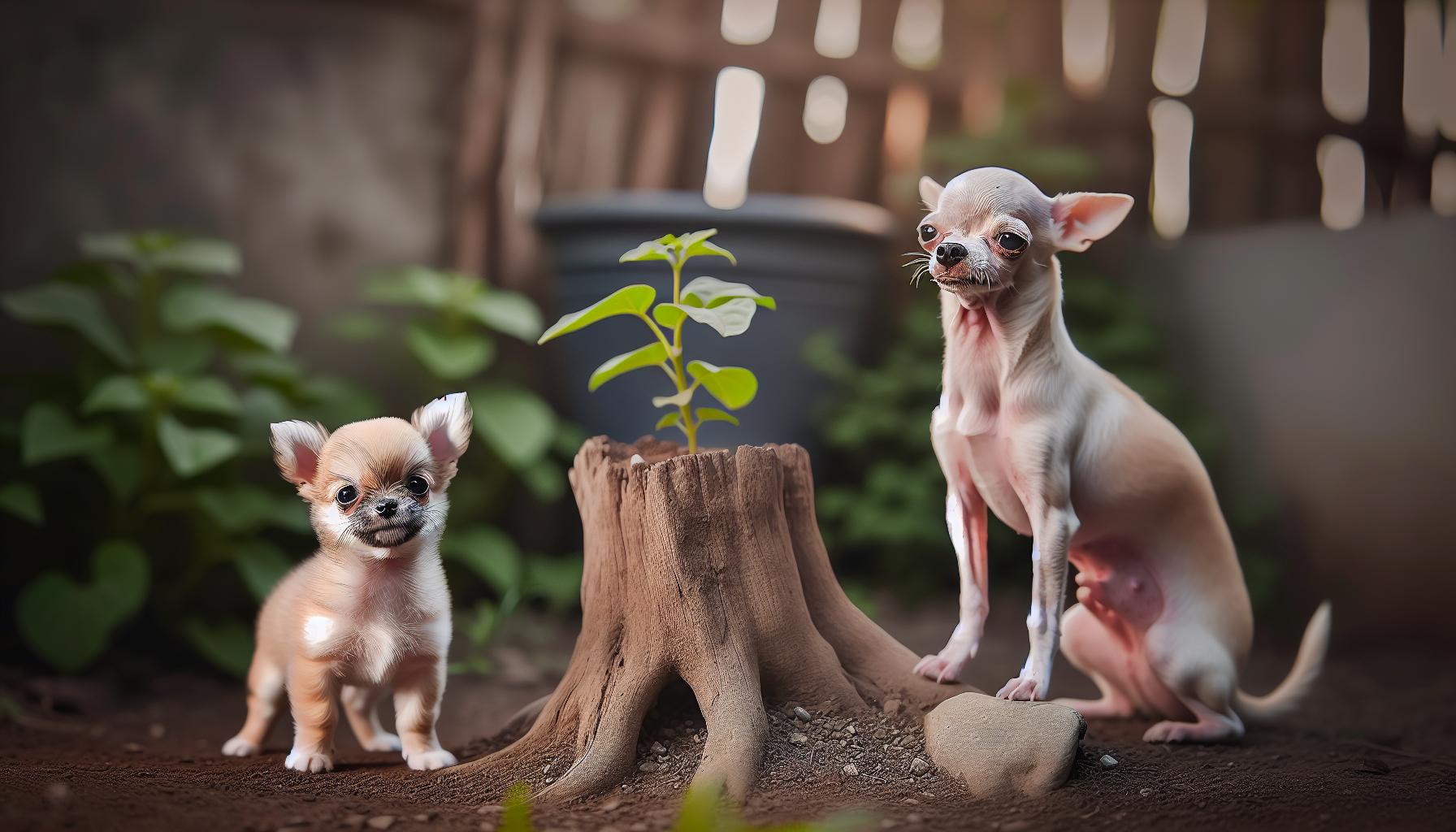
Comparing Chihuahua Skeletons to Other Breeds
The Chihuahua’s skeleton, while small, has fascinating nuances that differentiate it from other dog breeds. With approximately 200 bones in their mature body, Chihuahuas possess a lightweight frame that contributes to their agile movements and lively disposition. In comparison, larger breeds, such as Golden Retrievers or Rottweilers, can have between 320 and 350 bones due to their size and the differences in skeletal structure catering to their specific needs.
One notable distinction in Chihuahuas is their unique skull shape, often referred to as the “apple head.” This trait affects not only their appearance but also their jaw structure and overall bite. In contrast, breeds like Bulldogs exhibit a brachycephalic (short-nosed) skull, which can lead to different dental and respiratory concerns. Chihuahuas retain a more elongated spine relative to their stature, yet their delicate bones are prone to certain injuries if not handled with care.
It’s essential to note that the differences in skeletons affect not only physical appearance but also behavior and health. For instance, a Chihuahua’s lightweight skeleton and high energy contribute to their fearless attitude despite their size. They often engage in spirited play and dynamic movements that require solid bone health to prevent injuries. Providing weight management and promoting proper muscle development through exercise will ensure that your Chihuahua maintains a strong, healthy skeleton, allowing her to navigate the world with confidence.
When comparing the Chihuahua’s skeleton to those of other breeds, keep in mind the importance of tailored care that considers their unique structural challenges. For example, smaller jointed breeds may be more susceptible to patellar luxation, while larger breeds face risks related to hip dysplasia. Understanding these variances can help you adapt your Chihuahua’s lifestyle, ensuring she remains active and vibrant throughout her life.
Common Bone-Related Health Issues in Chihuahuas
Chihuahuas, with their petite frames and vibrant personalities, can face a variety of bone-related health issues that every devoted owner should be aware of. One of the most common concerns is patellar luxation, where the kneecap dislocates or moves out of its normal position. This condition is prevalent in small breeds like Chihuahuas and can lead to pain and difficulty in walking. Regular check-ups with your veterinarian can help catch this early, and maintaining a healthy weight can alleviate strain on those precious little joints.
Another concern is hip dysplasia, a condition more frequently associated with larger breeds, but not unheard of in Chihuahuas. This hereditary condition can cause painful arthritis as they age. Observing your Chihuahua for signs of difficulty in movement or reluctance to engage in play can provide clues that something isn’t quite right. If noticed early, management strategies such as weight support, tailored exercise regimes, or anti-inflammatory medications can be implemented to keep your furry companion comfortable.
Chihuahuas can also be prone to fractures due to their delicate bone structure. Their lively personalities often lead them into playful situations that can result in falls or bumps. Providing a safe environment free from hazards and encouraging gentle play can help minimize risks. If a fracture occurs, immediate veterinary care is crucial for proper healing. Properly managing their daily activities and ensuring they don’t overexert themselves-especially in young puppies-can prevent injuries.
To support your Chihuahua’s bone health, a balanced diet rich in calcium and vitamins is essential. High-quality dog food supplemented with joint support formulas can bolster their skeletal system. Additionally, routine vet visits help stay ahead of potential issues, ensuring that your beloved Chihuahua can continue to be the bold, vivacious companion you adore. Always remember, a little preventive care goes a long way in keeping those tiny bones healthy!
Caring for Your Chihuahua: Bone Health Essentials
Caring for a Chihuahua is much like nurturing a delicate little treasure. Their tiny frames hold approximately 200 bones, just like other dogs, but their unique structure means they are particularly susceptible to injuries and health issues. Chihuahuas may not show it, but they have a strong and energetic disposition, and maintaining their bone health is crucial to support their lively lifestyle.
A well-balanced diet plays a pivotal role in your Chihuahua’s bone health. Look for high-quality dog food formulated with adequate levels of calcium and phosphorus. These nutrients are essential for developing and maintaining strong bones. Consider incorporating supplements that include glucosamine and chondroitin, which can help support joint health, especially as your little friend ages. Regularly check on your Chihuahua’s weight; obesity can exacerbate bone and joint problems, so keeping them at a healthy weight is vital.
Exercise Essentials
Physical activity is another key element of bone health. While Chihuahuas are small, they need regular exercise to maintain strong bones and muscles. Short, gentle walks or playtime in a safe, enclosed area can keep their bones and joints healthy. Remember, however, that excessive jumping or rough play can lead to injuries, so supervise their activities closely. A balanced routine of play, rest, and gentle exercise allows your Chihuahua to thrive without risking their delicate structure.
Regular Veterinary Check-ups
Regular visits to the vet are crucial for keeping your Chihuahua healthy, particularly as they can develop conditions such as patellar luxation or broken bones. Your vet can provide guidance on the proper diet, exercise regimen, and any necessary supplements specific to your Chihuahua’s age and health. Keeping an eye out for any signs of discomfort or changes in behavior can alert you to potential issues early on.
Ultimately, loving and attentive care ensures your Chihuahua stays active, playful, and engaged. Engage them in safe play and make nurturing their bone health a priority-these little love bugs deserve it!
The Importance of Nutrition for Strong Bones
A balanced diet is the cornerstone of your Chihuahua’s overall health, particularly when it comes to maintaining strong bones. Did you know that these petite pups, despite their tiny frames, share the same number of bones as larger breeds-approximately 200? This makes their nutritional needs even more critical, especially since their bone structure is delicate and susceptible to injury.
Chihuahuas thrive on high-quality dog food that is rich in essential nutrients. Look for formulas that provide a good balance of calcium and phosphorus. These minerals play a vital role in bone development and maintenance. Incorporating omega-3 fatty acids can also help reduce inflammation and support joint health. Many owners have found that foods enriched with glucosamine and chondroitin have made a notable difference in their dogs’ mobility and comfort as they age.
Understanding Measurements
When choosing food, pay attention to your Chihuahua’s specific needs. For instance, an apple-head Chihuahua may have slightly different dietary requirements compared to a deer-head due to size variations. Consult with your veterinarian to determine the right portion sizes and the best brands for your dog’s age, weight, and activity level. Remember, obesity can lead to many bone-related issues, so monitoring their weight is vital.
Preparing homemade meals can be a great option for some owners. Just ensure you include a variety of proteins, vegetables, and grains while maintaining a balance of nutrients. Always consult with your vet before transitioning to homemade meals to avoid deficiencies.
Supplements and Treats
In addition to their regular diet, consider adding high-quality supplements-especially if your Chihuahua is older or shows signs of joint discomfort. There are many dog-friendly treats available that are specifically designed to support bone health. Look for options with functional ingredients that can help soothe and maintain their joints. Always remember to introduce any new treatment gradually to prevent any digestive disruptions.
By dedicating time to understand and improve your Chihuahua’s nutrition, you are actively promoting robust bone health and ensuring they can keep up with their energetic, bold, and loving personalities. Your little companion deserves this care, allowing them to thrive and remain active well into their golden years.
Chihuahua Size Variations: Impact on Skeleton
Chihuahuas, known for their vibrant personalities and petite sizes, come in a variety of shapes and sizes, each bringing unique traits to the breed. This variety, particularly between apple-head and deer-head Chihuahuas, not only influences their appearance but also has an impact on their skeletal structure. Despite being small, Chihuahuas possess a bone count similar to that of larger breeds, generally around 200 bones, which enables them to maintain their active lifestyle with energy and agility.
The structural differences between the two types can lead to variations in bone density and overall skeletal health. For instance, apple-head Chihuahuas typically have a rounder skull shape and a more pronounced forehead, which may influence the spacing of their cranial bones and affect their jaw alignment. In contrast, deer-head Chihuahuas possess a longer snout and a more elongated body, leading to a different balance of weight distribution and potential strain on their skeletons. Understanding these distinctions can help owners make informed decisions about care and health management for their beloved companions.
When considering the size variations, it’s essential for owners to adapt their approach to exercise and nutrition. Smaller, lighter Chihuahuas may require gentler activities to prevent injuries, while those with a sturdier build could potentially handle more vigorous play without compromising their safety. Regular visits to the veterinarian can assist in monitoring your Chihuahua’s bone health and ensuring that any structural concerns are addressed early.
Being aware of the individual needs of your Chihuahua based on their size and type can aid in providing a healthier lifestyle. Whether you’re dealing with an apple-head’s delicate build or a deer-head’s robust frame, your dedication to understanding these nuances will contribute significantly to your pet’s overall well-being. Remember to engage in regular playtime, provide balanced nutrition, and always keep an eye out for any signs of discomfort or health issues, ensuring your vibrant companion stays happy and healthy for years to come.
Understanding Joint Health in Chihuahuas
Chihuahuas may be tiny, but their joints play a huge role in their agility and liveliness. Given their petite stature, these little dogs often engage in vigorous play, making joint health a crucial aspect of their overall well-being. Like all breeds, Chihuahuas are susceptible to joint issues, with some specific concerns due to their unique body structure, particularly in apple-head and deer-head variations.
Common Joint Issues
Chihuahuas can encounter several joint-related problems, the most common being patellar luxation, where the kneecap slips out of its groove. This condition is prevalent in toy breeds and can lead to discomfort or pain if not managed properly. Another concern is hip dysplasia, a genetic condition that affects the hip joint’s formation, potentially resulting in arthritis as your Chihuahua ages. Observing your pup for signs of limping, difficulty in getting up, or reluctance to jump can help catch these issues early.
Maintaining Joint Health
To keep those little joints healthy throughout your Chihuahua’s life, focus on the following:
- Weight Management: Keeping your Chihuahua at a healthy weight reduces stress on their joints. Obesity can exacerbate joint problems, so monitor their diet and adjust portion sizes based on their activity level.
- Regular Exercise: Gentle exercise helps maintain joint mobility. Short walks or light playtime in the yard provide necessary activity without overstraining their small bodies. Always tailor the intensity to your dog’s specific needs.
- Supplements: Consider joint supplements with glucosamine and chondroitin, which can help support joint health. Many veterinarians recommend these for Chihuahuas, especially as they age.
- Veterinary Check-ups: Regular veterinary visits are essential for monitoring your Chihuahua’s joint health. Early detection and intervention can make a significant difference in managing joint-related conditions.
Additionally, providing a supportive dog bed can make a world of difference, promoting better rest and recovery for those busy little joints after playtime. Every Chihuahua is unique, so observing your pup’s behavior and comfort levels will guide you in providing tailored care.
In short, understanding and prioritizing joint health will contribute significantly to your Chihuahua’s quality of life. With their bold and bubbly spirits, they thrive when physically able to explore, cuddle, and charm those around them. By fostering strong joints, you help ensure your companion remains playful and full of life.
Fun Facts About Chihuahua Bones and Skeletons
Chihuahuas are fascinating little creatures, not just because of their large personalities, but also due to their unique bone structure. Did you know that the average Chihuahua has around 270 bones? This number can vary slightly due to individual variations and the potential for bone fusion as they age. Their small size and lightweight skeleton allow them to be incredibly agile and quick, which suits their playful and often feisty demeanor.
One of the most intriguing aspects of a Chihuahua’s anatomy is their skull shape. The breed typically features two head types: the apple-head and the deer-head. Apple-head Chihuahuas have a rounded dome shape, which gives them a distinct and charming appearance. On the other hand, deer-head Chihuahuas have a more elongated snout and a flatter skull. These variations can influence not only the appearance but also health considerations, particularly regarding their dental alignment and potential brachycephalic (short-muzzled) issues.
Chihuahuas are also known for their dental health issues, often stemming from their small mouths and tightly packed teeth. Ensuring good dental care is crucial for their overall bone and joint health. Regular tooth brushing, dental chews, and professional cleanings can help prevent periodontal disease, which is common in this breed. And don’t forget, keeping their teeth clean contributes to their bone health and prevents unnecessary pain.
Like all breeds, Chihuahuas have a rich and unique anatomy that reflects their evolutionary background. Their bones are lightweight yet strong, allowing these pint-sized pups to exhibit remarkable agility and energy. Whether they’re sprinting around the living room or burrowing under blankets, a Chihuahua’s skeleton is perfectly designed for a life full of playful adventure.
Chihuahua Behavior: How Bones Influence Movement
Chihuahuas are marvels of agility, and their unique bone structure plays a significant role in their movements. With around 270 bones, these small dogs have a lightweight skeleton that allows them to dart around with unmatched speed and grace. This anatomical design not only contributes to their charm but also enhances their bold personalities. Whether it’s zipping across the floor or playfully navigating obstacles, the way Chihuahuas move is a reflection of their lively spirit and energy.
The combination of a compact frame and flexible joints allows Chihuahuas to execute quick turns and sharp movements while minimizing the risk of injuries. For example, an apple-head Chihuahua may have a slightly different weight distribution than a deer-head, which could subtly influence how they run or leap. These small variations can affect their agility – for instance, a deer-head may exhibit a more fluid movement due to its elongated body, allowing for longer strides. As a Chihuahua parent, it’s fascinating to observe these nuances in action, especially during playtime or while they’re showing off their antics.
To keep your Chihuahua active and healthy, it’s essential to integrate regular exercise into their daily routine. Simple activities like short walks or interactive play sessions can support their bone and joint health while providing the mental stimulation they crave. Always remember to consider their individual needs – some Chihuahuas may prefer a gentle stroll, while others might thrive on more energetic games of fetch. Keeping their weight in check is also vital, as excess pounds can strain their delicate bone structure.
Recognizing the influence of their skeletal design on their behavior and movement can help you understand your Chihuahua’s quirks better. For instance, if you notice your pup hesitating to jump or showing signs of discomfort, it may warrant a vet visit to rule out any underlying bone-related issues. By being attentive to these signals, you can ensure your furry friend stays playful, healthy, and happy for years to come.
Pro Tips for Keeping Your Chihuahua Active and Healthy
Keeping your Chihuahua active and healthy is essential to ensuring their longevity and overall happiness. With their unique bone structure-approximately 270 bones in a lightweight skeleton-these tiny dogs are built for agility and quick movements, making exercise both fun and necessary. Here are some practical tips to help manage their activity levels and health throughout their life.
Start with daily walks. Even though Chihuahuas are small, they still require regular exercise. Aim for short walks, typically around 15-30 minutes, depending on your dog’s age and energy level. Dogs like the apple-head Chihuahua may enjoy sniffing along the way, providing mental stimulation as well. Always observe how your fur friend reacts-if he seems tired or disinterested, it might be time to take it easy or switch to indoor play.
Incorporate playtime into your routine. Interactive games like fetch or tug-of-war can strengthen your Chihuahua’s bones and joints while also bonding you together. Toys that encourage chasing or problem-solving can also keep their minds sharp. Remember that Chihuahuas love to be vocal; use their bark to your advantage during playtime to keep things lively!
Maintaining a healthy weight is crucial for their bone health. Monitor their diet closely, ensuring it is high in essential nutrients and balanced for their size. You might be surprised how quickly a few extra treats can add up. Regular weigh-ins can help you keep track; if you notice your pup gaining weight, adjust his portion sizes or increase exercise accordingly.
Finally, always integrate variety into their exercise regimen. Trying new activities-like agility training, which is perfect for Chihuahuas with boundless energy-can spark their interest and provide essential exercise without sounding like a chore. Watching your Chihuahua navigate an obstacle course can be not only fun but rewarding as it keeps his body and mind active and engaged.
With these steps, you can help ensure your Chihuahua remains the energetic, playful companion he’s meant to be, all while supporting his unique skeletal structure and health.
Frequently Asked Questions
Q: How many bones does a Chihuahua have?
A: A Chihuahua typically has approximately 270 bones at birth, but this number decreases to about 206 bones in adulthood due to fusion. Understanding this helps in addressing their unique bone health needs as they age.
Q: What are common bone-related health issues in Chihuahuas?
A: Chihuahuas are prone to health issues like patellar luxation and fractures due to their small size. Regular veterinary check-ups can help monitor their bone health and prevent complications.
Q: How does a Chihuahua’s age affect its bones?
A: As Chihuahuas age, their bones undergo changes, including density loss. Providing a balanced diet rich in calcium and vitamin D can help maintain their bone structure and reduce the risk of injuries.
Q: Do Chihuahuas have different bone structures compared to larger breeds?
A: Yes, Chihuahuas have a more delicate bone structure than larger breeds. Their lightweight build allows for agility, but it also makes them susceptible to fractures, highlighting the need for careful handling and safe play areas.
Q: What impact does nutrition have on a Chihuahua’s bone health?
A: Proper nutrition is crucial for bone health in Chihuahuas. A diet enriched with high-quality protein and minerals supports bone development and strength, essential as they grow and age.
Q: How does physical activity influence a Chihuahua’s bones?
A: Regular exercise helps strengthen a Chihuahua’s bones and supports joint health. Age-appropriate activities, such as short walks or play sessions, are vital for maintaining their overall physical well-being.
Q: Can Chihuahuas develop arthritis as they age?
A: Yes, Chihuahuas are at risk of developing arthritis as they grow older due to wear and tear on their joints. Keeping them active and managing their weight can help mitigate this risk.
Q: How can I ensure my Chihuahua has healthy bones?
A: To ensure your Chihuahua maintains healthy bones, provide a balanced diet, regular exercise, and routine veterinary care. Monitoring their weight and introducing supplements, if recommended by a vet, can also support bone health.
Concluding Remarks
Understanding your Chihuahua’s skeletal structure provides insight into their unique traits and health needs. With 206 bones, these little dogs have a surprising complexity to their small stature. It’s important to celebrate their bold, vibrant personalities while being mindful of their health and care requirements. If you have additional questions about Chihuahua care or want to know more about their health challenges, check out our articles on common health issues and tips for training your apple-head Chihuahua.
Don’t forget to share your thoughts in the comments below! Have you experienced any quirky bone-related incidents with your Chihuahua? Your stories might help other owners on their journey. For continuous tips and insights, subscribe to our newsletter, and explore our other resources. Together, we can ensure your tiny companion thrives and feels loved every day. The joy of having a Chihuahua is unmatched-let’s keep that spirit alive!
Get our latest guides, news, and insights highlighted in your Google Search & AI Overviews.