
Did you know that a Chihuahua’s brain may be small, but its intelligence is as big as its personality? These tiny dogs, often weighing only 2 to 6 pounds, are packed with energy, loyalty, and an undeniable curiosity about the world. Understanding the size and functioning of a Chihuahua’s brain not only helps you appreciate how their unique minds work but also allows you to better support their learning and development. Whether you’re a first-time owner or a seasoned Chihuahua enthusiast, grasping the intricacies of their intelligence can enhance your connection with your furry friend. Join us as we delve into fascinating facts about Chihuahua brain size and what it means for their behavior, training potential, and well-being. You’ll discover insights that will empower you to be the best owner possible, nurturing your tiny companion’s spirited nature while fostering a rewarding bond.
How Chihuahua Brains Compare in Size
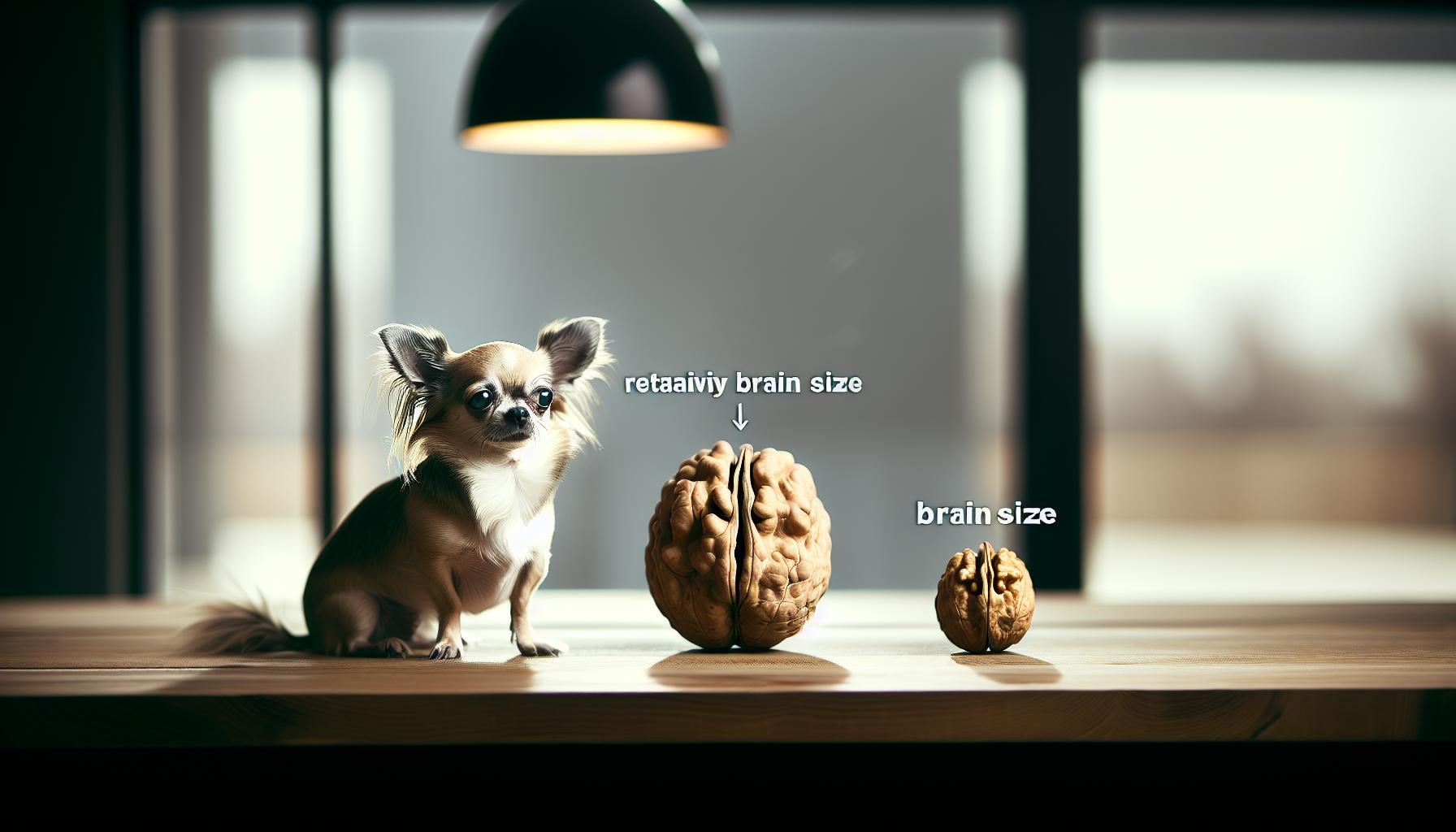
When considering the astonishing world of Chihuahuas, one intriguing aspect is the size of their brains. Despite being one of the smallest dog breeds, their intelligence can often surprise new owners. Chihuahua brains are compact, measuring roughly 1.5 inches in diameter, yet this diminutive size does not diminish their cognitive abilities. In fact, the relationship between brain size and intelligence in dogs is complex; smaller breeds like Chihuahuas often exhibit their own unique types of smart, including problem-solving and strong social intelligence.
Chihuahuas are well-known for their big personalities packed into tiny bodies. Their intellect manifests in various ways, including their ability to learn commands quickly, recognize their owners, and even navigate complex social situations. Many owners notice that their Chihuahuas engage actively with their environment, displaying curiosity that is often attributed to their intelligence. For instance, a Chihuahua may figure out how to manipulate their surroundings, like opening doors or cleverly retrieving treats hidden away.
Moreover, the brain’s physical size does play a role in behavior, but it’s not the sole determinant. Chihuahuas often exhibit high levels of alertness and responsiveness, traits that make them excellent watchdogs despite their small stature. The famed “small dog syndrome” can sometimes result from their eagerness to assert dominance in their environment, showcasing a type of intelligence that revolves around social structures and hierarchies. Understanding how your Chihuahua’s brain works can greatly aid in training. The brains of Chihuahuas may be small, but their capacity for learning and emotional connection is colossal.
In training, empowering your Chihuahua’s brain through stimulating activities can boost both their intelligence and bond with you. Simple tricks, puzzles, and interactive games are great ways to keep their minds sharp and their spirits high. Engaging in play not only helps enhance cognitive functions but also allows you to appreciate their quirky traits-like eagerness to learn or stubbornness-which can make the training process both a challenge and a joy. Recognizing the unique capabilities of your Chihuahua fosters a deeper understanding and appreciation for this spirited breed.
Understanding Chihuahua Intelligence Levels
Understanding how Chihuahuas think and learn is crucial for enhancing your bond with this spirited breed. Despite their small size, these dogs boast impressive intelligence that often surprises their owners. Chihuahuas may only have brains measuring about 1.5 inches in diameter, but don’t let that fool you; their cognitive abilities are highly developed, allowing them to excel in various types of learning and problem-solving.
Chihuahuas exhibit a unique form of intelligence shaped by their environment, social interactions, and inherent traits. Many owners find that their Chihuahuas quickly learn commands and can even pick up on their owner’s emotions, responding accordingly. This capability reflects not only their adaptability but also their keen social awareness. For example, a Chihuahua may recognize their family members and differentiate between familiar friends and strangers, showcasing an impressive level of social intelligence.
To nurture your Chihuahua’s intelligence, focus on engaging activities that stimulate their minds. Interactive toys, puzzle feeders, and training games can help keep their brains sharp. Incorporating short training sessions into your daily routine will not only teach her new tricks but also strengthen the human-animal bond. Remember, patience and positive reinforcement are key; a stubborn streak is common in the breed, so maintaining a fun and low-pressure environment can yield the best results.
Finally, keep in mind that Chihuahua intelligence is multi-faceted. While they may not have the same problem-solving skills as larger breeds, their abilities shine in different areas, including social interaction and emotional connection. Embracing these aspects of their intelligence will allow you to appreciate your Chihuahua’s quirky personality and foster a deeper understanding of this beloved breed.
Cognitive Skills: What Makes Chihuahuas Smart
Chihuahuas may be diminutive in size, but their remarkable cognitive abilities set them apart in the canine world. With brains that are about 1.5 inches in diameter, these tiny dogs showcase what it means to be smart through their unique forms of learning and social interaction. One of the most distinctive traits of Chihuahuas is their impressive social intelligence. They are known for being remarkably attuned to their owner’s emotions and can often sense when their human is happy, sad, or stressed. This ability not only enriches their relationship with you but also highlights their capacity for empathy, a sign of advanced cognitive skills.
When it comes to training, Chihuahuas thrive on positive reinforcement and interactive sessions. They often respond well to commands and tricks, particularly when you incorporate fun into the learning process. For instance, using treats or praise to reward good behavior helps keep your Chihuahua engaged and motivated. It’s common for owners to share stories about how quickly their Chihuahuas pick up commands, sometimes even learning to differentiate between words based on tone and context. This adaptability reflects their intelligence and willingness to learn in environments that are supportive and enriching.
Moreover, Chihuahuas display problem-solving skills that, while not as straightforward as those seen in larger breeds, shine in other areas. They can navigate challenges in their environment with surprising ingenuity, whether it’s figuring out how to reach a toy on a high shelf or recognizing when it’s time to go outside. Engaging your Chihuahua in mental exercises-such as hiding treats around the house or using puzzle toys-can greatly enhance this cognitive capability. Keeping playtime stimulating encourages her inquisitive nature and reinforces her intelligence.
Ultimately, understanding the cognitive skills of Chihuahuas can foster a deeper connection between you and your little companion. Every dog has its quirks, and appreciating these traits-whether it’s their boldness or their vocal nature-can enhance your interactions. By recognizing the cognitive strengths in your Chihuahua, from their emotional responses to their clever problem-solving skills, you’ll enrich your dog’s life and deepen your bond, leading to a happier, healthier relationship.
Size Matters: What a Small Brain Means
Chihuahuas may have small brains, but what they lack in size, they certainly make up for in personality and cognitive abilities. With brains measuring approximately 1.5 inches in diameter, these little dogs are a testament to the idea that size does not dictate intelligence. In fact, their compact brains are packed with extraordinary capabilities: keen emotional awareness, adaptability, and an impressive level of problem-solving skills. Understanding what this small brain means can give you insight into how best to engage and train your furry friend.
One important factor to consider is the relationship between brain size and behavioral traits. While smaller brains may suggest limitations, Chihuahuas demonstrate a robust capacity for learning and social interaction. They are known for their loyalty and vocal nature, often expressing themselves in ways that connect deeply with their owners. For example, many Chihuahua owners notice that their pets can pick up on subtle cues, whether it’s an emotional shift in the home or a change in their human’s routine. This ability is indicative of high social intelligence, allowing them to bond closely with their families.
When it comes to training, it’s crucial to leverage their unique cognitive profile. Chihuahuas thrive on consistent routines and positive reinforcement. For instance, using treats or praise after successful trick completions can solidify their understanding and enhance their learning experiences. Owners often share success stories about their Chihuahuas mastering complex commands or tricks quickly, showing that even with a smaller brain, these dogs boast considerable learning prowess. Engaging them in mentally stimulating activities, such as puzzle toys or scent games, can further tap into their intelligence and curiosity, making playtime both fun and beneficial.
In conclusion, while Chihuahuas may have smaller brains compared to larger breeds, their intelligence is anything but diminished. Instead, it’s shaped by their personality traits and unique ways of engaging with their environment. By recognizing and nurturing these aspects, you can help your Chihuahua shine, proving that in the world of dogs, small can indeed be mighty.
Training Tips for Your Chihuahua’s Unique Mind
Chihuahuas may be small, but they possess a remarkable intelligence that is often underestimated. Training a Chihuahua can be a delightful journey, as these little pups are quick learners and love to engage with their owners. Their keen emotional awareness and social intelligence make them adept at picking up on cues from their environment and the people around them. To truly harness this impressive intellect, it’s essential to adopt a training approach tailored to their unique mind.
One effective method is to establish a consistent routine. Chihuahuas thrive in environments where they know what to expect. Regular training sessions, ideally kept short and fun-around 5 to 10 minutes-can maintain their focus and enthusiasm. When introducing new commands or tricks, using positive reinforcement is key. Treats and praise create an enjoyable learning atmosphere. For example, a Chihuahua named Bella quickly learned to sit when her owner, Laura, linked the command to her favorite treats. This connection not only encouraged Bella to obey but also strengthened their bond through positive interactions.
To further engage your Chihuahua mentally, consider incorporating interactive toys into playtime. Puzzle toys that dispense treats can stimulate their problem-solving skills, while scent games can enhance their natural instincts. A simple game of hide-and-seek, where you hide treats around the house, not only entertains your Chihuahua but also challenges their mind. Remember, training should be a joyful experience-if your Chihuahua appears frustrated or bored, take a step back and switch to something they love to do, like playing fetch or cuddling.
Lastly, be mindful of the Chihuahua’s personality traits when training. These spirited little dogs can be stubborn, but they also exhibit loyalty and affection that can serve as a reward in itself. Patience is critical; owners should celebrate even the smallest victories and avoid harsh corrections that could discourage their feisty friend. Instead, focus on what your Chihuahua does well, and continuously build on those strengths. By embracing their quirks and preferences, you can unlock their full potential, transforming training into a bonding experience rather than a chore.
Common Misconceptions About Chihuahua Intelligence
Despite their small stature, many believe Chihuahuas are significantly less intelligent than larger breeds, but this couldn’t be further from the truth. In fact, Chihuahuas have an impressive ability to learn and adapt, showcasing intelligence that rivals that of bigger dogs. Misunderstanding their intelligence often stems from their quirky behaviors and vocal nature, leading some to mistake their spirited personalities for a lack of comprehension or focus.
One common misconception is that Chihuahuas are stubborn or overly independent, which can make training seem more challenging. In reality, they may simply require a different training approach. Positive reinforcement works wonders, but it’s essential to tailor your methods to fit his needs. For instance, a Chihuahua named Max would only respond to new commands when his owner incorporated fun games into training sessions, which helped him stay engaged. His owner quickly learned that using playful methods transformed training into a joyous activity rather than a chore.
Another fallacy is that Chihuahuas can’t handle complex commands or tasks due to their small brains. In fact, their cognitive capability allows them to master tricks and commands that require significant mental effort. A fun example is the ability of many Chihuahuas to learn to play fetch or even do agility courses, proving that size doesn’t dictate intelligence. Owners who believe their Chihuahua is limited might miss out on the potential for deeper training, such as scent work or advanced tricks.
Understanding that Chihuahuas can display their intelligence in unique ways is vital. They might not always perform on cue like a Border Collie, but their ability to interpret human emotions and establish deep bonds shows a different dimension of their intelligence. Remember, engaging with your Chihuahua in ways that respect his individuality-whether through play, trick training, or puzzle solving-will foster not only his mental acuity but also the bond you share. Embrace his quirks and unique perspective on the world, and you’ll unlock the full potential of his intelligence.
How Environment Influences Chihuahua Behavior
A Chihuahua’s environment plays a crucial role in shaping its behavior and intelligence. Small but mighty, these little dogs are incredibly perceptive, and their surroundings can significantly influence their moods, confidence, and cognitive development. Whether you live in a bustling city or a quiet countryside, understanding how to create a nurturing environment for your Chihuahua is key to bringing out the best in her unique personality.
One of the most important factors is socialization. Chihuahuas are naturally loyal and can be quite protective, but if they aren’t exposed to a variety of experiences and situations from a young age, they may become overly cautious or even fearful. For instance, a Chihuahua who frequently interacts with different people and pets is likely to be more adaptable and confident. Consider enrolling your little buddy in puppy classes or arrange playdates with other dogs. This not only teaches her how to behave around others but also engages her mentally, stimulating her brain in a positive way.
Moreover, your home environment should be rich in opportunities for mental enrichment. Chihuahuas thrive when given tasks that challenge their intellect. You can incorporate puzzle toys, interactive games, or even teach her to find hidden treats. A Chihuahua named Bella, for example, excelled at scent games, where she used her nose to locate her favorite snacks. This not only enhanced her cognitive skills but also strengthened the bond with her owner through shared play.
Lastly, consistency and routine greatly impact behavior. Establishing a stable daily schedule for walks, feeding, and playtime can provide a sense of security for your Chihuahua. They thrive on predictability, which helps reduce anxiety and fosters better learning. Dogs are creatures of habit, and by ensuring that your Chihuahua knows what to expect, you create a calming atmosphere that allows her intelligence to shine.
In conclusion, remember that a Chihuahua’s environment is more than just physical space; it encompasses social interactions, mental exercises, and structured routines. By thoughtfully shaping these aspects of her life, you’ll not only support her intelligence but also enhance her overall happiness and well-being. Embrace the quirks that make her uniquely her, and watch her bloom into a confident and clever companion.
Health Factors Impacting Brain Function
Chihuahuas may be small, but their health is a huge factor in how their brains function. Just like humans, a dog’s brain thrives on the overall well-being of their body. Various health issues can impact their cognitive abilities, and it’s essential for owners to be aware of how these factors can influence their little companions.
Diet plays a significant role in brain health. A balanced diet, rich in essential nutrients, can boost cognitive function. For example, Omega-3 fatty acids, found in fish oil, are known to support brain health. Consider incorporating high-quality dog food that lists appropriate meat sources and wholesome grains. Additionally, consult with your veterinarian about supplements that can enhance brain function, especially in senior Chihuahuas who may be more susceptible to cognitive decline.
Common Health Issues
Chihuahuas are prone to specific health problems that can affect their brain function. Some of these include:
- Dental Disease: Poor dental health can lead to infections that affect the heart and brain over time.
- Hydrocephalus: This condition, often seen in Chihuahuas, involves the accumulation of cerebrospinal fluid in the brain, leading to neurological symptoms.
- Obesity: Excess weight can hinder blood flow to the brain, impacting cognitive abilities.
Regular veterinary check-ups are crucial for early detection and management of these issues. Keep an eye on your Chihuahua’s behavior-any sudden changes could indicate underlying health problems requiring attention.
Environmental Enrichment
Besides diet and regular vet care, mental stimulation is vital for maintaining a Chihuahua’s cognitive health. Engage your little one with interactive toys and puzzles that challenge their intellect. Activities such as agility courses or training sessions can keep their minds sharp and focused. Social interaction is also important. Regular playdates with other friendly dogs can prevent boredom and foster mental agility.
By ensuring your Chihuahua is healthy both physically and mentally, you can enhance their overall brain function. Create an environment that promotes good health, enriches their mind, and provides the love and attention they crave. Your little buddy will not only remain a happy companion but also a clever and quick-witted friend ready to take on the world!
The Role of Genetics in Chihuahua Intelligence
While it might be tempting to underestimate the intelligence of a Chihuahua based on their small size, genetics plays a crucial role in shaping their cognitive abilities. Each Chihuahua possesses a unique genetic makeup that influences not just their physical attributes but also their behavior and learning potential. Understanding this can help you appreciate the intelligence hidden beneath that adorable exterior.
Chihuahuas are known for their strong will and stubborn streak, traits that can often be traced back to their genetic lineage. The breed has been selectively bred for various roles, resulting in diverse traits that can be seen in individual pets. For example, some Chihuahuas display remarkable problem-solving skills, while others may be more focused on companionship. It’s important to recognize that genetics can predispose them to certain behaviors and learning speeds. One Chihuahua may master a trick in a single session, while another might take a bit longer, revealing the variances in their intelligence.
Along with inherited traits, there’s a compelling link between a dog’s genetic background and their adaptability to training methods. You might find that Chihuahuas with lineage traced to working lines respond exceptionally well to positive reinforcement and interactive training techniques. Conversely, those from pet lines might thrive in structured environments but will require patience and consistent guidance. The classic apple-head Chihuahuas, for instance, sometimes showcase an amusing defiance in training, making them all the more endearing!
Moreover, genetics is not the sole player in the field of intelligence. Environmental factors, early socialization, and exposure to different experiences are vital in nurturing a Chihuahua’s cognitive skills. A well-socialized Chihuahua, regardless of its genetic background, often shows superior emotional intelligence, forming a deeper bond with their owner and better understanding social cues. By providing a loving and stimulating environment, attentive owners can enhance their Chihuahua’s natural gifts, proving that intelligence is a blend of both nature and nurture.
In essence, understanding and valuing the genetic factors at play can empower you as a parent to nurture your tiny companion’s unique mind, recognizing that every Chihuahua has the potential to shine through their charming quirks and clever behaviors.
The Connection Between Size and Personality Traits
While their small brains may lead you to believe that Chihuahuas are meek or timid, these little dogs often have larger-than-life personalities. In fact, size can significantly influence not just their physical characteristics but also their behavioral traits. For instance, Chihuahuas often exhibit boldness that belies their stature. Their innate desire to protect their owners can make them fierce watchdogs despite weighing as little as 2-6 pounds. This combination of loyalty and assertiveness is a quintessential Chihuahua trait that many owners have come to adore.
Chihuahuas exhibit a variety of personality types, and much of this can be attributed to their size. The smaller they are, the more they may develop a “big dog” mentality. Many owners find that their petite companions can be quite vocal, alerting you at the slightest hint of unfamiliar sounds. This protectiveness is typically balanced by a playful, loving demeanor, turning these little ones into perfect companions for both adventure and snuggles. For example, a spirited apple-head Chihuahua might dash around the room, barking excitedly at a new toy or an unexpected visitor, showcasing that lively spirit characteristic of the breed.
Socialization plays a crucial role in shaping a Chihuahua’s personality as well. Smaller Chihuahuas, especially, may feel insecure in larger company, which can lead them to display more pronounced defensive behaviors. A well-socialized Chihuahua, on the other hand, often thrives in diverse environments, demonstrating a warming, friendly side to their nature. Engaging your Chihuahua with various experiences, from dog parks to new playmates, can help cultivate a balanced personality that embodies both confidence and affection.
Overall, understanding that personality traits often correlate with size can enrich your experience as a Chihuahua owner. With the right balance of interactions and training, your little one can showcase a delightful blend of courage, intelligence, and loyalty. Embrace those feisty quirks and cherish every playful moment with your Chihuahua companion!
Fun Facts: Quirky Traits of Chihuahua Minds
Chihuahuas are known for their big personalities packed into tiny bodies, and their quirky minds are just as fascinating as they are charming. These little dogs may have proportionally smaller brains, but don’t let that fool you-Chihuahuas are often as intelligent and expressive as any larger breed. Their unique behavior and cognitive skills stem from a combination of their confident nature, strong instincts, and a relationship with their owners that fuels their desire to protect and entertain.
One fun fact about Chihuahuas is their remarkable ability to learn commands at a rapid pace. Many owners report that their little companions can pick up new tricks and behaviors with just a few repetitions. Consistency is key; shorter, positive training sessions tend to hold their interest better. For example, using treats to reward your Chihuahua for sitting or performing a trick not only reinforces good behavior but also strengthens your bond.
Chihuahuas are also uniquely vocal dogs. They often express themselves through a variety of sounds, from barks to yips, and sometimes even charmingly funny howls. This trait is not merely for communication but also ties to their instinctual need to alert their owners to anything unusual. A neighbor’s cat? Expect a series of rapid barks from your brave little sentinel! Their vocalizations can be a source of entertainment and a reminder of their spirited nature.
Socialization is crucial in nurturing a Chihuahua’s cognitive skills. Early exposure to different people, environments, and other pets helps create a well-rounded dog. This exposure can help diminish any tendencies towards over-protectiveness and develop confidence. Engaging your Chihuahua in playdates or group walks can foster their social skills and enhance their intelligence, showcasing the charming combination of their exuberant personality and cleverness.
With these quirks come some challenges too, especially in understanding a Chihuahua’s distinct needs. For instance, they thrive on routines, which can help reduce anxiety and make them feel secure. Adapting your training and care strategies to fit their unique personalities not only aids in their development but also enriches your life as a Chihuahua owner. Embrace their playful antics and enjoy the ride-life with a Chihuahua is guaranteed to be filled with love, laughter, and delightful surprises!
Enhancing Your Chihuahua’s Intelligence Through Play
Playing is not just fun for Chihuahuas; it is a crucial component of enhancing their intelligence. These tiny powerhouses thrive in an environment where their minds are engaged as much as their bodies. Regular playtime not only satisfies their natural instincts but also stimulates cognitive development, making play an ideal opportunity to intertwine learning and bonding.
One of the best ways to enhance your Chihuahua’s intelligence through play is by incorporating interactive games. Toys that require problem-solving, such as treat-dispensing puzzles, can challenge her mind and keep her entertained. For example, when I introduced a simple snuffle mat filled with hidden treats, my apple-head Chihuahua, Bella, quickly learned to use her nose to uncover the goodies. The excitement on her face was a clear sign of her enjoyment and engagement!
Another effective method is to incorporate obedience training into playtime. Teaching commands through games can make the learning process feel more like fun than instruction. Try playing a brief fetch session where she must return to you with the toy before receiving her treat. This not only reinforces the command but also builds her understanding of cause and effect-if she brings it back, she gets a reward!
For social Chihuahuas, arranging playdates with other dogs can be extremely beneficial. Such interactions expose them to new situations and stimulate their social intelligence. I once hosted a playdate for Bella and a friend’s Chihuahua. Watching them navigate their interactions, solve social squabbles, and engage in a good chase was fantastic for their mental and emotional development. It taught both dogs to communicate better with others, reducing the tendency to react aggressively when they met new friends.
Additionally, consider varying the types of play you engage in. Different activities challenge different aspects of intelligence. Think about agility courses that require physical skill as well as strategic thinking. A simple make-shift agility course in your backyard can have her thinking critically about how to navigate obstacles. Exploring different types of play keeps things fresh and encourages adaptability.
Lastly, it’s essential to remember that consistency is key. Regular play not only keeps your Chihuahua’s mind sharp but also strengthens your bond. Celebrate every little victory, whether it’s mastering a new trick or showing off her agility skills. Your encouragement goes a long way in fueling her drive to learn and grow, reinforcing the idea that playtime is indeed a time of achievement!
Q&A
Q: How does a Chihuahua’s brain size compare to other dog breeds?
A: A Chihuahua’s brain is relatively small, averaging about 0.1% of their total body weight. In comparison, larger breeds like Golden Retrievers have larger brains. However, intelligence isn’t solely dependent on size; Chihuahuas are known for their clever problem-solving skills despite their smaller brain size. For more on brain size, see the section “How Chihuahua Brains Compare in Size.”
Q: What are common behavioral traits of Chihuahuas related to their intelligence?
A: Chihuahuas often exhibit behaviors like quick learning, loyalty, and vocalization. Their intelligence allows them to learn commands and tricks easily, yet they can also display stubbornness. Understanding these traits can help you better train your Chihuahua. Explore “Cognitive Skills: What Makes Chihuahuas Smart” for deeper insights.
Q: Can a Chihuahua’s brain health affect its behavior?
A: Yes, a Chihuahua’s brain health is crucial for its behavior. Cognitive decline, often due to age or health issues, can lead to anxiety or confusion. Regular vet check-ups and mental stimulation can help maintain cognitive health. Refer to “Health Factors Impacting Brain Function” for preventative strategies.
Q: What role does socialization play in a Chihuahua’s intelligence?
A: Socialization significantly influences a Chihuahua’s intelligence and behavior, enhancing their adaptability and problem-solving abilities. Exposing them to various environments and experiences from a young age can help them develop better coping skills and reduce anxiety. Check out the section on “How Environment Influences Chihuahua Behavior” for tips.
Q: Are Chihuahuas more intelligent than other small dog breeds?
A: While intelligence varies among individual dogs, many owners find Chihuahuas to be highly trainable and perceptive compared to other small breeds like Poodles or Dachshunds. Their intelligence often manifests in quick learning and cohesive social behaviors. Learn more in “Understanding Chihuahua Intelligence Levels.”
Q: How can mental stimulation enhance a Chihuahua’s cognitive abilities?
A: Mental stimulation is key for enhancing a Chihuahua’s cognitive abilities. Engaging in interactive play, puzzle toys, and training sessions can significantly improve their problem-solving skills and overall intelligence. For ideas, see “Enhancing Your Chihuahua’s Intelligence Through Play.”
Q: What are some myths about Chihuahua intelligence?
A: A common myth is that small brains equate to low intelligence. In truth, Chihuahuas are inventive learners and exhibit various forms of intelligence, including emotional and social intelligence. Debunk more misconceptions in “Common Misconceptions About Chihuahua Intelligence.”
Q: How does a Chihuahua’s breed heritage affect its intelligence?
A: A Chihuahua’s heritage impacts its behavioral traits and intelligence levels. Bred for companionship and alertness, they often display sharp instincts and a strong desire to bond with their humans. Understanding their history can aid in effective training and care approaches. Explore “The Role of Genetics in Chihuahua Intelligence” for further details.
The Way Forward
Thanks for exploring the fascinating world of Chihuahua brains! You’ve learned that these tiny dynamos boast intelligence and personality that match their boldness. If you’re considering adding a Chihuahua to your family or simply want to understand their quirky behavior better, remember that their small size doesn’t diminish their big hearts. For more insights on maintaining optimal health and behavior, check out our guide on Caring for Your Chihuahua and tips on Chihuahua Nutrition.
If you found this article helpful, don’t forget to share your thoughts in the comments! Your experiences enrich our community. And if you’re eager for more Chihuahua wisdom, subscribe to our newsletter for the latest tips and resources. Together, let’s celebrate the unique quirks of our beloved friends, from their vocal antics to their loyalty. Dive deeper into their care and learn how to nurture their intelligence. Discovering how to best support your Chihuahua will help ensure a long, happy life for your furry companion!
Get our latest guides, news, and insights highlighted in your Google Search & AI Overviews.