
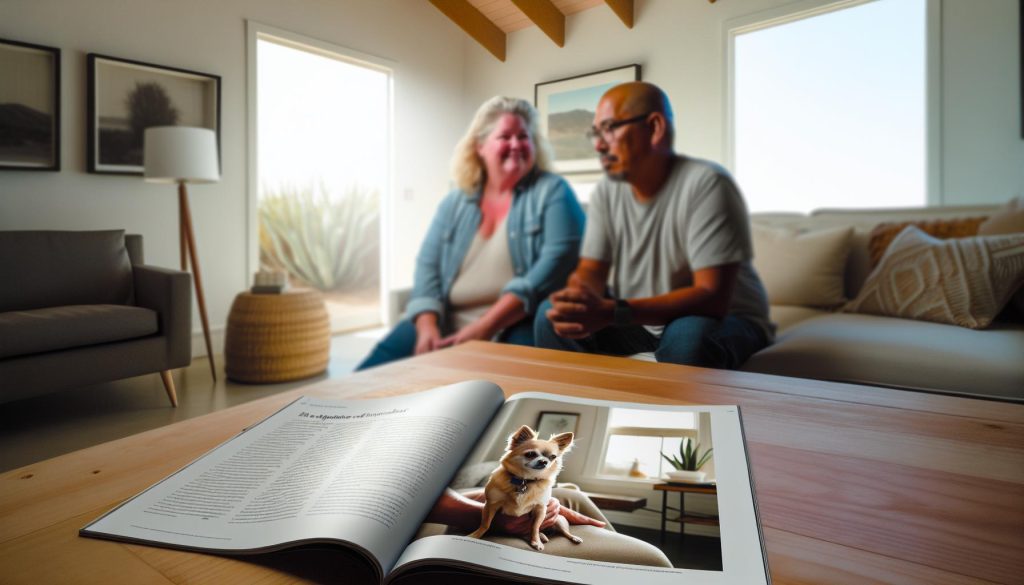
Welcome to our comprehensive guide on Chihuahuas, the tiny dogs with outsized personalities! Did you know that despite their small stature, Chihuahuas are known for their fierce loyalty and bold nature? Whether you’re a first-time owner or looking to deepen your understanding of this unique breed, it’s essential to grasp their specific needs and behaviors-from health and care to socialization and training. Chihuahuas shine in their roles as companions, easily winning over hearts with their vocal charms and devotion. However, their distinct temperaments can present challenges that require attention and knowledge. Our guide will provide practical insights into what these adorable pups truly need to thrive, ensuring you build a strong, loving relationship with your little companion. Prepare to uncover everything you need to know about the delightful world of Chihuahuas!
Understanding the Unique Traits of Chihuahuas
Chihuahuas are truly one-of-a-kind companions, often surprising first-time owners with their larger-than-life personalities. Despite their tiny size, these dogs are known for their boldness and fierce loyalty, making them formidable little guardians. Chihuahuas can weigh as little as 2 pounds, yet they carry themselves as if they own the room. Whether you have an apple-head with a rounded skull or a deer-head with a more elongated profile, understanding your Chihuahua’s unique look and temperament is key to building a strong bond with him or her.
One standout trait of Chihuahuas is their vocal nature. They are not shy about expressing their opinions, whether it be barking at a passing squirrel or alerting you to visitors. This vocalization stems from their natural instincts-being small, they often feel the need to assert themselves. Regular socialization can help curb excessive barking and allow your Chihuahua to distinguish between real threats and everyday occurrences.
Chihuahuas also come in two coat types: smooth and longhaired. Each type requires unique grooming approaches. For smooth-coated Chihuahuas, brushing once a week is sufficient to keep their coat healthy and shiny. In contrast, longhaired Chihuahuas demand more frequent grooming to prevent matting. Their personalities can vary widely; some are sweet and calm, while others are more spirited and playful. Understanding these behavioral traits helps you cater to their individual needs and keep your home peaceful and happy.
In accessibility and adaptability, Chihuahuas excel. They thrive in various living situations, from bustling city apartments to serene countryside homes. This adaptability, paired with their deep affection for their owners, makes them excellent companions for both experienced pet owners and newbies alike. Providing your Chihuahua with regular exercise, mental stimulation, and all the love needed to thrive will ensure that he remains a treasured part of your life for years to come.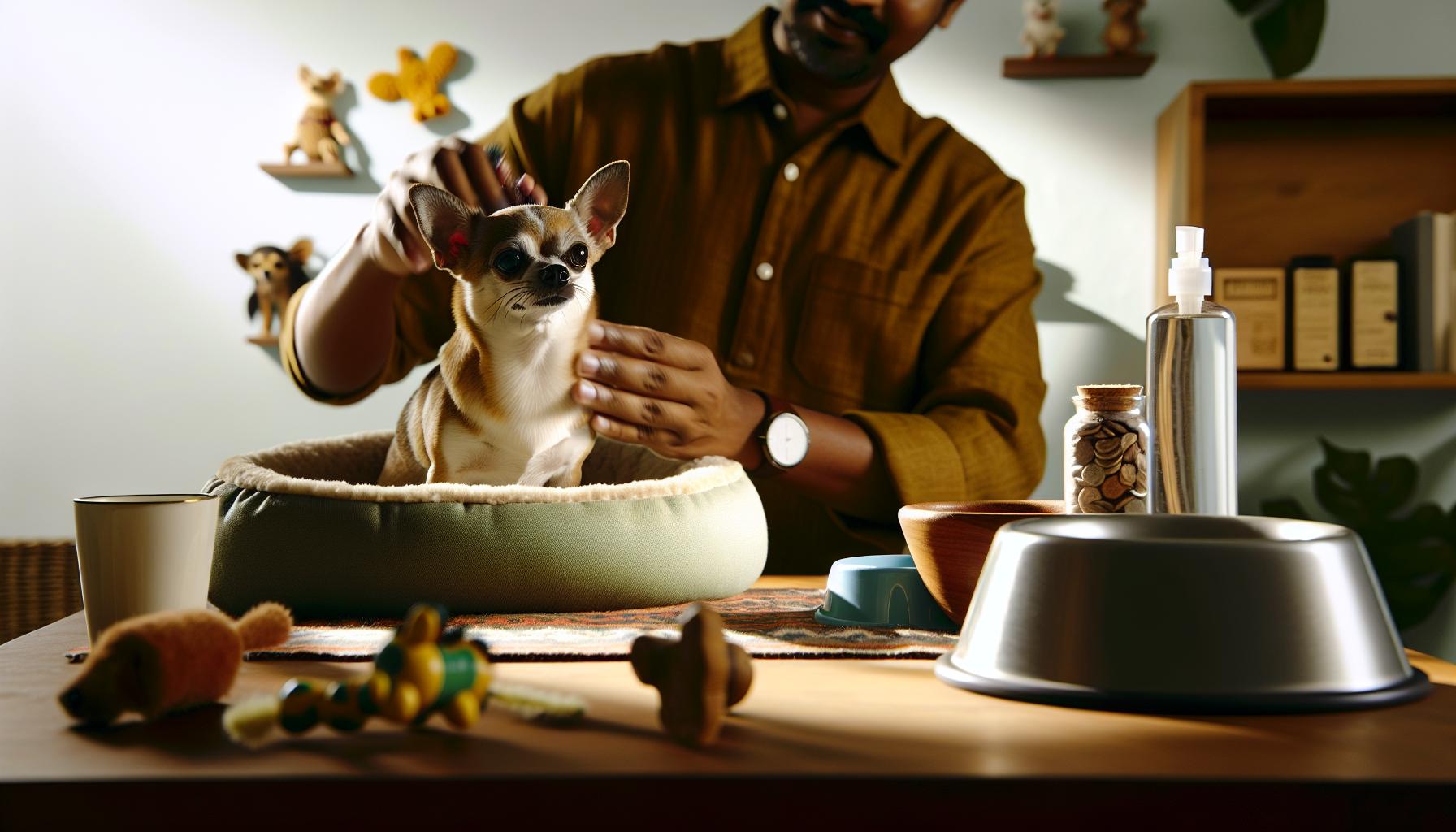
Essential Care Tips for Your Chihuahua
Chihuahuas are more than just a pocket-sized breed; they are vibrant personalities packed into tiny bodies, making them both rewarding and sometimes challenging companions. To ensure that your little friend thrives and remains happy, it’s essential to embrace a comprehensive care routine tailored to their unique needs. From their health requirements to training and socialization, here are key care tips that every Chihuahua owner should know.
Health and Wellness
Regular veterinary check-ups are crucial for Chihuahuas, as they are prone to specific health issues such as dental problems, patellar luxation, and heart disease. It’s advisable to schedule a vet visit at least once a year to catch any potential issues early. Alongside these check-ups, maintaining a solid vaccination schedule is vital for your Chihuahua’s long-term health.
- Dental Care: Chihuahuas often suffer from dental disease, so it’s essential to brush their teeth several times a week or as recommended by your vet. Consider dental chews as well to help reduce plaque.
- Weight Management: Due to their tiny size, even a few extra ounces can lead to obesity. Monitor their diet closely, provide appropriate portions, and avoid high-calorie treats.
Nutrition and Diet
Feeding your Chihuahua a high-quality diet specifically formulated for small breeds can make a significant difference in their health and energy levels. Look for food rich in protein and essential nutrients tailored to their unique requirements. Small, frequent meals work best since Chihuahuas tend to have smaller appetites but can become picky eaters if given the same food for too long.
Training and Socialization
Training your Chihuahua can be a rewarding experience, given their intelligence and eagerness to please. Start with basic commands such as “sit,” “stay,” and “come.” Positive reinforcement, like treats or affection, works wonders. Remember, training sessions should be short and fun; Chihuahuas thrive in engaging environments.
For socialization, introducing your Chihuahua to different environments, people, and other animals early on is essential. Whether it’s a day at a dog park or casual strolls in the neighborhood, allow them to experience new situations, which will help reduce anxiety and bolden their confidence.
Grooming Considerations
Grooming varies depending on whether your Chihuahua has a smooth coat or a longhaired variety. Smooth coats require minimal upkeep, with weekly brushing being sufficient. Longhaired Chihuahuas, however, need more frequent brushing to prevent tangles and matting. In addition, regular baths will keep your Chihuahua clean and fresh. Use puppy-friendly shampoo suitable for their sensitive skin.
Providing a safe and comfortable environment for your Chihuahua means having the right accessories. A soft bed, a well-fitted harness, and safe toys will not only enhance their comfort but play a significant role in their happiness and well-being.
Embracing these essential care tips will help you foster a loving, healthy environment for your Chihuahua, allowing them to flourish as the loyal companion they are meant to be. Their small stature may be deceptive, as they have the potential to make a big impact on your heart and home.
Chihuahua Health Concerns Every Owner Should Know
Chihuahuas may be small in stature, but they come with a range of health concerns that every devoted owner should be aware of. Due to their unique physical traits and energetic nature, they are prone to specific issues that can affect their quality of life if not properly managed. Understanding these health concerns is crucial for ensuring that your little friend remains happy and healthy for years to come.
Common Health Issues
One major health concern for Chihuahuas is dental disease. Their small mouths can lead to crowded teeth, which increases the risk of plaque buildup and gum disease. Regular dental care, including brushing his teeth and providing dental chews, can significantly benefit his oral health. As an owner, you should schedule professional cleanings with your vet to keep his smile bright.
Another condition to be mindful of is patellar luxation, a common issue among small breeds. This occurs when the kneecap dislocates, causing your Chihuahua to skip or hop while walking. Identifying signs early, such as limping or reluctance to jump, can help your vet implement treatment options, ranging from weight management to surgery in severe cases.
Chihuahuas are also susceptible to heart disease, particularly mitral valve disease, which is more prevalent as they age. Regular vet check-ups that include heart health assessments are essential. Watch for symptoms like coughing, lethargy, or fainting, and promptly report any concerns to your veterinarian.
Temperature Sensitivity
Being a toy breed with a diminished fat layer, Chihuahuas are particularly sensitive to temperature extremes. They can easily become chilled in cold weather and overheated in the heat. It’s important to provide appropriate clothing during colder months and to ensure he has plenty of shade and water during the hot summer days. This sensitivity means they require special considerations when outdoors; never leave your boy in a hot car or take long walks in the midday sun.
Regular Preventative Care
Preventative care plays a key role in keeping your Chihuahua healthy. This includes maintaining regular veterinary visits, ensuring up-to-date vaccinations, and being vigilant about dietary needs. Monitoring his weight is vital-Chihuahuas can gain weight easily, which exacerbates existing health issues. Opt for high-quality, breed-appropriate food and consider consulting your vet for a tailored feeding plan.
A first-time Chihuahua owner might feel overwhelmed by these potential health concerns, but rest assured that with a proactive approach, you can help your little companion thrive. Embrace regular vet visits, preventive care, and diligent attention to his unique quirks and needs, and you will foster a loving home where he can flourish. Your Chihuahua may be tiny, but with your support, he can conquer the world-one little bark at a time.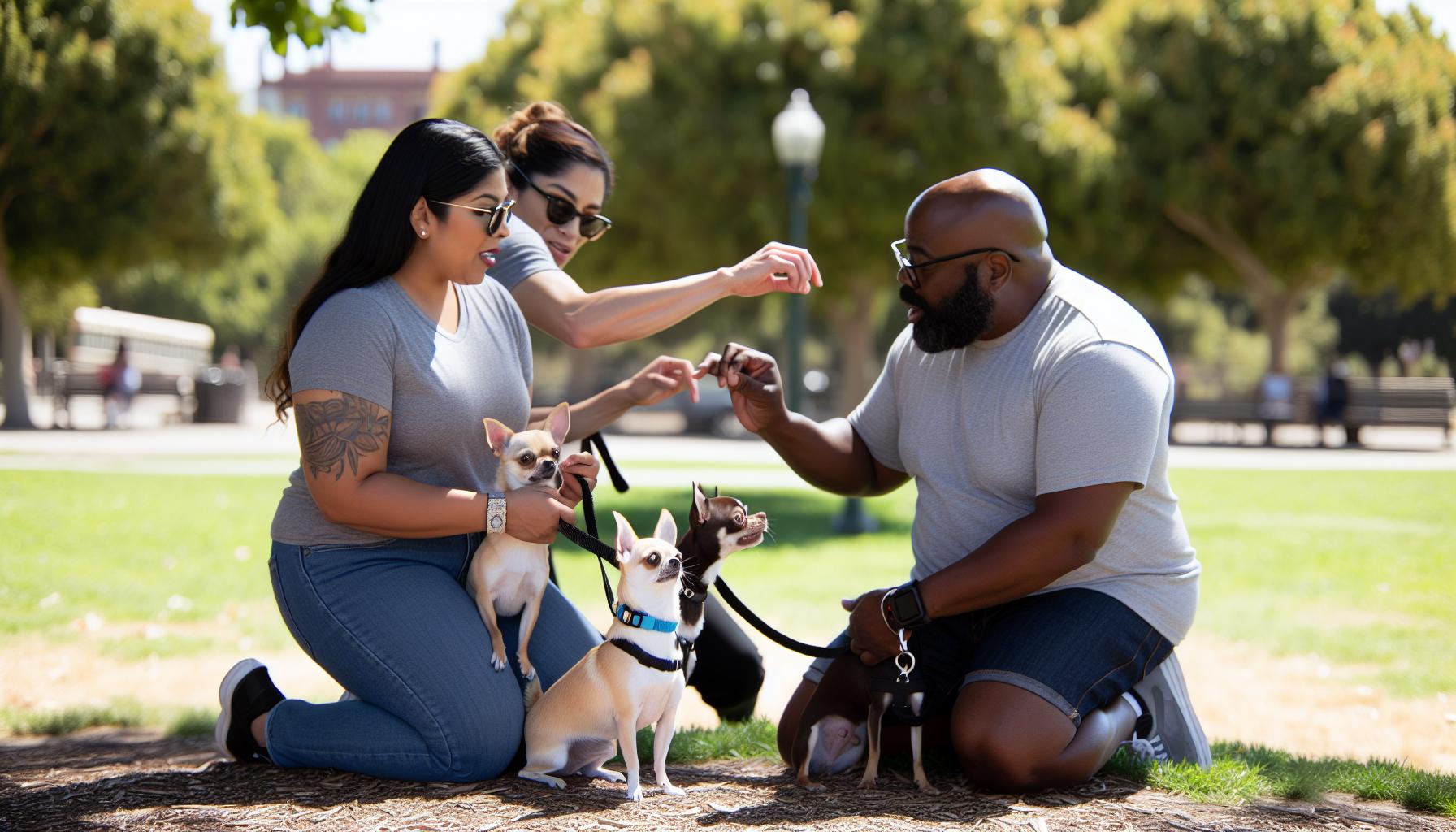
Effective Training Techniques for Chihuahuas
Chihuahuas are known for their bold personalities wrapped in a tiny package. Their vivacious spirit often means they need special training techniques that resonate with their unique temperament. These little companions can be opinionated and vocal, making effective training essential for fostering a well-behaved pet and a harmonious household.
To start, consistency is key. Establishing clear rules from the very beginning helps your Chihuahua understand what is expected of him. For instance, if jumping on furniture is off-limits, ensure that you consistently discourage this behavior, whether he’s a tiny apple-head or a long-coated beauty. Through repetition, he’ll learn the household boundaries better. Positive reinforcement works wonders, too! Use treats, praise, or his favorite toy as rewards whenever he follows commands. This method not only builds a strong bond of trust between you, but it also caters to his intelligent nature, giving him the mental stimulation he craves.
Basic Commands and Socialization
Start with foundational commands such as “sit,” “stay,” and “come.” Chihuahuas can grasp these basic cues quickly, especially when you break lessons into short sessions lasting around five to ten minutes. Their short attention spans mean that keeping training fun and engaging is crucial. You might even incorporate breed-specific quirks; for example, use their curiosity by hiding treats in different places and encouraging him to “find it.”
Socialization is equally important and should begin early. Introduce him to new experiences, environments, and people to help him adapt and develop a friendly, confident demeanor. For instance, take him to puppy playdates or expose him to diverse environments-like dog-friendly cafes or parks. Remember, well-socialized Chihuahuas are not only better behaved but also less likely to develop anxiety or aggression as they grow.
Addressing Behavioral Challenges
Given their protective nature, Chihuahuas may bark at everything from the mailman to the neighborhood squirrel. While you can’t entirely eliminate barking, you can train him to respond to cues to reduce unnecessary noise. Techniques like the “quiet” command can work well when introduced gradually. Initially, reward your Chihuahua for being quiet, eventually pairing it with the command. Another practical approach is to redirect their focus onto a toy or activity when they start barking.
Lastly, patience is paramount. Every canine is different, and fostering a bond built on understanding will go a long way. When challenges arise-for instance, if he’s stubborn about potty training-remember that accidents are part of learning. Celebrate his milestones, no matter how small, and always provide loving guidance.
Through these effective training techniques tailored for their unique personality, your Chihuahua can evolve into a well-adjusted companion, letting his quirky charm shine both in and out of the home.
Nutrition and Diet: Feeding Your Chihuahua Right
Feeding a Chihuahua is both an art and a science. With their small size and active personalities, these little companions have specific dietary needs that, if met, can lead to a long, healthy, and vibrant life. Many first-time owners might be surprised to learn that despite their small stature, Chihuahuas can be quite particular about what they eat, often requiring a more nuanced approach compared to larger breeds.
Chihuahuas typically require a high-quality, nutritionally balanced diet that caters to their energy levels and unique metabolism. It’s essential to choose a food specifically formulated for small breeds, which provides the right balance of proteins, fats, vitamins, and minerals. Look for kibble that boasts high protein content, preferably from animal sources, as this supports their energy needs and promotes muscle health. Brands like Royal Canin or Hill’s Science Diet offer tailored options that many Chihuahua owners swear by.
Portion Control and Meal Frequency
While it may be tempting to overindulge your Chihuahua with treats due to their adorable nature, portion control is crucial. A common mistake is feeding them based on the owner’s perception of what is “normal” for a dog. Instead, refer to feeding guidelines on the pet food label, as these are generally tailored to small dog breeds. Moreover, splitting their daily food intake into two or three meals can help maintain energy levels and prevent obesity, which is a significant concern for Chihuahuas, given their delicate frame.
Grocery Store vs. Specialty Diet
In addition to commercial dog foods, some owners may consider home-prepared meals. It’s imperative, however, to consult with a veterinarian or an animal nutritionist to ensure any home-cooked meals meet all nutritional requirements. For instance, combining lean meats, vegetables like carrots and peas, along with a small amount of brown rice can create a wholesome meal. However, be cautious to avoid harmful ingredients; foods like chocolate, onions, and garlic are toxic to Chihuahuas.
Understanding Food Allergies
Like many breeds, Chihuahuas can be prone to food allergies or sensitivities. Common allergens might include certain grains, beef, or chicken. If you notice signs of allergies such as excessive itching, ear infections, or digestive upset, consult with your vet for an appropriate elimination diet to identify the culprit. Switching to a limited-ingredient diet may also help mitigate these issues.
Ultimately, the right nutrition and diet are about creating a balance that keeps your Chihuahua healthy, agile, and full of life. By closely monitoring his preferences and any reactions to different foods, you’ll surely find the optimal regimen that supports his unique personality and health needs. Remember, a well-fed Chihuahua is a happy Chihuahua!
Socialization Strategies for a Well-Adjusted Chihuahua
Socializing a Chihuahua can be one of the most rewarding experiences you’ll have as an owner, especially given their vibrant personalities. These little dogs, often packed with as much spirit as larger breeds, thrive on social interaction. When properly socialized, your Chihuahua can grow into a confident, well-rounded companion who comfortably navigates various environments. One interesting aspect of Chihuahuas’ socialization is that their small size often leads to them being underestimated, which can sometimes foster possessive or overly protective behaviors. However, with the right strategies, you can help him become a happy and well-adjusted member of your family and community.
Start early. If you’re bringing a Chihuahua puppy into your home, begin socialization during the critical developmental window of 3 to 14 weeks. Expose your puppy to a variety of experiences-different people, environments, and sounds. A trip to a pet store can be an exhilarating adventure! Make a list of safe experiences to consider:
- Visiting dog-friendly parks
- Meeting friendly, vaccinated dogs
- Spending time with calm adults and children
- Riding in the car (using a secure harness or crate)
- Exploring different surfaces like grass, gravel, and tile
For owners with older Chihuahuas, it’s never too late to improve social skills. Start slow, respecting his comfort levels, and gradually introduce new experiences. Perhaps your Chihuahua has never seen a cat before. Use short, positive interactions when introducing new experiences, ensuring he associates them with good feelings. A tasty treat or his favorite toy can go a long way in creating a positive experience.
Positive Reinforcement Is Key
Utilizing positive reinforcement is essential in socialization efforts. Encourage calm behavior with praise and rewards when your Chihuahua interacts well with new experiences. For instance, if he remains composed while meeting a new person, shower him with affection or a small treat. This reinforces that good behavior leads to positive outcomes. Consistency is crucial-try to make socialization a part of your daily routine. Regular, positive encounters will build based on each successful interaction, nurturing his confidence and helping him feel more secure.
Be Mindful of His Boundaries
Remember, Chihuahuas have unique personalities. While some may be outgoing and curious, others might be shy or reserved. If your Chihuahua seems overwhelmed, take a step back. Create a safe space for him to retreat into when social situations become too much. An inviting bed or crate can become a sanctuary where he can recharge. Gradually increase exposure to the outside world at his pace, allowing him to adjust comfortably.
Involving your Chihuahua in classes can also enhance his socialization experience. Puppy classes or basic obedience training provide an excellent opportunity for socialization with other dogs and people. Not only does this help his confidence grow, but it also strengthens your bond through shared experiences.
Ultimately, socializing your Chihuahua is about fostering trust and confidence, setting him up for a happy, secure, and fulfilling life. Celebrate his quirky personality; remember that these tiny companions have enormous hearts! With patience, consistency, and a loving approach, you will help him flourish in his social interactions and embrace the world around him.
Understanding Chihuahua Behavior and Temperament
Chihuahuas are captivating little beings, often brimming with confidence that defies their small stature. Known for their loyalty and bold personalities, these tiny dogs can be both charming companions and spirited protectors of their family. Understanding his behavior and temperament is crucial for ensuring a harmonious relationship between you and your beloved Chihuahua.
One of the most defining traits of this breed is their strong bond with their owners. Chihuahuas thrive on companionship; they are affectionate and can be deeply loyal to their families. Despite their size, many Chihuahuas exhibit an assertive nature, often barking to alert you of any perceived threats. This instinctive protectiveness is wired into their DNA, making them vigilant watchdogs. However, it’s important to ensure that their barking doesn’t turn into nuisance behavior. Consistent training and positive reinforcement techniques can help curb excessive vocalization.
Understanding His Unique Personality
Each Chihuahua is an individual with a distinct personality influenced by genetics, socialization, and experiences. You may come across Chihuahuas that are social butterflies, eager to meet new people and cuddle with friends, while others may exhibit shyness or cautiousness. It’s essential to recognize and respect these differences. For example, an apple-headed Chihuahua, known for its rounded skull and large eyes, might be more prone to nervousness in new situations compared to a deer-headed Chihuahua, who often showcases a more outgoing character.
Chihuahuas often display separation anxiety when left alone for extended periods. Their strong attachment can lead to behaviors such as destructive chewing or persistent barking if they feel abandoned. To combat this, creating a comforting environment coupled with gradual crate training can help him feel secure when you’re away. Building a predictable routine and providing mental stimulation through toys or puzzles will also contribute to his emotional well-being.
Playtime and Activity Needs
Despite their petite size, Chihuahuas have plenty of energy and require regular playtime and walks, tailored to match their individual energy levels. Interactive play, such as games of fetch or agility exercises, can help satisfy his need for physical activity while strengthening your bond. Keep in mind that their small stature makes them vulnerable in rough play; always supervise interactions with larger dogs or rambunctious children.
Creating a nurturing and understanding environment for your Chihuahua involves embracing his spirited personality while ensuring he feels secure and loved. By acknowledging his behavioral quirks and temperamental traits, you’ll be well-equipped to provide a fulfilling life that respects his unique nature. As you embark on this wonderful journey together, take delight in the joys and challenges that come with sharing your life with such a spirited, bold companion.
Grooming Basics for Different Chihuahua Coat Types
Every Chihuahua owner soon learns that grooming is an essential part of keeping their tiny companion healthy and happy. Whether you’re welcoming a short-haired “smooth coat” or a long-haired Chihuahua into your home, understanding the specific grooming requirements based on coat type helps maintain your pup’s overall well-being and comfort.
Chihuahuas typically come in two main coat types: smooth and long. Each requires a different approach to grooming, but all Chihuahuas benefit from regular attention to their grooming routines.
Grooming the Smooth Coat Chihuahua
Smooth coat Chihuahuas feature a sleek, shiny coat that’s relatively easy to maintain. Here’s how to keep him looking dapper:
- Brushing: Use a soft-bristle brush or grooming mitt once a week to remove loose hair and stimulate skin oils. While they shed minimally, a gentle brush helps keep their coat healthy and shiny.
- Bathing: Bathe him every few months or as needed if he gets particularly dirty. Use a mild dog shampoo to prevent skin irritation, and ensure you rinse thoroughly.
- Nail Trimming: Trim his nails once a month to avoid discomfort. Regularly check his paws for any debris or issues between grooming sessions.
- Ears and Teeth: Clean his ears weekly with a vet-recommended solution and ensure you’re brushing his teeth a few times a week to maintain dental health.
Grooming the Long Coat Chihuahua
The long-haired Chihuahua boasts a stunning, flowing coat that requires a bit more care to prevent tangling and matting.
- Brushing: His coat should be brushed multiple times a week, ideally every other day. Use a slicker brush to detangle and a comb to reach deeper into the fur for any hidden knots.
- Bathing: A bath every 4-6 weeks is ideal for keeping the coat clean. Again, use a gentle dog shampoo and consider a conditioner to help manage the longer hair.
- Ear and Dental Care: Due to their sheer volume of fur, long-haired Chihuahuas may require more frequent ear checks. Keep ears clean and dry, and brush teeth regularly to prevent plaque build-up.
Understanding Their Unique Needs
You’ll also want to monitor for common issues related to grooming. For example, some long-haired Chihuahuas may be prone to matting around the ears and under the armpits. Regular detangling will keep him comfortable and reduce grooming time in the long run. Additionally, maintaining a consistent grooming schedule creates a routine that many Chihuahuas come to enjoy.
Consider establishing a grooming space where your Chihuahua feels secure, perhaps with his favorite blanket or toy. This space can help ease anxiety associated with grooming, making the experience enjoyable for both of you.
Ultimately, grooming should be a bonding experience that enhances your connection with your Chihuahua while ensuring he feels comfortable and looks his best. By catering to his specific coat type and developing a regular grooming routine, you’ll contribute to his overall health, happiness, and confidence. Enjoy the process-it’s one of the many ways to express your love for your spirited little companion!
Choosing the Right Accessories for Your Chihuahua
Your Chihuahua’s zest for life and unique personality deserve accessories that match his vibrant spirit and special needs. Choosing the right accessories helps enhance your dog’s daily experiences, whether you’re heading out for a walk, playing at home, or gearing up for a cozy night in. Let’s dive into essential accessories that cater specifically to Chihuahuas and their quirky charm.
Harnesses and Collars
A reliable harness is crucial for your Chihuahua, especially since their tiny necks can be prone to injury when pulled. A well-fitted harness distributes pressure evenly across the chest and back, reducing strain during walks. Look for options that feature adjustable straps and soft materials to ensure comfort.
When choosing a collar, consider one that is lightweight and breathable. Many owners prefer collars with a quick-release buckle for easy on-and-off access. For safety, opting for a collar with an ID tag is always a good idea. This tag should contain your contact information, ensuring that your little explorer can find his way back to you should he wander off.
Leads and Walking Gear
Your choice of lead is equally important. For Chihuahuas, a lightweight, durable leash is ideal. A length of about 4 to 6 feet offers enough freedom for him to explore while still allowing you control. Some owners swear by retractable leashes, but be cautious; they can create a false sense of security, as Chihuahuas are small and fast. Always supervise your pup closely during walks with any retractable lead.
For additional safety, consider a reflective leash or harness if your walks stretch into the evening hours. It’s a smart way to keep your little companion visible to others while you both enjoy the outdoors.
Clothing and Weather Gear
Chihuahuas aren’t just fashionable; they often need a little extra help staying warm in chilly weather. Their small size means they can get cold quickly, so investing in a quality dog sweater or coat is a must for outdoor adventures during the winter months. Look for items made from soft, breathable fabrics that won’t irritate his skin.
Do you live in a warm climate? Lightweight bandanas can keep your Chihuahua cool and stylish, while protecting him from the sun’s harsh rays.
Comfort and Playtime Accessories
With a personality as big as theirs, Chihuahuas adore toys that challenge their minds and keep them actively engaged. Puzzle toys can be an excellent resource for mental stimulation, while sturdy chew toys help maintain dental health. Look for toys specifically designed for small breeds; these are often the ideal size for their tiny mouths and teeth.
Creating a cozy space for your Chihuahua is equally important. A small dog bed or blanket that hugs him will provide a sense of security. He will love retreating to his own little nook after a day of adventuring. Many owners find their Chihuahuas enjoy cuddling in plush beds with high sides for a secure feeling.
allows you to cater to his unique needs and personality while ensuring safety, comfort, and fun. Remember, every accessory is an opportunity to express love and knowledge about this vibrant breed. Celebrate his individuality by selecting items that reflect his bold and spirited nature!
Traveling with Your Chihuahua: Tips and Safety
Traveling with your Chihuahua can be a delightful adventure, as long as you keep their unique needs in mind. These tiny companions are bold, vocal, and extremely loyal, which makes them the perfect travel partner. Their small size allows them to fit easily under airplane seats or in a car’s nook, making them ideal for a variety of travel situations. However, preparation is key to ensuring a smooth journey for both of you.
Plan Ahead for Comfort
Before embarking on your adventure, it’s essential to consider your Chihuahua’s comfort and safety. Start by investing in a sturdy and comfortable carrier that meets airline regulations if you’re flying. Choose one that is well-ventilated and easy to clean. If you’re hitting the road, a pet seatbelt or a secure travel crate can help keep him safe and prevent any erratic movements during sudden stops. Both options provide safety while giving your little buddy a cozy space to claim as his own.
Don’t forget to schedule potty breaks along the route-Chihuahuas may be small, but they still need regular bathroom access. Create a travel itinerary that includes regular stops for exercise and bathroom breaks. These little breaks can help manage any travel anxiety your Chihuahua may feel and allow him to explore new scents, enhancing his travel experience.
Health and Safety Considerations
Chihuahuas may face unique health considerations during travel, particularly if they have pre-existing health issues. Before traveling, consult your veterinarian to ensure your pup is fit for the journey. Ask about any required vaccinations or medications, especially if your destination is far or involves different climates. Always have your Chihuahua’s health records and contact information for veterinary services at your destination readily available.
During travel, keep an eye on your Chihuahua for signs of discomfort, such as excessive panting, vomiting, or whining. Using a pet-safe cooling vest can help your Chihuahua manage heat during long trips, particularly in sunnier climates. If you’re traveling during winter, consider packing a warm coat or sweater, as Chihuahuas can be sensitive to cold temperatures.
Food and Hydration On the Go
Proper nutrition remains vital while traveling. Maintain your Chihuahua’s usual feeding schedule and try to bring along his favorite food to prevent any stomach issues associated with sudden diet changes. Lightweight, travel-friendly containers are great for carrying his food and snacks. Always pack adequate fresh water and a portable water bowl to keep him hydrated throughout the trip. A practical tip is to use a collapsible bowl, making it easy to store when not in use.
Social Behavior and New Environments
Chihuahuas can be both curious and cautious when experiencing new environments. It helps to acclimate them gradually-start with short trips before attempting longer adventures. This way, your Chihuahua becomes accustomed to the sounds and sights of travel while you assess how he reacts to different surroundings. Always supervise him closely in unfamiliar settings to ensure he remains safe and doesn’t unintentionally wander off.
For first-time travelers with their Chihuahuas, consider sharing the experience with a trusted friend or family member. Having someone to help can make the journey smoother, and it can be comforting to have the support if any challenges arise.
Every trip with your Chihuahua is a chance to bond over new experiences and adventures. By planning ahead and accommodating his needs, you can ensure that your travel experience is as enjoyable for your little companion as it is for you. Enjoy the journey, and let his vibrant spirit lead the way!
Chihuahua Myths: Debunking Common Misconceptions
Chihuahuas are often surrounded by a cloud of myths that can mislead even the most well-intentioned owners. Understanding the truth behind these misconceptions is crucial for providing the best care for these lively little companions. Let’s explore some of the most common myths and set the record straight.
They’re Just “Yappy” Dogs
One of the most persistent misconceptions is that all Chihuahuas are incessantly yappy. While it’s true that they have a vocal nature, frequently expressing themselves with barks and yips, this behavior often stems from their environment and training rather than an inherent quality of the breed. A well-socialized Chihuahua will have a calmer demeanor and will likely only bark to alert you of the unusual, rather than as a constant habit. Owners can gently discourage excessive barking through consistent training and positive reinforcement. For example, if your Chihuahua tends to bark at strangers, teaching the “quiet” command can help him learn when it’s time to settle down.
Chihuahuas Are Fragile and Delicate
Another myth is that Chihuahuas are fragile creatures that need to be coddled and protected constantly. While their small size (often weighing between 2-6 pounds) may lead to this perception, Chihuahuas are surprisingly resilient. They are spirited dogs with plenty of energy, and many enjoy vigorous play and adventures. However, caution is still necessary. It’s essential to supervise them around larger dogs and young children who may not understand their size and temperament. Always remember that although they can hold their own in personality, they still need a safe environment to thrive.
They Don’t Need Much Exercise
Some might think that because of their petite stature, Chihuahuas don’t require much exercise. This is far from the truth! Chihuahuas are active little dogs who benefit from daily walks, play sessions, and mental stimulation. Just like larger breeds, lack of exercise can lead to behavioral issues such as anxiety and destructive behavior. A dedicated owner should aim for at least 30 minutes of activity per day-this could be quick walks or fun games inside. Owners often find that their Chihuahuas love to participate in activities like agility training or even tricks, which can be great ways to burn off energy indoors.
They Don’t Get Along with Other Pets
The belief that Chihuahuas are aggressive or incompatible with other pets is another misconception that can deter potential owners. While Chihuahuas are known for their bold personalities, with proper socialization from a young age, they can coexist happily with other dogs and cats. Introducing your Chihuahua to new pets in a controlled environment, allowing for gradual adjustment, will help ease any fears. Many owners have shared heartwarming experiences of their Chihuahuas cuddling with larger breeds or forming bonds with cats-showing that love knows no size!
Chihuahuas Are Just Fashion Accessories
It’s not uncommon to see Chihuahuas dressed in elaborate outfits, which can lead to the notion that they are merely fashion accessories. While it’s perfectly fine to dress your Chihuahua in cute outfits for fun, it’s vital to remember that they are living beings with rich personalities and needs. They thrive on affection, playtime, and mental engagement, much like any other breed. When you see an owner, confidently showing off their stylish companion, it’s important to recognize that beneath the chic attire beats the heart of a loyal, vibrant, and intelligent dog.
By debunking these myths, we can foster a better understanding of Chihuahuas and their unique traits. Being informed helps create a nurturing environment for your Chihuahua, allowing him to become a cherished part of your family-bold, vocal, and full of personality!
What to Expect When Welcoming a Chihuahua Home
Welcoming a Chihuahua into your home is like adding a spark of joy and vibrancy to your life. These tiny companions are known not just for their diminutive size but also for their big personalities. From their vocal nature to their fierce loyalty, each Chihuahua brings a unique energy that can transform your household dynamics. But what should you expect on the journey of bringing one of these spirited dogs home? Let’s dive into the key elements of integrating a Chihuahua into your life.
Preparing Your Home
Before your new furry friend arrives, ensure your home is safe and welcoming. Chihuahuas are curious explorers, and their small size means they can fit into tight spaces where bigger pets can’t. Here are a few tips to prepare:
- Secure Small Items: Remove choking hazards like small toys, wires, and fragile items that might be within their reach.
- Establish a Safe Space: Set up a cozy area with a crate or bed, where your Chihuahua can retreat to feel secure in the initial days.
- Child Safety Gates: If you have children, consider using gates to establish boundaries and prevent accidents.
Getting to Know Your Chihuahua
When your Chihuahua arrives, give him time to adjust to his new surroundings. He may initially be shy or anxious, which is normal for any dog entering a new environment. Understanding his behavior will help ease this transition:
- Observation is Key: Watch how he interacts with his surroundings. Does he seem confident or cautious? This will guide you in providing comfort and support.
- Establish a Routine: Chihuahuas thrive on predictability. Set up regular feeding, play, and potty times to help him feel settled.
- Gentle Interactions: Introduce family members one at a time and let your Chihuahua dictate the pace of socialization.
Health Considerations
Chihuahuas are generally sturdy but can be prone to specific health concerns, so it’s essential to schedule a vet visit shortly after bringing him home. Keep an eye out for:
- Dental Care: Chihuahuas often have dental issues; brushing their teeth regularly will keep their smiles healthy.
- Weight Management: These tiny dogs are prone to obesity, so monitor their diet and weight closely.
- Coughing or Wheezing: These might be signs of heart issues. Always consult the vet if you notice anything unusual.
Embracing Their Personality
As you welcome your Chihuahua into your home, be prepared for their unique quirks. They can be bold, sometimes thinking they’re much bigger than their tiny stature! This assertiveness, combined with their keen intelligence, can lead to delightful moments and challenges as you train and socialize him.
For instance, one owner noted that her Chihuahua loved to “chat” with her when she arrived home from work, barking excitedly until she responded. This vocal engagement can deepen the bond you share with your dog. These moments of interaction are essential, as they reinforce your connection and help your Chihuahua feel secure and loved.
Welcoming a Chihuahua is an exciting venture that promises a heartwarming companionship. By preparing your home, understanding their needs and personality, and being attentive to their health, you will not only nurture a thriving relationship but also enjoy the many joys that come with having such a lovable and spirited breed.
Frequently Asked Questions
Q: What are the most common health issues in Chihuahuas?
A: Chihuahuas are prone to several health concerns including dental problems, patellar luxation, and heart disease. Regular veterinary check-ups, dental care, and weight management are crucial for their health. For more detailed health care strategies, check out our section on Chihuahua Health Concerns Every Owner Should Know.
Q: How can I help my Chihuahua socialize with other dogs?
A: To help your Chihuahua socialize, start by introducing them to friendly, calm dogs in controlled environments. Use positive reinforcement to encourage good behavior. Gradually increase exposure to different settings and socialize with various people too. Explore our strategies in the Socialization Strategies for a Well-Adjusted Chihuahua section for in-depth guidance.
Q: Why does my Chihuahua shake or tremble?
A: Shaking in Chihuahuas can indicate excitement, anxiety, or even a medical issue like hypoglycemia. If the shaking persists or is accompanied by other concerning symptoms, consult your vet to rule out health problems. For behavioral insights, refer to the Understanding Chihuahua Behavior and Temperament section.
Q: What should I feed my Chihuahua to maintain a healthy diet?
A: A balanced diet for your Chihuahua should include high-quality dog food tailored to small breeds. Pay attention to portion sizes to prevent obesity. Incorporate protein, healthy fats, and essential nutrients. For detailed feeding tips, visit the Nutrition and Diet: Feeding Your Chihuahua Right section.
Q: How often should I groom my Chihuahua?
A: Grooming frequency for Chihuahuas depends on their coat type. Long-haired Chihuahuas typically require grooming every few weeks, while short-haired ones need less frequent grooming. Regular brushing helps reduce shedding and mats. For grooming techniques, see our section on Grooming Basics for Different Chihuahua Coat Types.
Q: Are Chihuahuas good with children?
A: Yes, Chihuahuas can be good with children, but it’s important to supervise interactions due to their small size. Teach kids to be gentle and respectful of the dog’s space. If you want tips on creating a safe environment for interactions, check our Chihuahua Myths: Debunking Common Misconceptions.
Q: What size of living space is suitable for a Chihuahua?
A: Chihuahuas adapt well to various living spaces, including apartments. Ensure they have a safe area to play and explore. Regular walks and mental stimulation are essential to keep them happy. For lifestyle considerations, consult our section on Traveling with Your Chihuahua: Tips and Safety.
Q: How can I train my Chihuahua not to bark excessively?
A: To reduce excessive barking, identify the triggers and redirect their focus. Use positive reinforcement to reward quiet behavior. Consistent training sessions will help establish boundaries. For effective training methods, refer to our Effective Training Techniques for Chihuahuas section.
Feel free to dive deeper into the linked sections for more valuable insights on caring for your Chihuahua!
The Way Forward
Thank you for diving into our guide on Chihuahuas! Remember, these little companions are full of personality and charm, showcasing their loyalty and boldness every step of the way. Prioritizing their unique needs, from health care to engaging activities, will set you and your Chihuahua up for a joyful life together. If you’re curious about grooming techniques or the best nutrition for your puppy, don’t hesitate to explore our articles on Chihuahua grooming and diet tips.
Now, take the leap! Join our community of passionate Chihuahua owners by subscribing to our newsletter for expert insights, or check out our product recommendations for everything your furry friend may need. We’re here to support you on this exciting journey, and we’d love to hear your thoughts or experiences in the comments below. Let’s celebrate the joys and challenges of Chihuahua ownership together!
Get our latest guides, news, and insights highlighted in your Google Search & AI Overviews.