
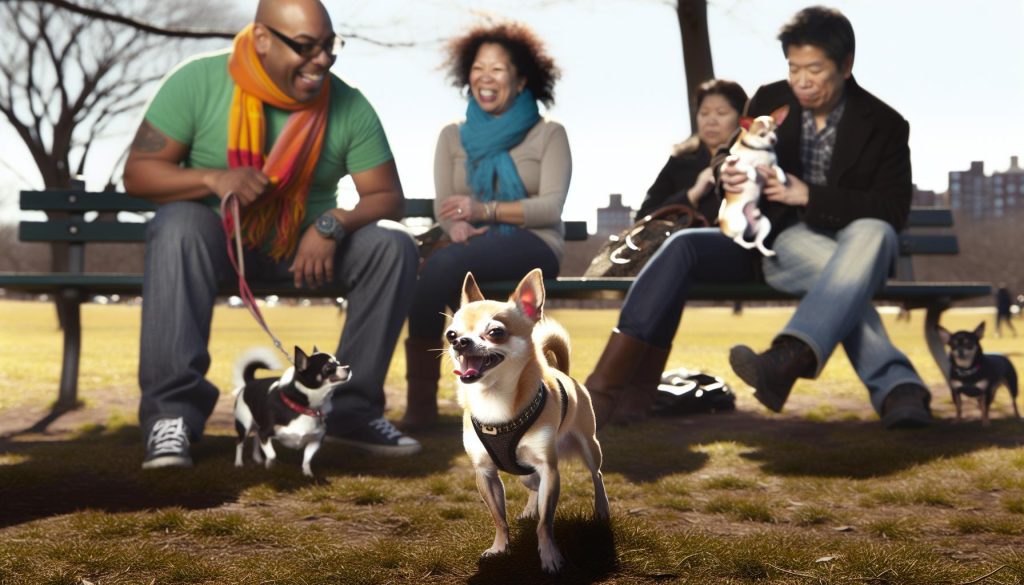
Chihuahuas, despite their small size, carry a reputation for being remarkably feisty and bold. But why do these tiny companions exude such vibrant personalities? From their vocal nature to their fierce loyalty, understanding the motivations behind a Chihuahua’s spirited behavior is essential for any owner. Their unique temperament can sometimes present challenges, making it crucial for both new and seasoned Chihuahua lovers to grasp the nuances of their dog’s personality traits. In this exploration, we’ll unravel the fascinating reasons behind their spunky demeanor, helping you connect with and nurture your Chihuahua’s distinctive character. So, whether you’re seeking tips to manage their boldness or simply wishing to appreciate their quirks, dive in to learn more about the spirited soul of these delightful little dogs!
Personality Traits That Define Chihuahuas
Chihuahuas are more than just tiny dogs; they embody a vibrant personality that captures the hearts of many. Known for their boldness and spunk, these little canines often seem to have no idea that they are among the smallest breeds. This feisty nature is not just for show; it’s part of what makes them uniquely charming and memorable. Whether it’s their loud bark that can rival that of much larger dogs or their unwavering loyalty to their human companions, Chihuahuas are full of quirks that endear them to their owners and make them fascinating companions.
One of the most defining traits of a Chihuahua is their remarkable confidence. Despite their petite frames, they often carry themselves with an air of grandeur. This confidence can sometimes manifest as a fearless attitude, making them seem brave in the face of perceived threats, whether that be a much larger dog or a stranger approaching their territory. Owners often share stories of their Chihuahuas standing defiantly against much larger dogs, something that both baffles and amuses those watching. They are also highly vocal, which not only serves as a warning but also expresses their emotions, making them lively members of the household.
The loyalty that Chihuahuas exhibit is profound; they are known to form incredibly strong bonds with their owners. This attachment can lead to possessive behavior, where the Chihuahua may become overly protective of their human. It’s important for owners to recognize this loyalty and channel it positively through proper training and socialization. Early exposure to various environments and other pets can help mitigate tendencies toward jealousy and aggression, allowing your Chihuahua to thrive in social settings.
In summary, the personality traits of Chihuahuas-boldness, confidence, vocal expressions, and unwavering loyalty-combine to create a unique canine companion that is as spirited as they are loving. Understanding these traits helps owners appreciate the depth of their Chihuahuas’ personalities and fosters a strong, respectful relationship between canine and human. By embracing and nurturing these characteristics, you can enjoy an enriching partnership with your feisty little friend.
Understanding the Feisty Nature of Chihuahuas
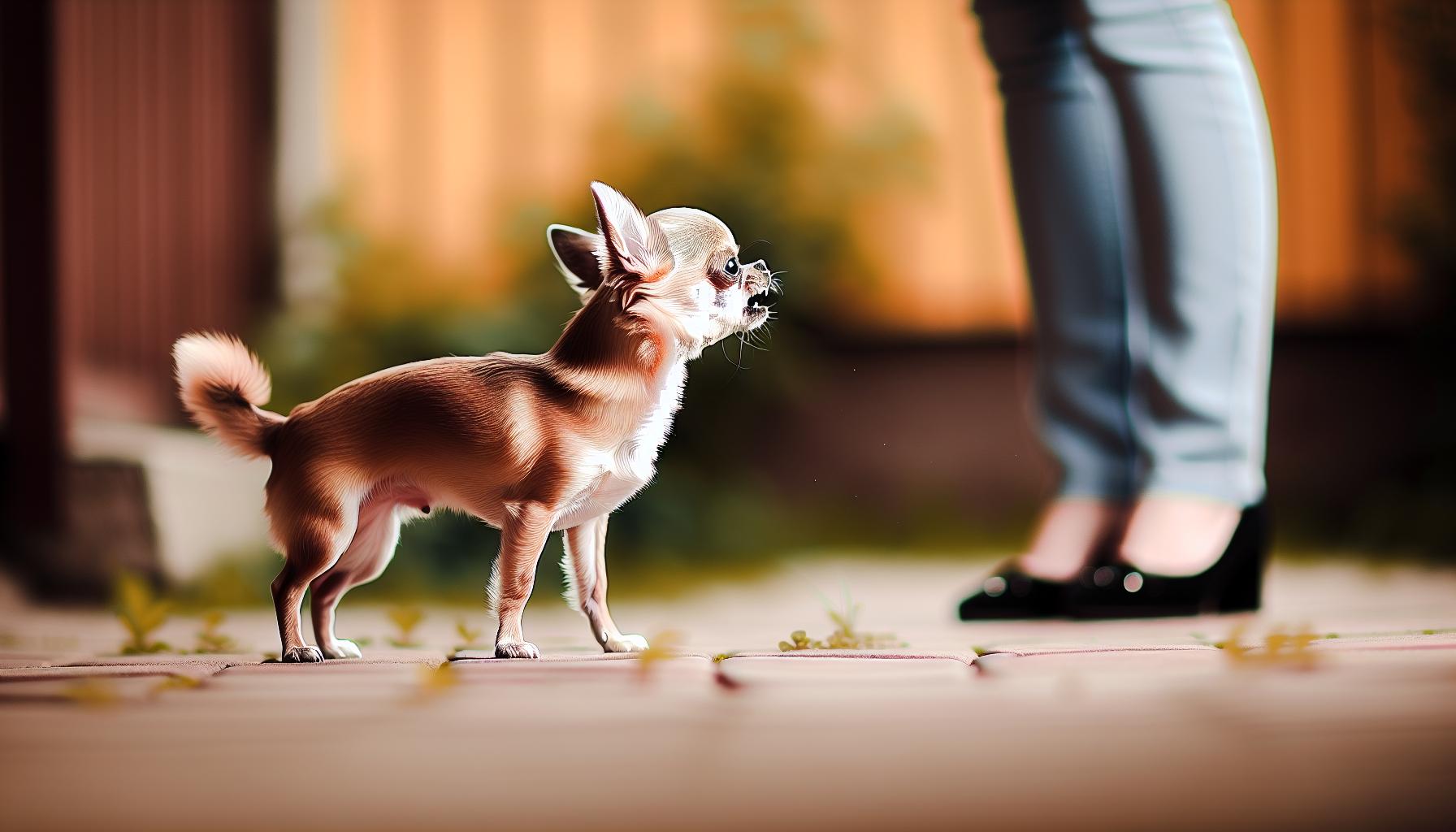
Chihuahuas, despite their diminutive size, often exhibit an astonishingly bold personality that leaves a lasting impression. Their feisty nature can be attributed to a combination of genetics, early experiences, and the desire to protect their loved ones. This breed has a long history as a companion dog, which fosters an innate confidence and spirited demeanor that charm both first-time and seasoned owners alike.
One remarkable aspect of Chihuahuas is their unwavering loyalty. They are fiercely protective of their humans, often considering themselves the guardians of the household. This trait can lead to behaviors that may seem overly vigilant or even aggressive at times, particularly towards unfamiliar pets or people. For example, a Chihuahua named Bella in my neighborhood is known for barking ferociously at anyone who approaches her owner, despite her small stature. This loyalty can be nurtured positively through consistent training and socialization from an early age, helping your Chihuahua understand when to be cautious and when it’s safe to relax.
In addition to loyalty, Chihuahuas are highly vocal and expressive, often using their barks and yips to communicate their emotions. Their loud bark can easily rival that of larger breeds, serving both as an alert system and a way to engage with their human companions. Owners should embrace this vocal nature and learn to interpret the different tones. For instance, a high-pitched bark may indicate excitement, while a deep, growling sound could signify discomfort or territorial behavior. Understanding these nuances can greatly enhance the bond between you and your feisty little friend.
The small size of Chihuahuas often leads to misconceptions about their temperament. Many people underestimate their bravery simply because they are compact. Chihuahuas, whether smooth or long-haired, are known to approach life head-on with an attitude that can be both endearing and fervent. As an example, many owners have shared stories about their Chihuahuas standing their ground against much larger dogs, showing they have hearts as big as their personalities. This tenacity is part of what makes them such captivating companions. Embracing their feisty nature while providing appropriate guidance will ensure a happy and well-adjusted Chihuahua.
How Genetics Influence Chihuahua Behavior

Chihuahuas often surprise us with their bold and feisty behavior, and this can largely be traced back to genetics. Many people don’t realize that the personality traits we see in our tiny companions are influenced by their ancestry. This small breed is believed to have descended from ancient dogs like the Techichi, which were known for their loyalty and protective nature. This genetic background has ingrained a spirited character that shines through in today’s Chihuahuas, making them both charming and, at times, a bit challenging.
A key aspect of how genetics shapes behavior in Chihuahuas is their inherent temperament. Chihuahuas tend to be alert and lively, traits that come from generations of being bred as companion animals. Owners often notice that their Chihuahua’s behavior can mirror that of their parents or littermates; for instance, pups raised in a lively environment are usually more prone to be playful and vocal. In contrast, those from quieter backgrounds may exhibit shy or reserved traits. Understanding this can help you foster the right environment that aligns with your Chihuahua’s genetic predisposition.
Moreover, health issues related to their genes can also play a role in behavior. For example, Chihuahuas are prone to certain health problems like patellar luxation and heart issues, which can lead to discomfort or anxiety. An anxious dog may display more feisty behavior as a defense mechanism. Regular veterinary check-ups and a proactive approach to health can ensure your Chihuahua’s genetic quirks don’t overwhelm their personality.
Finally, it’s important to note that while genetics lays the foundation, your Chihuahua’s environment and socialization practices are equally crucial. Early exposure to various people, pets, and situations can positively influence how their genetic traits manifest. For example, a Chihuahua named Max, who was introduced to a variety of social situations as a puppy, ended up being more confident and well-adjusted than his sister who had more limited experiences. Embrace your Chihuahua’s genetic traits but combine that knowledge with attentive care and training to help them thrive!
Socialization Tips for a Well-Behaved Chihuahua
Even the smallest dogs can have the biggest personalities, and Chihuahuas are no exception. Socialization is a crucial aspect of raising a well-behaved Chihuahua, as it helps them navigate their environment confidently and reduces the chances of developing fear or aggression. These little bundles of energy thrive on interaction, and exposing them to diverse experiences while they are young will cultivate their naturally bold character in a positive way.
Begin socializing your Chihuahua as early as possible. This stage, known as the critical socialization period, typically lasts from three to twelve weeks of age. During this time, introduce him to a variety of people, pets, and situations. Take him to the park, invite friends over, or even just stroll through different neighborhoods. Each new experience allows him to learn how to react confidently to various stimuli. A Chihuahua named Bella, for example, became an amazing social butterfly because her owner took her to dog-friendly cafes and outdoor events, ensuring she met different creatures and people regularly.
Setting up controlled playdates with other dogs can also be highly beneficial. Choose well-mannered dogs that are not overly dominant to prevent your Chihuahua from feeling intimidated. Playdates help them learn canine social cues, enhancing their ability to relate to other dogs. Remember, observing their interactions is key. If your Chihuahua becomes fearful or aggressive, gently remove him from the situation for his well-being.
Another effective strategy is to enroll your Chihuahua in puppy training classes. These classes provide a structured environment where he can learn obedience commands while also socializing with other puppies. This dual approach fosters a sense of discipline in your pup while reinforcing his confidence. Besides training, the classes can prove to be a fun bonding experience for both of you. Celebrating his quirks and acknowledging his responses with positive reinforcement-like treats and affection-will encourage him to continue engaging positively with the world around him.
Incorporate daily socialization into your routine by going on different outings and exposing him to various sounds and experiences. Cats scurrying down the street, children playing, and even the sound of a vacuum can be encountered gradually with treats and praise. This ongoing socialization not only solidifies his confidence but also helps to mitigate any potential behavioral issues as he matures. With time and patience, your tiny companion will be well-adjusted and a delight, showcasing all the best traits that make Chihuahuas such a beloved breed.
The Role of Size in Chihuahua Confidence
Chihuahuas might be pint-sized, but their confidence often rivals that of much larger breeds. Despite their small stature, Chihuahuas display a remarkable boldness and assertiveness, making them feisty companions who aren’t afraid to stand their ground. This unique relationship between size and personality can be both fascinating and challenging for owners, as these tiny dogs seem completely unaware of their limitations. Understanding this dynamic is essential to providing the right care and training for your Chihuahua.
One reason for this boldness stems from their history as fiercely loyal companions. Bred as tiny watchdogs in Mexico, their instinct is to protect their territory, no matter how small it may be. This protective drive can manifest in vocalizations or assertive behaviors when faced with unfamiliar situations or larger animals. A Chihuahua named Coco, for example, barked ferociously at a Great Dane in the park, showcasing a level of courage that left many onlookers amused. Owners must remember that this spirited attitude is rooted in their size; they often feel compelled to compensate for their small stature with an assertive presence.
To channel that boldness positively, focus on reinforcing your Chihuahua’s confidence through socialization and training. Providing opportunities for your pup to engage with a variety of environments and people ensures they feel secure in their small frame. Regular excursions to dog parks or busy street fairs can help familiarize them with different sounds and sights, gradually easing their anxiety when encountering new stimuli. Remember, patience and consistency are key; every positive experience reinforces their sense of confidence, helping them navigate the world more comfortably.
Moreover, recognizing and addressing the limitations that often accompany their size can prevent anxiety-related behaviors. Acknowledging that your Chihuahua may feel fearful in certain situations allows you to create a supportive environment where they can express their boldness without overwhelming stress. Use treats and praise as incentives during training sessions to foster a trusting bond, ensuring that your tiny protector remains both confident and well-behaved. By understanding and nurturing your Chihuahua’s unique personality traits, you create a harmonious relationship where their feistiness can shine in the best possible way.
Common Misconceptions About Chihuahuas Explained
Many people are shocked to learn that Chihuahuas, often stereotyped as yappy and spoiled, possess a rich tapestry of personality traits that goes far beyond these superficial judgments. Despite their small size, these little dogs are known for their boldness, loyalty, and protectiveness. However, misconceptions abound that paint an unfair picture of their character. It’s essential to peel back these layers to truly appreciate what makes Chihuahuas unique companions.
One common misconception is that Chihuahuas are inherently aggressive. While some individuals may display assertive behavior, this is often a reflection of their protective instincts rather than true aggression. Chihuahuas were originally bred as watchdogs; thus, they feel a strong urge to defend their territory, even if it’s just a cozy corner of your living room. For example, many owners have shared stories about their Chihuahuas alarm barking at an approaching stranger, not out of malice but as a genuine attempt to keep their family safe. Socialization plays a crucial role in mitigating unwarranted defensive behaviors, helping your furry friend distinguish between real threats and everyday interactions.
Another misconception is that Chihuahuas are fragile or delicate creatures that cannot handle physical play. In reality, these dogs come with a lively spirit and a surprising amount of stamina. Many Chihuahuas thrive on regular exercise and enjoy engaging in playful activities. Owners often share stories of their Chihuahuas joyfully participating in fetch or agility courses, showcasing their strength and athleticism. If provided with proper care, socialization, and exercise, your Chihuahua can be just as robust as any larger breed.
Furthermore, the idea that Chihuahuas are only suitable for certain lifestyles is misleading. While some may believe they need to be pampered or live solely in apartments, these dogs can adapt to various living situations and lifestyles. Whether you live in a busy household or a quiet neighborhood, Chihuahuas are flexible companions who can thrive in diverse environments given the right love and attention. The key is to ensure they receive sufficient mental and physical stimulation to keep their vibrant personalities shining. By addressing these misconceptions, you’ll foster a deeper understanding and appreciation of your small, yet mighty, companion.
Recognizing and Managing Aggression in Chihuahuas
starts with understanding the intricate layers of their personalities. While they are often perceived as feisty little dogs, much of their assertive behavior stems from deeply ingrained instincts-particularly their historical role as watchdogs. If your Chihuahua exhibits signs of aggression, it’s important to recognize that this behavior is typically a protective response rather than an inherently aggressive nature.
To effectively address aggression, first observe your Chihuahua’s triggers. Some common situations include loud noises, unfamiliar people, or sudden movements. When your little buddy starts barking, growling, or displaying stiff body language, it’s essential to assess the context rather than label them as “bad.” For example, one owner noticed that her Chihuahua, Bella, would growl when strangers entered their home. By identifying this as a protective instinct, she created a positive reinforcement strategy-rewarding Bella for calm behavior when guests arrived. This not only helped Bella feel secure but also reinforced desirable behavior over time.
Socialization Is Key
Socialization is crucial for preventing and managing aggressive behaviors. Start exposing your Chihuahua to various environments, people, and other pets at an early age. Gradual introductions, preferably in controlled settings, can help your Chihuahua build confidence and distinguish between friends and potential threats. An effective technique is to enroll in puppy classes or organized dog playdates, allowing her to interact positively with others. As your Chihuahua learns to navigate different social scenarios, her anxiety and defensive tendencies will likely decrease.
Training Methods
Utilizing positive reinforcement training techniques can also significantly impact a Chihuahua’s behavior. Instead of resorting to punishment, focus on rewarding calm and submissive behaviors. For instance, during a walk, if your Chihuahua reacts to another dog, try redirecting her attention with treats or her favorite toy. This kind of training emphasizes the idea of preferred behaviors over negative reactions, promoting a healthier emotional response. Consistency is key; make sure all family members understand and apply the same training methods to foster a unified approach.
Incorporating structured activities, like daily walks or interactive games, can channel their energy in positive ways, reducing pent-up frustrations that may lead to aggression. Chihuahuas thrive on mental stimulation; consider puzzle toys or obedience training sessions as fun ways to engage her mind while reinforcing desirable behaviors. Remember, it’s about cultivating a balanced environment where your little companion feels secure, content, and loved. By addressing concerns with care and confidence, you can help your Chihuahua exhibit a bold yet harmonious personality, celebrating her feisty spirit rather than seeing it as a challenge.
Training Techniques to Harness Their Boldness
Training your Chihuahua effectively not only enhances their natural boldness but also helps direct their spirited energy into positive behaviors. Known for their vivacious personalities, Chihuahuas thrive on routine, responsiveness, and consistency in training. By employing specific techniques, you can channel their feistiness into confidence and obedience, making life with your tiny companion both enjoyable and harmonious.
One powerful method is positive reinforcement, which helps build your Chihuahua’s self-esteem. Rather than focusing on reprimands, reward desired behaviors with treats, praise, or playtime. For example, if your Chihuahua responds to a command like “sit” or “stay,” immediately offer a small treat or affection. This creates a clear connection between good behavior and positive outcomes, encouraging them to repeat the action. A lovely story comes from an owner whose Chihuahua, Coco, struggled with fear of visitors. By consistently rewarding Coco when she remained calm during greetings, Coco gradually learned to trust and even welcome guests.
Incorporating structured training sessions into your routine is crucial. Chihuahuas have relatively short attention spans, so keep training sessions brief but frequent-about 5 to 10 minutes a couple of times a day works well. Use these moments not only to teach commands but also to engage their minds with agility exercises or puzzle toys. This offers both mental stimulation and a physical outlet for their energy. For example, practicing a simple agility course made of household items not only strengthens your bond but also builds confidence in your pup’s capabilities.
Recognizing the importance of socialization is another vital aspect of training. Expose your Chihuahua to different environments, people, and pets early on to help them build confidence and reduce anxiety. Acknowledge that your Chihuahua’s boldness can sometimes lead to overexcitement or anxiety in new situations. To combat this, introduce new experiences in a controlled manner. For instance, bring your dog to a dog-friendly café during off-peak hours, rewarding calm behavior with treats and affection. This gradual introduction allows your Chihuahua to assess and adapt to their surroundings without feeling overwhelmed.
Lastly, channel their spirited personality into fun activities that reinforce your training. Activities such as fetching, hide and seek, or scheduled playdates can provide great benefits. These moments not only serve as an outlet for their energy but also strengthen their learning through play. Owners have noted that after a good play session, their Chihuahuas demonstrate improved focus during training exercises, showcasing the ideal balance between energy release and learning.
By embracing their bold nature while implementing structured training techniques, you set your Chihuahua up for success. Celebrate their quirks and vibrant personality-after all, it’s these very traits that make them unique companions who fill your life with joy and laughter.
The Importance of Daily Exercise for Chihuahuas
Daily exercise is not just a luxury for Chihuahuas; it’s a necessity that feeds their bold spirits and energetic nature. These little dynamos, often weighing no more than 6 pounds, possess an enthusiasm for life that can sometimes be surprising given their size. Exercise serves multiple purposes: it channels their innate feistiness, helps maintain a healthy weight, and strengthens the bond between you and your Chihuahua.
Chihuahuas thrive on a mix of physical and mental stimulation. Short, engaging walks around the block are fantastic, but incorporating playtime can elevate their excitement. Activities such as fetch or hide and seek in your living room can keep them engaged while providing essential exercise. For example, one owner found that their Chihuahua, Bella, loved to chase a squeaky toy through their backyard, which not only burned off energy but also let Bella’s vibrant personality shine. Keep in mind that they may enjoy exploring new environments, so varying your walking routes can keep things interesting for both you and your pup.
Setting a Routine
Establishing a consistent exercise routine is key in managing their energy levels. Chihuahuas generally require about 30 minutes of structured physical activity each day, broken down into multiple sessions. This could be a couple of 15-minute walks or play sessions scattered throughout the day. Be mindful of the weather too; extreme heat or cold can quickly tire your tiny companion. On particularly chilly days, consider indoor play sessions using soft toys or setting up a mini obstacle course to optimize their workout without exposing them to the elements.
Understanding Their Needs
Chihuahuas are social creatures and can quickly become bored if not given adequate stimulation. Their small size doesn’t mean they need less activity; in fact, they often exhibit bursts of energetic behavior that require regular outlets. As a first-time owner, you might notice that your Chihuahua can be quite vocal when under-exercised, exhibiting behaviors such as barking or nipping. Addressing their need for exercise can help curb these behaviors and create a calmer home environment.
In summary, daily exercise is vital for maintaining your Chihuahua’s health and happiness. By understanding their energetic needs and incorporating varied activities into your routine, you can support their distinctive traits and ensure they remain the joyful, feisty companions you cherish.
Diet’s Impact on Chihuahua Behavior and Mood
Chihuahuas are known for their spirited and sometimes feisty personalities, but did you know that their diet plays a significant role in shaping their behavior and mood? Just like humans, Chihuahuas can be affected by the nutrients they consume, influencing everything from their energy levels to their temperament. A balanced diet tailored to your Chihuahua’s specific needs is crucial for maintaining not just their physical health, but their emotional well-being.
Understanding the unique dietary requirements of Chihuahuas is vital. These tiny dogs have fast metabolisms and can easily become overweight if overfed. Nutritious, high-quality dog food specifically formulated for small breeds provides the right balance of protein, fat, and carbohydrates to fuel their energetic nature. A diet rich in antioxidants can also help support their immune system, keeping them healthy and reducing irritability linked to various ailments.
Behavioral Changes Based on Food
The impact of diet on your Chihuahua’s mood can’t be overstated. Some owners notice their dogs become anxious or hyperactive after consuming low-quality or high-sugar foods. For instance, a Chihuahua named Max would bark excessively and bounce off the walls after indulging in low-grade treats. However, after switching to a holistic diet that included lean proteins and quality carbohydrates, his behavior settled, showcasing a more balanced demeanor.
Additionally, hydration is often overlooked but is equally important. Poor hydration can lead to lethargy and irritability in Chihuahuas. Ensure your little companion has access to fresh water at all times, especially if you’re incorporating dry kibble into their diet.
Understanding Special Needs
Some Chihuahuas may have individual dietary needs depending on their health status or age. For example, older Chihuahuas might benefit from diets that promote joint health, while those with allergies may require limited-ingredient options. Always consult with your veterinarian to craft a diet that is best for your dog.
Incorporating fresh fruits and vegetables, such as carrots or blueberries, can also provide extra vitamins and keep mealtime interesting for your Chihuahua. Just remember to remove any harmful foods like grapes and chocolate from their diet.
Balancing your Chihuahua’s diet not only supports their health but also enhances their overall mood and behavior, making them even more delightful companions. By being mindful of what you feed your feisty friend, you’re setting the stage for a happier, healthier, and more well-adjusted life together.
How to Foster a Positive Home Environment
Creating a nurturing home environment for your Chihuahua can make all the difference in their behavior and happiness. These spirited little dogs thrive in spaces that feel safe and stimulating, helping to channel their feisty energy into positive avenues. Chihuahuas are naturally curious and bold, often wanting to be at the center of the action, so it’s essential that your home caters to their unique personality.
Begin by establishing a comforting routine. Chihuahuas, like many dogs, feel secure when they know what to expect throughout the day. Regular feeding times, consistent potty breaks, and predictable play sessions can reduce anxiety and help your little one feel at ease. Consider creating a dedicated space for your Chihuahua-perhaps a cozy bed in a quiet corner or a designated play area with toys he can easily access. This not only encourages independence but also gives him a place to retreat when he needs a break from excitement.
Socialization and Interaction
Socialization is crucial for Chihuahuas to develop well-rounded personalities. Expose your dog to various environments, sounds, and types of people, ensuring each experience is positive. When introducing him to new situations, use treats and praise to reinforce good behavior. A Chihuahua named Bella, for instance, initially struggled with strangers but became much more confident after regular visits to the pet store and interactions with friendly staff. This practice helped her understand that new experiences could be enjoyable rather than threatening.
Additionally, engage with your Chihuahua through playtime and training sessions. These activities provide mental stimulation, which is essential for a breed known for its high energy. Incorporate games like tug-of-war or fetch into your routine, and consider short training sessions to teach tricks or commands. This not only helps curb any behavioral issues but also strengthens the bond between you two.
Providing Structure and Boundaries
While Chihuahuas are small, they often have larger-than-life personalities that can lead them to mischief. Establishing clear boundaries within your home helps your Chihuahua understand what is acceptable behavior. For example, if jumping on furniture is off-limits, consistently redirect him to designated areas. Using positive reinforcement to reward compliance fosters a sense of security, as he learns that following your lead brings positive outcomes.
Lastly, be mindful of your home’s physical environment. Ensure that small objects that could pose choking hazards are out of reach, and create a escape-proof space for times when you can’t supervise him. By carefully crafting a safe and loving environment, you’re not just nurturing your Chihuahua’s spirit; you’re also promoting a happier and more manageable canine companion. By celebrating your Chihuahua’s quirky nature and providing him with comfort, structure, and love, you foster a space where he can thrive and share his bold personality with joy.
Celebrating the Quirks: Fun Facts About Chihuahuas
Chihuahuas are the quintessential embodiment of big personalities in tiny packages. Did you know that these little dogs are often referred to as “pocket-sized” but possess an unmatched feistiness that commands attention? With their bold demeanor and vibrant energy, Chihuahuas have captivated dog lovers worldwide. One fun fact about them is their unique ability to express emotions-whether it’s through barking, cuddling, or cheeky playfulness, a Chihuahua’s mood can turn an ordinary day into one filled with joyous surprises.
Vocal Charm
Chihuahuas are famous for being incredibly vocal. They have a reputation for being “little watchdogs” due to their alert nature and tendency to bark at anything that piques their curiosity. This trait can sometimes be seen as a nuisance, but it’s simply part of their charm. To illustrate, a Chihuahua named Coco would announce the arrival of every visitor, expecting a grand reception. Owners can embrace this characteristic by providing training to manage excessive barking-teaching commands like “quiet” or “enough” can turn barking into a more manageable, adorable feature rather than a challenge.
Divine Companionship
Another endearing quirk of Chihuahuas is their unwavering loyalty. Known for forming strong bonds with their humans, these dogs often choose a favorite person and become their devoted sidekick. For example, a Chihuahua named Max follows his owner everywhere-from the bathroom to the kitchen-making it clear that he considers himself an indispensable part of the family unit. Such loyalty not only encourages a strong human-animal bond but also reinforces a sense of safety and security for your furry friend.
Size and Attitude
Despite their small stature, Chihuahuas often display bravado that can surprise larger breeds. This boldness stems from their need to protect what they consider theirs. For instance, a Chihuahua named Bella ruled her household despite having siblings much larger than her. This confidence can be delightful but may also require guidance to ensure friendly interactions with others. Owners should engage in socialization efforts to help their Chihuahuas learn how to navigate their world without unnecessary bravado.
In embracing the quirks of Chihuahuas, from their vocal alerts to their unwavering loyalty and surprising confidence, owners can create an enriching environment that celebrates their spirited nature. By understanding and appreciating these traits, you’ll ensure a well-rounded, happy companion who knows just how loved they are!
Frequently asked questions
Q: Why is my Chihuahua so aggressive towards other dogs?
A: Your Chihuahua may appear aggressive due to their natural feisty personality and protective instincts. Small breeds often feel the need to assert themselves. Socialization and training are key; gradually introduce your dog to others in controlled settings to foster better relationships with their peers.
Q: What are common behavioral issues in Chihuahuas?
A: Common behavioral issues in Chihuahuas include excessive barking, anxiety, and stubbornness. These traits can stem from their strong personalities. Addressing these issues through consistent training and positive reinforcement can lead to a well-adjusted pet.
Q: How can I calm my feisty Chihuahua?
A: To calm your feisty Chihuahua, establish a routine that includes daily exercise and mental stimulation. Engaging him in activities like puzzle toys or training sessions can help manage energy levels. Consistent training both at home and in public settings can also promote calmness.
Q: Do Chihuahuas bond well with children?
A: Yes, Chihuahuas can bond well with children, but it largely depends on individual temperament and past experiences. Teaching children how to interact gently and respectfully with Chihuahuas can enhance this bond. Always supervise interactions to ensure safety for both parties.
Q: What are the signs of a stressed Chihuahua?
A: Signs of stress in Chihuahuas include excessive barking, aggression, hiding, and destructive behaviors. Observing these behaviors can help you identify stressful situations. Reducing triggers and creating a safe space for your Chihuahua can alleviate stress significantly.
Q: Can Chihuahuas be trained easily or are they difficult?
A: Chihuahuas can be trained, but they may show stubbornness due to their strong personalities. Using positive reinforcement techniques can encourage them to learn effectively. Keep training sessions short and fun to maintain their interest and cooperation.
Q: What role does diet play in a Chihuahua’s behavior?
A: Diet significantly impacts a Chihuahua’s behavior; a balanced diet helps maintain energy levels and mood. Avoid high-sugar or low-quality foods, as these can lead to hyperactivity or health issues. Consult your vet to design the best diet plan tailored to your Chihuahua’s needs.
Q: How do I socialize my Chihuahua effectively?
A: To socialize your Chihuahua, start early by introducing them to various people, environments, and other dogs. Gradual exposure in safe, controlled settings can help build confidence. Positive experiences during socialization can shape their behavior towards friendliness and comfort in new situations.
Insights and Conclusions
Chihuahuas may be small, but their bold personalities are larger than life! Remember, understanding your feisty friend’s behavior is key to a happy, harmonious relationship. Whether it’s their stubbornness or their loyalty, these endearing traits can be managed with love and patience. If you’re navigating challenges or just want to learn more, check out our posts on effective Chihuahua training tips and health care essentials.
Don’t miss out on our exclusive newsletter, packed with insights tailored for passionate Chihuahua owners like you. Leave a comment below about your experiences with your spirited little companion! Your journey can inspire others, and sharing is a great way to connect with our community. For more in-depth resources, explore our guide to Chihuahua coat types or our article on their quirky behaviors. Embrace your Chihuahua’s uniqueness-life with one is always an adventure!
Get our latest guides, news, and insights highlighted in your Google Search & AI Overviews.