
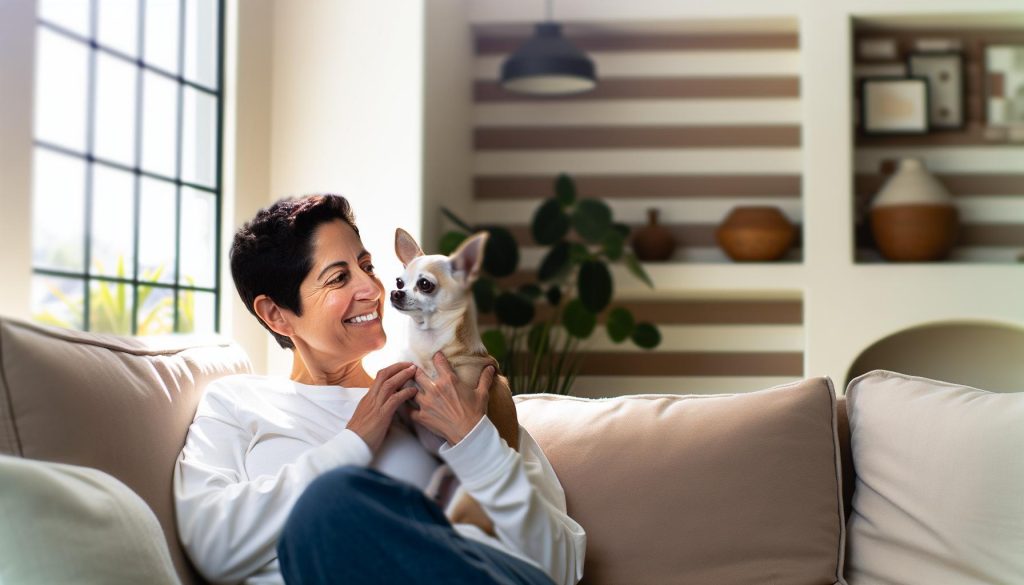
Have you ever noticed how some Chihuahuas seem to attach themselves exclusively to one person? This intriguing behavior raises questions about their bonding tendencies, often labeling them as “one person dogs.” Understanding this trait is essential for any Chihuahua owner, as it can significantly impact training, socialization, and the overall happiness of your beloved companion.
Chihuahuas are renowned for their loyalty and big personalities packaged in tiny bodies; they truly thrive on one-on-one connections. This article delves into the reasons behind this bonding behavior, addressing common owner concerns and offering insights into how to nurture a healthy relationship with your furry friend. Whether you’re a first-time owner or a seasoned Chihuahua enthusiast, uncovering the nuances of your pup’s affection will deepen your bond and enhance your shared experience. As we explore the dynamics of their loyalty, get ready to discover some practical tips, real-life anecdotes, and key traits that make Chihuahuas such exceptional companions.
Understanding the One-Person Dog Phenomenon in Chihuahuas
The bond between a Chihuahua and their owner often evolves into something deeply unique, manifesting in what many call the “one-person dog” phenomenon. This behavior is not merely anecdotal; it’s rooted in the Chihuahua’s temperament and loyalty. Chihuahuas, often tiny bundles of energy and attitude, can form intense attachments to a single human. This singular attachment can stem from their history as companions, where their primary role was to be loving sidekicks to their owners. When you think of a Chihuahua, picture that apple-head with big, trusting eyes fixated on you-that’s the essence of their loyalty.
Chihuahuas are naturally protective and can be quite wary of unfamiliar faces. This predisposition leads them to favor one human, often the one who frequently interacts with them, feeds them, and provides affection. The result? A fiercely loyal companion who may be hesitant to show affection to others. If you’ve ever noticed your Chihuahua curling up exclusively on your lap or exhibiting anxious behavior when strangers approach, you’re witnessing this attachment in action. Notably, some owners report that their Chihuahuas display signs of possessiveness, a behavior rooted in their need to protect their “chosen person.”
Socialization plays a pivotal role in how these bonds develop. Early exposure to different people and environments can influence a Chihuahua’s willingness to interact with multiple individuals. However, even with socialization, it is not uncommon for a Chihuahua to still exhibit strong preferences for their primary caregiver. This affinity often becomes evident when restructuring family dynamics or introducing new household members, further emphasizing the unique bond they share with their preferred human.
Understanding this one-person tendency is crucial in fostering a harmonious environment. If you’re lucky enough to be that chosen human, embracing the depth of this relationship can lead to a rewarding companionship filled with affection, loyalty, and a plethora of endearing moments.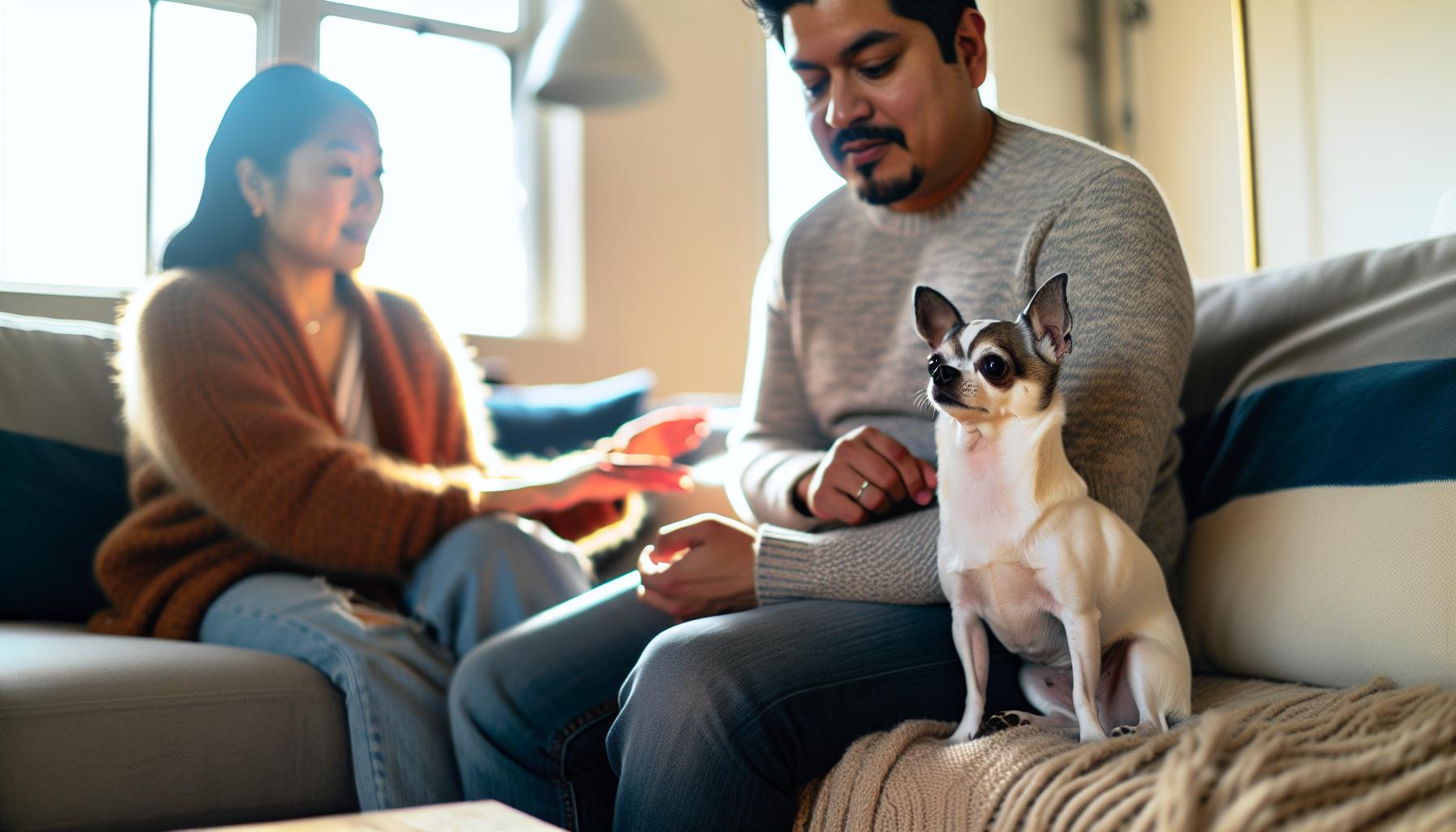
Signs Your Chihuahua Prefers a Single Human
Your Chihuahua’s behavior can often be a telltale sign of their preference for one particular human. This unique bond is reflected in various behaviors that indicate your furry friend feels a special connection with you over others. As a devoted Chihuahua enthusiast, you’ll likely observe these signs, understanding that your tiny companion expresses their love and loyalty in distinctive ways.
One of the most evident signs is your Chihuahua’s inclination to follow you everywhere. Whether it’s from room to room or right at your heels during a walk, this shadowing behavior signifies their desire to stay close to their chosen human. When friends or family members attempt to cuddle or interact with your Chihuahua, you may notice them sidestepping affection or even choosing to nestle in your lap instead. This behavior is not just adorable; it’s a protective instinct rooted in their loyalty and attachment.
- Vocalization: If your Chihuahua barks or whines when you’re out of sight, it’s their way of expressing anxiety or a desire for your presence. This vocalization not only indicates their bond but also highlights their discomfort when you are not around.
- Physical Affection: Look for behaviors such as snuggling or nudging against you. Chihuahuas often exhibit their love by leaning into you or curling up beside you, showcasing their trust and preference for your companionship.
- Possessive Actions: Some Chihuahuas may demonstrate possessiveness over you, like guarding your space or becoming alert when others approach. This behavior arises from their instinct to protect their primary caretaker.
- Reluctance to Bond with Others: If your Chihuahua seems hesitant or anxious around new people, it often points to their loyalty. They may interact less with anyone other than their favored human, preferring familiarity over novelty.
Understanding these behaviors is crucial for nurturing your bond. For instance, if you have guests over, introducing them slowly and allowing your Chihuahua to acclimate can help ease potential anxiety. By honoring this bond and recognizing these signs, you can further strengthen your relationship, fostering a deeper connection filled with affection and mutual respect that every Chihuahua owner cherishes.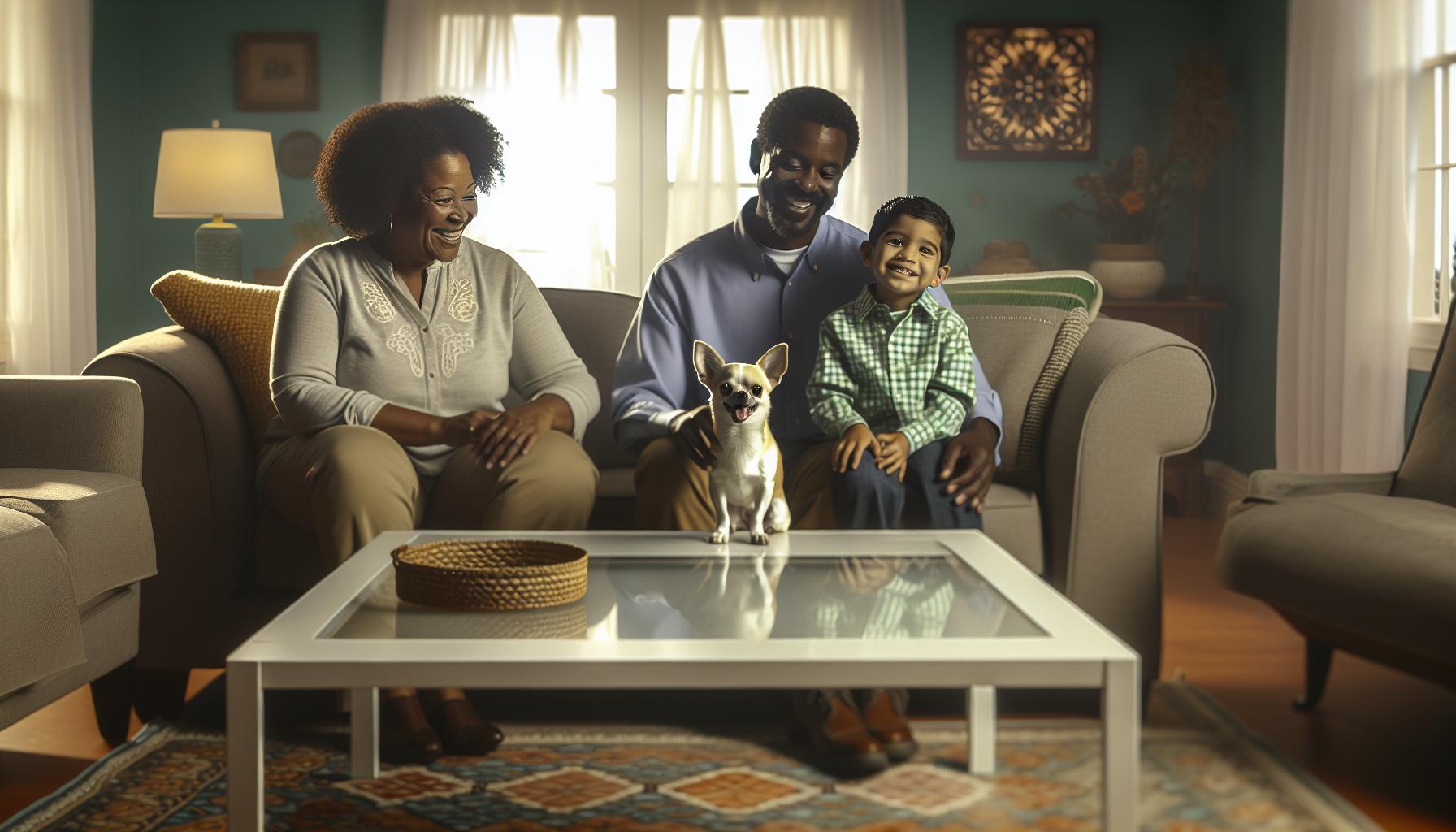
How Bonding Behavior Develops in Chihuahuas
When it comes to bonding behavior, Chihuahuas have a unique way of establishing deep connections with their humans. Understanding this phenomenon is essential for any owner looking to foster a loving and trusting relationship with their tiny companion. From their early puppy days, Chihuahuas begin to develop a bond through consistent interaction, safety, and positive reinforcement. The rewarding experiences you share create a sense of security for your Chihuahua, reinforcing their attachment to you.
As your Chihuahua grows, the bond strengthens through shared routines and experiences. Regular feeding times, play sessions, and cuddling not only satisfy their physical needs but also nurture emotional ties. For instance, many owners find that their Chihuahua leans into them for affection, signaling trust. This physical closeness is crucial; it allows them to feel safe while affirming their loyalty to their chosen human.
Moreover, vocalization plays a significant role in this bonding process. Chihuahuas often use their expressive barks and whines to communicate their feelings. A Chihuahua that follows you around and vocalizes when you leave is essentially saying, “You are my person.” This behavior reinforces the bond as they seek your presence for comfort.
Key Aspects of Bonding Behavior
- Consistency: Regular routines help build trust. Try maintaining a schedule for feeding and walks to give your Chihuahua stability.
- Positive Reinforcement: Use treats or praise to encourage good behavior, reinforcing their connection to you during training sessions.
- Quality Time: Engaging your Chihuahua in interactive play fosters both mental and emotional stimulation, deepening your bond over time.
Creating an environment that fosters bonding takes patience and understanding. If you notice your Chihuahua is more reserved around others, it’s a trait that reflects their strong attachment to you. Embrace this trait, but also work on gradual socialization to help your Chi feel comfortable with new people.
Ultimately, by recognizing these bonding behaviors and actively participating in your Chihuahua’s life, you pave the way for a strong, loving relationship that celebrates the quirks and charms of this wonderful breed.
The Role of Socialization in Chihuahua Behavior
Socialization is a crucial element in the lives of Chihuahuas, particularly because their naturally strong attachment to a single person can make them sensitive to new experiences and environments. A well-socialized Chihuahua is not only more confident but also better equipped to handle the world around them, which can help mitigate behaviors that stem from fear or anxiety. Starting early is key; exposure to various people, pets, and situations can make a world of difference in how your little companion interacts with others as she grows.
During their developmental stages, Chihuahuas, whether they are apple-headed or deer-headed, benefit immensely from positive social experiences. For instance, setting up safe playdates with other dogs or introducing her to calm, friendly strangers can help her feel more secure in social settings. This is especially important considering their bold yet often cautious nature. A Chihuahua that has been exposed to diverse environments is likely to be less reactive and more adaptable when meeting new folks or furry companions.
As you navigate her socialization, remember that it’s not just about exposure but also about doing it correctly. Short, positive interactions will go a long way, and observing her body language is essential. For example, if she shows signs of distress-like backing away or excessive barking-it’s important to ease off and allow her to approach situations at her own pace. Over time, this gentle exposure helps build her confidence, and rewards for calm behavior reinforce her progress.
Chihuahuas’ behavior can vary significantly based on their social interactions. Those who are exposed to different environments and experiences during their formative months tend to be more balanced and less clingy. Owners often report that their Chihuahuas, gradually accustomed to a variety of people and other pets, display reduced anxiety and become well-rounded little friends. Techniques such as taking her to dog-friendly shops or cafes can also create positive associations with the outside world, fostering her ability to thrive in a multi-person household while still maintaining her special bond with you.
In summary, socialization plays a vital role in shaping your Chihuahua’s behavior. By introducing her to new experiences thoughtfully and gradually, you not only enhance her quality of life but also help her embrace her unique personality while being open to the world around her.
Chihuahua Affection: How They Show Love
Chihuahuas have a unique way of expressing their affection, setting them apart from many other breeds. These tiny companions are not just full of personality; they are also fiercely loyal to the person they bond with. When your Chihuahua shows love, you’ll notice it in a variety of endearing behaviors that highlight their devotion and attachment.
One of the most common signs of affection is when your Chihuahua chooses to cuddle or sit on your lap. This behavior is particularly pronounced in Chihuahuas, as they often see their human as their safe haven. If she nuzzles into you or even gives you gentle kisses, consider this a direct compliment to your relationship. These gestures underscore her need for closeness and comfort, reflecting a deep level of trust. A scared or anxious Chihuahua will seek the nearest warm lap or the comfort of a familiar place-your arms can feel like home.
Chihuahuas also express love through *vocalizations*. While they might be known for their barking, you may notice softer sounds, like whines or little grumbles, especially when they’re excited to see you. These vocal signals are often a form of communication, showing that she wants to engage with you or seeks your attention. If she barks or whines when you return home, it’s her way of telling you just how much she missed you.
Another fascinating way Chihuahuas demonstrate affection is through their *playfulness*. Engaging in playful antics-whether it’s fetching a toy, play bowing, or running around excitedly-is a sign that she feels comfortable and loves spending time with you. Creating interactive play experiences will not only boost your bond but also cater to her natural instincts. For instance, incorporate short training sessions with treats; she’ll see you as the source of fun and reward.
Real-Life Examples
Take the case of Lily, an apple-headed Chihuahua who lights up her owner’s life by bringing her favorite squeaky toy to snuggle up on cold evenings. Her owner finds that when Lily’s tail starts wagging and she gently presents the toy, it’s not only an invitation to play-it’s a loving gesture that reflects her desire to share happiness. Another owner, Mark, shares that his deer-headed Chihuahua, Max, would sit close during movie nights, often using his tiny head to nudge Mark’s hand, demanding gentle pets. Here, the affectionate nudges serve as reminders of the bond they share.
In conclusion, a Chihuahua doesn’t just love superficially; their affection is layered with various behaviors that strengthen the bond with their human. By recognizing and reciprocating these gestures, you can deepen your relationship further, ensuring that your Chihuahua feels cherished and secure in your love.
Training Techniques to Strengthen Your Bond
Creating a strong bond with your Chihuahua is an incredibly rewarding experience that enhances both your lives. Chihuahuas thrive on routines and respond well to positive reinforcement, making training sessions an excellent opportunity to deepen your relationship. Incorporating fun, engaging, and breed-specific techniques can turn training into a joyful partnership rather than just a chore.
One effective way to strengthen your bond is to utilize positive reinforcement during training. This method involves rewarding your Chihuahua with treats, praise, or playtime whenever she successfully follows a command. For instance, if you’re teaching her to sit, offer a small treat along with encouraging verbal praise when she complies. Chihuahuas, especially the apple-headed variety, often look for approval and love the attention they receive when they do something right. Kennedy, a dedicated owner of a deer-headed Chihuahua named Bella, shares that using her favorite peanut butter treats made training sessions not only productive but also a source of excitement for both of them.
Another valuable technique is clicker training, which helps your Chihuahua associate the sound of the clicker with immediate rewards. Start by clicking the device and then giving her a treat to create that critical connection. Over time, you can prompt desired behaviors like coming when called or lying down, followed by a click. This method is particularly effective for the spirited Chihuahuas that need a bit more encouragement, as it offers clear, immediate feedback. Abbie, a Chihuahua owner, notes that this approach has improved her dog Jack’s responsiveness, making walks much more enjoyable.
Consistency is key when working with Chihuahuas. Establishing a routine for training sessions-ideally in short bursts of 5-10 minutes a few times a day-keeps her engaged without overstimulation. Use consistent commands and hand signals so she knows exactly what you are asking, which builds her confidence. For example, if you teach her to come using the command “come here,” always use that phrase rather than changing it to “come.” Real-life examples from Chihuahua enthusiasts show that even seemingly minor adjustments can significantly improve how quickly your dog learns and adapts.
Finally, consider incorporating interactive play into both training and bonding time. Games such as fetch or hide-and-seek with her favorite toy can serve not only as exercise but also as a means to reinforce behavioral cues you’ve taught her. A playful atmosphere encourages her natural curiosity and eagerness to learn, fostering a stronger emotional connection. Each moment spent together-whether through training or play-helps solidify the bond, emphasizing your role as her trusted companion and protector.
By utilizing these training techniques, you’ll foster a sense of trust and security in your Chihuahua, making her feel loved and valued. Celebrate her uniqueness; every wag of her tail and spark in her eyes is a testament to the bond you’re building together.
Managing a Chihuahua’s Anxiety with Multi-Person Households
While Chihuahuas are renowned for their loyalty and attachment to their primary caregiver, they can experience anxiety in multi-person households. This is especially true if they’re used to being the sole center of attention. A stressed Chihuahua might bark excessively, display nervous behaviors, or even become aggressive. Understanding the sources of this anxiety and how to manage it is essential for fostering a happy and secure environment.
To help your Chihuahua adapt, start by establishing a consistent routine that everyone in the household can follow. Daily schedules for feeding, walks, and playtime can significantly reduce anxiety because Chihuahuas thrive on predictability. Each member of the household should also learn and use the same commands and cues to prevent confusion. For instance, if you use “sit” with a particular hand signal, ensure others replicate that exact practice. This consistency can reinforce his understanding and comfort with the household dynamics, easing his worries.
Socialization is another vital aspect of reducing anxiety in Chihuahuas. Gradually introduce your dog to other family members in a controlled environment. Allow them to interact at a comfortable distance, and reward your Chihuahua with treats and praise when he responds positively. If your Chihuahua shows signs of stress, such as cowering or growling, give him space and try again later. Over time, he will learn to associate each person with positive experiences, which can help normalize their presence in his life.
Utilizing safe spaces in your home can also help. Consider setting up a cozy retreat, like a designated bed or crate, where your Chihuahua can retreat when feeling overwhelmed. This place should be quiet and familiar, providing a sense of security. Encourage your family to respect this space, so your Chihuahua knows he can access it whenever needed.
Finally, addressing behavioral issues through training can enhance your Chihuahua’s confidence and help manage anxiety. Positive reinforcement techniques can encourage him to view multi-person households more positively. A great example of this is when an owner, Emma, used treats to reward her Chihuahua, Max, for calmly greeting visitors instead of barking nervously. With practice, Max learned to see new people as a source of treats and fun, rather than a threat, showcasing the effectiveness of targeted training.
By integrating these strategies into your Chihuahua’s daily life, you not only help manage anxiety but also strengthen the bonds he forms with everyone in your home. Embracing these techniques can transform a multi-person household into a harmonious space where your Chihuahua feels loved and secure, celebrating his vibrant personality amid a circle of caring hands.
Individual vs. Pack Mentality in Chihuahuas
A Chihuahua’s mentality can often be categorized as either individualistic or pack-oriented, reflecting their unique upbringing and environment. While many people perceive Chihuahuas as “one-person dogs” that form a strong bond with a single owner, it’s important to recognize that this tendency is influenced largely by their socialization and experiences from a young age. Understanding this duality in mentality can help owners tailor their approaches to both training and companionship for their tiny, spirited companions.
Chihuahuas naturally gravitate towards the individualistic side of behavior. Their strong loyalty and desire for affection often result in a deep attachment to one special human. This bond is particularly evident in situations where they frequently receive uninterrupted attention, cuddling, and playtime. Owners like Sarah, whose Chihuahua Bella absolutely adores her, often notice how Bella seems uninterested in building relationships with other family members, instead watching for her cues and attention. However, this doesn’t mean that with proper socialization and reinforcement, a Chihuahua can’t learn to accept multiple people in their circle.
The pack mentality, on the other hand, can be nurtured through early and consistent socialization. By exposing your Chihuahua to new people and environments as a puppy, you encourage an adaptability that balances their individualistic traits with a friendly acceptance of a more extensive family unit. For example, when Jack introduced his puppy, Coco, to his friends regularly, she grew comfortable being around various people and began to reflect a more sociable demeanor. Implementing regular group interactions while ensuring treat rewards and positive reinforcement will help cultivate this mindset, allowing your Chihuahua to thrive within a larger household while still appreciating their unique individual bonds.
In managing both mentalities, it’s crucial to ensure your Chihuahua feels secure within the home environment. Providing a designated space that belongs to them alone-a favorite blanket or a cozy bed-can offer comfort during transitional times. This assurance helps foster a sense of belonging in either scenario, whether they identify more closely with one owner or as part of a multi-person pack. By balancing individual attention with inclusive social experiences, you nurture a well-rounded Chihuahua who can enjoy the best of both worlds.
Chihuahua Temperament: Traits of the Breed
Chihuahuas are often characterized by their bold personalities packed into tiny frames. These little dogs are a complex mix of traits that make them both captivating companions and unique challenges for their owners. One of the standout features of Chihuahuas is their remarkable loyalty. If you’ve ever observed a Chihuahua clinging to their favorite person, you know firsthand that this breed can form an intense and exclusive bond that seems unshakeable.
Known for being spirited and sometimes feisty, many Chihuahuas are unafraid to assert themselves despite their size. This breed’s temperament is known for its wide range, from the quietly affectionate to the confidently vocal. With a curious and sometimes mischievous nature, Chihuahuas bring liveliness to any home. For instance, a Chihuahua like Max who loves to bark at visitors can be a source of amusement, but it also points to the breed’s protective instincts.
Socialization plays a crucial role in shaping a Chihuahua’s temperament. Early exposure to different environments and people helps nurture their social skills. Without proper socialization, you might find your Chihuahua becoming overly attached to just one person and anxious around others. Real-life examples, like that of Lucy, who became more flexible in her affections after regular trips to the dog park, illustrate how beneficial these experiences can be.
It’s essential to understand that while Chihuahuas can be one-person dogs, they are also capable of forming connections with multiple people when given the opportunity. This adaptability is part of what makes the breed so rewarding for dedicated owners. Remember, whether your Chihuahua is snuggled up on your lap or playfully demanding attention from other family members, their quirky charms make them a beloved addition to any household. By understanding and embracing their temperament, you can nurture a relationship that celebrates both their uniqueness and their lovable companionship.
Real-Life Stories: Chihuahuas and Their Humans
Chihuahuas, with their larger-than-life personalities, often showcase unique bonding stories with their human companions that highlight their loyalty and affection. Many owners can relate to the experience of watching their Chihuahua form a tight bond with them, often at the expense of others, leading to various interpretations of the one-person dog phenomenon. Take Bella, for example-a feisty apple-headed Chihuahua who is devoted to her sole owner, Lisa. Bella’s attachment is evident when she chooses to curl up in Lisa’s lap during family gatherings, actively avoiding anyone else. This behavior isn’t merely a matter of preference; it demonstrates a profound bond that signals her comfort with Lisa’s presence over others.
This exclusivity does not always remain stagnant. For instance, when Lisa started inviting friends over and incorporating Bella into their interactions, the little dog gradually became more open and curious. She even surprised Lisa by seeking out attention from a friend who brought delicious treats. This gradual change echoes the importance of socialization in nurturing a Chihuahua’s ability to bond with multiple people while still maintaining her special connection with Lisa.
Owner experiences often reveal how Chihuahuas navigate environments, leading to fascinating dynamics. Another owner, John, has a long-haired Chihuahua named Coco, who adores his children but has a soft spot for him that’s unmistakable. When the kids are away at school, Coco stands sentry by the door, patiently waiting for John to return home. Yet, once the family gathers, Coco is in the thick of the action, showcasing her pack mentality while still gravitating towards John during quiet moments. These instances illustrate that while Chihuahuas can exhibit favoritism, they can also embrace a broader familial connection when properly introduced and socialized.
In essence, the stories from Chihuahua owners exemplify their rich emotional lives and adaptability. While many Chihuahuas might initially bond with one person, just like Bella and Coco, with patience and nurturing, they can learn to appreciate other relationships, enriching their experience-and that of their humans-shared. This captures the magic of Chihuahua companionship, celebrating both their loyalty and willingness to explore, making them cherished family members in diverse households.
The Impact of Environment on Bonding Behavior
The environment in which a Chihuahua lives plays a crucial role in shaping their bonding behavior. Unlike some breeds that may thrive in larger, bustling households, Chihuahuas often adapt to their surroundings in ways that magnify their attachment to specific individuals. For example, if a Chihuahua is raised in a quiet home with just one owner, she is likely to form a very strong bond with that person, often showing signs of anxiety when that person is out of sight.
Factors Influencing Bonding Behavior
- Household Size: Chihuahuas raised in larger families may still exhibit one-person dog tendencies depending on how they are introduced to each family member. If they spend more time with one person initially, that bond may be stronger, even in a multi-person household.
- Interaction Levels: The quality of interaction is vital. Daily activities like playtime, walks, and cuddling create a deeper emotional connection. For instance, Kevin, who has a short-haired Chihuahua named Tito, ensures he spends quality time engaging with Tito through interactive toys, strengthening their bond despite a busy household.
- Stress Factors: A chaotic environment, filled with yelling or frequent visitors, may cause stress, leading your Chihuahua to prefer the comfort of one consistent person. Establishing a calm space can encourage your pup to bond with multiple family members over time.
Creating a Bonding-Friendly Environment
To ensure a healthy attachment, consider these tips:
- Consistent Routine: Chihuahuas thrive on routine. Feeding, potty breaks, and training at set times can build trust and security in their environment.
- Positive Reinforcement: Use treats and praise to encourage your Chihuahua’s interactions with different family members. This can help foster positive connections rather than anxiety or fear.
- Safe Spaces: Providing a cozy, quiet spot where your Chihuahua can retreat can alleviate stress and promote a feeling of security, making her more open to bonding with those who respect her space.
An example of adaptability is found in a rescue story about a Chihuahua named Daisy. Initially, Daisy bonded closely with her new owner, Sarah, a single person. However, as Sarah invited her friends over regularly and engaged them in play with Daisy, the little dog learned to trust and enjoy the affection from others. This gradual introduction helped Daisy expand her comfort zone, illustrating that while environments can dictate initial affinities, they can also reopen the door for broader relationships.
Understanding the impact of your Chihuahua’s environment is essential to nurturing healthy attachment patterns. As you work to create a warm, supportive atmosphere, watch how your pup responds, knowing that patience and loving interactions can help her embrace the beautiful nuances of companionship across the whole family.
Common Misconceptions About Chihuahuas as One-Person Dogs
Chihuahuas are often stereotyped as one-person dogs, but this generalization overlooks the complexities of their social behavior. While many Chihuahuas do form strong attachments to a specific individual, these tiny companions can also thrive in multi-person households when given the right opportunities and guidance. It’s essential for owners to recognize that their Chihuahua’s preference for one person might not be a permanent or fixed trait, but rather a reflection of their unique environment and experiences.
One common misconception is that Chihuahuas are inherently aloof or unfriendly toward strangers and other family members. In reality, their behavior often stems from a combination of early socialization, their individual personality, and the household dynamics. For instance, if a Chihuahua was primarily socialized with one person during their formative months, they might favor that individual as a source of comfort. With proper introduction and positive reinforcement, however, many Chihuahuas can learn to engage with and enjoy the company of other family members. Jennifer, an owner of a long-haired Chihuahua named Bella, initially noticed Bella’s hesitation around her husband. By involving her husband in fun activities with Bella and providing treats during interactions, Bella gradually began to trust him, showcasing that patience and consistent effort can foster broader social bonds.
Another misconception is that Chihuahuas are only capable of loving one person deeply, which can be disheartening for families or individuals who wish to form a more communal bond. While they do exhibit loyal and protective behaviors, these traits can sometimes be misread as exclusivity. With time, many Chihuahuas learn to express affection to multiple humans. For example, Max, a playful apple-head Chihuahua, started off as a “momma’s boy” but eventually warmed up to his siblings after they engaged him in regular play sessions. This illustrates how Chihuahuas can learn to balance their affection and form rewarding relationships with more than one person.
The environment plays a critical role in shaping a Chihuahua’s adaptability. Contrary to the belief that they are unable to adjust their affections in diverse settings, Chihuahuas are quite capable of expanding their social horizons. Providing structured interactions, encouraging shared activities, and maintaining a calm and loving environment can help lessen their anxiety and encourage them to bond with other household members. In time, your Chihuahua may surprise you with their capacity for love and connection, illustrating that the charm of these little dogs lies in their ability to grow and adapt within their family unit.
Understanding these misconceptions can help owners create a more inclusive atmosphere for their Chihuahuas. Celebrating their quirks while patiently guiding them through socialization will enable your Chihuahua to flourish, whether they prefer solo snuggles or shared family moments.
FAQ
Q: Do Chihuahuas bond closely with one person?
A: Yes, Chihuahuas are known to form strong bonds with one individual, often becoming attached and protective of that person. This behavior may be a result of their loyal nature and desire for companionship. To strengthen this bond, spend quality time together and engage in activities like play and training.
Q: What should I do if my Chihuahua is anxious around strangers?
A: If your Chihuahua demonstrates anxiety around strangers, it’s essential to gradually socialize him. Start with short introductions in a calm environment and reward him with treats for positive interactions. Over time, this can help reduce his anxiety and improve confidence in unfamiliar situations.
Q: How can I tell if my Chihuahua is feeling neglected?
A: Signs that your Chihuahua may feel neglected include excessive barking, destructive behavior, or withdrawal from activities he normally enjoys. If you notice these signs, it’s crucial to increase your engagement and affection to help him feel appreciated and secure.
Q: Can a Chihuahua be trained to accept multiple household members?
A: Yes, Chihuahuas can be trained to accept and bond with multiple household members. Consistent exposure, positive reinforcement, and shared activities (like training sessions) can help your dog feel comfortable with different people in the home.
Q: How does environment affect a Chihuahua’s bonding behavior?
A: A Chihuahua’s environment plays a significant role in his bonding behavior. A calm, loving home with minimal stress can promote healthy attachments. Ensure he has a safe space and routine to foster a sense of security, which can strengthen his bond with you.
Q: Are there specific breeds that bond better than Chihuahuas?
A: While many breeds are known for their affectionate nature, Chihuahuas are particularly known for forming close attachments to their owners. However, breeds like Cavalier King Charles Spaniels and Golden Retrievers are also noted for their strong bond with humans.
Q: Why do some Chihuahuas seem to dislike other pets?
A: Some Chihuahuas may dislike other pets due to their protective instincts and territorial nature. Early socialization is key; introducing them to various pets in a controlled manner can help reduce fear or aggression.
Q: What are the best ways to socialize my Chihuahua?
A: To effectively socialize your Chihuahua, introduce him slowly to different environments, people, and pets. Start with controlled settings, like friends’ homes, and gradually expose him to busier places. Positive reinforcement will help him gain confidence and acceptance.
Final Thoughts
As we’ve explored, Chihuahuas often form tight bonds with their favorite people, showcasing their loyalty and unique personalities. This breed, whether an apple-head or a deer-head, can display behaviors that lead you to wonder about their one-person preference. Knowing your Chihuahua’s needs for companionship and care is vital for a fulfilling relationship. If you’re eager to deepen this bond, don’t miss our articles on enhancing Chihuahua training techniques and socializing tips, which can empower you as a loving owner.
If you found this guide helpful, consider signing up for our newsletter for more insights on Chihuahua health, care, and behavior. Remember, taking steps towards understanding your furry friend today can lead to a happier life together. Please share your thoughts in the comments or reach out with any questions-let’s keep this conversation going as you embark on your journey with your delightful little companion!
Get our latest guides, news, and insights highlighted in your Google Search & AI Overviews.