
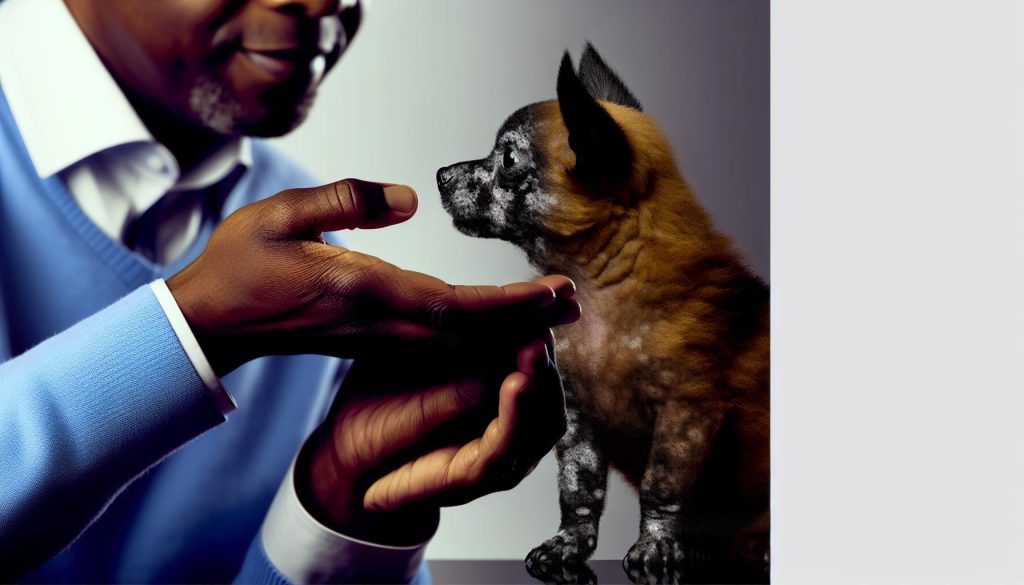
As a beloved member of the family, seeing your Chihuahua’s skin change color can be concerning. If you’ve noticed your little companion’s skin turning black, it’s essential to understand the various factors that could be at play. From allergies to hormonal changes, these color shifts often signal an underlying issue that may require attention.
Chihuahuas, known for their bold and vibrant personalities, can face unique health challenges that often reflect in their skin and coat. Many owners worry about changes like this, wondering what it means for their dog’s wellbeing. By exploring the potential causes of these skin changes, you’ll be better equipped to assess your fur baby’s health and ensure they’re vibrant and happy as ever. Let’s dive into the reasons behind this change and what you can do to help your cherished companion stay healthy and flourishing.
What Causes Skin Darkening in Chihuahuas?
Skin darkening in Chihuahuas can raise eyebrows among dedicated owners, often signaling underlying health issues. It’s important to understand that changes in skin pigmentation can arise from a variety of factors, some of which are innocuous, but others may indicate something more serious requiring attention.
One common cause of skin darkening in your loyal companion can be increased melanin production, often linked to sun exposure. Just like humans, Chihuahuas can develop darker skin regions when they spend considerable time in the sun. However, for our little friends, it may also be a response to stress or hormonal changes, especially in the case of female Chihuahuas who undergo heat cycles.
Another significant aspect to consider is allergies. Chihuahuas can be quite sensitive to environmental changes. Exposure to allergens such as pollen, certain foods, or even chemicals in grooming products can trigger skin irritation. As a result, your pup may start to scratch and lick excessively, leading to darkened patches, especially in areas like their belly or underarms. In severe cases, these areas may also appear inflamed or flaky.
Infections, whether bacterial or fungal, can also play a role in skin darkening. If your Chihuahua develops a skin infection, you may notice changes in the affected area’s color. For instance, the fur might thin out or become discolored due to the body’s inflammatory response fighting off the infection. Additionally, underlying skin conditions such as demodicosis (mange) are known for causing changes in pigmentation.
Lastly, genetics cannot be overlooked. Some Chihuahuas may have genetic predispositions that lead to variations in skin color as they age. For example, it’s not uncommon for a Chihuahua’s skin to darken as they grow older, a normal part of the aging process. Remember, these little dogs are not only unique in their looks but also in their health!
Understanding these causes empowers you as a dedicated owner to monitor your Chihuahua’s skin health proactively. If you notice sudden or drastic changes in pigmentation, keep a watchful eye on other potential symptoms. This knowledge not only enhances your bond with your fluffy friend but also ensures you keep her vibrant and healthy for years to come.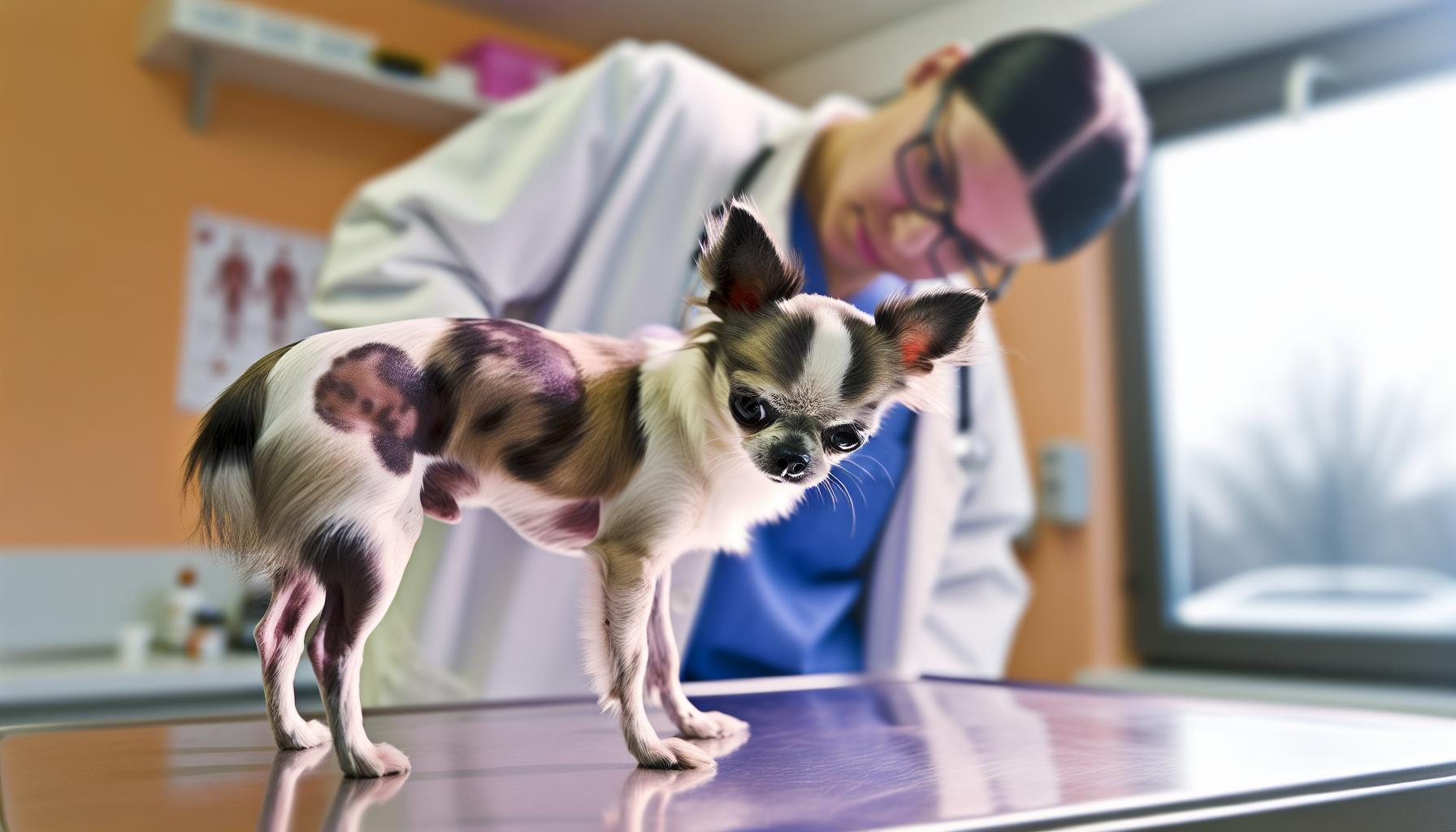
Signs of Skin Changes in Your Chihuahua
Noticing changes in your little Chihuahua’s skin can be worrisome, especially when those once soft, silken areas begin to show signs of darkening. The key to ensuring your companion’s health lies in being vigilant about these changes. Being a proud owner, you’re undoubtedly attuned to your Chihuahua’s finer details-those unique quirks, spirited personality, and even the delicate fabric of his or her coat. However, understanding and recognizing the signs of skin changes is essential for keeping them happy and healthy.
One of the first signs that may catch your eye is a change in the color of the skin around your Chihuahua’s mouth, belly, or underarms. This discoloration can manifest as dark patches and may accompany areas that appear inflamed or itchy. If your pup seems to be scratching or licking more frequently than usual, it can be indicative of irritation. In this case, take note of any potential allergens or changes in their environment. Whether it’s a new brand of dog food or freshly mowed grass, these could be culprits that lead to unwanted skin reactions.
Pay attention also to your Chihuahua’s fur. Thinning or patchy fur can occur alongside changes in skin color. For example, if you notice any bald spots, it’s a good idea to check for underlying conditions like parasites or infections. Chihuahuas, especially those with the shorter coats, can be more susceptible to skin problems and can exhibit sensitivity in certain areas. If you observe any accompanying symptoms, such as foul odors or discharge from the affected areas, it’s essential to consult your veterinarian.
Aside from physical signs, keep an eye on your Chihuahua’s behavior. Changes in energy levels, increased grooming, or signs of discomfort-like whining while being touched-might all indicate something is amiss. Regularly engaging with your furry friend during grooming sessions allows you to check for these changes firsthand while strengthening your bond. After all, Chihuahuas thrive on your attention, and their health is best supported through your loving care.
By familiarizing yourself with these signs, you’re better equipped to notice any issues as they arise, ensuring your little companion stays as vibrant and spunky as ever.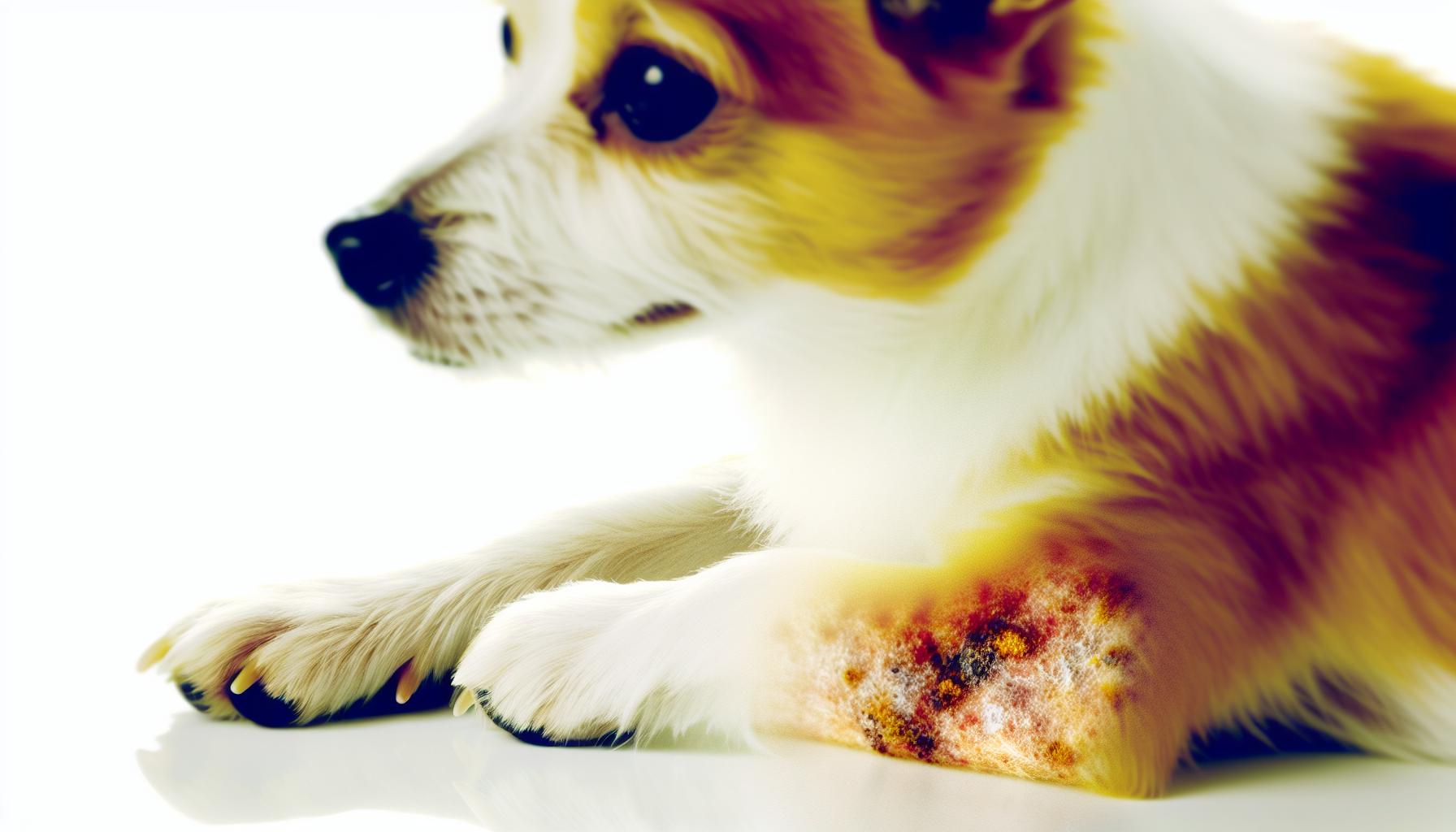
Understanding Chihuahua Skin Health
Noticing dark patches on your Chihuahua’s skin can be concerning, but understanding the nuances of their skin health is crucial. Chihuahuas, with their various coat types-such as the short-haired and long-haired varieties-are particularly expressive in how their skin can react to different factors. Skin health in Chihuahuas is influenced by several elements including genetics, environmental conditions, and overall well-being, making it essential for every owner to stay informed and observant.
One of the most common causes of skin darkening in Chihuahuas is inflammation, often triggered by allergies or irritants. For instance, a Chihuahua who experiences frequent itching or redness may develop areas of hyperpigmentation due to ongoing irritation. Owners should be proactive in identifying potential allergens in their dog’s diet or environment, such as new foods, cleaning products, or even certain fabrics that may cause contact dermatitis. Keeping a journal of changes in her routine or environment can help pinpoint the source of irritants effectively.
Diet plays a significant role in maintaining skin health. A well-balanced diet rich in omega fatty acids can nourish the skin and promote a healthy coat. Conversely, a lack of essential nutrients may lead to dryness and changes in pigmentation. It’s wise for owners to consult with veterinarians about the most appropriate diet for their Chihuahua, considering their unique needs based on size, age, and activity level. Supplements, such as fish oil, can also be beneficial in enhancing skin condition.
Lastly, pay attention to the psychological aspects of skin health. Stress can exacerbate existing skin conditions, leading to habits like excessive licking, which further aggravates the skin. Engaging in regular play and providing a stable routine can greatly contribute to your Chihuahua’s overall happiness and, by extension, skin health. Regular vet check-ups are also crucial for monitoring any changes in skin condition, as sometimes these changes can indicate underlying health issues that need addressing. By fostering a healthy environment both physically and emotionally, you ensure that your little companion remains vibrant and full of life.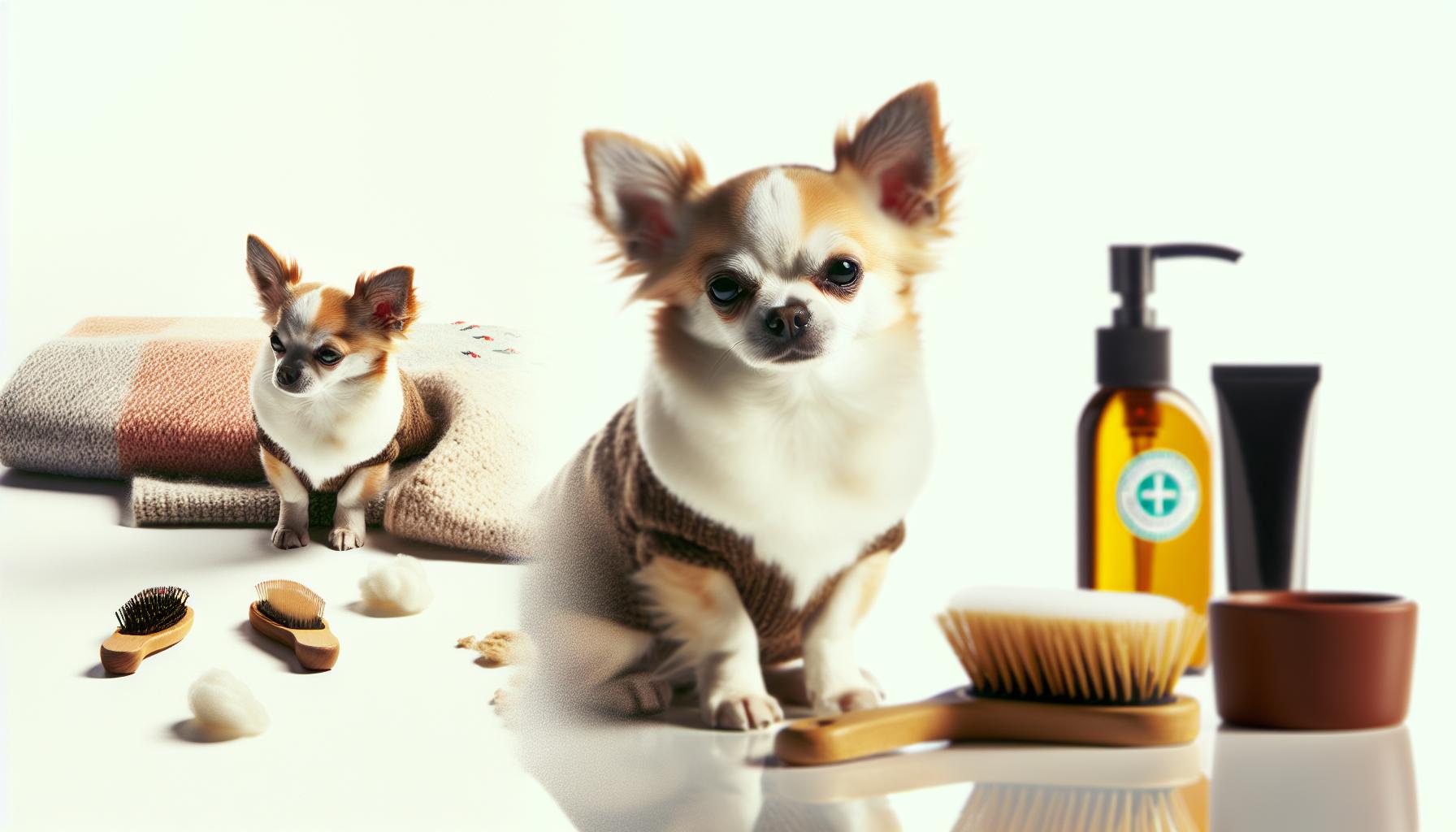
Common Health Issues Leading to Skin Color Changes
Noticing dark patches on your Chihuahua’s skin can raise concerns for any owner, especially when you love your little companion so much. Skin discoloration in Chihuahuas often signals underlying health issues that can range from allergies to hormonal imbalances. Understanding these conditions can help you take proactive steps in maintaining your furry friend’s skin health.
One frequent cause of skin darkening is allergic reactions. Chihuahuas can be sensitive to various allergens including food, environmental factors, and even certain fabrics. For example, a common scenario is a Chihuahua developing darkened skin from constant scratching due to a food allergy. In such cases, the inflammation from scratching leads to hyperpigmentation. To effectively manage this, keeping a detailed journal of your Chihuahua’s diet and any changes in their environment can help identify potential triggers.
Another health issue connected to skin color changes is hormonal imbalances, particularly related to conditions like Cushing’s disease or hypothyroidism. These conditions can lead to significant changes in skin texture and color, often making the skin appear darker or more pigmented. For instance, a Chihuahua with Cushing’s may show increased skin fragility along with darkened patches due to an overproduction of cortisol. Regular veterinary check-ups can ensure that any hormonal issues are caught early and managed effectively.
Lastly, some skin irritations can result from fungal or bacterial infections, which may not only lead to discoloration but could also be accompanied by signs like itchiness or hair loss. For instance, an owner might notice that their Chihuahua has developed a darkened area near the belly, often linked to a yeast infection. Prompt vet appointments can lead to diagnoses that allow for timely treatment, keeping your Chihuahua comfortable and healthy.
By being observant and knowledgeable about these common health issues, you empower yourself to protect your beloved Chihuahua’s skin health and respond promptly to any concerning changes. Remember, a happy and healthy Chihuahua often has a vibrant coat that reflects their overall well-being.
Diet and Its Impact on Your Chihuahua’s Skin
When it comes to the lush, vibrant coat of your lively Chihuahua, nutrition plays an essential role that can’t be overlooked. Much like humans, Chihuahuas thrive on a balanced diet, and what they consume can significantly impact their skin health, including any discoloration or darkening. You might be surprised to learn that certain ingredients in your pup’s food can lead to skin problems, making it essential to be vigilant about what you’re feeding him.
A diet rich in quality protein is crucial for maintaining healthy skin. Low-quality food often contains fillers such as corn or grain, which can trigger allergies and result in skin issues. Instead, look for dog food that lists real meat as the first ingredient, which supports the skin and coat’s overall health. Healthy fats, such as omega-3 and omega-6 fatty acids, are also vital as they help maintain skin hydration and reduce inflammation. You might consider adding salmon oil or flaxseed oil to his meals for that extra boost.
Common Food Triggers
Certain foods are notorious for causing skin irritation and changes in pigmentation in many dogs, including Chihuahuas. Here are some common culprits:
- Beef: A common allergen that can lead to itching and darkening.
- Chicken: Often found in many dog foods; some Chihuahuas may develop sensitivities.
- Grains: Wheat and corn can cause skin issues due to allergic reactions.
- Dairy: Some Chihuahuas are lactose intolerant and may experience skin issues from dairy products.
It’s essential to monitor your Chihuahua’s reactions to different foods. If you suspect that a certain ingredient is affecting his skin, try a limited ingredient diet or consult with your veterinarian for advice on hypoallergenic food options.
Supplemental Support
In addition to a healthy diet, consider incorporating supplements that promote skin health. Biotin and zinc are particularly beneficial for enhancing your Chihuahua’s skin and coat condition. Many pet owners have reported positive results after integrating these supplements into their Chihuahua’s diet, leading to a noticeably shinier and healthier coat.
Most importantly, always remember to transition to any new diet gradually to prevent digestive upset. As a Chihuahua owner, being proactive about your pup’s nutrition can help alleviate skin issues and contribute to a happier, healthier little companion. Embrace this opportunity to explore food choices that suit his unique needs, giving him the best chance to thrive!
The Role of Allergies in Skin Discoloration
Skin discoloration in Chihuahuas can often signal something deeper within, and allergies are a major player in this process. Many vibrant Chihuahuas, with their lively spirits and expressive personalities, can suffer from sensitivities that manifest as skin changes. If you’ve noticed your little buddy developing darker patches on his skin, it might be due to an allergic reaction rather than just environmental factors, meaning it’s vital to pay attention to his needs.
Chihuahuas, especially those with delicate coats such as the apple-head variety, can be particularly prone to skin issues stemming from allergies. Allergies can emerge from various sources-food, environmental elements, or even contact with irritants. For instance, if your Chihuahua has ingested something he’s allergic to, you might observe itching, excessive licking, or those pesky hotspots leading to darkened skin. A typical response to allergies can involve inflammation or irritation, which may in turn lead to hyperpigmentation as your dog’s skin reacts over time.
Common Allergic Triggers
Understanding what could be triggering your Chihuahua’s allergies is essential for management and prevention. Here are some of the frequent offenders:
- Environmental Allergens: Pollen, dust mites, and mold can cause allergic reactions. Keep your home clean and possibly invest in an air purifier.
- Food Allergens: As previously mentioned, ingredients like beef, chicken, and grains are common triggers. Pay attention to his reactions after introducing new foods.
- Flea Allergies: Even a single flea can cause significant distress, as many Chihuahuas are particularly sensitive to flea saliva. Regular flea prevention is crucial.
- Contact Allergens: Products like shampoos, detergents, or carpets treated with chemicals can irritate your pup’s sensitive skin. Always choose pet-safe products.
If you suspect allergies are behind your Chihuahua’s skin discoloration, consider keeping a diary of his activities, diet, and any changes in his environment. This log can help you identify patterns and pinpoint the allergens at play. Additionally, consulting with your veterinarian can provide tailored advice and potential allergy testing options. They might recommend antihistamines or a specialized diet to help alleviate symptoms and promote skin health.
Taking action when you notice signs of allergies can pave the way for a quick recovery. Remember, a darkening of your Chihuahua’s skin isn’t just a cosmetic issue-it’s a signal that his body is pleading for attention. Treat him with the love and care he deserves, ensuring he stays happy and healthy in his little, bold, and affectionate way.
Genetics and Skin Color Changes in Chihuahuas
Genetics play a pivotal role in the skin characteristics of Chihuahuas, influencing everything from their coat color to their skin tone. As this delightful breed comes in a mesmerizing variety of colors and patterns, it’s no surprise that the genetic makeup of your little companion can greatly affect his skin health and appearance. While a darker skin tone may sometimes be a cause for concern, it’s also essential to understand that genetics can dictate normal variations in skin pigmentation.
Chihuahuas, particularly those with lighter coats, might develop darker skin areas due to genetic predispositions that later reveal themselves as these adorable dogs mature. For instance, as your Chihuahua ages, melanin production can increase in response to environmental factors or even hormone changes, leading to a phenomenon known as hyperpigmentation. This is often seen in apple-head Chihuahuas, who are known for their delicate features and may show variations in skin color more prominently than other types.
Additionally, certain skin conditions, especially those influenced by underlying genetic factors, can lead to changes in pigmentation. For example, a Chihuahua genetically predisposed to skin issues like foliculitis or demodectic mange may show darker patches as a result of inflammation or skin damage associated with these conditions. Understanding this genetic aspect can also help you recognize when these changes might just be a part of who your dog is, versus a sign of a deeper health concern.
In consideration of your Chihuahua’s breed and lineage, monitoring any abrupt changes in skin color is essential. It helps to familiarize yourself with your dog’s genetic background-if you know his lineage includes notable skin conditions or sensitivities, being proactive can lead to earlier intervention and care. Regular veterinary check-ups can help you stay informed of not just overall health, but also any genetic traits that may surface over time, ensuring your Chihuahua remains the vibrant, joyful companion you adore.
When to Seek Veterinary Help for Skin Issues
Changes in your Chihuahua’s skin can be alarming, especially when you notice darker patches appearing. Knowing when it’s crucial to seek veterinary advice can make a significant difference in your pup’s overall health and happiness. It’s important to stay vigilant and recognize the signs that require a professional’s touch.
First and foremost, if you notice any abrupt or unexplained changes in your dog’s skin color, it’s time to consult your veterinarian. While some discoloration may be completely benign, sudden shifts, particularly to a darker hue, can sometimes indicate underlying health issues. This can include conditions such as pyoderma, which is a bacterial skin infection, or other more chronic skin problems that might require intervention. For instance, if your apple-head Chihuahua starts developing dark patches along their belly or face, don’t hesitate to make that call.
You should also seek veterinary help if you observe accompanying symptoms such as intense itching, hair loss, or inflammation. Chihuahuas, renowned for their spirited and bold personalities, can’t always express discomfort verbally; instead, they may be more prone to excessive scratching or skin irritation. If you find your furry friend sobbing after a playful romp or becoming withdrawn, these could be signs of skin distress that need professional evaluation.
Taking a proactive approach ensures that any potential health issues are addressed early on. Regular veterinary check-ups should include skin evaluations, particularly if your Chihuahua has a history of allergies or skin sensitivities. Additionally, if you notice any changes in behavior, such as a decreased appetite or lethargy, these could be interconnected with skin conditions and should warrant an immediate visit.
Ultimately, always trust your instincts as a caring owner. If something feels off with your Chihuahua’s skin health, consulting a veterinarian can provide peace of mind and the right treatment. After all, you want your cherished companion to remain the vibrant little presence that fills your life with joy!
Home Remedies for Chihuahua Skin Problems
When it comes to taking care of a beloved Chihuahua, especially one whose skin may be changing color, you’ll find that patience and a little creativity can go a long way. Many owners have discovered that a few simple home remedies can help alleviate some skin issues and contribute to their pup’s overall comfort and health. Here are some strategies that you might consider trying with your apple-head or deer-head companion.
Aloe Vera for Soothing Irritation
Aloe vera is a wonderful, natural remedy for soothing irritated skin. If your Chihuahua has developed darker patches due to irritation or mild dermatitis, consider applying pure aloe vera gel directly onto the affected areas. This can help calm inflamed skin and promote healing. Make sure to use fresh gel from a plant, as store-bought versions may contain additives that aren’t safe for your furry friend. Gently massage the gel onto the affected spots and let it absorb for a calming effect.
Oatmeal Baths for Itchy Skin
Chihuahuas are famously prone to itchy skin, often due to allergies or environmental factors. An oatmeal bath can provide relief from that incessant scratching. To prepare, take plain oatmeal and grind it into a fine powder. Mix this oatmeal powder into warm water and let your Chihuahua soak for about 10-15 minutes. Not only does oatmeal moisturize the skin, but it can also help to eliminate the itchiness and redness, making bath time a soothing experience for your little pal.
Apple Cider Vinegar for Its Antibacterial Properties
Another effective home remedy is diluted apple cider vinegar, known for its antibacterial and antifungal properties. Mix one part vinegar with three parts water and apply it to areas of skin discoloration with a cotton ball. This can help combat any bacteria or fungi contributing to skin issues. However, always check for sensitivities first; do a spot test on a small area before widespread use. Never apply vinegar on open wounds or extremely irritated skin, as it may cause discomfort.
Essential Oils with Caution
Certain essential oils can be beneficial for skin health, but caution is key with Chihuahuas. Oils like lavender and chamomile can serve as gentle moisturizers and calming agents. However, always dilute these oils with a carrier oil, such as coconut oil, before applying them to your Chihuahua’s skin. Remember that not all essential oils are safe for dogs, so it’s best to consult your veterinarian before starting any new treatment.
Incorporating these home remedies into your Chihuahua’s care routine can promote better skin health and overall well-being. Just remember to keep a close eye on any changes and consult with your veterinarian if you notice significant or concerning developments. With your dedicated attention, you can help your bold little buddy shine through any skin challenges!
Prevention Tips for Healthy Skin in Chihuahuas
Maintaining your Chihuahua’s skin health is crucial not only for their appearance but also for their overall well-being. Did you know that your tiny companion’s skin reflects their inner health? Keeping an eye on skin condition can help you catch issues early, especially if you notice any darkening. Here are some essential ways to prevent skin problems and ensure your Chihuahua stays fabulous and vibrant.
Regular Grooming
Grooming your Chihuahua isn’t just about keeping them looking cute-it’s also key to a healthy coat and skin. Their fine hair can trap dirt, allergens, and dead skin, leading to irritation and possibly discoloration. Aim to brush your Chihuahua at least once a week, focusing on areas prone to matting or irritation, like under the legs and around the ears. Regular bathing with a gentle dog shampoo formulated for sensitive skin can also help, but limit baths to avoid stripping their natural oils.
Balanced Diet
Diet plays a vital role in maintaining healthy skin. Ensure your Chihuahua enjoys a high-quality, balanced diet rich in essential fatty acids, vitamins, and minerals. Omega-3 and Omega-6 fatty acids, found in fish oil or flaxseed oil, can help promote a shiny coat and reduce skin inflammation. Always introduce new foods gradually and observe how their skin responds. A well-nourished pup will not only feel great but also have glowing skin!
Routine Veterinary Check-ups
Don’t wait for visible signs to schedule a vet appointment. Regular check-ups can catch potential skin issues before they become severe. Your vet will assess your Chihuahua’s skin condition and may suggest preventative treatments, such as flea and tick prevention, which is crucial for their comfort. Catching allergies or other health concerns early can make a significant difference in your furry friend’s quality of life.
Hydration and Environment
Just as a good diet aids skin health, proper hydration matters too! Ensure your Chihuahua has constant access to fresh water, especially in dry weather, to help keep skin moisturized. Additionally, consider your Chihuahua’s environment. Too much sun exposure can cause skin problems, particularly for those with lighter coats. Create shaded areas or limit their sun exposure during peak hours, especially if you notice any sensitivity.
By incorporating these straightforward practices into your Chihuahua’s routine, you can help them enjoy a lifetime of healthy skin, minimizing the risk of discoloration and irritations. Remember, a little investment in time and care goes a long way in enhancing their quality of life, allowing your bold little buddy to thrive in their signature style!
Understanding the Importance of Regular Grooming
One of the most delightful aspects of having a Chihuahua is their adorable, often quirky appearance, but did you know that regular grooming can reveal more than just how cute they look? Maintaining a proper grooming routine is fundamental in monitoring your pet’s skin health and preventing issues like skin darkening, which can signal underlying health problems. As a committed Chihuahua owner, understanding the significance of keeping your tiny companion’s coat clean and well-maintained can lead to a happier, healthier life.
Chihuahuas, whether they have long or short coats, are prone to certain skin conditions that can manifest as discoloration. Regular grooming not only keeps their fur looking fabulous but also serves an essential function in early detection. For instance, while brushing your Chihuahua, you may discover unusual bumps, redness, or dark patches that could indicate allergies, infections, or other skin ailments. Being proactive about grooming allows you to identify these concerns before they become more serious.
Building a Grooming Routine
Creating a grooming schedule that suits your Chihuahua’s specific needs is vital. Here are some tips to consider:
- Frequency: Aim to brush your Chihuahua at least once a week. If your fur baby has long hair, you might need to increase this to every few days to prevent tangles and mats.
- Tools: Use a soft bristle brush or a slicker brush designed for small breeds. Gentle yet effective tools will help remove dead hair and dirt without irritating the skin.
- Bathing: Bath time is essential, but moderation is key. A bath every 3-4 weeks with a gentle dog-specific shampoo will keep their coat fresh without stripping natural oils. Pay attention to the areas that are prone to moisture, as these spots can develop skin issues if not cleaned properly.
Keeping Skin Healthy During Grooming
While grooming, it’s not unusual to explore your Chihuahua’s skin closely. Look out for signs that could indicate stress, such as flinching when certain areas are touched. A calm and gentle approach can help your fur baby associate grooming with positive experiences. Regular brushing can also stimulate blood flow and distribute natural oils, keeping the skin nourished and less prone to issues like dryness or darkening.
Your Chihuahua’s petite size makes them more susceptible to irritation from allergens, so it’s essential to ensure their grooming tools and products are hypoallergenic. If you notice an increase in skin irritation or discoloration, documenting your observations and sharing them with your vet can provide insights into potential allergic reactions or health conditions.
By integrating a consistent grooming regimen, not only do you foster a loving bond with your Chihuahua, but you also become their skin’s best advocate. It’s these little acts of care that contribute significantly to their overall health and happiness!
Monitoring Your Chihuahua’s Skin Health Over Time
Monitoring your Chihuahua’s skin health is crucial, especially since changes in pigmentation can be an indicator of underlying health issues. With their vibrant personalities and expressive features, Chihuahuas come in various colors, and as an owner, noticing any shift in your furry friend’s skin tone is essential. Dark spots or patches may evoke concern, but understanding the nuances of skin health can help you act proactively.
Start by conducting regular skin checks during grooming sessions, focusing on areas that are prone to moisture, such as the belly and folds of skin. Look for changes in color, texture, and any new growths like warts or bumps. If your Chihuahua has an apple-head shape, ensure you also inspect around their eyes and ears, as this breed can be sensitive in those areas. A keen eye for detail can help you catch potential issues early. If noticed, document these changes in a health journal. Keep notes on when discoloration began and any additional symptoms such as itching or changes in behavior. This log will serve as valuable information when discussing your findings with your veterinarian.
Additionally, consider your Chihuahua’s lifestyle. Factors such as diet, exposure to allergens, and overall activity level can all impact skin health. For example, a common scenario is when a Chihuahua develops dark patches after frequent play in a grassy area, indicating a possible allergic reaction. By identifying environmental changes or potential triggers, you can adjust their routine to minimize skin issues. Observing patterns in your Chihuahua’s reactions to different foods, locations, or even grooming products can provide insights into skin health and overall well-being.
Maintaining a timeline of your Chihuahua’s skin health not only helps in spotting problems early but also reinforces your bond with your little companion. Spending this quality time together during grooming promotes trust and familiarity, ensuring skin checks are a part of your routine. Remember, being proactive in your care not only preserves your Chihuahua’s adorable looks but also contributes to a longer and healthier life filled with joyful moments and rich adventures together!
Frequently asked questions
Q: What are the signs that my Chihuahua’s skin is unhealthy?
A: Common signs of unhealthy skin in Chihuahuas include excessive itching, redness, flaking, or any unusual discoloration, such as turning black. If you notice these symptoms, it may indicate underlying issues requiring further investigation. Regularly check your dog’s skin as discussed in the “Signs of Skin Changes in Your Chihuahua” section.
Q: Can stress cause skin color changes in Chihuahuas?
A: Yes, stress can lead to skin issues in Chihuahuas, including discoloration. Stress may trigger allergic reactions or exacerbate existing skin conditions. Create a calm environment and monitor your pet’s behavior to help manage stress-related skin changes. Check the “Understanding Chihuahua Skin Health” section for more insights.
Q: How can allergies affect my Chihuahua’s skin?
A: Allergies can cause inflammation and discoloration in your Chihuahua’s skin, often resulting in dark patches. Identifying allergens-like certain foods or environmental factors-can help manage these reactions. Refer to the “The Role of Allergies in Skin Discoloration” for more detailed information.
Q: Are there specific breeds more prone to skin discoloration?
A: While all Chihuahuas can experience skin discoloration, those with genetic predispositions or weaker immune systems are typically more susceptible. Regular vet visits can help monitor skin condition and breed-specific needs. Explore “Genetics and Skin Color Changes in Chihuahuas” for deeper understanding.
Q: When should I seek veterinary help for my Chihuahua’s skin issues?
A: If your Chihuahua’s skin changes persist, worsen, or are accompanied by other symptoms like lethargy, loss of appetite, or vomiting, contact your veterinarian immediately. Regular check-ups are crucial for early detection of potential health problems. See the “When to Seek Veterinary Help for Skin Issues” for guidance.
Q: What role does diet play in skin health for Chihuahuas?
A: A balanced diet rich in omega fatty acids and essential nutrients supports healthy skin and coat in Chihuahuas. Certain food allergies can also lead to discoloration, so it’s essential to monitor their diet. Refer to the “Diet and Its Impact on Your Chihuahua’s Skin” for recommendations.
Q: Can environmental factors cause blackening of my Chihuahua’s skin?
A: Yes, environmental irritants like pollen, dust, and harsh chemicals can lead to skin irritation or darkened patches. Mitigating exposure to these allergens is important for maintaining your Chihuahua’s skin health. Check out “Common Health Issues Leading to Skin Color Changes” for preventive measures.
Q: How often should I groom my Chihuahua to maintain healthy skin?
A: Regular grooming helps prevent matting and distributes natural oils, promoting skin health. Aim to groom your Chihuahua at least weekly, with more frequent brushing during shedding seasons. Learn more in the “Understanding the Importance of Regular Grooming” section.
To Wrap It Up
Understanding the changes in your Chihuahua’s skin can be concerning, but you’re not alone in this journey! Remember that various factors can cause skin discoloration, from allergies to health issues. If you notice troubling signs, it’s essential to consult your vet for a thorough evaluation. Check out our guides on “Caring for Your Chihuahua’s Skin” and “Common Health Issues in Chihuahuas” for more insights.
Don’t forget, sharing your experiences and tips with the community can help others facing similar challenges. Join our newsletter for ongoing support and expert advice tailored specifically for Chihuahua lovers. Let’s celebrate our tiny companions together! If you have questions or want to share your story, feel free to drop a comment below. Your Chihuahua deserves the best!
Get our latest guides, news, and insights highlighted in your Google Search & AI Overviews.