

Chihuahuas, those spirited little companions, may only weigh a couple of pounds, but they can face some significant health challenges due to their unique genetic makeup. Understanding the diseases that commonly affect these beloved dogs is crucial for any owner wanting to provide the best care possible. From heart problems to dental issues, knowledge is your best weapon against potential risks. This guide not only highlights the most common health concerns but also offers practical tips to keep your Chihuahua healthy and thriving. Whether you’re a first-time owner or a seasoned Chihuahua enthusiast, being informed empowers you to take proactive steps in safeguarding your furry friend’s well-being. Let’s delve into the essential information that will help you navigate your Chihuahua’s health journey with confidence and care.
Health Challenges Commonly Found in Chihuahuas
Chihuahuas are just as vibrant as their big personalities, but their small stature can come with unique health challenges. Understanding these issues is key to ensuring your little companion lives a happy, healthy life. One of the most common health problems among Chihuahuas is dental disease. Due to their tiny mouths, overcrowding can occur, leading to plaque buildup and periodontal disease. Regular dental check-ups, dental treats, and at-home brushing can help maintain their teeth and gums.
Another prevalent concern is patellar luxation, a condition where the kneecap slips out of place, causing pain and mobility issues. This is especially common in toy breeds like Chihuahuas. Signs include limping or difficulty jumping. Managing their weight is crucial in alleviating stress on their joints, and regular vet visits can help catch these issues early. Additionally, health screening should include checks for heart disease, as Chihuahuas are prone to heart murmurs and congestive heart failure.
Chihuahuas also face temperature regulation challenges due to their small size and short coats. They can easily become overheated in warm weather or too cold in the winter months. It’s essential to monitor their environment and provide appropriate clothing when necessary. Being watchful of these potential vulnerabilities can help you create a safe and comfortable home for your spirited little friend. Understanding and proactively addressing these health issues maximize their lifespan and enhance their happiness, allowing you both to enjoy countless adventures together.
Understanding Genetic Predispositions in Chihuahuas

Chihuahuas are undeniably lovable, but their captivating personalities come with a few genetic quirks. These tiny dogs, often overflowing with spunk and charm, are also prone to certain health challenges due to their unique genetic makeup. Understanding these predispositions can help you anticipate potential issues and take early action for your furry friend.
One of the most notable genetic traits in Chihuahuas is their pronounced susceptibility to dental problems. Their small mouths can lead to overcrowding of teeth, making them more prone to tartar buildup and periodontal disease. Regular dental care, including brushing their teeth and providing dental chews, is essential. For example, a Chihuahua named Bella struggled with severe gum disease due to ignored dental hygiene, which required multiple vet visits to resolve. Keeping an eye on dental health is particularly important for this breed, as dental issues can also affect heart health.
Chihuahuas can also inherit conditions like patellar luxation-where the kneecap dislocates-especially common in tiny breeds. This issue may present itself in active Chihuahuas that suddenly limp or have difficulty jumping. Early intervention through weight management and fitness can help mitigate the stress on their joints. For instance, one owner noticed her Chihuahua, Max, struggling after intense play and learned that by incorporating low-impact exercise, she could keep him healthy and active.
Another genetic concern lies in heart health. Chihuahuas are predisposed to heart murmurs and congestive heart failure. Regular vet check-ups play a critical role in monitoring heart conditions. Incorporating low-salt diets and weaning off unhealthy treats can greatly benefit your Chihuahua’s heart. It’s crucial to stay informed about your dog’s genetics to provide proactive care.
Overall, staying vigilant about these genetic predispositions can significantly enhance your Chihuahua’s quality of life. It’s all about celebrating their quirky natures while ensuring they receive the care they need to thrive. By remaining informed and attentive, you can help your vibrant companion live a longer and happier life, full of adventures together.
Top 5 Most Frequent Health Issues in Chihuahuas

Chihuahuas, although small in stature, can face a variety of health issues that require attention from their dedicated owners. It’s essential to be aware of these challenges to ensure your furry friend has the happiest and healthiest life possible. Here are the most frequent health problems that Chihuahuas may encounter:
Common Health Issues
- Dental Problems: One of the most prevalent issues in Chihuahuas is dental disease. Their small mouths often lead to overcrowded teeth, increasing the risk of plaque buildup and periodontal disease. Regular dental care, such as brushing or dental treats, is crucial. Owners like Sarah found that consistent dental hygiene kept her Chihuahua, Coco, from suffering severe gum disease, which is not uncommon in this breed.
- Patellar Luxation: Many Chihuahuas can experience a condition known as patellar luxation, where the kneecap slips out of place. This can cause sudden limping or difficulty in movement. Early detection is key. Owners can manage this condition through weight management and appropriate exercise. For instance, John noticed his Chihuahua, Bella, limping after playtime and adjusted her activities, which helped manage her weight and reduce joint stress.
- Heart Issues: Chihuahuas are at a higher risk for heart conditions, including heart murmurs and congestive heart failure. These problems require regular veterinary check-ups and may be managed with heart-healthy diets low in salt. Consistent monitoring can significantly affect the quality of life for your Chihuahua, as seen with Max, whose owner opted for regular vet visits to keep an eye on his heart health.
- Hypoglycemia: Small breeds like Chihuahuas can suffer from low blood sugar, or hypoglycemia. Symptoms may include lethargy or fainting. To prevent this, providing small, frequent meals can help stabilize their blood sugar levels. For example, Emily makes sure her Chihuahua, Teddy, eats several small meals throughout the day to keep his energy levels steady.
- Obesity: Due to their tiny frames, Chihuahuas can easily become overweight if overfed or under-exercised. Obesity can exacerbate other health issues, such as heart disease and joint problems. To combat this, maintaining a balanced diet and ensuring regular exercise is vital. Owners like Lisa engage her Chihuahua, Pippin, in interactive play to keep his weight in check.
Being informed about these common health issues allows you to take proactive measures in caring for your Chihuahua. Early intervention and regular check-ups can help you navigate these challenges, ensuring your little companion remains a happy, healthy member of your family.
Spotting Symptoms: When to Worry About Your Chihuahua

If you’re a proud Chihuahua owner, you’re likely already aware of their spirited personalities and boundless energy. However, these tiny dynamos can also be susceptible to various health issues, which makes it crucial for you to recognize potential red flags. Keeping an eye on your Chihuahua’s behavior and physical condition can make all the difference in ensuring their well-being. Knowing when to worry can help you act swiftly, possibly even avoiding serious health complications.
A sudden change in your Chihuahua’s eating habits is often one of the first signs that something may be amiss. If he typically relishes his meals but suddenly seems uninterested or is eating less than usual, it could indicate issues such as dental pain or gastrointestinal problems. For instance, when Lisa noticed that Pippin was nibbling less on his kibble, she took him to the vet, where they discovered he had a dental infection that needed attention. Additionally, any signs of vomiting or diarrhea, especially if they persist for more than a day, should prompt an immediate call to your veterinarian.
Another critical aspect to watch is your Chihuahua’s energy level. If you notice her getting unusually lethargic or displaying a lack of interest in play-activities she usually loves-it could signal underlying health issues. Keep in mind that Chihuahuas can often hide discomfort, so even subtle changes in her behavior might indicate that something isn‘t quite right. When Sarah observed her Chihuahua, Coco, having less spunk than usual during playtime, she brought him in for a check-up, where the vet diagnosed him with early signs of heart disease. Regular monitoring of energy levels and playfulness can help you catch problems early.
Monitoring your Chihuahua for physical signs is just as important. Watch for any limping, difficulty jumping, or signs of pain, which could result from joint problems such as patellar luxation or arthritis. Furthermore, changes in fecal consistency, excessive itching, hair loss, or visible lumps and bumps should not be ignored. Many Chihuahua owners face skin issues due to allergies, so maintaining a close watch on skin health can prevent bigger problems down the road.
In summary, being proactive is key. Regular vet check-ups complemented by your keen observations can help ensure your Chihuahua remains healthy and happy. When it comes to this feisty breed, staying alert to any signs of distress is essential for preventing potential health complications and ensuring that your little friend continues to thrive by your side.
Preventive Care Tips for a Healthy Chihuahua
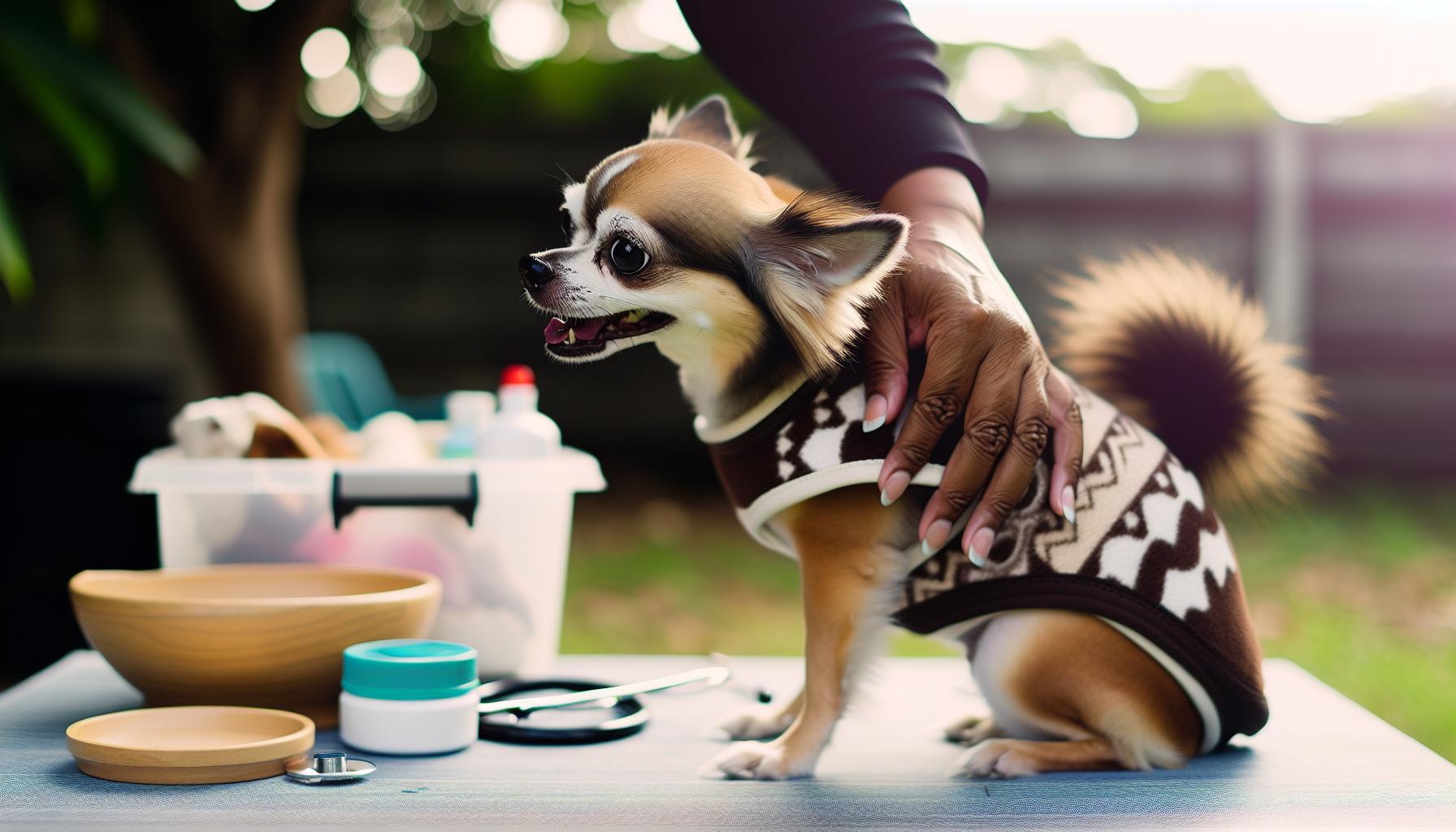
Chihuahuas are small but mighty, often bursting with personality and energy. To help these little dynamos thrive, preventive care should be a priority for all owners. A proactive approach can not only enhance your furry friend’s quality of life but also help you catch health issues before they become serious. By focusing on prevention, you’ll empower your Chihuahua to enjoy a longer, healthier life filled with fun adventures.
One of the foundational aspects of preventive care is regular veterinary check-ups. These visits aren’t just for vaccinations; they provide invaluable opportunities to catch early signs of health issues. A Chihuahua’s unique traits, such as their small size and particular dental structures, can lead to specific problems like gum disease or patellar luxation. For instance, Mary, a Chihuahua owner, discovered during a routine vet visit that her dog Charlie had early indications of dental disease. Thanks to timely intervention, Charlie received treatment that prevented more extensive dentistry down the road. Aim for at least yearly check-ups, or more frequently for older Chihuahuas, to ensure your little buddy remains healthy.
Balancing their energetic spirit requires regular exercise and mental stimulation. Chihuahuas thrive on playtime and walks, which help maintain a healthy weight and support joint health. Be mindful, though-keeping sessions short and engaging is key. Activities such as fetch in the backyard or puzzle toys can keep them entertained while reducing the risk of obesity. For example, Lisa integrated short fetch games into their daily routine, leading to a happier, more active Pippin.
Dental care is another crucial area. Chihuahuas are prone to dental problems, so adopting a dental care routine is essential. Regular teeth brushing, using dental chews, and providing toys that promote chewing can help keep their teeth clean and gums healthy. Consider incorporating these habits early on-Coco, a beloved Chihuahua in the community, enjoys her mint-flavored dental treats and has maintained bright teeth well into her senior years.
Lastly, pay close attention to your Chihuahua’s diet and weight. A balanced diet tailored to small breeds will promote better health and energy levels. Many owners favor high-quality kibble specifically formulated for Chihuahuas, ensuring they receive the right nutrients without excess calories. Watching portion sizes is vital to combat obesity-a joint effort with your vet can help establish the ideal weight management plan.
In summary, a well-rounded preventive care plan for your Chihuahua involves regular vet visits, stimulating exercise, proper dental hygiene, and mindful nutrition. By embracing these practices, you can celebrate the vibrant personality of your little companion while keeping them healthy and happy for years to come.
Nutrition’s Role in Chihuahua Health Risks
When it comes to keeping your Chihuahua healthy, nutrition plays a pivotal role in preventing many common issues. These tiny dogs, with their bold personalities and delicate physiques, need a diet that supports their unique health requirements, helping to ward off problems like obesity, heart disease, and dental issues.
Chihuahuas have specific dietary needs due to their small size and high metabolism. A high-quality, small-breed dog food is essential; it provides the right balance of nutrients tailored to their energy levels without excess calories. For instance, Jack, a proud Chihuahua owner, switched to a premium kibble formulated for small breeds after noticing that his little companion, Bella, was becoming lethargic and gaining weight. Within weeks, Bella regained her playful energy, showcasing how proper nutrition can significantly impact a Chihuahua’s vitality.
In addition to choosing the right food, portion control is crucial. These little darlings can easily overeat, leading to obesity, which is a precursor to other health issues such as diabetes and joint problems. Monitoring your Chihuahua’s portion size and using measuring cups or a food scale can ensure she’s receiving the right amount of food for her weight and activity level. Many owners also find success in creating a feeding schedule, helping to regulate their Chihuahua’s metabolism and manage her weight effectively.
Supplements can also be beneficial for Chihuahuas, particularly those with specific health risks. For example, Omega-3 fatty acids can promote heart health and reduce inflammation, while glucosamine may support joint health, particularly in aging Chihuahuas. Always consult your veterinarian before adding any supplements to your pup’s diet. They can provide insights tailored to your Chihuahua’s unique health profile and help you avoid unnecessary treatments.
Hydration is another critical element of your Chihuahua’s diet. Ensure she has access to fresh water at all times, as even slight dehydration can lead to serious health issues. Some owners encourage hydration by incorporating wet food into their Chihuahua’s diet or adding water to dry kibble, which can be particularly beneficial for those less inclined to drink.
In summary, a conscientious approach to your Chihuahua’s nutrition can significantly mitigate health risks and promote a longer, healthier life. By selecting high-quality food, managing portions, considering beneficial supplements, and ensuring proper hydration, you’ll provide solid foundations for your little companion’s well-being. Remember, a vibrant diet can make a world of difference in your dog’s happiness and health, enhancing every adorable quirk that makes them so special.
The Impact of Size on Chihuahua Health
Chihuahuas, with their tiny frames and larger-than-life personalities, are a breed where size plays a crucial role in their health. Due to their petite stature, they are prone to unique health challenges that larger breeds may not experience. These little dogs can be susceptible to conditions like patellar luxation, heart problems, and dental issues-problems that can escalate quickly in such a small body. Understanding how size impacts a Chihuahua’s health can empower you to make informed decisions for your furry friend’s well-being.
One significant concern linked to their small size is the risk of hypoglycemia, or low blood sugar. Chihuahuas have a high metabolism which, combined with their small size, can lead to dangerously low blood sugar levels if they miss meals or are stressed. Owners often notice lethargy, weakness, or confusion in their pups, prompting immediate attention. Diet management becomes a critical factor here; feeding smaller, more frequent meals can help maintain stable blood sugar levels, ensuring your Chihuahua stays energetic and healthy.
Chihuahuas are also known for their delicate bone structures, making them vulnerable to fractures or injuries. A simple slip can lead to severe consequences, which is why providing a stable, safe environment is essential. For instance, ramps instead of stairs or a cushioned, comfortable dog bed can prevent falls and reduce stress on their joints. Owners like Sarah have found success by safeguarding their homes, creating a gentle, hazard-free space that supports their Chihuahua’s activities without risking injury.
Dental health is another pressing issue for Chihuahuas, thanks in part to their size. Their small mouths can lead to overcrowding of teeth, increasing the risk of tartar buildup, gum disease, and tooth loss. It is crucial to implement a consistent dental care routine, including regular teeth brushing and providing chew toys designed to promote oral hygiene. Regular vet check-ups should include dental assessments to catch any issues early. Many owners find that incorporating dental treats designed for small breeds can help maintain cleaner teeth and fresher breath.
In essence, maintaining the health of your Chihuahua requires a proactive approach, attuned to the specific challenges posed by their size. By being mindful of their dietary needs, creating a safe environment, and prioritizing dental care, you’ll not only enhance your Chihuahua’s quality of life but also deepen the bond you share with this vibrant and spirited breed. Remember, every little quirk, from their sassy bark to their snuggly demeanor, is worth nurturing through attentive care and understanding of their health needs.
How to Maintain Dental Health in Chihuahuas
Chihuahuas are adorable little companions, but their tiny mouths can pose significant challenges when it comes to dental health. Due to their size and the unique arrangement of their teeth, Chihuahuas are at a higher risk for oral issues like plaque buildup, gum disease, and even tooth loss. Maintaining proper dental hygiene is crucial for ensuring your furry friend’s overall well-being.
Establishing a consistent dental care routine is the first step. Begin by introducing your Chihuahua to tooth brushing while he’s still a puppy. Use a soft-bristled toothbrush designed for dogs and a dog-specific toothpaste-never human toothpaste, as it can be harmful to them. Aim to brush his teeth at least two to three times a week, if not daily. If your pup resists brushing, try using finger brushes or flavored gels to make the experience more enjoyable. Remember to be patient; your Chihuahua may need time to get used to this habit. For instance, one owner, Jamie, found that singing a cheerful song while brushing made her Chihuahua less anxious and more cooperative.
In addition to brushing, offering dental chews and toys can greatly benefit your Chihuahua’s oral health. Look for products that are specifically designed to reduce tartar and promote dental hygiene. Chewing helps scrub away plaque and stimulates the gums, contributing to healthier teeth. Many owners have seen improvement in their dog’s breath and oral health by incorporating these chews into their daily routines. Just be sure to supervise your Chihuahua while he chews, as their small size can make some toys a choking hazard.
Regular vet check-ups are essential for maintaining dental health, too. During these visits, ensure that your veterinarian conducts a thorough dental exam and cleaning as needed. This proactive approach can help identify potential issues early on, preventing more serious problems down the line. Many owners, like Tom, have noticed that routine vet visits not only keep their Chihuahuas’ teeth in check but also provide peace of mind knowing their furry companions are healthy.
By prioritizing your Chihuahua’s dental care, you’ll not only help him avoid painful dental problems but also significantly enhance his quality of life. With the right approach, you can keep those little teeth sparkling and healthy, allowing your bold and vibrant Chihuahua to continue bringing joy into your life every day.
Addressing Mobility Issues in Aging Chihuahuas
As your Chihuahua gets older, you may begin to notice changes in his mobility. Chihuahuas, though small and spunky, can face various mobility issues as they age, such as arthritis, degenerative joint disease, or simple muscle atrophy due to inactivity. Understanding these challenges can help you provide the best support for your furry friend, ensuring he remains comfortable and active in his golden years.
Start by observing your Chihuahua’s movements. Is he reluctant to jump onto the couch or climb stairs? Does he seem stiff after resting? These can be signs of mobility issues. Regular exercise remains crucial, but it might need to be adjusted based on his comfort level. Gentle walks and low-impact activities can help maintain muscle tone and joint flexibility without overexerting him. For instance, one owner shared that her Chihuahua, Bella, thrived on short, leisurely walks around the yard. She found that even just letting Bella explore her garden helped keep her engaged and happy.
Supportive Aids can also make a significant difference. Consider investing in ramps or stairs to help him access his favorite spots without straining his joints. Orthopedic beds are another excellent option, providing the cushioning older dogs need to rest comfortably without pressure on their joints. Additionally, you might explore mobility aids like harnesses or slings for those particularly challenging moments when he needs an extra boost.
Regular vet check-ups become paramount as your Chihuahua ages. Your veterinarian can help you create a tailored plan that addresses any specific mobility concerns, from pain management strategies to weight management advice, which is vital since extra weight puts additional stress on fragile joints. Many owners have found success with supplements like glucosamine and omega-3 fatty acids, which may help reduce inflammation and improve joint health.
Your attention and care can significantly affect your Chihuahua’s quality of life. By staying proactive and adapting to his changing needs, you can ensure that he continues to enjoy his playful personality, even with the natural challenges of aging. Celebrate those quirks that make him who he is, and remember that quality time together, even during quiet moments, brings joy to both of you.
The Importance of Regular Vet Check-Ups
Maintaining your Chihuahua’s health is one of the greatest joys and responsibilities of pet ownership. Did you know that Chihuahuas are particularly susceptible to certain health problems due to their unique genetics and size? This is why regular vet check-ups are not just advisable-they’re essential for ensuring your tiny companion remains vibrant and happy.
Scheduling consistent visits to the veterinarian helps you stay ahead of potential health issues. During these check-ups, your vet can monitor your Chihuahua for common conditions such as patellar luxation, dental disease, and heart murmurs, which are prevalent in the breed. Identifying problems early can significantly improve treatment outcomes and help you manage any risks. For example, a Chihuahua named Milo was diagnosed with a heart murmur at just two years old during a routine visit. Thanks to early detection and proper medication, Milo continues to thrive and enjoy his playful life.
Another critical aspect of these check-ups is vaccinations. Tiny dogs like Chihuahuas often require a tailored vaccination plan to protect them from viruses and diseases that can be more severe in smaller breeds. Regular visits allow your veterinarian to keep vaccinations up to date and assess the need for any additional measures, such as flea and tick prevention, which are particularly important given their delicate skin.
Moreover, vet visits provide you with the opportunity to discuss important lifestyle factors that affect your Chihuahua’s health. Nutrition, exercise, and grooming all play significant roles in preventing obesity and its associated complications like joint problems, which can be especially damaging for small breeds. A knowledgeable veterinarian can guide you in creating a balanced diet and suitable exercise routine tailored to your Chihuahua’s specific needs.
In short, prioritizing regular vet check-ups creates a proactive approach to your Chihuahua’s health. It’s an investment in their well-being that pays off in quality of life and longevity. Your commitment to their health not only helps you catch and manage potential issues early but also strengthens the bond you share with your beloved companion. Remember, every visit is a chance to celebrate your Chihuahua’s quirks-be it their bold personality or their adorable bark-and to ensure they continue to live their best life.
Chihuahua-Specific Allergies and Skin Conditions
Chihuahuas, with their luxurious coats and vibrant personalities, can unfortunately be prone to specific allergies and skin conditions. Their delicate skin, combined with their small size, can lead to unique challenges that require attentive care from dedicated owners. One of the most common skin issues seen in Chihuahuas is allergic dermatitis, which can arise from various environmental allergens such as pollen, dust mites, and certain foods. This condition often presents as itching, redness, and inflammation of the skin, making it crucial for owners to stay vigilant for signs of discomfort.
It’s essential to recognize the symptoms of allergies early. Look for behaviors like excessive scratching, biting at their skin, or even changes in their coat’s appearance. Owners may also notice hotspots-localized areas of skin that become inflamed and infected. Regular grooming helps not only to keep your Chihuahua’s coat looking its best but also allows you to monitor for any unusual spots or irritations. If you observe persistent symptoms, consulting with a veterinarian is the best approach. They can perform tests to identify specific allergens and recommend appropriate treatments, such as antihistamines or special diets.
Chihuahuas may also face skin conditions such as mange, caused by mites that burrow into the skin, leading to hair loss and severe itching. Another potential issue is dry skin attributable to environmental factors or nutritional deficiencies. Ensuring your Chihuahua is on a high-quality diet rich in omega fatty acids can support healthy skin and coat. Additionally, regular baths with gentle, hypoallergenic shampoos can help soothe irritated skin and remove allergens that may be causing discomfort.
Prevention is key to managing allergies and skin health in Chihuahuas. It’s wise to keep your living environment clean and free from dust and debris while also considering hypoallergenic bedding and toys. If your Chihuahua spends time outdoors, bathing them afterward can help wash away any pollen or irritants they may have picked up. For example, a Chihuahua owner named Sarah noticed her pup, Bella, had frequent itching episodes during spring. By bathing her regularly and changing her food to a hypoallergenic brand, Sarah found significant improvement in Bella’s skin condition.
By remaining proactive and attentive to your Chihuahua’s needs, you can help them thrive despite the challenges posed by allergies and skin conditions. With love and care, your tiny companion will continue to showcase their bold personality and vibrant spirit, enjoying every moment with you.
Managing Stress and Anxiety in Chihuahuas
Chihuahuas are known for their charismatic and bold personalities, but this little breed can also be quite sensitive, often experiencing stress and anxiety more acutely than larger dogs. Their naturally strong bond with their owners means they thrive on companionship but can also be easily affected by changes in their environment or routine. Understanding and managing stress in your Chihuahua is crucial for their overall well-being.
One common trigger for anxiety in Chihuahuas is separation. This breed can be particularly prone to separation anxiety, often becoming distressed when left alone. To mitigate this, create a safe and comfortable space for your Chihuahua that includes favorite toys and familiar bedding. Gradually accustom him to being alone for short periods, rewarding calm behavior during these times, which helps build his confidence and independence. Play some soft music or use a calming diffuser with essential oils, like lavender, to ease his nerves while you’re away.
Another frequent source of stress can be loud noises, such as thunderstorms or fireworks. Chihuahuas’ sensitive ears may make them particularly reactive to these sounds, leading to fear and anxiety. To help your pup during these stressful times, consider creating a “safe zone” in a quiet area of your home, outfitted with blankets and his favorite snuggly items. You might also try desensitization techniques, gradually exposing him to recorded sounds of thunderstorms played at a low volume, rewarding him with treats as he remains calm.
Socialization is equally important for lowering stress levels. Expose your Chihuahua to various environments, people, and other dogs in controlled settings, helping him learn how to interact positively with the world around him. Regular walks not only help expend energy but also provide crucial social experiences. Just remember to monitor interactions closely; if your Chihuahua seems overwhelmed, it’s okay to remove him from the situation.
Ultimately, a calm, consistent routine will go a long way in reassuring your Chihuahua. Establishing a regular schedule for feeding, walks, and playtime can help him feel secure. As an owner, being patient and understanding of your Chihuahua’s unique temperament will greatly aid in managing his anxiety. With time, love, and the right techniques, you can help your tiny companion navigate life’s challenges, ensuring she feels safe, secure, and deeply cherished.
Frequently asked questions
Q: What are common behavioral issues in Chihuahuas that can affect their health?
A: Common behavioral issues in Chihuahuas include excessive barking, separation anxiety, and aggression. These behaviors can lead to stress-related health problems. Implementing consistent training and providing proper socialization can help mitigate these issues, ensuring a healthier emotional state for your dog.
Q: How do I recognize signs of diabetes in my Chihuahua?
A: Diabetes in Chihuahuas can manifest through symptoms like increased thirst, frequent urination, and weight loss despite a normal or increased appetite. Regular vet visits, especially for older Chihuahuas, are crucial for early detection and management of this condition.
Q: What is the lifespan of a Chihuahua, and how can I ensure a long, healthy life?
A: Chihuahuas typically live between 12 to 20 years. To promote a long, healthy life, maintain a balanced diet, provide regular exercise, schedule routine vet check-ups, and focus on preventive care. Keeping them stress-free also contributes positively to their lifespan.
Q: What are the risks of obesity in Chihuahuas, and how can I prevent it?
A: Obesity poses serious health risks for Chihuahuas, including joint problems, diabetes, and heart disease. To prevent obesity, ensure a balanced diet, control portion sizes, and engage in regular physical activity. Monitoring their weight regularly can help maintain their health.
Q: Are there specific skin conditions prevalent in Chihuahuas to watch for?
A: Yes, Chihuahuas are prone to skin issues like allergies, dermatitis, and atopic conditions. Symptoms may include itching, redness, and hair loss. Regular grooming, a balanced diet, and prompt attention to skin irritations can help manage these conditions effectively.
Q: How does temperature affect Chihuahua health?
A: Chihuahuas are sensitive to extreme temperatures, both hot and cold. Heatstroke can occur in hot weather, while hypothermia is a risk in cold conditions. Providing appropriate shelters and environment, avoiding prolonged exposure, and ensuring proper hydration are key to their safety.
Q: What vaccinations should my Chihuahua receive, and how often?
A: Essential vaccinations for Chihuahuas include those for distemper, parvo, rabies, and kennel cough. Initial vaccinations start between 6 to 8 weeks, followed by boosters throughout their life. Regular veterinary consultations will ensure your Chihuahua is up-to-date on vaccinations.
Q: Why are dental problems a concern in Chihuahuas?
A: Dental issues are common in Chihuahuas and can lead to pain, infection, and systemic health problems. Regular dental care, including brushing their teeth and providing dental treats, is essential for preventing periodontal disease and maintaining overall health.
To Wrap It Up
Understanding the unique health risks that Chihuahuas face is essential for keeping your little companion happy and thriving. Remember, proactive care and regular vet visits are key in addressing conditions like dental issues and heart disease, which are common in this beloved breed. Don’t wait-arm yourself with knowledge to tackle these challenges head-on and ensure your Chihuahua enjoys a long, vibrant life.
Explore our related resources on Chihuahua care and behavior to deepen your insights, like our guide on “Best Nutrition for Chihuahuas” or “Training Tips for Your Vocal Companion.” Have questions? We’d love to hear from you! Share your experiences in the comments and connect with fellow owners. For even more expert advice, consider signing up for our newsletter, where you can receive the latest tips directly to your inbox. Together, let’s celebrate the charm and spirit of Chihuahuas while ensuring their health is our top priority!
Get our latest guides, news, and insights highlighted in your Google Search & AI Overviews.