

As a proud Chihuahua owner, you may have noticed your little companion sneezing more often than usual. This can be concerning, especially since Chihuahuas, with their delicate nasal passages, are prone to various health issues. Understanding why your Chihuahua is sneezing not only helps you address any potential health concerns but also reassures you as a loving guardian of this spirited breed. From allergies to infections, the reasons behind those tiny sneezes can vary widely. Let’s delve into the common causes of sneezing in Chihuahuas, helping you distinguish between simple irritants and symptoms that may require veterinary attention. Your fur baby deserves the best care, and being informed is the first step to ensuring his well-being.
Why Sneezing Is Common in Chihuahuas
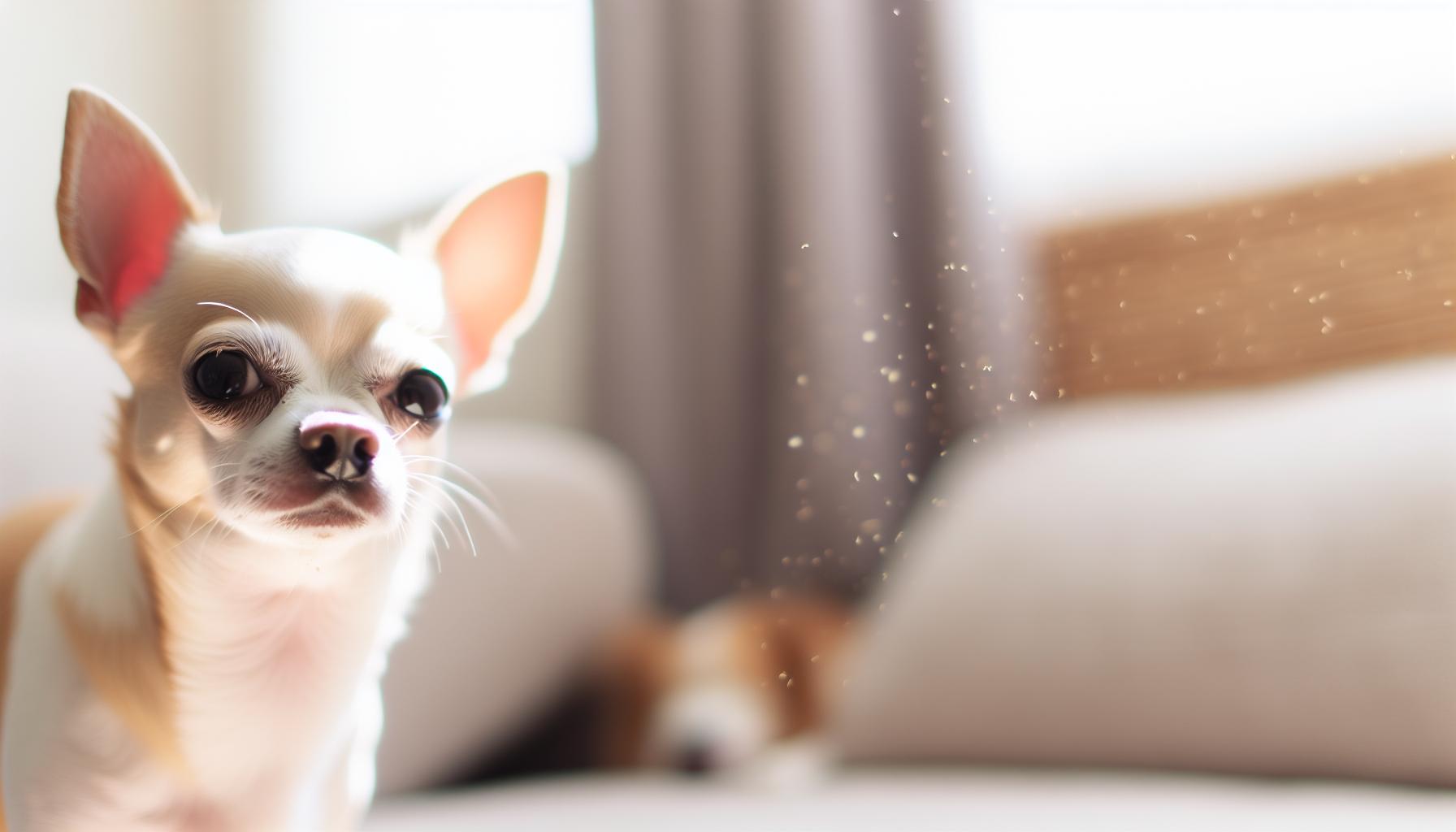
While it might seem odd at first, sneezing is a common quirk among Chihuahuas. These little dogs have a unique respiratory structure that makes them more prone to sneezing, which can occur for a variety of reasons. Chihuahuas often have short noses and certain anatomical features that predispose them to respiratory issues. When they encounter something in their environment-like dust, pollen, or even strong scents-they may sneeze as a way to clear their nasal passages.
Additionally, Chihuahuas are known for their sensitive nature. Changes in temperature, humidity, or even stress can trigger sneezing spells. For instance, if your Chihuahua goes from a warm indoor environment to the chilly outdoors, he might sneeze as he adjusts to the temperature shift. It’s also worth noting that some Chihuahuas, especially those with shorter snouts, can be more affected by factors like allergies or irritants, which can exacerbate their sneezing.
Owners often report that their sneezing pups tend to display other behaviors, too. For example, during allergy season, it’s not unusual for your little companion to have runny eyes or a bit of nasal discharge along with those sneezes. This sneezing may just be a minor annoyance, but understanding the underlying causes helps you manage his comfort better. Observing what triggers these sneezes can be beneficial-keeping a log of when and where the sneezing happens can provide you with valuable insights into your Chihuahua’s health.
In general, it’s essential to accept these little quirks as part of your Chihuahua’s personality. Their charmingly vocal nature can be endearing, but sensitivity in their respiratory health should be taken seriously. Recognizing the reasons behind their sneezes equips you with the knowledge to help keep your furry friend happy and healthy.
Identifying Allergies: Sneezing Triggers
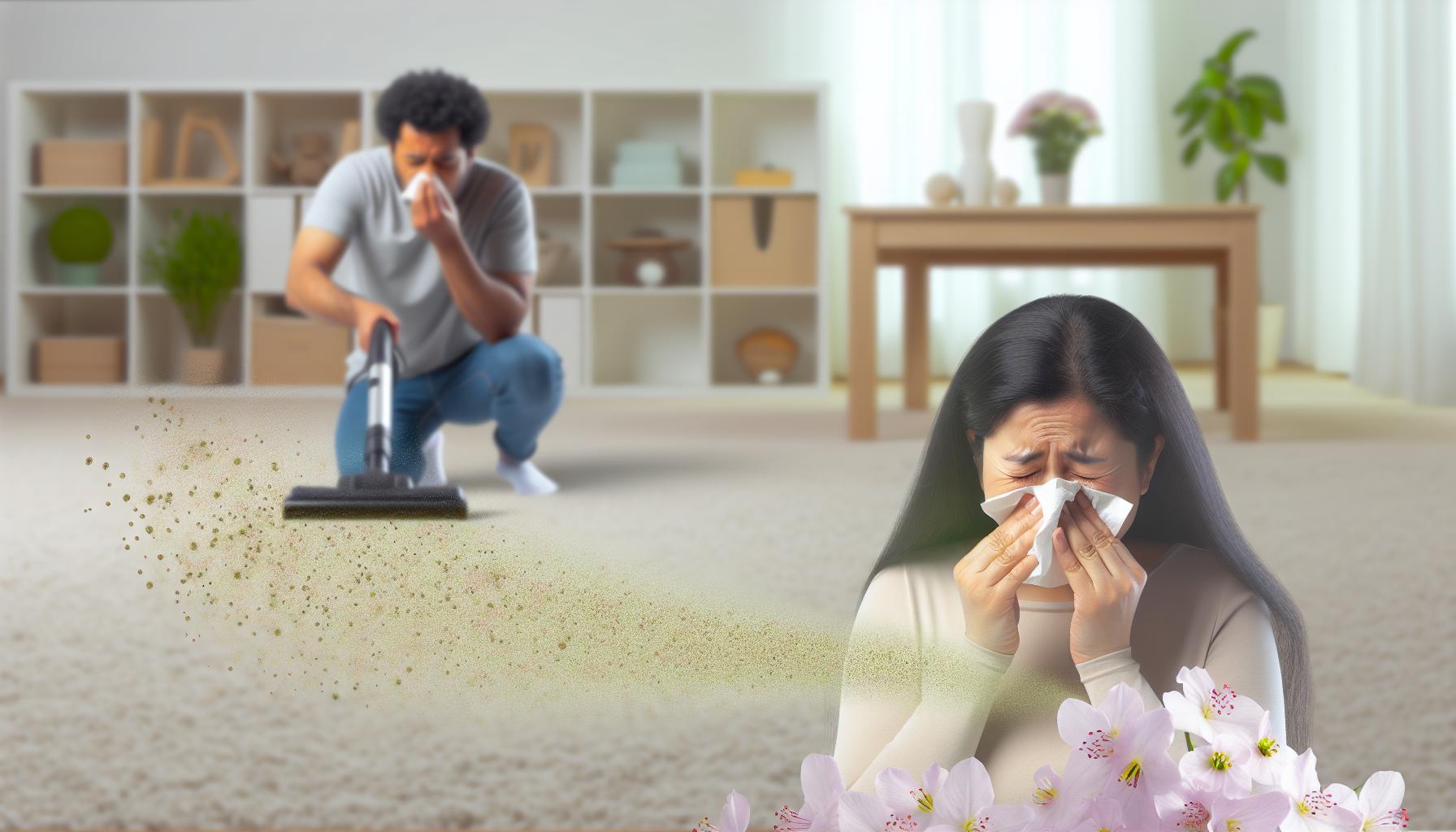
Understanding the sneezing of your Chihuahua is a vital part of ensuring her health and happiness. With their adorable, perky ears and tiny frames, Chihuahuas are more susceptible to allergies than many other breeds. Their sensitive respiratory systems can be easily affected by various triggers in their environment, causing them to sneeze as a natural reflex to clear their nasal passages.
One common source of irritation is environmental allergens. Dust, pollen, mold, and even certain cleaning products can provoke sneezing fits in Chihuahuas. For instance, many owners have noticed spikes in their pup’s sneezing during springtime when pollen levels rise. It’s wise to keep an eye out for other symptoms appearing alongside sneezing, such as watery eyes or excessive scratching, which can indicate an allergy flare-up.
Common Sneezing Triggers
To help identify possible causes of your Chihuahua’s sneezing, consider these common triggers:
- Pollen: Seasonal allergies can arise when flowers bloom or during mold growth.
- Dust: Regular cleaning can stir up dust, so ensure areas where your Chihuahua spends time are cleaned frequently.
- Strong odors: Perfumes, scented candles, or harsh cleaning agents can result in sneezing.
- Pet dander: If you have other pets, they can contribute to airborne allergens.
Another key factor is the temperature and humidity of your home. Chihuahuas need a stable, comfortable environment; sudden changes in these conditions may trigger sneezes. For example, moving from a humid space to dry indoor heating can prompt a sneeze or two as she adjusts. Additionally, keeping track of sneezing patterns and environments will help you pinpoint specific triggers, allowing you to modify your Chihuahua’s surroundings for her comfort.
Lastly, always remember that being aware of these nuances is part of being a responsible Chihuahua owner. Thus, conducting regular checks and consulting with a vet when sneezing persists is critical in maintaining her health and ensuring she’s as happy as can be. By keeping a close watch on her sneezing patterns and potential allergens, you’re taking a crucial step in nurturing our little companions.
When to Worry: Signs of Serious Issues
If your Chihuahua’s sneezing becomes frequent or persistent, it’s essential to be vigilant as it could signal a more serious health issue. While occasional sneezes can be harmless and attributed to common allergens, excessive sneezing may indicate underlying problems that need your attention. This is especially true given the breed’s unique respiratory sensitivity and its propensity for issues like tracheal collapse or bronchitis.
Watch closely for accompanying symptoms. If your furry friend develops a persistent cough, nasal discharge, or labored breathing, it’s time to consult your veterinarian. Other concerning signs include lethargy, difficulty eating or drinking, and any changes in behavior. For instance, a normally playful Chihuahua may become unusually quiet or withdrawn if something is amiss. These behavioral shifts can be critical indicators of health issues, especially in small breeds that do not always display their pain overtly.
Specific Signs to Monitor
To help you identify when it’s crucial to seek veterinary care, consider the following red flags:
- Continual or worsening sneezing: If your Chihuahua is sneezing non-stop over several days, it may be time to check in with your vet.
- Foul odor from the mouth or nose: This could indicate dental issues or an upper respiratory infection.
- Change in appetite: If she stops eating her favorite treats or her meals, this could signal discomfort.
- Presence of blood: Any blood in the nasal discharge is a cause for alarm and should prompt immediate action.
By staying attentive to these signs and being proactive, you ensure that your Chihuahua receives the care she needs. Regular vet check-ups can also catch potential problems early, allowing for timely interventions. Remember, you know your little one best; if something feels off, trust your instincts and reach out to a professional. Keeping your perky, tiny companion healthy and happy is always worth the effort.
Understanding Chihuahua Respiratory Health
Chihuahuas are adorable little companions with a unique charm that endears them to many. However, their tiny size and distinct anatomy come with specific respiratory health considerations. Understanding how their respiratory systems work can help you better care for your furry friend, especially if sneezing has become a frequent occurrence. Chihuahuas are prone to a variety of respiratory issues due to their delicate tracheae and their short snouts, which can make them more susceptible to choking on food, dust, and allergens.
These lively pups often react to environmental triggers that can lead to sneezing fits. Dust, pollen, and even strong odors can irritate their sensitive noses. Additionally, Chihuahuas may suffer from various allergies just like humans do. Factors such as seasonal changes can trigger allergic reactions that make your little one sneeze, so it’s beneficial to keep an eye on how their sneezing correlates with changes in their environment. For example, during springtime, when pollen counts are high, many Chihuahua owners notice an uptick in sneezing episodes. Observing your dog’s behavior before and after exposure to allergens can help you pinpoint these specific triggers.
It’s also crucial to consider the anatomical differences among individual Chihuahuas. Dogs with apple-shaped heads and brachycephalic traits – that is, short-faced features – may have greater difficulty breathing than their longer-faced counterparts. This anatomical variation can affect how well they manage respiratory challenges. If you ever find that your Chihuahua is sneezing excessively, it could be beneficial to examine their daily routines; sometimes, a simple change in washing their bedding, cleaning their living area, or switching to hypoallergenic products can significantly improve their comfort.
Keep in mind that regular veterinary check-ups are vital for monitoring your Chihuahua’s respiratory health. During a routine visit, discuss any sneezing or respiratory concerns you have noticed, and don’t hesitate to ask your vet about potential diagnostic tests that can help identify underlying issues. Your commitment to understanding their respiratory health not only fosters a closer bond but is essential for keeping your little companion happy and thriving. After all, a healthy Chihuahua is a happy Chihuahua!
Home Remedies for Sneezing Chihuahuas
Chihuahuas are known for their spunky personalities and charming antics, but when sneezing becomes a regular occurrence, it can be concerning for any loving owner. Fortunately, there are several home remedies and supportive measures you can try to help alleviate your Chihuahua’s sneezing. It’s essential to approach these remedies with care, considering their small size and unique health needs.
One effective method is to ensure that your Chihuahua’s environment is as allergen-free as possible. Start with regular cleaning to reduce dust, pollen, and other irritants. Frequent vacuuming with a high-efficiency particulate air (HEPA) filter can significantly help in minimizing airborne allergens. Additionally, washing your dog’s bedding and toys in hot water weekly can eliminate dust mites and other potential triggers.
You might also consider using a humidifier in your home, particularly during dry seasons. Chihuahuas benefit from moist air, which can soothe their respiratory passages and reduce irritation that leads to sneezing. If your Chihuahua enjoys being outside, try to limit exposure during peak pollen times, especially in spring. Taking walks in the early morning or after rain can minimize contact with allergens.
For some owners, using natural remedies such as a saline nasal spray can provide relief. These sprays help to clear nasal passages and can be safely used for your Chihuahua, just ensure the formula is specifically designed for dogs. Always consult your veterinarian before trying new remedies, as they can provide guidance tailored to your dog’s specific health conditions.
Finally, keep an eye on your Chihuahua’s sneezing patterns and behaviors. Recording when sneezing occurs can help identify patterns related to specific environmental changes or items introduced into their environment. Your observations are valuable insights to share with your veterinarian, especially if sneezing persists or worsens. With a little diligence and care, you can help your tiny friend breathe easier and enjoy life to the fullest!
Vet Visits: What to Expect and Ask
When your little Chihuahua starts sneezing frequently, it can be unsettling. These charming dogs, with their bold personalities and tiny frames, deserve the best care, especially when it comes to their health. Understanding what to expect during a vet visit can help ease your concerns and arm you with the right questions to ensure your fur baby gets the care they need.
First, be prepared to provide a detailed account of your Chihuahua’s sneezing behavior. Note when it started and if there are specific triggers you’ve observed-like seasonal changes, dust, or new household items. Your vet will appreciate any insights you have about your pup’s unique patterns and habits. It may also be helpful to mention other symptoms, such as coughing, nasal discharge, or changes in behavior, which could provide clues about potential underlying issues.
During the visit, you can expect the vet to conduct a thorough examination. This will likely include listening to your Chihuahua’s heart and lungs, checking for nasal obstructions, and examining their ears and eyes. Sometimes, your veterinarian may recommend diagnostic tests like blood work or imaging studies to rule out allergies, infections, or other respiratory conditions. It’s important to ask about the purpose of these tests and what they will reveal.
Don’t hesitate to ask specific questions that relate to your Chihuahua’s health and lifestyle. Some useful questions could be:
- What could be causing my Chihuahua’s frequent sneezing?
- Are there specific allergies common in Chihuahuas that I should be aware of?
- What treatment options are available, including diet changes, medications, or natural remedies?
- How can I create a healthier home environment for my Chihuahua?
Lastly, follow up by discussing preventative measures to keep your tiny companion sneeze-free. Ask your vet for advice on keeping allergens at bay and whether any regular check-ups should be scheduled. As a devoted Chihuahua owner, your proactive approach to their health is essential. Your little friend relies on you for the best in care, ensuring many more joyful sneezes (rather than worried ones) to come!
The Impact of Coat Type on Sneezing
When it comes to Chihuahuas, their adorable coats are not just a source of pride but also an important factor in their overall health, particularly with sneezing. Whether your Chihuahua sports a smooth coat or a long, flowing one, the type of fur can affect how easily allergens and irritants find their way into their sensitive respiratory systems. For example, long-haired Chihuahuas may be more prone to sneeze if their fur traps allergens like pollen or dander, which can stir up during playtime or when they curl up on the couch.
Regular grooming is essential, not only to keep your furry friend’s coat looking fabulous but also to minimize sneezing. By brushing your Chihuahua weekly, you can significantly reduce the amount of loose fur and dander that accumulates in your home. This simple act can help decrease the irritants that might cause those adorable sneezes. Bathing your Chihuahua every few weeks with a gentle dog shampoo can further reduce allergens in their coat. Be sure to dry them thoroughly to avoid any dampness that could lead to respiratory issues.
Moreover, Chihuahuas with thicker or curly coats may experience different issues regarding temperature regulation, which can lead to sneezing. Excess heat can irritate their nasal passages, causing them to sneeze, while colder temperatures can exacerbate respiratory problems. For this reason, consider your Chihuahua’s comfort and environment, adjusting their space according to the season. For instance, during winter, a cozy sweater can keep them warm without contributing to respiratory irritations caused by cold air.
It’s also important to keep the living environment clean. Regular vacuuming to remove dust, pet hair, and debris can greatly help minimize allergic reactions. Consider using air purifiers to filter allergens from the air, making it a safer space for your sneezy buddy. And remember, every dog is unique; observe how your Chihuahua responds to grooming and house environment changes to find the perfect balance that helps reduce sneezing while keeping him looking and feeling his best.
Seasonal Changes: How They Affect Your Dog
As the seasons change, your little Chihuahua may exhibit changes in behavior, including sneezing. Since these tiny dogs have delicate respiratory systems, they can be particularly sensitive to environmental shifts. Understanding how weather transitions impact your pup can be crucial for maintaining their health and happiness.
In spring and summer, the increase in pollen and dust can trigger allergies in Chihuahuas, leading to frequent sneezing. Take note of how your pup reacts during these times. For example, if outdoor playtime seems to result in more sneezing, consider adjusting their routine to limit exposure during high-pollen days. Keeping windows closed during peak allergy seasons and using air purifiers in your home can mitigate allergen levels. Regular grooming is also a proactive step; brushing your Chihuahua can help remove pollen and dander that clings to their fur.
In contrast, colder months present their own set of challenges. Chihuahuas, especially those with short coats, can struggle with temperature fluctuations. Cold air can dry out their nasal passages, leading to irritation and excessive sneezing. It’s important to provide warm, cozy blankets and consider dog sweaters during chilly walks. Monitor your Chihuahua’s behavior during these months; if they begin to sneeze frequently indoors, check that your home is properly heated and draft-free.
Another significant factor is humidity. Dry winter air can exacerbate respiratory issues, causing your little friend to sneeze more. A humidifier can help maintain a comfortable level of moisture in the air, easing any discomfort. By being mindful of how seasonal changes affect your Chihuahua’s health, you can take proactive measures to ensure they remain comfortable and sneeze-free.
Ultimately, each Chihuahua is unique, so being observant and responsive to their needs during different seasons can help you tailor care specifically suited to their individual requirements. By keeping a close eye on how weather patterns alter your pup’s behavior, you’re better equipped to provide a loving and healthy environment for your furry companion.
Chihuahua Behavior: Sneezing and Communication
When it comes to communication, Chihuahuas have a unique way of expressing their feelings and needs. While we often think of barking as the primary means of vocal communication, sneezing can also play a role in how your little buddy conveys messages. This often quirky behavior can stem from excitement, a desire for attention, or simply as a response to their surroundings. Observing your Chihuahua’s sneezing in different contexts can reveal a lot about what she is trying to communicate.
Chihuahuas are known for their vocal personalities. If your pup starts sneezing excitedly while playing or when meeting unfamiliar faces, it may just be her way of engaging with the world. Some owners note that their Chihuahuas often sneeze during playtime, which can be an invitation for more fun. It’s a playful gesture akin to laughter-a sign that your little one is feeling comfortable and joyful. In this context, sneezing is less about respiratory issues and more a reflection of her lively spirit.
Conversely, if you notice a pattern where sneezing occurs in specific situations, like around certain people or environments, it might indicate stress or discomfort. For example, a Chihuahua who sneezes when faced with loud noises or large gatherings may be trying to cope with anxiety. This behavior could be due to their naturally sensitive nature. If your Chihuahua tends to retreat or show signs of nervousness when sneezing, it’s essential to create a calm environment and monitor her body language for additional signs of anxiety or distress.
Additionally, sneezing can also serve as a way for your Chihuahua to “clear her throat,” especially if she is adjusting to new scents in the air. Chihuahuas, with their active noses, are keen to explore their environments, and a sudden sneeze might just mean she’s investigating something intriguing. Pay attention to the context-if she’s sniffing around in the garden, a little sneeze might simply be due to dust or pollen. Recognizing these patterns helps you better understand your Chihuahua’s behavior, ensuring you can respond appropriately to her needs.
As you share life with your Chihuahua, remember that her sneezing can be a rich form of communication. Whether it’s joy, anxiety, or simple curiosity manifesting through those adorable little sneezes, staying attuned to her signals will help strengthen the bond between you. Always consider the bigger picture-her overall behavior, health, and environment-and you’ll be well-equipped to provide the love and care she needs.
Preventative Care: Keeping Your Chihuahua Healthy
Taking a proactive approach to your Chihuahua’s health is essential, especially since their small size can make them more vulnerable to respiratory issues. Regular preventative care not only keeps them happy and healthy but also minimizes the likelihood of frequent sneezing or other illnesses. Establishing a routine that includes vet visits, vaccinations, and a balanced diet is crucial for your furry friend.
One of the best ways to ensure your Chihuahua stays in top condition is through regular veterinary check-ups. A vet can help catch potential health issues before they escalate, providing vaccinations and preventative care tailored to your dog’s specific needs. Chihuahuas are prone to dental issues, so incorporating dental care into your routine-like regular tooth brushing and dental treats-can significantly impact her long-term health.
Proper nutrition is equally important. Providing a high-quality diet that fits your Chihuahua’s specific health requirements will support her immune system and overall vitality. It’s tempting to give in to those pleading eyes and feed her scraps from your plate, but sticking to dog food recommended by your vet is the best way to ensure that she gets the right nutrients. Additionally, maintaining a healthy weight can prevent issues like respiratory stress, which may manifest as sneezing.
Incorporating exercise into her daily routine helps to keep her healthy and can reduce stress, which is also a sneezing trigger for some dogs. Regular walks and playtime will not only keep her physically fit but also mentally stimulated. Remember that a worn-out Chihuahua is a happy Chihuahua!
Lastly, be mindful of allergens and irritants in your home environment. Keep your living space clean, avoiding strong cleaning products and dust that may irritate her sensitive respiratory system. Investing in air filters and ensuring that she has a safe, quiet space can also create an optimal environment for her health.
By staying vigilant and dedicated to preventative care, you can not only enhance your Chihuahua’s quality of life but also address the underlying causes of sneezing before they become serious issues. Celebrate the unique quirks of your beloved companion by ensuring they receive the best care possible, allowing you to enjoy countless playful moments together.
Common Misconceptions About Sneezing Dogs
Many Chihuahua owners have encountered their tiny companions sneezing, which can lead to a variety of misunderstandings about this behavior. One common misconception is that all sneezing is a sign of sickness or poor health. In fact, Chihuahuas, like many small breeds, have sensitive nasal passages, and sneezing can often be an innocent reaction to a temporary irritant, such as dust, pollen, or even a quick change in temperature. Recognizing that not every sneeze signals a medical emergency is crucial for maintaining a calm approach to your fur baby’s wellbeing.
Another frequent myth is that a Chihuahua’s sneezing is exclusively due to allergies. While allergies do play a significant role in respiratory issues, there are many other triggers to consider. Things like excitement, overexertion during playtime, or even the scent of strong perfumes can lead to a quick sneeze. For example, I’ve seen my own Chihuahua, Bella, let out a few sharp sneezes after a vigorous chase of her favorite toy in the backyard-she was simply overwhelmed with joy, not discomfort.
A less known idea is that all Chihuahuas are prone to severe respiratory illnesses if they sneeze too often. However, while it is true that Chihuahuas can be more susceptible to certain conditions like tracheal collapse, frequent sneezing alone does not indicate a serious issue. It’s important to observe the context-if your Chihuahua is otherwise happy, active, and eating well, a sneeze or two during playtime is likely nothing to worry about.
Finally, some owners believe that their Chihuahua’s coat type influences the frequency or severity of sneezing. While it’s true that certain long-haired Chihuahuas might trap more allergens in their fur, contributing to sneezing, it’s not a direct cause-and-effect relationship. Regular grooming and cleaning their environment can mitigate these concerns, no matter if your Chihuahua has a smooth coat or a fluffy one.
To ensure your Chihuahua’s health, focus on creating a clean, allergen-free environment, and don’t hesitate to consult with your vet if you notice changes in their sneezing patterns. Celebrating their unique quirks while being proactive about health can enhance your bond and keep those little sneezes just a part of their charm!
Chihuahua Owner Experiences: Real Stories
Experiencing your Chihuahua sneezing frequently is a common occurrence for many owners, and their reactions can be just as varied as the reasons behind the sneezes. One owner, Sarah, shared a memorable moment of her tiny companion, a spirited apple-head named Max. After rolling in freshly cut grass during a sunny day, Max erupted into a series of energetic sneezes. Sarah realized that while it was concerning at first, it was just his way of clearing out the allergens that had gotten up his nose. It reminded her that sometimes, sneezing is a playful response rather than a health alert.
Another story comes from Jake, who owns a long-haired Chihuahua named Bella. After noticing her sneezing frequently, especially around the change of seasons, he was initially worried it indicated a respiratory issue. After discussing it with his vet, Jake learned that Bella’s sneezing was likely due to her coat trapping pollen and other irritants. He began grooming her regularly and using a pet-safe air purifier at home, which helped reduce her sneezing episodes significantly. This proactive approach not only improved Bella’s comfort but also equipped Jake with knowledge for future seasonal changes.
Chihuahuas can also communicate through their sneezes, much to the amusement of owner’s like Lisa. Her feisty little guy, Toby, has a unique habit of sneezing when he wants attention or playtime. Whenever Toby feels like he’s been overlooked, a few loud sneezes followed by a playful dance in front of Lisa are his way of saying, “Let’s play!” Recognizing these behaviors can enhance the bond between you and your fur baby, turning what might seem like an annoying habit into a charming display of personality.
Embracing these experiences not only helps normalize the sneezing but also shows how uniquely our Chihuahuas interact with the world. Gaining insight from fellow owners can empower you to address any concerns while celebrating your Chihuahua’s quirks. Remember, keeping a watchful eye on their behavior, and noting any changes, will help you understand when sneezing is just a part of their playful charm or if it’s a sign of something needing veterinary attention.
Frequently asked questions
Q: What should I do if my Chihuahua sneezes frequently?
A: If your Chihuahua sneezes frequently, first observe for other symptoms like nasal discharge or coughing. Ensure they aren’t exposed to allergens. If the sneezing persists or worsens, consider consulting your vet for a thorough evaluation to check for potential respiratory issues.
Q: Can Chihuahua sneezing be a sign of dental problems?
A: Yes, sneezing in Chihuahuas can indicate dental issues, especially with their close jaw structure. Bacterial infections can lead to sinus problems, triggering sneezing. Regular dental check-ups can prevent these complications.
Q: How can I tell if my Chihuahua’s sneezing is due to allergies or a cold?
A: To differentiate, note that *allergy-related sneezing* usually occurs with watery eyes and itching, while a cold may include coughing or lethargy. Monitoring symptoms will help you decide if a vet visit is needed for further assessment.
Q: Why does my Chihuahua only sneeze during certain seasons?
A: Seasonal sneezing in Chihuahuas often results from pollen or environmental allergens like mold. Keeping track of sneezing patterns during specific seasons can help you identify triggers and adjust your dog’s environment accordingly.
Q: Is it normal for Chihuahuas to sneeze when excited?
A: Yes, Chihuahuas may sneeze when excited as a form of communication. This behavior can indicate playful energy or overstimulation. Observing their body language can provide context for this sneezing.
Q: Should I be concerned if my Chihuahua’s sneeze sounds different?
A: If your Chihuahua’s sneezing sounds unusual, such as being loud or honking, it’s important to consult your vet. Different-sounding sneezes can suggest irritation or blockages in the nasal passages that need attention.
Q: What home remedies can I try for my Chihuahua’s sneezing?
A: For mild allergic sneezing, consider using a humidifier to ease nasal irritation or saline nasal drops, recommended by your vet. Always consult your vet before trying new remedies to ensure they’re suitable for your Chihuahua’s health.
Q: Can my Chihuahua’s sneezing signal a more serious illness?
A: Yes, persistent sneezing can indicate underlying health issues like infections or respiratory diseases. If your Chihuahua shows additional symptoms-such as fever, difficulty breathing, or lethargy-seek veterinary attention promptly.
The Way Forward
If your Chihuahua is sneezing more than usual, it’s essential to pay attention. This could indicate allergies, nasal infections, or even more serious health concerns that need immediate attention. Remember, early intervention can make a significant difference. If you haven’t already, explore our guide on common respiratory issues in dogs to learn more about symptoms and potential treatments.
To stay informed about your furry friend’s health, consider signing up for our newsletter, where we share expert tips and the latest news on Chihuahua care every month. Plus, if you’re looking for great products tailored for your tiny canine, check our recommended resources that can enhance his well-being. Don’t hesitate to leave a comment or share your experiences-your insights might help another Chihuahua owner facing similar challenges. Together, we can ensure our beloved companions lead happy and healthy lives!
Get our latest guides, news, and insights highlighted in your Google Search & AI Overviews.