

Did you know that Chihuahuas are often mistaken for being brachycephalic, which refers to dogs with short, flat faces? Despite their tiny stature and bold personality, understanding your Chihuahua’s unique head shape and its impact on their breathing is crucial for their health and well-being. As devoted owners, we want to ensure our little companions can breathe easily and live happily. In this article, we’ll explore whether Chihuahuas truly fit the brachycephalic category, the characteristics of their head shapes, and important considerations for their care. By the end, you’ll gain valuable insights that can help you support your furry friend’s health, allowing you to enjoy many happy moments together. Let’s dive in!
Chihuahua Anatomy: Understanding Head Shape and Breathing
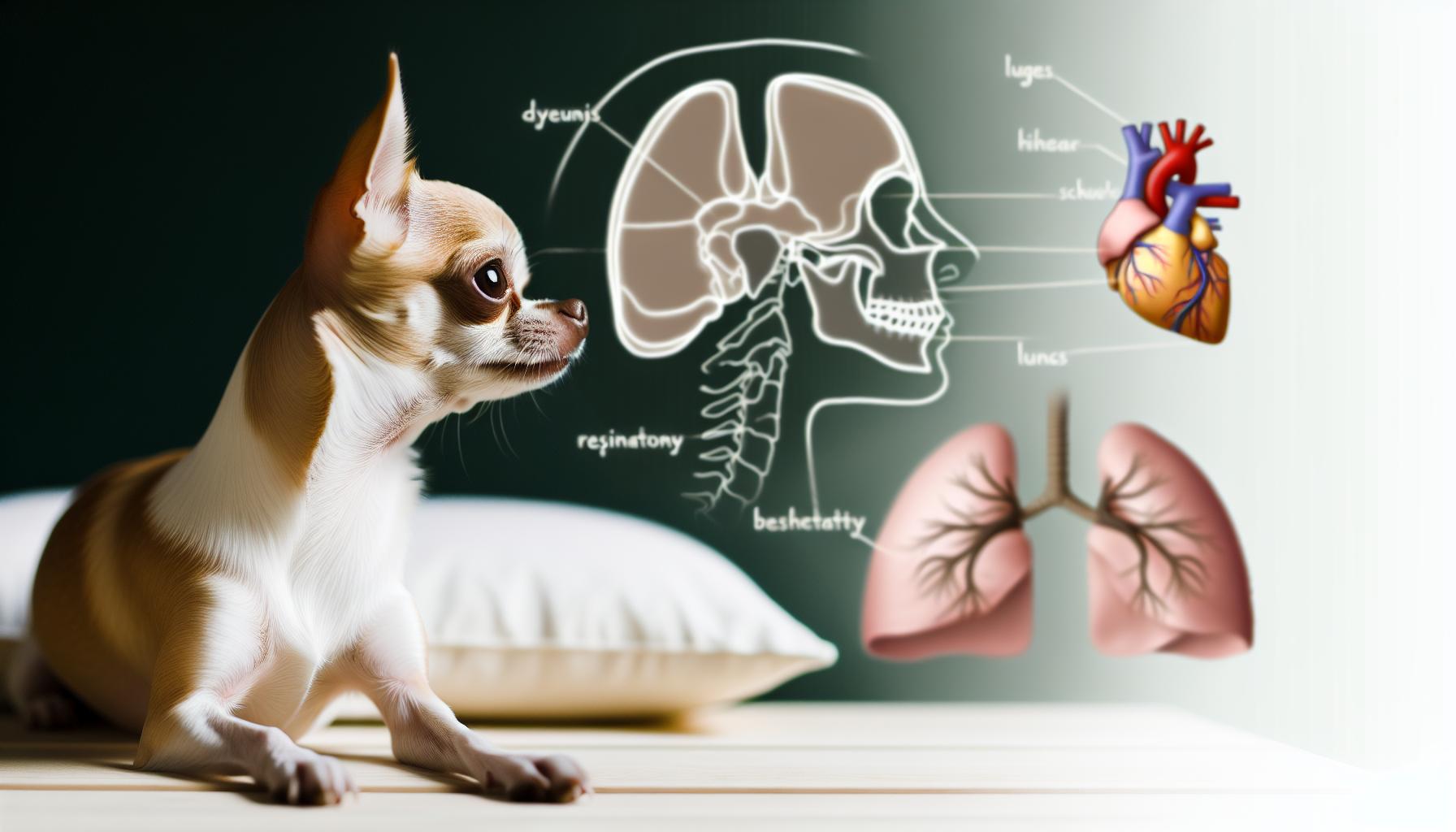
Understanding the anatomy of Chihuahuas, especially regarding their head shape, is crucial for responsible ownership and health awareness. Chihuahuas are unique in that they exhibit two primary head shapes: the apple head and the deer head. The apple head is characterized by a rounded skull, large eyes, and a short muzzle, while the deer head has a longer, more elongated shape. These variations can significantly influence not just physical appearance but also breathing and overall health.
While not all Chihuahuas are classified as brachycephalic-breeds with shortened muzzles like bulldogs or pugs-the apple-headed Chihuahuas can experience similar respiratory challenges. Their compact skull structure may lead to breathing complications, particularly if they become overheated or stressed. As a pet owner, recognizing how head shape impacts breathing is essential for maintaining your Chihuahua’s well-being.
To monitor your Chihuahua’s respiratory health, pay attention to their breathing patterns. Observing any changes, such as increased panting, difficulty breathing, or excessive snoring, can help you detect potential issues early. Always provide a comfortable environment, especially during hot weather, to prevent overheating. Offering shorter walks and encouraging playtime during cooler parts of the day can also promote better respiratory health.
Key Tips for Chihuahua Owners:
- Keep an eye on your Chihuahua’s weight-obesity can exacerbate breathing issues.
- Ensure regular vet check-ups to monitor respiratory health.
- Create a calm environment to reduce stress, which can impact breathing.
Understanding how your Chihuahua’s distinctive head shape can affect their health allows you to make informed decisions that support their lively spirit and well-being. Embracing their quirks while being mindful of their physical traits can help you nurture a happy, healthy Chihuahua.
Are All Chihuahuas Brachycephalic? A Deep Dive
While you might picture all Chihuahuas as tiny dogs with similar features, the reality is a bit more complex when it comes to their head shapes and the implications for their health. The term brachycephalic specifically refers to breeds with a shortened skull structure, which leads to a flattened face and shorter muzzle. Although Chihuahuas can exhibit brachycephalic traits-most notably the apple-headed variety-not all Chihuahuas fall into this category. Understanding this distinction is important for their care and well-being.
The apple-headed Chihuahua, with its rounded skull and short muzzle, can face breathing challenges similar to those seen in fully brachycephalic breeds like pugs or bulldogs. These challenges often arise from the constriction of their upper airways, making it harder for them to breathe properly, especially during exertion or in high temperatures. On the other hand, deer-headed Chihuahuas, with their longer snouts, typically do not face the same degree of respiratory issues. Therefore, recognizing which type of Chihuahua you have can help tailor your approach to their health and care.
For any Chihuahua owner, it’s crucial to be proactive about monitoring potential breathing difficulties. Increased panting, noisy breathing, or signs of distress during normal activities can indicate that your Chihuahua is struggling. Keeping your furry friend cool, avoiding strenuous exercise in hot weather, and maintaining a healthy weight are key strategies to support their respiratory health, particularly for the apple-headed variety. Being attentive to these needs fosters a happier, healthier life for your cherished companion.
Ultimately, while not all Chihuahuas are brachycephalic, the nuances in head shape between the two types have significant health implications. Embracing these differences can enhance how you connect with and care for your Chihuahua, ensuring that they enjoy their vibrant personality-with all its quirky traits-throughout their life.
How Head Shape Affects Chihuahua Health

Understanding how your Chihuahua’s head shape impacts their health is essential for ensuring their overall well-being. While many people associate Chihuahuas with a cute, apple-headed appearance that usually features a rounded skull and a shorter muzzle, this unique head shape can lead to specific health challenges, particularly concerning their breathing. The apple-headed Chihuahuas may face difficulties similar to those in brachycephalic breeds, such as pugs or bulldogs, due largely to the constriction of their upper airways. This anatomical structure makes them more susceptible to respiratory issues.
In contrast, deer-headed Chihuahuas boast a longer and narrower head structure, which typically allows for better airflow and fewer breathing challenges. Recognizing the difference between these types can significantly influence how you care for your Chihuahua. For instance, if you own an apple-headed Chihuahua, it’s crucial to be vigilant about monitoring their breathing, especially during exercise or hot weather. Increased panting, wheezing, or even coughing during playtime could indicate they’re struggling to breathe properly. Paying attention to these signs not only enhances their quality of life but also helps prevent more severe health issues down the line.
Owners can take proactive steps to safeguard their Chihuahua’s respiratory health. Keeping their environment cool, providing regular but gentle exercise, and maintaining a healthy weight can go a long way. Weight management is particularly vital since excess weight can exacerbate breathing difficulties in apple-headed Chihuahuas. A well-balanced diet designed for small breeds can help maintain optimal body weight. For many owners, finding the right balance of play and rest is an ongoing lesson in understanding their pet’s unique limits and capabilities.
By being aware of how head shape affects a Chihuahua’s health, you can better cater to your pet’s needs. Whether your Chihuahua is a feisty little apple-head or a more elongated deer-head, embracing their individuality not only strengthens your bond but also ensures they enjoy a vibrant and fulfilling life. Every Chihuahua is a treasure, and understanding their health needs is one of the best gifts you can give them.
Breathing Issues in Chihuahuas: What Owners Should Know
Chihuahuas are small but spirited companions, known for their bold personalities and vocal natures. However, the unique shape of their heads, particularly in apple-headed Chihuahuas, can predispose them to breathing issues that every owner should understand. While not all Chihuahuas are classified as brachycephalic, those with shorter muzzles tend to experience similar challenges due to the structure of their airways. It’s essential to recognize that these adorable pups can struggle with respiratory health, making awareness and proactive care pivotal for their well-being.
Breathing difficulties often present as heavy panting, wheezing, or rapid breathing, especially after exercise or during hotter months. As a Chihuahua owner, it’s vital to monitor your dog’s breathing closely during play or in stressful situations. For instance, if Sparky comes back from chasing his favorite toy and looks particularly winded or is panting excessively, it could be a sign he needs to rest. Offering shorter play sessions and plenty of water can help ease their breathing, allowing them to enjoy their activities without overexertion.
Keeping your home environment comfortable is another crucial strategy. Chihuahuas, particularly those with brachycephalic features, are sensitive to heat. Always ensure they have a cool, shaded spot to retreat to when temperatures rise. You might consider using fans or air conditioning during the hotter months. A well-ventilated environment will help maintain their respiratory health and overall comfort.
It’s also important to maintain a healthy weight for your Chihuahua. Excess weight can exacerbate breathing problems, as the added pressure on their chest can narrow airways further. Working closely with your veterinarian to create a balanced diet that meets your pup’s nutritional needs is key. Implementing regular, gentle exercise-like short walks or playful indoor games-can help keep your dog fit while avoiding the risks of overheating or overexertion.
Every Chihuahua is unique, and paying close attention to their individual needs will not only enhance their quality of life but also deepen your bond. Embrace the quirks and love that your furry friend brings while ensuring you take actionable steps to keep them healthy and thriving!
Identifying Signs of Respiratory Problems
Identifying potential respiratory problems in Chihuahuas is crucial for their well-being, especially given their unique head shape and predisposition to such issues. One of the first signs you might notice is a change in your furry friend’s breathing pattern. If your Chihuahua, whether it’s a lively apple-head or a sleek deer-head, suddenly begins to pant heavily or exhibits wheezing noises, these could be red flags calling for immediate attention. Remember, Chihuahuas can be dramatic when they’re ready to play, but a persistent struggle for breath is something different.
Pay close attention during both calm and active periods. If your Chihuahua seems to tire quickly and starts breathing rapidly after short bursts of activity, it could indicate respiratory distress. For example, if Bella, your energetic little companion, runs to greet you at the door and then collapses beside you, panting excessively, this might signal that she is overexerting herself. In these cases, moderation is key. Monitor how quickly she returns to her normal breathing rate, and if it takes longer than usual, give your vet a call to discuss her symptoms.
It’s also vital to keep an eye on their behavior during warmer weather. Chihuahuas, particularly those with brachycephalic features, are sensitive to heat. If you notice your pup exhibiting signs of distress, such as excessive drooling or a refusal to engage in favorite activities when outside, it may be a sign that the heat is affecting their breathing. Always ensure your Chihuahua has access to a cool environment and watch for signs of overheating.
In addition to panting and wheezing, owners should remain vigilant for other subtle cues that might indicate respiratory issues. Look out for:
- Changes in appetite: A decrease in eating or water intake can signal discomfort.
- Behavior changes: If your Chihuahua becomes unusually lethargic or irritable, something might be wrong.
- Nasal discharge: Any unusual discharge from the nose can indicate respiratory infection.
As a loving owner, being proactive about your Chihuahua’s health can significantly enhance her quality of life. Regular vet check-ups and being attentive to your dog’s unique characteristics are your best defenses against respiratory complications. By keeping an eye out for these signs, you’ll not only better understand your little buddy’s health but also ensure she remains the vibrant, spirited companion we all adore.
Caring for Brachycephalic Breeds: Tips for Chihuahua Owners
Taking care of a Chihuahua requires an understanding of their unique anatomy, particularly if your little friend has a brachycephalic head shape. This characteristic can influence how they breathe and react to their environment. For instance, Chihuahuas can struggle with breathing, especially during playtime or in hot weather. Knowing how to assist these cute companions with their needs can enhance their overall well-being.
One of the first steps in caring for Chihuahuas is to create a comfortable environment. Ensure they have access to cool, shady areas, especially during the warmer months. Longer noses are typically easier for dogs to breathe through, so if your Chihuahua has a flat face, monitor their panting after exercise or when they seem to tire easily. It’s crucial not to push them too hard. Instead, offer short play sessions followed by rest, and avoid strenuous activities during peak heat times. Just remember, little Bella may want to chase the ball like a larger dog, but her tiny frame may tire quickly.
Maintaining a healthy diet also plays a vital role. Obesity can exacerbate breathing issues, so focus on portion control and high-quality food that meets her nutritional needs. Many owners find success with weight management through gradual changes and regular weighing. Keep in mind that some Chihuahuas may be pickier eaters than others. If your friend Coco turns her nose up at a certain food type, don’t worry-there are many alternatives out there to find the right fit for her palate.
Regular vet checkups are essential in identifying any potential health issues early. During these visits, ask about specific concerns that could affect your Chihuahua’s respiratory health due to their head shape. It’s beneficial to communicate openly with your vet about any changes in behavior or breathing patterns you’ve observed at home. The more informed you are about your pup’s specific needs, the better you can care for her-because at the end of the day, every Chihuahua deserves a little extra love and attention.
By creating an environment that prioritizes their breathing needs, managing their weight through a balanced diet, and staying in close contact with your vet, you can ensure your canine companion leads a vibrant, playful life, full of those charming Angie moments that make having a Chihuahua so delightful. Remember, caring for these little furballs is all about understanding their quirks and embracing the love they bring into your life!
Chihuahua Temperament and Its Impact on Breathing
Understanding the temperament of Chihuahuas is as crucial to their care as knowing about their physical characteristics, especially for those of us who adore these spirited little dogs. Chihuahuas are known for their bold personalities; they often act much larger than their tiny size. This lively disposition can have implications for their respiratory health, particularly for those with brachycephalic traits-those darling flat faces that many of us find so endearing.
Chihuahuas are incredibly loyal, but their confidence can sometimes lead to overexertion. When your Chihuahua feels excited, be it at the sight of a squirrel or during playtime, she may engage in intense bursts of energy. This playful nature is adorable but can result in rapid panting, especially in hot weather. If she has a brachycephalic head shape, this could lead to difficulty in breathing. Owners should keep a watchful eye on their little ones, providing water and frequent breaks to ensure they don’t overheat. A wise Chihuahua owner will recognize when to call it a day after they’ve had a bit of fun.
Another aspect to consider is their social nature. Chihuahuas thrive on interaction, which means they often want to bark and interact with the world around them, particularly with other dogs or people. This vocal behavior is a hallmark of the breed-they love to make their presence known! However, this overexcitement can lead to stress and elevated heart rates, which may exacerbate any underlying respiratory issues. Building a calm environment and teaching her to settle during social interactions can be beneficial. You might find that gradually introducing her to new situations can help her adjust without becoming overly stimulated.
Finally, some Chihuahuas are more prone to anxiety, which can significantly affect their breathing patterns. A nervous dog may exhibit shallow or rapid breathing, which, combined with the natural challenges of a brachycephalic physiology, can lead to complications. Providing a supportive environment is key, with cozy resting spots and safe spaces where she can retreat if feeling stressed. As an example, one dedicated owner created a serene nook filled with favorite toys that encouraged her tiny pup, Ruby, to unwind whenever playtime got too intense.
By being mindful of your Chihuahua’s vivacious temperament and its interplay with their respiratory health, you can create a nurturing environment that supports both their physical and emotional well-being. With the right balance of play, rest, and care, your loyal companion will not only thrive but continue to fill your home with joy and personality.
The Role of Genetics in Chihuahuas’ Physical Traits
Understanding the genetic makeup of Chihuahuas is vital for maintaining their health and well-being, especially concerning their unique physical traits, including head shape. While not all Chihuahuas are brachycephalic, a number of them possess a broader, flatter skull typical of this classification. Genetics play a significant role in determining these head shapes, directly influencing not only aesthetics but also respiratory health.
Chihuahuas can generally be categorized into two distinct head shapes: the “apple head” and the “deer head.” The apple head variant is characterized by a round, dome-shaped skull and a shorter snout, which can contribute to challenges related to breathing, particularly in brachycephalic dogs. In contrast, the deer head Chihuahua features a longer, narrower head and snout, which often allows for more straightforward breathing patterns. This variation highlights how genetics can influence not just appearance but practical health considerations.
When selecting a Chihuahua, potential owners should consider these genetic traits carefully, as they can dictate health risks. For instance, brachycephalic individuals may experience a higher incidence of respiratory issues, especially in hot or humid conditions. Concerned owners might benefit from opening discussions with breeders about health screenings and common hereditary problems in their lines. Genetic predisposition can also extend to other physical traits, such as size and coat type. For example, long-haired Chihuahuas have different grooming needs and may have differing predilections for certain health issues compared to their smooth-coated counterparts.
Incorporating health-focused breeding practices is essential to reducing the prevalence of genetic disorders in Chihuahuas. Responsible breeders will prioritize healthy breeding pairs, taking great care to minimize traits that could lead to health complications. As a Chihuahua owner or prospective owner, maintaining an open dialogue with breeders and being informed about these genetic factors can significantly enhance your ability to provide the best care and environment for your cherished companion. Remember, by understanding the genetic influences on your Chihuahua’s health and physical traits, you can better tailor your care routine to suit her needs, ensuring that she enjoys a happy, fulfilling life.
Managing Exercise for Your Chihuahua’s Respiratory Needs
Managing your Chihuahua’s exercise routine is crucial, especially considering their unique respiratory needs. Did you know that a Chihuahua’s breathing can be significantly affected by their head shape? For the beloved apple-head variety, the shorter snout can lead to a higher tendency for respiratory problems, requiring careful management of their activity levels. Despite their tiny stature, these spirited dogs have a lot of energy, and finding a balance between keeping them active and cognizant of their health is paramount.
To begin with, focus on short bursts of play and exercise rather than long sessions. Chihuahuas thrive on interactive play, but pacing is key. Instead of a lengthy walk in the heat of the day, consider breaking it up into several short walks spread out over cooler times. Early morning or late evening strolls can prevent overheating and reduce the strain on their breathing. Activities like gentle fetch or inside play with toys can keep your Chihuahua entertained without overexerting them. Pay attention to cues-if she starts panting heavily, it’s time for a break.
Another critical aspect is the environment. Keep in mind that brachycephalic Chihuahuas may struggle more in humid or hot conditions. Always have water available, and ensure they can rest in the shade or indoors after activity. Observing how your Chihuahua responds to different climates can offer insights into their comfort and health needs. For example, one owner noticed her apple-head frequently laid down during walks on particularly hot days; adjusting her routine helped maintain her pup’s energy levels while ensuring her safety.
Finally, consult with your veterinarian to tailor an exercise plan specific to your Chihuahua’s health needs. Each dog is unique, and a professional can guide you in developing a routine that accommodates her breathing while still promoting a healthy lifestyle. Whether it’s adjusting the duration of playtime or considering alternative activities, keeping your Chihuahua active in a safe and loving way not only strengthens your bond but also contributes to a longer, healthier life together.
Dietary Considerations for Weight Management
A well-balanced diet is essential for the overall health and well-being of your Chihuahua, especially when considering their unique respiratory needs and the potential risks linked with being brachycephalic. These little dynamos often have a strong desire to indulge, but maintaining a healthy weight is imperative to avoid additional stress on their breathing abilities. When it comes to weight management, what you feed your Chihuahua can make all the difference.
Start by selecting a high-quality dog food that has been specifically formulated for small breeds. These foods typically contain higher levels of protein and fewer fillers, which are crucial for keeping weight in check. Look for options geared toward weight management; they can help prevent obesity without compromising nutrition. For instance, a friend of mine found that switching her apple-head Chihuahua to a weight control formula made a significant difference in her energy levels and overall health.
Portion Control is Key
Pay attention to portion sizes and adhere to the feeding guidelines provided by your chosen food brand. Many parents make the mistake of free-feeding, which can lead to overeating. Instead, measure out the appropriate amount and divide it into two or three meals throughout the day. This not only helps with weight management but also prevents the risk of bloating, which can be an issue for Chihuahuas.
It’s also wise to streamline treat intake. Treats should only make up about 10% of your Chihuahua’s daily caloric intake. Opt for healthy treats, like small pieces of fruits or vegetables, and avoid high-calorie options. As a quick tip, when training, cut treats into smaller pieces so they can enjoy multiple rewards without the extra calories.
Stay Hydrated
Do not overlook the importance of hydration in your Chihuahua’s diet. Fresh water should always be available, as staying hydrated helps maintain their metabolic functions and can prevent weight gain. Sometimes, Chihuahuas can mistake hunger for thirst, so if your pup is begging for food between meals, first offer a drink before resorting to more kibble.
Maintaining a healthy weight through a well-planned diet can significantly improve your Chihuahua’s quality of life, especially for those with brachycephalic features. Being proactive about their dietary needs not only supports their breathing but enhances their playful spirit, allowing them to enjoy every moment while remaining healthy and happy.
Is Your Chihuahua Oversized? Understanding Size Variations
Chihuahuas come in a delightful range of sizes, but some owners may wonder if their pup has veered into the oversized category. Understanding that variability among Chihuahuas is essential for keeping them healthy and happy. Not all Chihuahuas are created equal-while the standard weight range is typically between 2 to 6 pounds, some may eclipse this limit. If you’ve noticed your little one tipping the scales at 8 pounds or more, it’s worth considering not just the weight, but also the impact on their overall health, particularly if they have a brachycephalic structure that affects their breathing.
The truth is, genetic factors play a big role in your Chihuahua’s final size. Breeding practices can lead to some pups developing larger frames without directly categorizing them as unhealthy. For instance, a robust apple-head Chihuahua might possess more bulk naturally, while others might just be a bit spoiled with extra treats. Many owners discover that maintaining a regular check on their dog’s weight is as vital as keeping an eye on their food intake.
To assess if your Chihuahua is oversized, start by weighing her regularly. If she’s consistently above the ideal weight, consult your vet to ensure it’s not linked to any underlying health issues. Implementing portion control and a consistent feeding schedule can make a significant difference in managing her weight. For example, one owner noticed her Chihuahua lost weight by switching to a high-quality, grain-free diet designed for small breeds. This change not only improved her breathing but also filled her with newfound energy.
Consider your Chihuahua’s activity level as well. Chihuahuas are often seen as lap dogs, but they thrive on consistent, gentle exercise. Regular walks and playtime can help maintain a healthy weight and benefit their respiratory health. Tailored activities like agility training or puzzle toys can engage their minds and bodies, promoting a healthier lifestyle. Remember, active Chihuahuas tend to have fewer problems related to their size-while honoring their spirited nature makes the journey enjoyable for both of you.
In summary, while size variations in Chihuahuas are normal, keeping an eye on their weight and activity levels is crucial for their overall wellness. Celebrate the unique traits of your companion while ensuring she leads a healthy lifestyle that caters to her specific needs. With attentive care and love, your Chihuahua will continue to thrive in all her adorable, bold little ways.
Brachycephalic Myths You Need to Know
Some pet owners mistakenly believe all Chihuahuas are brachycephalic, but this isn’t the case. Brachycephalic dogs, like Pugs and Bulldogs, have a distinct flat face, which can lead to breathing problems due to their compressed airways. Chihuahuas, on the other hand, have a variety of head shapes, including the traditional apple-head and deer-head types. While some Chihuahuas may exhibit a more brachycephalic profile, especially if they have been bred that way, the majority maintain a more moderate facial structure that does not fundamentally compromise their breathing.
Another common myth suggests that all brachycephalic dogs face severe respiratory issues. While it’s true that brachycephalic breeds can be predisposed to certain breathing troubles, many dogs with flatter faces can lead normal, active lives with proper care. Owners can help mitigate potential problems by ensuring their Chihuahuas maintain a healthy weight, receive regular check-ups, and avoid extreme temperatures. This means being particularly cautious during hot weather, as flat-nosed breeds struggle more with heat regulation.
Moreover, some might worry that simply having a slightly flat face indicates an imminent health crisis. The truth is, many Chihuahuas, even those with some brachycephalic traits, do not encounter significant health issues if they are properly managed. It’s essential to monitor your Chihuahua for any unusual behaviors, such as excessive panting or lethargy, rather than jumping to conclusions based solely on their appearance.
Lastly, it’s a misconception that all breathing difficulties in Chihuahuas stem from a brachycephalic structure. Many factors contribute to respiratory health, including environmental allergens, infections, and obesity. For instance, a Chihuahua with a long history of breathing problems might actually need to be examined for allergens in their home environment or a weight issue rather than structural problems.
By dispelling these myths, Chihuahua owners can focus on informed care. Regular vet visits, understanding your dog’s unique needs, and providing an engaging lifestyle are key to keeping your little companion happy and healthy, regardless of their head shape.
Frequently Asked Questions
Q: What makes a Chihuahua potentially prone to breathing problems?
A: Chihuahuas can be prone to breathing issues due to their short snouts, which affect airflow and oxygen intake. This can lead to brachycephalic obstructive airway syndrome (BOAS), making it crucial for owners to monitor their pets’ respiratory health regularly.
Q: How can I help my Chihuahua breathe better during hot weather?
A: To assist your Chihuahua in hot weather, ensure they have access to cool, shaded areas and provide plenty of fresh water. Limit exercise during peak temperatures and watch for signs of overheating, such as excessive panting or lethargy.
Q: Is weight a factor in Chihuahua’s respiratory health?
A: Yes, a Chihuahua’s weight significantly impacts their respiratory health. Excess weight can exacerbate breathing difficulties. Maintain a healthy diet and engage in regular, moderate exercise to keep your Chihuahua at a healthy weight and support their lung function.
Q: Can Chihuahuas have surgery for breathing issues?
A: Yes, Chihuahuas suffering from severe breathing issues due to brachycephalic syndrome may benefit from surgical options. Consult a veterinarian to discuss surgical interventions that can improve airflow and overall respiratory health, if necessary.
Q: What signs indicate my Chihuahua may have a breathing problem?
A: Key signs that your Chihuahua might have a breathing problem include persistent coughing, difficulty breathing, or excessive panting. If you notice any of these symptoms, it’s essential to consult your veterinarian for evaluation and potential treatment.
Q: Are there specific breeds similar to Chihuahuas that are also brachycephalic?
A: Yes, other breeds like Pugs, French Bulldogs, and Shih Tzus also exhibit brachycephalic traits. Like Chihuahuas, these breeds can experience similar respiratory challenges and require the same care and attention regarding their airway health.
Q: How does a Chihuahua’s temperament affect its breathing issues?
A: A Chihuahua’s vocal and energetic temperament can sometimes exacerbate breathing issues. Stress and excitement can lead to rapid breathing, so managing their environment and providing a calm atmosphere can help minimize respiratory distress.
Q: When should I take my Chihuahua to the vet for breathing concerns?
A: If your Chihuahua shows any signs of distress, such as labored breathing, persistent coughing, or change in energy levels, seek veterinary care immediately. Early intervention can be vital for managing respiratory issues effectively.
In Summary
Thanks for joining us in exploring whether Chihuahuas are brachycephalic and the important facts surrounding their unique breathing and head shape. Remember, understanding your dog’s health is crucial to providing the best care possible. If you’re a first-time owner or looking to deepen your knowledge, check out our guide on “Chihuahua Health Essentials” and the article on “Understanding Your Chihuahua’s Behavior” for more insights.
Don’t forget, staying informed is key to being a responsible pet parent-your Chihuahua relies on you! If you enjoyed this video, please like and share it with fellow Chihuahua lovers. Consider subscribing to our newsletter for the latest tips and resources tailored to Chihuahua care.
Let’s keep the conversation going! What concerns do you have about your Chihuahua’s health? Drop your thoughts in the comments below. Together, we can celebrate the vibrant and quirky personality of Chihuahuas while ensuring they lead happy, healthy lives!
Get our latest guides, news, and insights highlighted in your Google Search & AI Overviews.