
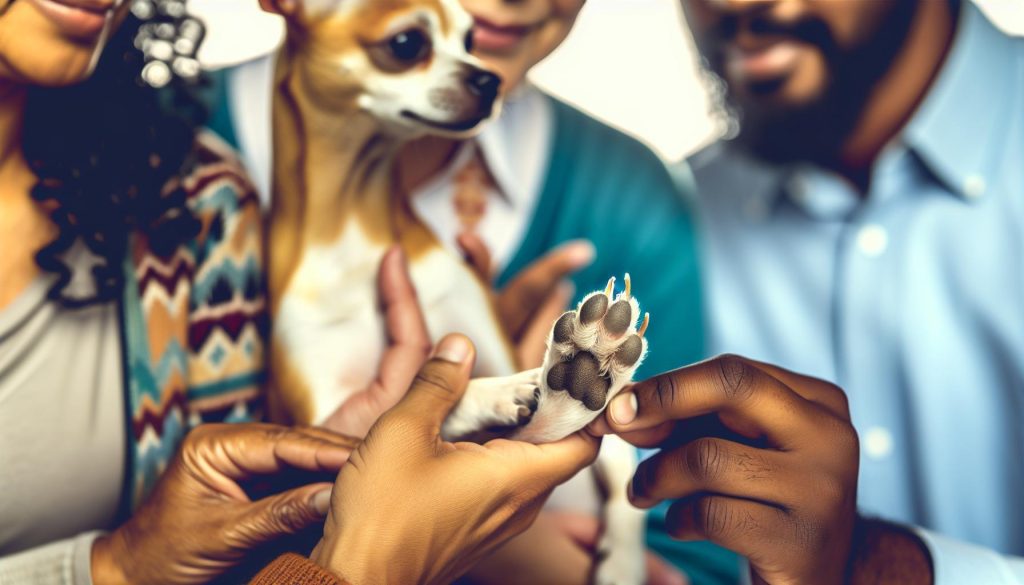
Did you know that some Chihuahuas have dew claws on their front legs? These small, often overlooked features can play a significant role in your dog’s anatomy and health. Understanding whether your Chihuahua has dew claws and how they function can be crucial for their care. Although these tiny nubs might seem insignificant, they can impact their mobility and overall well-being. If you’re a first-time owner or a seasoned Chihuahua enthusiast, learning about dew claws can help you provide better care and ensure a happier, healthier life for your furry friend. Dive into this article to discover essential anatomy facts that will enhance your understanding of this beloved breed.
Do Chihuahuas Have Dew Claws? Understanding Their Anatomy
Chihuahuas are charming little companions, known for their bold personalities and unique features, one of which includes their dew claws. These small, often overlooked claws can be found on the inside of a Chihuahua’s front legs, and understanding their anatomy is essential for every proud dog owner. Dew claws are not just there for show; they serve a functional purpose, akin to a human thumb, providing grip and stability when your Chihuahua is climbing or maneuvering through various terrains.
Typically, all Chihuahuas have dew claws, though the size and prominence can vary. You might notice that these claws are smaller and less developed compared to the other toes. In a Chihuahua, the dew claw is positioned a little higher than the other nails, which makes it less prone to wear and tear. This can sometimes lead to overgrowth, especially if they aren’t trimmed regularly. Keeping an eye on your Chihuahua’s dew claws is crucial-not just for aesthetics but also for their overall paw health.
Many owners wonder if dew claws are truly necessary for their fur babies. While some breeds can have them removed without issues, it’s essential for Chihuahuas to retain these little appendages as they help with balance and can prevent injuries. Ensuring they are appropriately cared for is important, as you wouldn’t want them to cause discomfort or snag on items while your pup plays or runs around. So, check your Chihuahua’s paws often to keep those dew claws healthy and trimmed!
The Purpose of Dew Claws in Dogs

Chihuahuas are known for their spirited nature and unique stature, but one aspect that might not get the spotlight it deserves is the little dew claw. These small but mighty claws serve as more than just a quirky feature; they are an important part of your Chihuahua’s anatomy. Dew claws play a significant role in providing grip and stability, particularly when your pup is navigating varied terrain, from slick floors to rough outdoor surfaces.
These little claws, positioned higher up on the leg than the other toes, help with balance and agility. To put it simply, they function somewhat like a human thumb-allowing your Chihuahua to hold onto things and maintain poise while performing acrobatic moves, whether it’s jumping onto a couch or scrambling up a grassy hill. They also assist in tasks like digging and keeping the dog’s foot stable when running or turning sharply. This flexibility makes dew claws essential for small, adventurous breeds like Chihuahuas that love to explore their surroundings.
In practice, many Chihuahua owners notice that their furry friends use their dew claws during play or while engaging with their environment. For example, a Chihuahua that loves to dig might use its dew claws to help grip the ground, ensuring a steady stance as they burrow into the earth. Additionally, keeping these dew claws well-groomed is key to preventing any potential health issues, such as overgrowth or snagging. Regular checks and trims can help maintain their function and keep your little one’s paws in tip-top shape.
Overall, these tiny claws are a testament to the Chihuahua’s adaptability and unique charm, providing support as they fearlessly tackle their world, one paw at a time. So embrace your Chihuahua’s dew claws-not only do they serve a purpose, but they also add to the character of your spirited companion!
Are Dew Claws Common in Chihuahuas?
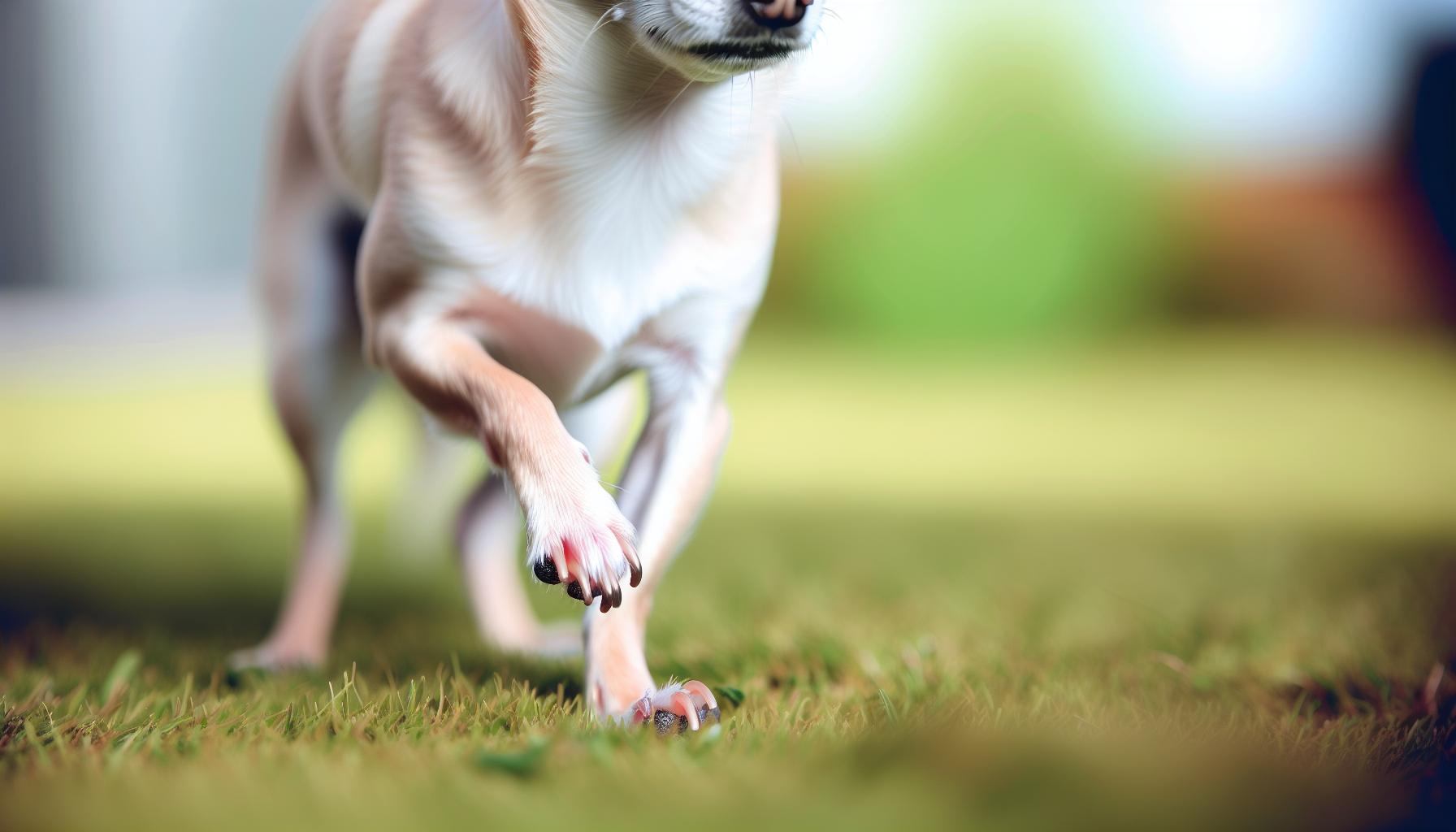
Chihuahuas, with their lively personalities and compact builds, often raise questions about their anatomy, especially concerning dew claws. Yes, Chihuahuas typically have dew claws, and they can be seen in various forms among this breed. Some Chihuahuas have dew claws on both front legs, while others may have them on just one or occasionally on the back legs. Their presence is not just a genetic fluke; these small, additional claws serve a purpose despite their diminutive size.
Dew claws in Chihuahuas are positioned higher on the leg than the regular toes, much like a human thumb. This unique anatomical feature enhances your Chihuahua’s ability to grip surfaces-think of how she holds her toys or balances on narrow ledges during her playful escapades. Such functionality is particularly beneficial for these spirited pups, who are known to be bold and adventurous. For instance, if a Chihuahua is digging into soft soil or maneuvering through a rocky path, you’ll likely see her dew claws engage to provide extra stability and control.
It’s not uncommon for new Chihuahua owners to worry about the dew claws. Some might wonder if they cause discomfort or if they need special care-understanding their role can ease these concerns. Regular grooming, including trims, can prevent overgrowth and potential injuries. It’s all part of keeping her paws healthy, which is essential for a breed that loves to explore its world. So, whether your Chihuahua has two, one, or even none, her dew claws add to her lively charm and serve important functions in her daily adventures.
Identifying Dew Claws on Your Chihuahua
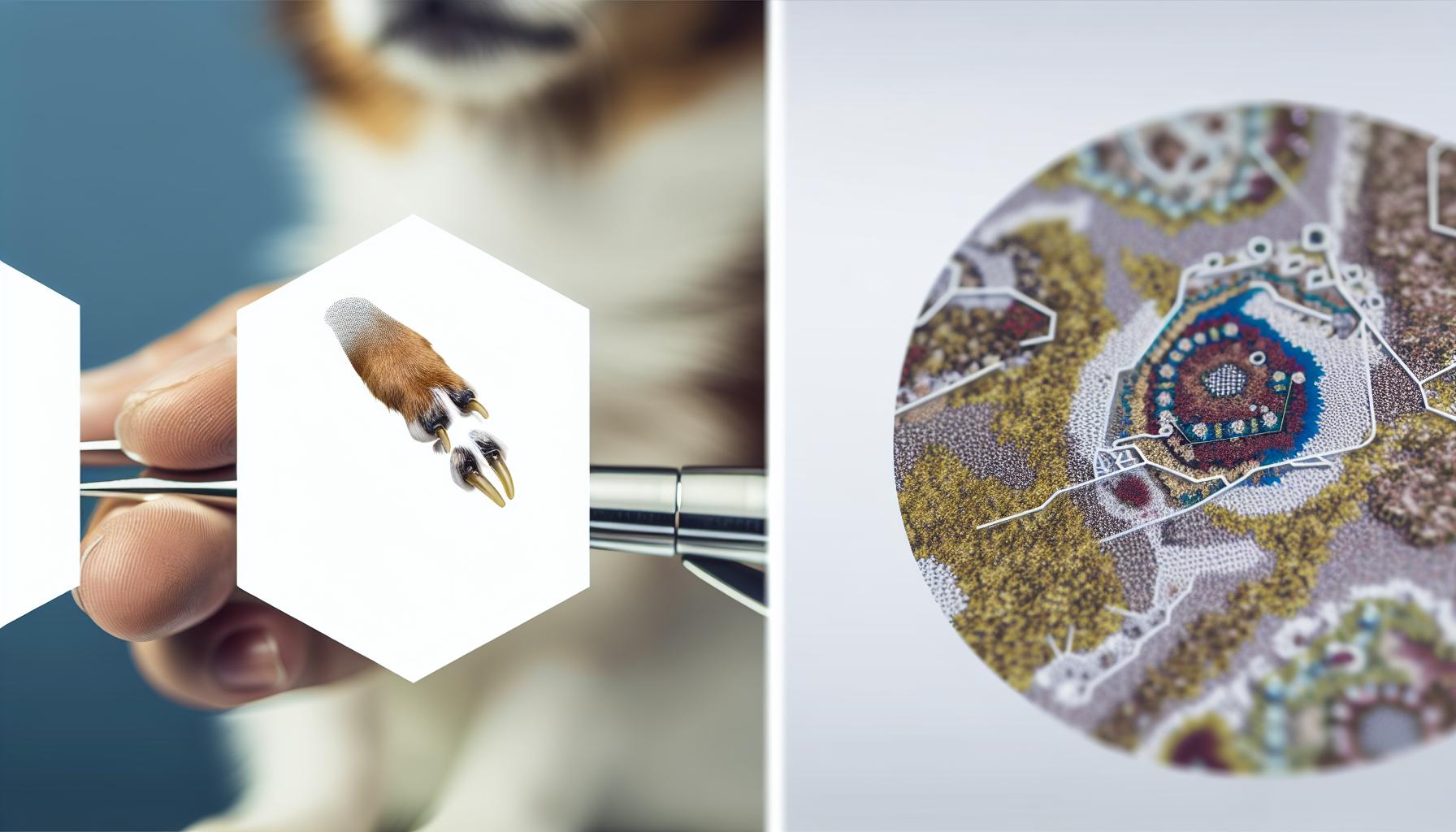
It’s fascinating to note that dew claws, while often overlooked, play an integral role in your Chihuahua’s unique anatomy. To identify these small but significant features, start by examining your dog’s front legs, as dew claws are typically found there, located higher up than the other toes. In some Chihuahuas, you may even spot them on the rear legs. They usually appear as small, thumb-like protrusions, which can vary in size and presence from one dog to another.
The key is to approach this with gentle curiosity. If you’re unsure whether your Chihuahua has dew claws, simply lift her paw and look closely. You should see the dew claw just off the main footpad, above the first digit. In many Chihuahuas, these claws may blend in with the leg’s fur, so watch for the tell-tale shape. Regularly check these areas during your grooming sessions; not only does this help you identify them, but it also fosters a love of handling her paws, easing any anxiety during vet visits or nail trims.
When observing the dew claws, notice how they interact with your Chihuahua’s activities. If she enjoys climbing onto furniture or playing with toys, you might see the dew claws helping her grip. Their presence often contributes to her dexterity, especially in playful moments, emphasizing their functional role. Understanding where and how to find these claws can enhance your bond with your furry friend while actively supporting her health and well-being.
Overall, is a simple yet important task that connects you deeper with her anatomy and behavior. Paying attention to these small details not only enriches your experience but also ensures you maintain her paw health by watching for overgrowth or injury. Regular inspections will help keep her feet in top shape for all her adventurous endeavors.
Health Implications of Dew Claws in Chihuahuas

Dew claws may seem like a minor feature of your Chihuahua’s anatomy, but they can have significant health implications if not properly cared for. These small, thumb-like protrusions can sometimes become problematic if they grow too long or if your Chihuahua’s lifestyle puts them at risk for injury. Given the Chihuahua’s playful, active nature, it’s crucial to monitor these claws closely.
One common issue is dew claw overgrowth. Since they are not typically worn down through regular activity like other nails, they can become too long, causing discomfort or even leading to painful tears. Regularly inspecting and trimming your Chihuahua’s dew claws-especially if she isn’t very active-will help prevent this. During grooming sessions, be sure to check for signs of overgrowth or any irregularities such as redness, swelling, or unusual odors, which could indicate an infection.
In some cases, dew claws can become embedded within the skin, leading to infections or complications. This is especially prevalent in breeds like Chihuahuas, due to their smaller size and unique anatomy. If you notice your Chihuahua being sensitive around her paws or if she is licking the area excessively, it’s essential to consult your veterinarian. They can determine whether any treatment is necessary or if removal of the dew claws might be a better option.
Understanding the potential health implications associated with your Chihuahua’s dew claws fosters a proactive approach to her care. By maintaining their health through regular checks and proper grooming, you not only keep her comfortable but also support her overall well-being. As a loving owner, taking the extra step to care for these often-overlooked parts of her anatomy embodies the attentive partnership you cherish with your little companion.
How to Care for Your Chihuahua’s Dew Claws
To ensure your Chihuahua’s dew claws remain healthy and problem-free, regular inspection and proper grooming are essential. Unlike other nails that get naturally worn down during play, dew claws can often grow longer and become an issue if not monitored. These little thumb-like protrusions require your attention to prevent overgrowth, discomfort, and potential injury, which is particularly important given the Chihuahua’s spirited personality.
Start by inspecting your Chihuahua’s dew claws regularly-ideally during grooming sessions. Look for any signs of overgrowth or abnormalities, such as redness, swelling, or signs of infection, such as unpleasant odors. If you notice that your furry friend is licking her paws excessively or shows any discomfort when walking or running, these could be red flags that your Chihuahua is experiencing dew claw issues.
Next, incorporate trimming into your grooming routine. Depending on her activity level, you might need to trim the dew claws every few weeks. Use proper dog nail clippers and be gentle; if you’re unsure or nervous about trimming, seeking advice from a veterinarian or professional groomer can ease the process. Additionally, if you’re comfortable, you can try gently filing the edges instead of a cut, which can help reduce any sharp points that could snag on items around the house.
For those first-time Chihuahua owners, understanding the dew claw’s unique positioning on their paws is crucial. Unlike other breeds where dew claws are often seen as redundant, in Chihuahuas, they can be more prone to injury due to their small size and weight. Remember, consistent care and attention to these often-overlooked nails are vital. With love and vigilance, you can keep your Chihuahua’s dew claws in great shape, contributing to her overall happiness and comfort.
Dew Claw Removal: Is It Necessary or Safe?
Many Chihuahua owners often wonder about the necessity and safety of dew claw removal. While dew claws can serve a purpose, considering their health implications is crucial. These small, thumb-like protrusions, typically located higher on the leg than other nails, can be prone to injury, particularly in Chihuahuas due to their active and sometimes rambunctious behavior.
Removing dew claws may seem like an appealing option to prevent potential issues, but it’s essential to weigh the pros and cons. In some cases, dew claws can be a source of discomfort if they become overgrown or snag on objects. However, they also play a role in your Chihuahua’s paw function, helping with grip and balance. For example, when your Chihuahua is navigating through uneven terrain, those dew claws can prevent slips. Therefore, if your Chihuahua’s dew claws are well cared for and do not exhibit any health issues, removal might not be necessary at all.
However, if your little companion frequently experiences injuries or if her dew claws seem overly problematic-perhaps becoming easily snagged or showing signs of infection-it could be time to consult with a veterinarian. They can provide personalized advice based on your Chihuahua’s lifestyle, which is especially important for active Chihuahuas who love to explore. The procedure itself, if deemed necessary, can be performed under anesthesia and is generally quick, but it should always be viewed as a last resort after trying less invasive options.
Ultimately, keeping an eye on those tiny nails and maintaining a regular grooming routine can go a long way. Make inspections part of your care regimen, and trim the dew claws as needed to keep them in good shape. With attentive care and a proactive approach, many Chihuahuas with dew claws lead comfortable and joyful lives without the need for surgical intervention.
The Role of Dew Claws in Dog Behavior
Dew claws, those intriguing little claws that resemble a dog’s thumb, hold a unique place in the world of canine behavior, particularly for our spirited Chihuahuas. While often overlooked, these small appendages play a surprisingly significant role in how our tiny companions navigate their environment. For instance, Chihuahuas are known for their energetic bursts and bold personalities, traits that can sometimes lead them to undertake daring escapades around the home or yard. This is where their dew claws shine.
One of the primary functions of dew claws is to enhance grip and dexterity. When your Chihuahua scampers over various terrains-be it the soft grass of your backyard or the unpredictably smooth surface of tiles-those dew claws help stabilize their feet and prevent slips. Imagine your little apple-head Chihuahua darting after a toy or chasing after a butterfly. You’ll find that the dew claws aid in making those quick turns and agile movements much easier.
Moreover, these small nails contribute to a dog’s ability to interact with their surroundings. They help Chihuahuas climb, dig, or grasp objects, enriching their playful exploration of the world. For example, if your Chihuahua loves to burrow into blankets or tug on toys, her dew claws assist in grabbing and holding onto whatever piques her interest. This functional aspect is particularly beneficial given their size; those tiny paws are equipped with features that enable them to perform activities larger breeds might accomplish with more robust limbs.
It’s important to recognize that while dew claws serve a purpose, how they affect behavior can vary from one pet to another. Some Chihuahuas might showcase their dew claws during playful bouts, using them to grip their toys with zeal. Others may display sensitivity in that area if they’re prone to injuries or if the dew claws are neglected. Regular care, including trimming and inspection, can prevent any discomfort and ensure that these claws support rather than hinder their lively antics. By keeping your Chihuahua’s dew claws in check, you not only enhance their mobility but also help encourage their spirited explorative nature.
Chihuahuas and Their Unique Feet: More Than Just Dew Claws
Chihuahuas are unique little companions, and their feet, including those quirky dew claws, reflect their adventurous spirit and agility. These tiny dogs, known for their boldness and vocal personalities, also possess exceptional physical characteristics that aid their movement. Their paws are not just a means of transport; they are a toolkit designed for fun, exploration, and interaction with their environment.
When you take a close look at a Chihuahua’s paws, you’ll notice their structure is quite fascinating. Their small size means that every part, including the dew claws, has a purpose. The dew claws, often likened to a thumb, play a crucial role in providing additional grip and stability. This helps them maneuver adeptly, whether it’s climbing over furniture or making those quick, sharp turns during their playful antics. These feet enable them to navigate both smooth surfaces and rough terrains with surprising agility, something you’ll see when your little apple-head Chihuahua zips after a toy.
Unique Adaptations for Playfulness
Chihuahuas are naturally curious, and their unique feet facilitate a spectrum of activities. They love to burrow under blankets, dig into couches, or tug at their favorite toys. The dew claws are especially handy in these scenarios, allowing your Chihuahua to grasp and hold onto objects effectively. For a first-time owner, watching your Chihuahua explore and play can be incredibly rewarding. Regular playtime not only strengthens their paws and nails but also promotes healthy behavior and stimulates their mind.
Paw Care Tips for Health
As with any dog breed, proper care of your Chihuahua’s paws is vital. Regular trimming of their dew claws and toenails not only prevents discomfort but also reduces the risk of injury. Digital pad health is also essential; make sure to check for any debris that may get stuck or any cuts that could lead to infection. Regular check-ups with your veterinarian can help you stay ahead of potential issues, ensuring your Chihuahua remains vibrant and active throughout their life.
In summary, the anatomy of Chihuahuas is specifically designed to enhance their playfulness and agility. By understanding and caring for their unique feet, you celebrate what makes these tiny dogs so special while ensuring they continue to thrive in their playful antics. Embrace the quirks of your Chihuahua, and enjoy every joyful leap and bound they make, all supported by those tiny, remarkable paws.
Common Myths About Chihuahuas and Dew Claws
Many people have misconceptions about Chihuahuas and their dew claws, often resulting in unnecessary worries or confusion about this unique aspect of their anatomy. One common myth is that dew claws are merely an evolutionary remnant and serve no purpose. In reality, these small, thumb-like appendages help Chihuahuas with balance and grip. When your little apple-head is negotiating their favorite spots, whether climbing onto a couch or grasping a toy, the dew claws provide essential support, enhancing their agility and dexterity.
Another prevalent belief is that all Chihuahuas have dew claws. While most do, there are instances where some Chihuahuas may not have them due to genetic variations or certain breeding choices. First-time owners often wonder if they should be concerned about their Chihuahua’s dew claws. It’s important to note that these claws, if maintained properly, can be a beneficial part of your dog’s anatomy, facilitating everyday activities and playfulness. They should be trimmed regularly to prevent overgrowth, which can lead to injury.
A particularly damaging myth is the notion that dew claws are a sign of bad breeding or inferior quality. This is simply untrue; dew claws are a natural part of many dog breeds, including the Chihuahua, and are not indicative of a breed’s quality or health. Celebrating your Chihuahua’s unique physical traits, including their dew claws, can deepen your bond and enhance their well-being.
Lastly, some owners believe that dew claw removal is a necessity for all Chihuahuas to prevent injury or discomfort. While some situations may call for removal, such as if a dew claw is frequently injured or if there’s a significant health risk, it’s not universally required. Consulting with a veterinarian can provide tailored advice based on your Chihuahua’s specific needs, ensuring that you make informed decisions that support their health and happiness. Celebrating and understanding your Chihuahua’s anatomy, including their dew claws, allows you to appreciate all the quirks that make your little companion so special.
Comparing Dew Claws Across Different Dog Breeds
When it comes to dew claws, Chihuahuas have their own unique set of characteristics that can differ quite a bit from those seen in other breeds. Dew claws are those small, thumb-like appendages located on the inner side of a dog’s legs, and while they might seem trivial, understanding their presence and function can be fascinating, especially when comparing Chihuahuas to other breeds.
Many breeds, including Chihuahuas, typically have dew claws on their front legs, and some may even have them on their hind legs. Breeds like Dobermans and Great Pyrenees often have prominent dew claws that are more developed, serving a greater functional role in activities such as gripping and stability. In Chihuahuas, these tiny claws add an extra level of dexterity, helping them navigate their surroundings with agility, whether they’re climbing onto a piece of furniture or playing with a toy. However, not all Chihuahuas have dew claws, and their presence can be influenced by factors like genetics or breeding practices.
Comparing the dew claws of Chihuahuas to larger breeds often highlights the differences in both anatomy and function. For instance, some breeds purposefully have dew claws removed for practical reasons-for example, to prevent the chances of injury in active working dogs. In contrast, many Chihuahua owners choose not to remove them, recognizing their importance for balance and movement in a breed that often dashes around with exuberant energy. Chihuahuas are known for their bold and feisty personalities, and their dew claws can help enhance their playful nature, allowing for quick sprints and agile maneuvers.
In addition to their practical functions, the care and attention to dew claws can vary by breed. While larger breeds might require more frequent checks due to their active lifestyle, Chihuahuas, being smaller and generally less rough in play, may require less invasive maintenance, although regular trimming is still important to prevent injury from overgrowth. The key takeaway for Chihuahua owners is to appreciate their little friend’s dew claws as they contribute to the overall charm and character of this spirited breed, ensuring their health and happiness is always a priority.
Expert Tips for Chihuahua Paw Care
Taking a closer look at your Chihuahua’s paws is essential for their overall health. These little companions, with their bold and spirited nature, deserve the best care, including regular attention to their dew claws. Dew claws might seem minor, but they serve a purpose, helping your tiny friend with balance and agility, especially given their active lifestyle. Whether your Chihuahua has one or not, it’s important to keep their paws healthy and well-groomed.
Regular Inspection
Check your Chihuahua’s paws regularly for any signs of injury, irritation, or overgrown dew claws. This simple step can help catch any issues early on. If you notice redness, swelling, or your pup seems to be favoring a leg, it’s time for a visit to the vet. Owners often share how a routine paw inspection not only promotes health but also strengthens the bond between them and their pet, making grooming a calming, shared experience.
Trimming and Maintenance
Regular trimming of dew claws and toenails is crucial for avoiding any accidental injuries. Just like you wouldn’t let your child’s nails grow too long, the same goes for your Chihuahua. Aim to trim their nails every 4-6 weeks. Use a quality dog nail clipper or grinder and do it slowly to make sure your furry friend feels comfortable. If they seem anxious, try doing it in short sessions and rewarding with treats afterwards. Many Chihuahua owners have found that keeping nail clippings short is not only beneficial for health but also prevents scraping on floors and furniture.
Moisturizing
In colder months, the pads of your Chihuahua’s feet can become dry and cracked. Consider using a pet-safe paw balm to keep their paws moisturized and protected. Some owners swear by this, noting that a little pampering leads to healthier, happier paws. Just apply a small amount after walks, especially if the weather has been particularly harsh, and watch your pup trot around more comfortably!
Activity Considerations
Chihuahuas, despite their small size, are full of energy and love to play. Ensure your playtime activities are safe for their paws. Avoid rough terrains that could injure delicate pads or dew claws. For those adventurous outings, consider using dog booties designed for small breeds to protect their feet. It’s a great way to ensure they can enjoy the outdoors without the risk of injury. Often, owners find that their Chihuahuas adapt quickly to wearing these, and it not only keeps their paws safe but also gives them added confidence during active play sessions.
By being diligent and attentive to their paw care, you’re not just maintaining your Chihuahua’s physical health but also nurturing the vibrant personality that makes them so special. Remember, each paw care session is a chance to bond and show your furry friend just how much you care.
FAQ
Q: Do all Chihuahuas have dew claws?
A: Not all Chihuahuas have dew claws; their presence can vary. Some Chihuahuas may have them on their front paws or occasionally on their hind paws. It’s essential to check your dog’s paws for any abnormalities or missing claws.
Q: What breeds commonly have dew claws?
A: Several breeds, including Chihuahuas, often have dew claws. While these are standard in many toy breeds, larger breeds like Great Pyrenees and Beaucerons also commonly retain them for functional purposes. Knowing this can help you compare and understand breed characteristics.
Q: How can I tell if my Chihuahua has a dew claw?
A: To determine if your Chihuahua has a dew claw, check the inside of each front leg near the wrist. If you see a small, protruding claw that doesn’t touch the ground, it’s a dew claw. Regular inspections help maintain paw health.
Q: Are dew claws normal for Chihuahuas?
A: Yes, dew claws are normal for Chihuahuas, although their presence is less common compared to other breeds. They serve various purposes, including helping with stability when running or making sharp turns. Understanding their function can enhance your dog’s care routine.
Q: Should I have my Chihuahua’s dew claws removed?
A: Removing a Chihuahua’s dew claws is generally unnecessary unless they pose a health risk or are prone to injury. Always consult with your veterinarian to make an informed decision based on your dog’s specific needs and behavior.
Q: How can I care for my Chihuahua’s dew claws?
A: Caring for your Chihuahua’s dew claws involves regular checks and trims. Ensure they are not overgrown or injured, as this can lead to pain and infection. You can refer to the section on caring for dew claws in our main article for detailed guidance.
Q: Can dew claws cause health problems in Chihuahuas?
A: Yes, dew claws can lead to health issues if they grow too long or get caught on objects. Regular monitoring and proper grooming can prevent discomfort or injury. If you notice any swelling or signs of infection, consult your veterinarian promptly.
Q: What to do if my Chihuahua’s dew claws are injured?
A: If your Chihuahua’s dew claws are injured, clean the area with mild soap and water, and apply a small antibacterial ointment. Monitor for swelling or signs of infection, and seek veterinary care if the injury appears severe or does not improve. Regularly checking this part of their anatomy is key to their overall health.
In Retrospect
As we’ve explored, Chihuahuas do indeed have dew claws, which serve essential functions in their agility and balance. Understanding these unique aspects of your tiny companion can significantly enhance their care and wellbeing. If you’re curious about their grooming needs or other anatomical traits, check out our articles on “Chihuahua Coat Care” and “Common Health Issues in Chihuahuas.”
Don’t forget to subscribe to our newsletter for expert tips on keeping your Chihuahua happy and healthy. Have any concerns or questions? Share them in the comments below, and join our community of passionate Chihuahua owners. Remember, embracing their quirky personality traits-like being vocal and bold-only enriches your bond. Keep exploring our site for more valuable insights, and celebrate every aspect of your devoted little friend!
Get our latest guides, news, and insights highlighted in your Google Search & AI Overviews.