

Chihuahuas are one of the most delightful breeds, known for their bold personalities and charming quirks. One common question among owners and enthusiasts alike is whether Chihuahuas can have curly tails. This topic is more than just a fun fact; understanding tail types in Chihuahuas is essential for recognizing breed standards and health indicators. Tail shape can influence not only the dog’s appearance but also its behavior and comfort. By unpacking the nuances of tail types, we can appreciate the diversity within this tiny breed and ensure our furry companions are happy and healthy. Join us as we explore the fascinating world of Chihuahua tails, from the distinctive curly varieties to the straight ones, ultimately enhancing your knowledge and connection with your beloved pet.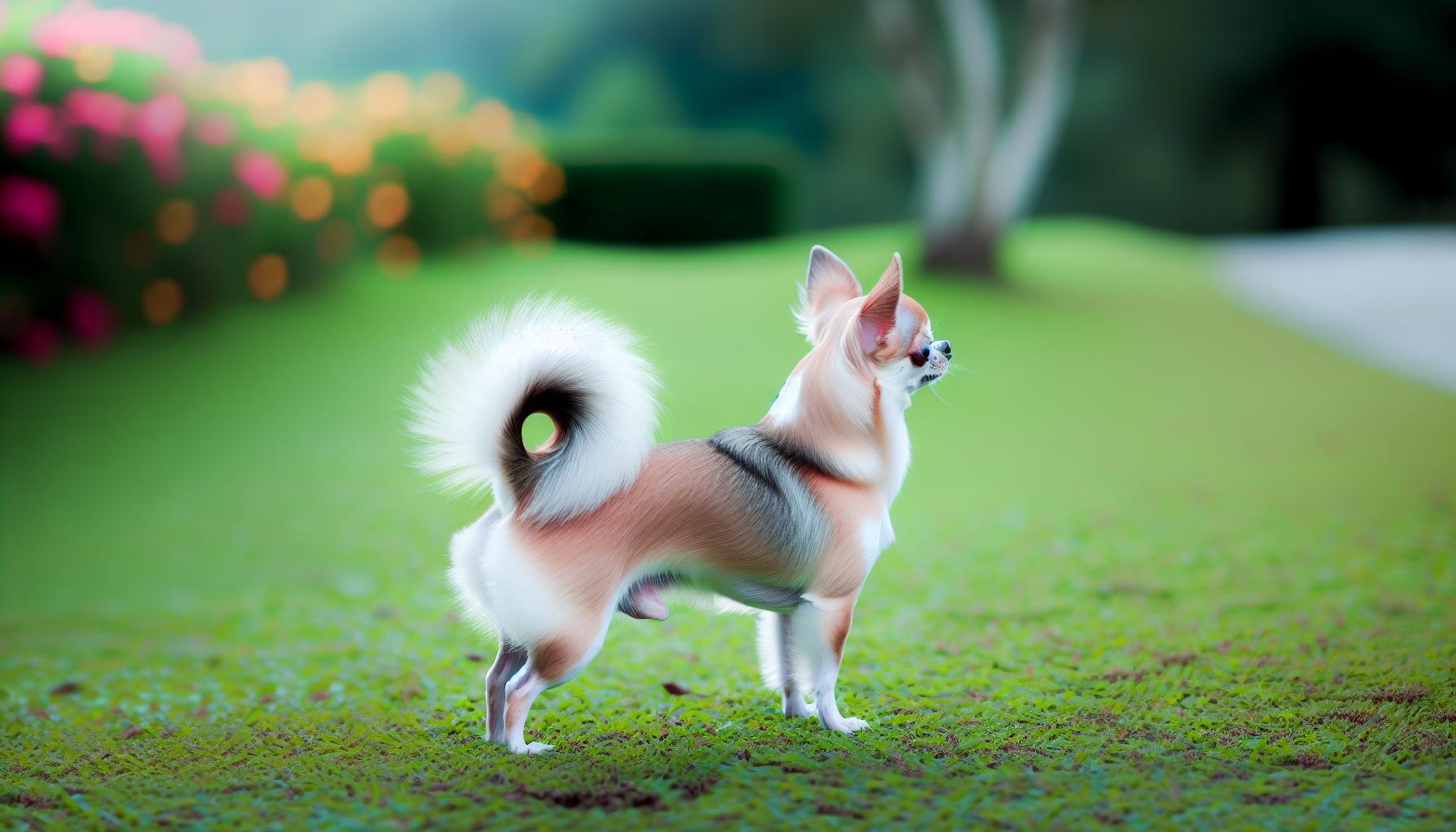
Is a Curly Tail Common in Chihuahuas?
Although Chihuahuas are known for their distinctive traits, their tails can vary significantly, and this brings us to the intriguing question of whether a curly tail is common among this breed. In fact, a curly tail is not the standard for Chihuahuas, which typically sport a straight or slightly curved tail that enhances their expressive personalities. However, some Chihuahuas can indeed have curly tails, and while such tails are not the norm, they add to the individuality of each dog.
Genetics plays a crucial role in determining tail shape. A Chihuahua with a curly tail may come from a lineage that exhibits this trait, often seen in mixed breeds or less common breeding lines. The tail’s appearance can range from a soft curve resting over the back to a more pronounced spiral, giving these dogs a unique flair that some owners cherish.
Both appearance and functionality matter when it comes to the tails of Chihuahuas. An ideal tail should be proportional to the dog’s body and complement its overall stature. For example, apple-headed Chihuahuas-often characterized by a rounder head and short stature-might appear particularly charming with a slight curve that accentuates their features. When observing tail posture, remember that a tail held high can indicate happiness and confidence, while a low-hanging tail may suggest fear or submission.
In summary, while curly tails are not a standard characteristic of Chihuahuas, they can be a delightful variation. Embracing the quirks of our pint-sized companions is part of what makes being a Chihuahua owner so rewarding. As you engage with your furry friend, pay attention to how their tail reflects their mood; a happy wagging tail speaks volumes about their personality!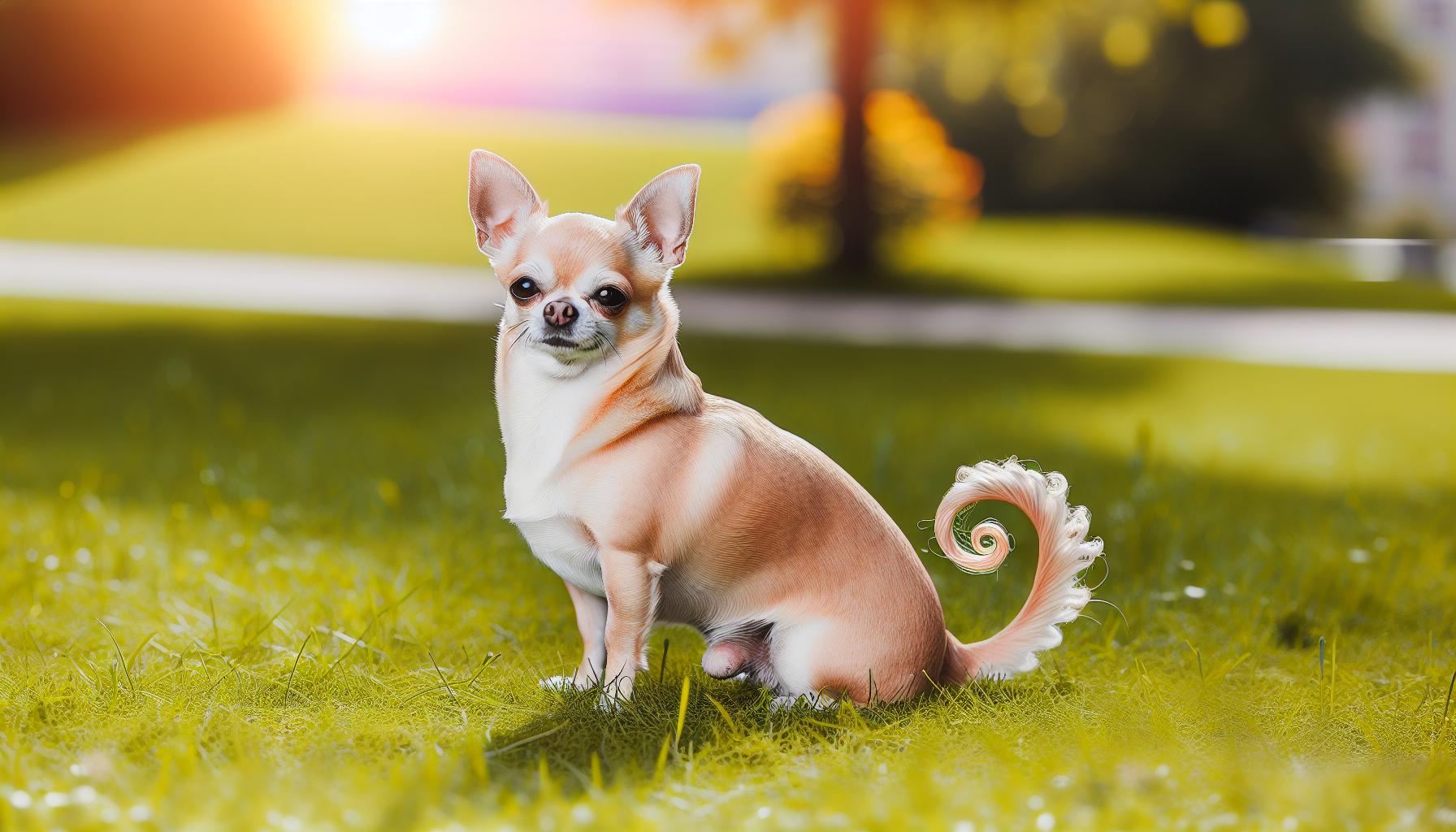
Understanding Different Tail Types in Chihuahuas
Chihuahuas are known for their charming little personalities and distinctive looks, and one of the most notable features is their tails. These delightful appendages can come in a variety of shapes and styles, each adding to the uniqueness of your furry friend. Understanding the different tail types in Chihuahuas can help you appreciate the diversity within the breed and recognize how tail characteristics can reflect your dog’s mood and health.
When considering tail types, Chihuahuas generally fall into a few categories: straight, curled, and sometimes even wavy. The most common tail is straight or slightly curved, which aligns with the breed standard. A straight tail usually extends from the body without too much arch, while a curved tail may arch over the back. Curly tails, although less common, can appear in some Chihuahuas, especially if they are mixed with other breeds or come from unique breeding backgrounds. Owners of Chihuahuas who possess curly tails often find them endearing, as they add a whimsical touch to their dog’s appearance.
It’s important to recognize that tail posture can convey a lot about a Chihuahua’s feelings. A high-held tail often indicates happiness and confidence, while a tail held low may suggest that your dog is feeling anxious or submissive. Pay attention to how your Chihuahua’s tail moves; a wagging tail usually signifies excitement or joy, while a stiff tail can suggest agitation or discomfort. Observing these subtle cues not only fosters a better understanding of your pup’s emotional state but also strengthens your bond with her.
Keeping your Chihuahua’s tail healthy is crucial, too. Regular grooming, especially for those with longer hair, can help prevent matting and ensure that the tail remains clean and free of debris. Watch out for any signs of injury or irritation, as delicate tails are prone to accidents, especially in a lively little dog who loves to explore. By being mindful of these factors, you can help ensure that your Chihuahua’s tail-whether it be straight, curled, or otherwise-stays as lively and spirited as the personality of this beloved breed.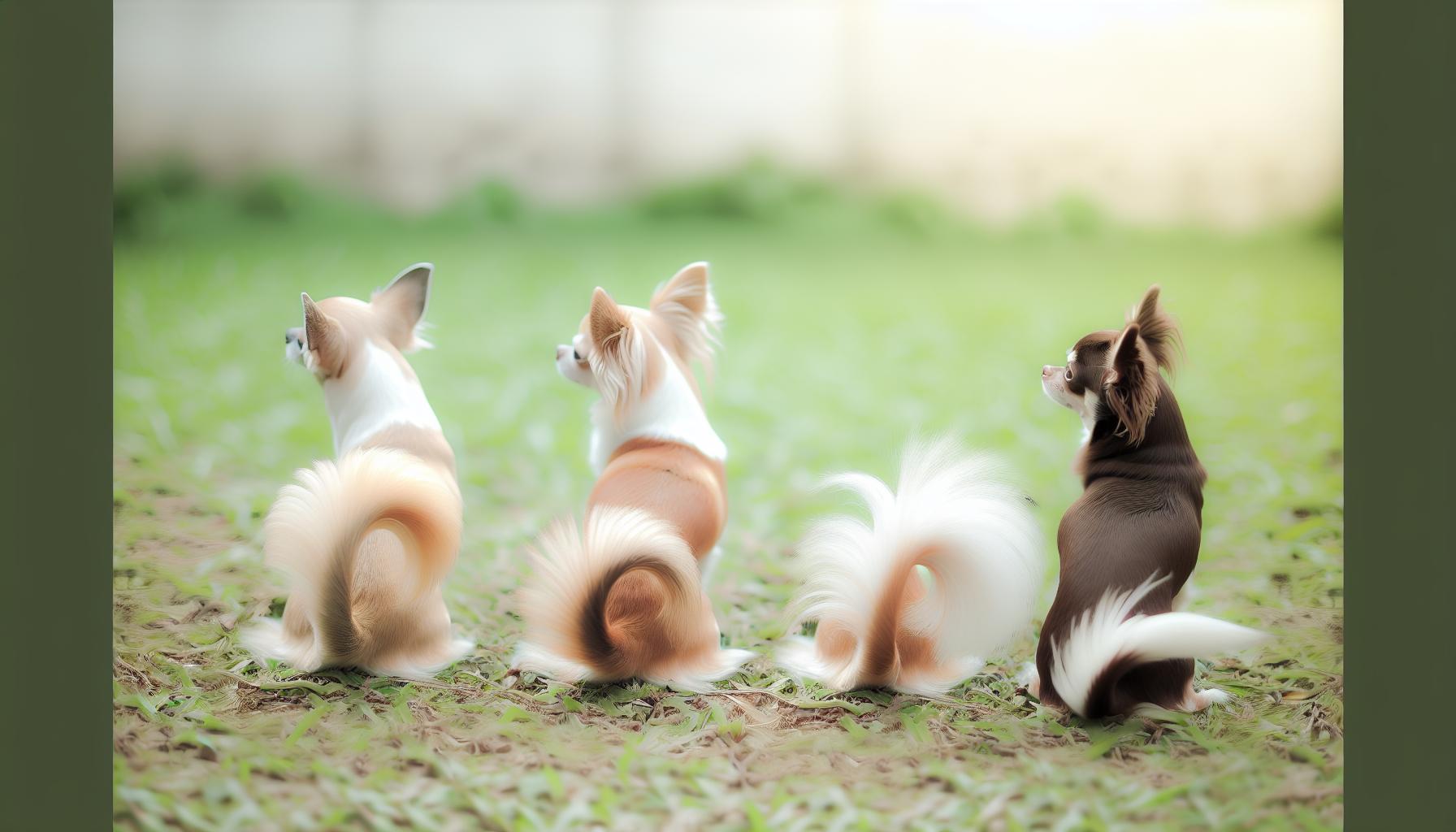
Breed Standards: Tail Characteristics and Expectations
Chihuahuas come in all shapes and sizes, and their tails are no exception. These charming little dogs can sport tails that vary greatly in style, and understanding the breed standards for tail characteristics is crucial for both first-time owners and seasoned Chihuahua enthusiasts. According to the American Kennel Club (AKC) standards, a Chihuahua’s tail should ideally be held high and have a natural curve. This posture is indicative of a happy and confident pup, reflecting their bold nature. While straight tails are common, you may encounter Chihuahuas with curled tails that loop over their backs, adding a touch of whimsy to their appearance.
When discussing tail types, it’s important to acknowledge that the breed standard recognizes a variety of tail postures. A straight tail, which may slightly curve at the tip, is typical and often found in show-quality dogs. A tail that arches over the body can be seen in some Chihuahuas, particularly those from different breeding backgrounds, such as mixes that may incorporate characteristics from other breeds. Although curly tails are less common in the breed, they can be just as charming, and many owners adore this unique trait, seeing it as a reflection of their dog’s individuality and spirited personality.
What does a tail tell you about your Chihuahua? The posture and movement of a Chihuahua’s tail can communicate a wealth of information about their mood and health. An elevated tail often signifies happiness and confidence-a characteristic trait of this assertive breed. Conversely, a dropped or low-held tail might indicate fear or submission. Additionally, watch how your dog’s tail wags; a lively wag is typically a sign of excitement, while a stiff, tense tail may signal discomfort or agitation.
Ensuring your Chihuahua’s tail remains healthy is just as important as recognizing its type and posture. Regular grooming, especially for long-haired Chihuahuas, can help prevent tangles and keep the tail clean. Check for signs of irritation or injury, as Chihuahuas are small dogs with delicate tails, prone to mishaps during playtime or exploration. By paying close attention to your pup’s tail, you not only learn more about their emotional state but also reinforce your bond through care and understanding.
Curly vs. Straight: What’s the Difference?
When it comes to Chihuahuas, their tails can be as expressive as their personalities. One of the most intriguing aspects is the difference between curly and straight tails, each offering a unique flair to your furry companion. A Chihuahua with a straight tail typically boasts a proud stance, with the tail held high and perhaps ending with a slight curve. This posture is most often seen in purebred Chihuahuas, aligning with the American Kennel Club standards, where a straight tail signifies confidence and vitality, traits that are quintessential to this bold breed.
On the other hand, curly tails add a dash of whimsy and charm. These tails may arch over the back or curl tightly, often seen in Chihuahuas that come from a more eclectic breeding background. Many owners find these curly tails endearing, as they can highlight the playful nature of their pup. For example, owners often remark how their Chihuahua’s curly tail wags excitedly when they greet their favorite people, offering a clear indication of joy and affection. While not as common as straight tails, the curly variety can still represent a healthy, happy dog, and many admire this distinctive trait.
Understanding the nuances of these tail types goes beyond visual appeal-it can also provide insights into your Chihuahua’s health and emotions. A straight tail might indicate alertness and readiness to engage, while a curled tail can suggest a relaxed demeanor when held gently. As a caring owner, observing the position and movement of your Chihuahua’s tail can help you gauge their emotional state and well-being. Regularly checking the tail for any signs of injury or discomfort is essential, ensuring that whether straight or curly, your pup remains healthy and happy.
In the end, both tail styles-curly and straight-celebrate the unique charm and individuality of Chihuahuas. Each pup is a wonderful blend of personality and physical traits, making them all the more special. No matter which tail style your Chihuahua rocks, embracing their quirks will deepen your bond and enhance your experience as a devoted owner.
Tail Health: Ensuring Proper Care for Your Chihuahua
Chihuahuas are known for their vibrant personalities and distinctive tail styles, making tail care an essential aspect of your pup’s overall well-being. Whether your Chihuahua sports a straight or curly tail, maintaining its health is crucial. Tails are not just for expression; they can also signal your dog’s emotional state and provide insight into their health. Ensuring your Chihuahua’s tail is well cared for can help prevent potential health issues and keep your furry friend happy and comfortable.
Regularly checking the tail for signs of injury, redness, or swelling is vital for your Chihuahua’s health. Tails can get caught or injured during play, especially if you have an exuberant little guy who loves to show his excitement. It’s wise to gently palpate the tail to feel for any abnormalities. Check for any unusual bumps or tenderness that might indicate a sprain or other injury. If anything seems off, do not hesitate to consult with your veterinarian-the sooner issues are addressed, the better for your pup.
Another important aspect of tail care involves cleanliness. Since Chihuahuas can have varying tail lengths and thicknesses, keeping the area clean helps prevent matting and infections. Bathing your Chihuahua regularly and ensuring that the base of the tail is dry and free of debris will help maintain good hygiene. For those with more fur, using a soft brush can keep the tail free of tangles. Owners of apple-head Chihuahuas may find that their pets’ longer tail fur accumulates more dirt, so regular grooming sessions are essential.
In addition to physical care, tailoring your interactions based on your Chihuahua’s tail position can enhance your bond. A wagging tail usually indicates excitement or happiness, while a tucked tail might signal fear or discomfort. Paying attention to these cues allows you to respond appropriately to your Chihuahua’s needs, ensuring that you provide not just physical care but emotional support as well.
By embracing these care practices, you’ll be better equipped to support your Chihuahua’s unique quirks-whether it’s a curly tail that triumphantly arches above its back or a straight tail held confidently high. After all, every little trait contributes to the charm of your furry companion, making your relationship all the more special.
Why Do Some Chihuahuas Have Curly Tails?
Some Chihuahuas exhibit the charming trait of a curly tail, which adds to their unique personality and character. This distinctive tail style can often be seen arched over their back and can range from a gentle curl to a more pronounced loop. The reason why some Chihuahuas have curly tails can largely be attributed to genetics. Just like coat color and size, tail shape is influenced by the dog’s breed lineage, which includes variations stemming from their ancestry.
Genetics of Tail Shape
Chihuahuas are one of the oldest dog breeds, and through centuries of breeding, various tail types have emerged. A curly tail is generally considered a natural variation within the breed. In fact, many dog breeds, including those with a similar ancestry, can also have curly tails, leading to the prevalence of this trait in Chihuahuas. While not all Chihuahuas have curly tails, the occurrence is not uncommon and is embraced as part of their delightful charm.
Behavioral Aspects
Additionally, a Chihuahua’s tail, whether curly or straight, serves an important role in communication. The position and movement of the tail can convey emotions-an arched tail typically signifies excitement or confidence, while a tucked tail often indicates fear or submission. Understanding your Chihuahua’s tail movements can enhance the bond between you two, allowing you to respond better to their emotions and needs.
Embracing Individuality
If your Chihuahua sports a curly tail, celebrate it! Each tail style contributes to their personality, making your little furry companion even more endearing. Moreover, proper care for all tail types is crucial. Ensure regular grooming, and watch for any signs of irritation or injury, which can occasionally happen regardless of tail shape.
In conclusion, whether her tail curls jauntily over her back or stands straight and proud, cherish the uniqueness of your Chihuahua. After all, these quirks are what make our little pals so lovable and special.
Genetics and Tail Shape: What Owners Should Know
Some Chihuahuas have that charming twist at the end of their tails that sets them apart. This delightful trait primarily comes down to genetics. Just as your Chihuahua’s coat color or size might emerge from a rich tapestry of ancestry, the shape and curl of her tail does too. In fact, the curly tail is often seen as a natural variation within the breed, celebrating the uniqueness that each dog brings to the table. Chihuahuas, being one of the oldest breeds, have a diverse genetic background that allows for these variations to flourish.
Understanding the specific genetics behind tail shapes can help clarify what you may observe in your Chihuahua. Factors such as breed lineage and certain dominating traits can influence how a tail appears. While many may associate straight tails with the breed, the presence of a curly tail is certainly not rare. In fact, a dog’s tail can be a direct reflection of its distinctive lineage, showcasing traits that come from various ancestral influences, including other small breeds that may also contribute to tail characteristics.
Beyond just a physical trait, the tail’s shape serves significant roles in communication and expression for your Chihuahua. Whether it’s the lively curl or a straight posture, these tail movements convey emotions such as excitement, anxiety, or confidence. As an owner, it’s essential to appreciate these subtleties and recognize what they mean for your furry friend’s feelings. For example, a high and curly tail can indicate a playful disposition, while a low or tucked tail might suggest discomfort or fear.
Incorporating this knowledge into your care routine allows for a deeper understanding of your Chihuahua’s needs. If you notice any abnormalities or changes in your dog’s tail-curly or not-it’s always best to consult your vet. Regular grooming is also a great way to maintain tail health, helping to prevent any potential irritation or injury. Celebrate your Chihuahua’s curly tail as part of what makes her unique, a true expression of her charming personality that mirrors the love and care you share together.
The Role of Tail Types in Behavior and Communication
The tail of your Chihuahua isn’t just an adorably fluffy appendage; it’s a vital tool for communication and expression. A dog’s tail serves as a barometer of their emotional state. For Chihuahuas, a curly tail can signify a range of feelings, from joyous excitement to nervous trepidation. Recognizing these cues can deepen your bond and enhance your understanding of your furry friend.
When your Chihuahua is strutting around with a high, curled tail, it generally indicates confidence and playfulness. This is a good sign he’s feeling happy and secure. Conversely, a low-hang tail or one tucked between his legs might reflect fear, insecurity, or submission. These variations in tail position can prompt you, as a responsible owner, to respond accordingly-whether to provide reassurance or to change an unsettling situation.
Chihuahuas also communicate through the speed and aggression of their tail movements. For example, a tail wagging energetically while held high usually portrays excitement and friendliness. In contrast, a rapid wagging with a lowered tail can signal agitation or irritation. Understanding these signals helps you anticipate and address your Chihuahua’s needs. As an example, if your Chihuahua approaches a new friend with a high, curled tail, he’s likely ready for a warm greeting. If he starts to tuck his tail while backing away, it’s time to step in and create a more comfortable space for him.
Incorporating these insights into your interactions allows you to create a nurturing environment that respects your Chihuahua’s emotional states. Regular observation, combined with understanding the implications of tail types-for both curly and straight tails-enables you to enhance your Chihuahua’s well-being and happiness. So next time you notice that perky, curling tail, appreciate it as a delightful expression of your Chihuahua’s personality and mood.
Debunking Myths: Curly Tails and Chihuahua Breeds
Many new Chihuahua owners and enthusiasts often wonder about the curly tail characteristic that some of these tiny dogs display. Understanding the myths surrounding this feature can help clarify what is typical for the breed. One common misconception is that all Chihuahuas should have curly tails. In reality, Chihuahuas come with a variety of tail types, including straight, curled, and even those with a slight wave. The variation largely depends on the individual dog’s genetics, with curly tails being more prominent in some lines.
When exploring the curly tail phenomenon, it’s essential to recognize that this trait does not define the Chihuahua’s suitability as a pet. A curly tail is simply one of many charming characteristics that add to the breed’s personality. Many Chihuahuas with straight tails are equally loving, vibrant, and full of character. Therefore, it’s important not to judge a Chihuahua’s quality or demeanor based solely on tail type. For example, I’ve met many delightful Chihuahuas with straight tails who are just as playful and affectionate as their curly-tailed counterparts.
Another myth worth addressing is the assumption that curly tails indicate a poor breeding lineage. While it’s true that certain genetic lines may more commonly produce curly tails, this feature alone does not imply any deficiencies in health or temperament. Chihuahuas with curly tails can be healthy, spirited companions. It’s crucial to look beyond the physical traits and prioritize responsible breeding practices, ensuring the dog is well-cared for and comes from a reputable breeder.
In conclusion, celebrating the diversity within Chihuahua tail types allows owners to appreciate their dogs for who they are, beyond aesthetic assumptions. Each Chihuahua, whether flaunting a curly tail or not, brings its unique happiness and joy to the lives of its owners, further enhancing the companionship that this breed is known for. As proud owners, let’s embrace these individual quirks-tails and all!
How to Spot a Healthy Tail on Your Chihuahua
Evaluating the health of your Chihuahua’s tail is an essential part of understanding their overall well-being. A healthy tail is not just about appearance; it can communicate your dog’s mood and health status. Observing natural behavior and ensuring good care will contribute to your Chihuahua’s happiness.
To determine if your Chihuahua’s tail is healthy, consider the following key characteristics:
- Flexibility: A healthy tail should be flexible and free of stiffness. Gently moving it should not cause any discomfort.
- Appearance: Look for a tail that is well-groomed, with no signs of mats or tangles in the fur. The color should remain consistent and vibrant, matching the rest of your Chihuahua’s coat.
- No injuries: Inspect for any signs of injury such as cuts, swelling, or bruises. Pay attention to how your Chihuahua reacts when you handle the tail; signs of pain or resistance may indicate an issue.
- Position: Your Chihuahua’s tail can tell you a lot about their mood. A wagging tail often signifies happiness, while a tail tucked between the legs might suggest fear or submission.
Regular grooming and handling of your Chihuahua’s tail can help you notice any changes early on. As a breed that loves interaction, many Chihuahuas enjoy their owners examining them, turning tail inspections into a bonding time.
Real owner experiences often highlight how attentive care can prevent issues. For instance, one owner of an apple-head Chihuahua noticed her dog’s tail seemed unusually limp and contacted her vet. They discovered a minor infection that was quickly treated. Routine checks can likewise uncover potential problems before they escalate.
Lastly, always remember that a Chihuahua’s tail, whether curly, straight, or even a bit wavy, is just another delightful feature of their tiny, expressive selves. Celebrate these unique traits, and keep an eye on that tail – it’s one of the many ways your dog communicates and connects with you!
Caring for Your Chihuahua’s Tail: Tips and Techniques
Ensuring your Chihuahua’s tail remains healthy is an essential aspect of their overall well-being. The tail serves not only as a charming feature of their appearance but also as a key means of communication about their emotions and health. Regular inspection and care can prevent many issues, allowing you to spot any problems early.
Start with gentle grooming. Use a soft brush to keep the tail free of knots and tangles. This is especially important for Chihuahuas with longer hair, as their tails can easily accumulate debris and mats. Make this a soothing experience; most Chihuahuas love some extra attention and touch. Incorporating tail grooming into your bonding time can help strengthen your connection with her. Regularly check for any unusual bumps or changes in texture, which could indicate skin issues or infestations.
Another crucial aspect is monitoring the tail’s flexibility and movement. A healthy tail should be easy to move and free of stiffness. Observe how your Chihuahua carries her tail. A normally positioned tail, generally held high or wagging, suggests she’s confident and happy. If you notice her tail is limp or tucked away frequently, it may be a sign of discomfort, stress, or health concerns. In such cases, consulting your veterinarian is essential.
Lastly, be mindful of potential injuries. As curious little creatures, Chihuahuas might get their tails caught in closing doors or even get stepped on unintentionally. Whenever you play with her or during walk time, ensure her tail is safe. If she seems to be favoring her tail or reacting negatively when touched, it’s essential to seek veterinary advice. Simple vigilance can help prevent more significant issues down the line, ensuring she stays playful and vibrant, just like her beautiful curly tail!
Chihuahua Tail Styles in Various Coat Types
Chihuahuas are truly a breed that stands out, not just for their vibrant personalities but also for their diverse tail styles. Each coat type can influence the tail’s appearance and movement, adding an extra layer of charm to these tiny companions. As you explore the various tail styles in Chihuahuas, consider how their coat types-smooth, long-haired, or even the unique apple-head variety-interact with their tails to create unique expressions of their character.
Chihuahuas with smooth coats often showcase sleek, tapered tails that complement their streamlined bodies. The short, smooth fur makes the tail look elegant, and its natural grace can be quite captivating. These tails are generally more flexible and can exhibit lively movements, especially during moments of excitement or play. On the other hand, long-haired Chihuahuas flaunt fluffy tails that can be reminiscent of a plume. The extra fur may lead to a fuller appearance, creating a striking contrast against their petite, dainty bodies. Tail grooming becomes essential here, as the longer fur is susceptible to tangling and dirt accumulation, which can affect the tail’s health and movement.
When it comes to tail positioning, both coat types reveal a lot about your Chihuahua’s mood and health. A well-groomed, high-held tail often indicates a happy, confident dog. For instance, a smooth-coated Chihuahua might waddle about proudly with a tail in the air, while a long-haired one might swish its fluffy tail from side to side, inviting attention and interaction. However, if you notice a change-like a usually erect tail becoming floppy or tucked-it may be time to consult with a veterinarian to rule out any health issues.
In caring for your Chihuahua’s tail, remember that each coat brings unique considerations. For instance, Chihuahuas with long coats may require more frequent grooming sessions to keep that beautiful tail in top shape, avoiding any painful matting. Smooth-coated varieties might need less maintenance, but regular checks for skin condition are still important. By paying close attention to your dog’s individual tail style, you can ensure they not only look their best but also feel their best-a hallmark sign of a truly happy Chihuahua.
Frequently asked questions
Q: What are the common tail types found in Chihuahuas?
A: Chihuahuas typically have two common tail types: curly and straight. Curly tails often spiral over the back, while straight tails hang down. Understanding these variations can help in identifying a Chihuahua’s breed standard and tail characteristics.
Q: How can I tell if my Chihuahua’s tail is healthy?
A: A healthy Chihuahua tail should be firm and flexible, without any signs of swelling or injury. Regularly check for parasites or skin issues and ensure the tail is free from matting. Refer to our section on tail health for further tips on care.
Q: Do tail types affect a Chihuahua’s personality?
A: While there is no direct link between tail type and personality, many owners notice that their Chihuahua’s tail can reflect their mood-a raised tail often indicates confidence and excitement, while a tucked tail may signal fear or anxiety.
Q: Can health issues cause tail deformities in Chihuahuas?
A: Yes, health issues such as injuries or genetic conditions can lead to tail deformities. Conditions like fractured tails or congenital defects need veterinary attention. For more details, see our section on genetics and tail shape.
Q: Are curly tails more common in certain Chihuahua types?
A: Curly tails are often seen in long-haired Chihuahuas, but they can occur in both coat types. The presence of curly tails is influenced by breed genetics, which varies among individual Chihuahuas.
Q: How should I groom my Chihuahua’s tail?
A: Regular grooming of your Chihuahua’s tail is important to prevent matting and maintain skin health. Use a soft brush to remove dirt and loose hair, and check for any signs of irritations or infections during grooming sessions.
Q: What does the American Kennel Club say about Chihuahua tail standards?
A: According to the American Kennel Club, Chihuahua tails should be carried in a lively manner, with descriptions including both curl and straight variations. It’s essential for owners to familiarize themselves with these standards for better breed identification.
Q: Why do some Chihuahuas have naturally crooked tails?
A: Some Chihuahuas exhibit crooked tails due to genetic predisposition or injuries during growth. While this might be seen as a defect, it doesn’t affect their overall health or behavior significantly. Refer to our section on debunking myths for more insights.
To Conclude
Understanding the nuances of Chihuahua tail types, including whether they have curly tails, enriches your experience as an owner. Remember, each Chihuahua is unique with distinct traits-whether it’s a proud curly tail or a sleek straight one, there’s so much charm in their diversity. If you have lingering questions or want to dive deeper into Chihuahua care, check out our articles on “Chihuahua Health and Grooming Tips” and “Understanding Your Chihuahua’s Behavior.”
Don’t miss out on updates-sign up for our newsletter to stay connected with fellow Chihuahua enthusiasts. Share your Chihuahua’s tail story in the comments below; your experiences can be invaluable to other owners! Embrace the joy of owning this bold and loyal breed-your furry companion is waiting to share even more unforgettable moments with you.
Get our latest guides, news, and insights highlighted in your Google Search & AI Overviews.