
Determining whether your beloved Chihuahua is a boy or girl can be a delightful adventure rooted in understanding their unique anatomy and behavior. With their bold personalities and tiny frames, Chihuahuas often showcase distinct gender signs beyond just their physical traits. Many first-time owners find themselves curious or uncertain about these characteristics, which can affect decisions like naming and care.
As a proud Chihuahua enthusiast, you’ll appreciate that recognizing these gender signs can deepen your bond with your pup and enhance their quality of life. From behavioral differences to anatomical clues, learning to tell the difference is not only fun but essential in catering to your furry friend’s needs. Whether you’re navigating the world of puppy parenthood or seeking tips to fully appreciate your Chihuahua, this guide will equip you with valuable insights. Let’s dive in and discover how to confidently identify the gender of your tiny companion!
How Chihuahua Anatomy Reveals Gender Differences
Recognizing the differences in Chihuahua anatomy between males and females can be both fascinating and necessary for owners. This little breed, known for its bold personality and distinct characteristics, provides several physical traits that can help in identifying gender. Male Chihuahuas typically have a different body structure compared to females; they tend to be a bit stockier and might feature a larger head relative to their body size. In contrast, female Chihuahuas often have a more delicate appearance, with a slightly narrower head and shorter muzzle, contributing to their feminine look.
When observing your Chihuahua, look closely at the genital area, as it is the most definitive way to differentiate between genders. In male Chihuahuas, you will find a noticeable penis and testicles, usually hidden unless the dog is aroused. On the other hand, females have a vulva located under their tails, which may be less apparent depending on the dog’s coat and size. It’s important to note that anatomical differences can be subtle in very young puppies; for instance, both genders may look quite similar before four weeks of age.
In addition to anatomical cues, certain behavioral traits can also signal gender differences. For instance, male Chihuahuas may exhibit more territorial or dominant behaviors, such as marking their territory. Meanwhile, female Chihuahuas often tend to be more nurturing and may show increased affection towards their owners, especially during their heat cycles. Such behaviors do not replace the importance of anatomical identification but can enrich your understanding of your Chihuahua’s personality and needs based on gender.
Understanding these anatomical and behavioral traits is crucial, especially for first-time Chihuahua owners. Not only does this knowledge help in caring for your pet appropriately, but it also creates a stronger bond between you and your furry friend. Whether you’re preparing for a new addition to your family or seeking to understand your current Chihuahua better, recognizing these differences will enhance your overall experience as a devoted owner.
Identifying External Traits: Male vs. Female Chihuahuas
Recognizing whether your Chihuahua is a boy or girl goes beyond just checking anatomy; it’s about understanding the unique traits that make each gender special. Male Chihuahuas often present a stockier build, with a broader head and a more robust body structure that gives them a sturdy appearance. In contrast, female Chihuahuas usually showcase a more delicate profile, characterized by a narrower head and a graceful, slightly smaller frame. These physical differences can be quite subtle, especially when individuals are young, but as they mature, the distinctions become clearer.
When evaluating your Chihuahua’s anatomy, pay attention to their genital area, which provides the most definitive clues. Male Chihuahuas will have a penis and testicles, which might only be visible in certain situations; usually, they remain tucked away unless the dog is stimulated. Females will have a vulva situated discreetly under their tails, often more elusive in long-coated varieties. For new owners, this can be a surprising discovery, as those fluffy coats can camouflage these features. Be patient and gentle as you familiarize yourself with your Chihuahua’s body; this also fosters trust and bonding.
Moreover, coat color and patterns can sometimes hint at gender as well. While not a definitive indicator, certain colors may be more commonly seen in one gender than the other, depending on breeding lines. For instance, some owners notice male Chihuahuas sporting darker hues more frequently, while females might show a range of lighter, pastel tones. Each dog, of course, is an individual, and variances will occur. If you’re observing a litter and trying to determine the gender of younger puppies, it’s important to note that body shape and size will provide clearer distinctions as they grow.
Lastly, remember to engage with your Chihuahua’s personality during this learning process. Each dog brings a unique blend of quirks and behaviors. Whether your companion is a spirited male with a penchant for barking at the mailman or a nurturing female who adores cuddling, these personality traits enrich your experience as a pet owner. Embrace these differences-they’re part of what makes Chihuahuas such delightful companions!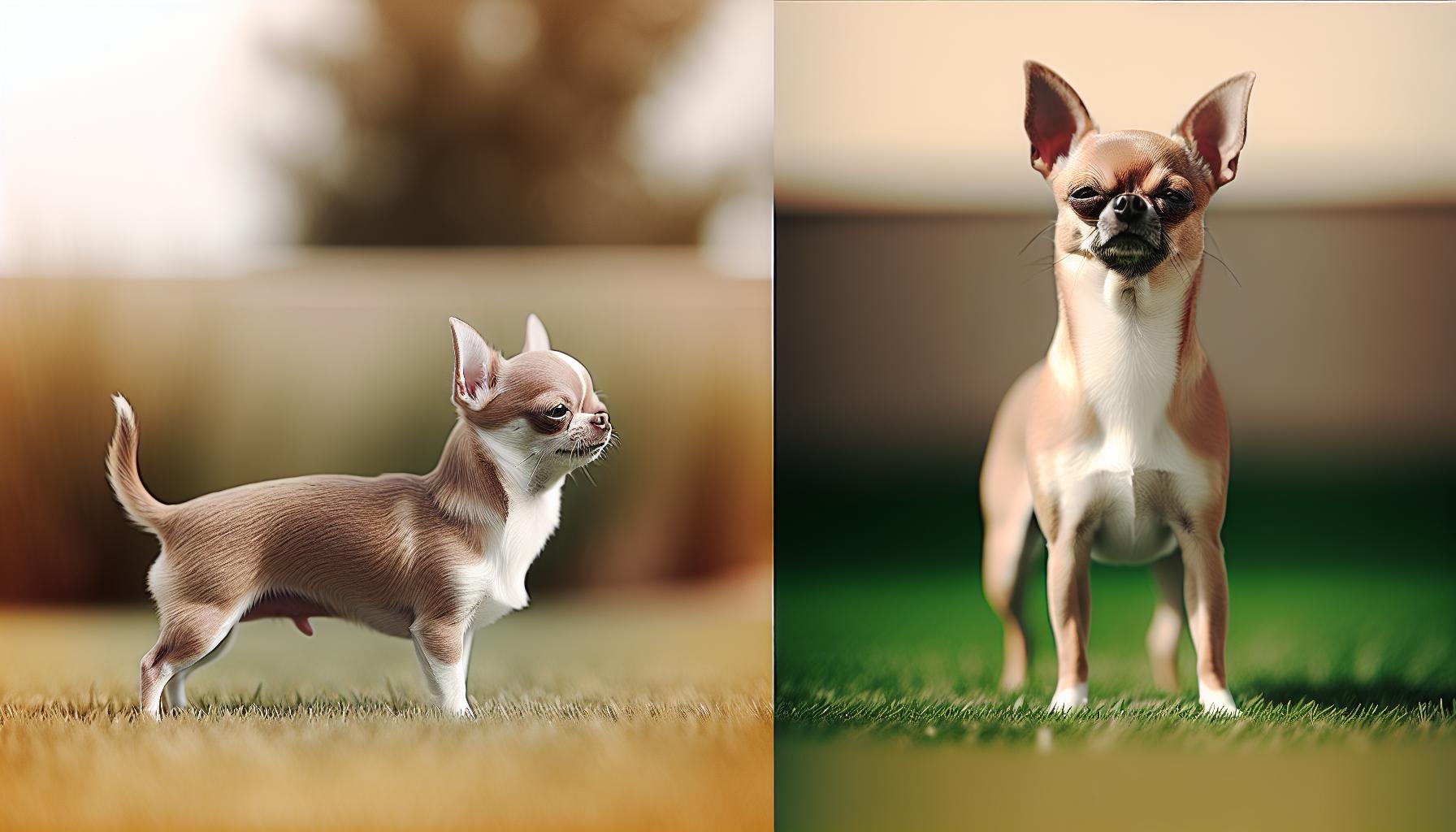
Behavioral Signs that Indicate Gender in Chihuahuas
Every Chihuahua-whether male or female-brings its own personality to the table, often reflecting traits that can help you identify their gender. Males are typically known to be a bit more boisterous and assertive, often displaying behaviors that can be characterized as louder and more energetic. You might find your little guy barking at anything that moves, vying for attention with playful antics, or running around with that extra dose of bravado. This assertiveness can be charming, but it may also mean that he’s more prone to marking territory and showing dominance over toys or even other dogs.
In contrast, female Chihuahuas often exhibit a more nurturing and affectionate demeanor. Many owners report that their female companions tend to have a motherly instinct, particularly if they encounter younger pups. They might be more inclined to cuddle and cuddle close, seeking warmth and companionship. However, don’t mistake their sweet nature for passivity; females can have their own fiery moments! During certain times, they may display mood swings, especially while in heat, which can manifest as increased vocalization or a desire for solitude.
Here are some key behavioral signs that can help in identifying your Chihuahua’s gender:
- Territorial Behavior: Males are more likely to mark their territory and may exhibit protective behaviors.
- Barking Patterns: Male Chihuahuas often bark more frequently, particularly during play or when defending their space.
- Cuddling Preferences: Females may seek out their owner’s lap or blanket for cuddles, demonstrating their affectionate nature.
- Motherly Instinct: Female Chihuahuas may display nurturing behavior towards younger dogs or toys, often carrying them around like a mother.
Always keep in mind that every Chihuahua is unique, and while these signs can be common indicators, individual personalities play a huge role. Engaging with your dog, observing their behavior during interactions, and noting their personal quirks will deepen your understanding of their gender traits. Embracing these differences enriches your bond and helps you cater to their specific needs, ensuring a happy and fulfilling companionship.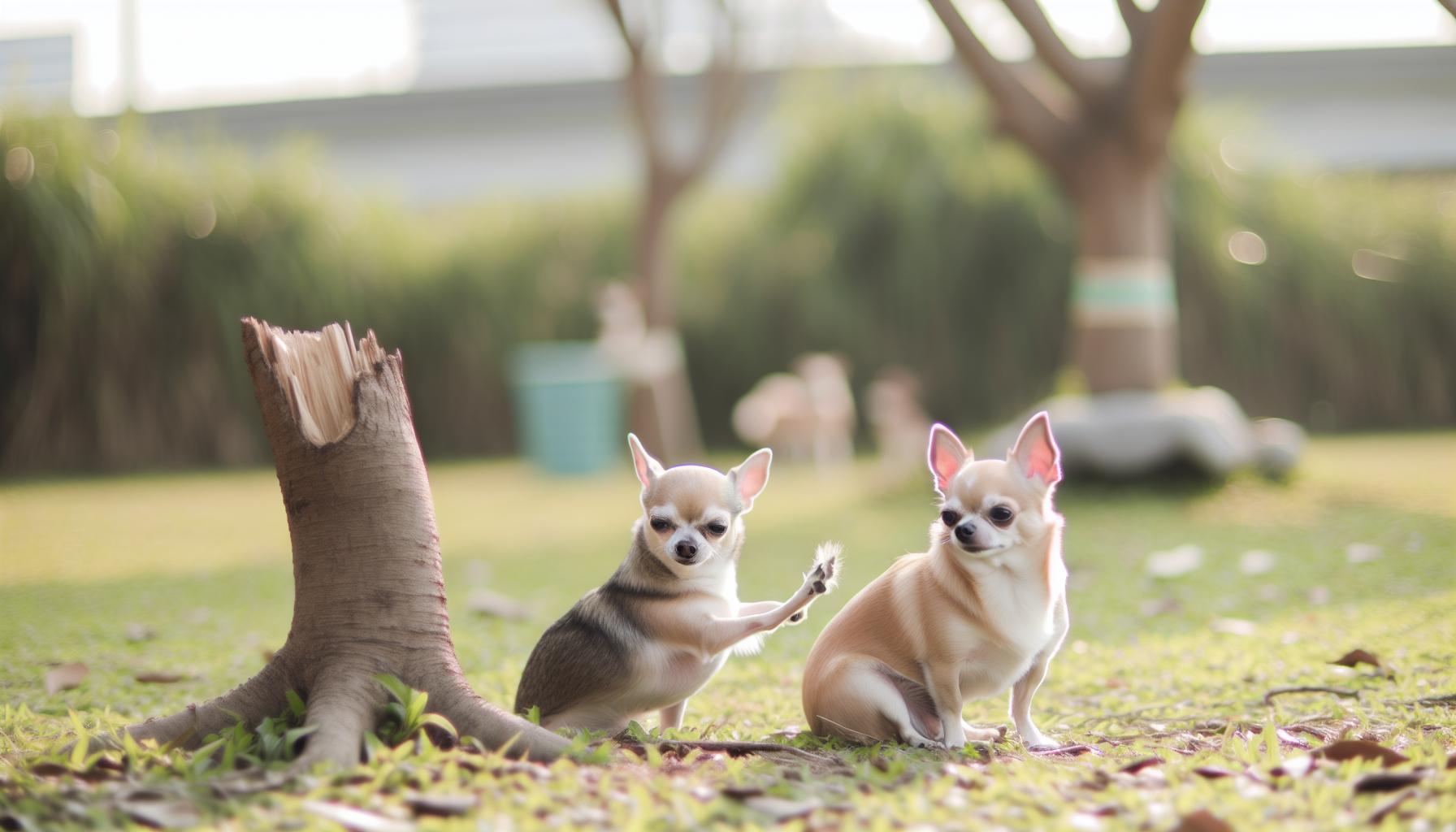
The Role of Coat Color and Patterns in Gender Identification
The coat color and patterns of a Chihuahua can be fascinating and often spark curiosity among owners regarding potential gender indicators. While these traits are not definitive markers of a dog’s sex, some owners have observed trends that can be interesting to consider. For example, male Chihuahuas are frequently seen sporting a darker coat, which may include deep brindles or rich blacks, while females often flaunt a wider array of lighter shades like creams and fawns. However, this is more of an observation based on personal experiences rather than a hard and fast rule.
When examining your Chihuahua’s coat characteristics, it’s essential to note the unique patterns that may emerge. Coat patterns can also vary widely; some males may have striking patterns with spots or patches, which are attractive and attention-grabbing. In contrast, females can display more subdued patterns or solid colors, which may contribute to that nurturing and softer appearance recognized in many female dogs. Observing these coat styles can add a personal touch to recognizing your Chihuahua’s gender, but they should not be counted as definitive signs.
Additionally, understanding the individual coat types can enhance your appreciation of their beauty. Chihuahuas can be classified into two primary coat types: short-haired and long-haired. While this distinction is not directly linked to gender, many owners report that long-haired females seem to carry their luxurious coats more gracefully, often enjoying the pampering they receive during grooming sessions. This can make them appear more feminine to some observers, while short-haired males might be perceived as more rugged and energetic.
Ultimately, embracing your Chihuahua’s personality-whether through their coat color, texture, or unique traits-adds to the joy of companionship. Observing these differences in color and patterns can be simply another element to enjoy while getting to know your beloved pup. Remember, each dog is a distinct individual, and their behaviors and traits are shaped by more than just their appearance.
Understanding Reproductive Organs: A Guide for Chihuahua Owners
Understanding your Chihuahua’s reproductive organs can provide clear insights into their gender, but it’s also a means of nurturing them with the care they need. Both male and female Chihuahuas possess distinct anatomical features that are important for all owners to recognize. For instance, male Chihuahuas typically have external genitalia that becomes more pronounced as they reach maturity. You will find the penis located behind the front legs, and the testicles should be visible in a healthy, unneutered male.
In contrast, female Chihuahuas sport reproductive organs that are not externally visible in the same manner. Instead, female owners will notice the vulva, which is situated just below the tail. This can often be more challenging to identify without prior familiarity, particularly in long-haired Chihuahuas, where the surrounding fur may obscure the area. Nevertheless, being aware of this distinction can empower you as an owner, guiding you in situations ranging from grooming to medical check-ups.
Regular vet visits should include discussions about your Chihuahua’s reproductive health regardless of their gender. For males, look for any signs of testicular issues, such as swelling or pain. For females, be aware of their heat cycles, which can occur approximately twice a year and typically last around three weeks. Both genders can face health challenges linked to their reproductive systems, so monitoring any unusual behaviors or physical changes is crucial.
As a Chihuahua owner, you become a guardian of your pup’s unique needs. Whether you choose to spay or neuter, or simply want to understand the reproductive anatomy better, your attentiveness ensures a happier and healthier life for your furry friend. Embrace the understanding of these aspects as part of the beautiful journey of companionship with your Chihuahua-celebrate their vibrant personality, from their tiny stature to their bold spirits!
Age Considerations: Identifying Gender in Puppies
Identifying the gender of your Chihuahua puppy can be a fascinating but sometimes challenging journey, especially when they are just a few weeks old. At this tender age, their anatomical features are not as pronounced as in adults, making it crucial to observe them closely for clues. Generally, the more time you spend with your playful, tiny companion, the more familiar you’ll become with their unique traits.
One key factor to consider is that, unlike adults, a Chihuahua pup’s reproductive organs are less visible. Male puppies exhibit subtle signs; the penis is not prominent until they approach maturity, which typically occurs around 6 months of age. You’ll be more likely to notice a slight bulge under the belly as they grow. Female puppies, on the other hand, will show a small area beneath the tail known as the vulva. In the case of long-haired Chihuahuas, distinguishing these features can be trickier due to their lush coats, but a gentle parting of the fur can help reveal important details.
To support your quest in identifying a Chihuahua’s gender, it’s helpful to keep a few practical tips in mind. First, consider their behavior. Males may exhibit more playful and assertive behaviors, while females can appear more nurturing, thus reflecting their future roles as mothers. Observing how they interact with their littermates can offer insight; for instance, males often engage in roughhousing, while females might play more gently. Additionally, as you get to know your pup, you might notice subtle personality traits that align with typical gender behaviors in Chihuahuas.
Lastly, patience is key when dealing with young puppies. If you find it difficult to identify your pup’s gender during the early months, seek reassurance from your veterinarian during routine check-ups. Your vet can provide a definitive answer and may even help educate you on the little details that can make a big difference in caring for your Chihuahua, regardless of whether he or she turns out to be a boy or girl. Embrace this new chapter with joy, knowing you’re laying a solid foundation for a wonderful relationship with your furry friend!
Common Misconceptions About Chihuahua Gender Traits
Many Chihuahua owners encounter various misconceptions about the gender traits of their furry friends. One common belief is that male Chihuahuas are always more aggressive than females. While it’s true that male Chihuahuas can be playful and boisterous, aggression largely depends on individual temperament, socialization, and upbringing. Just like people, each Chihuahua has a distinct personality shaped by experiences. For example, a female Chihuahua raised in a high-energy environment might display just as much zest for playing as her male counterpart.
Another myth suggests that only female Chihuahuas are nurturing or good with puppies. In reality, caring behaviors can be found across genders. Males can exhibit nurturing traits, especially if they’ve been socialized with puppies or exposed to maternal care. A real-life example includes a male Chihuahua I know who forms bonds with every new pup in the neighborhood, often initiating playful games and guiding them on how to interact with others.
The idea that coat color or patterns can predict a Chihuahua’s gender is also a misconception. Some might think that specific colors or markings are exclusive to males or females, but such visual traits are not reliable indicators of gender. Whether you have a fawn, black, or white Chihuahua, all coats can belong to either a boy or a girl. It’s important to look closely at anatomy and behavior rather than relying on aesthetics.
Lastly, many owners believe that once a Chihuahua reaches a certain age, their behavior is set in stone. While Chihuahuas develop certain personality traits over time, they can continue to learn and adapt throughout their lives. Training, socialization, and life experiences will significantly impact your Chihuahua’s behavior, regardless of gender. Therefore, be open to growth and change as your pup matures. Recognizing these misconceptions allows you to embrace and celebrate the unique qualities of your Chihuahua, fostering a deeper understanding and relationship with your tiny companion.
The Importance of Spaying and Neutering: Gender Implications
Spaying and neutering are essential considerations for Chihuahua owners, and understanding their implications can greatly enhance your pet’s well-being. These procedures not only help control the population of Chihuahuas in shelters but also offer numerous health benefits that cater to both male and female dogs. For example, spaying female Chihuahuas can significantly reduce the risk of mammary tumors and eliminate the chances of uterine infections, which can be life-threatening. On the other hand, neutering male Chihuahuas can help prevent testicular cancer and some prostate problems.
When it comes to behavior, altering your Chihuahua can make a noticeable difference. Males that are neutered are often less prone to marking territory and may display reduced aggression, making them more pleasant companions. Similarly, spayed females tend to be calmer and less anxious during heat cycles, easing the stress for both her and her owner. While some owners worry that spaying or neutering might change their dog’s personality, many actually find their Chihuahuas are more affectionate and focused post-procedure.
Beyond health and behavioral adjustments, spaying and neutering can also impact how you can socialize and integrate your Chihuahua into various environments. Unaltered dogs may be more reactive to other dogs or get distracted easily during walks due to lingering hormones. A well-socialized, altered Chihuahua can enjoy outings with less worry and more focus on enjoying time with they’re family.
As an owner, it’s important to consult your veterinarian about the best timing for these procedures. Many recommend spaying or neutering your Chihuahua before they reach puberty, typically around six months old. However, your vet can help tailor this advice based on your dog’s specific health and developmental needs. Remember, providing a loving and responsible home for your Chihuahua not only includes addressing their immediate care but also making informed decisions about their future health and happiness. Whether you have a bold apple-head or a petite deer-head, spaying and neutering are crucial steps toward celebrating and nurturing the unique traits of your faithful companion.
When to Consult a Vet for Gender Confirmation
While you may have a charming Chihuahua that captures your heart, understanding their gender is crucial for their care and management. If you’re unsure whether your furry friend is a boy or a girl, don’t hesitate to consult your veterinarian for gender confirmation. This is especially important for new owners or those who may have adopted a Chihuahua from a shelter or rescue where their history might be unclear.
Veterinarians have the expertise to identify gender based on anatomical features easily. For male Chihuahuas, you should look for the presence of a penis and testicles, which can usually be noticed even in puppies as young as a few weeks old. Female Chihuahuas have a vulva located just below the tail, which is also visible soon after birth. If you’re struggling to distinguish these features, your vet can provide a thorough examination and help you understand what to look for.
In addition to anatomical assessments, behavioral signs can also provide clues about your Chihuahua’s gender. Neutered males often display calmer behaviors and sometimes exhibit fewer dominant tendencies, while females may go through heat cycles that can affect their mood and behavior. If you’re noticing something unusual in your pet’s behavior or grooming habits-and especially if this leads you to question their gender-this is another excellent reason to seek professional advice from your vet.
Furthermore, if you’re planning to spay or neuter your Chihuahua, having a confirmed gender is essential for the procedure. Each surgery has different risks and implications based on whether your Chihuahua is male or female. A veterinarian can provide tailored advice regarding the right time for these operations, taking into consideration your decision for responsible pet ownership and their overall health. Remember, empowering yourself with the right knowledge about your Chihuahua’s gender not only enhances your bond but also ensures you are meeting their specific health and social needs.
Celebrating Your Chihuahua: Embracing Their Unique Traits
Understanding the unique traits of your Chihuahua is just one of the many joys that come with pet ownership. Each Chihuahua, whether male or female, carries its distinct personality, influenced by their gender. These tiny companions are not only known for their loyalty and vocal nature but also for the quirks that make them truly special. Celebrating these differences can deepen your bond and enhance your overall experience as a Chihuahua owner.
When it comes to identifying gender differences, males often display a more assertive demeanor. They might be more prone to marking their territory or showing off their playful side through roughhouse play with other pups. In contrast, female Chihuahuas can be just as vibrant, often showcasing nurturing behaviors, especially if they are in a protective or maternal state. These distinctions in behavior can be delightful to observe and enrich your interactions. For example, a male might seek to impress with his bold antics, while a female could be more inclined to offer affection and companionship.
Aside from behavior, physical attributes can also highlight their individuality. Male Chihuahuas may have slightly bulkier frames, while females often appear more petite and delicate. This can be particularly noticeable in the apple-head variety, known for their rounded skulls and charming features. Embracing these differences is important; for instance, understanding that your female Chihuahua may go through heat cycles can prepare you for behavior changes during that time, allowing for better management and care.
Taking the time to appreciate your Chihuahua’s unique traits not only fosters a deeper connection but also nurtures a supportive environment tailored to their needs. Whether it’s acknowledging the champion-like spirit of your little champion or providing the comforts that your girl desires after a long day of play, every action counts. Engaging in activities that cater to their gender characteristics, like interactive toys that challenge their intellect for males or cozy blankets for females, can elevate their daily lives and yours too.
In celebrating your Chihuahua’s individuality, remember that loving and accepting them as they are is what truly matters. This not only enhances their happiness but also enriches your journey together as companions.
Tips for First-Time Chihuahua Owners: Gender Awareness
Welcoming a Chihuahua into your life is an exciting journey, and understanding their gender differences can enhance your experience. Knowing whether your new companion is a boy or a girl is essential not only for naming but also for nurturing their specific needs. Male Chihuahuas may exhibit a bolder demeanor, often engaging in more rambunctious play and displaying assertive behavior. On the other hand, females are frequently more affectionate and nurturing, especially when they’re not in heat. For first-time owners, this awareness can significantly enrich your bond and help you cater to her individual personality traits.
When identifying gender, look for key physical characteristics. Male Chihuahuas tend to have more muscular builds and may weigh slightly more, while females often appear more petite. An easy way to check is by gently looking beneath their tails, where males will have obvious reproductive organs that female Chihuahuas lack. Another visual cue is their faces; apple-head Chihuahuas, regardless of gender, have a distinct rounded skull that adds to their charm. In terms of coat color, while most patterns are not gender-specific, some owners notice that the same coloring can appear differently based on the dog’s sex-although personality often transcends coat.
Understanding behavioral cues can also be helpful. Males are more likely to exhibit territorial behavior and may mark their territory. If you notice your boy being more playful and seeking out roughhousing, that’s typical for males. If your girl seems more laid-back and caring, she may be expressing her nurturing side. Observing these behaviors will allow you to adjust your training methods and socialization efforts accordingly. For instance, a male might thrive on more active play, while a female may enjoy gentle interactive games or cuddle time, reflecting her affectionate nature.
As your relationship blossoms, pay attention to additional factors such as health care and the importance of spaying or neutering. This is crucial not just for population control but also for the overall behavior and health of your Chihuahua. Regular veterinary check-ups will help track any changes as they mature, enabling you to anticipate behavioral shifts linked to their gender. Keeping these nuances in mind makes the journey of owning a Chihuahua even more rewarding, ensuring that you provide the best environment for your tiny, vibrant friend.
Understanding Your Chihuahua’s Needs Based on Gender
Welcoming a Chihuahua into your life offers endless joy and companionship, but understanding his or her specific needs based on gender can truly enhance your experience. Each Chihuahua, regardless of gender, has a unique personality, but male and female Chihuahuas often display different behaviors and needs that cater to their natural instincts. Recognizing these traits enables you to provide not just love, but also the right type of care.
Male Chihuahuas can be quite spirited and playful. They often engage in more assertive behavior, thriving on energetic playtime that allows them to explore their surroundings. If you have a boy, he might benefit from regular opportunities for vigorous exercise-think fetch or playdates with other dogs. As he gets older, you may notice he becomes more territorial, which is a natural instinct for many males. Therefore, consistent training and socialization are essential to keep him well-adjusted. Remember to be patient; with males, clear boundaries and playful interactions can help channel their energy positively.
In contrast, female Chihuahuas often display softer, nurturing tendencies. They may enjoy cuddling and cozy time with you, offering emotional warmth that enhances your bond. If your girl is not in heat, you’ll likely find her to be a calm and loyal companion. However, when she is in heat, her behaviors can shift, and she may require additional care and attention. It’s essential to respect her space during this time and provide comfort, as hormonal changes can affect her mood. Gentle, interactive games rather than rigorous exercise might appeal more to her personality, encouraging a nurturing environment that suits her temperament.
Both genders have unique health considerations. Male Chihuahuas may require regular vet visits to monitor testicular health, while females should be spayed not only to prevent unwanted litters but also to thwart certain health risks. Pay attention to their dietary needs as well; a balanced diet tailored to their age and weight can support their lively nature and keep them fit. Each Chihuahua’s individual quirks, like their vocal nature or tendency to snuggle, are what make them special. Whether you have a bold boy or a sweet girl, celebrating these differences enriches your companionship and helps deliver a caring home that acknowledges their unique traits.
Frequently Asked Questions
“`markdown
Q: What are the physical differences between male and female Chihuahuas?
A: Male Chihuahuas typically have a more pronounced, broader head and broader chest, while females generally have a smaller, rounder head and a narrower appearance. These physical traits can be subtle but are noticeable when compared side by side. For more details, see our section on *Identifying External Traits*.
Q: How can I tell the age at which a Chihuahua’s gender traits become noticeable?
A: Chihuahua puppies may not show clear gender differences until they are about 6 months old, though some traits can be observed as early as 4 months. Behavior and physical characteristics will start to emerge as they mature. Check out our *Age Considerations* section for more information.
Q: Do male and female Chihuahuas exhibit different behavioral traits?
A: Yes, male Chihuahuas may display more territorial behavior, while females often show nurturing tendencies, especially if they have had puppies. Observing these *behavioral signs* can assist in identifying gender. For more insights, refer to our section on *Behavioral Signs*.
Q: Can spaying or neutering affect a Chihuahua’s gender traits?
A: Spaying or neutering can modify certain behaviors in Chihuahuas, such as reducing territorial marking in males or mood swings in females. Understanding these implications is important for any owner. Learn more in our *Importance of Spaying and Neutering* section.
Q: What specific reproductive features indicate a Chihuahua’s gender?
A: Males possess visible testicles and a penis, which can be confirmed by checking for these characteristics under their belly. Females have a vulva located under their tail. Our guide on *Understanding Reproductive Organs* provides detailed guidance.
Q: Are there any common myths about Chihuahua gender traits?
A: Yes, a common myth is that coat color can determine gender, but this is not true. Coat coloration varies widely regardless of gender. For a clearer understanding, explore our *Common Misconceptions* section.
Q: How can I consult a vet for gender confirmation in Chihuahuas?
A: If you’re unsure about your Chihuahua’s gender, take them to your veterinarian for a thorough examination. They can identify gender traits that may not be obvious and provide advice. See our *When to Consult a Vet* section for more tips.
Q: How do the needs of male and female Chihuahuas differ?
A: Male Chihuahuas may need more social interaction to curb aggressive traits, while females might require special care if they are in heat or pregnant. Understanding these needs can help you cater to their health better. Visit our *Understanding Your Chihuahua’s Needs Based on Gender* section for more details.
“`
The Way Forward
Now that you know how to tell if your Chihuahua is a boy or girl, you can confidently celebrate those unique traits that make your furry friend so special. Always remember, understanding their gender can help you cater to their individual health and behavioral needs. If you enjoyed this guide, check out our articles on Chihuahua health tips and training methods to enhance your bond and care routine.
Don’t hesitate to share your experiences or thoughts in the comments below; we love hearing from fellow Chihuahua owners! Want more helpful tips delivered straight to your inbox? Sign up for our newsletter and stay connected with a community that shares your passion for this adorable breed. Keep exploring our site for even more insights, and let’s continue supporting each other in being the best Chihuahua parents we can be!
Get our latest guides, news, and insights highlighted in your Google Search & AI Overviews.