
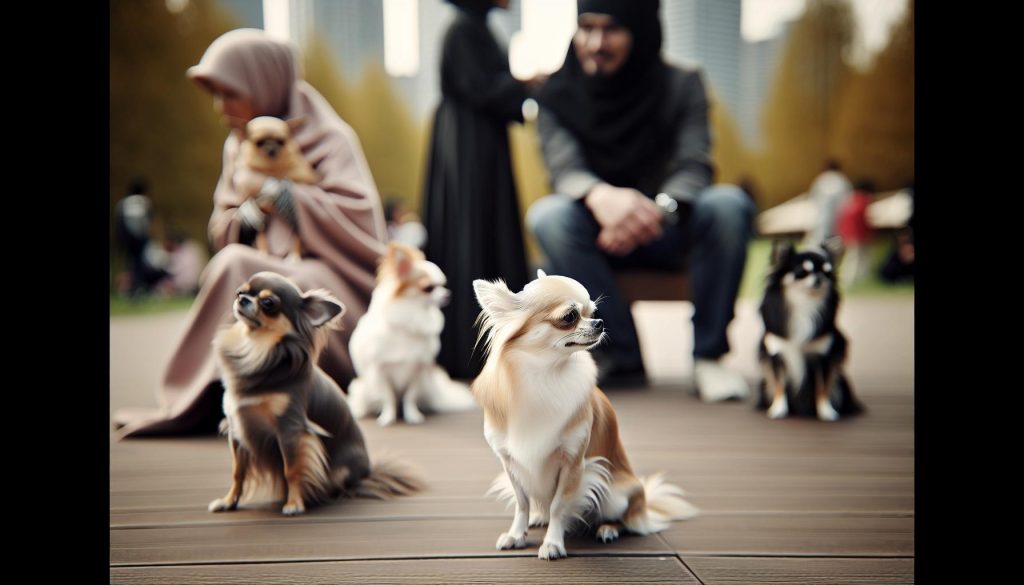
Did you know that Chihuahuas come in a delightful array of types, each with their own unique charm and personality? From the sleek and graceful deer-head to the adorable apple-head varieties, understanding the different types of Chihuahuas is not just about aesthetics; it’s key to knowing what to expect in terms of behavior, care, and companionship. Whether you’re a first-time owner or a seasoned enthusiast, exploring these varieties will deepen your appreciation for this vibrant breed. Each Chihuahua, with its bold demeanor and loyal spirit, offers something special to their human companions. Join us as we dive into the diverse world of Chihuahuas and discover how their size, coat type, and personality can shape your experience as a dog owner. You’ll find practical insights to help you choose the perfect Chihuahua for your lifestyle!
Types of Chihuahuas: A Comprehensive Overview
Chihuahuas, often described as having the spirit of a lion wrapped in a tiny package, exemplify a delightful blend of personality and variety. Understanding the distinct types of Chihuahuas can enhance your appreciation of this remarkable breed. At the heart, Chihuahuas are generally classified into two main categories: the Apple-Head and the Deer-Head. Each type offers unique characteristics that influence their appearance and temperament, adding to the charm that Chihuahua owners adore.
The Apple-Head Chihuahua boasts a rounded skull, large expressive eyes, and a compact snout. This classic shape gives them a distinctive, almost cartoon-like appearance that many find irresistible. On the other hand, the Deer-Head Chihuahua has a more elongated face and a longer neck, resembling a small deer. This type often has a sweeter, gentler demeanor, making them appealing companions. While these classifications help in identifying Chihuahuas, personality traits can vary widely regardless of type. For instance, while some Apple-Head Chihuahuas may be more vocal and assertive, others might be snugglers at heart.
Exploring the coat types adds another layer to your understanding of Chihuahuas. Their coats come in two main varieties: short-haired and long-haired. Short-haired Chihuahuas have a sleek, glossy look that requires minimal grooming, while long-haired varieties boast a luxurious, flowing coat that might need more maintenance. Colors are also a fascinating facet, ranging from classic fawns and chocolates to striking blues and merles, each with its own personality implications.
In terms of size, Chihuahuas typically weigh between 2 to 6 pounds when fully grown, though variations can occur. Their tiny stature can sometimes make them prone to health issues, so understanding these nuances is crucial for any owner. Regardless of whether she is an energetic Apple-Head or a gentle Deer-Head, every Chihuahua brings her own unique sparkle to your life, embodying an unwavering loyalty and love that is hard to match.
Understanding the Two Main Chihuahua Classes
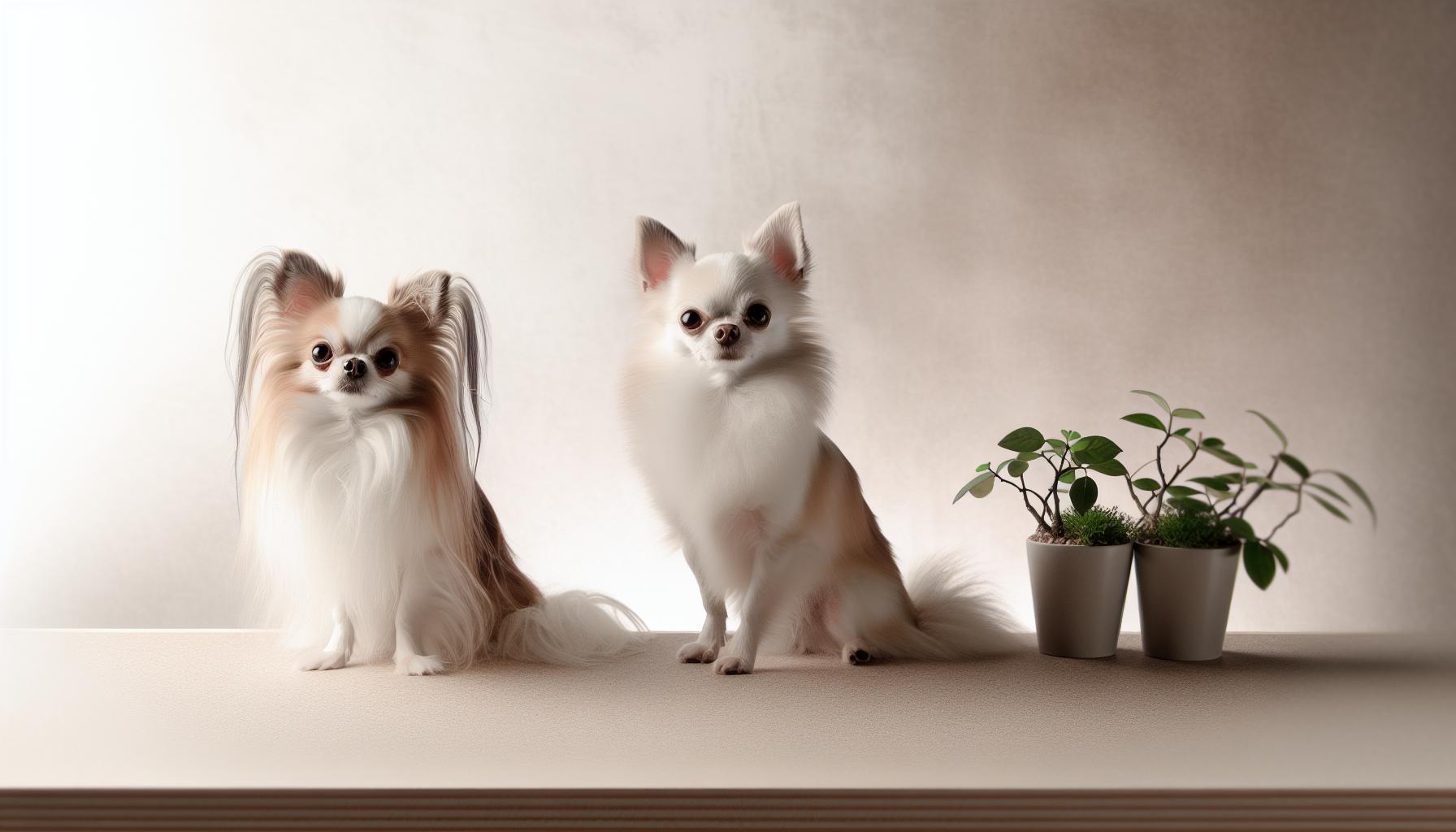
Chihuahuas are not just small dogs; they embody an array of personalities and traits that make them truly unique. At the core of their diversity are the two primary classes: the Apple-Head and the Deer-Head. Understanding these classifications can help potential owners appreciate the various attributes of these delightful companions and cater to their specific needs.
The Apple-Head Chihuahua is easily recognizable by its rounded skull, large, expressive eyes, and compact snout. This distinctive head shape gives them a cartoonish charm that many find irresistible. Characteristics often associated with Apple-Heads include a sassy attitude and a strong attachment to their humans. They can be incredibly vocal, making them excellent watchdogs despite their petite size. Owners often share stories of their Apple-Head Chihuahuas insisting on being the center of attention, showcasing their boldness and strong personalities.
In contrast, the Deer-Head Chihuahua features a longer, more elegant face and neck, resembling a small deer. This class typically exhibits a gentler demeanor and a propensity for calm interactions. Many owners note that Deer-Heads are more laid-back, making them suitable companions for families or quieter households. Their soft, expressive eyes charm anyone who meets them, and they often thrive on cuddling and close companionship, thereby demonstrating the delightful contrast in personality you can find within the breed.
While both types offer a range of delightful characteristics, it’s important to recognize that personality traits can vary widely, affecting behavior and interaction styles. Regardless of whether you’re drawn to the lively Apple-Head or the serene Deer-Head, each Chihuahua brings an abundance of love and loyalty to your life, often forming deep, lasting bonds with their humans. Embracing the nuances of these two classes can enhance the enriching experience of welcoming a Chihuahua into your home.
Apple-Head vs. Deer-Head: Key Differences
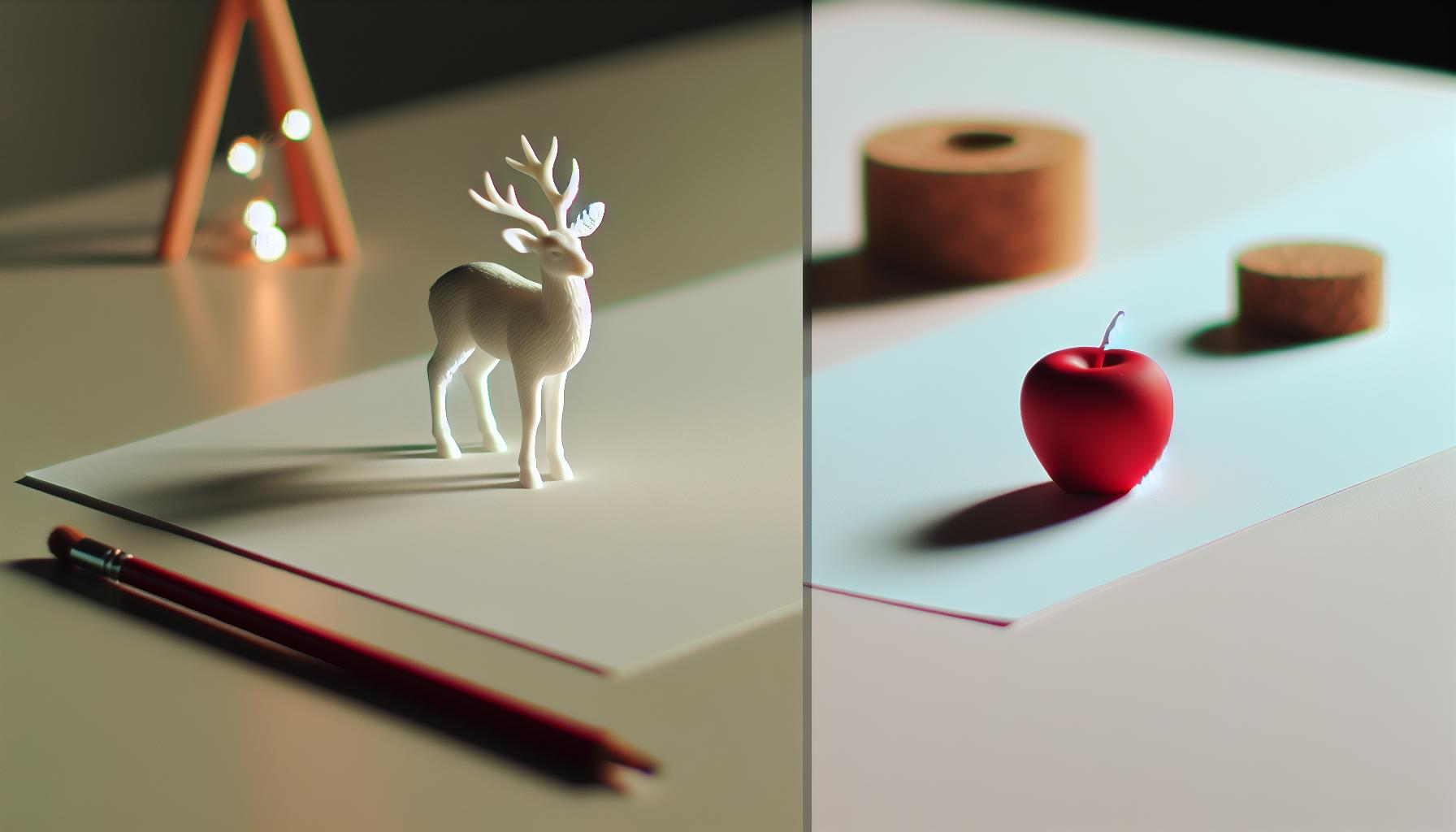
The chihuahua breed, rich in personality and charm, showcases two distinct types that often capture the hearts of dog lovers: the Apple-Head and the Deer-Head. At a glance, these two classes have defining physical traits that set them apart, each influencing their temperament and suitability for various homes.
Apple-Head Chihuahuas are known for their signature round skulls, expressive large eyes, and shorter snouts. This compact facial structure not only contributes to their adorable, almost cartoon-like appearance but also correlates with a spirited personality. These little ones tend to exhibit a more vibrant demeanor, often being vocal and sassy, expressing their opinions with enthusiasm. Owners frequently recount tales of their Apple-Heads insisting on being the center of attention, demanding affection, or fiercely guarding their territory despite their tiny size. Their playful, sometimes bossy nature makes them delightful companions for those who appreciate a lively presence.
In contrast, Deer-Head Chihuahuas carry a more elongated face and neck, visually resembling small deer. This class generally exhibits a calmer and more laid-back temperament, making them well-suited for quieter homes or families requiring a gentle companion. Their soft, gentle demeanor means they can often thrive on cuddling and companionship, enjoying the relaxing moments spent snuggled up with their humans. Many owners find that Deer-Head Chihuahuas are less inclined to be vocal and more likely to enjoy peaceful interactions, making them ideal for households looking for a serene addition.
While there are clear distinctions between these two types, it’s essential to remember that individual personalities can vary widely within each class. Apple-Head Chihuahuas may be more demanding of attention, while Deer-Head Chihuahuas often prefer calmness and comfort. Ultimately, the choice between the two may depend not only on physical preference but also on the lifestyle and emotional needs of the human companion. By understanding these key differences, potential owners can make better-informed decisions, ensuring that they find the perfect Chihuahua that fits into their lives and hearts.
Exploring Chihuahua Coat Types: Short, Long, and More
Chihuahuas come in a variety of coat types, each contributing to their unique charm and personality. Understanding these differences not only enhances your appreciation for the breed but also informs your care regimen, grooming practices, and expectations for health-related concerns. Two primary coat types exist within Chihuahuas: the short coat and the long coat, and both varieties have their own distinctive characteristics.
Chihuahuas with short coats boast sleek, glossy fur that lies flat against their body. This type is often celebrated for its easy maintenance; a simple weekly brushing can keep their coat healthy and shiny. Interestingly, short-coated Chihuahuas are generally less prone to matting and may have fewer issues with skin conditions compared to their long-haired counterparts. However, they require careful attention in colder weather, as their shorter fur doesn’t provide much insulation. Owners often find that these lively little companions enjoy sunbathing or cozying up in warm spots around the house.
In contrast, the long-haired Chihuahua features a flowing, luxurious coat that can range from wavy to straight. These Chihuahuas typically require more grooming-weekly brushing is recommended to prevent mats and tangles, especially around the ears and underbelly. The long coat, while stunning, can trap dirt and debris, so regular baths are also important. Owners of long-haired Chihuahuas often enjoy the soft cuddles that come with their fluffiness, but they must balance this with diligent grooming to keep their pet looking pristine.
Coat Colors and Patterns
Beyond the length, Chihuahuas display an incredible spectrum of coat colors and patterns, which can often be a conversation starter at the dog park. Common colors include fawn, black, white, chocolate, and cream, with various markings that create beautiful patterns. Understanding the range of colors helps in recognizing and appreciating the individuality among Chihuahuas.
When considering a Chihuahua, it’s essential to factor in their coat type and maintenance requirements alongside your lifestyle. If you prefer a low-maintenance companion, a short-coated Chihuahua may suit you best. However, if you’re drawn to a more glamorous pup and don’t mind the extra grooming, a long-haired Chihuahua could be the perfect match. Each coat type brings its own richness to the overall Chihuahua experience, celebrating their unique qualities and fostering a deeper bond between you and your furry friend.
Size Variations in Chihuahuas: What to Expect
Chihuahuas are captivating little companions, not just for their spirited personalities, but also for their interesting range of sizes. Typically, Chihuahuas weigh anywhere from 2 to 6 pounds, but size can vary within this spectrum. Understanding these size variations helps potential owners to choose the right pup for their lifestyle, as each size category brings its own nuances.
When you think of a Chihuahua, the classic image of a tiny dog often comes to mind. However, you’ll find that Chihuahuas can vary significantly in appearance, typically categorized as “standard” and “teacup” sizes. A standard Chihuahua is generally between 5 to 6 pounds and about 6 to 9 inches tall at the shoulder. These pups are robust enough to handle daily activities without concerns about handling. On the other hand, teacup Chihuahuas, which are often less than 5 pounds, pack all the spunk of their larger counterparts into an adorably small package. Yet, this tiny size brings its own set of challenges; they can be more vulnerable to health issues and may require extra care in handling.
Chihuahuas might also display differences in build and shape that can impact their overall size perception. For example, the apple-head Chihuahuas have a rounded skull and a compact build, often resulting in a stockier appearance. Contrast this with the deer-head variety, known for their longer legs and more elongated face, which can impact how they carry their weight. These variations don’t just affect aesthetics; they can also influence behavior and temperament. Apple-heads may be a bit sturdier and more boisterous, while deer-heads can be more laid-back.
When considering adopting a Chihuahua, it’s essential to account for their size in your home. Smaller sizes may be more suitable for apartment living, whereas the medium-sized Chihuahuas can thrive in various environments. Regardless of their weight, Chihuahuas are known for their big personalities-filled with energy, loyalty, and often a dash of sass. Ultimately, a Chihuahua of any size can become a loving and cherished member of the family, bringing joy and companionship that far exceeds their tiny stature.
Chihuahua Color Variants: Uncovering the Spectrum
A Chihuahua’s coat is not the only thing that sets them apart; their colors can be just as captivating! This breed showcases a vibrant palette, with a variety of hues that can make each little companion a unique piece of art. From classic colors to rare finds, the spectrum of Chihuahua coats includes shades that reflect their bold personalities.
Chihuahuas can be found in both solid and multi-colored variations. The most common solid colors include:
- Fawn: A light, tan shade often seen in both long and short-haired Chihuahuas.
- Black: A striking color that can often appear shiny and sleek.
- Chocolate: A rich, dark brown that pairs beautifully with any coat type.
- White: Pure and charming, this color makes for a standout pup.
- Blue: A unique color, often coveted for its rarity.
Multi-colored Chihuahuas can display an array of patterns, such as brindle, spotted, or sable. Brindle Chihuahuas have a blended color with dark stripes, making them eye-catching and distinctive. Spotted variants can feature contrasting colors, often spotted over a base hue, creating a playful look. Sable coloring gives off a striking gradient effect and is characterized by a mix of red, gray, and black.
Chihuahua color combinations are also fascinating. A common pattern is the piebald, where a single color is broken up with patches of another hue, giving a charming, whimsical appearance to the dog. You might come across a Chihuahua that appears predominantly white with brown patches, creating a delightful visual.
The significance of a Chihuahua’s color goes beyond aesthetics; it can also reflect individual personality traits. For instance, owners of blue or chocolate Chihuahuas often share their pets exhibit playful and sometimes mischievous nature. These little ones tend to be vocal and full of character, embodying the breed’s typical spirited disposition.
Whichever color you choose, embrace the quirks and charm that come with your Chihuahua. Each distinctive coat showcases not just beauty, but an individual story waiting to unfold in your life. Just as their colors vary, so too does their affection and companionship, honestly portraying why these vibrant little companions hold a special place in the hearts of their owners.
Recognizing Common Chihuahua Temperaments and Personalities
Chihuahuas are known for their vibrant personalities that can rival their tiny stature. These little dogs often exude a bold attitude, making them larger than life in the eyes of their adoring owners. It’s fascinating to recognize that a Chihuahua’s temperament can vary significantly based on various factors, including their type-be it the traditional Apple-head or the Deer-head variety-as well as their individual genetics and environment.
One of the most common traits of Chihuahuas is their undying loyalty. They often form deep bonds with their owners and can be fiercely protective. For instance, a Chihuahua might alert you to any unusual sounds around the home, showcasing their instinct to guard their territory. However, this loyalty can sometimes manifest as over-attachment, leading to separation anxiety if they’re not accustomed to being alone.
Chihuahuas also tend to have a vocal nature. Whether it’s barking to announce your arrival or expressing discontent over missed snacks, each sound has its narrative. This vocalization is frequently reflective of their mood or the environment. Socialization from an early age can help mitigate excessive barking tendencies, helping your Chihuahua be more comfortable in various settings. Engaging with them during playdates or training sessions can also enhance their confidence, allowing them to express their personality in positive ways.
When it comes to social interactions, Chihuahuas can exhibit a range of temperaments. While some may be relaxed and friendly towards strangers and other pets, others can be more aloof or reserved. This variance can often be spotted in their interactions at dog parks or during meet-and-greets. An Apple-head Chihuahua may show more curiosity due to their spirited nature, while a Deer-head might adopt a more laid-back approach. Understanding these nuances can provide insights into the behavior of your Chihuahua and help create a harmonious relationship with them and their surroundings.
Lastly, it’s vital to emphasize the importance of structured training. Early training can guide a Chihuahua’s spirited personality into desirable behaviors, ensuring that they thrive as the charming companions they are meant to be. Remember to celebrate their quirks-each little bark and big personality trait contributes to the unique tapestry of life with a Chihuahua, making the journey both joyful and rewarding.
Unusual Chihuahua Breeds: The Rare Finds
Chihuahuas come in a vibrant array of varieties, and while the common apple-head and deer-head are easily recognizable, the world of Chihuahuas also includes some truly unusual breeds that are lesser-known and extraordinary. These rare finds often carry unique traits that distinguish them from the traditional types, catching the eye of enthusiasts and potential owners alike.
One fascinating breed to consider is the Teacup Chihuahua, which is a diminutive version of the standard Chihuahua. Teacup Chihuahuas typically weigh less than two pounds and stand around six inches tall. Due to their tiny size, they often attract attention and can become quite the fashion statement when carried around in handbags. However, potential owners should be cautious; these tiny companions come with specific health concerns, such as potential heart issues or fragile bones. It’s essential to provide them with a safe, loving environment where they can thrive without undue stress.
Another interesting variation is the Smooth Coat Chihuahua versus the Long Coat Chihuahua. While both types share the same spirit and energy, they differ in their coats. The smooth coat features a sleek texture, making them easier to groom, while the long coat requires more regular brushing to prevent mats and tangles. Owners often choose between these two based on personal preference, and it’s not uncommon for long-coated Chihuahuas to be described as extra cuddly due to their fluffy fur.
Chihuahuas can also present in a spectrum of unique colors and patterns, leading to striking combinations such as merle, chocolate, or even blue. Merle Chihuahuas, for example, feature a mottled coat pattern and are increasingly popular among breeders. However, it’s important to work with responsible breeders to avoid health issues often associated with the merle gene, such as hearing and vision impairments.
Lastly, keep an eye out for rare color variations like the plum, lilac, or fawn. These unique hues make them stand out in a world filled with standard colors. Regardless of the breed variation, Chihuahuas remain loyal, spirited, and full of character, ensuring that no matter which variety you choose, you are welcome to a wonderful world of companionship.
In summation, the charm of unusual Chihuahua breeds adds an exciting dimension to the breed. Each variant offers specific traits that can enhance your living experience, as seen through the eyes of passionate owners who treasure their quirks. Choose wisely, and embrace the joy each unique Chihuahua has to offer!
Crossbreeding Chihuahuas: What You Need to Know
Crossbreeding Chihuahuas can lead to delightful and unique combinations, enhancing the characteristics of this beloved breed while introducing interesting new traits. As an owner, you might find yourself captivated by the prospect of creating a Chihuahua that embodies the qualities you adore. However, it’s essential to understand what crossbreeding entails, from the benefits it might bring to the potential challenges you’ll face.
One popular option is the Chihuahua-Pomeranian mix, affectionately called a “Pomchi.” This cross often results in a playful and friendly companion, bringing together the Chihuahua’s lively spirit and the Pomeranian’s fluffy charm. Owners describe Pomchis as affectionate, intelligent, and surprisingly hardy for their size. When considering such mixes, think about the individual personality traits you want to emphasize. For instance, while some might prioritize the adorable fuzziness of the Pomeranian, others may lean towards the alert demeanor of the Chihuahua.
When venturing into crossbreeding, health considerations should always top your priority list. Hybrid vigor can sometimes mean that mixed-breed Chihuahuas benefit from a broader genetic pool, reducing the likelihood of specific health issues common in purebreds. Yet, it’s crucial to research both parent breeds extensively, as some genetic conditions can still appear. For example, understanding the predispositions for luxating patella or heart problems in each breed will allow you to make informed decisions that prioritize your future companion’s well-being.
Socialization and training might require a tailored approach for crossbred Chihuahuas. Each mix can have unique behavioral traits influenced by both parent breeds. For instance, a Chihuahua crossed with a terrier may display a feistier temperament than a Chihuahua boundary with a more mellow breed. Thus, early and consistent training using positive reinforcement is vital to help her develop into a well-mannered companion who thrives in your home. Enjoyment often comes from watching her mix inherited traits, showcasing a vibrant personality that’s uniquely hers.
Ultimately, crossbreeding can be an exciting avenue for expanding the diversity of Chihuahuas while enhancing their already rich character. By focusing on health, understanding your mix’s specific needs, and committing to proper training, you can enjoy the quirks and charms of your beloved crossbred Chihuahua with confidence and joy.
Health Considerations Across Chihuahua Types
When it comes to Chihuahuas, health considerations are paramount, given the variety within the breed itself. These tiny yet vibrant dogs, whether they belong to the apple-head or deer-head classification, can inherit specific medical challenges. A well-informed owner can significantly improve their Chihuahua’s quality of life by understanding these issues and implementing proactive care.
Both main types of Chihuahuas can face genetic predispositions. For instance, apple-head Chihuahuas are known to be more susceptible to dental issues due to their unique skull shape, which can affect the alignment of their teeth. It’s not unusual for them to develop dental disease, so regular dental check-ups and cleanings are essential. On the other hand, deer-head Chihuahuas, with their longer snouts, may experience fewer dental issues but might be more prone to respiratory problems, especially in extreme weather conditions due to their delicate build.
Despite their small stature, these dogs often share some common health risks. For example, patellar luxation is a common concern among all Chihuahuas. This condition involves the kneecap dislocating from its normal position, which can cause lameness. Keeping her at a healthy weight is crucial here, as excess weight can exacerbate joint issues. Regular, gentle exercise, like short walks or playful indoor sessions, can help maintain a healthy weight while ensuring she stays fit.
Additionally, heart disease is a prevalent issue within the breed, particularly congestive heart failure, which can affect older Chihuahuas. Regular veterinary check-ups and monitoring for symptoms like coughing or lethargy can help catch any heart conditions early. Hypertrophic cardiomyopathy is another concern, which involves thickening of the heart muscle, often requiring a specialized diet and medication if diagnosed.
In terms of their unique coat types, Chihuahuas can have short, long, or even a mix of both. Long-haired Chihuahuas may require more grooming to prevent mats and skin irritations, while short-haired Chihuahuas might be more prone to skin infections in humid climates. Keeping up with baths and ensuring proper hygiene can prevent these issues from arising.
An owner’s role goes beyond simply enjoying the companionship of these beloved dogs; it involves being proactive about their health. Ensuring they receive appropriate vaccinations, regular vet visits, and a balanced diet tailored to their specific needs can lead to a longer, healthier life. Familiarizing yourself with your Chihuahua’s unique characteristics and health risks is essential in providing the best care possible. Remember, a well-cared-for Chihuahua not only thrives physically but also enjoys a fuller, happier life with you by their side.
Chihuahua Milestones: A Growth Timeline by Type
Growing your Chihuahua can be one of the most rewarding experiences as a pet owner. Watching them develop from tiny pups into vibrant companions brings joy, but it also requires understanding their unique growth milestones. A Chihuahua’s growth can vary significantly between the two main classes-apple-head and deer-head-each presenting its own developmental timeline and care requirements.
In the first few weeks of life, all Chihuahuas, regardless of type, thrive on their mother’s milk. By around four weeks, they begin to explore their surroundings, often displaying their bold and curious personalities. During this time, socialize them gently by introducing new sounds and experiences. By six weeks, you can start introducing solid food, especially a high-quality puppy formula, to support their growing bodies.
As they approach the three-month mark, your Chihuahua will start to show more distinct characteristics based on their type. Apple-head Chihuahuas may begin to develop their rounded skull shape, while deer-head Chihuahuas will display their longer snouts and leaner bodies. During this period, ensure they receive plenty of socialization and gentle training to foster good behavior, as Chihuahuas tend to be bold and, at times, slightly feisty.
By the time your Chihuahua reaches six months, they are usually about 70-80% of their adult weight. This growth stage is crucial for training and establishing boundaries. Start reinforcing basic commands and consider enrolling them in a puppy class to encourage confidence and social skills with other dogs.
Important Milestones
- 0-4 weeks: Developmental phase, relying on mother’s milk.
- 4-6 weeks: Introduction to solid foods, early socialization.
- 6 months: Majority of adult weight, training becomes critical.
- 1 year: Most Chihuahuas reach their full height; behaviors become more consistent.
As they transition into adulthood around one year, their personalities will blossom, with both apple-head and deer-head types showcasing their unique quirks. You’ll notice playful antics, vocalization, and perhaps a dash of stubbornness, which are hallmark traits of this breed.
Maintaining a consistent routine while being attuned to their needs is essential throughout their growth. Regular vet check-ups will help catch any potential health issues early on, particularly as both types of Chihuahuas can be prone to certain conditions. Take the time to cherish these milestones, celebrate their personalities, and provide the love and attention they crave. Your Chihuahua will thrive in a well-rounded environment, ensuring a happy and healthy growth journey.
Training Tips Tailored to Chihuahua Varieties
When it comes to training Chihuahuas, understanding their unique personality traits and variations is crucial. These tiny dogs are known for their big personalities, often blending a feisty nature with boundless loyalty. Both apple-head and deer-head varieties exhibit distinct behavioral tendencies that can impact training methods. For instance, apple-head Chihuahuas might show a slight stubborn streak due to their confident demeanor, while deer-heads typically possess a more laid-back attitude, which can make them easier to train for some owners.
Start your training journey early, ideally when your Chihuahua is still a puppy. This foundational phase is essential for establishing good behavior habits. Use positive reinforcement techniques, rewarding your furry friend with treats or praise for desired behaviors. When teaching commands, keep sessions short and engaging to match their shorter attention spans-aim for about 5-10 minutes at a time. You might say “sit” while gently guiding her into the position, and reward her immediately upon success. This kind of consistency helps Chihuahuas understand what you expect from them.
Given Chihuahuas’ natural vocal tendencies, it’s important to also work on controlling excessive barking. Teaching a “quiet” command can be beneficial, especially if your Chihuahua quickly develops a barking habit. Start by allowing her to bark a few times, then gently say “quiet” and reward her when she stops. Patience and repetition are key here; celebrate even small victories to reinforce learning.
Socialization is another critical aspect of training Chihuahuas. These dogs thrive on positive interactions with both humans and other pets. Arrange playdates or visit dog parks to expose your Chihuahua to different environments and situations. Gradually introducing her to various sights, sounds, and experiences helps build confidence and makes her more adaptable as she grows.
Finally, don’t underestimate the power of leash training. Since Chihuahuas are small and often overexcited, teaching her to walk politely on a leash can keep walks enjoyable. Begin by introducing her to the leash indoors, allowing her to get used to it, then move to your backyard or quiet areas before hitting the busier streets. Regular walks not only promote physical health but also contribute positively to their mental well-being.
In summary, training a Chihuahua involves understanding their unique characteristics and tailoring your approach accordingly. With love, patience, and the right techniques, you’ll cultivate a well-mannered companion-a rewarding journey indeed!
Q&A
Q: How many types of Chihuahuas are there?
A: There are two main types of Chihuahuas: Apple-Head and Deer-Head. Each type has distinct physical traits and unique temperaments. Apple-Head Chihuahuas have a rounded skull, while Deer-Head Chihuahuas have a flatter face and longer legs. For more details, check out the section on “Understanding the Two Main Chihuahua Classes.”
Q: What are the common coat types of Chihuahuas?
A: Chihuahuas typically come in two coat types: short coat (smooth) and long coat (long-haired). Short coats are easier to care for, while long coats require more grooming. Each coat type influences their overall appearance and maintenance needs. Learn more in the “Exploring Chihuahua Coat Types” section.
Q: What size variations can I expect in Chihuahuas?
A: Chihuahuas generally range from 2 to 6 pounds, but sizes can vary based on genetics. Expect differences in height and weight, affecting their health and lifestyle. Understanding these variations can help you prepare for the right care for your Chihuahua. Refer to “Size Variations in Chihuahuas” for in-depth insights.
Q: Are there rare Chihuahua breeds?
A: Yes, there are rare Chihuahua breeds, such as the Teacup Chihuahua and the Chihuahua Mixes. These breeds can possess unique traits and temperaments not seen in standard Chihuahuas. Keep an eye out for these uncommon varieties in your search for a new companion. Refer to “Unusual Chihuahua Breeds” for more details.
Q: What health issues are common in Chihuahuas?
A: Chihuahuas can be prone to heart problems, dental issues, and patellar luxation. Regular vet check-ups and a proper diet are vital to maintaining their health. Understanding their specific health needs can help ensure a long, healthy life for your Chihuahua. Check the “Health Considerations Across Chihuahua Types” for tips.
Q: How do Chihuahuas’ temperaments vary by type?
A: Temperaments can vary significantly between Apple-Head and Deer-Head Chihuahuas, with Apple-Heads generally being more confident and assertive, while Deer-Heads tend to be more laid-back. It’s crucial to understand these differences to match a Chihuahua’s temperament with your lifestyle. Read about “Recognizing Common Chihuahua Temperaments and Personalities” for further insights.
Q: What should I know about training Chihuahuas?
A: Training Chihuahuas requires patience and positivity, given their strong personalities. Different types may respond better to varied training techniques, with some being more prone to stubbornness. Consistent training and socialization are vital for a well-behaved Chihuahua. Explore “Training Tips Tailored to Chihuahua Varieties” for more guidance.
Q: When do Chihuahuas typically reach full size?
A: Chihuahuas usually reach their full size by 12 months of age, although some may continue to fill out until 18 months. Monitoring their growth during this period aids in ensuring they develop healthily. For specifics on growth timelines, see the section on “Chihuahua Milestones.”
To Conclude
As you explore the diverse world of Chihuahuas, remember that each type-from the playful apple-head to the spirited deer-head-has its own unique charm and needs. Understanding their health, behavior, and care is essential for nurturing a happy companion. If you’re thinking of welcoming one into your home or already have one, check out our guides on Chihuahua training tips and nutritional needs to ensure you’re fully prepared.
Feeling inspired? Don’t hesitate to join our community of Chihuahua lovers-share your stories and photos in the comments, or subscribe to our newsletter for more insights! By engaging with us, you’ll not only enrich your journey with your furry friend but also connect with others who share your passion. Remember, the more you know, the better you can care for your beloved Chihuahua. Happy exploring!
Get our latest guides, news, and insights highlighted in your Google Search & AI Overviews.