
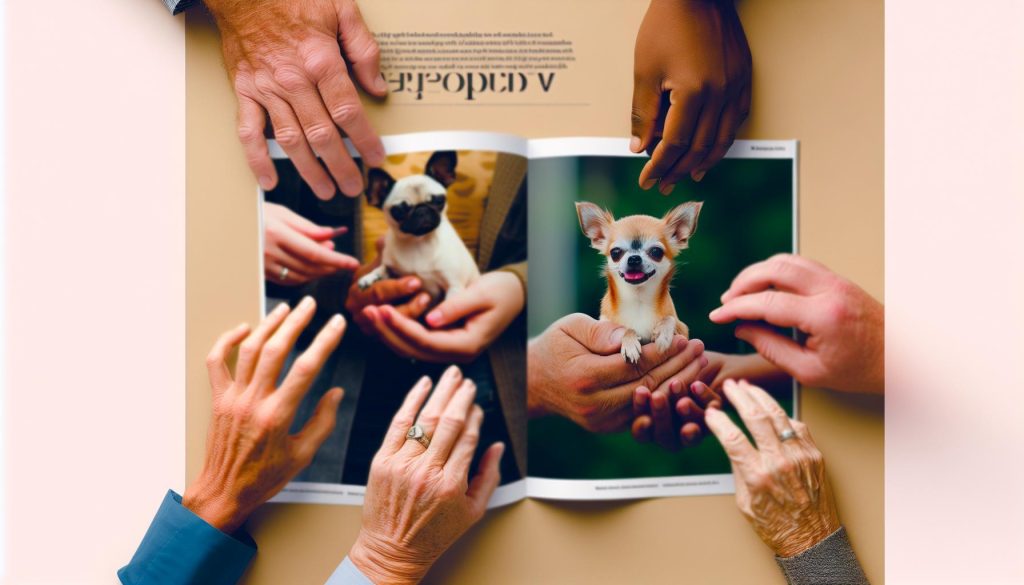
Teacup Chihuahuas, the tiniest members of the Chihuahua family, are adored for their petite size and bold personality. Weighing no more than 6 pounds, they capture hearts with their affectionate nature and lively spirit. However, this micro size also comes with unique challenges. As a proud owner or prospective parent, it’s essential to understand their health risks, behaviors, and care needs to ensure your little companion thrives.
From their charming quirks, like their playful vocalizations, to the potential health concerns that can arise due to their size, every detail matters. Whether you’re a first-time owner or a seasoned Chihuahua enthusiast, exploring the fascinating world of Teacup Chihuahuas will deepen your appreciation for these pint-sized pups. Join us as we delve into the most important facts and considerations when bringing a Teacup Chihuahua into your life, ensuring you provide the love and care they so richly deserve.
What Is a Teacup Chihuahua? Understanding the Micro Breed

Teacup Chihuahuas are not just small; they are often seen as the embodiment of charm and personality in a compact package. These delightful little dogs usually weigh between 2 to 6 pounds and stand about 6 to 9 inches tall, making them one of the tiniest breeds in the world. Their petite size, however, does not diminish their big personalities. Known for being vocal, loyal, and spirited, Teacup Chihuahuas have a way of stealing hearts with their charming antics and affectionate nature.
One key aspect of understanding this micro breed is recognizing the two distinct types: the apple-head and the deer-head Chihuahuas. Apple-head Teacups are characterized by their rounded skulls and short muzzles, which give them that adorable, whimsical appearance. In contrast, deer-head Teacups have a slight resemblance to a deer, with longer snouts and a more elongated face. Both types have unique coats that can be short or long, available in a variety of colors and patterns, allowing for a personal touch in their styling.
In terms of care, Teacup Chihuahuas require special attention due to their size. Their fragility makes them susceptible to injuries, so creating a safe environment is crucial. Providing a calm and secure space where they feel comfortable is essential for their well-being. Regular vet check-ups are advised to monitor their health, especially considering the breed’s predisposition to certain conditions. These include heart issues and patellar luxation, common in small breeds.
Daily playtime and exercise are vital, but it’s important to remember that these tiny pups can tire easily. Short, frequent walks and interactive play sessions tailored to their energy levels will keep them healthy and happy. Real owner experiences show that with proper care and plenty of love, a Teacup Chihuahua can be a joyful companion, bringing laughter and warmth to your home.
Teacup Chihuahua Size: All You Need to Know
Their petite stature is one of the most charming yet surprising aspects of Teacup Chihuahuas. These little companions typically weigh between 2 to 6 pounds and stand around 6 to 9 inches tall. It’s easy to underestimate their big personalities when you’re holding such a tiny bundle of joy. Though they may fit comfortably in your handbag, don’t let their size fool you; they are often vocal, spirited, and full of life, ready to take on the world, one yappy bark at a time.
When considering size, it’s important to recognize the two primary types: apple-head and deer-head Chihuahuas. Apple-heads have rounded skulls and shorter muzzles, giving them that quintessential Chihuahua look, while deer-heads feature longer snouts and a more elongated face. Both types vary in coat length and color, allowing for a little individuality in your furry friend. Regardless of type, the size remains consistent; their small frame means they require careful handling to prevent injuries.
Caring for a Teacup Chihuahua involves understanding the implications of their size. Their petite build makes them prone to certain health issues, such as heart disorders and patellar luxation. It’s vital to schedule regular veterinary check-ups and keep a close eye on any changes in behavior or health. Plus, daily exercise is essential-but remember, shorter, more frequent play sessions are best to keep them happy without overwhelming them. A few minutes of interactive play can go a long way in maintaining their physical and mental health.
Creating a safe environment is also key. Many owners find that raising their Chihuahua’s living space a few inches off the ground can prevent potential accidents. Investing in a comfortable, secure bed and supervising playtime with larger pets or children is essential to protect your little one. With the right care and love, your Teacup Chihuahua will thrive, bringing joy and warmth to your home with their unique personality and charm.
Health Issues in Teacup Chihuahuas: What to Watch For

Teacup Chihuahuas, despite their small size, can face a range of health challenges that every owner should be aware of. Their miniature stature, while adorable, comes with inherent risks. For example, these little companions can be prone to serious conditions such as patellar luxation, where the knee cap slips out of place, leading to pain and mobility issues. This condition is particularly common in smaller breeds, and owners should regularly check for signs of limping or discomfort when their Chihuahua is walking or running.
Another health concern is heart disease, including conditions like mitral valve disease. Teacup Chihuahuas are at a greater risk due to their compact size, which can strain their tiny hearts. Symptoms to watch for include lethargy, excessive coughing, or difficulty breathing-any of these can warrant a trip to the veterinarian. Regular check-ups are crucial for early detection; catching these issues early can significantly improve your Chihuahua’s quality of life.
Additionally, hypoglycemia or low blood sugar is a serious risk, particularly in very small puppies. It’s essential to provide a consistent feeding schedule, using high-quality, nutrient-rich food tailored for small breeds. Always keep a close eye on your little friend; a sudden lethargic behavior or disorientation might require immediate veterinary attention.
Teacup Chihuahuas can also suffer from dental issues due to their small mouths, which creates a tighter space for their teeth. Regular dental care, including brushing their teeth and providing dental chews, can help prevent periodontal disease. Owners should also pay attention to their Chihuahua’s eating habits-if they are reluctant to eat or show signs of pain while chewing, it might indicate dental problems.
A strong bond with your veterinarian and proactive healthcare can make a significant difference in managing these health issues. By being informed and attentive, you can ensure that your Teacup Chihuahua lives a happy and healthy life, showcasing all those charming quirks and personality traits you adore.
Behavior Traits of Teacup Chihuahuas: Quirks and Charm
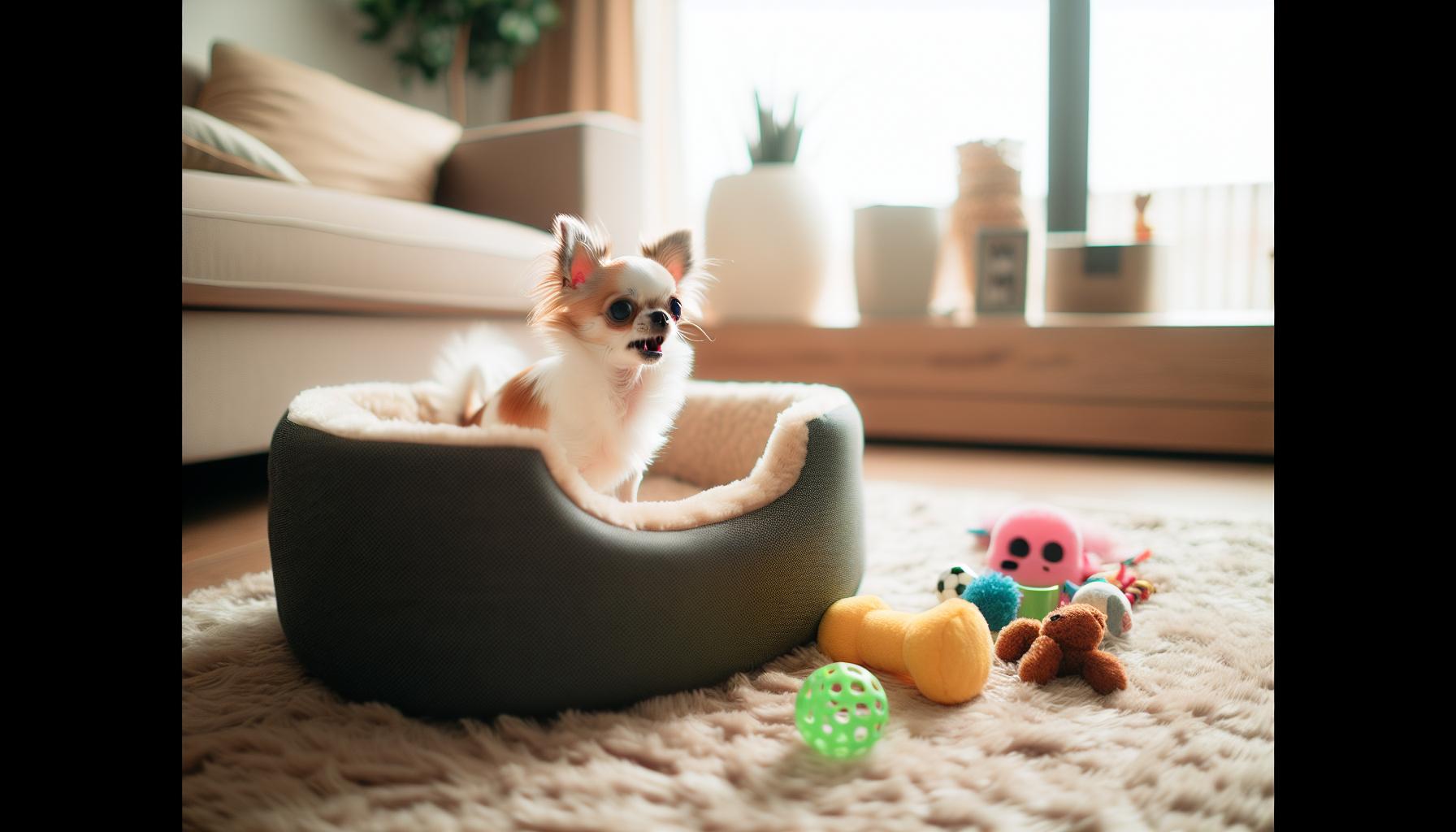
Teacup Chihuahuas are tiny but mighty companions, often capturing hearts with their unique personalities and behaviors. These little bundles of joy possess an impressive mix of loyalty, charisma, and boldness that can surprise anyone who meets them. Their petite size does not diminish their spirit; in fact, these pups are often more spirited than some of their larger counterparts, embodying a fearless attitude that is both charming and endearing.
One of the standout behavior traits of Teacup Chihuahuas is their vocal nature. Most will let you know when something doesn’t sit right with them, whether it’s a strange noise outside or just an empty food bowl. This vocal tendency isn’t just a quirk; it’s part of their instinct to protect their territory and loved ones. As their owner, you’ll find that establishing a calming routine can help manage excessive barking, which is part of loving and understanding the breed.
Another fascinating characteristic of these tiny dogs is their profound loyalty. Teacup Chihuahuas often form a very close bond with their owners, displaying a protective demeanor that can sometimes come off as possessiveness. Socialization from a young age is crucial to ensure they learn to be well-adjusted around new people and other animals. Owners frequently note how when they leave a room, their Teacup Chihuahua will follow closely behind, mirroring the desire to be close and involved in all family activities.
Moreover, their playful and inquisitive nature makes them adorable companions. Teacup Chihuahuas love to engage in playtime, whether it’s chasing a toy or exploring their environment. Regular interactive play not only keeps them physically fit but also mentally stimulated, preventing boredom-related behaviors like chewing or excessive barking. It’s a joy to watch them explore every nook and cranny of your home with genuine curiosity and excitement.
To raise a happy Teacup Chihuahua, understanding these behavioral traits allows you to nurture their quirks while fostering a loving and secure environment. These little dogs have an innate ability to fill our lives with joy, laughter, and love, making the effort of caring for them truly rewarding.
Caring for Your Teacup Chihuahua: Essential Tips
Caring for a Teacup Chihuahua is both a joy and a responsibility, given their unique needs and vibrant personalities. These tiny companions are known for their spirited nature and deep affection for their owners. To ensure that your Teacup Chihuahua thrives, consider these essential tips tailored to their specific requirements.
Health Care
Routine veterinary check-ups are crucial for maintaining your Teacup Chihuahua’s health. Their small size can make them prone to certain health issues, including dental problems, heart conditions, and patellar luxation. Keep an eye on their dental hygiene by providing appropriate chew toys and consider professional teeth cleaning as recommended by your veterinarian. Vaccinations and preventive treatments for parasites should also be regularly scheduled.
Nutrition
Feeding your Teacup Chihuahua a high-quality, breed-appropriate diet is essential for their well-being. Due to their smaller stomachs, it’s best to provide multiple small meals throughout the day rather than one large serving. Look for foods specifically formulated for small breeds, ensuring a balance of proteins, fats, and carbohydrates. Avoid table scraps, as they can lead to obesity and other health complications.
Exercise and Play
Despite their size, Teacup Chihuahuas require regular exercise to stay healthy and happy. Daily walks around the neighborhood and interactive play sessions-such as fetch or tug-of-war-are great ways to keep them active. Their curious nature means they enjoy exploring their environment, so allowing them to roam safely indoors or in a secure, enclosed outdoor area can provide mental stimulation.
Training and Socialization
Early socialization is vital for these little dogs. Exposing them to different people, pets, and environments helps build their confidence and reduces the likelihood of developing behavioral issues, such as excessive barking or aloofness. Positive reinforcement training methods work best, using treats and praise to encourage desired behaviors. Remember, patience and consistency are key. Teacup Chihuahuas might be stubborn, but they also thrive on knowing their owner is dedicated to helping them learn.
With these guidelines, you can nurture a loving and secure environment for your Teacup Chihuahua. Their loyalty and charm will reward your efforts, filling your life with joy and companionship. Embrace the journey of caring for your little friend-each day will be an adventure filled with love and laughter.
Socialization and Training for Teacup Chihuahuas
While they may be tiny, Teacup Chihuahuas possess robust personalities that make socialization and training vital for their well-being. These delightful little companions thrive when exposed to new experiences, helping them grow confident and well-adjusted. Early socialization is crucial; introducing her to a variety of people, pets, and environments can minimize behavioral issues later. Imagine walking your Teacup Chihuahua down the street, and she confidently greets new friends or kids without hesitation-that’s the power of socialization!
Socialization Strategies
To start, arrange playdates with other dogs, especially those of similar size. Small breed dog parks can be a fantastic option, allowing her to interact and learn proper canine etiquette in a safe environment. Additionally, consider enrolling her in puppy classes tailored to small breeds. Here, not only will she learn obedience, but she will also meet other puppies, helping her develop those essential social skills. Remember, the earlier you start, the better; aim for the critical socialization window, which is typically between 3 and 14 weeks of age.
Training Tips
Teacup Chihuahuas respond best to positive reinforcement methods. This means using treats, praise, and play as rewards for desired behaviors. For instance, when she sits on command, reward her with a tasty morsel and a cheerful voice. Keep training sessions short and engaging-around five to ten minutes. Their attention spans may mirror their size, and short bursts of focused activity yield the best results. Incorporate fun tricks like “spin” or “wave,” which appeal to their playful nature and make training enjoyable.
One common challenge owners face is that Teacup Chihuahuas can sometimes exhibit stubbornness due to their strong personalities. Patience is crucial here. If she resists a command, avoid frustration-simply go back to basics and work gradually. Consistent daily training rituals, coupled with frequent short sessions, will reinforce her learning and strengthen your bond.
Ultimately, effective socialization and training will lead to a well-behaved companion who delights in life’s adventures. As you nurture her quirky spirit, you’ll find that your Teacup Chihuahua’s loyalty and charm emerge in abundance, making each day together a remarkable experience.
Feeding Guidelines for Teacup Chihuahuas: Nutrition Matters
A balanced diet is crucial for your Teacup Chihuahua, as even the smallest changes can significantly affect their health and energy levels. Given their size, these little companions require a diet specifically designed for small breeds to ensure they receive the right nutrients without excess calories. High-quality, protein-rich dog food formulated for small breeds is typically the best choice. Look for options that include real meat as the first ingredient and are free from fillers and artificial additives. You want to provide her with the essential vitamins and minerals to thrive, particularly calcium and phosphorus for her bone health.
When feeding your Teacup Chihuahua, portion control is vital. These tiny dogs can easily become overweight, which may lead to severe health issues such as heart disease or joint problems. Generally, you should aim to feed her around 1/4 to 1/2 cup of food per day, split into two or three meals depending on her activity level. If she starts to gain weight, consider reducing her portions; many owners find success by measuring food and using a kitchen scale.
Hydration is Key
Don’t forget the importance of fresh water! Always have clean, fresh water available to keep her hydrated. Dehydration can be a risk, especially if she has been active or it’s a hot day. Keep her water bowl filled, and consider using a pet water fountain if she seems to prefer running water – many Chihuahuas enjoy this and drink more as a result.
Treat Smartly
While it’s tempting to spoil your Teacup Chihuahua with treats, moderation is essential. Opt for low-calorie options or even cut-up pieces of her favorite vegetables like carrots or green beans. Not only will she enjoy these healthy snacks, but they can also aid in her dental health by helping to reduce plaque buildup. Remember, treats should make up no more than 10% of her daily caloric intake to keep her weight in check.
By focusing on a balanced diet and paying attention to her hydration and portion sizes, you can ensure your Teacup Chihuahua remains healthy, energetic, and ready to delight you with her charming personality!
Living Arrangements: Do Teacup Chihuahuas Adapt Well?
Teacup Chihuahuas are incredibly adaptable, thriving in a variety of living situations thanks to their small size and charming personalities. Whether you live in a cozy apartment or a spacious house, these little companions can find their niche. Their bold, confident nature often belies their size, meaning they’re typically unfazed by new environments, provided they feel safe and loved. This adaptability makes them a popular choice for urban dwellers and families alike.
In small living spaces, it’s crucial to create a stimulating environment. Teacup Chihuahuas are known for their playfulness, so providing toys and safe areas for play is essential. They generally require less space to roam than larger breeds but still need daily exercise to keep their energy levels in check. Short walks or interactive play sessions can easily fit into your routine, regardless of whether you have a tiny studio or a larger home.
However, their petite stature comes with its own considerations. Teacup Chihuahuas can be prone to injuries, so it’s important to keep harmful items out of reach and the environment safe. Use baby gates to prevent access to stairs or other dangerous areas. Additionally, because of their size, they are often sensitive to temperature changes. Ensure that they have a warm, cozy spot to rest, especially in cooler weather, and avoid allowing them to stay outside for long periods.
Real-life experiences from owners highlight the adaptability of these charming dogs. For instance, one owner mentioned how her Teacup Chihuahua quickly adjusted to living in a high-rise apartment, developing a fondness for the balcony where she could watch the world go by, while another shared how her chihuahua thrived in a busy household filled with children. It’s heartwarming to witness how these little companions carve out their own happy spaces, proving that with love and attention, your Teacup Chihuahua can flourish in any environment.
Teacup Chihuahua Risks: Understanding Potential Dangers
Living with a Teacup Chihuahua can be an incredibly rewarding experience, but it’s essential to recognize the unique risks associated with this micro breed. Because of their diminutive size, often weighing as little as two pounds, they are particularly vulnerable to a range of dangers that larger breeds may not face. Their fragility means that safety precautions must be a top priority for any loving owner.
The most immediate concern is their susceptibility to injuries. Teacup Chihuahuas can easily be hurt by falls, rough play with larger pets, or even accidents caused by enthusiastic children. It’s vital to create a safe environment at home. Use baby gates to restrict access to stairs, and keep small objects, cords, and hazardous materials well out of reach. Real owner stories often illustrate this reality; one owner recounted how her agile little chihuahua managed to leap from a low surface, only to sustain a minor but painful injury, reinforcing the need for careful supervision.
Temperature sensitivity is another critical risk factor. Teacup Chihuahuas can struggle with fluctuations in temperature. Their small bodies lose heat quickly, making them more prone to conditions like hypothermia in cooler weather. Ensure your pup has warm clothing for walks during the winter months, and provide cozy places to snuggle up at home. Owners have shared how their chihuahuas would burrow into blankets, seeking warmth, which not only keeps them comfortable but also satisfied their natural instincts to seek shelter.
Furthermore, dental issues are common in this breed due to their tiny mouths. Regular dental care is essential to prevent problems like tooth decay or gum disease. Many owners suggest incorporating dental chews into their dog’s routine, which can help keep their teeth healthy while also satisfying their tendency to chew. Watching out for symptoms such as bad breath or difficulty in eating can guide you in seeking veterinary advice promptly.
By actively mitigating these risks-ensuring a secure living space, monitoring temperature exposure, and maintaining dental health-you can provide a safe, loving environment where your Teacup Chihuahua can thrive and reveal their charming personality. Celebrating their bold, loyal spirit while remaining vigilant about their unique challenges will ensure you both enjoy many happy moments together.
Choosing a Teacup Chihuahua: What to Consider
Choosing a Teacup Chihuahua can be an exciting journey filled with the prospect of a loyal companion packed into a tiny frame. However, it’s essential to approach this decision with careful consideration of several key factors to ensure both you and your future furry friend thrive in your shared life.
Start by understanding the breed’s temperament and unique characteristics. Teacup Chihuahuas are known for their vibrant personalities; they are often bold, confident, and sometimes even a bit sassy! Their small stature doesn’t limit their spirit. Some owners describe their pups as “watchdogs in a pint-sized package,” showcasing an uncanny ability to alert their owners to any perceived threats. However, it’s vital to remember that their size can lead to potential fragility, and they may be wary of larger dogs and loud environments.
When selecting your Teacup Chihuahua, consider the following aspects:
- Health History: Ask for health clearances from the breeder, particularly concerning genetic issues common in Chihuahuas, such as heart problems, patellar luxation, and dental issues. A responsible breeder should provide documentation and be willing to discuss any health concerns.
- Temperament: Spend time with the puppy to understand its behavior. Each Teacup Chihuahua has a distinct personality. While some may be more social and playful, others might be more reserved. Choose one that matches your lifestyle.
- Physical Features: Pay attention to the dog’s build. Look for a balanced frame with a well-defined head and large, expressive eyes. Teacup Chihuahuas often come in different coat types and patterns, so explore options that appeal to you, such as the smooth coat versus the long coat.
- Age: Consider adopting a slightly older puppy. Tiny puppies are irresistibly cute, but an older Teacup may provide a clearer picture of personality and temperament, which can aid in determining if you are a good match.
A real-life story illustrates this, as one owner shared her experience of adopting a Teacup Chihuahua with a quirky personality who loved to bark at her reflection in the mirror. This little guy kept her household lively and full of laughter, reminding her daily of the joys of owning a Chihuahua. Yet, she also emphasizes how crucial it was to provide a warm, secure environment to support his confidence.
By thoughtfully considering these factors and learning from other owners’ experiences, you’ll be better equipped to choose a Teacup Chihuahua who will bring joy, love, and a dash of mischief into your home. This tiny companion is more than just a pet-they can become a cherished member of your family, sharing countless memories and adventures.
Teacup Chihuahua Myths: Facts vs. Fiction
Teacup Chihuahuas often spark a mix of fascination and misunderstanding, leading to a variety of myths that can cloud the true nature of this petite breed. One common myth is that all Teacup Chihuahuas are inherently fragile and prone to major health issues simply because of their size. While it’s true that their small stature can make them more susceptible to certain health conditions-like dental problems and heart disease-proper care and regular veterinary check-ups can significantly mitigate these risks. Owning a Teacup Chihuahua requires commitment to their health, but with responsible practices, they can thrive just like any other dog.
Another pervasive myth is that Teacup Chihuahuas are not suited for families. However, many Teacup Chihuahuas thrive in family environments and form strong bonds with their human companions. They often display affectionate and playful behaviors, making them delightful family pets. Each dog has a unique personality-some are snuggly and gentle, while others show a feistier disposition. A personal story comes to mind: One owner shared how her Teacup Chihuahua, despite being tiny, would enthusiastically play with her children, often stealing toys and bouncing back for more, showing that size doesn’t dictate suitability for family life.
People also often assume these little dogs are ideal lap companions that don’t need much exercise. While they enjoy cuddles and quiet time, Teacup Chihuahuas are energetic and need daily playtime and mental stimulation. Engaging in short walks or interactive play not only keeps them healthy but also enriches their lives. An owner once recounted a hidden treasure trove of joy discovering that a 10-minute game of chase could lead to hours of joy for her lively pup, proving that even a small dog can have a big personality and energy levels.
Lastly, the idea that Teacup Chihuahuas can be easily trained or are overly yappy permeates many discussions about the breed. While these dogs are intelligent and can learn commands and tricks, they also need consistent and gentle training techniques that respect their sensitivities. They may bark more than other breeds, primarily due to their natural watchdog instincts, but with the right training and socialization starting from a young age, owners can minimize excessive barking.
Understanding these myths versus facts is crucial for any prospective owner. Embracing the intelligence, vibrant personalities, and needs of Teacup Chihuahuas can lead to a rewarding relationship that defies the misconceptions surrounding them. Whether you’re contemplating adding one of these tiny companions to your family or are an experienced owner, being informed is key to nurturing a happy, healthy Chihuahua who is as spirited as they are small.
Real Owner Experiences: Life With a Teacup Chihuahua
The experiences shared by Teacup Chihuahua owners reveal a tapestry of affection, joy, and unique challenges that come with having such a petite companion. These tiny dogs can possess an enormous personality, often surprising their families with bold behavior that belies their size. One owner recounts how her Teacup Chihuahua, weighing just over two pounds, would strut into the yard like she owned the place. This tiny canine took on much larger dogs without a hint of fear. Such fearless antics are common; many Teacup Chihuahuas display remarkably confident and sometimes even sassy traits, proving that size doesn’t determine courage.
Daily life with a Teacup Chihuahua often involves playful moments that can brighten any day. One enthusiastic owner shared how his little companion, an apple-head with a glossy coat, spends hours engaging with interactive toys. These small dogs thrive on mental stimulation and enjoy puzzle games or fetch, reminding owners that Teacup Chihuahuas are not merely lap dogs. Owners emphasize the joy found in these active play sessions, often resulting in laughter as these spirited pups dash around with surprising speed and agility. Incorporating short walks into their routine helps them expend energy and keeps them healthy, reinforcing how crucial daily activities are for their well-being.
However, living with a Teacup Chihuahua does come with its share of responsibilities and considerations. Health issues can arise due to their frail frames, such as dental problems, and owners frequently mention the importance of regular vet visits. A devoted owner noted that establishing a dental care routine-like brushing her Chihuahua’s teeth and providing dental chews-has made a significant difference in her dog’s health. It’s crucial for prospective owners to be aware of these needs as part of the commitment to their care.
Training can also be an adventure filled with quirks. Teacup Chihuahuas, while intelligent and eager to please, may exhibit stubborn tendencies. Owners have found success with positive reinforcement and gentle, consistent training techniques. A common theme among seasoned participants is how vital early socialization is; it shapes their behaviors and helps mitigate barking, which many Teacup Chihuahuas are known for. A fun anecdote shared by one owner highlights how her pup, at just a few months old, became the family’s alarm clock, barking precisely at the same time every morning, showing his instinctive watchdog qualities.
For those considering welcoming a Teacup Chihuahua into their lives, these experiences underscore the breed’s unique personality. They are loyal, vocal, and full of life-qualities that create an enriching bond between them and their families. With proper care, understanding, and love, the rewards of living with a Teacup Chihuahua far outweigh the challenges, making every moment spent together a treasure.
Q&A
Q: What are the common behavioral issues in Teacup Chihuahuas?
A: Teacup Chihuahuas may exhibit common behavioral issues such as excessive barking, separation anxiety, and nervousness around larger dogs. It’s crucial to socialize them early and provide consistent training. Engaging in positive reinforcement techniques can help manage these behaviors effectively.
Q: How long do Teacup Chihuahuas typically live?
A: Teacup Chihuahuas generally live between 12 to 15 years, with some even reaching beyond 15 years with proper care. Regular vet check-ups and a healthy diet contribute significantly to their longevity. Invest time in their health to enjoy many happy years together.
Q: Are Teacup Chihuahuas good with children?
A: Teacup Chihuahuas can be affectionate with children, but supervision is essential due to their delicate size. Teach children how to interact gently, and monitor play to prevent accidental injuries. Adequate socialization helps foster a positive relationship between your Chihuahua and kids.
Q: What challenges do Teacup Chihuahuas face in cold weather?
A: Teacup Chihuahuas are sensitive to cold due to their small size and low body fat. They may struggle to regulate body temperature and are at risk for hypothermia. It’s advisable to keep them indoors during cold spells and consider using a warm dog sweater when outdoors.
Q: How can I train my Teacup Chihuahua effectively?
A: Training a Teacup Chihuahua requires patience and consistency. Utilize short, fun training sessions focusing on positive reinforcement. Basic commands and house training can be taught using treats and praise, fostering a strong bond and confident behavior.
Q: What specialized nutrition do Teacup Chihuahuas require?
A: Teacup Chihuahuas need a diet rich in high-quality protein and healthy fats due to their fast metabolism. Small kibble sizes are vital to prevent choking. Consult your vet for personalized dietary guidelines that cater to their health needs and activity levels.
Q: What is the risk of injury for a Teacup Chihuahua?
A: Teacup Chihuahuas are at a higher risk of injury due to their fragile size. They can easily sustain injuries from falls or rough play with bigger pets. Implement safe environments and encourage gentler interactions to protect them from harm.
Q: Are Teacup Chihuahuas prone to specific health problems?
A: Yes, Teacup Chihuahuas are prone to several health issues, including heart disease, dental problems, and patellar luxation. Regular vet visits and proactive health monitoring are critical in managing these risks and ensuring a high quality of life.
In Summary
If you’re considering welcoming a teacup Chihuahua into your home, you’re in for a treat! These adorable companions are not just tiny; they boast vibrant personalities, loyalty, and an immense capacity for love. Remember, prospective owners should be mindful of their unique health needs and temperamental quirks, like their bold barks and unrivaled devotion. For the best chance of a happy home, ensure you’re equipped with the right knowledge and supplies.
Ready to dive deeper? Check out our articles on essential care tips for Chihuahuas and the best training techniques to help your little one flourish! Don’t forget to join our newsletter for ongoing support and expert advice-your Chihuahua deserves the best! Share your thoughts or questions in the comments below; we love hearing from fellow enthusiasts. Embrace this journey of companionship and explore all the joys that come with owning a teacup Chihuahua today!
Get our latest guides, news, and insights highlighted in your Google Search & AI Overviews.