
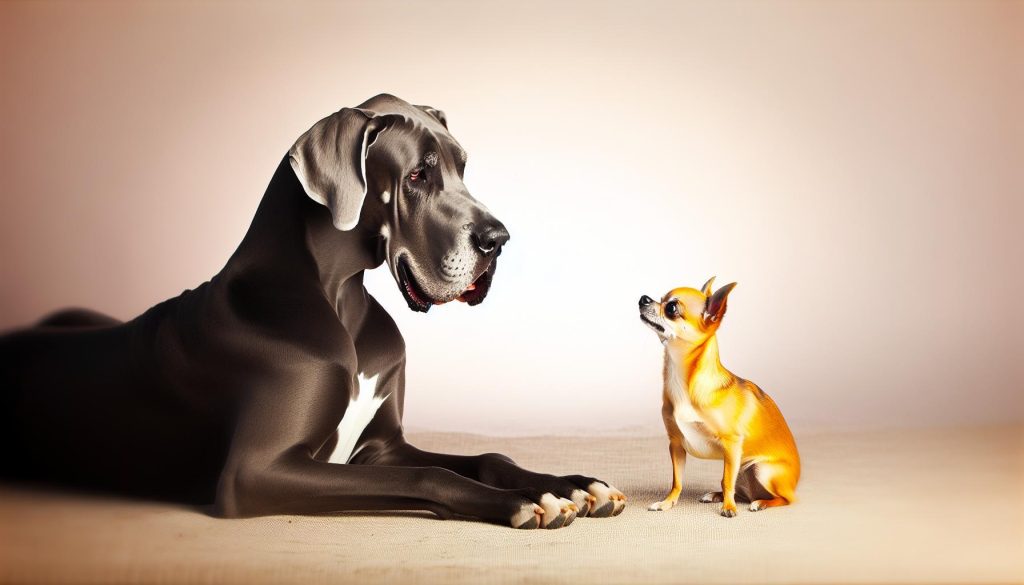
When it comes to understanding our beloved dogs, the differences between breeds can spark fascinating debates. Are Great Danes and Chihuahuas-two breeds as distinct as possible-actually the same species? Despite their stark contrasts in size, temperament, and needs, both are part of the canine family. This topic is crucial for dog owners, as it influences everything from care practices to socialization strategies. Whether you’re a proud Chihuahua owner or just curious about breed classifications, exploring this question will deepen your appreciation for these adorable, yet vastly different, companions. Join me as we unravel the similarities and differences that define Great Danes and Chihuahuas, shedding light on their unique breed characteristics and what they mean for your journey as a pet parent.
Are Great Danes and Chihuahuas Different Breeds?
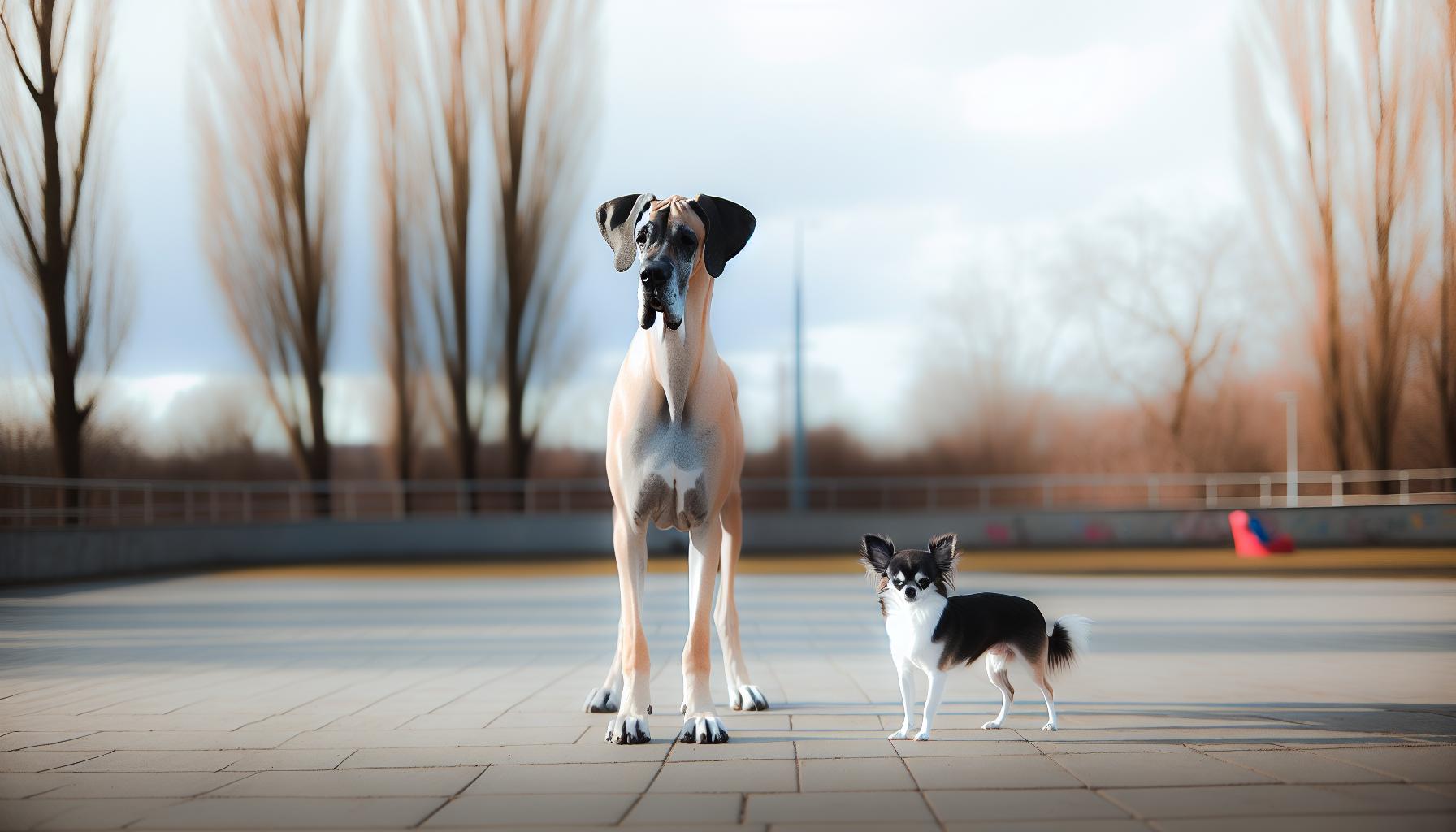
Great Danes and Chihuahuas are indeed different breeds, each showcasing unique traits and characteristics that make them special. It’s fascinating to consider that while both dogs belong to the same species, Canis lupus familiaris, they have diverged greatly in size, appearance, and temperament over time.
Great Danes, often referred to as gentle giants, are known for their impressive stature. An adult Great Dane can stand anywhere from 28 to 34 inches tall at the shoulder and weigh between 110 to 175 pounds. Despite their imposing size, they are known for being affectionate and friendly. Their calm demeanor makes them excellent family pets, and many owners describe them as sweet-natured companions who often think they are lap dogs!
On the other hand, Chihuahuas are the complete antithesis in terms of size. Typically weighing between 2 to 6 pounds and standing 6 to 9 inches tall, these tiny dogs are full of personality. They are often described as bold, loyal, and sometimes a bit sassy. Their size does not limit their energy or confidence; many Chihuahuas show a bravado that belies their small stature. Owners of Chihuahuas frequently appreciate their alertness and vocal tendencies, which make them great watchdogs, despite their size.
The stark differences in these breeds underscore the diversity found within dogs, reflecting their rich history of breeding for specific traits. Whether you’re drawn to the regal nature of Great Danes or the spirited charm of Chihuahuas, both breeds are uniquely wonderful companions that can enrich your life in their own special ways.
Understanding Dog Classification: Species vs. Breed
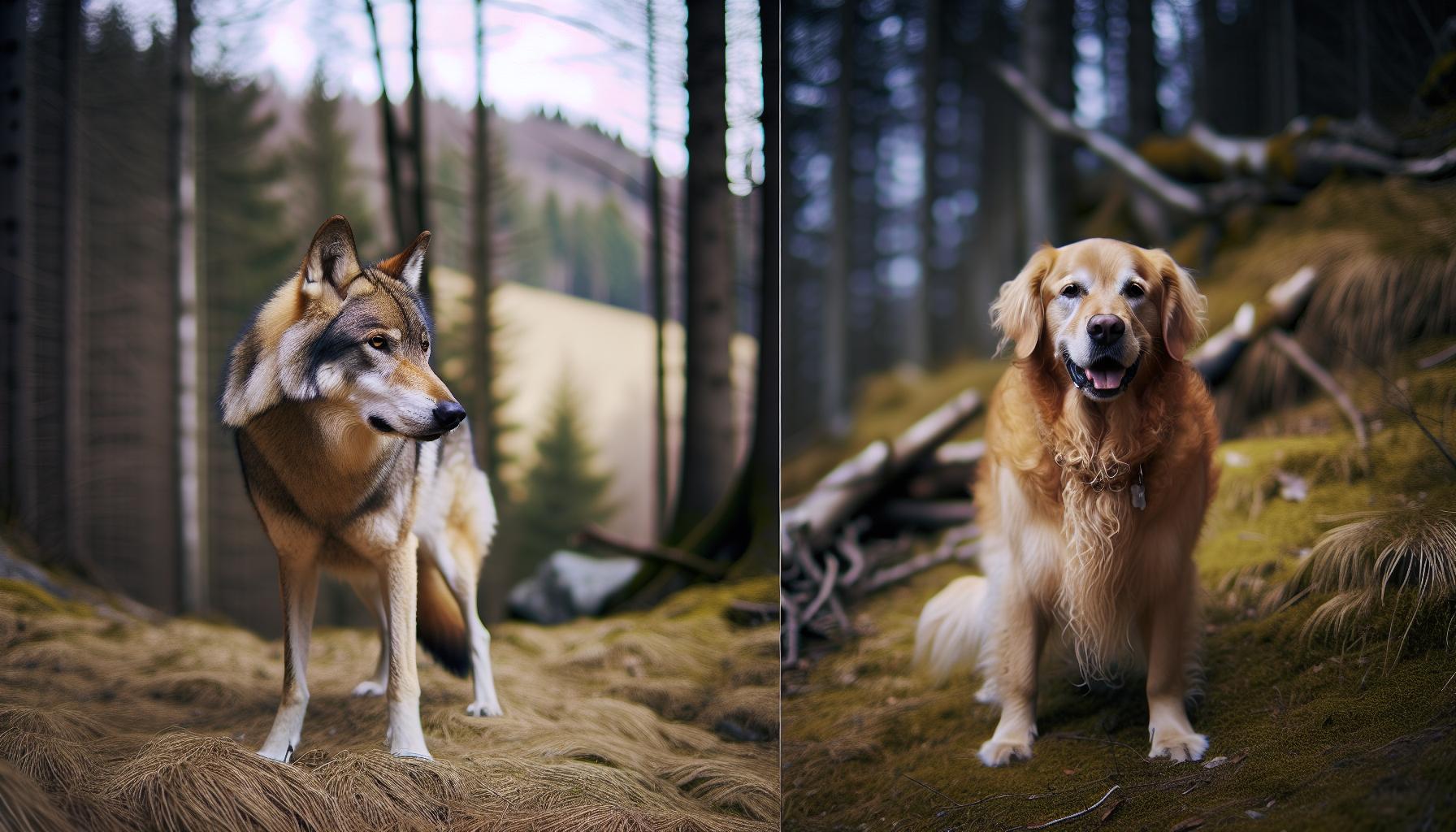
Understanding the difference between a species and a breed is key to appreciating the wonderful variety we see in dogs, including our beloved Chihuahuas and the majestic Great Danes. Both of these breeds belong to the same species, Canis lupus familiaris, but they represent two distinct paths of evolution shaped by human preference and breeding practices. This classification not only helps us understand their physical and behavioral characteristics but also guides us in providing the right care and training for each breed.
In simple terms, a species is a large group of living organisms that can interbreed and produce fertile offspring. Think of it as an umbrella under which various breeds fall. A breed, however, is a more specific category that denotes dogs with particular traits selected by humans for certain purposes, whether for herding, companionship, or guarding. For example, Great Danes, bred for their size and guarding abilities, and Chihuahuas, originally bred for companionship and as lively alerts, showcase the beautiful diversity within our canine family.
When considering the unique traits of Chihuahuas, it’s essential to acknowledge their vibrant and bold personalities. These little dogs boast an unshakable confidence that many owners adore. They’re known for their loyalty and can be quite vocal, often communicating their needs and opinions with a remarkable flair. For instance, a Chihuahua owner might proudly share that their pup, while only a few pounds, confidently takes charge of the household, fearlessly facing much larger dogs. This behavior emphasizes how breed-specific characteristics can manifest in everyday life.
In contrast, Great Danes, with their towering height and gentle disposition, echo a different tale. They are often nicknamed “gentle giants,” a testament to their friendly and affectionate nature. Despite their imposing size, they are typically known for their calm demeanor and harmonious interaction with families. This dichotomy highlights how breeding has shaped not only their size and appearance but also their overall behavior and compatibility with human lifestyles.
Understanding these differences and similarities in the context of species and breed empowers dog owners to make informed decisions about training, lifestyle choices, and care requirements for their furry friends. Whether you’re enchanted by the spirited nature of a Chihuahua or the regal presence of a Great Dane, recognizing the underlying principles of dog classification can enhance your relationship with your beloved pet.
The Evolution of Dog Breeds Explained
The journey of dog breeds from their early ancestors to the diverse companions we cherish today is as fascinating as it is complex. Great Danes and Chihuahuas, while sharing the same species, Canis lupus familiaris, illustrate this journey beautifully. Their development reflects how human needs, preferences, and environments have shaped the canine world we know.
Both Great Danes and Chihuahuas have distinct histories that contribute to their unique traits today. The Great Dane, often dubbed the “Apollo of dogs,” can trace its lineage back to ancient mastiffs used for hunting and guarding. They were refined over centuries to achieve their massive size and noble stature, becoming symbols of elegance and power. Living in families and being around children, they developed a temperament that is as gentle as their size is imposing.
On the other hand, Chihuahuas have roots that descend from small companion dogs in ancient Mexico, specifically the Techichi, which were favored by the ancient Toltecs. Their primary role has always been to provide companionship, serving as lively watchful eyes, often alerting their owners to any disturbances. Vicinity to humans has honed their vibrant personalities, making them not just companions but also rulers of their households. Many Chihuahua owners will attest that despite their tiny stature, their pups exhibit a boldness that can surprise even the largest of breeds.
This evolution highlights not only the physical differences between these breeds but also their behavioral traits-each shaped significantly by their respective histories. Where a Great Dane may exhibit a calm presence, a Chihuahua can fill the room with a spirited energy. Understanding these backgrounds can help owners appreciate and manage their pets’ needs better, from training techniques to health care-ensuring happy, fulfilling lives for both Great Danes and Chihuahuas.
In essence, the evolution of these breeds underscores the beauty of diversity in our canine companions, allowing us to choose pets that best fit our lifestyles and homes. A Great Dane’s gentle giant nature may be ideal for one family, while another might find joy in the feisty and loyal personality of a Chihuahua. Each offers a unique companionship that enriches our lives in countless ways.
Size and Temperament: A Closer Look
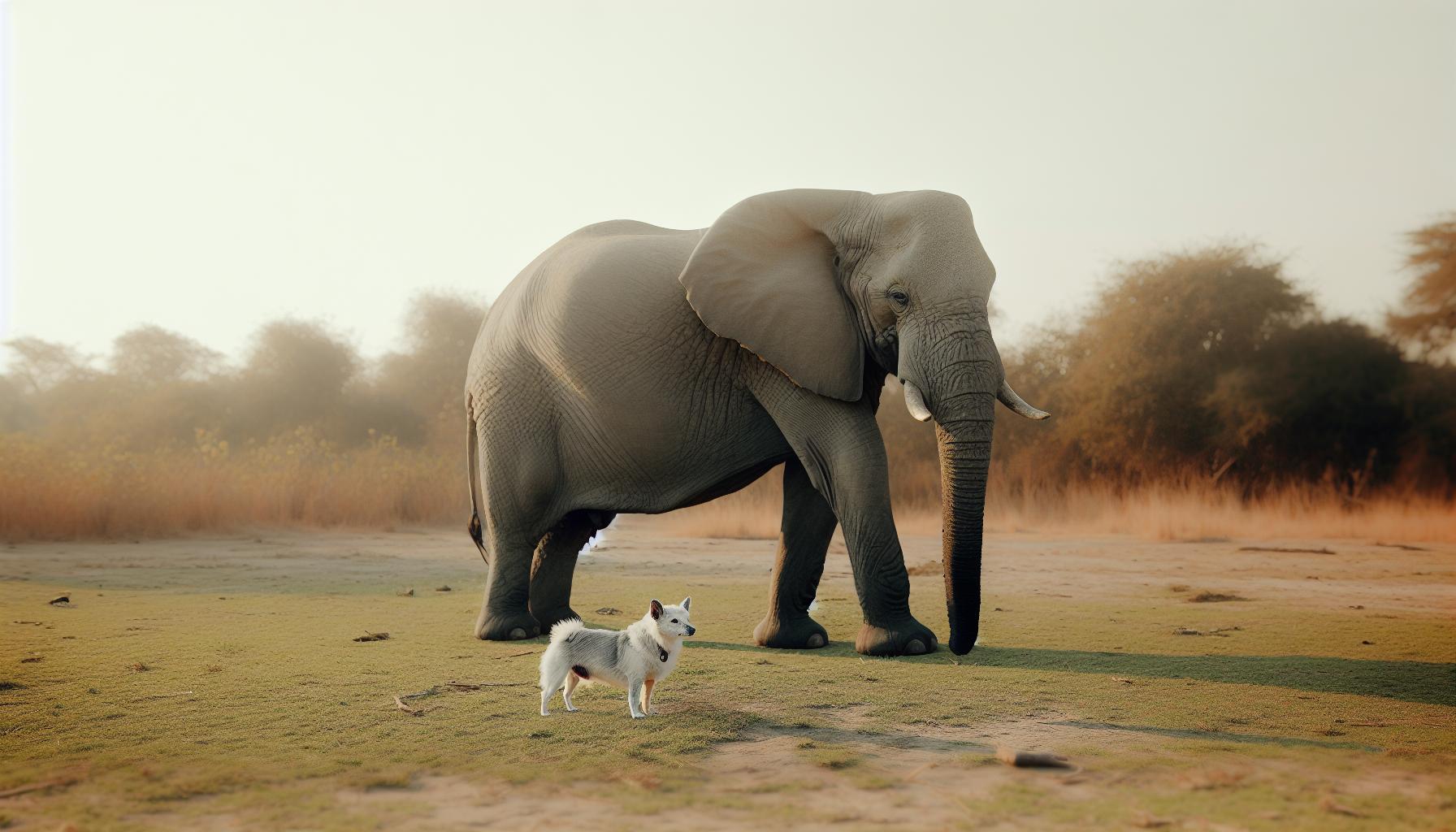
Great Danes and Chihuahuas may both belong to the same species, but their size and temperament showcase the remarkable diversity among dog breeds. Great Danes are often referred to as the gentle giants of the canine world, standing tall at an average of 28 to 34 inches at the shoulder. Despite their impressive stature, these dogs are known for their calm and loving demeanor. They have a natural affinity for family life, often enjoying the company of children and exhibiting a protective yet gentle nature. Owners frequently describe them as “softer than expected,” praising their affectionate tendencies that defy their intimidating size.
In stark contrast, Chihuahuas are tiny, weighing between 2 to 6 pounds and standing only about 6 to 9 inches tall. This breed packs personality into a small package. Renowned for their boldness, Chihuahuas often act as if they are ten times their size, barking at larger dogs and strutting with confidence. Their lively spirit and loyalty make them incredible companions. However, their size makes them vulnerable, so their owners tend to be particularly protective. Chihuahuas are known for forming strong attachments to their humans, often exhibiting behaviors like following their owners around the house or even snuggling under blankets for warmth and companionship.
When it comes to temperament, Great Danes are typically laid-back and content to lounge around, appreciating a good belly rub and a chance to nap. Their calm nature is one reason many families are drawn to them; they can adapt well to various living situations, from spacious homes to apartments, as long as they receive sufficient exercise. Conversely, Chihuahuas are energetic and often need regular playtime to expend their abundant energy. They are keen observers, always alert and ready to react, which can sometimes lead to barking at perceived intruders, whether that be a mailman or an unfamiliar dog.
In managing the distinct needs of each breed, it’s essential to remember these characteristics. With Great Danes, ample space and gentle handling are crucial, especially during their growth phases, while Chihuahuas thrive in environments that stimulate their lively nature without overwhelming them. Both breeds offer unique joys and challenges, making the choice between them deeply personal, anchored in individual lifestyle and companionship preferences. Having both breeds can lead to a delightful household dynamic-each has a role to play in creating a loving and engaging atmosphere for all family members.
Behavioral Traits: What Sets Them Apart
Great Danes and Chihuahuas are a study in contrasts, each breed bringing its own unique behavioral traits to the canine world. One captivating aspect of Chihuahuas is their undeniable confidence-despite their small stature, these little dogs often act like they own the world. You’ll find him barking at much larger dogs, displaying an audacity that is both entertaining and endearing. This bold personality often translates into a loyal, watchful companion, ready to alert you to any perceived threat, whether it’s a delivery truck or a neighborhood cat.
In terms of social interaction, Great Danes typically exhibit a calm and loving demeanor, making them the quintessential gentle giants. They thrive in family settings and are generally good with children, often displaying a placid nature that helps them adapt to various environments. Their size can be deceiving-while they may look intimidating, they often prefer to sit quietly by your side, soaking up affection and companionship. This propensity for calmness can sometimes lead to a relaxed attitude toward training, so establishing boundaries early on is crucial for a well-behaved Dane.
From a behavioral standpoint, Chihuahuas are known for their spirited antics and quick wit. Many owners describe their Chihuahuas as having distinct personalities-whether they’re shivering on a chilly day or burrowing under blankets for warmth, each dog has quirks that make him unique. Engaging them with toys or short training sessions can channel their high energy and curiosity into positive behaviors. Conversely, Great Danes can take time to mature, often maintaining their playful puppy-like traits for longer than you might expect. They enjoy playtime but are also content with leisurely strolls or relaxing next to you on the couch.
Ultimately, understanding these behavioral traits helps potential owners appreciate the differences that exist even within the same species. Whether you’re drawn to the spunky demeanor of a Chihuahua or the laid-back charm of a Great Dane, both breeds offer a wealth of love and companionship. By recognizing their unique characteristics, you can cultivate a home environment that celebrates these delightful differences.
Health Considerations for Great Danes and Chihuahuas
Health plays a crucial role in the lives of both Great Danes and Chihuahuas, but their needs and concerns vary significantly due to their size and physiology. Understanding these differences can help you provide the best care for your furry friend, whether you’re a proud Chihuahua owner or enamored with the grace of Great Danes.
Great Danes are awe-inspiring and majestic but come with a unique set of health challenges. Due to their large size, they are prone to specific conditions such as hip dysplasia, bloat, and heart issues. Bloat, in particular, can be a life-threatening condition requiring immediate veterinary attention. To help prevent bloat, it’s advisable to feed them smaller, more frequent meals and avoid strenuous exercise right after eating. Regular vet check-ups are essential to monitor their health, as early detection of potential issues can make a significant difference in their quality of life.
On the other hand, Chihuahuas, despite their tiny stature, have their health quirks that every owner should be mindful of. These little ones can suffer from dental diseases, luxating patellas, and heart murmurs, particularly as they age. Being small and often wiggly, Chihuahuas are also more susceptible to injuries if they take a tumble or get into a tussle with larger dogs. Maintaining good dental hygiene is critical, so regular brushing and providing dental chews can help keep their teeth healthy. Their nourishing diet should include adequate calcium to support their fragile bone structure.
Both breeds highlight the importance of tailor-made health considerations. Great Danes thrive in spacious environments where they can stretch their long legs. Regular gentle exercise-like walking-is great for them, but remember that they should never be overexerted because their joints are more vulnerable. When considering a Chihuahua, it’s important to recognize their energy in such a small package-daily interactive play is essential to keep them mentally stimulation and physically fit.
Moreover, it’s crucial to pay attention to the environmental factors affecting each breed’s health. Great Danes can suffer in extreme heat due to their size, while Chihuahuas, being so small, can easily get cold. As a responsible owner, ensuring your Great Dane stays hydrated on hot days and providing warm blankets for your Chihuahua can go a long way in maintaining their health.
In essence, knowing the specific health considerations for your breed of choice opens the door to a longer, happier life for them. The quirks and needs of Great Danes and Chihuahuas might differ vastly, but with the right knowledge and care, both can lead vibrant, fulfilling lives as cherished members of your family.
Grooming Needs: Comparing Coat Care
When it comes to grooming, both Great Danes and Chihuahuas require attention, but their needs are vastly different. Understanding these differences can help you keep your beloved pooch looking and feeling their best. Despite being on opposite ends of the size spectrum, both breeds have unique coat care requirements that reflect their distinct characteristics.
Chihuahuas, whether they have long, flowing coats or short, sleek fur, have specific grooming requirements driven by their size and skin sensitivity. Regular brushing is essential for Chihuahuas with long hair to prevent mats and tangles. Aim for brushing at least two to three times a week, and during shedding season, daily grooming can help manage loose hair. Short-haired Chihuahuas benefit from a weekly brush to reduce shedding and promote skin health. Be mindful of the delicate nature of their skin; use a soft-bristled brush to avoid irritation.
In contrast, Great Danes boast a short, single-layer coat that requires minimal grooming. A simple weekly brushing with a rubber grooming mitt or a bristle brush will suffice to remove loose fur and distribute natural oils. They are prone to skin conditions, so regular baths-usually every two to three months-will keep their skin clean without stripping it of essential oils. While Chihuahuas may need more frequent baths due to their playfulness and potential for mess, Great Danes benefit from being bathed less often to prevent dryness.
Both breeds have unique challenges during grooming. For example, Chihuahuas can be especially sensitive about their paws and may need some coaxing to enjoy paw care. It’s not uncommon for them to squeak or squirm during nail clipping sessions. On the other hand, the sheer size of a Great Dane can make it a workout just to manage their grooming needs. Including positive reinforcement through treats or playtime can transform grooming routines into enjoyable bonding experiences for both of you.
Ultimately, caring for your furry friend’s coat goes beyond aesthetics; it’s about their overall wellbeing. Observing any changes in their skin or coat during grooming sessions can help you catch potential health issues early on. Whether you’re gently brushing your Chihuahua’s fur or navigating the grooming challenges posed by your Great Dane’s larger size, each grooming session is an opportunity to connect with your dog and ensure they remain comfortable and happy.
Training Techniques: Tailoring Approaches for Each Breed
Great Danes are often known as the gentle giants of the dog world, while Chihuahuas are celebrated for their spirited personalities and bold behavior. Training techniques must reflect the unique traits of each breed, accommodating their differences in size and temperament to achieve successful outcomes.
For Chihuahuas, positive reinforcement is invaluable. These tiny dogs often respond well to treats, praise, and playtime as rewards for good behavior. Utilize short training sessions to align with their attention span; about five to ten minutes is typically sufficient. Consistency is key-use the same commands and cues to reinforce learning. Harnessing their natural curiosity can also keep training fun; try incorporating games or puzzles that challenge their minds and involve their innate desire to explore.
In contrast, Great Danes require a different training approach due to their sheer size and strength. While they are generally eager to please, which can make them relatively trainable, they can also be a bit stubborn. Leash training is paramount; start with introducing them to a collar and leash in a familiar environment. Sessions should begin with basic commands, gradually advancing to more complex tasks as they gain confidence. The size difference means Great Danes may not realize their own strength, so being assertive yet gentle is important to prevent overpowering the handler during training.
It’s worth noting the significance of early socialization for both breeds. For Chihuahuas, this might include exposure to different environments, people, and other animals to curb potential overprotectiveness. Great Danes also benefit greatly from socialization; introducing them to various settings and experiences from a young age fosters calmness and confidence as they grow. Ultimately, customizing training techniques to fit their distinctive characteristics ensures that both Chihuahuas and Great Danes thrive and become well-adjusted members of their families.
The Myth of Breed Superiority: Great Danes vs. Chihuahuas
It’s a common conversation among dog lovers: are larger breeds like Great Danes inherently superior to small, spirited breeds like Chihuahuas? Many people might perceive size as a benchmark for superior traits-think strength, loyalty, or even a sense of prestige. Yet, this notion of breed superiority overlooks a fundamental truth: both Great Danes and Chihuahuas are unique breeds with their own exceptional qualities, and each serves different needs and lifestyles.
Chihuahuas, often heralded as “tiny but mighty,” possess a range of traits that make them perfect companions, particularly for city dwellers or people with smaller living spaces. Their bold, vocal personalities can bring a joyful energy to any home. For example, a Chihuahua named Bella who lives in a bustling apartment quickly learns to navigate her environment, charming neighbors with her spunky barks and detailed antics. This small dog exudes confidence, often believing she is larger than she truly is, which can lead to humorous situations-like standing her ground against a Great Dane during a park visit!
On the other hand, Great Danes embody grace with their commanding presence. They are known for their gentle temperament and loyalty, often forming strong bonds with their families. Owners of Great Danes frequently share stories of cuddles that can take up entire couches or how their dog’s sheer size can deter unwanted visitors. Yet, it’s crucial to note that despite their size, these “gentle giants” require just as much care, love, and proper training as any Chihuahua.
Ultimately, the myth of breed superiority often stems from a misunderstanding of what makes a dog “better.” Factors like compatibility with lifestyle, physical environment, and personal preference play a significant role in determining which breed is right for an individual. An owner with a busy lifestyle may not have the time or space for a Great Dane, just as someone living in a spacious home may find a Chihuahua’s spirited demeanor a perfect match. Both breeds offer loyalty, love, and companionship, deserving of respect and admiration in their own right. Rather than viewing them through the lens of superiority, embracing their differences enhances our understanding and appreciation of these wonderful breeds.
Compatibility in Mixed Breed Households
In mixed breed households, the dynamic between a Great Dane and a Chihuahua can be fascinating. While they are vastly different in size and temperament, both breeds offer unique companionship that can enhance a family’s dynamic. For a Chihuahua owner, embracing the quirks of both breeds can lead to a harmonious living arrangement that celebrates their differences rather than highlighting potential conflicts.
Understanding Size Differences
One of the most apparent aspects is size. A Great Dane can weigh anywhere from 110 to 175 pounds, while a Chihuahua typically weighs between 2 to 6 pounds. This considerable size variance means that interactions need to be managed carefully. For example, when introducing a Chihuahua, like a spirited little guy named Max, to a Great Dane, it’s crucial to supervise their interactions. Gentle play and cautious socializing help prevent any accidental injuries due to size difference. Many owners find success by creating separate spaces where each dog can retreat if they feel overwhelmed. This helps maintain peace while ensuring both breeds feel secure.
Temperament Considerations
Chihuahuas are known for their bold, sometimes even sassy personalities. They may bark and show assertiveness, believing they can stand up to larger dogs despite their size. In contrast, Great Danes are often described as gentle giants, known for their calm demeanor. Their patient, laid-back nature often allows them to tolerate the exuberance of a Chihuahua. For instance, a Great Dane named Titan may be perfectly content to let his tiny roommate, Bella the Chihuahua, jockey for attention, taking her antics in stride. However, it’s essential to instill respect in both breeds. Teaching commands like “gentle” for playtime and having distinct routines can help minimize misunderstandings.
Daily Life and Care
Caring for both breeds necessitates different approaches to exercise and health. Great Danes require moderate exercise but need to avoid strenuous activities, especially as puppies, to protect their joints. Chihuahuas, on the other hand, can get ample exercise just by dashing around the house or neighborhood. When designing a daily routine, consider incorporating short walks where both dogs can engage together, perhaps in a secure area where they can both feel safe and have fun. Daily playtime can include interactive toys that cater to both sizes, fostering bonding moments while keeping their individual needs in mind.
Embracing Their Differences
Ultimately, creating compatibility in a mixed breed household comes down to understanding and appreciating each dog’s unique personality. As a Chihuahua owner, your role involves nurturing that spirited zest for life while allowing the Great Dane to shine with its gentle nature. Daily routines that respect each breed’s needs-whether it’s cozy cuddling on the couch or engaging in spirited playtime-can enhance everyone’s experience. Remember, it’s not about forcing similarities but celebrating the wonderful diversity each breed brings to the home.
Common Misconceptions About Size and Species
Great Danes and Chihuahuas are often subjects of fascination due to their stark differences in size and temperament. A common misconception is that these two breeds, despite their vast differences, belong to different species. In reality, both Great Danes and Chihuahuas are canines and part of the same species, Canis lupus familiaris. This means they share a common ancestor and can theoretically interbreed, even if doing so may not make for the most practical or safe pairing!
When discussing size, it’s crucial to remember that being petite or gigantic does not define a dog’s worth or capabilities. Chihuahuas, with their tiny frames, often exude bold personalities and loyalty that can rival much larger dogs. Their health considerations, like dental issues and heart problems, differ greatly from those of Great Danes, who can face challenges like hip dysplasia and bloat due to their size.
Another frequent misunderstanding is that larger breeds like Great Danes are “better” in terms of guarding or companionship. Each breed brings its unique attributes to the table: Great Danes, known as gentle giants, often exhibit calmness and patience. Chihuahuas, on the other hand, can be fiercely protective and have a knack for alerting owners to potential dangers despite their size. Celebrating the quirks of each breed allows owners to appreciate what they uniquely contribute, from the vocal and loyal Chihuahua to the serene presence of a Great Dane.
In essence, even though these breeds might seem worlds apart, they embody the rich diversity within the dog world. Each offers a distinctive companionship and joy that can enrich the lives of their owners, challenging the notion that size or appearance dictates a dog’s value or role in the home.
How to Choose the Right Breed for Your Lifestyle
Choosing the right breed of dog for your lifestyle can be one of the most rewarding decisions you’ll make as a pet owner. With breeds as strikingly different as Great Danes and Chihuahuas, understanding which fits best into your life is essential for a happy and harmonious relationship. Chihuahuas, for instance, may be small in size, but they bring a spirited energy that can lighten up any household. If you’re living in an apartment or smaller space, their size makes them ideal companions. Plus, they need less room to move and are generally more adaptable to living indoors compared to larger breeds.
Chihuahuas are famously loyal and often form strong bonds with their owners, making them incredibly rewarding pets for individuals or families that can dedicate time to companionship. However, their bold temperament means they can be vocal and protective, making them feel like big dogs in tiny packages. If you work from home or are often available for playtime, a Chihuahua will thrive in an environment where they can be the center of attention. For example, if you often find yourself on cozy evenings at home, a little Chihuahua snuggling on your lap might be the perfect match for you.
On the other hand, if you have the space and enjoy outdoor activities or if you’re seeking a companion that doubles as a gentle giant, a Great Dane may be your best friend. Known for their calm demeanor and affectionate nature, Great Danes excel in environments where they can stretch their legs and enjoy a good romp in the yard. They can also be incredibly protective of their family while remaining gentle with children and other pets. However, their size does come with challenges, such as needing ample space and potentially higher veterinary costs associated with breed-specific health issues.
Ultimately, the decision should consider your living situation, lifestyle, and the time you can commit to training and socialization. It’s important to assess factors like exercise needs, grooming requirements, and health concerns. Whether you lean towards the tiny, bold Chihuahua or the imposing, yet gentle Great Dane, each breed has unique traits that contribute to a fulfilling dog-owner dynamic. Think about what each breed brings to the table, and don’t forget to celebrate their quirks. Your happiness and that of your future furry family member should go hand in hand!
Frequently Asked Questions
Q: Are Great Danes and Chihuahuas the same breed?
A: No, Great Danes and Chihuahuas are not the same breed. They are entirely different breeds with distinct characteristics. Great Danes are large, gentle giants, known for their size and friendly temperament, while Chihuahuas are small, alert, and often very confident dogs.
Q: What species do dogs belong to?
A: All domestic dogs, including Great Danes and Chihuahuas, belong to the species Canis lupus familiaris. This species categorization reflects their evolution from wolves, despite the significant variety in breeds and sizes.
Q: How do Great Danes and Chihuahuas differ in size?
A: Great Danes are recognized as one of the largest dog breeds, typically weighing between 100-200 pounds. In contrast, Chihuahuas are among the smallest, usually weighing between 2-6 pounds, highlighting a dramatic size difference between the two breeds.
Q: Are Great Danes and Chihuahuas genetically related?
A: While both Great Danes and Chihuahuas share a common ancestry as members of the Canis lupus familiaris species, they are not genetically similar. Their breeds have evolved over generations for vastly different purposes, leading to significant physical and behavioral differences.
Q: Can Great Danes and Chihuahuas get along?
A: Yes, Great Danes and Chihuahuas can get along, but supervision is essential due to their size difference. Early socialization and training are crucial for a positive relationship, ensuring that the larger dog is gentle with the smaller breed.
Q: What health challenges do Great Danes and Chihuahuas face?
A: Great Danes are prone to conditions like bloat and hip dysplasia due to their size. In contrast, Chihuahuas may face health issues such as dental problems and patellar luxation. Understanding these breed-specific health risks is important for prospective owners.
Q: Do Great Danes and Chihuahuas have different grooming needs?
A: Yes, grooming needs vary significantly. Great Danes have short coats that require minimal grooming, while Chihuahuas may need regular brushing, especially if they have long hair. Respecting these needs can help maintain their coat health and overall wellbeing.
Q: What are the temperamental differences between Great Danes and Chihuahuas?
A: Great Danes are typically gentle, friendly, and good-natured, while Chihuahuas can be more assertive and have a bold personality. Their temperaments reflect their historical roles, influencing how they interact with families and other pets.
For more insights on the differences and characteristics of these breeds, check out the sections on health considerations and grooming needs in the main article!
In Summary
Now that we’ve explored whether Great Danes and Chihuahuas belong to the same species, it’s clear that these breeds, while both beloved companions, are distinctly different in size, temperament, and care needs. If you’re a proud Chihuahua owner, remember to embrace their lively spirits and unique personalities, be it their boldness or vocal tendencies.
To learn more about Chihuahuas’ health and behavior, check out our guides on Chihuahua care tips and debunking common myths about small dog breeds. Don’t miss out on the latest updates-join our newsletter for resources tailored for passionate dog owners like you! Share your experiences in the comments, and let’s keep the conversation going about these extraordinary breeds. Your next adventure in dog ownership starts here!
Get our latest guides, news, and insights highlighted in your Google Search & AI Overviews.