
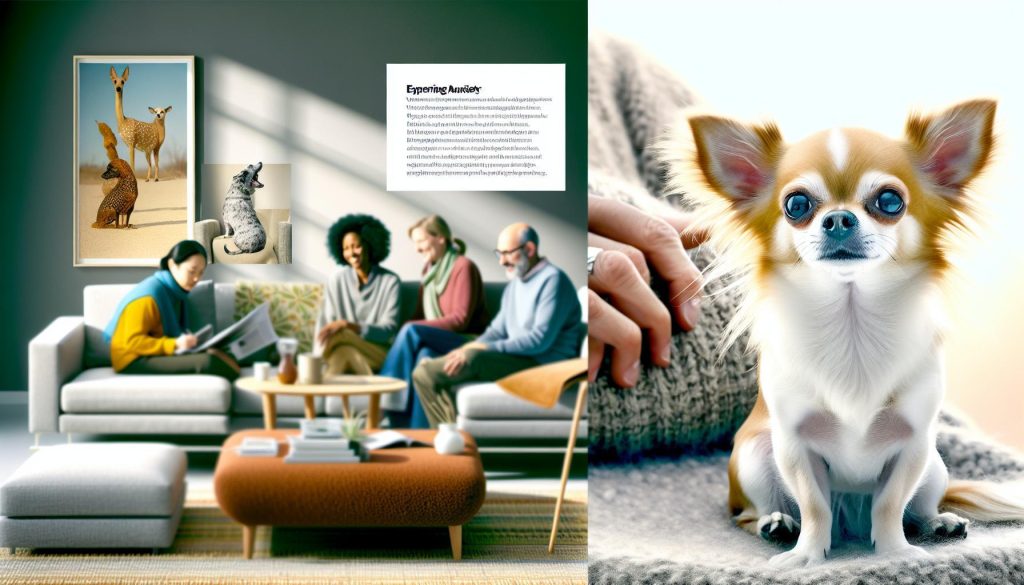
Chihuahuas are known for their bold personalities and vibrant energy, but did you know that these tiny dogs can also struggle with anxiety? Understanding the signs of stress in Chihuahuas is crucial for their well-being. As a devoted Chihuahua owner, you may notice your little companion acting unusually clingy, vocal, or withdrawn. These behaviors often point to anxiety, stemming from changes in their environment, lack of socialization, or other triggers. Recognizing these stress signals can be the first step toward helping your beloved pet feel secure and happy. In this article, we’ll explore common signs of anxiety in Chihuahuas and provide practical solutions to ease their worries. Your journey to a calmer, more confident Chihuahua starts here!
Understanding Chihuahua Anxiety Symptoms
Many owners are surprised to learn that Chihuahuas, despite their bold personalities, can be prone to anxiety. Understanding the symptoms of anxiety in your little companion is crucial for ensuring their well-being. Chihuahuas may exhibit various behaviors that signal distress or discomfort, and recognizing these signs early can help you take prompt action to alleviate their anxiety.
Common symptoms include excessive barking, restlessness, and clinginess. For example, if your Chihuahua suddenly becomes unusually vocal or follows you everywhere, this could be a cry for help. You might also notice changes in their eating habits, such as a decrease in appetite or even food refusal. Other behaviors may include destructive tendencies-chewing on furniture or digging-often stemming from their need to cope with stress. Pay attention to physical signs as well, like trembling, panting, or avoiding eye contact; these can indicate your Chihuahua is feeling overwhelmed.
To better assess your Chihuahua’s anxiety levels, observe their reactions to different stimuli. A normally confident Chihuahua may become fearful during loud noises or busy environments, while others might shy away from new people or experiences. Keeping a journal of your dog’s behavior can be immensely helpful. Note when anxiety occurs, the environment, and any other triggers to identify patterns. This information will be invaluable in tailoring a management plan that supports your Chihuahua’s emotional health.
Being proactive in understanding and addressing these symptoms will not only help your Chihuahua feel more secure but also strengthen the bond you share. With a bit of patience and love, you can create an environment where your beloved companion thrives.
Common Triggers of Stress in Chihuahuas
Chihuahuas are small in stature but can be quite mighty in personality, making them both delightful companions and sensitive souls. As a breed known for their loyalty and boldness, they can be particularly susceptible to stress, which is often triggered by their environment or experiences. Understanding the common triggers of stress specific to Chihuahuas is vital for any dog owner aiming to provide a nurturing and secure haven for their furry friend.
One major stressor for Chihuahuas is loud noises, whether it’s thunder, fireworks, or even the sound of a vacuum cleaner. Their acute hearing means that these sounds can be overwhelming, leading them to seek refuge by hiding or becoming excessively agitated. Additionally, changes in environment or routine, such as moving to a new house or a shift in the family’s schedule, can unsettle your little one. For instance, if a family member is frequently away, a Chihuahua may feel abandoned and stressed due to the change in daily interactions.
Social situations can also stir anxiety in your energetic companion. Chihuahuas may exhibit stress when encountering unfamiliar dogs or large crowds; their instinctive nature sometimes leads them to perceive bigger animals as threats. This is particularly true for more timid individuals in the breed, who may feel overwhelmed by unfamiliar faces or activities. Even a seemingly harmless activity, like a visit to the vet, can provoke fear, especially if the experience is associated with discomfort or confinement.
Lastly, separation anxiety can be a considerable trigger for many Chihuahuas, as their sensitive nature makes them highly attuned to their owner’s presence. Leaving your Chihuahua alone for extended periods can lead to destructive behavior or vocalization, as she might struggle with feelings of loneliness and distress. By recognizing these triggers, you can proactively address your Chihuahua’s needs, ensuring that your beloved companion remains happy and calm amidst life’s chaotic moments.
Assessing Your Chihuahua’s Stress Level
To effectively assess your Chihuahua’s stress level, it’s essential to become an astute observer of her behavior. Chihuahuas are known for their expressive personalities, and they often show various signs when they’re feeling anxious. By understanding these signs, you can tailor your approach to provide the comfort and support your little companion needs.
One of the first indicators of stress in Chihuahuas is body language. If your pup is exhibiting a tucked tail, flattened ears, or wide eyes, these can be clear signs of anxiety. A Chihuahua who is typically bold and vocal may suddenly become quiet or withdraw, indicating discomfort. Pay attention to her posture; if she appears to be hunched or reluctant to interact, it’s time to delve deeper into what might be troubling her. Additionally, excessive licking of the lips or yawning can signal stress, even if she isn’t trying to sleep.
Vocalizations also play a significant role in understanding your Chihuahua’s mindset. While barking is normal, if your little one begins to whine or bark excessively at unusual times, it could point to anxiety triggered by a specific event or environment. For instance, if the mail carrier approaches your home and her barking escalates, it may be a response to fear or insecurity rather than just a protective instinct. Regularly monitoring her reactions during various activities, like vet visits or social gatherings, can help you gauge her comfort level.
It’s beneficial to keep a stress diary to track these behaviors over time. Note any patterns related to changes in her environment, such as new people, loud noises, or even changes in your routine that coincide with anxiety indicators. This will not only help you identify her stress triggers but also highlight progress when you begin implementing strategies to reduce her anxiety.
Ultimately, understanding and requires patience and a keen eye. Each dog is unique-what causes one Chihuahua stress might not affect another in the slightest. Spend time observing her in different situations, and don’t hesitate to consult your veterinarian if you notice persistent signs of anxiety. A happy, stress-free Chihuahua is a joy to have, and recognizing her feelings is the first step in ensuring her well-being.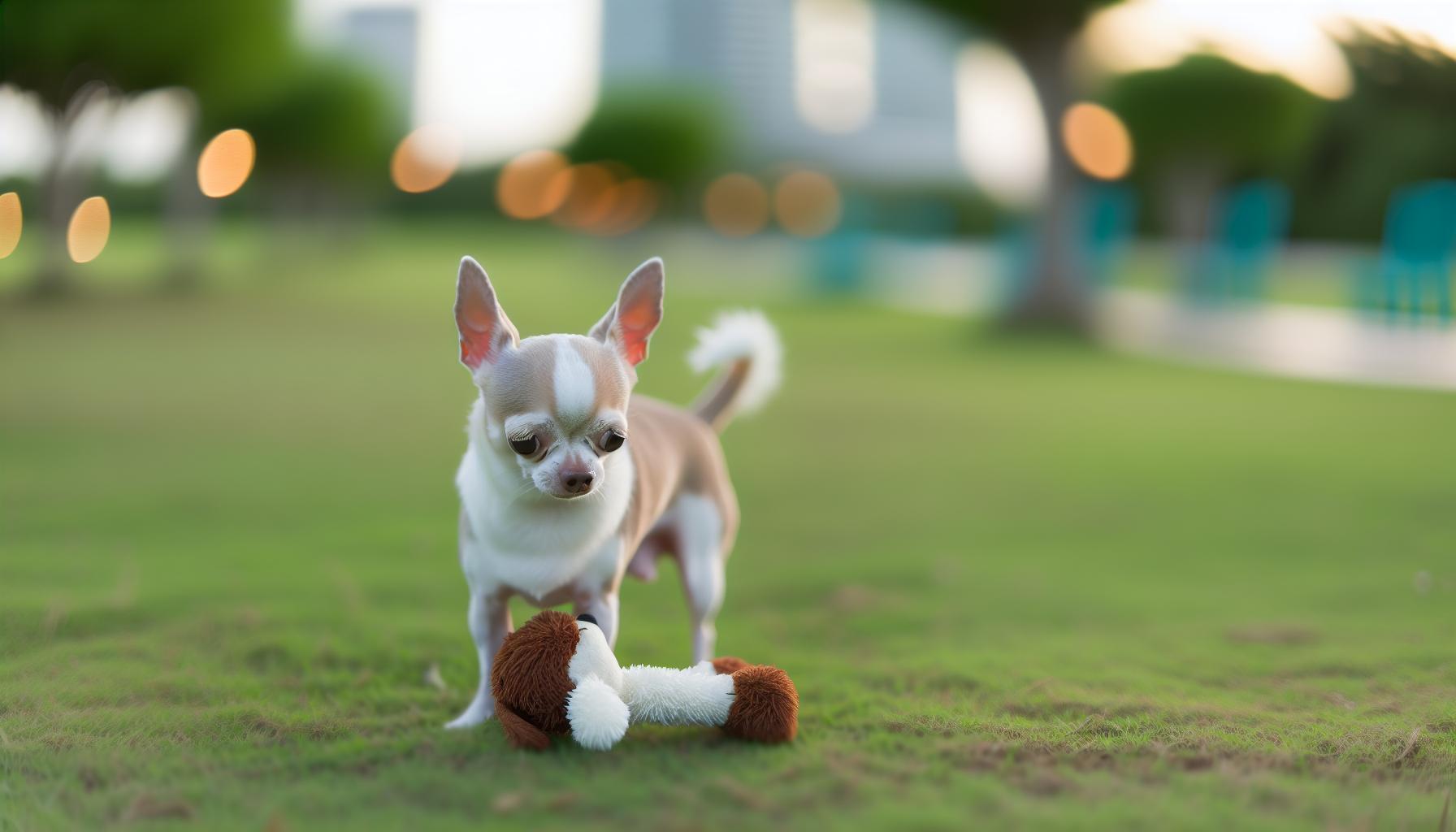
Effective Strategies for Reducing Anxiety
Your petite companion’s anxiety can often be alleviated with a variety of effective strategies designed specifically for their unique needs. Chihuahuas, with their bold personalities and sensitive natures, thrive in stable environments. Understanding how to create a calming atmosphere and enhance their well-being can make a significant difference in their daily lives. Here are several strategies to consider:
Create a Safe Space
Establish a designated area in your home where your Chihuahua can retreat when feeling overwhelmed. This safe haven should be cozy, with familiar toys, blankets, and possibly an item of your clothing to provide comfort. A crate can serve as an excellent retreat if introduced positively. Always ensure this space is free from loud noises or disturbances, letting her feel secure.
Develop a Routine
Chihuahuas benefit greatly from a consistent daily routine. Regular feeding, walks, and playtime help reduce uncertainty and stress. Schedule activities around the same time each day to instill a sense of predictability. This structure can be particularly beneficial for Chihuahuas who may become anxious during transitions or when situations change.
Mindful Socialization
While Chihuahuas can be bold, they also may need help with new experiences. Gradually introduce her to new people, pets, and environments. Aiming for positive experiences during these interactions can help reduce fear and anxiety over time. Use treats or favorite toys as rewards during socialization to create positive associations.
Enrichment Activities
Engaging your Chihuahua’s mind can be as crucial as physical exercise in managing anxiety. Puzzle toys that dispense treats can keep her occupied and mentally stimulated. Daily play sessions with her favorite toys not only build confidence but also foster a stronger bond between you. Remember, a tired Chihuahua is a happy Chihuahua, so dedicate time to these enriching activities.
By incorporating these strategies, you’re not just addressing her anxiety; you’re nurturing her well-being and adjusting to her special personality. A little effort can create a happier, calmer environment for both of you, turning anxiety into a thing of the past and allowing your Chihuahua to flourish.
Creating a Calm Environment for Your Chihuahua
To foster a sense of security and calm, it’s crucial to tailor your Chihuahua’s environment to her specific needs. Chihuahuas, known for their spirited nature and sensitivity, thrive in low-stress environments that promote comfort. Establishing this calm sanctuary can significantly mitigate anxiety, allowing her to feel safe and relaxed.
One effective way to create a soothing space is by designating a specific area in your home as a retreat for her. This safe haven should include cozy bedding, her favorite toys, and perhaps an item of your clothing, which can carry your scent and comfort her. Consider investing in a crate that she can see as a den; when introduced positively, it can serve as a wonderful retreat. This space should be kept free from loud noises and disturbances, ensuring she has a go-to spot whenever the world feels overwhelming.
Routine is another essential element that contributes to your Chihuahua’s peace of mind. Chihuahuas thrive on predictability, so regular feeding times, walks, and play sessions can help establish a comforting rhythm in her day. Implementing a consistent schedule not only mitigates uncertainty but also helps her acclimatize to daily activities, easing transitions that might trigger anxiety. For example, if your Chihuahua experiences stress during changes in her environment-like visitors arriving or furniture being moved-keeping her routine consistent can provide the stability she craves.
Additionally, socialization must be approached with care. While these little dogs can be quite bold, unexpected encounters with new people or pets can lead to anxiety. Gradually introducing her to new experiences, paired with positive reinforcement such as treats or play, can help her adapt without undue stress. Remember, taking the time to help her adjust to the world around her will strengthen her confidence and reduce fearful reactions in the long run.
Training Techniques to Alleviate Stress
To help your Chihuahua cope with anxiety, incorporating effective training techniques is essential. These spirited little dogs often require specialized approaches that respect their unique personalities while promoting confidence and relaxation. Techniques that foster a sense of security and build trust between you and your furry friend can significantly mitigate stress levels.
One effective method is positive reinforcement training. This technique utilizes rewards-like treats or praise-to encourage desirable behaviors. For example, if your Chihuahua gets anxious during car rides, start by conditioning him to associate the car with positive experiences. Begin with short trips to fun places, rewarding him with treats the moment you see him remain calm. Gradually increase the duration as he becomes more comfortable. This approach not only helps alleviate anxiety but also strengthens your bond. Remember, consistency is crucial; be patient, as small progress over time leads to lasting changes.
Desensitization is another valuable technique. This involves gradually exposing your Chihuahua to anxiety-inducing situations in a controlled manner. If he struggles with loud noises, play recordings of thunder or fireworks at a low volume while engaging him in a fun activity, like a favorite game. Slowly increase the volume as he becomes more accustomed to the sound. Coupled with positive reinforcement-a treat or praise when he remains calm-this can foster resilience and reduce his reactivity to similar triggers in the future.
Creating a routine can also alleviate stress. Chihuahuas thrive on predictability, so establishing a training schedule can help. Incorporate short training sessions into your daily routine, making them fun and rewarding. This not only aids in training but also creates a comforting structure your Chihuahua can rely on.
Lastly, consider incorporating calming cues into your training. Simple commands like “settle” can teach your dog to relax in stressful situations. When you notice that your Chihuahua is becoming anxious, gently guiding them to a comfortable spot and using the settle command while rewarding calm behavior can be immensely beneficial. Through these techniques, you’ll empower your Chihuahua to manage his anxiety, allowing both of you to enjoy a happier, more confident companionship.
Nutrition’s Role in Chihuahua Anxiety Management
Proper nutrition plays a crucial role in managing anxiety for Chihuahuas, a breed known for its spirited yet sensitive nature. What your small companion eats can significantly influence their mental health and overall well-being. A balanced diet not only fuels their energy needs but can also provide essential nutrients that support a calm demeanor. For instance, incorporating omega-3 fatty acids found in fish oil can promote brain health and reduce stress levels, which may help alleviate anxiety symptoms.
When considering your Chihuahua’s meals, focus on high-quality, protein-rich options. Lean meats like chicken or turkey, along with healthy grains such as brown rice, can serve as excellent staples. Avoid foods that are high in sugars or fillers, as these can lead to energy spikes followed by crashes, possibly increasing anxiety. Regular feeding schedules can also instill a sense of routine and predictability, further reassuring your pup.
Another strategy involves choosing commercially available foods enriched with calming ingredients. Look for formulas that include ingredients like chamomile, valerian root, or L-theanine, known for their calming properties. These specialized diets can help create a balanced approach to managing anxiety through nutrition while addressing your Chihuahua’s specific health and dietary needs.
It’s also important to monitor how different foods affect your Chihuahua’s behavior. Every dog is unique, and what works for one may not work for another. Keep a journal of your Chihuahua’s dietary habits alongside their anxiety symptoms to identify any correlations, helping you fine-tune their diet effectively. Remember, feeding your Chihuahua well is a vital step towards fostering a happy, relaxed, and confident companion.
The Importance of Regular Exercise and Socialization
Regular exercise and socialization are essential components of keeping a Chihuahua healthy and happy. Did you know that even a small breed like a Chihuahua requires daily physical activity? Contrary to popular belief, their tiny bodies and energetic personalities mean they thrive on action and interaction. Engaging in regular exercise not only helps manage their weight but also significantly reduces anxiety by providing an outlet for pent-up energy.
Chihuahuas, known for their vocal and bold nature, can become anxious if not adequately stimulated. Taking your furry friend for daily strolls can be both an adventure and a bonding experience. Aim for at least 30 minutes of activity each day, which can include brisk walks, playtime in the yard, or engaging in fun games like fetch. Additionally, varying the environment-like visiting parks or dog-friendly cafes-can expose her to new sights, smells, and sounds, all of which are excellent for mental stimulation.
Socialization is equally vital. Chihuahuas are pack animals who thrive on companionship. Introducing your Chihuahua to different people, other dogs, and new experiences can help build her confidence and reduce stress. Arrange playdates with other small dogs or enroll her in a puppy training class to foster healthy interactions. Remember, exposing her to new experiences while she’s young can help her develop into a well-adjusted adult dog.
Some owners find that participating in dog sports, such as agility or rally obedience, can bring out the best in their Chihuahuas. These activities provide not only physical exercise but also a chance for your dog to learn and bond with you in a rewarding way. Plus, challenging environments during training can help desensitize her to various stimuli that might be causing anxiety.
Incorporating these strategies into your Chihuahua’s routine will create a nurturing environment that fosters confidence and calmness. Exercise and socialization don’t just keep her fit; they also strengthen your bond and ensure that she feels secure in her world. Remember, a happy Chihuahua is a well-exercised and socially engaged Chihuahua!
Recognizing Behavioral Changes and Their Causes
Recognizing changes in your Chihuahua’s behavior can be an essential part of understanding their emotional state, especially when it comes to anxiety. Chihuahuas, with their bold and spirited nature, are incredibly sensitive creatures. They may express their stress through a variety of behaviors that, while sometimes subtle, can be telling signs that something is off in their environment.
One of the primary indicators of anxiety in Chihuahuas is a shift in their typical behavior patterns. You might notice your usually vocal Chihuahua becoming unusually quiet or, conversely, exhibiting excessive barking. Changes in appetite-either eating less or seeking food more maniacally-can also indicate stress. Additionally, behavioral changes such as increased clinginess or sudden withdrawal from interaction can be a sign that your furry friend is feeling overwhelmed.
Common Signs of Stress
- Vocal Behavior: Excessive barking or sudden quietness.
- Appetite Changes: Eating less or an increased obsession with food.
- Aggressiveness or Fear: Growling, snapping, or cowering in new situations.
- Grooming Habits: Increased licking or chewing on their own paws and body.
- Changes in Activity Level: Becoming lethargic or hyperactive.
Understanding the root cause of these behavioral changes is crucial. Common triggers can include loud noises, new environments, changes in routine, or even health issues that cause discomfort. It’s important to observe when these changes occur and correlate them with possible stressors, like new visitors in the home or alterations in your daily schedule.
Consider your Chihuahua’s unique personality and preferences. For instance, if you have an apple-head Chihuahua who is particularly skittish, she might show signs of anxiety both during thunderstorms and when meeting new people. Assessing her reactions can help you pinpoint what environments or changes in routine are most upsetting for her.
Ultimately, being vigilant about these behavioral shifts can foster a deeper connection between you and your Chihuahua. By recognizing their signs of discomfort, you can take proactive steps to alleviate their anxiety and provide them with a more comfortable, secure environment. Remember, your observation and understanding can make all the difference in ensuring a happy and relaxed companion.
When to Seek Professional Help for Anxiety
Sometimes the signs of anxiety in your Chihuahua can be more than just fleeting moments of distress; they can indicate a deeper issue that may require professional intervention. If you notice persistent behavioral changes that don’t improve with your efforts, it might be time to consider seeking help. Recognizing when to turn to a veterinarian or a certified animal behaviorist can make a significant difference in your Chihuahua’s well-being.
If your little one displays severe anxiety symptoms-such as constant panic when left alone, extreme aggression towards unfamiliar people or pets, or a sudden change in routine that leads to destructive behaviors-these are clear red flags. Additionally, if you observe any self-harming behaviors, like excessive licking or biting of their paws or skin, this is a serious indication that professional guidance is necessary. Even a seasoned owner can find it challenging to manage a Chihuahua’s anxiety independently, especially when the stress signals become overwhelming.
Establishing a healthy emotional environment for your dog starts with you. However, when their anxiety interferes with daily life-making it difficult for them to enjoy walks, play, or even relax at home-it’s essential to seek outside help. Professional trainers can provide tailored strategies suited to your Chihuahua’s unique quirks, like how a shy apple-head might behave differently than a more confident deer-head counterpart. Such nuanced understanding ensures that interventions are effective and breed-specific.
In many cases, professionals may recommend a combination of behavioral therapy, environmental modifications, and even potentially medication to help your furry friend regain a sense of normalcy. Always remember, reaching out for help is not a sign of failure. It’s an important step towards providing your Chihuahua with the happy, stress-free life they deserve. By addressing anxiety early with the right resources, you can foster a more harmonious relationship and help your beloved companion thrive.
Natural Remedies and Supplements for Calmness
Finding ways to soothe a stressed Chihuahua can be a rewarding journey, especially when considering natural remedies and supplements that complement their unique personalities. As a devoted Chihuahua owner, you likely know that these tiny pups are packed with quirks-some bold and sassy, others timid and anxious. Fortunately, nature offers an array of options that can assist in calming their nerves.
One popular natural solution is calming supplements that contain ingredients like L-theanine, thiamine (Vitamin B1), and melatonin. These components are known for promoting relaxation without the sedative effects that some medications might impose. Many Chihuahua owners report success with products specifically formulated for dogs, which you can find at pet supply stores or through your veterinarian. Always check the label to ensure the product is safe for small breeds-your Chihuahua’s tiny frame means dosages should be adjusted accordingly.
Herbal Remedies
Herbal remedies can also play a significant role in managing anxiety. Chamomile and lavender are two herbs that can provide calming effects. Chamomile can be given as a tea, but make sure to dilute it appropriately for your little one. Lavender can be used in various forms; try diffusing essential oils in the background or using a lavender-infused dog bed. Some owners prefer to apply diluted lavender oil to their Chihuahuas’ collar. Keep in mind that each dog reacts differently, so observe how your Chihuahua responds before fully incorporating any new remedy into their routine.
Creating a Soothing Space
In addition to supplements and herbs, consider how you can create a calming environment at home. Designate a cozy spot filled with soft blankets and perhaps a few of her favorite toys to serve as a safe haven. Adding a little white noise from a fan or a soothing music playlist can help mask sudden sounds that might spook your pup. Many Chihuahuas thrive on routine, so maintaining a consistent daily schedule for feeding and walks can foster a sense of security.
By approaching your Chihuahua’s anxiety with a blend of patience and these gentle solutions, you not only provide comfort but also strengthen the bond you share. Celebrate each small victory, and witness how your cherished companion transforms into a more serene version of themselves, embracing their vibrant Chihuahua spirit.
Building a Strong Bond with Your Chihuahua
Creating a deep connection with your Chihuahua is incredibly rewarding, especially given their strong personalities and unique quirks. These little dogs are known for forming intense bonds with their owners, often becoming fiercely loyal companions. To nurture this bond, it’s essential to engage in activities and practices that both promote attachment and address any anxiety issues your Chi might have.
One effective way to strengthen your relationship is through consistent and positive interactions. Spending quality time together is vital. Whether it’s a walk in the park, playtime with their favorite toys, or simply cuddling on the sofa, make these moments enjoyable and meaningful. Chihuahuas thrive on attention, so consistent affection and praise can go a long way in building trust. For instance, one owner shared that after adopting her Chihuahua, she dedicated time each evening to gentle play and training sessions. Over time, her pup went from timid to confidently snuggling up beside her every night.
Another key aspect is understanding and respecting your Chihuahua’s boundaries. Given their small size and sensitive nature, they can be prone to stress. If your pup seems anxious during certain situations-loud noises or large gatherings-acknowledging that stress is crucial. Providing a safe space where he can retreat and feel secure can make a significant difference. Consider creating a designated area with familiar blankets and toys. This not only gives your Chihuahua a personal refuge but also reinforces your role as a protector in their eyes.
Lastly, routine plays a significant role in strengthening your bond. Chihuahuas flourish with structure, so setting regular feeding, walk, and play schedules can help him feel more secure and understood. As he learns to trust the rhythm of daily life, the bond between you will grow stronger. By being attentive and responsive to his needs, you are not just a caregiver but a partner in your Chihuahua’s journey to feeling safe and cherished. Embrace every moment, and watch your relationship blossom into an unbreakable bond.
Q&A
markdown
Q: What can trigger anxiety in Chihuahuas?
A: Chihuahuas may experience anxiety due to various triggers such as loud noises, changes in their environment, separation from their owners, or lack of socialization. Understanding these triggers is essential to help them feel secure. For more insights, check the section on Common Triggers of Stress in Chihuahuas.

Q: How can I tell if my Chihuahua is stressed?
A: Signs of stress in Chihuahuas can include excessive barking, panting, pacing, or hiding. They may also show changes in appetite or behavior. Observing your dog's reactions during potential stressors can help you assess their anxiety level. Refer to the section on Assessing Your Chihuahua's Stress Level for more details.

Q: Can training help reduce anxiety in my Chihuahua?
A: Yes, training can significantly reduce anxiety in Chihuahuas. Techniques such as positive reinforcement and desensitization help them cope with anxiety-inducing situations. For effective training methods, see the section on Training Techniques to Alleviate Stress.

Q: Are there specific foods that help calm anxious Chihuahuas?
A: Certain diets, particularly ones rich in omega-3 fatty acids, can aid in anxiety management. Foods that support brain health and overall well-being may help your Chihuahua stay calm. Explore Nutrition's Role in Chihuahua Anxiety Management in the main article for more recommendations.

Q: How does regular exercise impact my Chihuahua's anxiety levels?
A: Regular exercise significantly reduces anxiety in Chihuahuas. Physical activity helps release pent-up energy and promotes relaxation. Engaging your Chihuahua in daily walks and playtime is crucial. Learn more about this in the section on The Importance of Regular Exercise and Socialization.

Q: What are natural remedies for treating Chihuahua anxiety?
A: Natural remedies such as calming supplements, herbal treatments, or essential oils may help soothe anxious Chihuahuas. Always consult with a veterinarian before introducing new remedies. Check the section on Natural Remedies and Supplements for Calmness for further information.

Q: When should I consider professional help for my anxious Chihuahua?
A: If your Chihuahua's anxiety interferes with everyday life or if home strategies are ineffective, it's time to consult a veterinarian or a dog behaviorist. Signs that professional help is needed include severe avoidance behavior, aggression, or persistent panic. Refer to the section on When to Seek Professional Help for Anxiety for guidance.

Q: What are some signs of a strong bond with my Chihuahua?
A: Signs of a strong bond may include your Chihuahua seeking your attention, responding positively to your commands, and feeling relaxed around you. A committed relationship enhances their emotional stability. For tips on strengthening your bond, check out Building a Strong Bond with Your Chihuahua.
In Retrospect
Caring for your little Chihuahua is a rewarding journey, especially as you recognize and address any signs of anxiety. Remember, consistency, patience, and understanding are key to helping your pup thrive. If your Chihuahua shows signs of stress, don’t hesitate to implement the solutions we discussed. Your beloved companion deserves a happy, secure environment.
Interested in digging deeper? Check out our articles on specific Chihuahua care, and learn more about behavior tips and training techniques tailored just for them. If you found this information helpful, consider signing up for our newsletter for expert advice straight to your inbox. Share your experiences in the comments below; we love hearing from fellow Chihuahua enthusiasts! Together, we can ensure every Chihuahua feels loved and secure.
Get our latest guides, news, and insights highlighted in your Google Search & AI Overviews.