

Nestled in the vibrant landscapes of northern Mexico, the Mennonites of Chihuahua have a rich and complex history that deserves exploration. Many may not realize that a community of this unique Protestant group has thrived in this region since the 1920s, bringing with them traditions, customs, and a distinct way of life that still endures today. By understanding their origins and resilience, we not only uncover a fascinating chapter of cultural heritage but also make sense of how they contribute to the tapestry of Mexican society. This journey into the origins of the Mennonites in Chihuahua reveals not just their struggles and successes, but also offers a window into their enduring values of community, faith, and agriculture. Dive deeper to discover how their story shapes the present, enriching both local and broader narratives.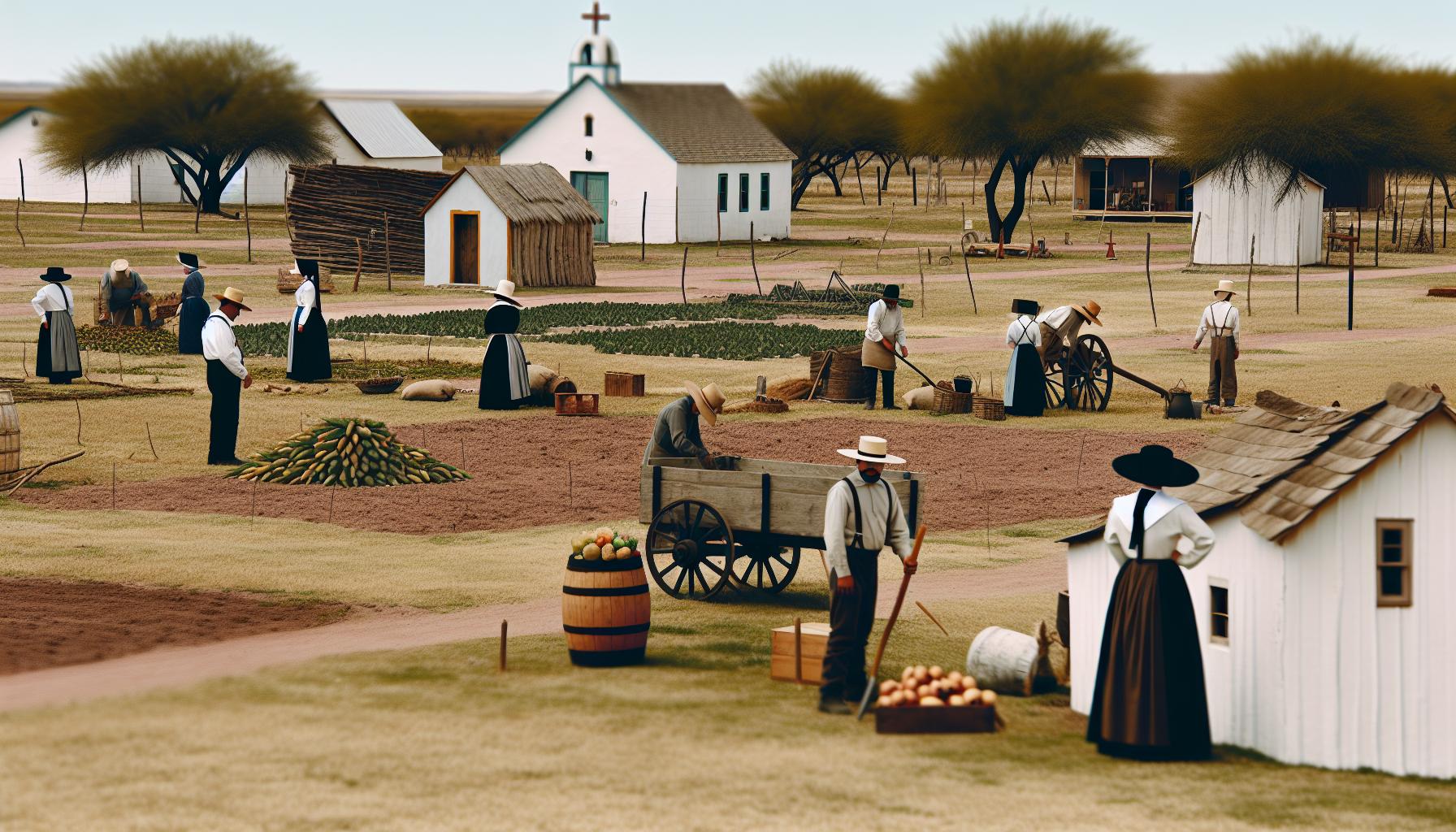
History of the Mennonites in Chihuahua
The arrival of Mennonites in Chihuahua represents a significant chapter in the cultural tapestry of Mexico. Mennonites, known for their unique beliefs rooted in the Anabaptist tradition, began their migration to this northern state in the early 1920s, driven primarily by the search for land where they could maintain their agricultural lifestyle and religious practices without the interference of government regulations. Initially, many of these families fled from Canada due to the pressures of assimilating into a more modern and secular society.
During their early years in Chihuahua, settling in communities like Cuauhtémoc, these families faced challenges such as adapting to a new environment and economy. Over time, they established thriving agricultural practices that contributed significantly to the local economy. Their commitment to community and education allowed them to develop a rich cultural identity while remaining steadfast in their values.
Mennonites in Chihuahua are particularly known for their strong work ethic and agrarian lifestyle. They brought with them skilled farming techniques and a distinctive way of life that emphasized self-sufficiency and communal support. As the Mennonite population grew, so did their influence on the agricultural landscape of the region. This has helped establish a robust economy and foster mutual respect between Mennonites and their non-Mennonite neighbors.
Cultural preservation has been another vital aspect of the Mennonite community in Chihuahua. Over the decades, they have managed to maintain their language, Low German, alongside their unique dialects, which reflect their historical roots. Mennonite beliefs emphasize pacifism, simplicity, and a close-knit community life, which have been paramount in shaping their identity. The combination of their historical journey and cultural resilience continues to play a crucial role in the ongoing legacy of the Mennonite community in Chihuahua, fostering a sense of belonging within the modern landscape of Mexican society.
Cultural Roots: Origin and Migration
The roots of the Mennonite community in Chihuahua can be traced back to their origins in Europe, particularly in Switzerland and the Netherlands, where they emerged as a sect of Anabaptists in the 16th century. Believing in adult baptism and the importance of living a life that reflects one’s faith, Mennonites often faced persecution and pressure to conform to state-sanctioned practices. Their unwavering commitment to their beliefs often pushed them to seek refuge in more accommodating lands.
In the late 19th and early 20th centuries, significant waves of Mennonite migration took place, primarily due to the harsh conditions they faced in Russia. Following a series of political upheavals and social changes, many Mennonites found themselves struggling against oppression. The promise of fertile land and the ability to live according to their beliefs led them to migrate to the United States and Canada. In the early 1920s, seeking further independence and opportunities for agricultural development, many families moved south to Mexico, specifically to the northern state of Chihuahua.
- Early Settlement: Groups began arriving around 1922, settling initially in the Cuauhtémoc region, where they found suitable land for farming.
- Community Formations: The newcomers established tight-knit communities, preserving their customs, language, and religious practices.
- Growth and Expansion: As these families flourished in their new environment, the community expanded, leading to the establishment of additional settlements across Chihuahua.
This migration sparked the emergence of a distinctive culture in Chihuahua, characterized by its agricultural practices, language, and social structure. The Mennonites brought with them skills in farming, horse breeding, and craftsmanship, introducing methods that would become essential to the agriculture of the region. Their development of cooperative ventures allowed the community to thrive economically, contributing significantly to the local markets and setting a foundation for economic relationships with their non-Mennonite neighbors.
Over the decades, the Mennonite community has remained resilient, successfully navigating the challenges of adaptation while maintaining the values and traditions that define their identity. Despite living in a different country, they have kept a strong connection to their roots, fostering a sense of cultural pride and community that continues to influence the landscape of Chihuahua today.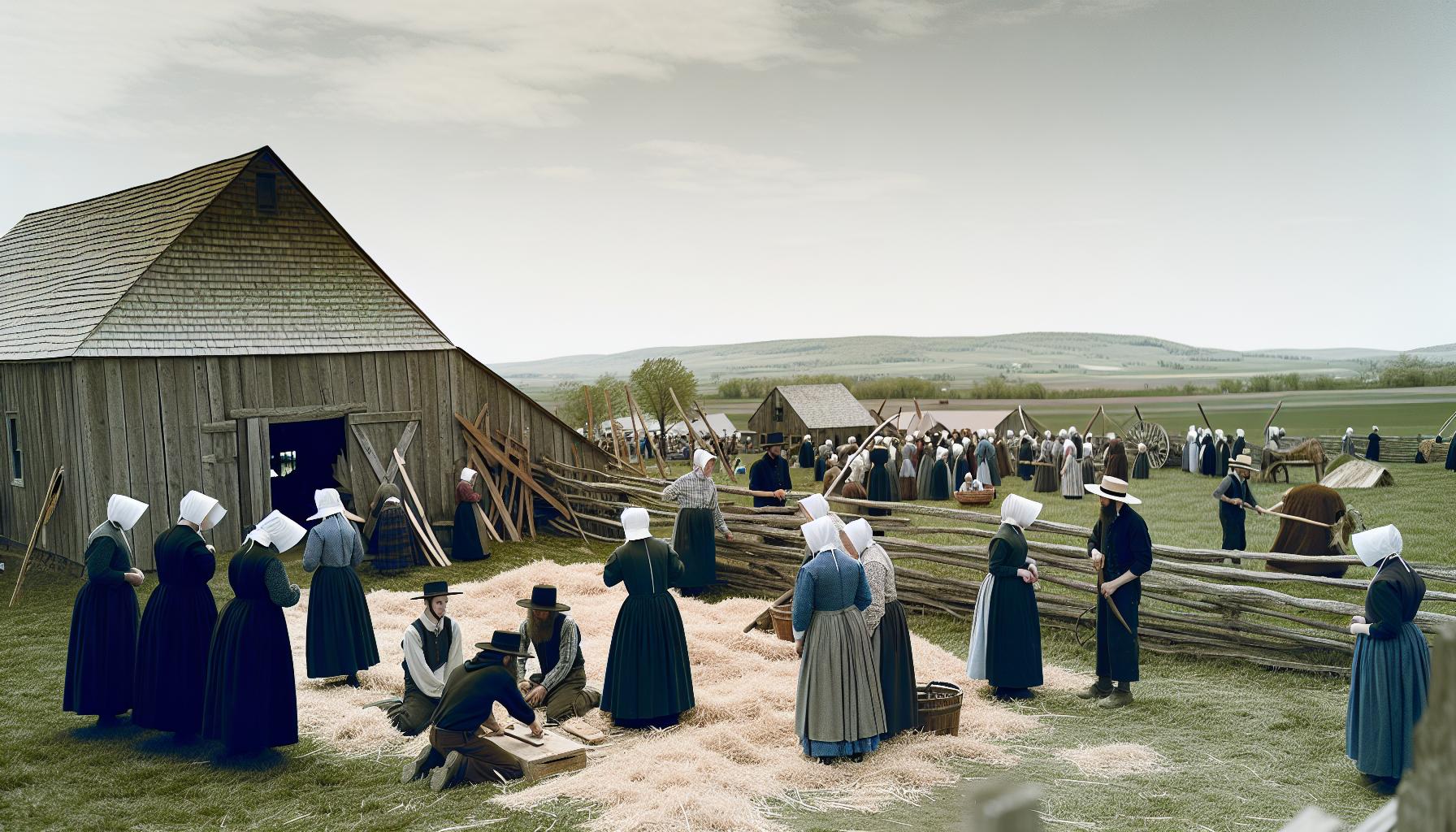
Life and Traditions of the Mennonite Community
The Mennonite community in Chihuahua is defined not only by its unique history but also by its vibrant life and traditions that have evolved since their migration from Europe. These traditions are deeply rooted in their religious beliefs, communal living, and a commitment to a simple, agrarian lifestyle. Daily life within these communities is marked by a strong emphasis on family, faith, and hard work, which together create a culture that is both rich and resilient.
A key aspect of Mennonite life is their religious observance. The community gathers regularly for worship, often conducted in High German or Plautdietsch, the dialect spoken by many Mennonites. Sundays are particularly significant, as families partake in communal services that reinforce their faith and strengthen social bonds. The importance of scripture and shared values fosters a sense of unity, guiding everyday behaviors and decisions.
Another defining characteristic of the Mennonites in Chihuahua is their adherence to agricultural practices that reflect their heritage. The community prides itself on sustainable farming methods that have been passed down through generations. This connection to the land not only sustains their livelihoods but also serves as a foundation for community gatherings, where agricultural wisdom is shared, and festivals celebrating the harvest are organized.
- Craft and Trade: In addition to farming, many Mennonites engage in craftsmanship, producing goods that are both useful and culturally significant. These crafts often reflect their traditional values, such as woodworking, sewing, and pottery.
- Family Structure: A traditional family structure is prevalent, with a focus on extended family networks that provide support and foster a sense of belonging.
- Education: Schools in the community are designed to uphold Mennonite values, emphasizing not only academic skills but also practical vocational training that prepares youth for continued contributions to their agricultural lifestyle.
Mennonite celebrations also play a crucial role in nurturing community spirit. Popular festivities include harvest feasts, weddings, and religious holidays, each filled with traditional foods, music, and dance. These events provide opportunities for community members to reconnect, share their culture, and pass down traditions to younger generations. For instance, during Easter, elaborate meals are prepared, and themes of renewal and hope resonate throughout the celebrations.
Mennonite life in Chihuahua thus represents a rich tapestry of traditions that intertwine faith, agriculture, and communal solidarity. Newcomers to the community often express admiration for the unwavering values the Mennonites uphold, as they harmoniously blend their cultural heritage with the demands of modern life, ensuring that their way of life remains vibrant and intact for future generations.
Agricultural Practices and Economic Contributions
The agricultural practices of the Mennonites in Chihuahua are not just about farming; they are a testament to their heritage, resilience, and dedication to sustainability. With deep-rooted traditions in farming techniques passed down through generations, Mennonites have transformed the arid landscape of Chihuahua into productive fields that yield high-quality crops while preserving the environment. Their commitment to both traditional and innovative agricultural practices has positioned them as key contributors to the local and national economy.
Mennonite farmers in Chihuahua predominantly cultivate grains like wheat, corn, and barley, along with various vegetables and legumes. The focus on sustainable farming is crucial, as it minimizes reliance on chemical fertilizers and pesticides. Instead, many Mennonites implement crop rotation and organic farming methods to maintain soil health and ensure that their farming practices are environmentally friendly. For instance, a local farmer might rotate between corn and soybeans, enhancing soil fertility while also diversifying their income.
Economic Contributions
The economic impact of the Mennonite community extends beyond their farms into local markets and industries. They are not only providers of essential agricultural products but also contributors to various sectors through small businesses and crafts. Many Mennonites engage in woodworking, sewing, and pottery, creating traditional goods that reflect their cultural heritage. These products are often marketed to tourists and locals alike, bolstering the economy and allowing for cultural exchange.
Additionally, Mennonites have been known to foster cooperation among themselves through community cooperatives, which helps reduce costs and maximize profits. By pooling resources for purchasing equipment and marketing their products collectively, they enhance their economic viability. This cooperative spirit exemplifies how Mennonites not only thrive independently but also support each other in maintaining a robust economic presence in Chihuahua.
Innovative Techniques and Community Impact
Embracing modern agricultural technologies, the Mennonite community often integrates new farming practices alongside their traditional methods. For example, many have adopted precision farming techniques, utilizing data to optimize planting, watering, and harvesting processes. This blend of old and new reflects their adaptability while ensuring they remain competitive in an evolving agricultural landscape.
Ultimately, the agricultural practices of the Mennonites in Chihuahua illustrate a harmonious relationship with the land, emphasizing sustainability and community support. Their commitment to effective farming not only nurtures their own families but also provides vital resources to the broader Chihuahua community, making them indispensable stewards of both the land and local economy.
Mennonite Language and Dialects in Chihuahua
The Mennonite community in Chihuahua is rich in cultural diversity, and this diversity is vividly expressed through their languages and dialects. Predominantly, they speak Plautdietsch, a Low German dialect that has been the cornerstone of their communication for generations. This language not only serves as a means of daily communication but also as a symbol of identity and heritage, encapsulating the community’s history, beliefs, and traditions.
Language and Heritage
Understanding the nuances of Plautdietsch is essential for anyone interested in the Mennonite culture of Chihuahua. This unique dialect incorporates elements from German, Dutch, and Frisian, reflecting the origins of the Mennonites who migrated to North America in the 19th century. As they settled in Chihuahua, they adapted their language, integrating local expressions while still maintaining the core of their dialect. This linguistic evolution mirrors their adaptation to the new environment while preserving their roots.
Many Mennonites are bilingual, speaking Spanish fluently due to their interaction with Mexican society. This bilingualism creates a bridge that enhances intercultural communication, allowing them to participate fully in the larger community while preserving their distinct cultural identity. For instance, during local markets or community events, you may hear lively exchanges in both Plautdietsch and Spanish, highlighting their integration and resilience.
Cultural Significance of Language
Language in the Mennonite community also carries cultural significance beyond mere communication. It plays a vital role in religious practices, with many hymns and prayers being recited in Plautdietsch. This connection to faith reinforces community bonds and serves as a reminder of their shared beliefs and values. The transmission of language from one generation to the next is a central aspect of cultural preservation; thus, storytelling, songs, and proverbs abound in their everyday interactions, enriching their communal life.
Local festivals and gatherings often feature the use of their dialect, showcasing traditional songs and dances that convey their historical narratives. Through these cultural expressions, they instill pride in their heritage among the younger generation and help maintain the vibrancy of their community’s identity amid modern influences.
By exploring the , one not only appreciates the linguistic diversity but also gains insight into a community that values its history, embraces change, and celebrates its unique cultural tapestry. As you engage with the community, whether through visiting markets or attending events, you will find that their language is a living testament to their enduring spirit and commitment to preserving their way of life.
Key Historical Events Shaping the Community
The history of the Mennonite community in Chihuahua is a tapestry woven with significant events that shaped their identity, beliefs, and way of life. From their initial migration to the establishment of robust agricultural practices, each pivotal moment helped define their unique cultural landscape in this northern Mexican state.
In the late 19th and early 20th centuries, waves of Mennonite settlers migrated from Europe, primarily from Russia, to escape political and social turmoil, seeking religious freedom and land for farming. This migration was not merely a relocation; it was a quest for autonomy and a wholesome environment to nurture their community values. By the 1920s, large colonies were established in Chihuahua, a favorable region for agriculture with its fertile land and climates suitable for various crops.
As time progressed, several events further reinforced the community’s resilience. The Mexican Revolution (1910-1920) posed challenges, with land reforms affecting many settlers. However, rather than succumbing to adversity, the Mennonites adapted, forming cooperative societies and sharing resources to bolster their agricultural output. Their strong work ethic and community solidarity proved vital during these trying times, allowing them not only to survive but also to thrive and expand their economic activities.
The establishment of the “Mennonite Schools” in the mid-20th century marked another significant milestone, emphasizing education and language preservation. The local educational framework maintained the use of Plautdietsch, unifying the younger generation while connecting them to their heritage. These institutions played a crucial role in shaping the community’s future leaders, who carry forward the values and traditions instilled in them.
Through the decades, the Mennonites in Chihuahua have faced modern challenges such as cultural assimilation and economic competition. The community responded by embracing bilingual education, thus ensuring their children are equipped to thrive in both Mennonite and Mexican societies. By understanding these key historical events, one can better appreciate the resilience, dedication, and cultural richness that define the Mennonite community in Chihuahua today.
Challenges Faced by Mennonites in Modern Mexico
The Mennonite community in Chihuahua, deeply rooted in their distinct traditions and agricultural lifestyle, increasingly faces various modern challenges that test their resilience and adaptability. With the rapid pace of social, economic, and environmental changes in Mexico, many Mennonites find themselves on a complex journey of maintaining their cultural identity while integrating into the wider society.
One prominent challenge is the pressure of cultural assimilation. As external influences and urbanization continue to grow, younger generations may feel the pull of mainstream Mexican culture, potentially diluting their traditional values and lifestyle. For instance, many young people are drawn to urban centers for employment opportunities, which often leads to a shift away from agricultural practices that defined their ancestors. This cultural shift raises concerns about the preservation of the Plautdietsch language and Mennonite customs, as community elders strive to keep traditions alive amidst changing times.
Another significant hurdle comes from economic competition. The Mennonite agricultural sector, once thriving and primarily self-sufficient, is now navigating a more competitive landscape. Factors such as fluctuating market prices, climate variability, and the influx of larger commercial farms create obstacles for smaller Mennonite producers. To combat these challenges, some Mennonites have embraced innovation and diversification – exploring organic farming methods or expanding into agritourism as a means of sustaining their livelihoods while preserving their lands.
Moreover, the educational needs of the community are being reassessed. With bilingual education becoming crucial for navigating modern society, Mennonite schools focus on teaching both Plautdietsch and Spanish. Yet, balancing the two can be complex. There is a growing recognition that fluency in Spanish is essential for young Mennonites to participate fully in the broader economy and society. However, this bilingual approach must also ensure that students remain connected to their cultural heritage.
Lastly, the Mennonite community faces societal misunderstandings that can lead to isolation. Often viewed through stereotypes, these communities must navigate perceptions that may not accurately reflect their values and contributions. Building bridges with neighboring communities and promoting awareness of their unique traditions can encourage a more inclusive environment, helping to reduce tensions and foster mutual respect.
Through these challenges, the Mennonite community in Chihuahua continues to demonstrate resilience. By embracing both tradition and adaptation, they not only aim to sustain their cultural identity but also to thrive within the vibrant tapestry of modern Mexican society. Whether through innovative agricultural practices, educational advancements, or community engagement, the future remains a journey paved with both obstacles and opportunities for growth.
Mennonite Contributions to the Local Economy
The Mennonite community in Chihuahua plays a pivotal role in the region’s local economy, primarily through their extensive agricultural practices and entrepreneurial ventures. Known for their strong work ethic and innovative approaches, these communities have established themselves as not just farmers but key contributors to the economic landscape, offering a unique blend of traditional methods and modern business acumen.
One of the most significant aspects of their economic impact is in agriculture. Mennonites are renowned for their farming proficiency, producing a variety of crops that are integral to both local and national markets. They cultivate crops such as corn, wheat, and alfalfa, which are staples in the region, while also raising livestock. Their focus on sustainable and organic farming practices has become increasingly important in today’s market, catering to a growing demand for health-conscious and eco-friendly products. Many Mennonite farms have adopted practices like crop rotation and organic pest management, ensuring long-term productivity and sustainability.
Entrepreneurial Ventures
In addition to agriculture, Mennonites in Chihuahua have diversified their economic contributions through entrepreneurship. Many have established small businesses that range from mechanic shops and construction companies to craft production and retail. These businesses not only provide employment opportunities within the community but also stimulate the local economy. For instance, a Mennonite-owned woodworking company might supply furniture both locally and to larger markets, showcasing their craftsmanship and hard work.
Moreover, some farmers have ventured into agritourism, allowing visitors to experience Mennonite culture firsthand through farm stays, tours, and workshops. This initiative helps raise awareness of their agricultural practices while providing an additional revenue stream to support community projects. Through these efforts, Mennonites are not only preserving their traditions but also enriching their economic foundations, enabling them to thrive amid changing times.
Collaborative Efforts and Community Impact
Collaboration has also emerged as a vital theme within the Mennonite community. They engage in cooperatives that allow for shared resources, marketing, and bulk purchasing, which enhances their competitiveness in the local and national markets. These cooperatives can drive innovation, enabling smaller farmers to participate in larger supply chains and access better prices for their produce.
Ultimately, the contributions of the Mennonite community to the local economy in Chihuahua illustrate a dynamic blend of tradition and innovation. Their commitment to agriculture, entrepreneurial spirit, and collaborative practices not only sustain their livelihoods but also enrich the broader economic landscape, showcasing the importance of preserving cultural identity while actively engaging with modern society. The resilience and adaptability of the Mennonites in Chihuahua serve as a testament to their vital role in the region’s economic health and cultural heritage.
Education within the Mennonite Population
The Mennonite community in Chihuahua places a strong emphasis on education, viewing it as essential for sustaining their cultural identity while navigating the modern landscape. Traditionally, education within this community has prioritized religious instruction and practical skills over formal schooling, reflecting their values and way of life.
Mennonite schools are often private, supported by community funds, and they focus on bilingual education, teaching both Spanish and Plautdietsch (the dialect spoken among many Mennonites). This bilingual approach not only preserves their unique cultural heritage but also equips students with the language skills necessary for broader interaction in Mexican society. Classes typically include subjects such as mathematics, history, and agriculture, providing a well-rounded education that aligns with their lifestyle.
Curriculum Focus
In Mennonite schools, the curriculum is designed to empower students with practical knowledge that can be applied directly in their community. Key components often include:
- Agricultural Education: Many schools incorporate hands-on agricultural practices, teaching students sustainable farming techniques that foster a deep connection to their land.
- Religious Studies: Lessons focus on the teachings of the Bible, reinforcing the communities’ faith and ethical principles.
- Vocational Training: Courses in trades such as carpentry, welding, and mechanics ensure that students are equipped with skills to support local business and industry.
This blend of academics and vocational training helps ensure that students are not only capable of sustaining their community’s traditional ways but also prepared for future opportunities.
Community Engagement and Lifelong Learning
Education doesn’t stop after formal schooling; lifelong learning is encouraged in the Mennonite community. Community workshops, seminars on farming innovations, and even skills classes for adults allow individuals to continue developing their knowledge. For example, a local farmer might host a workshop on organic farming techniques, inviting community members to learn and engage.
Additionally, the community often collaborates with external organizations to bring in experts for specialized training sessions. This engagement not only enhances individual skills but also strengthens community bonds, as members work together in shared learning experiences.
Overall, the focus on in Chihuahua reflects their commitment to preserving their cultural identity while actively participating in an evolving society. The combination of a solid educational foundation, community involvement, and a focus on practical skills ensures that the principles and identity of the Mennonite heritage remain robust for future generations.
Mennonite Festivals and Celebrations in Chihuahua
The rich tapestry of Mennonite culture in Chihuahua is vividly expressed through its festivals and celebrations, which serve as both a testament to their heritage and a means of community bonding. One of the standout events embraced by the Mennonite community is the annual Mennonite Harvest Festival, a colorful celebration that showcases the fruits of their labor. This festival not only honors the agricultural roots of the community but also strengthens ties among families and friends.
During the Harvest Festival, the aroma of traditional dishes wafts through the air, offering a feast for the senses. Attendees are treated to various regional specialties that highlight their agricultural produce, including homemade cheese, freshly baked bread, and an assortment of seasonal vegetables. Music plays a pivotal role in these celebrations, with lively performances featuring traditional Mennonite hymns and folk songs, inviting everyone to join in singing and dancing.
Traditional Celebrations and Unique Events
Throughout the year, other special celebrations reflect significant aspects of Mennonite faith and tradition. These include:
- Christmas Celebrations: The Christmas season is marked by special church services, where families gather for worship, singing carols, and sharing stories of faith. The communal aspect of these events emphasizes fellowship and unity among families.
- Mennonite Easter Traditions: Easter is celebrated with various customs, including sunrise services and community feasts. It is common for families to prepare traditional dishes that vary from region to region, ensuring a rich culinary experience during this joyous time.
- Weddings and Family Reunions: These occasions are particularly grand, often incorporating traditional attire, communal meals, and an array of cultural rituals. Weddings are celebrated with music and dance, providing a lively atmosphere that strengthens the community’s social fabric.
Preserving Heritage through Celebration
Each festival is an opportunity for the community to reinforce its traditions and pass them down to younger generations. Engaging in such festivities cultivates a sense of belonging and promotes intergenerational relationships.
For many, these celebrations also serve as a time to reflect on their cultural identity and the principles that bind them together as a community. The vibrant mix of music, food, and faith displayed during these events ensures that the Mennonite heritage in Chihuahua remains alive and thriving, even amidst modern challenges. Embracing these celebrations allows both locals and visitors to gain insightful perspectives on the unique lifestyle and values of the Mennonite people, fostering understanding and appreciation in the broader Mexican society.
The Future of the Mennonite Community in Chihuahua
As the Mennonite community in Chihuahua looks toward the future, several key factors will shape their trajectory and resilience in a rapidly changing world. With a rich heritage that spans generations, these Mennonites are at a crossroads where they must balance their traditional values with modern influences. As demographics shift and technology evolves, the community is navigating these changes while staying true to its identity.
One significant aspect of the future for the Mennonites will involve the preservation and adaptation of their agricultural practices, which have been foundational to their existence. Many younger members are increasingly engaging with sustainable farming techniques and modern technology. They are exploring new crops and advanced agricultural methods to boost productivity while still honoring traditional practices. This adaptation not only ensures food security for their families but also offers opportunities to connect with broader agricultural markets in Mexico.
Education as a Pillar for Growth
Education plays a crucial role in the future of the Mennonite community. With a strong emphasis on literacy and vocational training, there is a growing recognition of the importance of broader educational opportunities. Community leaders are working to enhance educational facilities that not only impart traditional Mennonite teachings but also equip the youth with essential skills for the modern workforce. Collaborations with local schools and increased access to technology are paving the way for a more educated generation.
Preserving Language and Culture
Another challenge that the community faces is the preservation of their language and culture amidst increasing globalization. While many in the younger generation are fluent in Spanish, preserving the Low German dialect spoken by their ancestors is vital for cultural continuity. Community-driven initiatives such as language classes, cultural workshops, and social gatherings are being organized to ensure that the unique linguistic heritage does not fade with time.
Engagement with Broader Society
As the Mennonites continue to thrive, their engagement with broader Mexican society will also evolve. Creating partnerships with local businesses, artists, and organizations can open new avenues for cultural exchange and economic growth. By showcasing their traditional crafts and artisanal products, the Mennonite community can foster goodwill and interest in their rich cultural heritage-offering a glimpse into their values of simplicity, community, and faith.
Ultimately, intertwines tradition with innovation. By embracing educational advancements, fostering cultural preservation, and engaging with the outside world, they can ensure that their unique identity continues to flourish. The resilience and adaptability of this community promise a vibrant future rooted in their rich history and values, bridging gaps between the past and the present in ways that honor their unique cultural journey.
Understanding Mennonite Beliefs and Practices
Understanding the beliefs and practices of the Mennonite community in Chihuahua reveals a tapestry of faith, tradition, and resilience deeply rooted in their cultural heritage. Originating from a movement that emphasizes simple living and community values, the Mennonites uphold a distinct way of life that shapes their daily interactions, governance, and spiritual beliefs. Central to their way of life is the notion of “Gelassenheit,” which translates to a sense of humility and yielding to God’s will, guiding how they relate to each other and the outside world.
Faith and Community
At the heart of Mennonite belief is the practice of faith through community. Worship typically occurs in homes or designated meeting places rather than traditional churches, creating an intimate atmosphere that fosters strong connections among members. Their services often include hymns sung in Low German or Plautdietsch, prayer, and sermons focused on Scripture and moral living. Community is essential; members support one another through both trials and celebrations, reinforcing bonds that have existed over generations.
Mennonites are also known for their commitment to nonviolence and pacifism, stemming from their interpretation of Biblical teachings. This commitment affects their stance on societal issues, leading them to advocate for peace and reconciliation rather than conflict. This belief in nonviolence was profoundly shaped by historical experiences of persecution, particularly in Europe, where they faced discrimination and hostility.
Traditional Practices and Values
The values of simplicity and modesty manifest in various aspects of their lives, from attire to technology use. Many Mennonites dress in traditional clothing-often handmade and unadorned-reflecting their desire to separate themselves from mainstream consumerism. Their homes are often filled with handmade furniture and crafts, highlighting a culture that cherishes artisanal skills.
In agriculture, Mennonites practice a blend of traditional and modern methods, emphasizing sustainable farming that aligns with their belief in stewardship of the land. This balance reflects their broader approach to life, where innovation does not come at the expense of their cherished traditions. Seasonal celebrations and community gatherings reinforce this connection to the land and each other, bringing together families to share meals, stories, and joy.
Cultural Preservation
As globalization influences daily life, preserving their unique cultural identity has become paramount for the Mennonites. Programs aimed at teaching the Low German dialect and traditional crafts ensure that younger generations remain connected to their heritage. Language classes and cultural workshops are popular initiatives, emphasizing the importance of their linguistic traditions as a means to maintain community bonds.
In an increasingly interconnected world, the Mennonite community in Chihuahua exemplifies how tradition and modernity can coexist. By valuing their beliefs and practices while gradually incorporating new ideas, they create a dynamic community that honors its past, engages with the present, and prepares for a future where their identity can thrive. Through faith, community support, and cultural preservation, the Mennonites of Chihuahua continue to weave a rich narrative that resonates deeply within their unique cultural landscape.
Q&A
Q: Where did the Mennonites in Chihuahua originally come from?
A: The Mennonites in Chihuahua originally emigrated from Europe, particularly from regions in Russia, Germany, and the Netherlands. Their migration began in the late 19th century due to religious persecution and economic hardship.
Q: What role do Mennonites play in the local economy of Chihuahua?
A: Mennonites significantly impact Chihuahua’s economy through agriculture, particularly in dairy farming and crop production. Their efficient farming techniques and commitment to quality have contributed greatly to the region’s agricultural success.
Q: How has the Mennonite community maintained its culture in Chihuahua?
A: The Mennonite community in Chihuahua has preserved its culture by adhering to traditional values, language, and customs. Regular cultural events and community gatherings reinforce their heritage and foster a strong communal identity.
Q: What languages do the Mennonites in Chihuahua speak?
A: Mennonites in Chihuahua primarily speak Plautdietsch, a Low German dialect, along with Spanish. While Spanish is essential for interaction with the broader Mexican community, Plautdietsch remains central to their cultural identity.
Q: What challenges do the Mennonites face in modern Mexico?
A: Mennonites in modern Mexico encounter challenges such as cultural assimilation pressures, legal recognition issues, and the need to adapt to changing agricultural practices while preserving their unique way of life.
Q: When did the Mennonite migration to Chihuahua begin?
A: The Mennonite migration to Chihuahua began in the 1920s, following a series of restrictive laws in Russia that targeted their religious and cultural practices. They sought a place where they could live according to their beliefs.
Q: What educational practices are common among the Mennonites in Chihuahua?
A: Mennonites in Chihuahua typically prioritize education within their community, focusing on bilingual instruction in both Plautdietsch and Spanish. They emphasize practical skills and religious studies, preparing future generations to sustain their culture.
Q: How do the Mennonites celebrate their traditions in Chihuahua?
A: Mennonites in Chihuahua celebrate their traditions through various festivals and gatherings, such as weddings and community events. These celebrations often include traditional foods, music, and religious ceremonies that strengthen community bonds.
Closing Remarks
Thank you for exploring “De Donde Son Los Menonitas de Chihuahua: Historia.” You’ve uncovered the rich tapestry of the Menonite community in Chihuahua, discovering their unique traditions and contributions. If you found this history fascinating, consider visiting our articles on the cultural impact of Mennonites worldwide and the distinct practices they maintain today.
Want to dive deeper? Subscribe to our newsletter for regular updates and insights or explore more engaging content on the history and culture of other communities. Your thoughts matter-share any questions or experiences in the comments below! Remember, every click you make here helps you learn more about the vibrant stories that shape our world.
Get our latest guides, news, and insights highlighted in your Google Search & AI Overviews.