

Did you know that Chihuahuas, often referred to as the “little dogs with big personalities,” can surprise you with the size of their litters? When it comes to their puppies, many owners wonder how many little ones a Chihuahua can have in a single litter and what factors influence this. Understanding the typical litter sizes can help owners prepare better for the joys and challenges of welcoming new furry family members. Whether you’re a first-time Chihuahua parent or a seasoned pro, knowing the ins and outs of Chihuahua breeding, including the health considerations and caregiving aspects, is essential for supporting both the mother and her puppies through this beautiful journey. As we delve deeper into this topic, you’ll discover not only the average number of puppies but also the care and attention each precious life requires. Let’s explore together how to ensure a healthy and happy experience for your Chihuahua and her growing family.
Understanding the Chihuahua: Unique Traits and Characteristics

Chihuahuas are a fascinating and beloved breed, renowned for their dynamic personalities packed into tiny bodies. These little dogs-often weighing no more than 2 to 6 pounds-are known for their boldness and loyalty. They possess a distinctive apple head shape, with large, expressive eyes and a charmingly small snout. One of their most remarkable traits is their fearlessness, often acting much larger than their size. Chihuahuas can be a delightful mix of playful and protective, often bonding closely with their owners and being quite vocal when they sense a change in their environment.
Their temperament is as varied as their coat types, which can range from smooth to long-haired, allowing for a variety of looks within the breed. This diversity also offers a range of maintenance needs; for instance, long-haired Chihuahuas may require more grooming to prevent matting. When considering a Chihuahua, it’s essential to remember that these dogs thrive on interaction and stimulation, making them both rewarding companions and sometimes demanding pets. They may exhibit behaviors such as territorial barking or anxious tendencies, often due to their strong attachment to their owners.
Caring for a Chihuahua includes paying attention to their health and development. Their small size makes them particularly vulnerable to certain health issues, such as dental problems and patellar luxation. Regular veterinary check-ups, proper dental care, and a well-balanced diet are crucial components of keeping them healthy. Additionally, socialization from a young age can help mitigate any fearfulness they might display around new people or other animals. Engaging with a Chihuahua in training and play will not only strengthen the bond between dog and owner but also ensure a well-adjusted pet.
Ultimately, owning a Chihuahua can be a deeply fulfilling experience. Their charm and unique traits can enrich the lives of both first-time dog owners and seasoned pet enthusiasts alike. Understanding their needs and quirks is the first step toward a happy, healthy life together, filled with love and companionship.
How Many Puppies Can a Chihuahua Have?
Chihuahuas may be tiny, but their ability to produce puppies is impressive relative to their size. On average, a Chihuahua can have between one to five puppies in a single litter, although larger litters of up to eight are occasionally reported. It’s essential to consider that various factors influence the size of a litter, including the health and age of the dam (mother), her breeding history, and even genetic factors from the sire (father).
Factors Influencing Litter Size
Several elements play a role in determining the number of puppies a Chihuahua will have:
- Health and Age: Younger Chihuahuas, typically aged 2 to 6 years, tend to have more substantial litters. As Chihuahuas age, their fertility may decrease, leading to smaller litters.
- Genetics: The genetic background of both the dam and the sire can significantly impact litter size. Some lines might consistently produce larger litters, while others are known for smaller sizes.
- Breeding Experience: First-time mothers might deliver smaller litters. More experienced dams tend to have larger litters due to their body’s preparedness for pregnancy.
Care During Pregnancy
If your Chihuahua is expecting, proper care is vital to ensure the health of both the mother and her puppies. A well-balanced diet, regular veterinary check-ups, and a calm environment are crucial. Many owners find it helpful to set up a quiet space for the mother to give birth, away from the hustle and bustle of daily life.
Conclusion
Understanding how many puppies a Chihuahua can have provides insight into what to expect if you plan to breed your beloved companion. Although they are small, the range of puppies they can bring into the world adds a delightful and lively dynamic to your home. With appropriate care and consideration, both the dam and her puppies can thrive, bringing joy and companionship to their owners.
Factors Affecting Chihuahua Litter Size

Understanding the nuances of litter size in Chihuahuas can provide invaluable insight for any owner considering breeding. While these tiny companions typically have a litter ranging from one to five puppies, various factors can influence this number. It’s fascinating to know that despite their small stature, Chihuahuas can occasionally give birth to larger litters of up to eight puppies, showcasing their remarkable adaptability and vigor.
Health and Age
One of the key factors affecting litter size is the health and age of the dam. Generally, Chihuahuas in the prime of their life, typically between two to six years old, are most likely to produce larger litters. As female Chihuahuas age, their fertility may decline, which can lead to smaller litters. A healthy, well-cared-for Chihuahua is more likely to carry a healthy litter, making regular vet check-ups essential during her reproductive years.
Genetics
Genetic makeup also plays a significant role in determining litter size. Some Chihuahuas come from lines that are known for having larger litters, while others may consistently produce smaller ones. For instance, if both the dam and the sire come from backgrounds that emphasize larger puppies, the chances of having a robust litter increase significantly. Owners should consider the lineage before breeding to anticipate potential litter sizes.
Breeding Experience
Experience matters. First-time mothers may often have smaller litters, primarily due to their bodies still adapting to the birthing process. More experienced dams tend to have larger and healthier litters, as their bodies have learned how to handle the demands of pregnancy and nursing effectively. Providing emotional and physical support during the pregnancy can help them thrive and succeed in motherhood.
In conclusion, understanding these factors can not only prepare you for the potential litter size but also enhance the overall health and well-being of both the dam and her puppies. Proper care, attention to genetics, and considering the age and experience of your Chihuahua can lead to healthier puppies and a more rewarding breeding experience.
Care for Pregnant Chihuahuas: Best Practices
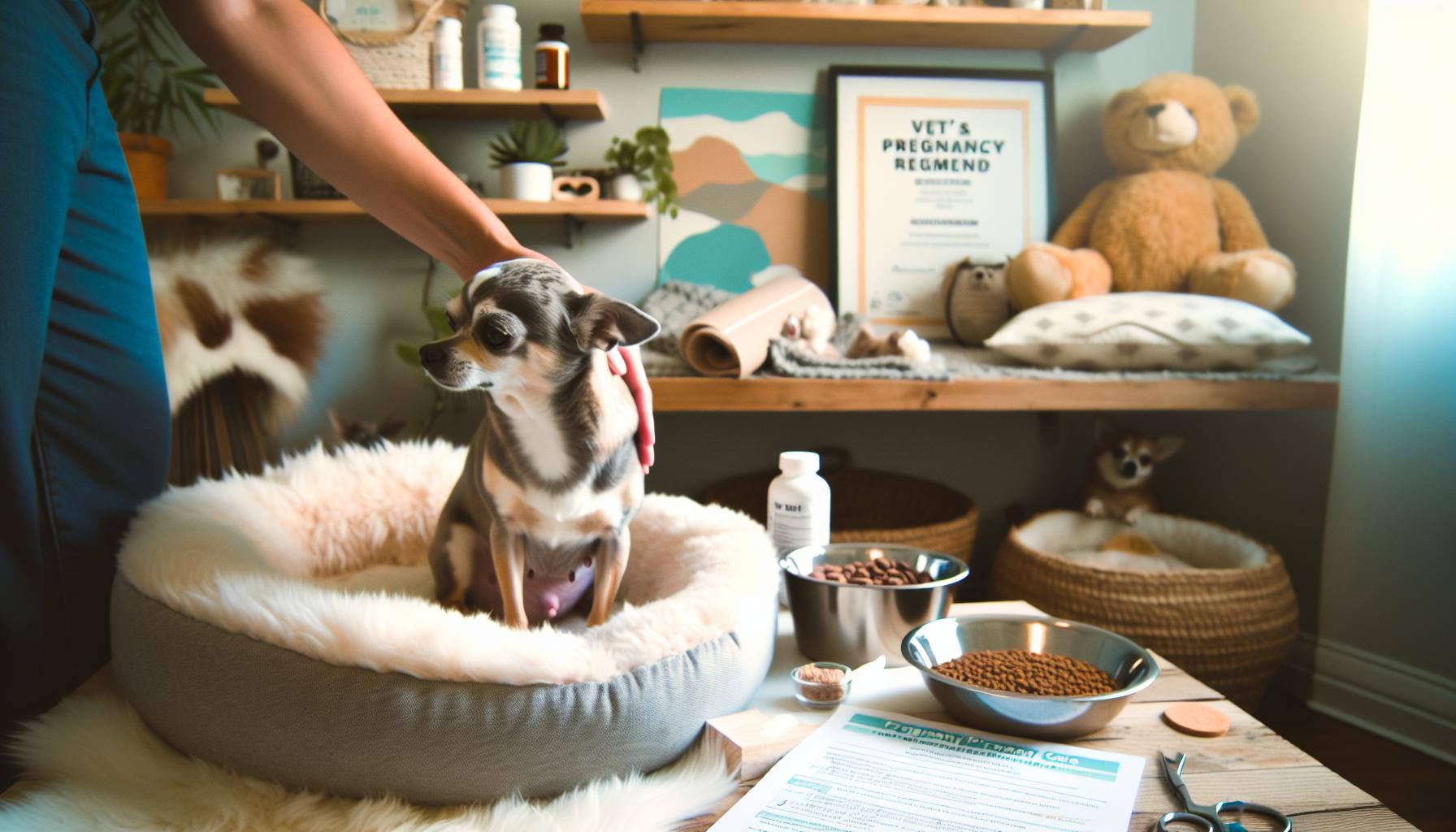
Caring for a pregnant Chihuahua requires special attention to ensure both she and her puppies are healthy and thriving. These little bundles of joy are known for their spirited personalities and unique quirks, and as an owner, your role during this time is crucial. Providing the right environment, nutrition, and support can make a significant difference in the well-being of your dam and her future litter.
One of the most important aspects of care is nutrition. Pregnant Chihuahuas have increased energy and nutrient requirements. It’s essential to provide high-quality, nutrient-dense food that is specifically formulated for pregnant or nursing dogs. Look for options rich in protein and fat, like premium dry kibble or wet food. Consult with your veterinarian to determine the best diet and feeding schedule tailored to your Chihuahua’s specific health needs. They may suggest transitioning to a puppy food, as it has the necessary calories and nutrients.
Regular veterinary check-ups are vital during your Chihuahua’s pregnancy. Monitoring her health closely can help catch any issues early, ensuring she is well-prepared to carry her puppies to term. Your vet can perform ultrasounds to confirm the pregnancy and provide guidance on what to expect as the due date approaches. Creating a comfortable and stress-free environment helps keep her calm during this time. Designate a quiet, cozy area in your home where she can retreat, away from the hustle and bustle, and provide plenty of soft bedding.
Exercise is also essential, but it should be balanced and gentle. Short walks and light play can keep her physical condition optimal without overdoing it. Too much exertion can lead to stress or complications, but a little activity can promote good health and facilitate a smoother delivery.
Finally, preparing for the arrival of the puppies means having the right supplies on hand. A whelping box can provide a safe and comfortable space for her to give birth and care for her newborns. Learn about the signs of labor and what to expect during the birthing process, so you are ready to assist her if necessary. Being proactive and understanding her needs will help you provide the best support during this exciting journey. With your love and attention, your Chihuahua will be well on her way to becoming a wonderful mother.
Signs of a Healthy Pregnancy in Chihuahuas
Expecting a litter of Chihuahua puppies can be an exciting yet delicate time for both you and your furry friend. As an owner, recognizing the signs of a healthy pregnancy is essential to ensure that she is thriving and that the little ones will be too. Chihuahuas, known for their vibrant, bold personalities, may exhibit some unique behaviors and physical changes as they prepare for motherhood.
One of the first indicators of a healthy pregnancy is a balanced appetite. While it’s normal for her to show increased hunger as her body supports the developing puppies, any drastic changes-like sudden gorging or complete disinterest in food-should raise a flag. The right nutrition is vital, as pregnant Chihuahuas require more calories and specific nutrients to support the growing litter. It’s beneficial to consult with your veterinarian to ensure her diet meets these needs, possibly transitioning her to a high-quality puppy food enriched with essential vitamins and minerals.
Observing her energy levels is another crucial factor. A healthy pregnant Chihuahua will exhibit a moderate amount of energy-often more than she did before becoming pregnant. Look for playful behavior interspersed with restful moments, as she learns to find balance. Excessive lethargy or restlessness can signal potential issues, so keep a close eye on her activity. Regular, gentle exercise like short walks can be beneficial, promoting good health without overwhelming her.
Physical changes are also significant signs. You may notice her abdomen beginning to swell as the pregnancy progresses, typically around the third week. Her nipples may darken and become more prominent as she prepares for nursing. Keeping her environment stress-free is essential during this period; creating a cozy, quiet space where she feels safe to rest and nest can do wonders for her emotional and physical well-being.
Lastly, regular veterinary check-ups are paramount. Your vet can perform ultrasounds to not only confirm the pregnancy but also monitor the health of both mother and her developing puppies. By staying vigilant and responsive to her needs, you’ll help ensure that your Chihuahua enjoys a healthy pregnancy, setting the stage for a successful delivery and the warm chaos of puppy-raising ahead.
Raising Chihuahua Puppies: Tips for Success
Raising a litter of Chihuahua puppies is a delightful experience, but it comes with its own set of challenges and joys. These tiny creatures, with their bold personalities and vibrant energy, need special attention from day one to ensure they grow up healthy and well-adjusted. From the moment they arrive, it’s essential to create an environment that supports their social, emotional, and physical development.
One of the first steps in puppy care is to ensure a clean, warm, and safe living area. Choose a location free from drafts, loud noises, and disturbances. A whelping box lined with soft bedding is perfect for the mother and her pups. Keep a close eye on their temperature; Chihuahuas, especially puppies, can easily become chilled. If the room is too cold, you might consider a heating pad set on low under half of the box so the puppies can move to cooler areas if they need to.
Nutrition is critical during the first few weeks. While the mother Chihuahua will provide milk, monitoring her diet is crucial to ensure she is producing enough high-quality milk. Make sure she has access to fresh water and consider high-energy food that supports her lactation needs. As the puppies approach the weaning stage (around four weeks), introduce them to soft puppy food mixed with water or puppy milk replacer to ease the transition from mom’s milk.
Socializing your Chihuahua puppies early on is vital. Gentle exposure to different people, sounds, and environments can help them develop into well-rounded adults. Start by handling them daily, allowing them to experience different textures and interactions. Introduce them to new experiences progressively. For instance, let them meet friends and family in a controlled environment, providing lots of positive reinforcement. Chihuahuas, known for their spirited nature, can be assertive, so early socialization can help temper bold behaviors into more manageable traits.
Finally, keep a close watch on the health of both the mother and her pups. Regular veterinary check-ups for the dam will help avert potential health issues, while an attentive eye on the puppies will allow you to catch any signs of distress or illness early. Be aware that any major changes in behavior or health can signal problems; for instance, if a puppy is consistently not gaining weight, it’s time to consult your vet.
Raising Chihuahua puppies is more than just a responsibility-it’s an opportunity to build lasting bonds. By providing a nurturing environment, focusing on nutrition, socialization, and health, you’re setting the stage for vibrant, loving companions who will bring joy into your life for years to come.
What to Expect in a Chihuahua’s First Weeks
The arrival of Chihuahua puppies is a moment filled with anticipation and joy, yet their first weeks are critical for their development and welfare. From the moment they are born, these tiny creatures rely on their mother and their environment to provide them with the comfort and safety they need to thrive. One of the most comforting habits you’ll want to establish is regular handling; this encourages bonding and helps acclimate the puppies to human interaction. While they might be small, their growth is rapid, and their personalities begin to shine almost immediately.
During the first few days, it’s essential to monitor the health and behavior of both the mother and her puppies. Newly born Chihuahuas will typically sleep a lot, but it’s crucial you check regularly that they are nursing and gaining weight. A healthy puppy will steadily gain weight-check daily to assure none are falling behind. If you notice any puppy struggling to latch onto their mother, don’t hesitate to assist gently, as their survival instincts might not kick in right away.
Nutrition begins with the mother’s milk, which contains vital nutrients critical for her puppies’ early health. Ensuring she receives a high-quality diet is paramount-it fuels her milk production. As the puppies reach about three to four weeks, you can begin the weaning process. Transitioning them to a high-quality puppy food mixed with water can be beneficial. A personal tip: many owners find that introducing a soft, easy-to-eat formula helps puppies adjust more smoothly when they leave their mother’s milk behind.
Socialization starts early, even in those first few weeks, and should be a crucial part of their upbringing. Although they won’t be fully vaccinated yet, light handling and positive experiences with family members can set the groundwork for their social skills. Allow them to explore supervised spaces and meet different people, ensuring every experience is a comforting one. Chihuahuas are known for their bold and spirited nature, and early positive interactions can help shape those traits into a playful, confident demeanor.
Always remember to provide a warm and safe environment for your tiny companions. A calm, quiet area will reduce stress, and using a heating pad or blanket can help maintain their body temperature since they are particularly susceptible to cold. As you navigate these precious early weeks with your Chihuahua puppies, your attentive care will create a strong foundation for happy, healthy dogs who will bring joy and loyalty into your life for years to come.
Socializing Your Chihuahua Puppies Effectively
From the moment Chihuahua puppies arrive, their socialization plays an essential role in shaping their development and personality. Given their lively and sometimes bold nature, it’s crucial to start socializing them early to ensure they grow into well-adjusted adults. Not only do these tiny furballs thrive on interaction, but positive early experiences can significantly influence their behavior and confidence level as they grow.
Begin introducing your Chihuahuas to a variety of people, environments, and experiences as soon as possible, ideally around three weeks of age. Gentle exposure is vital; allow them to meet family members, friends, and other pets in controlled situations. Each encounter will help them build trust and develop their social skills. Remember, Chihuahuas can be vocal and assertive despite their size, so guiding their interactions gently can encourage balance in their spirited personalities.
Creating Positive Experiences
To foster positive social experiences, use treats and praise to reinforce good behavior. For example, when introducing them to new people, have the individual offer treats and speak softly to create a calm environment. Be patient and observe how the puppies react; if they show signs of fear or anxiety, back off and try again later. Gradual exposure is key-never rush interactions.
Incorporating Play
Play is an excellent way for Chihuahua puppies to learn essential social skills. Set up playdates with other vaccinated dogs to allow them to explore canine communication. Keep these sessions short and sweet, as puppies can become overwhelmed quickly. For playtime, ensure the dogs are compatible in size and temperament; Chihuahuas can be quite fearless but may be intimidated by larger, energetic breeds.
Ultimately, the goal is to create a safe and rich environment for your Chihuahuas to explore. As they become more comfortable with new experiences, they will carry that confidence into adulthood, making them not just loving companions but also sociable pets ready for any adventure. Your attentive involvement during these early stages will lay the groundwork for a lifetime of joyful companionship with your spirited little friends.
Nutrition Essentials for Pregnant and Nursing Chihuahuas
Proper nutrition is crucial for the health and well-being of your Chihuahua during her pregnancy and while she’s nursing her puppies. Small breeds like Chihuahuas can have unique nutritional needs that if met, not only support the mother but also contribute to the development of her puppies.
Feeding your Chihuahua a high-quality diet is essential. During pregnancy and lactation, she requires more calories and nutrients than usual. A diet rich in protein, healthy fats, and essential vitamins and minerals is important to support fetal development and milk production. It’s advisable to transition to a high-quality puppy food, as it’s formulated to meet the elevated nutritional needs of both the mother and her growing pups.
Key Nutritional Components
Focus on the following components when providing food for your pregnant or nursing Chihuahua:
- Protein: Essential for the growth of puppies and tissue repair. Look for meals that contain real meat sources like chicken, beef, or fish.
- Fats: Healthy fats are a vital energy source. Omega-3 and Omega-6 fatty acids support healthy skin and coat for both the mother and her puppies.
- Calcium and Phosphorus: Critical for bone health. However, supplementation should be approached cautiously; it’s best to consult your vet since excess calcium can cause problems.
- Vitamins: Nutrients like folic acid, vitamin E, and DHA (docosahexaenoic acid) are beneficial for fetal development.
Hydration is equally important. Ensure your Chihuahua has constant access to fresh water, especially when nursing, as she may become more dehydrated due to milk production.
Monitoring Weight and Health
Throughout her pregnancy and after, keep a close eye on your Chihuahua’s weight and health. Excessive weight gain can lead to complications during pregnancy, so regular check-ups with your veterinarian will help ensure she is on the right track. Puppies should be monitored for growth; a healthy litter shows consistent weight gain and active behavior.
Caring for a pregnant and nursing Chihuahua is an enriching experience, and with the right nutrition, you’ll be setting your mother and her pups up for a thriving start in life. The joy of raising healthy puppies is a rewarding adventure, ensuring that your little companions thrive with the love and care they deserve.
Choosing the Right Home for Your Chihuahua
Finding the perfect environment for your Chihuahua is crucial to their overall happiness and well-being. These tiny dogs, known for their bold personalities and strong loyalties, thrive in settings that cater to their unique needs. A suitable home not only ensures your Chihuahua feels secure but also fosters a healthy lifestyle, particularly when raising a litter of puppies.
Chihuahuas adapt well to various living situations, from apartments to houses with yards, but a few considerations should guide your selection. Safety first: Home should be a safe haven. Small spaces can pose risks, so ensure there are no choking hazards or small items within reach. Use baby gates to keep them away from potentially dangerous areas like staircases, and avoid overcrowding your space to minimize stress.
Climate control is another essential aspect, as Chihuahuas can be sensitive to extreme temperatures. If you live in a hot climate, ensure your home has adequate air conditioning. In colder areas, provide warm bedding and consider dog sweaters for walks outside. Creating a comfortable zone with appropriate temperature regulation supports their health, especially during pregnancy and when raising puppies.
When it comes to socialization, ensure your home invites interaction, not just for you and your Chihuahua but also for visitors and other pets. Exposing your dog to various people and environments can help curb any potential anxiety. For example, established routines that include visitors can make a world of difference to a Chihuahua, helping them embrace the chaos of a busy household rather than retreating or acting defensively.
Finally, make sure your space is equipped for your Chihuahua’s energetic nature. Designate a cozy yet stimulating area with toys that challenge their brains but are safe for their size. Engage them with puzzle toys or interactive playtime to keep their spirits high. Remember, a happy Chihuahua is an active one, so a fun, engaging environment fosters healthy behavior and strengthens the bond between you and your tiny companion.
In conclusion, choosing the right home extends beyond physical space-it’s about creating a supportive environment tailored to your Chihuahua’s needs, fostering a sense of security and joy that will last for years to come. With the right setting, your Chihuahua will flourish, allowing both of you to enjoy a wonderful life together.
Common Health Concerns in Dam and Puppies
The journey of welcoming Chihuahua puppies into your home is filled with excitement, but it also comes with its share of health concerns for both the dam and her puppies. Understanding these potential issues is vital to ensuring a smooth and successful experience.
Chihuahuas, known for their bold personalities, can face specific challenges during pregnancy and nursing. One of the most common concerns is hypoglycemia, especially in puppies. This condition, characterized by dangerously low blood sugar levels, is often seen in small breeds. It can lead to lethargy and even seizures if not addressed promptly. To mitigate this risk, keep an eye on your puppies’ energy levels and appetite, offering small, frequent meals and ensuring they stay warmer, as cold stress can also trigger hypoglycemia.
Another issue to consider is dental health. Chihuahuas are prone to dental problems, which can affect their overall health including breeding and nursing capacities. Ensure she has a dental checkup before breeding and maintain regular dental hygiene during pregnancy and nursing to support both her and her puppies. Incorporating safe chew toys can also encourage better oral health during this time.
For the dam, mastitis, an infection of the mammary glands, is a significant concern that can arise from nursing. Common symptoms include swelling, redness, or heat in the affected area and could even lead to fever. If you notice these signs, consulting your veterinarian promptly is crucial. In mild cases, continued nursing may help, but in more severe cases, treatment options will be necessary to ensure the dam’s and puppies’ health.
Lastly, it’s essential to be aware of the overall weight health during and after pregnancy. Both underweight and overweight conditions can adversely affect the dam’s health and that of her puppies, potentially leading to complications during delivery and nursing. A balanced diet, rich in suitable nutrients, is vital. Consult with a veterinarian about the best feeding practices tailored to her specific health needs and those of her puppies.
Understanding these health concerns allows you to create a supportive environment for your Chihuahua during one of the most critical times in her life. By staying observant and proactive, you can help ensure a healthy, thriving litter while keeping your beloved dam in her best condition.
Preparing Your Home for Chihuahua Puppies
Welcoming Chihuahua puppies into your home can be a delightful experience, but it requires careful preparation to ensure a safe and nurturing environment for both the dam and her new litter. Chihuahuas are small but spirited, and creating a comfortable space is crucial as their bold personalities will begin to shine through even in the early weeks.
Start by designating a quiet, cozy area in your home where the dam can give birth and nurse her puppies. This space should be away from the hustle and bustle of daily life, as Chihuahuas thrive in calm environments. A clean whelping box filled with soft blankets will help provide a secure and warm space for her to care for her puppies. Ensure the box is small enough to make them feel snug, yet spacious enough for her to move comfortably. You can line it with puppy pads to make cleanup easier and to keep the area hygienic.
In addition, it’s essential to consider temperature control. Chihuahuas are particularly sensitive to cold due to their small size and low body fat. Keep the room warm, ideally between 75°F to 80°F (24°C to 27°C), and be cautious of drafts. Heating pads designed for pets can provide additional warmth, but ensure that they are safe and don’t cause overheating.
When preparing for the arrival of the puppies, stock up on necessary supplies. This includes high-quality puppy food, nursing bottles (in case puppies need supplemental feeding), and access to clean water. Having a veterinary-approved puppy milk replacer on hand can be a lifesaver if the dam is unable to nurse. Additionally, keep some basic health supplies ready, such as a digital thermometer and antiseptic to address any minor issues that may arise.
Lastly, be mindful of her environment. Chihuahuas are naturally curious and can easily get into trouble. Remove any hazards such as small items they could swallow, toxic plants, or anything that could pose a choking risk. Responsible preparation not only keeps the puppies safe but also allows the dam to focus on caring for her new family without undue stress.
By creating a safe and welcoming space, you not only support the health and well-being of your Chihuahua and her puppies but also set the stage for a happy and thriving upbringing. This early investment in their environment pays off in the form of healthy, well-adjusted puppies who will develop into those feisty, loyal friends we all adore.
Q&A
Q: How many litters can a Chihuahua have in a year?
A: A Chihuahua can typically have one to two litters per year. Each litter can range from one to five puppies, depending on health and genetics. Frequent breeding may stress the mother, so it’s vital to plan accordingly for her well-being.
Q: What factors influence the size of Chihuahua litters?
A: The size of a Chihuahua’s litter can be influenced by several factors, including the age, health, and genetics of the mother as well as her size. Generally, younger and healthier dogs tend to have larger litters.
Q: When is the best time for a Chihuahua to breed?
A: The best time for a Chihuahua to breed is usually during her second estrus cycle, around 1.5 to 2 years old. This allows her body to mature fully, promoting healthier pregnancies and puppies.
Q: What are common health issues in Chihuahua puppies?
A: Common health issues in Chihuahua puppies include luxating patellas, dental problems, and heart conditions. Regular vet check-ups and proper care can help mitigate these risks for a healthy development.
Q: How can I tell if a Chihuahua is pregnant?
A: Signs of a pregnant Chihuahua include weight gain, increased appetite, nesting behavior, and changes in temperament. A veterinarian can confirm pregnancy through an ultrasound or other methods.
Q: What support do Chihuahua puppies need after birth?
A: After birth, Chihuahua puppies need consistent warmth, nursing from their mother, and a clean environment. Monitor their growth and health closely, and consult a vet for any concerns.
Q: How long is a Chihuahua’s pregnancy?
A: A Chihuahua’s pregnancy typically lasts about 63 days. It’s essential to prepare for the arrival of puppies around this time to ensure a smooth delivery and postnatal care.
Q: What should I feed my pregnant Chihuahua?
A: A pregnant Chihuahua should have a diet rich in high-quality protein and essential nutrients. Consider switching to puppy food, as it’s formulated for higher energy and nutrition needs during pregnancy and nursing.
Feel free to explore our article sections on care for pregnant Chihuahuas and raising Chihuahua puppies for more information and tips!
The Conclusion
Understanding how many puppies a Chihuahua can have is just the beginning of your journey with this vibrant breed. Remember, each litter not only brings joy but also requires dedicated care and a loving home. If you’re considering breeding or just want to learn more about caring for your Chihuahua’s specific needs, dive into our related articles on Chihuahua health and behavior, or our guide on different Chihuahua coat types.
Don’t forget, your Chihuahua deserves the best! Sign up for our newsletter to receive expert tips and updates tailored for proud Chihuahua owners like you. Share your experiences in the comments below-how many pups have you welcomed into your family? Your insights could help others in the community!
Embrace the spirited nature of your Chihuahua, celebrate their quirks, and continue exploring our resources for a fulfilling, informed ownership experience. Each step you take now ensures a brighter future for your beloved companion.
Get our latest guides, news, and insights highlighted in your Google Search & AI Overviews.