
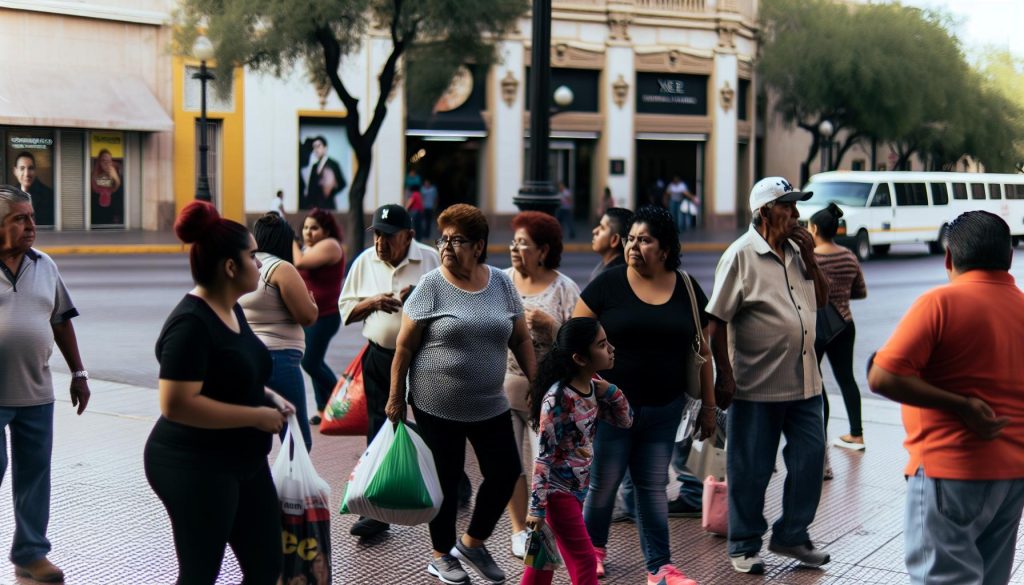
Did you know that the city of Chihuahua is not only known for its rich history and stunning landscapes but also for its vibrant population? Understanding how many people inhabit this dynamic city is more than just a number; it reflects the culture, economy, and social fabric of the region. With evolving demographics influenced by migration and urbanization, the population count can offer insights into local trends and community needs. Whether you’re a resident, a curious visitor, or someone interested in investing in the area, knowing the population of Chihuahua is essential for grasping its unique character and opportunities. Dive in as we explore the latest figures and what they mean for the city and its inhabitants.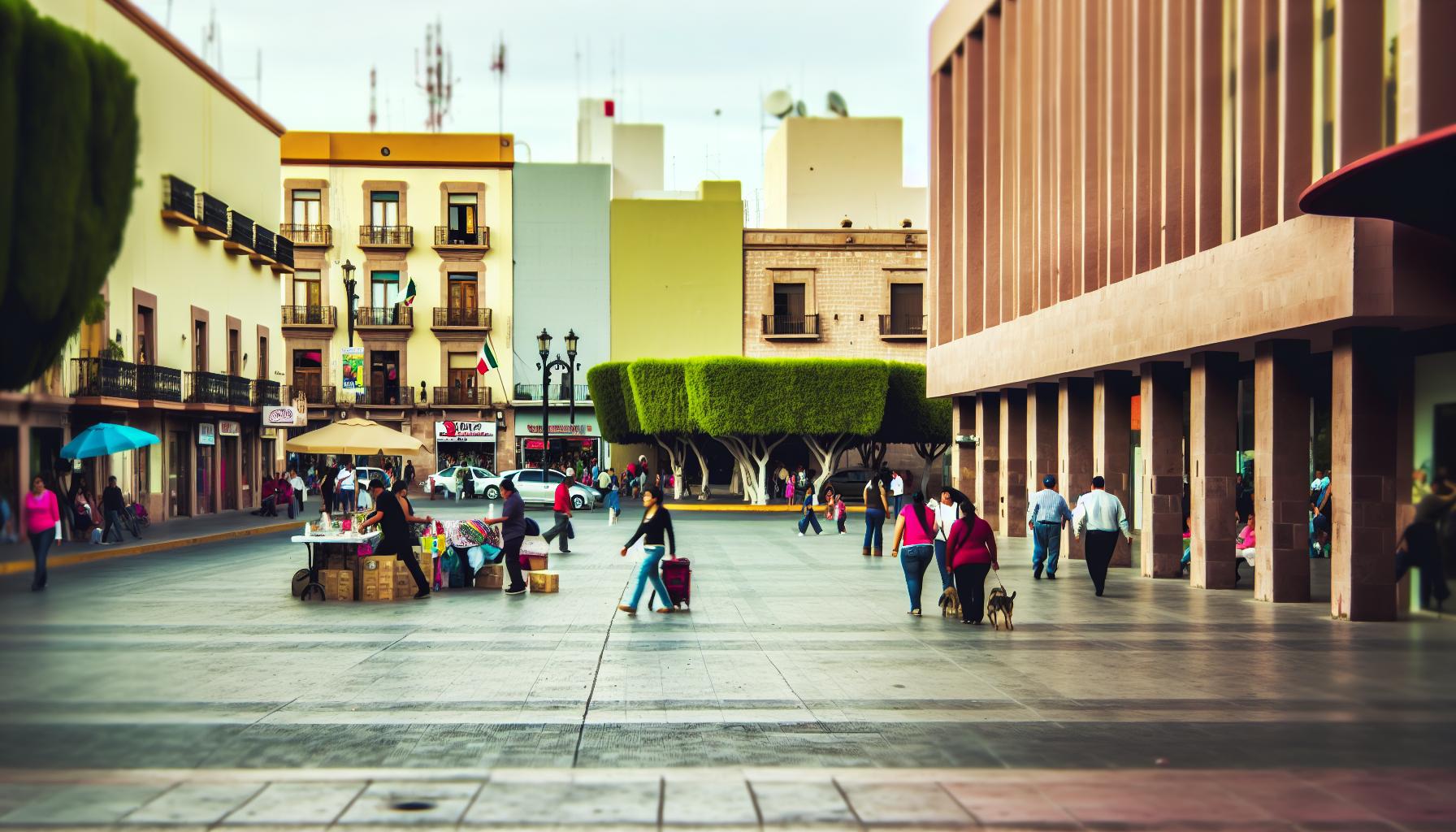
Population Overview of Chihuahua City
Chihuahua City, the capital of the Mexican state of the same name, is a vibrant urban center with a rich cultural heritage and a growing population. As of the latest estimates, the city is home to approximately 1.6 million residents, making it one of the largest cities in northern Mexico. This population density is the result of a combination of factors, including its strategic location as a commercial hub connecting various regions of Mexico and the United States, as well as its historical significance that has attracted people throughout the decades.
The city’s demographic makeup is diverse, encompassing a variety of ethnic backgrounds and cultures. This reflects not only the indigenous communities but also the influences of Spanish colonization and modern migration patterns. The city has seen substantial growth over the years due to both natural population increases and internal migration from rural areas seeking better economic opportunities. As families relocate to Chihuahua City in search of jobs and educational advancements, the urban landscape continues to evolve, characterized by a mix of traditional practices and contemporary lifestyles.
In terms of age demographics, Chihuahua City boasts a youthful population, with a significant proportion of residents under the age of 30. This youthful demographic is crucial for the city’s labor market and cultural dynamism, fostering innovation and a vibrant community life. Understanding these population dynamics is essential for policymakers and businesses that aim to serve the community effectively, ensuring that infrastructure, education, and healthcare services keep pace with the growing demand.
Historical Growth Trends in Chihuahua
Chihuahua City has experienced dynamic growth since its founding in 1709, reflecting both its rich history and strategic geographic importance. Nestled in northwestern Mexico, this city was originally established as a Spanish colonial settlement and has since evolved into a bustling urban center. Over the centuries, the population has grown substantially due to various factors, including economic opportunities and migration patterns that reflect broader socio-economic trends across the region.
In the early 20th century, Chihuahua saw significant population increases attributed to industrialization and the expansion of agricultural activities. Major railroads were developed, linking the city more directly with key markets. These developments encouraged migration from rural areas, as families sought jobs in the burgeoning factories and agricultural sectors. By the mid-20th century, the population had risen to over 300,000, and the city was establishing itself as a vital hub for trade and commerce in northern Mexico.
The latter part of the 20th century saw accelerated urbanization, with the population surpassing 800,000 by the 1990s. This growth was spurred by the establishment of various manufacturing and assembly plants, particularly following the North American Free Trade Agreement (NAFTA) in 1994, which opened economic doors and attracted foreign investment. The influx of people seeking employment further diversified the city’s demographic landscape.
As of the latest estimates, Chihuahua City is approaching 1.6 million residents. This growth trajectory illustrates not only a steady increase in population but also significant shifts in lifestyle, culture, and economy. With a youthful demographic and ongoing development projects, the trends indicate a city poised for continued evolution. Understanding these historical growth trends is essential for grasping the current dynamics of Chihuahua City as it navigates opportunities and challenges in the years to come.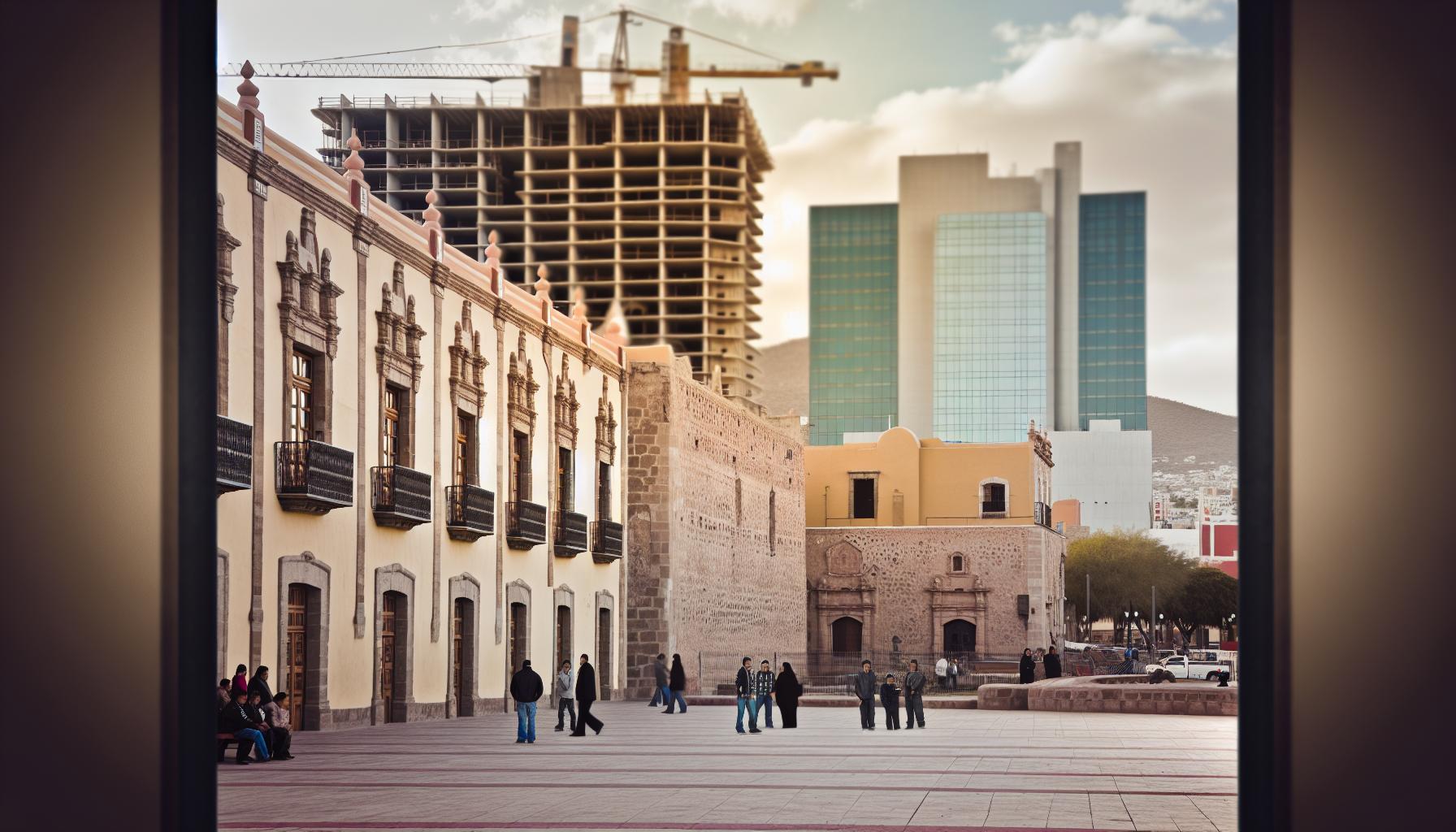
Demographics: Age, Gender, and Ethnicity in Chihuahua
Chihuahua City boasts a vibrant and diverse demographic landscape that reflects both its historical roots and contemporary growth. As of the latest census data, the population is predominantly young, with a significant proportion of residents under the age of 30. This youthful demographic not only drives the city’s dynamic cultural scene but also presents opportunities for innovation and economic development.
In terms of gender distribution, Chihuahua City maintains a relatively balanced ratio of males to females, although slight variations can be seen in different neighborhoods and socio-economic groups. The city is home to various ethnic groups, with the majority being Mestizo, a blend of Indigenous and European ancestry. This rich tapestry of ethnic backgrounds contributes to a culturally diverse community where traditions and customs are celebrated in festivals, culinary experiences, and daily life.
When examining age demographics, it is crucial to note the implications for local education and workforce development. With a large youth population, there is a growing need for educational institutions that cater to diverse learning styles and prepare students for future job markets. Moreover, programs focusing on vocational training are becoming increasingly relevant as industries evolve.
To summarize the demographic profile:
- Age: Majority under 30, fostering a youthful culture.
- Gender: Relatively balanced male-to-female ratio.
- Ethnicity: Predominantly Mestizo with rich cultural diversity.
This demographic insight is vital for understanding the evolving identity of Chihuahua City and the potential challenges and opportunities it faces in the future. With its vibrant youth population, Chihuahua is poised to adapt and grow, fully embracing the dynamic possibilities ahead.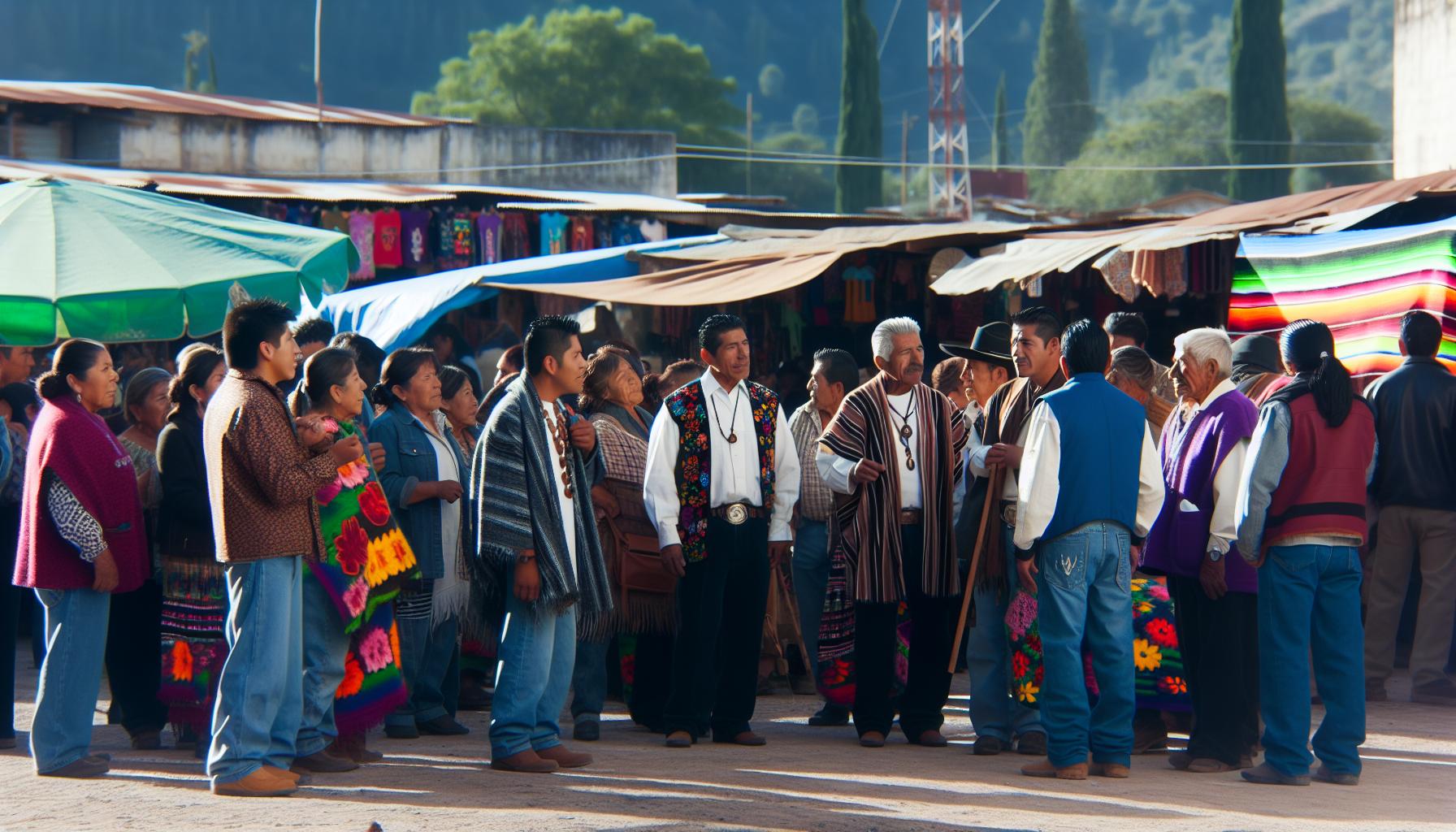
Economy and Employment Statistics in Chihuahua
Chihuahua City has positioned itself as a burgeoning economic hub within Mexico, characterized by a diverse and dynamic employment landscape. As of recent reports, the city has witnessed significant growth in various sectors, including manufacturing, trade, and services, contributing to its resilience and adaptability in the face of economic challenges.
A striking feature of Chihuahua’s economy is its robust manufacturing sector, particularly in electronics and automotive production. Numerous multinational companies have established operations in the region, attracted by favorable business conditions and proximity to the United States border. This influx of industries has not only provided numerous job opportunities but has also spurred regional development. Employment opportunities in manufacturing provide essential skills that cater to the evolving labor market, empowering local workers to advance in their careers.
In addition to manufacturing, the service sector continues to thrive in Chihuahua, driven by growth in tourism, retail, and healthcare. Local businesses have expanded their offerings, enriching the city’s economic fabric. For example, the hospitality industry is on the rise, with new hotels and restaurants popping up to cater to both residents and visitors. This growth can be attributed to both the city’s cultural significance and its natural beauty, drawing tourists interested in exploring the rich history and landscapes of the area.
Chihuahua’s unemployment rate remains relatively low, reflecting a steady demand for labor across various sectors. The city’s workforce is characterized by a young, motivated population, eager to engage in the job market. However, challenges remain, particularly in ensuring that workers possess the necessary skills and training for emerging industries. Implementing vocational training programs and educational initiatives is crucial for supplying businesses with a skilled workforce that can adapt to technological advancements.
As the economy continues to expand, Chihuahua’s prospects look favorable. Local government initiatives aimed at infrastructure development and investment in education suggest that the city is on a path to growing not only in population but also in economic vitality. With these positive trends, Chihuahua presents a landscape of opportunities for job seekers and businesses alike, fostering a vibrant and sustainable economy for the future.
Comparative Population: Chihuahua vs. Other Mexican Cities
Chihuahua City stands out among Mexican cities not only for its rich history but also for its significant population size. With a population of approximately 1.5 million people, it ranks as the 10th largest city in the country. This demographic prominence is enhanced by Chihuahua’s strategic location and its role as a significant economic center, particularly in industries like manufacturing and services.
When comparing Chihuahua’s population to that of other major Mexican cities, such as Guadalajara and Monterrey, we find a fascinating dynamic. Guadalajara boasts a population exceeding 5 million, while Monterrey houses around 4 million residents. Despite being smaller, Chihuahua’s growth has been rapid, with migration from rural areas and other parts of Mexico fueling an increase in residents. This influx has transformed the city into a bustling urban area rich in cultural diversity.
Urban density is another crucial aspect of Chihuahua’s comparative landscape. With an area of approximately 1,459 square kilometers, Chihuahua has a population density of about 1,030 inhabitants per square kilometer. This is lower than cities like Mexico City, which has a staggering density of over 6,000 inhabitants per square kilometer, indicative of Chihuahua’s more spacious living conditions and suburban development.
Chihuahua also grapples with challenges typical of many growing cities. The increase in population contributes to demands for housing, essential services, and infrastructure improvements. However, this growth presents opportunities for development and investment, attracting businesses that recognize the potential of a young and vibrant workforce eager to contribute to the economy.
Recent Census Data: Key Findings for Chihuahua
Recent census data has provided essential insights into the demographic landscape of Chihuahua City, highlighting its dynamic population growth and diverse community composition. As of the latest census, the population of Chihuahua City has reached approximately 1.5 million, affirming its position as the 10th largest city in Mexico. This growth can be attributed largely to both natural increases and migration, as families from rural areas continue to relocate for better opportunities and living conditions in urban settings.
One of the most fascinating findings is the demographic shift in age distribution. The city is experiencing a youthful demographic, with a significant percentage of residents aged between 15 and 29 years. This trend is further evidenced by the high birth rate, contributing to a vibrant community filled with potential. The gender ratio remains fairly balanced, although young women slightly outnumber young men, a trend that reflects broader national demographics.
In terms of ethnic composition, Chihuahua City showcases a rich tapestry of cultures. The majority of residents identify as mestizo, with a notable presence of indigenous communities, notably the Tarahumara, who continue to play a vital role in the cultural identity of the region. This diversity is not only a source of cultural pride but also influences local customs, traditions, and community interactions.
A critical component of the census is the economic data, which reveals that a significant portion of the population is engaged in the service and manufacturing sectors. Employment opportunities in these areas have attracted many migrants, resulting in a bustling economy and a continuously evolving urban landscape. As such, city planners and local governments are tasked with addressing the challenges that accompany this growth, including infrastructure development, housing, and public service enhancements, ensuring that Chihuahua remains a thriving hub for its residents.
Overall, the recent census data not only highlights the impressive growth of Chihuahua City but also underscores its potential for future development, making it an exciting time to be part of this vibrant community.
Population Density and Urban Development in Chihuahua
The bustling city of Chihuahua is not just notable for its population of approximately 1.5 million residents; the density and urban development surrounding this growth reflect a city in transformation. As the urban landscape evolves, so too does its capacity to accommodate a diverse and increasingly mobile population. With ongoing investments in infrastructure and real estate, Chihuahua is embracing the need for sustainable development while enhancing the quality of life for its citizens.
Urban density in Chihuahua is characterized by a mix of residential, commercial, and industrial areas, creating vibrant neighborhoods that serve different lifestyles. The city’s core showcases historic architecture alongside modern developments, providing a unique ambiance that attracts both residents and tourists. In areas like the Centro Histórico, the blend of old and new is not only appealing but symbolic of the city’s growth and resilience. As neighborhoods expand outward, city planners face the challenge of optimizing space while maintaining accessible public services and green spaces.
Population density impacts daily life in several ways, particularly regarding transportation and services. While some areas experience crowding, innovative public transport solutions are being implemented to connect various districts more effectively. Additionally, the rise in vertical housing-such as apartment complexes-addresses the housing demand while conserving land. Local governments are also enhancing infrastructure development, focusing on sustainability to ensure that as the city grows, it does so without compromising the environment or the well-being of its residents.
As Chihuahua continues to grow, the interplay between population density and urban development will shape its future. The city’s strategic planning aims to address challenges such as traffic congestion, environmental sustainability, and the affordable housing crisis. Fostering a community-oriented atmosphere while accommodating an increasing population will remain pivotal in ensuring that all residents feel at home in Chihuahua City. With thoughtful development and community engagement, Chihuahua is poised for a bright future, characterized by harmony between growth and quality of life.
Impact of Migration on Chihuahua’s Population
The movement of people into Chihuahua City significantly shapes its demographic landscape, driving a rich blend of cultures and experiences. Migration, both from other regions of Mexico and international sources, has been a catalyst for the city’s growth, allowing it to experience a remarkable surge in its population. Notably, despite its challenges, migration brings a dynamic energy that fosters social and economic development. This urban melting pot contributes not just to the population numbers-estimated at around 1.5 million-but to a cultural diversity that enriches community life.
Types of Migration Influencing Growth
Chihuahua experiences various forms of migration, including rural-to-urban migration, international migration, and internal migration from other states. Many individuals from rural areas are drawn to the city seeking better employment opportunities and improved living standards. This influx has also been supplemented by families moving from other countries, predominantly the United States, attracted by Chihuahua’s affordable cost of living and burgeoning job market, particularly in manufacturing and services.
Economic Contributions and Challenges
The influx of new residents contributes significantly to Chihuahua’s economy. Migrants often bring different skills and diverse economic perspectives, fostering innovation and entrepreneurship. However, this rapid increase can strain local resources, emphasizing the need for adequate housing, healthcare, and education infrastructure. The challenge lies in balancing the demands of a growing population while ensuring that all residents, both new and long-standing, have access to vital services.
Real estate developments are responding to the rising demand for housing, leading to a transformation in neighborhoods. As welcoming spaces expand, it’s essential for city planners to focus on sustainable practices that consider environmental impacts while maintaining the community’s integrity.
In summary, migration plays a pivotal role in shaping Chihuahua‘s populace and cultural fabric. By understanding and embracing this dynamic, the city can continue to thrive, ensuring that all residents contribute to its continued evolution.
Cultural Diversity and Community in Chihuahua
The vibrant tapestry of cultural diversity in Chihuahua City reflects its history and the multitude of people who call it home. As the population grows, currently estimated at around 1.5 million, this diversity not only enhances the community’s cultural richness but also influences the social fabric in profound ways. With roots tracing back to indigenous peoples and enriched by the arrival of migrants from various regions, Chihuahua has become a melting pot where traditions, languages, and customs converge.
Chihuahua is characterized by a blend of cultural expressions, evident in its festivals, cuisine, and community events. Celebrations such as the “Fiesta de la Manzana” showcase local traditions, incorporating music, dance, and art that highlight the region’s heritage. Furthermore, the culinary scene is a testament to this diversity, with restaurants offering everything from traditional Mexican dishes to international cuisine. The city’s gastronomic offerings reflect the blending of cultures, making it a unique culinary destination.
Community engagement plays a crucial role in fostering this diversity. Local organizations and cultural initiatives actively promote social inclusivity and intercultural dialogue. For instance, neighborhood associations often hold events that encourage interaction among residents from different backgrounds, reinforcing a sense of belonging. By participating in these activities, residents not only celebrate their heritage but also build connections with others, creating a cohesive community despite the diverse cultural influences.
As the fabric of Chihuahua continues to evolve, embracing this multicultural identity will be vital for fostering harmony and social cohesion. The city’s dynamic population presents challenges and opportunities that, when navigated thoughtfully, can lead to a unified community celebrating its rich heritage while looking forward to a vibrant future.
Future Projections: What Lies Ahead for Chihuahua
As Chihuahua City gears up for the future, projections indicate a dynamic shift in its demographic landscape, driven by various economic, social, and environmental factors. The population is expected to continue its growth trajectory, potentially reaching upwards of 1.8 million inhabitants by 2030. This increase reflects not only a natural growth rate but also suggests an influx of people drawn by job opportunities, educational institutions, and the city’s quality of life.
Urban development will play a crucial role in accommodating the growing population. Investments in infrastructure, particularly in transportation and housing, are imperative. The city is already experiencing an uptick in urban sprawl, with new residential areas emerging on the outskirts. This trend may lead to improved connectivity through road expansions and public transit initiatives, which are vital for integrating these new communities with the urban core.
Economic Factors
Chihuahua’s economy is diversified, with robust manufacturing, agriculture, and service sectors providing a stable base for future growth. The city has become a significant player in the manufacturing of automotive and aerospace components, attracting foreign direct investment. As companies continue to expand, job creation will attract more residents, further boosting the population. Additionally, the economic diversification helps buffer against potential downturns in specific industries.
Social Dynamics and Community Integration
As the city evolves, social dynamics will be critical to fostering community integration. With an increasingly multicultural population, initiatives that promote inclusivity and cultural exchange will be essential. Community programs aimed at integrating newcomers-such as language classes, cultural festivals, and social services-can help maintain the rich tapestry of Chihuahua’s cultural heritage while also building a cohesive community. These efforts will be crucial to ensure that all residents feel welcomed and valued in this vibrant city.
Planning for these anticipated changes will require collaborative efforts among local government, businesses, and community organizations. By prioritizing sustainable practices and focusing on inclusivity, Chihuahua can not only manage its growth but also enhance the quality of life for its residents, ensuring a bright and prosperous future for all.
Challenges and Opportunities for Population Growth in Chihuahua
As the population of Chihuahua City continues to grow, the challenges and opportunities that accompany this expansion become increasingly evident. Understanding the factors at play can empower city planners, residents, and investors to navigate this evolving landscape effectively. With innovative solutions and proactive strategies, Chihuahua can harness its growth for a thriving future.
One of the prominent challenges facing the growing population is the strain on urban infrastructure. Increased demand for housing, transportation, and public services necessitates substantial investments and strategic urban planning. Without adequate planning, the risk of overcrowded neighborhoods and insufficient resources could lead to a decline in the quality of life for residents. Local government and developers need to prioritize sustainable practices and community-oriented designs to meet these demands.
Conversely, the burgeoning population presents a wealth of opportunities, particularly in economic development. Chihuahua’s diverse economy, bolstered by its manufacturing and service sectors, is well-positioned to absorb new residents. The influx of people not only creates a larger labor pool but also stimulates demand for goods and services, fostering local entrepreneurship. Local businesses can thrive by adapting to the needs of this expanding population, creating jobs, and contributing to the city’s economic vitality.
Furthermore, the cultural mosaic of Chihuahua enriches the social fabric, prompting community engagement and inclusivity initiatives. As new residents settle in, opportunities for cultural exchange and collaboration arise, enhancing community cohesion. Efforts to foster understanding through events, workshops, and social programs will be pivotal in ensuring that all voices are heard and valued in the fabric of Chihuahua’s society.
By addressing the challenges head-on and capitalizing on the opportunities presented by a growing population, Chihuahua City can pave the way for a prosperous future. Active participation from residents, innovative approaches from businesses, and strategic actions from local governance will all play crucial roles in shaping the city’s dynamic landscape. Embracing change while remaining anchored in community values will ensure that Chihuahua remains a vibrant place to live and work for generations to come.
FAQ
Q: What is the current population of Chihuahua City?
A: As of the latest census, Chihuahua City has approximately 1.6 million residents. This figure reflects a growth trend that underscores the city’s increasing significance in northern Mexico. For more detailed population statistics, refer to the Recent Census Data section of our article.
Q: How has the population of Chihuahua City changed over the years?
A: Chihuahua City’s population has seen significant growth over the past few decades, largely due to urbanization and economic opportunities. Historical data indicates consistent increases, especially during the late 20th century. For a deeper dive, check our Historical Growth Trends section.
Q: What factors influence migration to Chihuahua City?
A: Migration to Chihuahua City is influenced by economic opportunities, educational facilities, and a relatively lower cost of living compared to other cities. This influx contributes to cultural diversity and enriches the community fabric. More on this can be found in our Impact of Migration section.
Q: What is the demographic breakdown of Chihuahua City?
A: Chihuahua City’s demographics are diverse, with a population that includes various age groups, genders, and ethnic backgrounds. Notably, the city has a significant young population, which drives cultural and economic dynamics. For specifics, see our Demographics section.
Q: Are there any projections for future population growth in Chihuahua City?
A: Future projections suggest that Chihuahua City’s population will continue to grow, potentially reaching over 2 million by 2030. Factors such as economic development and urban planning play crucial roles in this forecast. Detailed insights are available in our Future Projections section.
Q: How does Chihuahua City’s population density compare to other Mexican cities?
A: Chihuahua City has a moderate population density when compared to other major Mexican cities like Mexico City or Guadalajara. This makes it relatively spacious, offering both urban living and areas for development. For comparisons, refer to our Comparative Population section.
Q: What challenges does Chihuahua City face regarding its population growth?
A: The primary challenges include infrastructure strain, housing availability, and ensuring access to services like healthcare and education. Addressing these issues is essential for sustainable growth. More on this is discussed in our Challenges and Opportunities section.
Q: How does cultural diversity manifest in Chihuahua City?
A: Cultural diversity in Chihuahua City is evident in its festivals, cuisine, and community events, reflecting a blend of indigenous and modern influences. This diversity enhances the social landscape, making it a vibrant place to live. Explore our Cultural Diversity section for more details.
Key Takeaways
Thank you for exploring the fascinating population dynamics of Chihuahua City! You’ve gained valuable insights into the factors shaping its growth and the cultural vibrancy of this incredible region. As you consider planning a visit or learning more about this beautiful city, don’t forget to check out our articles on Chihuahua’s rich history and the best local attractions to explore.
If you’re eager for more, join our newsletter for exciting updates and tips on everything Chihuahua-related, from travel guides to community events. Your journey into the heart of Chihuahua starts here-engage with us by sharing your thoughts in the comments or exploring more of our insightful content. We’re here to help you discover all that this unique city has to offer!
Get our latest guides, news, and insights highlighted in your Google Search & AI Overviews.