

Chihuahua State, vast and rich in culture, is home to its largest city, Chihuahua City. Did you know that this vibrant capital serves as a hub of history, economy, and education in the region? Understanding where this city sits geographically and culturally is not just a matter of trivia-it’s essential for anyone looking to explore the beauty and resources this area has to offer. Whether you’re planning a visit, considering a move, or simply curious, knowing about Chihuahua City opens doors to the fascinating stories and attractions that define this unique part of Mexico. Stay with us as we unpack what makes this city so extraordinary and why it holds a significant place in the heart of Chihuahua State.
What Is the Largest City in Chihuahua State?
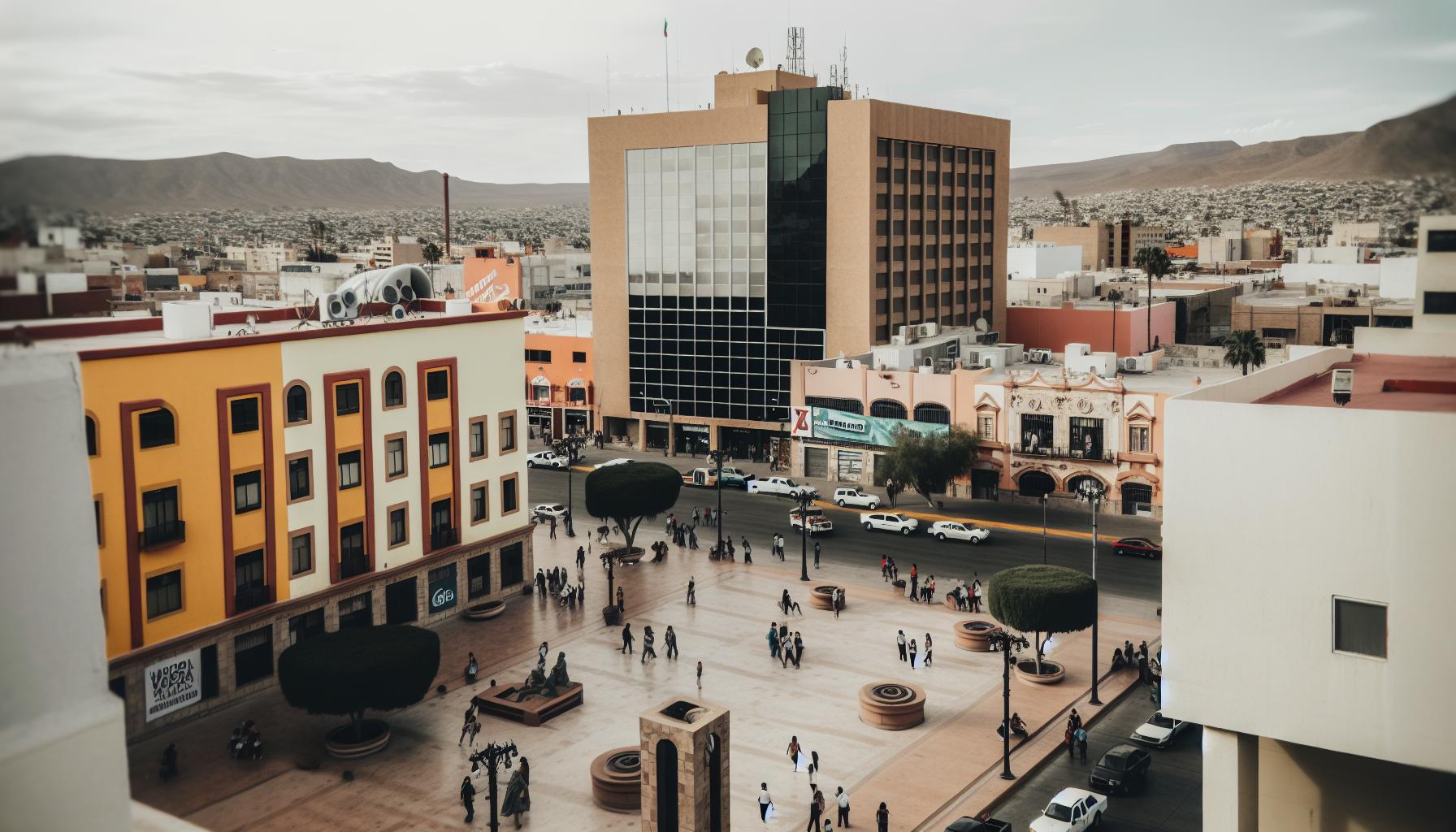
Chihuahua City, the capital of the state of Chihuahua in Mexico, is the largest city in the region and serves as a vibrant cultural and economic hub. With a population exceeding 900,000 residents, it plays a crucial role in the state’s identity and development. The city is situated in a high desert area, surrounded by stunning landscapes that reflect the natural beauty of northern Mexico. Its strategic location along the U.S. border encourages trade and tourism, making it a bustling metropolis.
As the heart of Chihuahua State, the city is rich in history, having been founded in the 1700s. It has evolved significantly over the centuries, blending indigenous, colonial, and modern influences. Today, visitors and residents alike enjoy a diverse mix of architectural styles, museums, and art galleries that showcase the region’s heritage. Notably, the city’s central plaza, Plaza de Armas, serves as a gathering place for cultural events and celebrations, highlighting its importance as a community focal point.
Chihuahua City also boasts a range of amenities and services that cater to its residents, including education institutions, healthcare facilities, and recreational areas. The city’s economy is bolstered by industries such as manufacturing, agriculture, and trade, further emphasizing its role as a central player in the region’s growth. With its unique blend of modernity and tradition, Chihuahua City stands out as not just the largest city in the state, but also a place rich in opportunities and cultural experiences for those who live there or visit.
Key Facts About Chihuahua City
Chihuahua City stands as a captivating intersection of history, culture, and modernity, making it the heart of the state of Chihuahua. As the largest city in the region, it boasts an impressive population of over 900,000 residents, blending urban life with the rich traditions that define its unique character. The city enjoys a strategic location, bordering the United States, which enhances its status as a key player in trade and tourism.
One of Chihuahua City’s most striking features is its beautiful high desert backdrop, dotted with stunning natural landscapes that invite exploration. The climate here is predominantly semi-arid, characterized by warm summers and mild winters, which contributes to a vibrant outdoor lifestyle. This geographical positioning has not only shaped the local culture but also made it an attractive destination for visitors seeking both adventure and relaxation.
| Key Facts | Details |
|---|---|
| Established | 1709 |
| Population | Over 900,000 |
| Elevation | 1,400 meters (4,600 feet) |
| Climate | Semi-arid |
| Major Industries | Manufacturing, agriculture, trade |
| Proximity to U.S. Border | Approximately 350 km (220 miles) |
Culturally, the city is a tapestry woven from indigenous heritage and colonial influences. Iconic sites like the Plaza de Armas serve as cultural touchstones, hosting events that celebrate local traditions and arts. Whether you’re wandering through historic neighborhoods or enjoying a meal of local delicacies, each experience in Chihuahua City reflects its vibrant and diverse community. This unique blend of elements not only enhances the quality of life for its residents but also makes it an engaging location for tourists, appealing to anyone looking to immerse themselves in the best of northern Mexico.
A Historical Overview of Chihuahua City

Chihuahua City has a rich and varied history that begins with its establishment in 1709. Originally founded by Spanish conquistadors, the city was strategically located to serve as a center of trade and governance in northern Mexico. Its name, derived from the indigenous term meaning “place of the rabbits,” reflects the area’s native heritage and the importance of its natural resources. As the largest city in the state of Chihuahua, it has played a significant role in the region’s development, fueled by economic and cultural exchanges between the indigenous populations and Spanish settlers.
During the colonial period, Chihuahua City flourished as a critical hub for mining, especially silver, which attracted many settlers and increased its wealth and influence. By the mid-19th century, the city became even more prominent during the Mexican War of Independence and the subsequent conflicts that shaped modern Mexico. Notably, it was a key location during the Mexican Revolution, serving as the base for revolutionary leaders like Pancho Villa, who used the city as a launching point for significant military campaigns in the north.
As the years passed, Chihuahua City evolved from its colonial roots into a modern urban center, merging historical architecture with contemporary developments. Today, visitors can explore various historical landmarks, such as the impressive Cathedral of Chihuahua, built in a Baroque style, and the Palacio de Gobierno, which showcases the city’s political history. This blend of old and new reflects the city’s ongoing narrative, where tradition meets progress, drawing both residents and tourists alike to its dynamic atmosphere.
Chihuahua City’s history is further marked by significant cultural developments, evidenced by its annual events and festivals that celebrate its rich heritage. From indigenous traditions to colonial influences, the city’s past is alive in its museums, art galleries, and public celebrations. These elements foster a deep sense of community and pride among its residents, making Chihuahua City not just a place to visit, but a significant chapter in Mexico’s historical tapestry.
Cultural Attractions in Chihuahua City
Chihuahua City is a vibrant tapestry of cultural attractions that reflect its rich history and diverse heritage. The city is home to an array of museums, theaters, and historical sites that not only showcase the artistic talents of its people but also preserve its storied past. One of the must-visit places is the Museo de Chihuahua, located in a former 19th-century military barracks. It offers insights into the region’s history, including pre-Hispanic artifacts and exhibits dedicated to revolutionary figures like Pancho Villa.
Strolling through the city’s streets, you’ll encounter the stunning Cathedral of Chihuahua, a masterpiece of Baroque architecture. Its intricate façade and beautiful interior make it a peaceful spot for reflection and a favorite among photographers. Nearby, the Palacio de Gobierno is another architectural gem, adorned with murals that narrate significant events in Chihuahua’s history, allowing visitors to visually engage with the past.
The cultural heartbeat of Chihuahua City can also be felt in its lively performing arts scene. The Teatro de los Heroes hosts a range of performances from local theater productions to concerts, providing a platform for both established and emerging artists. This venue symbolizes the city’s commitment to culture and offers residents and tourists alike an opportunity to experience the local creative energy.
Moreover, the annual International Chihuahua Festival is a highlight for both locals and visitors, celebrating the city’s artistic and cultural diversity with music, dance, and food from various traditions. Known for fostering community, this festival embodies the spirit of Chihuahua City-a blend of old traditions and new expressions, inviting everyone to partake in its vibrant cultural life. Whether you are an art aficionado or simply looking to immerse yourself in local culture, Chihuahua City offers a rich palette that beckons exploration.
Economic Significance of Chihuahua City
Chihuahua City stands as an economic powerhouse within the state of Chihuahua, contributing significantly to both regional and national economies. As the largest city in the state, it acts as a hub for trade and industry, with its strategic location near the U.S.-Mexico border facilitating easy access for commercial exchanges. This advantageous position has attracted a diverse range of industries, including manufacturing, agriculture, and technology.
The manufacturing sector plays a crucial role in Chihuahua City’s economy, particularly in the production of electronics, automotive components, and aerospace parts. Over the years, numerous multinational companies have established manufacturing plants in the region, creating a robust job market that benefits both locals and migrants. For instance, companies like Delphi and General Motors have significant operations here, contributing to employment and stimulating local businesses.
In addition to manufacturing, agriculture remains a vital part of the local economy. The surrounding fertile areas produce various crops, including chili peppers, apples, and grapes, which are integral to both local consumption and export markets. The agricultural sector not only sustains jobs but also supports the culinary scene in Chihuahua City, promoting local gastronomy that is a point of pride among residents.
Furthermore, the growth of the technology sector is increasingly shaping the economic landscape. With a rising number of startups and tech-focused companies setting up shop, Chihuahua City is becoming known as an emerging tech hub. This shift is attracting a younger demographic and fostering innovation, making the city an exciting place for entrepreneurs and skilled professionals alike.
As a city that balances tradition and modernity, Chihuahua fosters a dynamic economic environment. Local markets, such as Mercado Municipal and various artisan fairs, not only provide unique shopping experiences but also support local craftsmen and small businesses. The combination of these economic activities creates a vibrant community where commerce flourishes, benefiting all residents while enhancing the city’s reputation as a key player in Mexico’s economic landscape.
Demographics and Population Trends
Chihuahua City is not only the largest city in the state of Chihuahua but also a vibrant melting pot of cultures and demographics. With a population of over 900,000, it serves as a focal point for various communities and exhibits a dynamic demographic profile that continues to evolve. The city has seen significant growth driven by both urbanization and economic opportunities, particularly in manufacturing and technology sectors.
The population is characterized by its diversity, with a mix of indigenous groups and migrants from other parts of Mexico and beyond. This blend enhances the cultural tapestry of the city, evident in its festivals, cuisine, and art. The younger population, consisting of a large percentage of residents under the age of 30, drives a lively atmosphere, contributing to the city’s reputation as a hub for innovation and creativity.
As for trends, recent years have witnessed a gradual increase in urban migration, resulting from the search for employment and better living conditions. This influx has prompted the city’s infrastructure to expand and adapt, with new residential areas and amenities emerging to accommodate the growing population. In turn, this demographic shift has influenced local services, housing markets, and community dynamics.
Chihuahua City also faces challenges common to urban areas, such as ensuring adequate access to housing, education, and healthcare for its diverse population. However, community initiatives aimed at supporting marginalized groups are on the rise, fostering inclusivity. The city remains a compelling case study of how demographics can shape the development and identity of a region, reflecting both historical roots and modern aspirations.
Transportation Options in Chihuahua City
Chihuahua City boasts a well-developed transportation network that caters to the needs of its diverse and growing population. As the largest city in the state, it is essential for residents and visitors alike to navigate its expansive urban landscape efficiently. Whether you’re a local or just visiting, understanding the available transportation options can enhance your experience and help you make the most of your time in this vibrant city.
Public transportation in Chihuahua City is primarily served by an extensive bus system, which provides affordable and convenient access to various neighborhoods and commercial districts. The buses are frequent, connecting major areas such as downtown, universities, and shopping centers. Additionally, the city has introduced modern buses equipped with features like air conditioning for added comfort during warmer months. For those who prefer more flexibility, taxis and ride-sharing services like Uber are popular choices, offering quick and easy transport to any destination within the city.
Another significant aspect of transportation in Chihuahua is its road infrastructure. The roadways are generally well-maintained, allowing for smooth driving conditions. This is particularly beneficial for those who choose to rent a car or use their own vehicle to explore the surrounding areas. The city is also strategically located with easy access to major highways, facilitating trips to nearby attractions such as the Sierra Tarahumara or the historic town of Creel.
For cyclists, the city has been developing bike lanes to promote eco-friendly transportation. While still in the early stages compared to more bicycle-friendly cities, these developments indicate a commitment to diversifying transportation options and reducing reliance on motor vehicles. Walking is also a viable option in central areas, where many attractions are within a reasonable distance, allowing for a leisurely exploration of the city’s unique culture and architecture.
Overall, relatively affordable public transportation, well-maintained roads, and emerging cycling infrastructure make it easier than ever to navigate Chihuahua City. Whether you’re commuting to work, embarking on shopping adventures, or exploring cultural sites, the city offers a variety of transportation modalities to meet your needs.
Living in Chihuahua City: Pros and Cons
Living in Chihuahua City offers a vibrant mix of urban convenience and cultural richness, making it an attractive place for many. With its status as the largest city in Chihuahua State, residents enjoy a diverse array of amenities, services, and opportunities that come with city life. However, every city has its ups and downs, and understanding these can help you decide if Chihuahua City is the right fit for you.
One of the most significant advantages of living in Chihuahua City is the cultural scene. The city is steeped in history, reflected in its colonial architecture and numerous museums. Residents can easily access cultural attractions like the Museo Casa de Juárez and the Cathedral of Chihuahua. Additionally, the city hosts various festivals and events throughout the year, bringing the community together and showcasing local traditions. The culinary scene is equally enticing, with countless eateries serving everything from traditional Mexican dishes to modern fusion cuisine, ensuring there’s always something new to try.
On the flip side, urban living can also come with challenges. While the city has a well-developed transportation network, traffic congestion during peak hours can be a hassle. Public transportation is generally affordable and accessible, but it might not always be the most convenient option, especially for those who live farther from major routes. Additionally, urban areas can sometimes experience higher crime rates, and it’s important to choose a neighborhood wisely. Researching areas with lower crime statistics or seeking advice from locals can provide a better sense of security.
Moreover, the cost of living in Chihuahua City can vary widely depending on the neighborhood. While certain areas offer reasonable rental prices, others can be quite expensive, especially those closer to the city center. Balancing housing costs with lifestyle preferences is crucial. For instance, living in more suburban or outskirts areas can offer quieter environments at a lower cost, though it might require a longer commute to the city’s bustling heart.
Ultimately, living in Chihuahua City comes with a rich tapestry of experiences, blending convenience, culture, and community, while also presenting some typical urban challenges. By weighing the pros and cons, potential residents can make informed decisions about their move and lifestyle in this dynamic city.
Popular Neighborhoods to Explore
Chihuahua City is not only the largest city in the state but also a vibrant backdrop of diverse neighborhoods, each offering its own charm and lifestyle. Exploring these areas can reveal an array of cultural experiences, culinary delights, and community vibes that make the city unique.
In the historic center, you’ll find beautifully preserved colonial architecture, with streets that tell stories of the past. This area is ideal for those who appreciate rich history combined with modern conveniences. Notable landmarks, such as the impressive Cathedral of Chihuahua and the Museo Casa de Juárez, are just a stroll away.
For those seeking a more laid-back vibe, neighborhoods like Chihuahua 2000 and Las Granjas offer spacious parks and family-friendly amenities. These districts are perfect for young families or those who enjoy outdoor activities, providing numerous green spaces for picnics, jogging, or simply relaxing. They maintain a strong sense of community, often hosting local events that bring residents together.
On the other hand, if you are looking for a lively atmosphere, neighborhoods such as Paseo Triunfo de la República buzz with energy, featuring shopping areas, restaurants, and nightlife. Here, you can enjoy a mix of traditional and contemporary dining experiences, from local taco stands to upscale eateries.
When selecting a neighborhood, consider factors like commute times, proximity to schools or workplaces, and safety statistics. Each corner of Chihuahua City presents a different slice of the urban experience, waiting to be explored and enjoyed. Whether you prefer the hustle and bustle of the city center or the tranquility of a suburban area, there’s a perfect spot for everyone in Chihuahua City.
Events and Festivals in Chihuahua City
Chihuahua City boasts a vibrant tapestry of events and festivals that reflect its rich cultural heritage and community spirit. Each year, residents and visitors alike come together to celebrate traditions that showcase the city’s unique identity. One of the most significant events is the Fiesta de Octubre, held in October, which features music, dance, and food that captivate the senses. This festival not only highlights local artisans and food vendors but also hosts traditional games and performances, creating an atmosphere of joy and engagement throughout the city.
Another landmark event is the Día de Muertos (Day of the Dead) celebration, celebrated annually on November 1st and 2nd. This deeply rooted Mexican tradition sees families honoring their deceased loved ones with vibrant altars adorned with flowers, photographs, and favorite dishes of the departed. Throughout the city, you can find colorful parades, competitions for the best altars, and cultural exhibitions that offer a heartfelt glimpse into the lives and memories of those being commemorated.
Chihuahua City also takes pride in its Cultural Festival, which showcases a diverse array of art, music, and performances, attracting talent from across the region. This festival typically spans several days, featuring art exhibitions, live concerts, and theatrical presentations that engage the community and celebrate local culture. It serves as a platform for artists to showcase their work and for families to enjoy a range of activities together.
For those who appreciate gastronomy, the Chihuahua Gastronomic Festival is a must-visit. This event highlights the rich culinary traditions of the region, where local chefs present their best dishes, focusing on traditional ingredients and recipes. Attendees can sample a plethora of culinary delights while enjoying cooking demonstrations from renowned chefs.
Participating in these festivities not only allows you to immerse yourself in Chihuahua City’s lively culture but also provides an opportunity to connect with locals and fellow travelers, making for an enriching experience. Whether you’re enjoying live music, sampling delicious food, or participating in age-old traditions, the are a testament to its vibrant community spirit and cultural heritage.
Tips for Visiting Chihuahua City
Visiting Chihuahua City offers a unique blend of rich history, vibrant culture, and breathtaking landscapes. To make the most of your trip, keep in mind a few essential tips that can enhance your experience. First, immerse yourself in the local culture by visiting historic landmarks, such as the Palacio de Gobierno, which showcases stunning murals depicting the state’s history. Partake in guided city tours to gain deeper insights into the region’s past and present.
Getting around Chihuahua City is relatively easy, with options ranging from walking to using local public transport. Consider using ride-sharing apps for convenient transportation, especially if you’re exploring areas outside the city center. If you’re venturing out to local attractions or natural parks, renting a car can provide greater flexibility and allow you to explore at your own pace.
When it comes to dining, don’t miss out on trying local dishes like “discada” or “gorditas.” These culinary delights reflect the region’s rich gastronomic traditions. Visit local markets and food stalls to savor authentic flavors and engage with friendly vendors. Additionally, attending a cooking class can provide a fun and interactive way to learn about traditional recipes involving local ingredients.
Chihuahua’s climate can be quite variable, so pack accordingly. Summers can be hot, while winters can be chilly, especially at night. Layered clothing is advisable for comfort throughout the day. Lastly, keep an eye out for local events and festivals that might coincide with your visit. These gatherings often feature music, dance, and art, offering a fantastic opportunity to connect with the community and experience the festive spirit of Chihuahua City firsthand.
Frequently asked questions
Q: What is the largest city in Chihuahua State?
A: The largest city in Chihuahua State is Chihuahua City. It serves as the state capital and is a key economic and cultural center in northern Mexico.
Q: What are some key facts about Chihuahua City?
A: Chihuahua City is known for its rich history, vibrant culture, and significant economic activities. It’s home to notable attractions like the Chihuahua Cathedral and is a hub for industries like manufacturing and agriculture.
Q: How does Chihuahua City compare to other cities in Mexico?
A: Chihuahua City ranks among the top cities in Mexico by population and economic activity. It is notable for its unique blend of modern infrastructure and historical sites compared to other major cities.
Q: What is the population of Chihuahua City?
A: As of the latest estimates, Chihuahua City has a population of around 1 million residents, making it the most populous city in the state of Chihuahua.
Q: What transportation options are available in Chihuahua City?
A: Chihuahua City offers various transportation options, including public buses, taxis, and ride-sharing services. The city is also served by the Gen. Roberto Fierro Villalobos International Airport for air travel.
Q: What are some cultural attractions in Chihuahua City?
A: Cultural attractions in Chihuahua City include the Museum of the Chihuahua Revolution, the Historical Museum of the Mexican Revolution, and beautiful parks like El Palomar where visitors can enjoy local arts and events.
Q: When is the best time to visit Chihuahua City?
A: The best time to visit Chihuahua City is during the fall (September to November) and spring (March to May) when the weather is mild, and many local festivals take place, enhancing cultural experiences.
Q: What festivals are celebrated in Chihuahua City?
A: Notable festivals in Chihuahua City include the International Festival of Chihuahua and Fiestas de Octubre, which showcase local music, art, and traditions, attracting both locals and tourists alike.
Final Thoughts
Thank you for exploring the vibrant city of Chihuahua, the largest in the state! As you’ve learned, its rich history and unique culture offer something for everyone. Whether you’re planning a visit or just curious about its highlights, we encourage you to dive deeper into related articles, like our guide on the best attractions in Chihuahua and the city’s hidden gems. Don’t miss out-subscribe to our newsletter for the latest updates and tips on exploring fascinating destinations.
As you continue your journey, remember that the capital is a hub of activity and a perfect starting point for discovering more of Mexico’s beauty. If you have questions or want to share your own experiences, drop a comment below! Your stories not only enrich our community but also help fellow readers. Keep exploring and enjoy every moment in Chihuahua!
Get our latest guides, news, and insights highlighted in your Google Search & AI Overviews.