
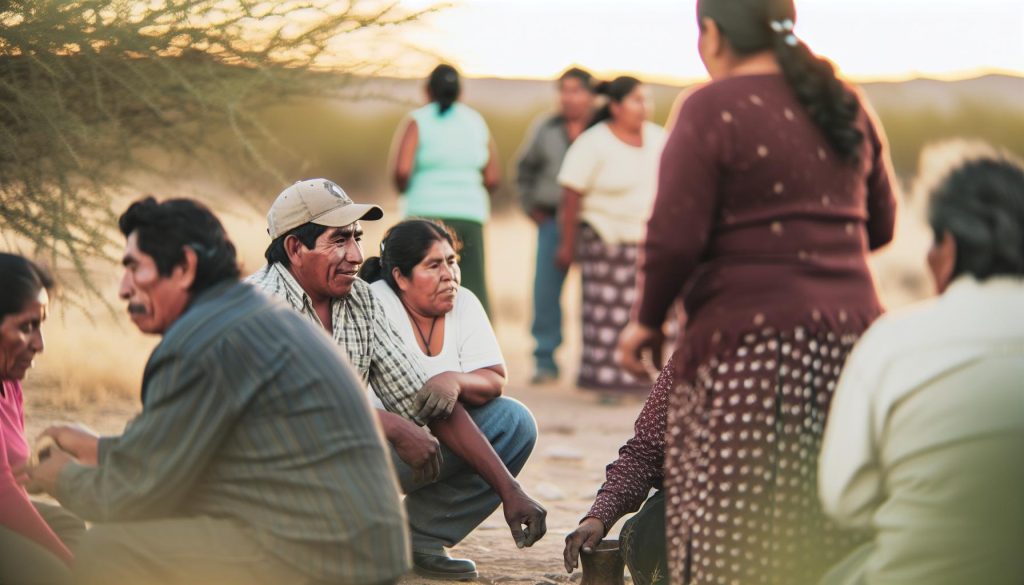
If you’ve ever found yourself curious about how to refer to the proud residents of Chihuahua, you’ve picked an intriguing topic! The correct gentilicio, or demonym, is not just a matter of language; it reflects the rich culture and identity of the region. Understanding how to properly address the Chihuahuan people enhances your connection to their vibrant heritage and fosters respect towards their unique community. Whether you’re looking to impress friends, deepen your travel experiences, or simply expand your knowledge about this fascinating state, delving into the nuances of what it means to be from Chihuahua is both engaging and valuable. Join us as we uncover not just the correct terminology, but also the cultural significance behind it, encouraging you to see this beautiful region in a new light.
What Is the Correct Gentilicio for People from Chihuahua?
In the vibrant tapestry of Mexican culture, the inhabitants of Chihuahua proudly identify as “Chihuahuenses.” This term encompasses the local population’s rich heritage and distinct identity shaped by the state’s diverse history and geographical features. Nestled in the northern part of Mexico, Chihuahua is renowned for its vast deserts, mountainous regions, and the deep-rooted traditions of its indigenous peoples, primarily the Tarahumara and the Rarámuri.
Chihuahuenses are characterized not just by their unique gentilic but also by their warm hospitality and strong community ties. Residents often express pride in their state’s achievements, from its notable contributions to Mexican history to its recognized culinary delights, such as the famous burrito and distinctive chili dishes. This identity is manifested in the locals’ joyful celebrations of festivals, where traditional music and dance come together, uniting many under the infectious energy of regional pride.
When referring to someone from Chihuahua, it’s essential to recognize the nuances associated with the gentilic. While “Chihuahuan” is technically accurate, “Chihuahuense” is more commonly used and reflects local culture more closely. Understanding this distinction helps foster better conversations and connections with the residents, enriching interactions whether during a visit or in written communication. Ultimately, embracing the term Chihuahuense helps illuminate the diverse stories and identities woven into the fabric of this remarkable state.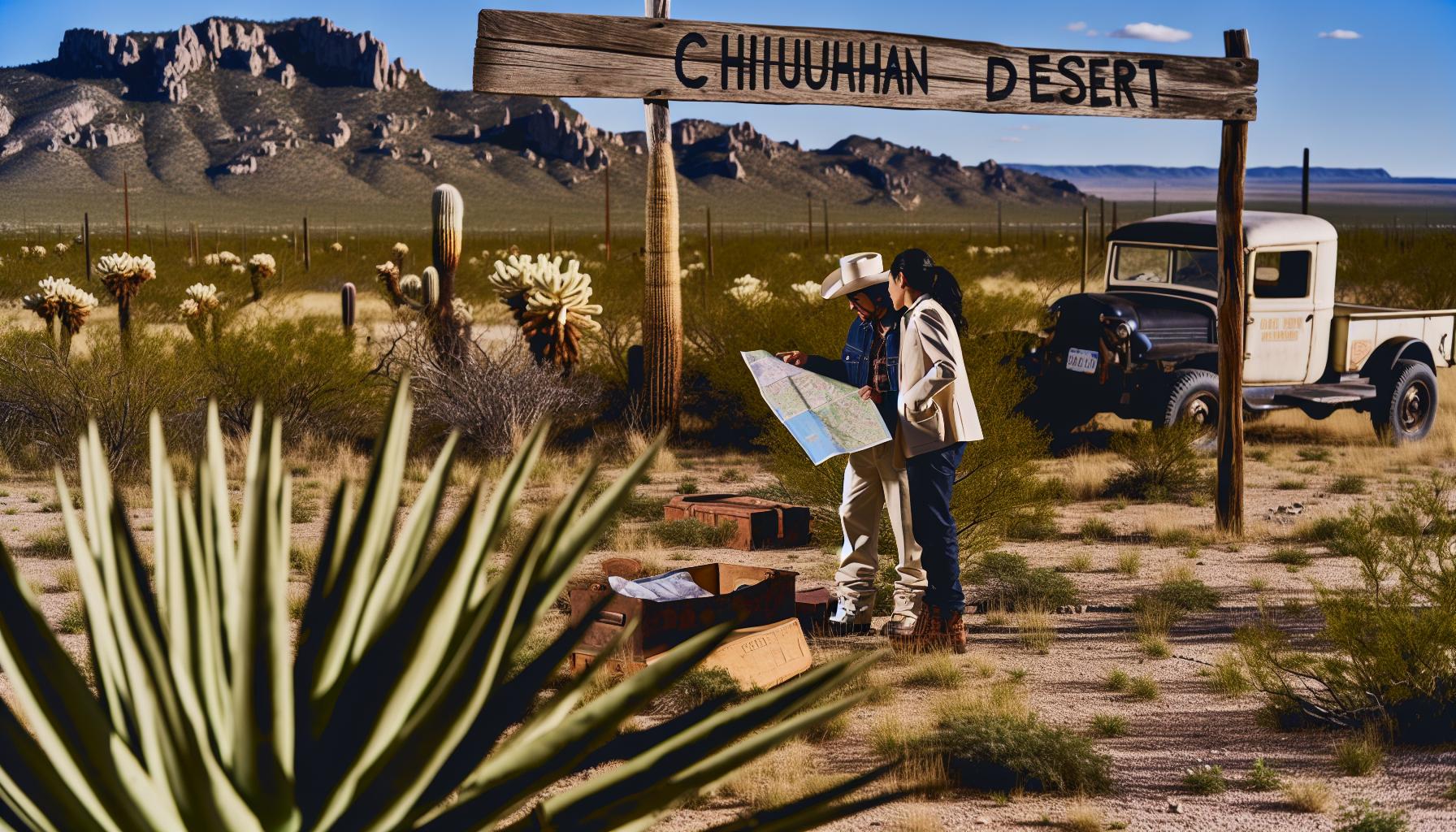
Understanding the Origin of the Term “Chihuahuan
The term that encapsulates the identity of the people from Chihuahua is rooted in the rich tapestry of the state’s history and geography. The name “Chihuahuan” originates from the Nahuatl word “chihuahuitl,” which refers to the region of the Chihuahuan Desert, highlighting not only its natural landscape but also suggesting a connection to the land that has shaped the lives of its inhabitants. This term has evolved over time, and while both “Chihuahuan” and “Chihuahuense” are used, the latter is preferred by locals as it carries a warmth and familiarity that resonates with the community.
Chihuahuenses are often characterized by their resilience and adaptability, traits developed through their ancestors’ interactions with the diverse environments of mountains, plains, and deserts. The indigenous peoples, such as the Tarahumara and Rarámuri, have profoundly influenced the cultural heritage of the region, enriching the identity associated with Chihuahua. The blend of these indigenous roots and the intermingling of other cultures throughout history have given rise to a unique, vibrant identity that the residents take great pride in.
In everyday conversations, knowing the distinction between “Chihuahuan” and “Chihuahuense” can enhance communication and understanding. Locals often take a strong sense of pride in their identity, emphasizing their communal bonds and rich traditions. Embracing the term “Chihuahuense” acknowledges not just their connection to the land but also their cultural narrative, which is celebrated through festivals, cuisine, and shared stories that span generations.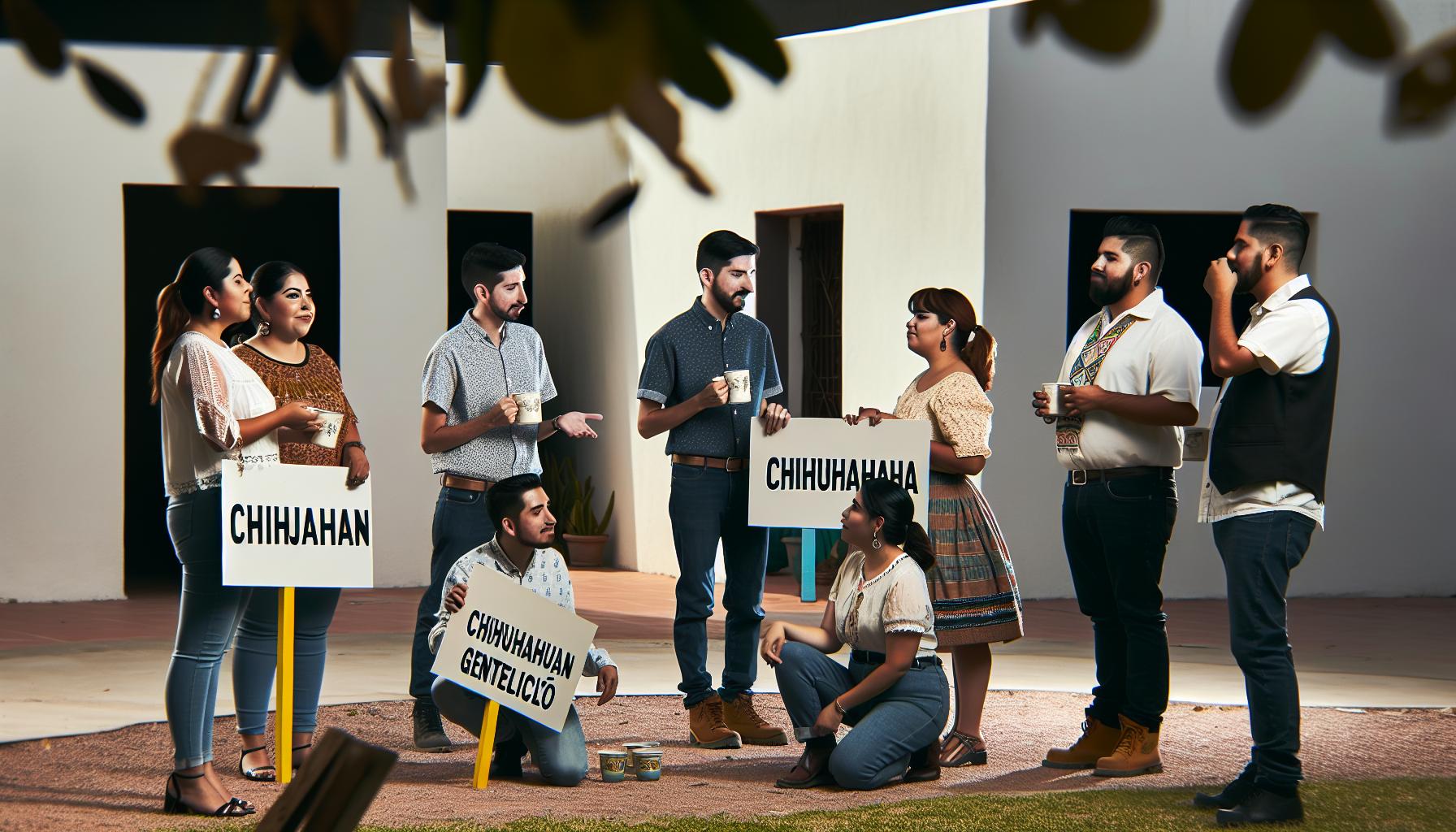
Variations and Common Misconceptions about Chihuahuan Gentilicio
Variations and misconceptions surrounding the gentilic term for people from Chihuahua, known primarily as “Chihuahuense,” play a crucial role in accurately representing the state’s residents. While “Chihuahuan” is often used, particularly in English contexts, it can lead to confusion since “Chihuahuense” is the term favored by locals and carries a deeper cultural resonance. This distinction is important; using “Chihuahuense” shows respect for the identity of the folks who call this vibrant state home.
One common misconception is that all residents of Chihuahua are native speakers of Spanish and identify solely with Mexican culture. In reality, the state is rich in diversity, home to various indigenous groups such as the Tarahumara, who have their languages and distinct cultural practices. This cultural blend contributes to a unique Chihuahuan identity that encompasses more than just the Hispanic influence.
Moreover, some people mistakenly believe that there is a strict demarcation in geographical terms that dictates the correct gentilic. However, the usage of “Chihuahuense” can apply broadly to those living in and around the state, regardless of whether they hail from urban centers like Chihuahua City or rural areas. Understanding these nuances not only helps in fostering better communication but also strengthens respect for the multifaceted identity of Chihuahuenses.
In summary, when referring to individuals from Chihuahua, embracing the term “Chihuahuense” over “Chihuahuan” is more than a linguistic choice; it is an acknowledgment of the state’s rich cultural tapestry that extends beyond its geographic borders. Celebrating this heritage encourages a deeper connection to the community and supports a more profound appreciation of its diversity.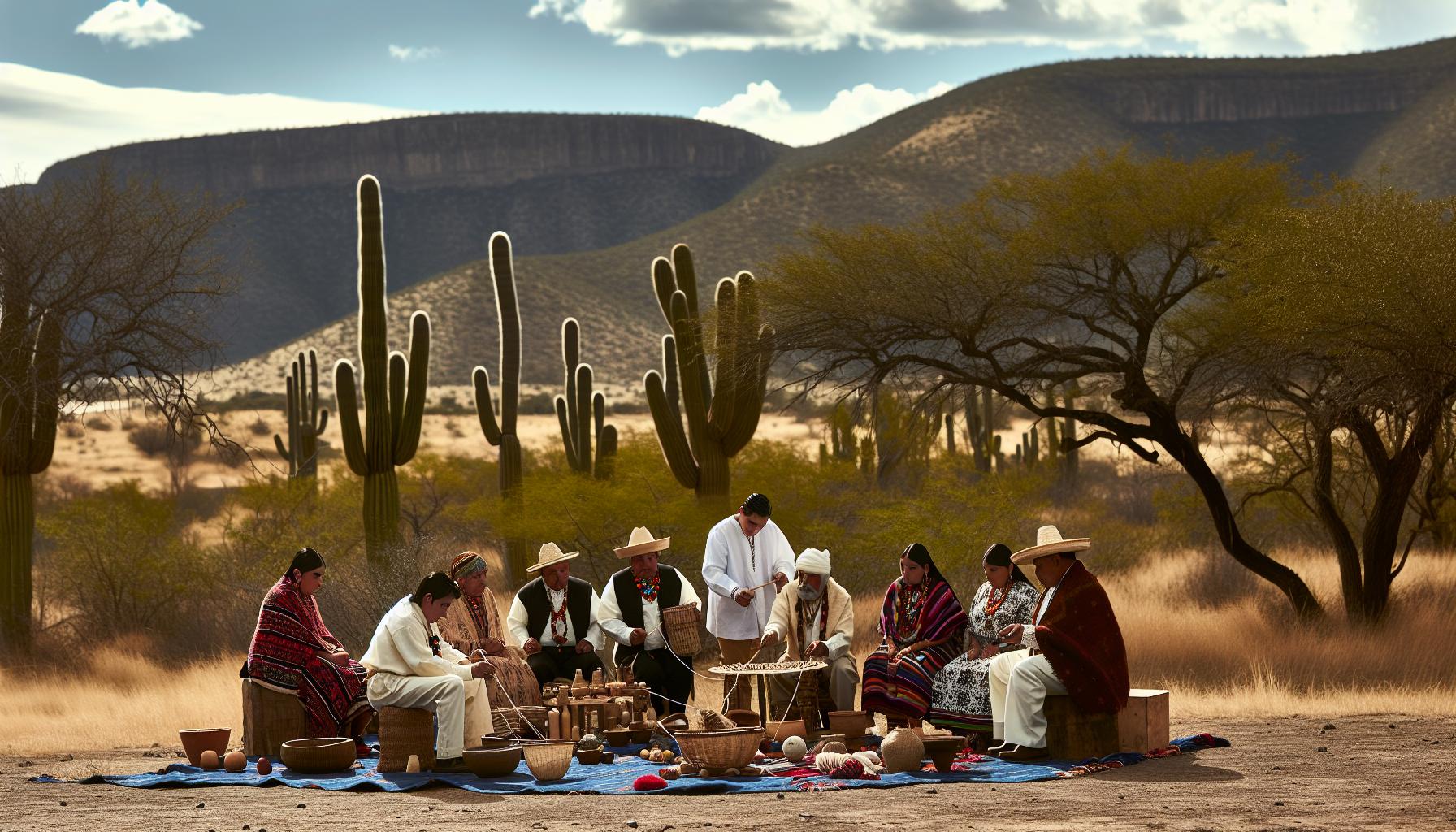
Cultural Significance of the Gentilicio in Chihuahua
The term “Chihuahuense” carries profound significance for the people of Chihuahua, embodying their identity and cultural pride. This gentilic not only identifies residents but also symbolizes the rich heritage and diverse backgrounds that comprise the state. Using the term “Chihuahuense” reflects acknowledgment of the unique cultural mosaic shaped by history, geography, and social dynamics within the region.
Chihuahua’s cultural tapestry is woven from various threads, including indigenous traditions, colonial history, and modern influences. Residents often take immense pride in their roots, which include diverse communities such as the Tarahumara (Raramuri), known for their extraordinary long-distance running and deep connection to the land. Celebrating these identities fosters community spirit and reinforces local pride among Chihuahuenses-a reminder of their resilient nature and vibrant culture.
Local festivals, foods, and arts play a vital role in expressing this cultural significance. Events like the Festival Internacional de Chihuahua highlight the state’s artistic contributions, showcasing everything from traditional music to contemporary performances. Culinary delights such as perfectly prepared burritos or the famous machaca, along with distinctive crafts, underscore the unique flavors of Chihuahuan identity. Such elements are not just local customs but are a source of pride that shapes how both residents and outsiders interpret their culture.
Moreover, embracing the term “Chihuahuense” fosters deeper connections within the community. It signifies respect and recognition of the shared history and values that bond its people, promoting a sense of belonging. Acknowledging this identity can empower locals and serve as a bridge for tourists and new residents to appreciate the rich and storied legacy of Chihuahua and its remarkable inhabitants.
Prominent Characteristics of Chihuahuan Identity
Chihuahuan identity is vibrant and multi-faceted, deeply rooted in the state’s rich history and diverse cultures. One of the most striking characteristics of Chihuahuans is their strong sense of community and familial bonds. From the bustling cities to the remote valleys, people here tend to cherish their relationships with family and friends, fostering connections that often span generations. This cultural trait reflects a profound respect for tradition and shared experiences, which form the backbone of Chihuahuan life.
The pride of being “Chihuahuense” often manifests in the celebration of local cuisine, music, and festivals. Chihuahuan cuisine is famous for its hearty dishes, with foods like machaca, a savory dried meat, and burritos, which have become popular nationwide. Festivals such as the Festival Internacional de Chihuahua serve as a platform to showcase local talent, featuring diverse forms of artistic expression, from traditional folk music to contemporary theater. These events not only bring the community together but also reinforce cultural identity by highlighting the unique flavors and sounds of the region.
Another prominent aspect of life in Chihuahua is the deep connection to the land, particularly among the indigenous communities such as the Tarahumara (Raramuri). Their legendary endurance running reflects their relationship with the environment, illustrating a lifestyle that honors both heritage and nature. Chihuahuans celebrate this connection through various outdoor activities and traditional practices that emphasize sustainability and respect for the earth.
In terms of social dynamics, Chihuahuans are known for their warmth and hospitality, traits that make visitors feel welcomed. Conversations often revolve around pride in local sports teams, particularly in baseball and football, where community support plays a significant role in local culture. This communal spirit fosters a sense of belonging that is an integral part of what it means to be a Chihuahuan, creating a robust identity that extends beyond geographic boundaries.
Overall, the characteristics of Chihuahuan identity blend a rich tapestry of history, culture, and community values, making it a unique and proud identity within Mexico.
Comparing Gentilicios: Chihuahua vs. Other Mexican States
In the rich tapestry of Mexican geography and culture, the gentilicio-a term used to refer to the inhabitants of a place-serves as a significant marker of identity. Chihuahuans, known as Chihuahuenses, take pride in their unique heritage, which resonates deeply when compared to the inhabitants of other Mexican states. Each state’s gentilicio not only signifies geographical belonging but also encapsulates the local customs, dialects, and cultural nuances that define their people.
Take, for instance, how residents of neighboring states are referred to. The people of Sinaloa are called Sinaloenses, while those from Durango identify as Duranguenses. Each gentilicio is more than a label; it highlights pride and cultural heritage. Chihuahuenses, for example, are often celebrated for their warm hospitality and robust familial ties. This contrasts with the Jaliscienses from Jalisco, known for their contributions to music and mariachi, who exhibit a vibrant pride in their cultural exports.
Moreover, regional variations also bring unique flavors to the identity tied to each gentilicio. Chihuahuenses have a reputation for their distinct cuisine, renowned for hearty dishes like machaca and burritos, whereas Yucatecos from the Yucatán Peninsula are celebrated for their delicious cochinita pibil and other Mayan-influenced fare. Such culinary differences enrich the cultural landscape of Mexico and underscore the individuality of each state’s residents.
The distinctions can also be observed in the emphasis on local traditions and community events. For example, while Veracruzanos might celebrate with lively carnivals and folk music characteristic of the Gulf Coast, Chihuahuenses might gather to participate in traditional rodeos or cultural festivals that showcase their northern heritage. These communal gatherings foster a sense of belonging and pride that can vary widely from one state to another.
In summary, the gentilicio of Chihuahuans connects them to a vibrant history and culture, distinguishing them not just from neighboring states but also highlighting the diverse tapestry that is Mexican identity. As Chihuahuenses celebrate their heritage, they also contribute to the rich mosaic of customs that make Mexico so uniquely colorful.
Historical Context of the Chihuahuan People
The Chihuahuan people have a rich historical tapestry that dates back centuries, woven from the threads of indigenous cultures, colonial encounters, and modern developments. Known as one of the largest states in Mexico, Chihuahua’s historical context is profoundly shaped by its geographical features, which include vast deserts and mountain ranges that have acted as both barriers and connectors for various groups throughout history.
The roots of Chihuahuan identity can be traced to ancient civilizations, notably the Tarahumara and the Raramuri, who still inhabit the region today. These indigenous groups are renowned for their deep connection to the land and their unique cultural practices, including traditional craftsmanship and vibrant festivals. When Spanish colonizers arrived in the 16th century, they encountered these established communities, leading to a complex interplay of cultures. The arrival of Spanish settlers brought about significant changes, including the introduction of European agricultural practices and religious conversions that shaped the local way of life. However, the resilience of the indigenous peoples allowed them to maintain many of their traditions and customs.
Throughout the 19th and early 20th centuries, Chihuahua emerged as a pivotal location during critical events such as the Mexican Revolution. Notable figures like Pancho Villa, a revolutionary leader, rose from Chihuahua, influencing both national and regional identities. His legacy is still felt today, as Villa is celebrated and critiqued, depending on different perspectives within the Chihuahuan community. The influence of these historical events can be seen in the pride Chihuahuenses take in their heritage, as they navigate their identity within the broader narrative of Mexican history.
As modern Chihuahua continues to evolve, understanding its historical context enriches the appreciation for its people. From their origins, influenced by the environment and colonial legacies, to their contributions in contemporary Mexico, the historical journey of the Chihuahuan people is a testament to their enduring spirit. Embracing this history not only fosters a sense of local pride but also builds bridges to the future of this vibrant community.
How to Use the Gentilicio in Everyday Conversations
Understanding how to incorporate the term for the people of Chihuahua into everyday conversations can not only deepen your appreciation for the region but also enhance your interactions with locals and those familiar with Mexican culture. When referring to individuals from Chihuahua, you can confidently use the term “Chihuahuan” (in Spanish, “Chihuahuense”). This term embodies both pride and identity, linking people to their rich cultural heritage.
To effectively weave the term into your conversations, consider these examples:
- Introducing yourself or others: When meeting someone from Chihuahua, you might say, “I’m a Chihuahuan, and I love sharing stories about my hometown.” This not only shows your connection but also invites others to share theirs.
- Discussing culture: You can use the term when speaking about cultural events, such as, “The Chihuahuans celebrate their traditions through vibrant fairs and festivals.” This acknowledges the significance of local customs and creates common ground for further dialogue.
- Community pride: When discussing community initiatives, express it like, “As Chihuahuans, we take pride in our agricultural heritage and support local farmers.” This instills a sense of identity and belonging.
Understanding the nuances of using gentilicios in everyday speech reflects a deeper engagement with the community. Whether you’re conversing with locals or discussing Chihuahua in broader contexts, using “Chihuahuan” helps celebrate the unique identity of its people and fosters connections built on cultural pride. Such simple yet effective usage will resonate well in any conversation about this vibrant state and its inhabitants.
Impact of the Gentilicio on Local Pride and Community
The bond that Chihuahuans have with their land and culture is profound, significantly influencing their local pride and community identity. The gentilicio, or demonym, is more than just a word; it encapsulates the spirit and heritage of those from Chihuahua. By identifying as Chihuahuan (or Chihuahuense in Spanish), individuals connect themselves to a rich history and a sense of belonging that permeates various aspects of their lives.
For many, being a Chihuahuan fosters a strong community spirit. Local events often showcase Chihuahuan culture, traditions, and culinary specialties, creating spaces where residents can share their experiences and celebrate their identity. Festivals like the Fiesta de la Revolución celebrate the historical significance of the state while inviting residents to revel in their shared heritage. This sense of community pride is evident when Chihuahuans come together to support local businesses or cultural initiatives, reinforcing their ties to one another and their beloved state.
Moreover, Chihuahuan identity plays a crucial role in education and storytelling. Elders pass down traditions, legends, and knowledge to younger generations, ensuring that the vibrant culture remains alive. Local schools may emphasize the importance of understanding one’s roots, often incorporating local history into their curricula. Such educational efforts cultivate pride among students, allowing them to embrace their identity and share it with others.
In every conversation and community gathering, the gentilicio serves as a reminder of shared values, unique histories, and the pride that unites Chihuahuans. Whether discussing the specifics of Chihuahuan cuisine or the beauty of the landscapes, using the term reinforces their identity and promotes mutual respect and understanding among their peers. This interconnectedness is not just a social mechanism; it is a heartfelt celebration of who they are as Chihuahuans.
Chihuahua in Pop Culture: References to the Gentilicio
Chihuahuans are not just defined by their geographic origins; their identity resonates through various aspects of pop culture, from music and literature to cinema and fashion. This widespread representation reinforces the unique character of those from Chihuahua and honors the cultural heritage embedded within the gentilicio. One of the most prominent references is the famous Chihuahua dog breed, which has become a symbol of the state and is often attributed to the region’s vibrant identity. With their spirited demeanor and small size, Chihuahuas capture the attention of dog lovers worldwide, paralleling the bold spirit of the Chihuahuan people.
In film and television, Chihuahuans are frequently portrayed through a variety of characters that embody the essence of the state. For instance, the animated movie “Beverly Hills Chihuahua” brought widespread attention to the breed, depicting the adventure of a pampered Chihuahua. This film not only popularized the dog but also showcased the traits often associated with Chihuahuans-loyalty, bravery, and a touch of sassiness. Moreover, the animal frequently serves as a mascot in commercials and promotions, solidifying its status as a cultural icon.
Music also plays a significant role in reflecting Chihuahuan identity. Numerous local bands and artists weave stories from their environment into their lyrics, celebrating the rich landscapes, traditions, and community values that define the Chihuahuan experience. Events like the Festival Internacional Chihuahua further highlight musical talent while promoting local pride and cultural richness, inviting both residents and visitors to partake in shared traditions.
Fashion trends originating from Chihuahua incorporate traditional designs into modern styles, illustrating how the gentility of Chihuahuans influences cultural expression. Designers often draw inspiration from indigenous patterns and styles, merging them with contemporary aesthetics. This fusion demonstrates the enduring legacy of Chihuahua’s heritage while allowing individuals to proudly identify as Chihuahuan in various social settings.
By embracing their identity in these various forms of media, Chihuahuans foster a sense of pride that resonates throughout their community. Whether through the flamboyant Chihuahua dog or artistic expressions in music and fashion, the cultural significance of this gentilicio continues to thrive, engaging both residents and the larger world in a celebration of their identity.
Frequently Asked Questions about Chihuahuan Identity
Chihuahuans often find themselves fielding questions about their identity and the unique traits associated with their vibrant culture. One common inquiry revolves around what it means to be Chihuahuan. This identity is not solely tied to geography; it’s deeply rooted in the cultural heritage, traditions, and community spirit that define life in this northern Mexican state.
For those unfamiliar, the term “Chihuahuan” perfectly encapsulates the essence of individuals from Chihuahua, reflecting both pride and connection to their land. Chihuahuans celebrate their rich history, which includes influences from indigenous cultures, Spanish colonial legacy, and a modern fusion of traditions. Whether through music, art, or local festivals, the Chihuahuan spirit shines brightly, showcasing a blend of resilience and warmth.
Another frequent question is about the characteristics that set Chihuahuans apart from people from other regions of Mexico. While everyone can appreciate the diversity across the country, Chihuahuans boast a unique blend of traits such as boldness, loyalty, and an unmistakable sense of community. These qualities are mirrored in the Chihuahua dog breed, known for its feisty personality and affectionate nature, much like the Chihuahuan people who often take great pride in their canine counterparts.
In casual conversations, you might hear Chihuahuans discussing local customs, culinary delights, and their beloved landscapes. Engaging in these topics not only highlights their identity but also fosters connections with others who share a love for this dynamic region. Remember, embracing the Chihuahuan identity means celebrating the uniqueness that each person contributes to the community, reinforcing a shared bond that transcends mere geography.
Useful Resources for Learning More about Chihuahua and Its People
To truly appreciate the richness of Chihuahua and its people, tapping into various resources can greatly enhance your understanding. From cultural dynamics to historical contexts, there are ample avenues to explore that celebrate Chihuahuan identity.
One effective way to learn more is through local museums and cultural centers. The Museo de la Revolución en la Frontera in Ciudad Juárez offers significant insights into the region’s revolutionary history, while the Museo del Estado de Chihuahua showcases a wide array of exhibits related to the state’s heritage. These institutions often host events or provide educational programs that delve into the art, tradition, and customs of the people.
Additionally, engaging with literature can deepen your appreciation. Look for books that focus on the history and folklore of Chihuahua or biographies of notable figures from the region. Local authors often weave narratives that reflect the experiences and identity of Chihuahuans, providing a nuanced perspective on life in the state.
Moreover, online platforms and social media can be incredibly useful for connecting with others sharing an interest in Chihuahua. Websites dedicated to Mexican culture, folklore, or regional history often feature articles and discussions about Chihuahuan customs and identity. Platforms like Instagram and Facebook may also host groups where locals and enthusiasts share their experiences, culinary delights, and aspects of daily life in Chihuahua.
For a more interactive approach, consider attending local festivals when in Chihuahua. Events such as the Feria Juárez or Fiestas de Octubre provide vibrant displays of Chihuahuan pride through music, dance, and local cuisine. Engaging directly with the community will not only enhance your knowledge but also give you firsthand experiences that are invaluable in understanding what it means to be Chihuahuan.
Exploring these resources will enrich your knowledge and appreciation of Chihuahua’s vibrant culture and the unique identity of its people. Embrace the journey, and you’ll find that each interaction offers a new layer of understanding about what it truly means to be Chihuahuan.
FAQ
Q: What do you call someone from Chihuahua in English?
A: The correct term for someone from Chihuahua is Chihuahuan. This gentilicio refers specifically to individuals who are from this northern Mexican state and acknowledges their cultural and regional identity.
Q: Why is the gentilicio important for people from Chihuahua?
A: The gentilicio fosters a sense of identity and belonging among residents. It connects individuals to their cultural roots and is often used in conversations to express local pride and community affiliation.
Q: Are there any common misconceptions about the Chihuahuan gentilicio?
A: Yes, one common misconception is that the term refers only to the Chihuahua dog breed. In fact, it specifically pertains to the people of the state, not the small dog known globally. Clarifying this helps preserve regional identity.
Q: How do you use the term “Chihuahuan” in everyday conversation?
A: You can use “Chihuahuan” to describe someone’s origin, cultural references, or local experiences. For example, “As a proud Chihuahuan, I love sharing our state’s traditions.” This usage promotes local culture effectively.
Q: How does the cultural significance of the gentilicio impact Chihuahuans today?
A: The cultural significance of being a Chihuahuan enhances community bonds and promotes the state’s unique heritage through festivals, cuisine, and traditional practices, fostering local pride among residents.
Q: How does Chihuahuan identity compare to other Mexican states?
A: Chihuahuan identity is distinguished by unique cultural practices and historical heritage that reflect its northern location, often differing from identities in southern states, which may emphasize indigenous roots and different cultural expressions.
Q: What role does the gentilicio play in local pride?
A: The gentilicio instills pride in local heritage and traditions, encouraging Chihuahuans to celebrate their culture openly. It is often referenced in community events, promoting solidarity and a shared identity among residents.
Q: How can I learn more about Chihuahuan history and culture?
A: To delve deeper into Chihuahuan history and culture, consider visiting local museums, attending cultural festivals, or exploring dedicated sections in books that discuss Mexican states. Engaging with local Chihuahuans can also provide valuable insights.
Final Thoughts
Thanks for watching “Como Se Les Dice A Los De Chihuahua? Gentilicio Correcto”! Now that you know the correct term for our beloved Chihuahuas, why not dive deeper into the fascinating world of this spirited breed? Whether you’re a first-time owner or a seasoned pro, understanding their unique characteristics-like their tiny size or bold personality-can enhance your bond with them.
Check out our articles on Chihuahua health tips and training advice to ensure you’re providing the best care for your lively companion. Don’t forget to leave a comment below sharing your thoughts or questions; we’d love to hear from you! And if you haven’t yet, subscribe to our newsletter for more valuable insights and tips on caring for your furry friend. Your Chihuahua deserves all the love and information available, so keep exploring and expanding your knowledge!
Get our latest guides, news, and insights highlighted in your Google Search & AI Overviews.