
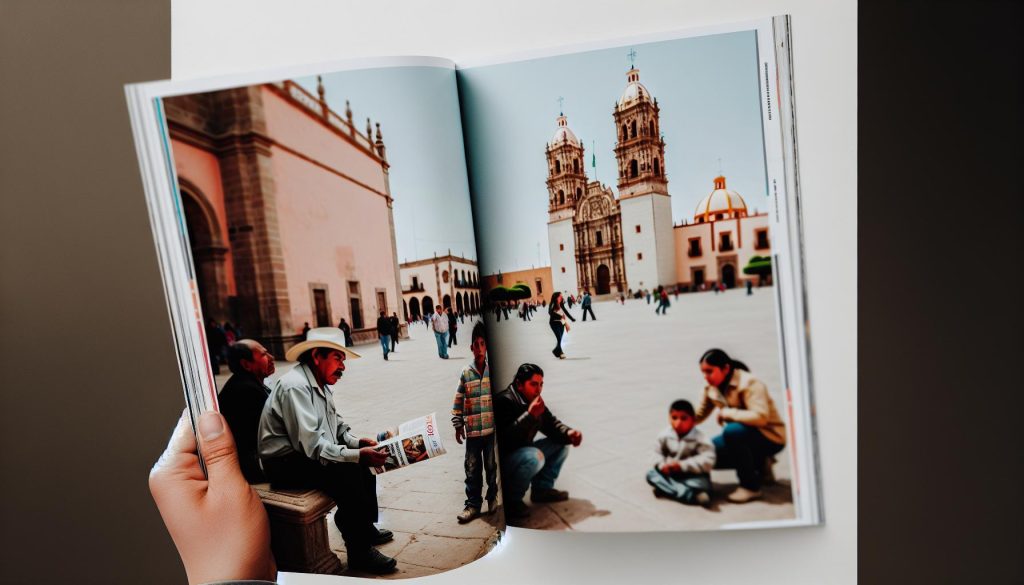
Chihuahua, known for its vibrant personality and small stature, is not just a beloved breed; it embodies the rich cultural heritage and geographical diversity of Chihuahua, Mexico. The capital, Ciudad Juárez, serves as a focal point for understanding this unique region. Exploring its significance offers insights into its historical roots and how the city influences the Chihuahua breed today. Readers interested in understanding the character of their tiny companions or those curious about the region will find valuable connections between geography, culture, and the endearing traits of Chihuahuas. Join us as we delve into the capital’s fascinating background, geographic highlights, and their relevance to this spirited breed!
Geographical Overview of Chihuahua’s Capital
Chihuahua City, the capital of the state of Chihuahua in Mexico, is set against a backdrop of stunning natural beauty characterized by vast desert landscapes, rugged mountains, and expansive plateaus. Nestled in the northern region of the country, it is strategically located near the borders of the United States, making it a pivotal point for trade and cultural exchange. The city’s elevation, approximately 1,400 meters (4,590 feet) above sea level, also contributes to its unique climate and biodiversity.
The region boasts a rich variety of ecosystems, including scrubland and semi-arid forests, which house an array of flora and fauna. The Sierra Madre Occidental mountain range lies to the west of the city, providing breathtaking views and numerous opportunities for outdoor activities. This geographical positioning gives Chihuahua City access to several natural attractions, including the stunning Basaseachic Falls National Park.
Chihuahua’s urban layout reflects its historical importance as a commercial hub. The city is organized around a central plaza that showcases colonial architecture, with key streets radiating outward, leading to various historical neighborhoods. As you explore its vibrant streets, you’ll find a mix of modern amenities and rich heritage, where the influence of both local traditions and international connections can be observed.
Chihuahua’s geographical advantages not only enhance its aesthetic appeal but also position it as a crucial economic and cultural center in northern Mexico, offering a unique blend of natural beauty, historical significance, and dynamic urban life.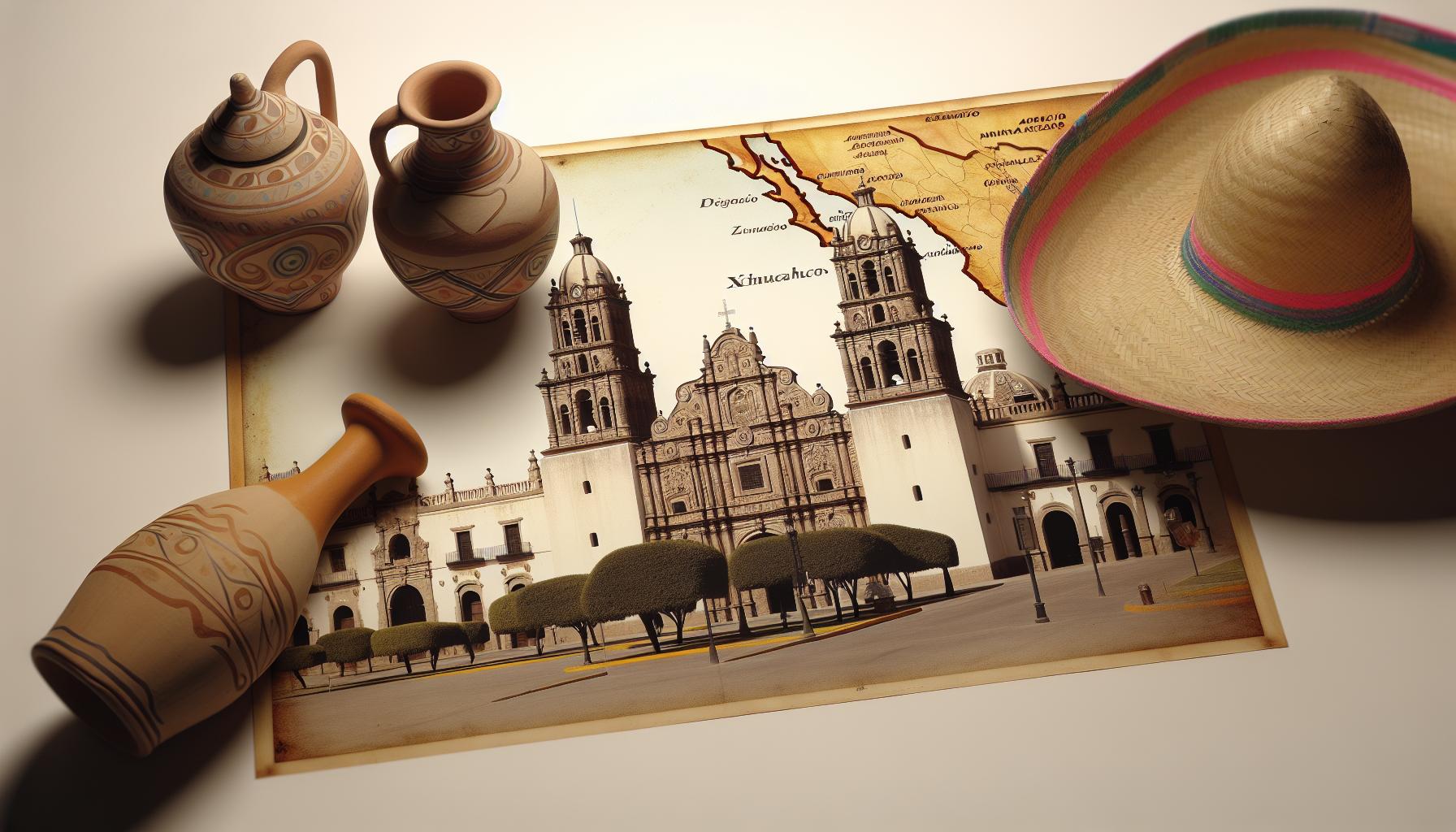
Historical Significance of Chihuahua City
Chihuahua City stands as a testament to Mexico’s rich tapestry of history, merging indigenous heritage with colonial influences that shaped its identity over centuries. Founded in 1709, it was initially established as a Spanish colonial outpost, strategically located to facilitate the extraction of silver from the nearby mountains. The city quickly grew in importance, transforming into a vital economic center during the silver boom in the late 18th century, which attracted settlers from various backgrounds and fostered cultural diversity that remains a hallmark of the city today.
Throughout its history, Chihuahua has been a battleground for various political movements, especially during the Mexican Revolution in the early 20th century. Figures such as Francisco Villa (Pancho Villa) emerged from this region, turning Chihuahua into an emblem of revolutionary fervor and social change. His legacy still resonates today; streets, museums, and monuments are dedicated to his memory, drawing visitors interested in both history and the revolutionary spirit that he embodied.
The architectural landscape of Chihuahua City reflects its historical significance, featuring an array of styles from colonial baroque to modernist designs. Key landmarks, such as the Cathedral of Chihuahua, built in the late 18th century, showcase the city’s colonial heritage, while the Palacio de Gobierno and the historic Plaza de Armas emphasize its role as a political and cultural nucleus. Visitors can wander through these structures, feeling the weight of history that permeates the city.
Moreover, the impact of the surrounding geography-rugged mountains and vast plains-has not only influenced the livelihoods of its inhabitants but also the historical events that unfolded here. The city has served as a crossroads, connecting the rich mining regions of the north with the rest of Mexico and the United States. This geographical advantage continues to shape its narrative, making Chihuahua City a dynamic hub where past and present intertwine seamlessly. As modern developments rise alongside historical sites, the city invites exploration, offering a rich narrative for those who seek to understand its enduring legacy.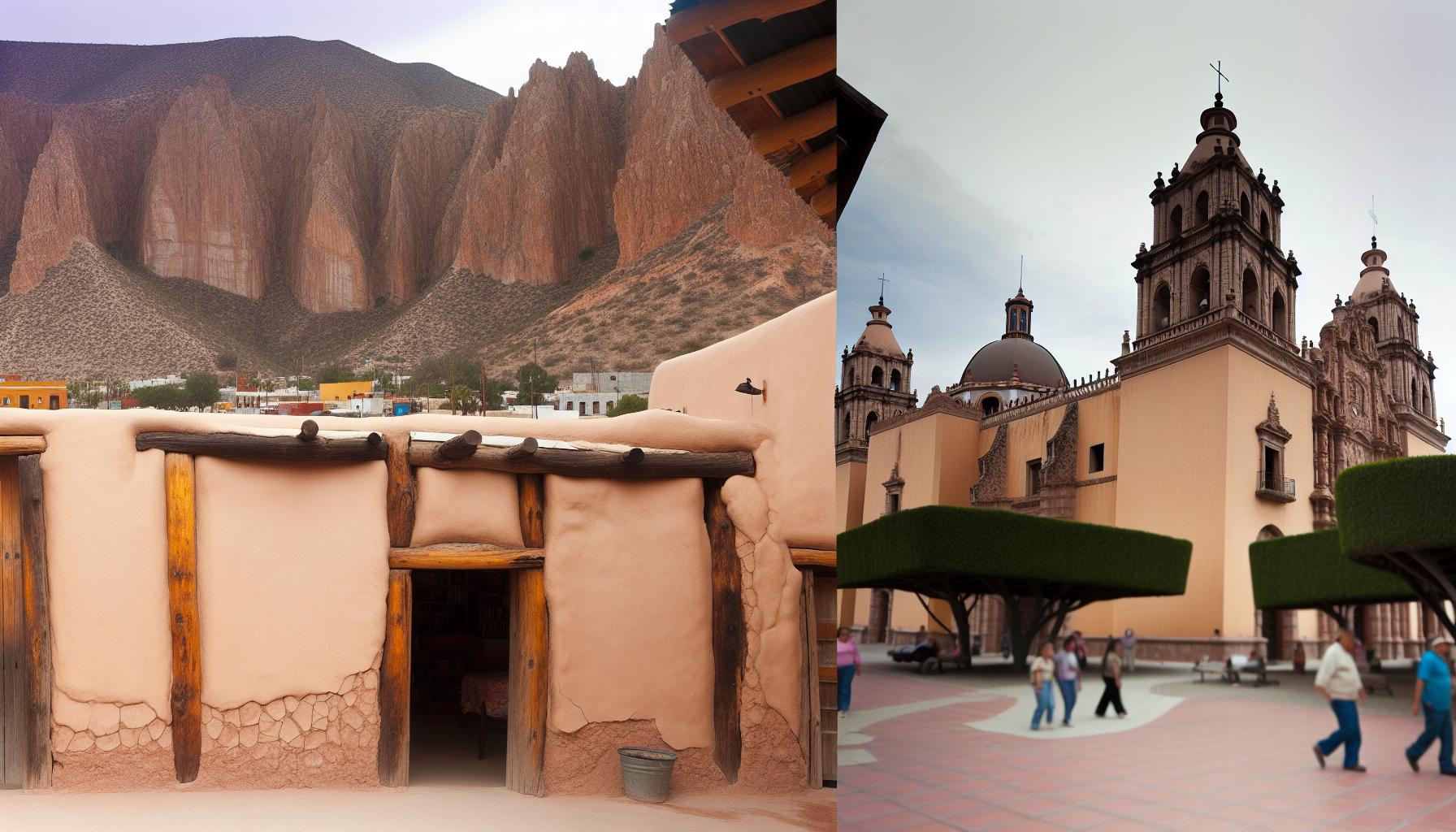
Key Landmarks and Attractions in Chihuahua
Chihuahua City, the capital of the state of Chihuahua, is rich in history and boasts an array of landmarks that highlight its cultural heritage and architectural splendor. One of the most prominent sites is the Cathedral of Chihuahua, which beautifully melds Baroque and Neoclassical styles. Built between 1725 and 1792, this landmark stands in the historic Plaza de Armas and features impressive altarpieces and intricate woodwork, making it a must-visit for both tourists and locals alike.
Another significant attraction is the Palacio de Gobierno, the seat of government adorned with stunning murals that depict key moments in Mexican history, including the contributions of revolutionary figures like Pancho Villa. Visitors can take guided tours to learn about the building’s history and admire its grand architecture. Close by, the Plaza de Armas serves as a communal hub, where locals gather, and various cultural events take place, offering a snapshot of the city’s vibrant life.
For those interested in museums, the Museo Casa Chihuahua is housed in the old government palace and provides an engaging overview of the city’s history through interactive exhibits. Likewise, the Museo de la Revolución en la Frontera delves into the local aspect of the Mexican Revolution, showcasing artifacts and photographs that tell the story of this tumultuous time.
Outdoor enthusiasts can explore the Parque Metropolitano Tres Presas, a beautiful park with walking trails, picnic areas, and a lake, perfect for a day of relaxation and scenic views. During your visit, don’t miss the chance to witness traditional events like the Festival Internacional Chihuahuense, which celebrates the city’s culture through music, dance, and culinary delights, serving as a lively reminder of Chihuahua’s rich traditions and welcoming spirit.
These landmarks not only represent the architectural beauty of Chihuahua but also tell stories of resilience, community, and cultural progress, making the city a fascinating destination for travelers and a proud home for its residents.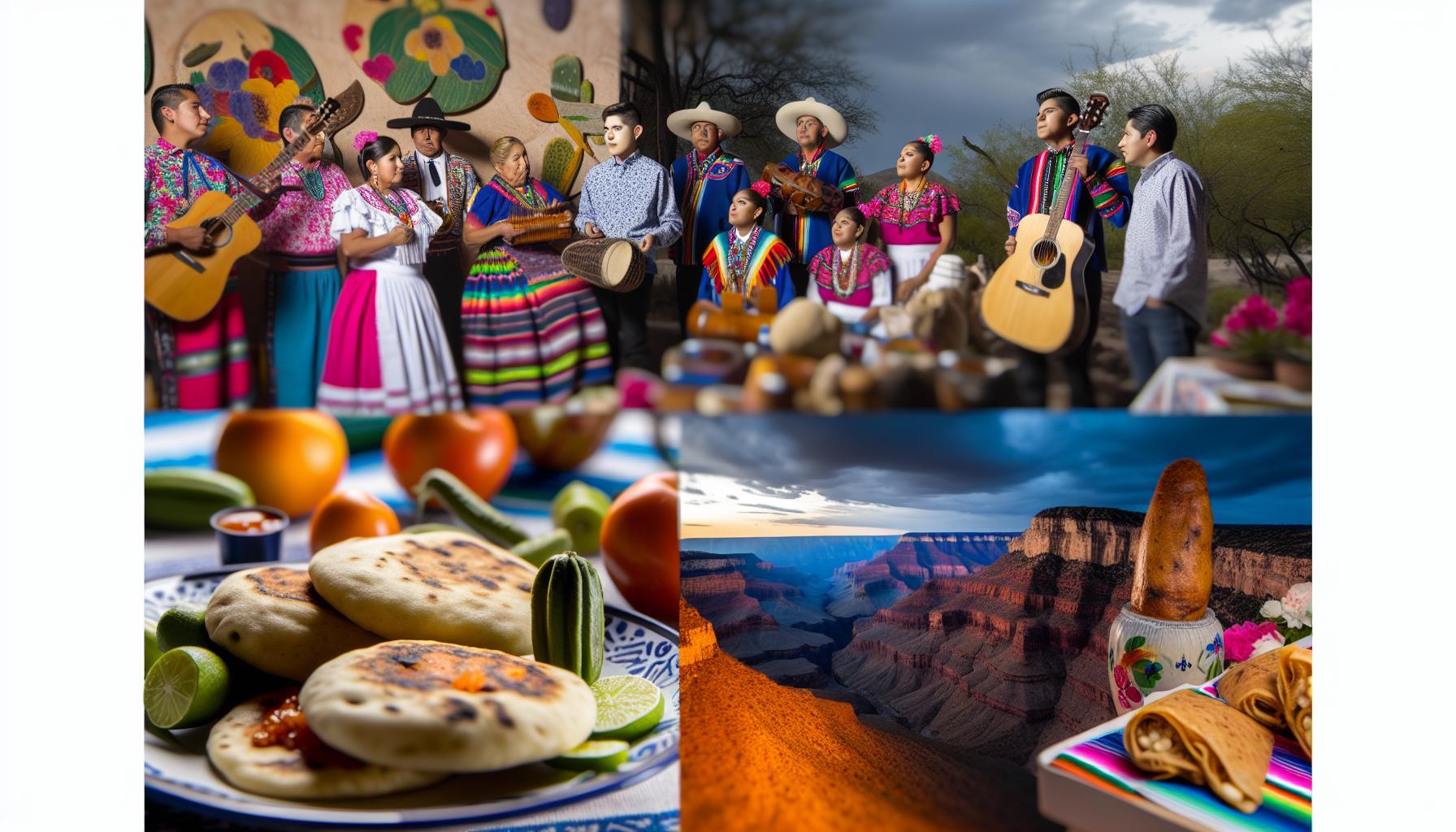
Cultural Highlights Unique to Chihuahua
Chihuahua City is a vibrant tapestry of traditions and modern influences that reflect the diverse cultural fabric of Mexico. One of the most fascinating aspects of its culture is its rich musical heritage, prominently featuring mariachi and norteño music, which resonates throughout the streets during festivals and celebrations. These genres encapsulate the spirit of the region, with lively rhythms that invite locals and visitors alike to join in the merriment.
The city’s annual Festival Internacional Chihuahua is a celebration of art, music, and dance that showcases this cultural vibrancy. Held in various venues across the city, the festival attracts artists from near and far, offering performances in music, theater, and traditional dance. Particularly striking is the display of Folklorico dance, which not only entertains but also tells the stories of the region’s history and influence through colorful costumes and intricate choreography.
Chihuahua also boasts a unique culinary scene that reflects its cultural identity. The state’s influence is prominent in dishes such as Tacos de Carne Asada and Chile con Queso, which are beloved by locals and visitors. Street vendors and restaurants alike serve these staples with pride, ensuring that the flavors of Chihuahua are accessible to everyone.
Art enthusiasts will find the city’s muralists to be a significant part of its cultural landscape. These artists paint vibrant murals that narrate the history and folklore of the region on the walls of buildings throughout the city, blending artistic expression with historical storytelling. This public art movement has become a unifying element, inviting onlookers to explore the layers of Chihuahua’s past while appreciating contemporary artistic voices.
Whether through music, food, or visual arts, the cultural highlights of Chihuahua create a welcoming atmosphere for visitors and resonate deeply with residents, making the city a lively hub of social and artistic expression.
Climate and Weather Patterns in Chihuahua
Chihuahua City experiences a unique climate characterized by its semi-arid conditions, which can be both delightful and challenging for residents and visitors. Nestled in a high-altitude valley, the city enjoys mild winters and warm summers, making it an ideal location for those who appreciate distinct seasonal changes.
Summers are hot and dry, with average high temperatures reaching up to 30°C (86°F) in July. This is the time when the sun shines the brightest, and outdoor activities thrive, drawing both locals and tourists to explore the vibrant culture and natural beauty of the region. However, it’s important to stay hydrated and protect yourself from the sun during peak hours. The evenings can provide a pleasant cool-down, making for comfortable nights.
Winters, on the other hand, can be quite chilly, especially from December to February, where temperatures can drop to around 0°C (32°F). Snow is rare but not unheard of in higher elevations, adding a picturesque touch to the desert landscape. Residents often relish the crisp air and the opportunity to enjoy winter sports in nearby mountainous areas. This variation in weather calls for a diverse wardrobe-from summer attire suitable for the day’s warmth to warmer layers for the cooler evenings and winter months.
Rainfall is sparse, primarily occurring during the summer months due to the North American Monsoon, providing brief bouts of intense thunderstorms that rejuvenate the arid landscape. Understanding these climate patterns can profoundly enhance your experience in Chihuahua, allowing for more enjoyable outings tailored to the weather conditions. Whether you’re exploring the historical sites or enjoying the local cuisine, being mindful of the climate will ensure you make the most of your time in this historically rich and culturally vibrant city.
Economic Factors Influencing Chihuahua City
Chihuahua City, as the capital of the largest Mexican state, plays a pivotal role in the region’s economy, benefiting from its strategic geographic location and a varied economic landscape. Nestled near the U.S. border, Chihuahua serves as a crucial hub for trade and commerce, particularly with its proximity to Texas. This accessibility has made it a focal point for manufacturing, especially in the automotive and electronics sectors, attracting numerous foreign investments and multinational corporations.
One significant economic factor influencing Chihuahua City is its robust manufacturing sector. Over the years, the city has developed a reputation as a maquiladora center, where assembly plants take advantage of tariff exemptions for imported materials. This has not only spurred job creation but also fostered a skilled labor force adept in modern manufacturing technologies. The presence of companies like General Motors and Honeywell highlights the city’s appeal as a base for operations in North America.
Additionally, agriculture contributes significantly to the economy of Chihuahua City. The region’s semi-arid climate allows for the cultivation of various crops, including apples, pears, and the famous Mexican chili. The agricultural sector is complemented by livestock farming, which focuses on cattle and goats. Local produce and livestock are essential not only for local consumption but also for export, which further strengthens the economic fabric of the region.
Moreover, the growth of retail and services has led to a rising middle-class population. With increasing disposable income, the demand for various services, from dining to leisure, has expanded substantially. This shift has been particularly evident in the establishment of shopping centers and entertainment venues, which attract both residents and visitors, thus fueling local economic growth.
As Chihuahua City continues to evolve, understanding these economic dynamics is crucial for residents and investors alike. The interplay between manufacturing, agriculture, and the growing service sector fosters a resilient economy that holds promise for future development. Investing in local businesses and supporting homegrown initiatives can further stimulate economic growth, benefiting the community as a whole.
Transportation Options Available in Chihuahua
Chihuahua City boasts a well-developed transportation network that caters to both residents and visitors alike. This infrastructure not only enhances mobility within the city but also connects it to important regional and international hubs, making it a pivotal point for business and tourism.
Public transport options are varied and accessible. The city operates a reliable system of buses that cover key areas, offering an affordable way to navigate Chihuahua. There are different routes and schedules, allowing for convenient travel throughout the city. For those who prefer a quicker journey, taxis and rideshare services like Uber provide flexible options, with numerous drivers available to meet demand during peak hours.
Chihuahua City also serves as a significant transportation link connecting the state with other regions of Mexico and beyond. The Central de Autobuses (bus terminal) provides extensive bus services to major cities like Juárez, Torreón, and even direct routes to the United States. This makes it easy for travelers to explore the surrounding areas or simply visit major urban centers.
For those who might be driving, major highways like the Mexican Federal Highway 45 facilitate travel to and from significant destinations. The city’s strategic location near the U.S. border also means that it is well-served by road connections to El Paso, which enhances trade and tourism opportunities.
Air travel is another important aspect of transportation in Chihuahua City, with the General Roberto Fierro Villalobos International Airport hosting domestic and international flights. This facility connects residents and visitors to various locations and is vital for business operations, especially given the city’s manufacturing strengths that require efficient logistics.
In summary, whether you’re navigating through the city using public transport, taking a taxi, enjoying a long-distance bus ride, or flying out of the airport, Chihuahua offers a comprehensive transportation system that supports its status as a vibrant and accessible capital.
Living in Chihuahua: Pros and Cons
Living in Chihuahua City offers a unique blend of vibrant culture, historical richness, and modern conveniences, making it an appealing choice for many. With a population that values family and community, residents enjoy a warm atmosphere characterized by friendly interactions and a strong local heritage. However, as with any city, there are both advantages and disadvantages to consider.
On the positive side, Chihuahua boasts an affordable cost of living compared to other major cities in Mexico, making it easier for families and young professionals to settle down. Housing options range from urban apartments to suburban homes, providing something for everyone. The city’s lively markets, delicious local cuisine, and access to beautiful parks and recreational areas offer plenty of opportunities for socializing and outdoor activities. Additionally, Chihuahua is rich in history, with landmarks like the Cathedral of Chihuahua and the Revolutionary Museum providing continuous learning experiences and pride in regional history.
However, living in Chihuahua also has its challenges. Some neighborhoods may struggle with issues related to safety and crime, which is a significant concern for many residents. Traffic congestion can be a frustration, especially during rush hours. Public services may vary, with some areas having limited access to healthcare and education. For those unaccustomed to the climate, the city’s extreme temperatures-hot summers and chilly winters-can also pose an adjustment challenge.
In summary, while Chihuahua City provides a vibrant lifestyle and numerous amenities, potential residents should weigh the benefits against the challenges to ensure it aligns with their needs and expectations.
Educational Institutions in Chihuahua City
Chihuahua City stands out not only for its rich cultural heritage but also for its commitment to education. With a diverse range of educational institutions, the city provides numerous opportunities for students of all ages, from primary education to higher education. This vibrant educational landscape helps shape a well-informed and skilled workforce that is vital for the region’s growth.
The city is home to several prestigious universities, including the Universidad Autónoma de Chihuahua (UACH) and the Instituto Tecnológico de Chihuahua. These institutions are recognized for their strong academic programs and their contributions to research and development. UACH particularly excels in fields like engineering, social sciences, and health, attracting students from various parts of Mexico and abroad. Many local businesses collaborate with these universities, providing students with internships that enhance their practical knowledge and employability.
Moreover, Chihuahua City boasts a variety of public and private primary and secondary schools that offer quality education with modern facilities. Schools often emphasize bilingual education, preparing students to compete in a globalized economy. Parents seeking a well-rounded education for their children can find institutions that cater to specific educational philosophies, including Montessori and international curricula.
In addition to traditional educational pathways, the city supports technical and vocational training schools that equip students with practical skills in fields like information technology, healthcare, and the arts. These programs are essential in fostering a skilled labor force that meets the demands of both local and international job markets. For families considering relocating to Chihuahua, the rich selection of educational options ensures that children will have access to quality learning environments suited to their individual needs.
Demographics of Chihuahua City: A Snapshot
Chihuahua City, the vibrant capital of the state of Chihuahua, presents a colorful tapestry of demographics that reflect both its rich history and contemporary growth. As of the latest census, the city boasts a population of approximately 1.5 million residents, making it one of the largest cities in northern Mexico. This diverse demographic includes a mix of ethnic backgrounds, predominantly mestizo, but also features communities of indigenous origin, such as the Rarámuri and Tepehuano. This blend creates a unique cultural milieu, influencing everything from local cuisine to traditional festivals.
One defining characteristic of Chihuahua City’s demographics is its youthful population. A significant percentage of the residents are under the age of 30, driven by a dynamic job market that attracts young professionals and students. The city’s educational institutions, including significant universities, play a crucial role in fostering this youthful environment. As these schools attract scholars from across the country and beyond, they also contribute to the multicultural fabric of the city.
- Ethnic Composition: Primarily mestizo (approximately 85%), with indigenous groups and minor representations from European and Asian descents.
- Age Distribution: A notable percentage of the population is under 30, which stimulates innovation and vibrancy in the local culture.
- Migration Trends: Chihuahua has seen an influx of migrants from other parts of Mexico, especially in search of better educational and employment opportunities.
- Languages Spoken: Spanish is the predominant language, but various indigenous languages are also spoken within specific communities.
The combination of demographic factors not only shapes the cultural landscape of Chihuahua City but also presents opportunities and challenges related to urban planning, education, and employment. With a growing focus on technology and commerce, the city’s administration aims to harness this youthful energy to foster sustainable growth and innovation, making Chihuahua a city of promise for future generations.
Fun Facts About Chihuahua and Its Capital
Chihuahua, the largest state in Mexico, is not only known for its vast landscapes but also for its capital city, which shares the same name. An intriguing fact about Chihuahua City is that it sits at an elevation of approximately 1,400 meters (4,593 feet) above sea level, making it one of the highest capitals in the country. This altitude contributes to its unique climate, characterized by dry winters and moderate summers, inviting locals and tourists alike to explore its historic and vibrant surroundings.
One of the charming aspects of Chihuahua is its rich historical significance. The city is the birthplace of the renowned Mexican revolutionary leader Pancho Villa, whose legacy is evident throughout the region. You can visit the Pancho Villa Museum, located in the former city hall, which offers insights into his life and the pivotal role he played in the Mexican Revolution. Additionally, the architecture, including the stunning Cathedral of Chihuahua and the Palacio de Gobierno, showcases a blend of colonial and modern styles that reflect the city’s evolution through the ages.
When it comes to its unique culture, Chihuahua celebrates a range of festivals that highlight local traditions and artistic expressions. The annual Chihuahua International Festival, for instance, features music, dance, and theater, drawing participants from across the globe. More than a mere city, Chihuahua serves as a cultural hub, making it a delightful destination for visitors looking to immerse themselves in Mexican heritage.
For those intrigued by outdoor adventures, Chihuahua is home to stunning natural attractions, including the dramatic Canon del Cobre, often referred to as the Copper Canyon. It’s larger and deeper than the Grand Canyon, providing breathtaking views and opportunities for hiking, biking, and experiencing indigenous cultures. The mix of historical depth, cultural richness, and natural beauty makes Chihuahua a fascinating place to explore or simply learn about.
Comparative Analysis: Chihuahua vs. Other Cities
Chihuahua, as a capital, not only boasts a unique geographical status but also stands out when compared to other major cities in Mexico. One major aspect is its elevation, which at approximately 1,400 meters (4,593 feet) above sea level, positions it as one of the highest capitals in the nation. This altitude imparts a distinct climate different from cities like Mexico City or Guadalajara, facilitating a drier winter and a mild summer. The air in Chihuahua carries a different freshness, inviting residents and visitors to enjoy outdoor activities year-round.
When you compare Chihuahua to bustling cities like Monterrey or the vibrant cultural hub of Oaxaca, you’ll find its pace of life quite distinct. Chihuahua’s population of about 1 million creates a balance that offers urban amenities while still retaining a sense of small-town charm. In contrast, Monterrey is known for its industrial prowess and rapid pace, often appealing to those looking for more job opportunities at a fast pace. Meanwhile, Oaxaca is celebrated for its rich indigenous culture and culinary scene, focusing on arts and crafts that draw tourists seeking unique cultural experiences.
Culturally, Chihuahua hosts numerous festivals that celebrate its heritage, such as the Chihuahua International Festival, which embraces a variety of artistic expressions from music to theater. In this way, it cultivates a cultural landscape that feels more intimate than cities known for larger-scale productions, like Mexico City. The cultural fabric here is woven with local traditions, making it a treasure for those keen to experience Mexico in a more personal, engaging manner.
Moreover, the economic landscape in Chihuahua reflects its historical significance as a trading post and its modern growth. With key industries such as manufacturing and agriculture, it contrasts with the technology-driven economy of cities like Guadalajara. For those considering relocation or travel, understanding these differences can play a crucial role in highlighting why Chihuahua deserves attention as both a historical and modern destination.
In conclusion, while Chihuahua shares many similarities with other Mexican cities in terms of cultural richness and historical context, its unique elevation, manageable size, and blend of tradition and modernity set it apart, creating a distinctive living experience that appeals to residents and visitors alike.
FAQ
Q: What is the geographical location of Chihuahua City in Mexico?
A: Chihuahua City is located in the northwestern part of Mexico, nestled between the Sierra Madre mountains and the Rio Grande. It serves as the capital of Chihuahua state and is situated approximately 1,400 meters above sea level, contributing to its distinctive climate.
Q: How does Chihuahua City’s altitude affect its climate?
A: The high altitude of Chihuahua City, around 1,400 meters (4,590 feet), results in a semiarid climate characterized by warm summers and cold winters. This elevation leads to cooler temperatures compared to other regions in Mexico.
Q: What natural resources are found near Chihuahua City?
A: Chihuahua City is surrounded by diverse natural resources, including minerals such as copper and gold, as well as vast agricultural land. The Rio Sacramento, which flows nearby, supports irrigation and agriculture in the area.
Q: What are the main transportation methods available in Chihuahua City?
A: In Chihuahua City, residents and visitors can utilize various transportation options, including public buses, taxis, and ride-sharing services. The city is well-connected by the Pan-American Highway and has an international airport for air travel.
Q: Are there any significant geographical features around Chihuahua?
A: Yes, Chihuahua City is bordered by the Sierra Madre Occidental mountain range to the west, which provides stunning landscapes and opportunities for outdoor activities like hiking. The region also features desert landscapes that enhance its natural beauty.
Q: How does Chihuahua City’s geography influence its economy?
A: The geography of Chihuahua City, particularly its location near the U.S. border, promotes trade and industry. The city benefits from a strategic position for manufacturing and export, leveraging natural resources and its transportation network.
Q: What are the environmental concerns in Chihuahua City?
A: Chihuahua City faces environmental challenges like water scarcity and air pollution, primarily due to rapid urbanization and industrial activity. Sustainable practices and conservation efforts are crucial for managing these issues effectively.
Q: How is Chihuahua City’s geography relevant to its historical development?
A: The geographical location of Chihuahua City has historically made it a key strategic point for trade and military movements. Its access to natural resources and position along the railroads facilitated economic growth and urban expansion.
Concluding Remarks
Thank you for exploring the fascinating details about Chihuahua’s capital, Chihuahua City! You’ve learned about its rich history and unique geography, but there’s so much more to discover. If you’re curious about other vibrant cities in Mexico or want to delve deeper into the culture of Chihuahua, check out our articles on “Top Tourist Attractions in Chihuahua” and “Cultural Festivals You Can’t Miss in Mexico.”
Don’t miss out on our newsletter, packed with insights and tips on travel destinations. Whether you’re planning a trip or just curious about the rich landscapes of Mexico, your journey doesn’t have to end here. Dive into our resources and let your adventure continue! Have questions or thoughts? We’d love to hear from you-share your comments below!
Get our latest guides, news, and insights highlighted in your Google Search & AI Overviews.