

As a proud Chihuahua owner, you may already know the joys of sharing life with these vibrant little companions. However, when your Chihuahua experiences diarrhea, it can be a cause for concern, both for their comfort and your peace of mind. Understanding how to provide emergency care is crucial for their health and well-being. Diarrhea in Chihuahuas can arise from various factors, including dietary changes, stress, or infections, so recognizing the signs and knowing how to act swiftly can make all the difference. In this article, we’ll explore practical steps you can take to address this distressing situation, ensuring your bold little friend gets back to their usual, lively self. Keep reading to empower yourself with the knowledge you need and ease your worries during this unexpected challenge. Your Chihuahua deserves the best care, and you’re already taking the right step by seeking solutions!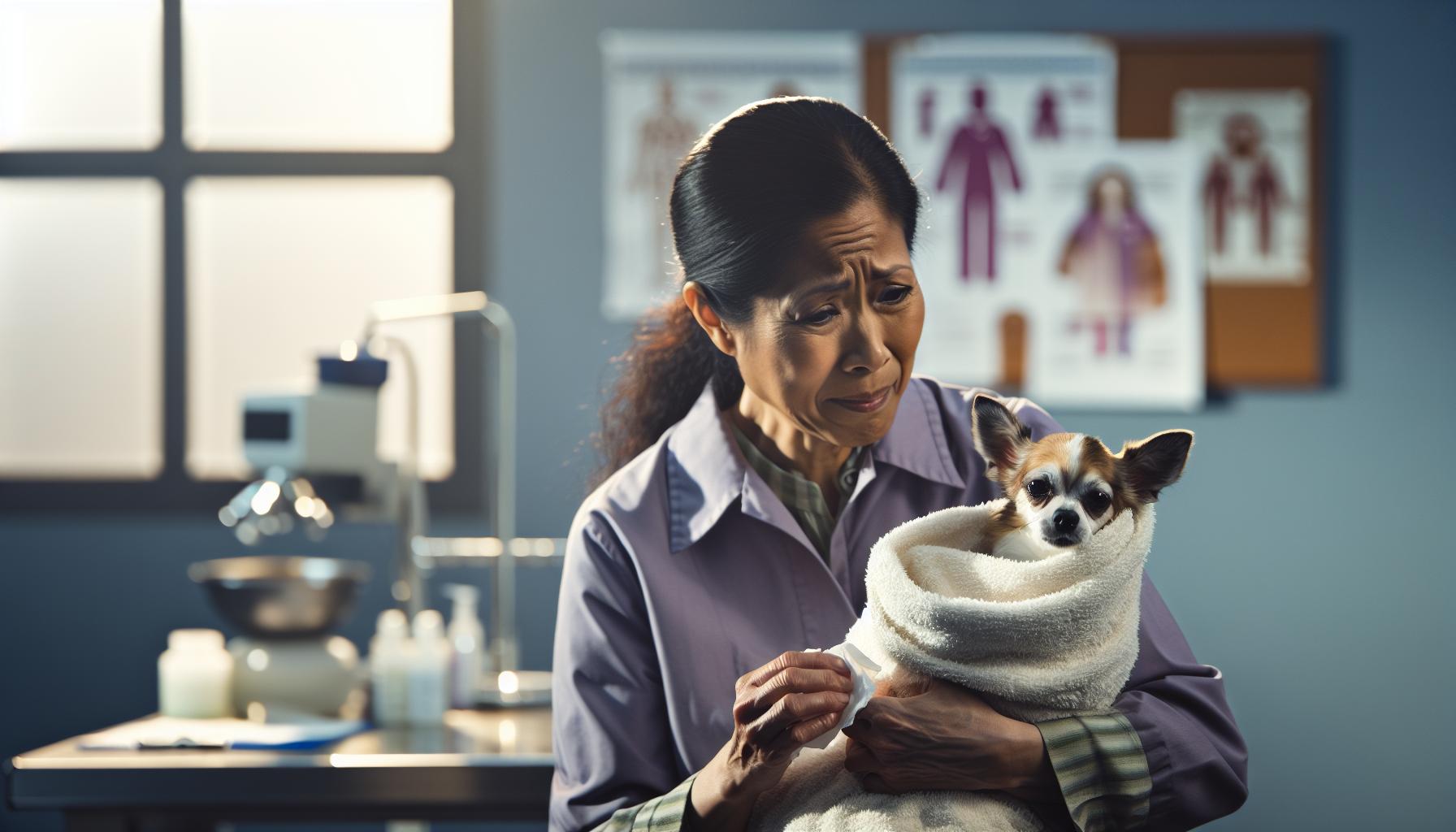
Understanding Diarrhea in Chihuahuas: Common Causes
Understanding why your beloved Chihuahua might experience diarrhea can feel overwhelming, especially when you consider the breed’s unique sensitivities. Chihuahuas, with their tiny tummies and vibrant personalities, can be prone to digestive upset from various factors. Often, a simple change, like a new treat or a shift in their diet, can trigger issues. These little dogs are not only bold and vocal but also have a metabolism that can be quite sensitive to change.
One common cause of diarrhea in Chihuahuas is dietary indiscretion-essentially, when they decide something they find on the floor is worth a taste! This can range from human food (which can be too rich or seasoned for their delicate stomachs) to spoiled food. Additionally, Chihuahuas can have food intolerances or allergies, particularly to common ingredients like beef, chicken, or grains. If your Chihuahua has recently switched foods, this could also lead to gastrointestinal distress.
Infections, whether viral or bacterial, are another serious cause to consider. Chihuahuas are particularly vulnerable if they’ve been exposed to fecal matter from other dogs or unsanitary environments. Stress is often an overlooked factor; these little dogs can experience anxiety over loud noises, changes in routine, or new environments, leading to stress-induced diarrhea. Remember, your Chihuahua thrives on routine and familiarity-keeping their environment stable can help mitigate these stress responses.
Here are a few common causes to keep in mind:
- Dietary indiscretion: Eating inappropriate or spoiled foods.
- Food allergies or sensitivities: Reactions to specific ingredients.
- Infections: Gastrointestinal infections from pathogens.
- Stress: Environmental changes affecting their digestive health.
By understanding these factors, you can better address your Chihuahua’s needs and respond promptly when they experience digestive issues. It’s always a good idea to consult your veterinarian if diarrhea persists, ensuring your little companion gets the care they deserve.
Recognizing Symptoms Beyond Diarrhea
Recognizing that your Chihuahua may be experiencing more than just diarrhea is crucial for their overall health and well-being. These little companions can exhibit a variety of symptoms that indicate underlying issues, so being observant can help you address potential problems early.
When your Chihuahua has diarrhea, watch for changes in appetite. Is she suddenly uninterested in her favorite treats or meal? A lack of interest in food can indicate gastrointestinal distress or discomfort. Similarly, vomiting is another red flag. If she is both vomiting and experiencing diarrhea, this could signal a more serious condition, and you may need to take action promptly.
Another important symptom to monitor is lethargy. If your usually vibrant Chihuahua seems unusually tired or less interactive, it might be a sign that she’s not feeling well. Pay attention to her energy levels-Chihuahuas are known for their bold, playful spirits, and a marked change can point to a health issue. Additionally, keep an eye on her hydration levels; frequent diarrhea can lead to dehydration, which is especially dangerous for small breeds. Check if she’s drinking enough water and observe her urine output.
- Appetite Changes: Loss of interest in food can indicate distress.
- Vomiting: This can compound diarrhea issues and signal serious problems.
- Lethargy: Look for signs of reduced energy or playfulness.
- Hydration Levels: Ensure she stays hydrated through consistent water intake.
Your Chihuahua’s behavior is an important cue. A sudden display of aggression or unusual nervousness may also occur when she’s not feeling well, possibly due to discomfort or anxiety related to her digestive issues. By being aware of these symptoms, you can provide helpful context when discussing her condition with your veterinarian, ensuring she gets the best care possible. Always trust your instincts; if something doesn’t seem right, don’t hesitate to reach out for professional advice. After all, you know your little companion better than anyone!
Immediate Steps to Take When Your Chihuahua Has Diarrhea
When your Chihuahua experiences diarrhea, the first step is to stay calm and assess the situation. Just like us, our tiny friends can occasionally have digestive troubles that may resolve on their own, but knowing how to act can make all the difference. One of the most important actions is to monitor her water intake closely. Chihuahuas are more susceptible to dehydration due to their small size, making it crucial to ensure she is drinking enough fluids. Offer her fresh water regularly and consider adding an electrolyte solution designed for pets to help replenish her system.
Next, give her digestive system a short rest. Withhold food for about 12-24 hours, allowing her stomach some time to settle. However, it’s essential to continue monitoring her behavior during this period. Is she playful? Does she maintain her usual energy? If she seems lethargic or uninterested in her surroundings, it may indicate a more serious issue that needs further evaluation. After the fasting period, reintroduce food slowly with a bland diet. Simple options, such as boiled chicken (no skin or seasoning) mixed with plain white rice, can help ease her stomach back into normal function.
Pay attention to her elimination habits during this time. If diarrhea persists beyond a day or two, or if you notice blood in her stool, it’s imperative to seek veterinary care. Even if she seems fine otherwise, prolonged diarrhea can lead to more serious health risks. Always keep a close eye on any other symptoms she might exhibit, such as vomiting or significant changes in behavior. Your little companion’s well-being is paramount, and intervening early can help prevent more extensive health concerns down the line. Remember, trusting your instincts as a dedicated Chihuahua owner is key; if something feels off, don’t hesitate to consult your veterinarian for guidance.
Home Remedies Your Chihuahua Might Benefit From
When your Chihuahua is facing digestive distress, there are several home remedies you can try to help soothe her stomach and promote recovery. Chihuahuas, with their diminutive size and unique digestive systems, often react differently to various remedies than larger breeds. Here are a few options that may offer relief:
Bone Broth
One of the best ways to rehydrate and nourish your Chihuahua is through homemade bone broth. It’s gentle on the stomach and packed with nutrients. Simply simmer chicken or beef bones (with no seasoning) in water for several hours. The resulting broth can be served warm, helping your Chihuahua feel comforted.
Bland Diet
After a period of fasting, reintroducing food is crucial. A bland diet can help firm up her stool. Options include:
- Boiled chicken: Use skinless, boneless chicken breast, finely shredded.
- Plain white rice: This is easy to digest and can help absorb excess water in the intestines.
- Plain pumpkin puree: A small spoonful can help solidify stools, thanks to its fiber content.
Mixing these ingredients can make for a nourishing meal while avoiding upset.
Probiotics
Probiotics can be beneficial for your Chihuahua’s gut health, especially during recovery. Look for a specific canine probiotic supplement or plain, unsweetened yogurt (in moderation). These can help restore the natural gut flora that may have been disrupted.
Stay Calm and Comforting
Stress can exacerbate gastrointestinal issues, and Chihuahuas are particularly sensitive to their environment and emotions. Keeping her comfortable, providing a warm, cozy space, and minimizing loud noises will help her feel secure as she heals. Engage in gentle, reassuring interactions to remind her that everything will be alright.
Monitoring your Chihuahua’s condition closely after trying these remedies is essential. If diarrhea persists or worsens, it’s crucial to consult your veterinarian. Remember, your little companion relies on you to notice any changes in behavior or health, and taking swift action can prevent further complications.
When to Seek Emergency Veterinary Care
When your beloved Chihuahua experiences diarrhea, it can be a nerve-wracking situation. While many cases may resolve at home with some simple remedies, there are specific scenarios where seeking immediate veterinary care becomes crucial. Understanding these warning signs can ensure your tiny companion receives the help they need and prevents potential complications.
Watch for signs of dehydration, which can happen quickly in small breeds like Chihuahuas. If your pup is lethargic, has dry gums, or a significantly reduced appetite, it could indicate dehydration. Another red flag is if your Chihuahua has diarrhea that lasts more than 24 hours. Prolonged diarrhea can lead to severe fluid loss and a dangerous situation, especially given their petite size.
Additionally, if you notice blood in their stool, or if the diarrhea is accompanied by vomiting, this could signal a more serious underlying issue, such as an infection or a more severe gastrointestinal problem. Other alarming symptoms include a bloated abdomen, persistent whining, or signs of abdominal pain, like whining or reluctance to be touched. These symptoms should prompt a swift visit to your vet.
Also, keep an eye on the frequency of the diarrhea. If your Chihuahua has frequent, watery stools multiple times an hour, this can lead to severe exhaustion and necessitates a vet’s attention. Chihuahuas are sensitive souls, and any sudden change in their digestive health can escalate into something more serious. Always trust your instincts-if you feel something is wrong, don’t hesitate to reach out to your veterinarian. They are there to help and can provide peace of mind and necessary care when your little one needs it the most.
Preventative Measures for a Healthy Chihuahua
To ensure your Chihuahua stays healthy and minimizes the risk of diarrhea, it’s crucial to implement preventative measures that suit their unique needs. One fascinating fact about Chihuahuas is that their small size often makes them more susceptible to gastrointestinal issues. By keeping a watchful eye and adopting a proactive approach, you can help your little companion thrive.
Maintaining a balanced diet is one of the most effective strategies for preventing digestive upset. It’s recommended to feed high-quality dog food specifically formulated for small breeds. Look for options that use real protein sources (like chicken or fish) and avoid fillers like corn and soy, which can upset sensitive stomachs. Many Chihuahua owners have found success by introducing a gradual transition when changing foods to prevent digestive stress. Always consult your veterinarian before making significant dietary changes, especially if your fur baby has a history of tummy troubles.
Regular exercise is not just beneficial for your Chihuahua’s heart and mind; it also plays a role in their digestive health. A simple daily routine of walks or playtime-preferably in a stress-free environment-can stimulate their gastrointestinal tract and promote regular bowel movements. Keep in mind that Chihuahuas can be easily stressed, so ensuring a calm atmosphere during these activities is essential. For example, one owner noted how her energetic apple-head Chihuahua thrived with a mix of gentle indoor play and outdoor jaunts, significantly reducing incidents of diarrhea.
Moreover, be mindful of environmental factors. Chihuahuas are sensitive to temperature extremes, which can impact their overall health and appetite. Ensure they have a cozy, safe space away from drafts and extreme heat. Protecting them from unexpected dietary changes, such as table scraps or foods from other sources, is equally important. Many Chihuahuas have irritable stomachs that can react poorly to sudden diet alterations.
Lastly, don’t underestimate the importance of regular veterinary check-ups. Annual visits ensure that any underlying health issues are identified early, allowing you to address them before they lead to more significant problems like diarrhea. Keeping your veterinarian informed about your Chihuahua’s behavior and diet can be instrumental in maintaining their health.
By integrating these practices into your care routine, you’ll greatly reduce the likelihood of gastrointestinal issues and support your lovable little companion in living a happy, healthy life.
Feeding Guidelines When Your Chihuahua Is Unwell
When your beloved Chihuahua is feeling under the weather, particularly with issues like diarrhea, what you feed her can significantly impact her recovery. Chihuahuas, known for their delicate digestive systems, require special care, especially when they are not their usual bouncy selves. A thoughtful approach to her diet can help ease her discomfort and restore her health.
One effective method is to temporarily shift her diet to a bland, easily digestible meal. This often includes:
- Boiled chicken (no skin or bones) – a lean source of protein that’s gentle on the stomach
- White rice – a great source of carbohydrates that can help bind loose stools
- Pumpkin puree – rich in fiber, it can regulate her digestive system
Start with small portions to see how her tummy responds. If she keeps the food down and doesn’t exhibit any further symptoms, gradually reintroduce her regular food over several days. This approach helps avoid overwhelming her sensitive stomach.
Hydration is crucial. Ensure she has access to fresh water at all times, as diarrhea can lead to dehydration, especially in tiny breeds like Chihuahuas. You might consider offering her a hydration solution designed for pets if she is reluctant to drink water. This can add essential electrolytes that she may be losing.
While some owners worry about introducing new foods during these times, sticking to familiar but bland options can provide comfort as well. However, always consult your veterinarian if her symptoms persist for more than a day or worsen, as dehydration and prolonged digestive issues can be serious in smaller breeds. Your Chihuahua may depend on your keen eye to notice the signs, so stay vigilant and loving as you help her through this challenging time.
Potential Long-Term Health Effects of Diarrhea
Diarrhea in Chihuahuas can be more than just a fleeting inconvenience; it can lead to long-term health repercussions if not addressed properly. As an owner, it’s crucial to recognize the potential impacts that a bout of diarrhea can have on your petite companion. Chihuahuas, being small and often sensitive, are particularly susceptible to dehydration, which can occur rapidly and may not always be obvious at first glance. If your Chihuahua experiences prolonged diarrhea, the cumulative loss of fluids and essential nutrients can result in serious health issues.
One of the most concerning long-term effects is malnutrition. If diarrhea persists, your Chihuahua may not absorb the necessary vitamins and minerals from their food, which can weaken their immune system. A compromised immune system makes your fur baby more vulnerable to infections and other health complications. For example, you’ve probably noticed how a once-vibrant Chihuahua might become lethargic and less playful after suffering from extended digestive issues. Regular vet check-ups during recovery can help monitor their nutrition levels and adjust their diet accordingly.
In some cases, chronic diarrhea can indicate underlying health conditions such as pancreatitis or intestinal parasites, which may require ongoing management. Your Chihuahua might display weight loss or changes in coat condition-signs that often go unnoticed until they become more pronounced. It’s essential to stay vigilant, as early detection can make a significant difference in treatment outcomes. If you notice your furry friend is losing weight or seems unwell after an episode of diarrhea, don’t hesitate to consult with a veterinarian.
Maintaining a consistent diet is also key for long-term recovery. As tempting as it might be to introduce new and exciting foods to entice their appetite, sticking to bland and familiar options can help stabilize their digestive system. Continue to prioritize hydration, as even minor episodes of diarrhea can lead to debilitating dehydration in such a small breed. Offering carefully prepared and hydrating foods-like pumpkin puree or steamed chicken-can aid recovery while also providing comfort and reliability in their diet.
Ultimately, understanding and addressing the potential long-term effects of diarrhea can keep your Chihuahua happy and healthy, ensuring many playful moments ahead in your companionship. Remember, your vigilance and care play a vital role in supporting their well-being through any digestive troubles.
Common Myths About Dog Diarrhea Debunked
It’s easy to get swept up in anxiety when your beloved Chihuahua has an episode of diarrhea. Our instinct is to worry, but it’s crucial to sift through the noise and the myths that often circulate about this common issue. Here are some of the most prevalent misconceptions that many Chihuahua owners encounter, along with the truth behind them.
One common myth is that all dog diarrhea is caused by a severe illness. Yes, diarrhea can indicate underlying health concerns such as infections or parasites, but it can also simply be a reaction to dietary changes, stress, or even the result of a sneaky snack they shouldn’t have had. For instance, Chihuahuas are notorious for their bold behavior, and when left alone, they might help themselves to something they find – even if it’s not the right food for their tiny stomachs. Keeping a close eye on their eating habits helps in quickly identifying the potential sources of trouble.
Another myth suggests that if your dog seems fine otherwise, diarrhea is not a cause for concern. This can be misleading, especially with Chihuahuas, who are prone to rapid changes in their health due to their small size. While a brief bout of diarrhea might not be alarming, it can quickly lead to dehydration. Always monitor how your fur baby behaves during this time. Are they lethargic or drinking less water? If your Chihuahua exhibits any concerning signs, it’s best to consult with a veterinarian sooner rather than later.
Many owners also believe that withholding food completely will help their dog recover faster. However, this can be a misguided approach. While a short period of fasting may be useful to settle a sensitive stomach, it’s essential to eventually introduce a bland diet. Chihuahuas often benefit from small, frequent meals of easily digestible foods like boiled chicken or pumpkin purée. This not only helps their digestive system but also provides the nutrients they need to regain their strength.
Finally, some people think that commercial diets specifically marketed for dogs with diarrhea are always the best choice. While these products can be helpful, they aren’t the only solution. Often, a well-rounded, stable diet tailored to your Chihuahua’s needs is just as effective. And considering their unique dietary sensitivities, discussing any significant diet changes with your vet is always a smart choice.
Understanding these myths can empower you as a Chihuahua owner, enabling you to respond aptly when your furry friend feels under the weather. Your vigilance, along with the right knowledge, will ensure that your tiny companion can bounce back and continue to be the vibrant, outspoken little personality you adore.
Understanding Dietary Changes for Sensitive Stomachs
When your charming Chihuahua experiences digestive issues, altering his diet can play a crucial role in his recovery. Given their petite size and sensitive stomachs, Chihuahuas need a carefully curated diet, especially when dealing with diarrhea. The wrong food can exacerbate the situation, whereas the right dietary changes can promote healing and restore balance.
Start with a bland diet for a few days to help your furry friend settle. Foods like boiled chicken (no skin or seasoning), pumpkin purée, and white rice can be particularly soothing. They are easy to digest and provide essential nutrients. Offer these in small, frequent meals rather than larger portions, as this helps reduce the strain on his digestive system and allows you to monitor his response closely. Introduce each new food gradually, watching for any signs of discomfort or worsening symptoms. If he’s recovering well, you can slowly reintroduce his regular diet.
What to Avoid
While you’re focusing on healing, there are several foods and ingredients to avoid that can irritate his stomach further:
- Dairy products: Many dogs are lactose intolerant, and dairy can lead to more digestive upset.
- Fatty or rich foods: Stay away from any foods high in fat, as they can trigger diarrhea.
- Spices and seasonings: Avoid adding flavor to his meals; keep it simple.
- Raw or undercooked meats: These pose health risks and could lead to infections.
- Human snacks: Steer clear of processed treats and snacks that are not suitable for dogs.
Always remember, each Chihuahua is unique, and dietary changes that work wonders for one might not be as effective for another. It’s beneficial to keep a food diary to track what your little buddy eats and how he reacts to it. If there’s no improvement after a couple of days or if you notice concerning symptoms, don’t hesitate to consult with your veterinarian. They can give tailored advice and, if necessary, prescribe specific therapeutic diets designed for sensitive stomachs.
By paying special attention to these dietary adjustments, you not only help alleviate your Chihuahua’s immediate discomfort but also strengthen his overall health, ensuring he’s back to his vibrant, playful self in no time.
Managing Stress-Induced Diarrhea in Chihuahuas
When your spirited little Chihuahua starts experiencing diarrhea, it can often be a sign of stress or anxiety manifesting itself physically, rather than just a dietary issue. Chihuahuas, known for their vibrant personalities, are also highly sensitive creatures. Sudden changes in their environment, like moving to a new house, the arrival of a new pet, or even loud noises, can set off their normally secure little worlds and lead to digestive distress. Understanding how to help soothe your nervous pup during these times is essential for their health and comfort.
To manage stress-induced diarrhea, creating a calming environment is paramount. Ensure your Chihuahua has a cozy, quiet space away from distractions where she can feel secure. You can consider using calming sprays or diffusers specially designed for dogs, which contain natural ingredients that promote relaxation. Soft music or white noise can provide a soothing backdrop, helping her to relax more easily.
Implementing a consistent routine can also alleviate anxiety in Chihuahuas. Regular feeding, walking, and playtime schedules help provide a sense of predictability in their lives. If your Chihuahua is particularly anxious during car rides or vet visits, practice short, low-stress trips that gradually increase in length, rewarding her with treats and plenty of praise to create positive associations. Additionally, incorporate interactive toys or puzzles to keep her mentally stimulated, which can distract her from anxiety triggers.
Don’t underestimate the power of gentle exercise-short walks allowing her to explore interesting smells can help relieve stress while benefiting her overall health. Always be watchful for signs of stress, which may manifest as excessive barking, shaking, or hiding. If you notice these behaviors persisting, consider consulting a veterinarian. They can provide guidance on calming techniques, and in some cases, recommend anxiety-reducing products or medications suited for her needs.
Remember, your dear Chihuahua relies on you to help her navigate her little world. With love, patience, and a few effective strategies, you can ease her stress and help her feel like herself again. Balancing her emotional well-being with practical care can lead to a happy, healthy little companion who bounces back from any bout of diarrhea with vigor and playfulness.
Resources for Ongoing Care and Support
When caring for your beloved Chihuahua, especially during episodes of diarrhea, having reliable resources at your fingertips can make all the difference. These little ones thrive on our attention and care, and knowing where to turn for support is crucial to keeping them healthy and happy. Here’s a guide to help you navigate ongoing care and support for your furry friend.
Vet Resources and Support Groups
Establishing a good relationship with your veterinarian is imperative. They can offer tailored advice based on your Chihuahua’s specific health needs. Don’t hesitate to reach out for guidance when diarrhea presents; they might prescribe medication or suggest dietary changes. Additionally, joining online communities and local Chihuahua groups can provide emotional support and practical tips. Owners often share their experiences, making it easier to cope with similar challenges while learning from each other.
Nutritional Guides and Supplements
Maintaining a proper diet is essential for preventing future gastrointestinal issues. Look for guides specifically focused on Chihuahua nutrition, which often include advice on digestible foods and temporary diets to ease their stomachs. Supplements like probiotics can also help restore intestinal balance, promoting overall digestive health. Many owners recommend incorporating pumpkin (not the spiced pie filling) into meals, as its natural fiber aids in firming up stools.
DIY Care Tips
For the hands-on owner, having a toolkit of DIY solutions can be invaluable. Keep your supplies stocked with items like electrolyte solutions, which can help prevent dehydration, especially during bouts of diarrhea. A soft, bland diet of boiled chicken and rice is often favored for easing sensitive stomachs. Monitor your Chihuahua closely for any changes in behavior or recovery, and always document these developments to share with your vet.
Training Resources for Anxiety Management
If you suspect your Chihuahua’s diarrhea may stem from anxiety, consider exploring training resources focused on behavioral strategies. Books and online courses can guide you on creating a secure environment and implementing positive reinforcement techniques. Simple adjustments like setting a consistent routine or introducing calming aids, such as anxiety wraps or pheromone diffusers, can significantly reduce stress levels.
Having these resources and strategies at hand allows you to provide ongoing care and support for your Chihuahua, ensuring they remain a radiant part of your life. With a little preparation, you can tackle any challenges that come your way, keeping your spirited companion happy and healthy.
Frequently asked questions
Q: What should I avoid feeding my Chihuahua if they have diarrhea?
A: If your Chihuahua has diarrhea, avoid feeding fatty, spicy, or rich foods. Stick to bland diets, like boiled chicken and white rice. Dairy products can also upset their stomach. For detailed feeding guidelines, refer to our section on Feeding Guidelines When Your Chihuahua Is Unwell.
Q: How can I tell if my Chihuahua’s diarrhea is serious?
A: Signs that your Chihuahua’s diarrhea may be serious include presence of blood, persistent vomiting, lethargy, or dehydration. If your dog shows any of these symptoms, it’s best to consult your veterinarian immediately. Check our section on When to Seek Emergency Veterinary Care for more insights.
Q: Are there over-the-counter medications for Chihuahua diarrhea?
A: OTC medications for dogs should only be used under a veterinarian’s guidance. Medications like probiotics may help restore gut health. However, always consult your vet before administering any medication to ensure it’s safe for your Chihuahua’s condition.
Q: What natural remedies can help my Chihuahua with diarrhea?
A: Natural remedies include plain pumpkin or probiotics, which can help firm up stools. Always introduce new remedies slowly and in small amounts. For more information, see our section on Home Remedies Your Chihuahua Might Benefit From.
Q: Can stress cause diarrhea in Chihuahuas?
A: Yes, stress can lead to diarrhea in Chihuahuas, especially during changes in their environment or routine. To manage stress, create a stable environment and provide comfort items. Addressing Managing Stress-Induced Diarrhea in Chihuahuas can offer further guidance.
Q: How long can diarrhea last in Chihuahuas before it’s an emergency?
A: Diarrhea in Chihuahuas should resolve within 24-48 hours. If it lasts longer or worsens, seek veterinary care as dehydration can occur quickly in small breeds like Chihuahuas. Refer to our section on When to Seek Emergency Veterinary Care for a detailed timeline.
Q: Is it normal for my Chihuahua to have diarrhea after a vaccination?
A: Some mild gastrointestinal upset can occur after vaccination; however, persistent diarrhea is not typical. If diarrhea lasts more than a day post-vaccination, contact your vet to rule out any complications or reactions.
Q: What is the best way to rehydrate my Chihuahua after diarrhea?
A: To rehydrate your Chihuahua, offer fresh water frequently and consider an electrolyte solution designed for pets. If your Chihuahua refuses to drink or shows signs of severe dehydration, seek veterinary assistance promptly. More hydration tips can be found in our Immediate Steps to Take When Your Chihuahua Has Diarrhea section.
Key Takeaways
When your Chihuahua is facing diarrhea, remember that quick action is key. Regular monitoring and a proper diet can lead to swift recoveries, but don’t hesitate to consult your vet for tailored advice. Whether it’s a minor upset or something more serious, being informed will empower you as a pet parent.
To further support your Chihuahua’s health, explore our guides on “Best Diets for Chihuahuas” and “Understanding Your Chihuahua’s Unique Needs.” These resources are designed to equip you with vital knowledge for your furry friend’s well-being.
Don’t forget to share your experiences in the comments below; your insights could help fellow Chihuahua owners navigate similar situations. For ongoing tips and updates, consider subscribing to our newsletter-let’s ensure your little companion stays happy and healthy!
Get our latest guides, news, and insights highlighted in your Google Search & AI Overviews.