
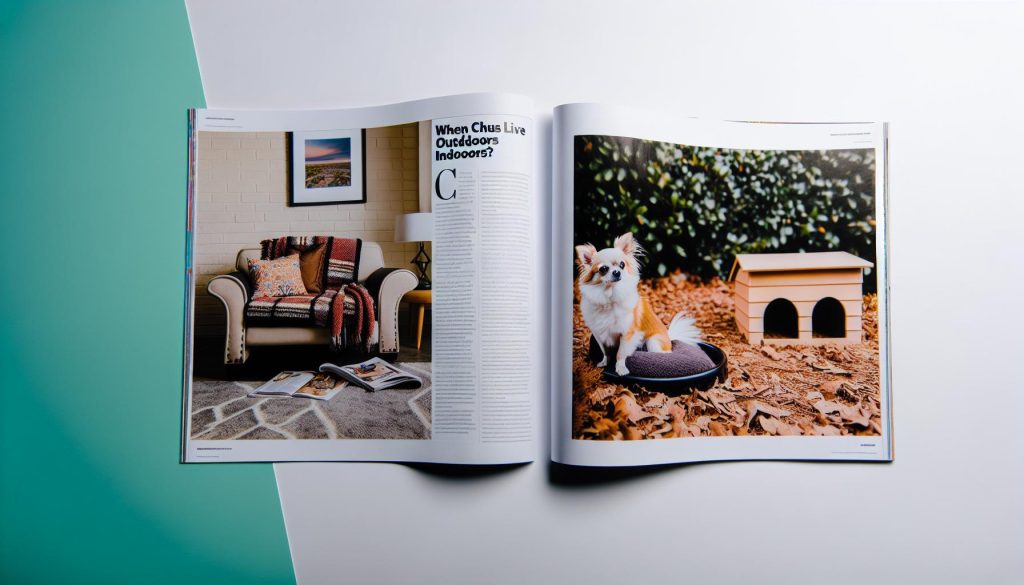
Did you know that Chihuahuas, while famously tiny, have a bold spirit that can lead them to thrive in various environments? This brings us to an important question: can these little companions safely live outside? Understanding their unique needs is crucial for any Chihuahua owner, whether you’re a first-timer or a seasoned enthusiast. These vocal, loyal furballs have specific health and behavioral traits that require careful consideration when it comes to their living situation.
As we explore the pros and cons of indoor versus outdoor living for Chihuahuas, we’ll address your concerns about safety, comfort, and overall well-being. With practical advice and insights on how to cater to their distinct personalities-like their penchant for warmth and companionship-we’ll help you make informed decisions for your furry friend. Read on to ensure your Chihuahua can live a happy, safe life, no matter where they call home.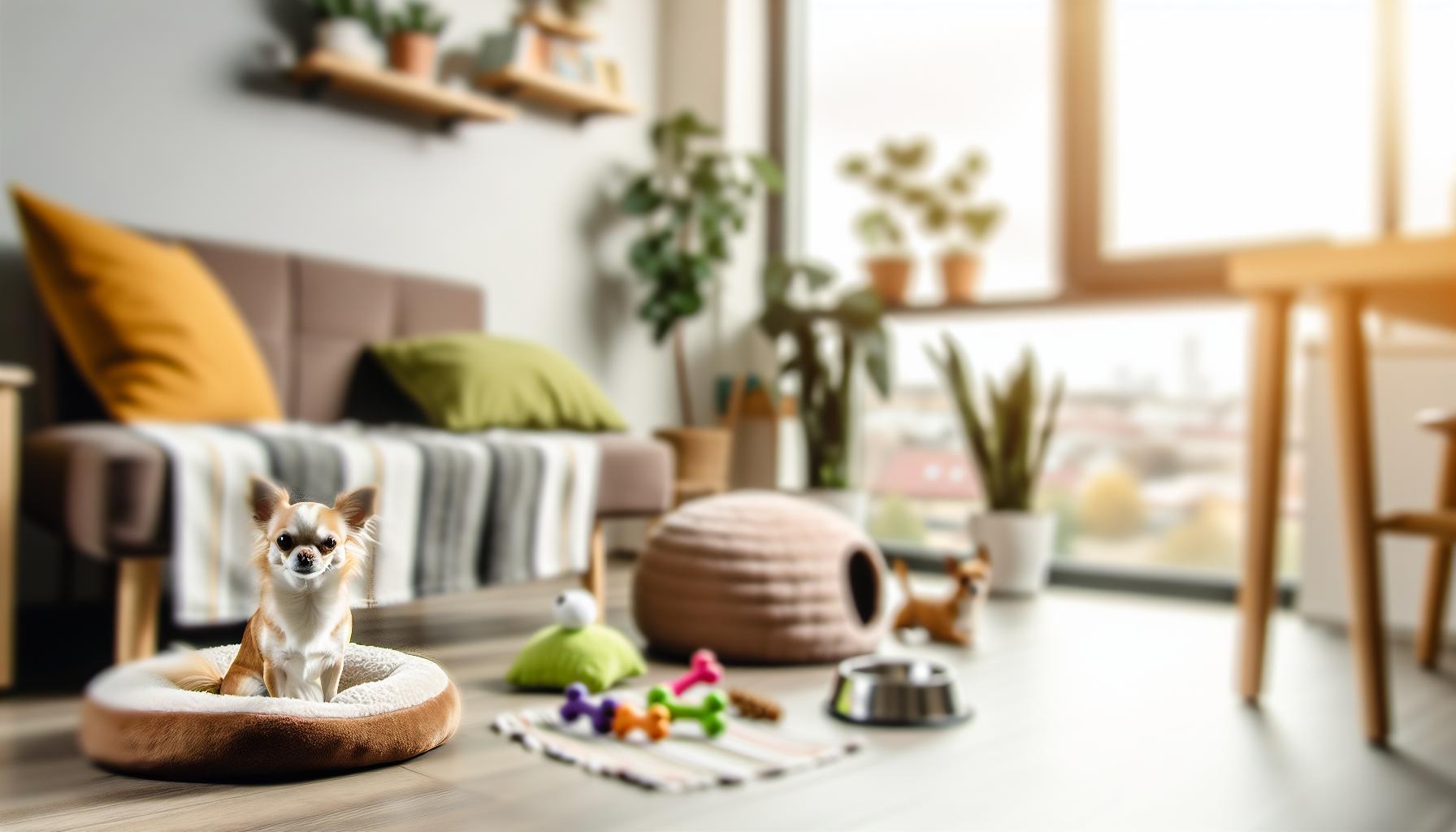
Choosing the Right Living Environment for Your Chihuahua
is crucial, as this tiny breed is known for its strong personality despite its size. Chihuahuas thrive in environments that offer safety, comfort, and stimulation. Ideally, whether you opt for an indoor or outdoor living situation, it should cater to their unique needs. Many owners find that a cozy indoor space filled with enriching toys and engaging activities suits their Chihuahuas best, as these dogs are highly social and require companionship.
When thinking about outdoor living, it’s essential to consider both the physical safety and the psychological well-being of your Chihuahua. Secure fencing is vital if he is to spend time outside; Chihuahuas are quick and agile, making them prone to escaping or getting into trouble if left unsupervised. A shaded area is also crucial since these little ones can easily overheat due to their small size and sensitivity to temperature extremes. Some owners invest in doggy doors that lead to a secure outdoor space, allowing their pets to enjoy fresh air while still being monitored.
While an outdoor environment can offer your Chihuahua a sense of adventure, it’s essential to ensure he feels safe and comfortable. Incorporating elements like shaded areas, soft bedding, and toys he loves can make outdoor time enjoyable. Additionally, provide a warm, inviting indoor retreat for times when the weather isn’t conducive to outdoor play. This balance allows your Chihuahua to experience the best of both worlds-exploring the outdoors while retreating to a secure and familiar space when needed. Remember that socialization is key, and spending quality time with your Chihuahua, both indoors and outdoors, strengthens your bond and enriches his life.
Understanding Chihuahua Behavior and Outdoor Adaptability
Chihuahuas, with their bold personalities and tiny stature, are often underestimated when it comes to their adaptability to different living environments. While these spirited little dogs can enjoy the outdoors, their behavior and unique needs are essential factors to consider before transitioning them to an outdoor lifestyle. Chihuahuas are notoriously loyal and have a strong attachment to their owners, which can make outdoor living challenging. They thrive on companionship and may not enjoy being away from their human family for extended periods. Thus, an understanding of their behavior is critical to ensure their happiness and well-being in any living arrangement.
One important aspect of a Chihuahua’s nature is their vocal personality. They can be quite expressive, often barking to communicate their feelings. This behavior can be amplified in outdoor settings where they feel the need to protect their territory or alert you to perceived threats. Owners must be prepared for this vocalization and consider whether it is acceptable in their neighborhood. Additionally, Chihuahuas display a notable degree of bravery for their size, often trying to engage with larger animals or roam beyond their personal space. It’s crucial to supervise their outdoor exploration, as their fearless nature could lead them into dangerous situations.
When considering outdoor adaptability, acknowledging a Chihuahua’s physical limitations is paramount. With their small size, they can easily become overwhelmed by larger dogs or unfamiliar environments. Therefore, it’s vital to create a safe outdoor space that enriches their experience without exposing them to risks. Owners might begin with short outdoor sessions and gradually increase the time as their Chihuahua becomes accustomed to the surroundings. Providing them with comfortable zones-such as shaded areas or soft blankets-can help alleviate stress and encourage exploration.
Moreover, socialization is a key factor in helping Chihuahuas adapt to outdoor living. Regular, positive experiences with other dogs and environments can boost their confidence. It’s helpful to introduce your Chihuahua to varied stimuli slowly, allowing time for adjustment. Engaging them in playful activities outdoors, such as fetch or simple agility exercises, can encourage a willingness to explore. Ultimately, striking a balance between indoor comfort and outdoor adventure will allow your Chihuahua to embrace a lifestyle that caters to their spirited and lively nature, creating a fulfilling life for both you and your beloved companion.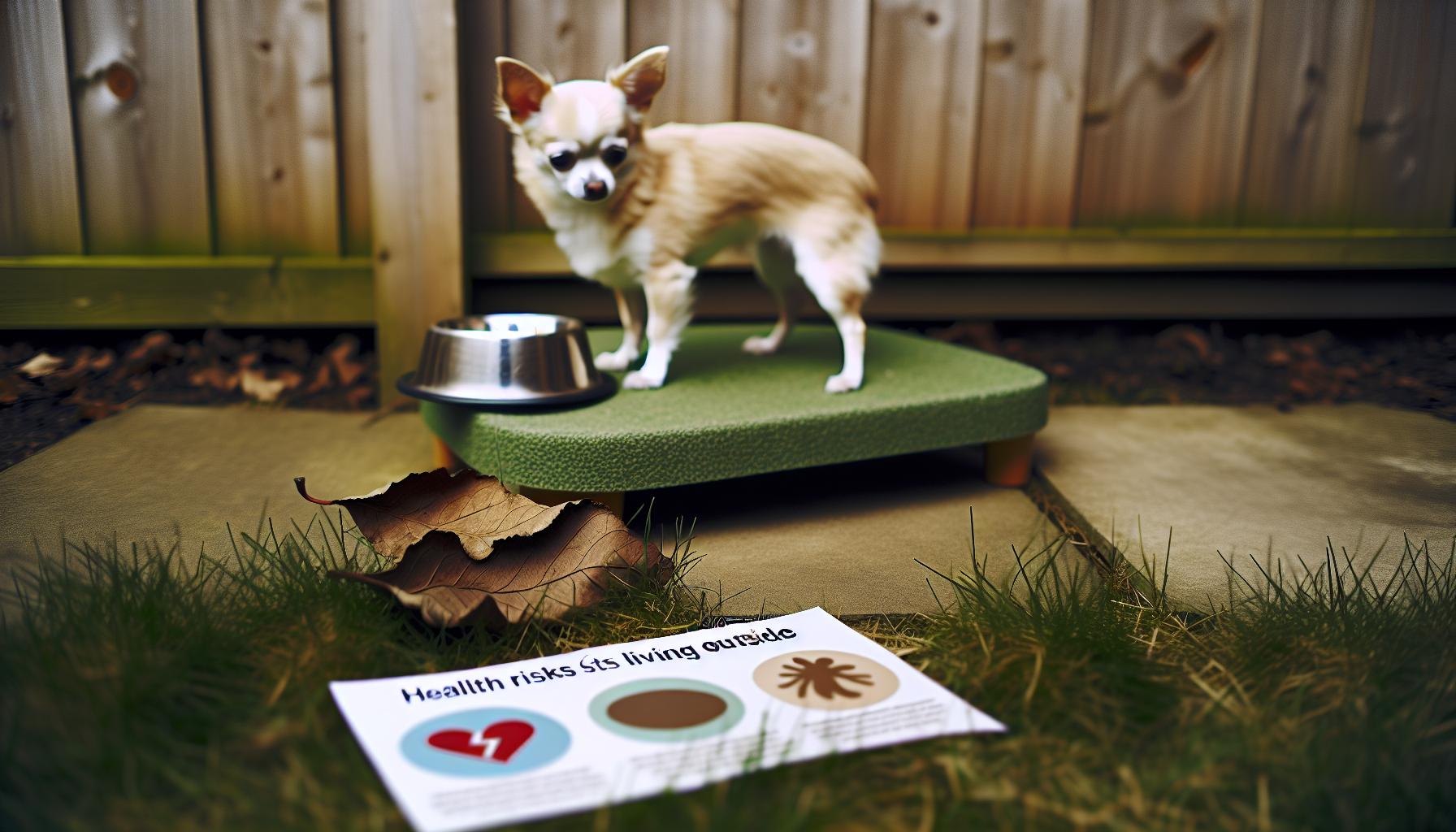
Health Risks for Chihuahuas Living Outside
Living outside may seem appealing for some Chihuahuas, but it’s crucial to remember that their small size and unique health needs make them particularly vulnerable to various risks when exposed to the great outdoors. In fact, even the most fearless little adventurer can face significant health challenges outside that could compromise their well-being. Understanding these risks is key to making informed decisions about your Chihuahua’s lifestyle.
One of the primary concerns is exposure to extreme weather. Chihuahuas are not built for harsh conditions; their small bodies lack the insulation needed to withstand cold temperatures, putting them at risk for hypothermia. If you’re in a particularly hot climate, be mindful that Chihuahuas are also susceptible to overheating. Dehydration is another serious danger, as their small size can quickly lead to severe health issues if they don’t have constant access to freshwater. A little Chihuahua is much safer in a climate-controlled environment, especially when temperatures soar above 85°F (29°C).
In addition to weather-related risks, there are numerous environmental hazards to consider. From other animals-both domestic and wild-to harmful plants and pests such as fleas and ticks, the outside world can pose dangers that might surprise even seasoned Chihuahua owners. For example, a curious Chihuahua could easily sustain injuries from encounters with larger dogs or even snakes. Owners should also be vigilant about ensuring that their yard is free from toxic plants and chemicals, as Chihuahuas are naturally inclined to explore their surroundings using their mouths.
To illustrate, consider a Chihuahua named Bella. Bella’s owner initially believed her spirited nature would allow her to thrive outdoors, but after a few frightening incidents-including an encounter with a raccoon and a bout of heat exhaustion-he realized the outdoor lifestyle posed more risks than benefits. By prioritizing Bella’s safety and comfort, he transitioned her back to indoor living where she could enjoy playtime in a secure and safe environment while still accessing the outdoors through supervised walks and play in the yard.
Ultimately, while Chihuahuas can appreciate time spent outdoors, their safety and health should always come first. By being aware of the potential risks and carefully managing your Chihuahua’s outdoor experiences, you can help them enjoy a happier, healthier life-balancing both indoor comforts and outdoor adventures.
Indoor Care Essentials for Your Chihuahua
Ensuring your Chihuahua thrives indoors is crucial for their overall health and happiness. These charming little pups, with their bold personalities and unwavering loyalty, require a nurturing environment that caters to their specific needs. Starting with the basics, a safe and cozy living space is paramount. Chihuahuas tend to feel more secure in a designated area that includes a comfortable bed, away from drafts and high-traffic zones. This doesn’t just provide comfort but also a sense of safety, vital for their often anxious temperament.
Nutrition and Hydration
Proper nutrition is key to keeping your Chihuahua healthy. They may be small, but these dogs have specific dietary requirements. Choose high-quality dog food that meets their nutritional needs, focusing on proteins and healthy fats. Portion control is important because Chihuahuas can be prone to obesity. Always provide fresh water to keep them hydrated, especially since dental health can be a concern in this breed. Have you ever noticed how passionate your Chihuahua seems about treat time? To maintain that enthusiasm while keeping them healthy, consider offering small, healthy snacks as training treats.
Exercise and Mental Stimulation
Despite their small size, Chihuahuas are energetic and need regular exercise. Short, frequent walks are perfect for keeping them physically active while also allowing them to explore their environment. Inside, engage their minds with toys that challenge them, such as puzzle feeders or squeaky toys that mimic their hunting instincts. Playtime also fosters bonding. For example, many Chihuahua owners enjoy interactive games like hide-and-seek, which not only keeps your pup active but also mentally stimulates them.
Grooming and Routine Care
Grooming is another essential aspect of indoor care, especially for long-haired Chihuahuas who may require more frequent brushing to avoid mats. Routine dental care is crucial too, as Chihuahuas are prone to dental issues. Consider brushing their teeth several times a week and providing dental chews to support oral hygiene. Regular veterinary check-ups, vaccinations, and flea control should not be overlooked. For instance, a Chihuahua named Max thrived with a consistent routine that included brushing, regular vet visits, and scheduled playtime, which minimized his anxiety and kept him healthy.
By focusing on these essential areas-comfortable housing, nutritious food, regular exercise, and proper grooming-you can create a nurturing indoor environment where your Chihuahua can flourish. It’s not just about preventing risks; it’s about enhancing their quality of life so that every day is an adventure filled with love and joy.
Safety Measures for Outside Exposure
When considering outdoor exposure for your Chihuahua, prioritizing safety is essential. These tiny, vocal companions may have bold personalities, but their small size makes them vulnerable in outdoor environments. A few protective measures can ensure that your Chihuahua enjoys the outdoors while remaining secure and healthy.
To start, always supervise your Chihuahua when he’s outside. Whether it’s in a yard or at a dog park, keeping a watchful eye helps prevent accidents or encounters with larger animals. Consider using a harness instead of a collar; this not only provides better control but also reduces strain on his delicate neck. When you take your Chihuahua out on walks, opt for a short leash to manage him easily and keep him safe from potential hazards like busy roads or aggressive dogs.
Creating a secure outdoor space is another pivotal step. If you have a yard, ensure that the fencing is high enough and free of gaps that could allow your Chihuahua to escape. Chihuahuas are clever escape artists, and even a tiny opening can lead to a runaway situation. You can also set up a shaded area with protection from direct sunlight, as Chihuahuas, especially those with short or light-colored coats, are prone to overheating. Providing fresh water while he’s outside is crucial to keep him hydrated and comfortable.
Furthermore, be aware of outdoor dangers, such as toxic plants or chemicals. Many households use pesticides or fertilizers that can be harmful to pets. Familiarize yourself with common plants that could pose a risk and create a safe zone for your Chihuahua, free of these hazards. Lastly, keep routine checks on your Chihuahua for any signs of distress or discomfort. If he seems overly anxious or is panting excessively, it’s best to bring him indoors.
By taking these safety measures, you can help your Chihuahua enjoy the great outdoors while protecting his well-being. A little preparation goes a long way in ensuring that he can indulge in the excitement of outside play without putting himself at risk.
Creating a Secure Outdoor Space for Your Chihuahua
Creating an outdoor space for your Chihuahua can transform their experience from mundane to magical. Imagine your little companion exploring a miniature world that caters to their curious nature while ensuring their safety. Chihuahuas, with their spunky personalities and boundless energy, thrive when given the opportunity to enjoy the outdoors, but it’s crucial that this space is secure and suitable for their unique needs.
To begin, the first priority is securing your yard. Chihuahuas are known for their cleverness and can be master escape artists, so check your fencing carefully. Ensure that fences are at least 4-5 feet high and free of gaps where your Chihuahua could squeeze through. Solid wood or vinyl fences are ideal, as they block the view of potential distractors like squirrels or other dogs. If you’re using chain-link fencing, consider adding a good cover to prevent your furry friend from climbing or digging underneath.
Once you’ve ensured the space is secure, create a comfortable environment. Chihuahuas are sensitive to temperature fluctuations; thus, finding ways to protect them from harsh weather conditions is essential. Set up shaded areas using canopies or umbrellas to shield them from direct sunlight, particularly for those with short or light-colored coats. Make sure there’s access to fresh, cool water at all times. You might also place some comfortable bedding or a little dog house where they can retreat for naps-after all, even the boldest Chihuahuas enjoy a cozy spot to snooze.
In addition to physical safety, it’s important to consider environmental hazards. Chihuahuas should have a space free from toxic plants, chemicals, and sharp objects. Familiarize yourself with common outdoor hazards, such as lilies and sago palms, which are found in many gardens. Regular checks for signs of distress or discomfort are also vital; if your Chihuahua appears anxious or restless when outside, it may be time to explore different outdoor dynamics or even alter the environment. Incorporating toys or play structures can encourage exploration and exercise, making outdoor time fun and engaging.
By taking these steps, you create not just a safe space, but a haven tailored for the adventurous spirit of your Chihuahua. An inviting outdoor area can lead to a happier, healthier pup who feels secure enough to exhibit their charming quirks and lively personality.
Socialization and Outdoor Time: Balancing Both
To enrich your Chihuahua’s life, outdoor time can be a wonderful adventure, but it must be balanced with proper socialization and stability. Chihuahuas, whether they are the spirited apple-head variety or the slightly sturdier deer-head type, thrive on interaction and need to feel secure in both their indoor and outdoor environments. Allowing your little companion to explore the outdoors can awaken their curious nature, but it’s important to do so in a way that promotes safety and comfort.
Chihuahuas are social by nature and benefit significantly from engaging with other dogs and people. This exposure can help prevent behavioral issues like excessive barking or anxiety when faced with new situations. Start by introducing your Chihuahua to the outdoors gradually. Short play sessions in a secure backyard can help them get accustomed to the sights, sounds, and smells of nature without feeling overwhelmed. Once they seem comfortable, consider playdates with other small breeds or taking leash walks in dog-friendly parks where they can interact with gentle, well-socialized pups.
However, in their boundless enthusiasm, it’s easy to overlook the need for safe, structured outdoor experiences. Always monitor your Chihuahua while they are outside to prevent any escape attempts or encounters with larger dogs that might intimidate them. Equip them with a sturdy harness and leash, especially in new environments, to maintain control while still allowing them to explore. Additionally, avoid bringing them out during extreme weather-searing heat can be just as risky as freezing temperatures for such a small breed.
Finally, create a routine that blends indoor stability with outdoor exploration. Ensure your Chihuahua has a safe, cozy area to retreat to after outdoor adventures, where they can relax and decompress. Socialization is key, but so is their ability to feel secure in their environment. Remember the charming personality traits of your Chihuahua-each little quirk is part of what makes them special, and providing a balanced mix of social time and personal space will help them flourish at home and in the great outdoors.
Weather Considerations for Outdoor Chihuahuas
When considering a Chihuahua’s outdoor living situation, weather plays a crucial role in their well-being. These small creatures possess unique features that make them particularly sensitive to temperature extremes. For instance, their minuscule sizes, combined with short coats-especially in apple-head Chihuahuas-can leave them vulnerable to both chilly and sweltering conditions. As such, it’s essential to create a thoughtful approach to how they experience the great outdoors.
Chihuahuas are more prone to hypothermia than larger breeds, making cold weather a serious concern. On brisk days, keep your little companion cozy by dressing them in a dog sweater or jacket, particularly if it’s windy or wet. Look for items that cover your dog’s belly and neck since these areas are especially susceptible to the cold. Additionally, limit their outdoor exposure during freezing temperatures; even a quick bathroom break can be the extent of time they should be outside.
Conversely, heat can be just as dangerous for Chihuahuas. They struggle with overheating due to their small size and short snouts, which can hinder their breathing. It’s vital to provide ample shade and access to fresh water when they’re outside. On particularly hot days, consider scheduling walks and playtime during the cooler morning or evening hours. If your Chihuahua shows any signs of discomfort-such as excessive panting or drooling-bring them indoors immediately to cool off.
Real-Life Example
For instance, when my friend adopted her apple-head Chi, Bella, she quickly learned just how afflicted these little dogs can be with temperature changes. After a brisk winter walk, Bella shivered uncontrollably despite her cute winter coat. My friend now ensures that Bella has a cozy blanket she can retreat to outside and keeps her walks short and sweet during the colder months. Conversely, in warmer weather, she always brings along a portable water bowl and a shade umbrella-allowing Bella to enjoy the fresh air without the risk of overheating.
By paying close attention to the climatic conditions outside and adjusting your Chihuahua’s outdoor time accordingly, you can create a balanced and safe environment that allows them to experience the joys of being outdoors while minimizing health risks.
Traveling with Your Chihuahua: Indoor vs Outdoor Options
When it comes to traveling with your beloved Chihuahua, understanding their unique needs can make all the difference between a fun adventure and a stressful experience. These little dogs thrive on being included in family activities, but their size and health considerations mean you’ll need to think carefully about your travel options. Both indoor and outdoor settings have their pros and cons; finding the right balance will create enjoyable experiences for both you and your furry friend.
Traveling indoors, such as in cars or public transport, usually offers a safer and more controlled environment for Chihuahuas. They often feel more secure in a cozy carrier, where they can settle in and rest, away from the noise and chaos of the outside world. If you’re planning a longer journey, consider creating a comfortable space with a favorite blanket or toy. This not only provides familiarity but also reduces anxiety – something that first-time travelers or particularly vocal Chihuahuas will appreciate. Many owners swear by pet seat belts to keep their little ones secure in the vehicle, preventing harmful distractions while driving.
Outdoor adventures, on the other hand, offer Chihuahuas a wealth of sensory stimulation. However, larger considerations come into play, such as their susceptibility to extreme weather conditions. Always ensure that any outdoor spots are Chihuahua-friendly: secure, shaded areas are essential, especially for longer outings. Pack essentials like portable water bowls, small dog coats, and sun protection to keep your canine companion comfortable and safe. Moreover, be mindful of the leash length, as Chihuahuas can be bold and might dash unexpectedly. An owner once shared that her apple-head Chi, Coco, loved hikes but would quickly tire out. Now, she brings a lightweight dog pack that holds water and a portable crate for breaks, allowing Coco to recharge amidst all the excitement.
Ultimately, whether indoors or outdoors, the key is to be attentive to your Chihuahua’s reactions. Watch for signs of discomfort or fatigue – their small stature means they can tire quickly compared to larger breeds. Comfort is paramount; make every effort to adapt your travel plans to ensure that your little companion feels as safe and loved on the road as they do at home.
Signs Your Chihuahua is Unhappy Outside
Chihuahuas are small but mighty, bursting with personality and charm. However, their petite stature and unique needs can make outdoor living challenging. As a proud owner, you may find joy in watching your furry friend explore the great outdoors, but it’s crucial to be vigilant for signs indicating your Chihuahua is unhappy outside.
One of the most noticeable indicators of discomfort is body language. If your Chihuahua flattens his ears, tucks his tail, or avoids eye contact, he may feel scared or anxious in the open environment. Additionally, vocalizations can reveal his unease: excessive barking or whining often signals distress. For instance, if your apple-head Chi, Bella, starts to vocalize loudly when exposed to sudden sounds, it may indicate that she is overwhelmed and would prefer the comforts of home.
Another critical sign to watch for is unusual behavior, such as pacing or attempting to hide. If she keeps looking for shady spots or tries to escape back to the house, she’s likely feeling stressed or too exposed to her surroundings. Watch for any changes in appetite; if she refuses treats or her favorite snacks during outdoor time, it could mean she’s not enjoying the experience as you hoped. It’s also helpful to monitor her energy levels-Chihuahuas can tire quickly, and if your little one isn’t willing to explore or play, it may be time to rethink the outdoor setup.
Finally, consider environmental factors. If your Chihuahua is pawing at the ground, whimpering, or frequently tries to go back inside, these behaviors can signal that the weather is uncomfortable for her. Hot pavement, chilly breezes, or even annoying insects can make the outside world less inviting. Be proactive; if you sense she’s unhappy, it’s perfectly acceptable to take her back indoors. Remember, her safety and happiness are paramount. By recognizing these signs, you can ensure your Chihuahua enjoys the best of both indoor coziness and outdoor adventures.
Best Practices for Transitioning to Outdoor Living
Transitioning your Chihuahua to outdoor living can be an exciting journey, but it requires careful planning and sensitivity to your furry friend’s needs. Chihuahuas, known for their bold personalities and tiny frames, thrive in environments that respect their unique characteristics. Before embracing the outdoors, consider these helpful practices to ensure a smooth adjustment.
Start by introducing your Chihuahua to the outdoor space gradually. Short, supervised visits are best to help her acclimate. Begin with 5-10 minute sessions, gradually increasing the time as she becomes more comfortable. This allows her to explore her new environment at her own pace, without feeling overwhelmed. Always carry treats to reinforce positive experiences. If your Chihuahua, like many, enjoys a cozy spot on your lap, consider bringing her favorite blanket or bed outside to create a familiar and safe area.
Secure Your Outdoor Space
Safety is paramount when transitioning to outdoor living. Ensure that the space is completely secure to prevent any escape attempts. A high, sturdy fence is ideal, but also check for small gaps or holes. Chihuahuas can be surprisingly agile, so slight openings can pose risks. Consider using dog-proof netting for added security in areas where she may be tempted to squeeze through.
Additionally, remove any toxic plants or hazardous items within her reach. Creating a designated area for her essentials, such as food, water, and toys, helps formulate a routine and keeps her comfortable. Regularly inspect this area to ensure it is clean and safe, maintaining environments that are as enjoyable as they are secure.
Monitor Weather Conditions
Chihuahuas are sensitive to temperature fluctuations due to their small size and short coat. Make sure to provide adequate shade and shelter for her during sunny days. Likewise, prepare for colder weather with appropriate gear, like dog sweaters or jackets, especially for the less insulated varieties, such as smooth coats. Always check the ground temperature, as hot surfaces can burn her delicate paws. Keeping a keen eye on her comfort during different weather conditions is crucial.
Finally, remember that socialization plays a key role in her happiness. Introduce her to a variety of experiences, sounds, and even other pets in safe increments. Socializing your Chihuahua not only helps her to adapt to the outdoor lifestyle, but it also nurtures her confidence as she navigates the world around her. Always prioritize her emotional and physical well-being as she adjusts to this newfound freedom. You’ll create enjoyable outdoor memories together while ensuring her safety and happiness.
Common Misconceptions About Chihuahuas and Outdoor Life
Many believe that Chihuahuas, with their diminutive size and vibrant personalities, aren’t suited for outdoor life. However, this perspective often overlooks their adaptability and unique traits. While it’s crucial to consider their specific needs, these little companions can indeed thrive outdoors under the right conditions. Understanding the nuances of Chihuahua behavior and dispelling common misconceptions ensures that both you and your furry friend can enjoy a safe and happy outdoor experience.
Firstly, some owners assume that Chihuahuas can’t handle outdoor environments due to their size. In reality, these courageous little dogs often display remarkable bravery and curiosity. They love to explore, whether that means sniffing around the garden or basking in the sun. However, their boldness should not turn into recklessness. Owners must ensure that any outdoor space is secure and free from hazards such as sharp objects, toxic plants, and escape routes. By creating a safe environment, you foster their natural instincts while preventing potential dangers.
Another misconception is that Chihuahuas cannot endure temperature variances. Their small size and short coat can make them sensitive to both heat and cold. It’s essential to equip your Chihuahua with appropriate gear, like a cozy dog sweater for cooler months or a shady spot during sunny days. While they may initially display resiliency, prolonged exposure to extreme weather can lead to health issues. Always check the ground temperature before letting them roam; heated surfaces can easily burn their delicate paws.
Lastly, some may think that Chihuahuas do not need much outdoor time compared to larger breeds. However, these little fur-balls require regular mental and physical stimulation just like any other dog. Engaging in short walks and playtime outdoors not only fulfills their physical needs but also helps them bond with you. Think of activities like agility exercises or simple fetch games that can be adapted for their size. Remember, consistent outdoor exposure isn’t just about exercise; it’s also about socialization. The more experiences your Chihuahua has, the more confident she will become, enriching her overall well-being.
By embracing the quirks and realities of your Chihuahua’s nature, and establishing safe and stimulating outdoor experiences, you cultivate a fulfilling life for your pet. These little companions deserve the freedom to enjoy the world, and dispelling these misconceptions is your first step toward achieving that balance.
Faq
Q: Can Chihuahuas stay outside by themselves?
A: No, Chihuahuas should not stay outside by themselves. They are small and vulnerable dogs that require constant supervision to ensure their safety from predators and environmental dangers. Always bring them indoors after outdoor time for their comfort and security.
Q: What is the ideal temperature for Chihuahuas to be outside?
A: Chihuahuas thrive in temperatures between 60°F to 85°F (15°C to 29°C). Extreme cold or heat can be dangerous for them. Be mindful of their comfort and limit outdoor time during harsh weather. Always check for signs of distress.
Q: How can I socialize my Chihuahua outdoors safely?
A: To socialize your Chihuahua outdoors safely, start slowly. Introduce them to new environments and people gradually, using positive reinforcement. Short, controlled outings help them adjust without overwhelming their sensitive nature. Consider visiting dog parks during less busy times.
Q: Do Chihuahuas need exercise outdoors regularly?
A: Yes, Chihuahuas need regular outdoor exercise. Short walks and playtime help maintain their health and prevent behavior problems. Aim for at least 20-30 minutes of activity daily, adjusting for their energy levels and age. Outdoor time can enhance their quality of life.
Q: Is it safe to let my Chihuahua roam in a fenced yard?
A: While a fenced yard can be safe, it’s important to supervise your Chihuahua. Ensure the fence is secure and tall enough to prevent escapes. Monitor their time outside to avoid injuries or encounters with other animals. Always provide shade and water.
Q: How can you tell if my Chihuahua is stressed outside?
A: Signs of a stressed Chihuahua outside include excessive barking, pacing, and hiding. If they show signs of anxiety like whining or trying to escape, it’s best to bring them indoors. Create a positive outdoor experience by using treats and toys.
Q: Can Chihuahuas adapt to outdoor living in warmer climates?
A: Chihuahuas may adapt to outdoor living, but it’s challenging and not recommended. They are sensitive to temperature extremes, especially heat. Provide a shaded, well-ventilated area and regularly check on them to ensure they are comfortable and safe.
Q: What are the best practices for bringing my Chihuahua outdoors?
A: Best practices include using a harness and leash for control, keeping outdoor time limited, and monitoring their behavior. Always carry water for hydration and ensure they have access to shade. Create a positive experience by using toys or treats outdoors.
In Retrospect
As we’ve explored, Chihuahuas thrive best in indoor environments where their unique needs are met with love and care. Keeping your petite companion safe indoors not only promotes their well-being but also strengthens your bond with them. If you have lingering questions-like how to adapt your living space for your Chi’s comfort or training tips-check out our articles on “Creating a Safe Indoor Environment for Chihuahuas” and “Essential Chihuahua Training Techniques.”
Don’t wait-take action now! Sign up for our newsletter for expert advice and join a community that celebrates all things Chihuahua. Your insights and experiences matter-feel free to share your thoughts in the comments below! Together, we can ensure our little buddies feel secure and happy, whether they’re snuggled on the couch or exploring the backyard. Remember, every Chihuahua deserves the best life possible!
Get our latest guides, news, and insights highlighted in your Google Search & AI Overviews.