

As a proud Chihuahua owner, you may find yourself wondering about the safety of various treats, particularly milk. It’s a common question-can our tiny, feisty companions indulge in this creamy delight? Understanding your Chihuahua’s dietary needs is crucial for their health and happiness. While many dogs enjoy a splash of milk now and then, it’s essential to know how it may affect your little one’s tummy. Some Chihuahuas can tolerate dairy, while others might face digestive issues. This article will explore the safety of milk for Chihuahuas, highlighting the potential benefits and risks, and providing tips to ensure your beloved friend stays healthy and happy. So, let’s dive in and discover what’s best for your pint-sized pal!
Can Chihuahuas Drink Milk Safely? Understanding the Basics
Chihuahuas, with their bold personalities and tiny frames, often have discerning palates. Many owners wonder whether offering a little milk as a treat is safe for their furry friends. The answer is nuanced and depends largely on your Chihuahua’s individual tolerance to dairy. While some dogs can enjoy a small portion of milk without issues, others may face digestive challenges due to lactose intolerance, which is quite common in this breed.
Most adult dogs, including Chihuahuas, are somewhat lactose intolerant, meaning they may lack the enzyme lactase, necessary for digesting lactose-the sugar found in milk. If your Chihuahua has never had milk before, it’s essential to introduce it cautiously. Start with a very small amount and observe how he reacts. Signs of discomfort or digestive upset may include gas, diarrhea, or vomiting. If you notice these symptoms, it’s best to skip milk altogether.
For those Chihuahuas who can tolerate milk, it can be a fun addition to their diet. Plain, unsweetened yogurt or small amounts of skim milk can be a refreshing treat packed with calcium. However, it’s vital to consider these treats as just that-treats! The bulk of your Chihuahua’s diet should be centered on high-quality dog food formulated for their specific needs, focusing on their age, weight, and health status.
Overall, when it comes to integrating milk into your Chihuahua’s diet, moderation and observation are key. Always listen to your little companion and consult your veterinarian if you’re uncertain about dietary changes. This careful approach will help ensure your Chihuahua remains healthy, happy, and full of life.
Potential Risks of Milk for Chihuahuas
When it comes to treating our beloved Chihuahuas, the idea of sharing a little milk may seem delightful. After all, many of us associate the wholesome image of dairy with plenty of nutrients. However, it’s crucial to understand that milk is not a universally safe treat for every Chihuahua. While some love it and can digest it just fine, there are risks involved.
A key concern is lactose intolerance, a condition common in many dogs, including Chihuahuas. Most adult Chihuahuas lack sufficient levels of the enzyme lactase, which is essential for breaking down lactose, the sugar found in milk. As a result, consuming even small amounts can lead to unpleasant digestive issues. If a Chihuahua drinks milk and is lactose intolerant, symptoms may manifest as gas, bloating, diarrhea, or vomiting. Every dog is unique; while one Chihuahua might enjoy a splash of milk without any trouble, another might feel miserable afterward.
Besides lactose intolerance, there are potential long-term effects of regularly including milk in your Chihuahua’s diet. Increased fat intake can lead to obesity, particularly in a breed that is naturally predisposed to weight gain due to its small size. Even low-fat or skim milk, if given regularly, could contribute to an imbalance in their diet, displacing more nutritionally balanced food options. It’s essential to consider these factors when deciding if milk should be part of your furry friend’s treat repertoire.
Always remember, when trying new foods such as milk, moderation is essential. If you decide to introduce milk, always start with a minuscule amount and monitor your Chihuahua for any adverse reactions. Consulting with your veterinarian is a wise step to ensure that any dietary changes are safe and beneficial for your little companion, helping to keep their tail wagging and their spirits high.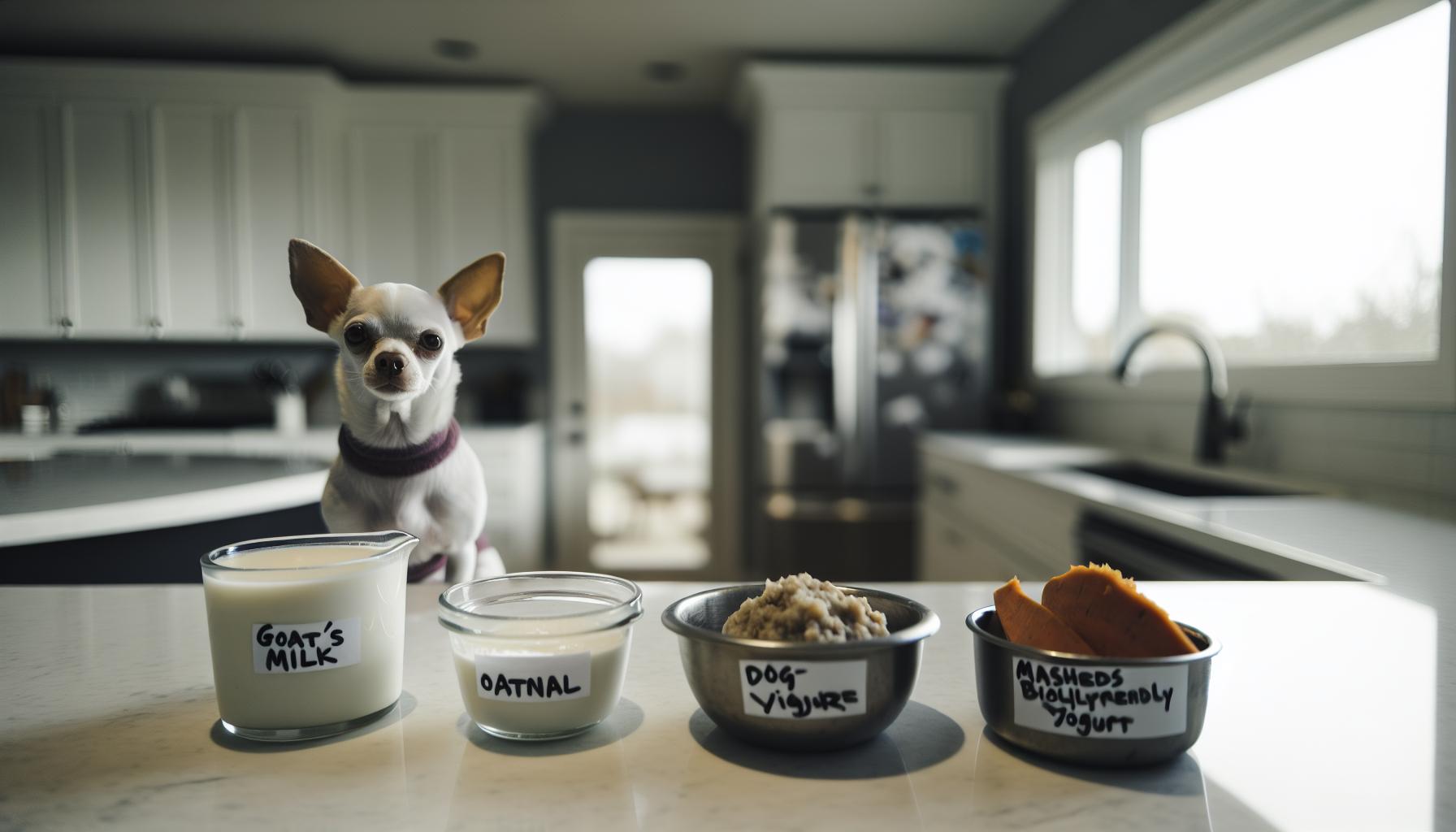
Nutritional Alternatives to Milk for Your Chihuahua
Many Chihuahua owners wonder if there’s a suitable replacement for milk that can still provide a tasty treat without the risks involved. After all, as guardians of these spirited little companions, we ultimately want to keep them happy and healthy without inadvertently introducing digestive troubles. Fortunately, there are several alternatives that can safely satisfy your furry friend’s cravings.
One popular option is coconut milk. This dairy-free choice can be a fantastic treat because it contains healthy fats and is rich in vitamins C and E. It’s important to offer it in moderation because too much coconut milk can lead to an upset stomach or excess weight, especially in Chihuahuas, who can be more prone to obesity. Ensure it is unsweetened and free from any added sugars.
Another excellent alternative is almond milk, specifically the unsweetened versions. This option offers a creamy texture that many Chihuahuas enjoy. Almonds themselves can be problematic for dogs, but a small amount of almond milk can serve as a delightful addition to your pup’s diet without the digestive concerns associated with dairy. However, always check for any additives that might be harmful, like xylitol, which is toxic to dogs.
For a homemade solution, consider making pumpkin puree as an adventurous and nutritious alternative. This option is not only delicious for Chihuahuas but also packed with fiber, promoting a healthy digestive tract. A teaspoon of pureed pumpkin (not the spiced pie filling) can be mixed into her regular food or offered as a standalone treat. Many Chihuahua owners report that their dogs love the taste, and it keeps their digestive system in check.
Lastly, don’t forget about plain yogurt, which is lower in lactose than regular milk and can be easier for some Chihuahuas to digest. Look for yogurt that is free from added sugars and artificial flavors. Always start with a small amount while observing how your little one reacts. If she seems to enjoy it without negative effects, you can incorporate it into her snack rotation.
By exploring these alternatives, you can treat your beloved Chihuahua while being mindful of their dietary needs. Remember, just as each pup has a unique personality, their dietary preferences may vary too. It’s all about finding what delights your little one while keeping her health a priority.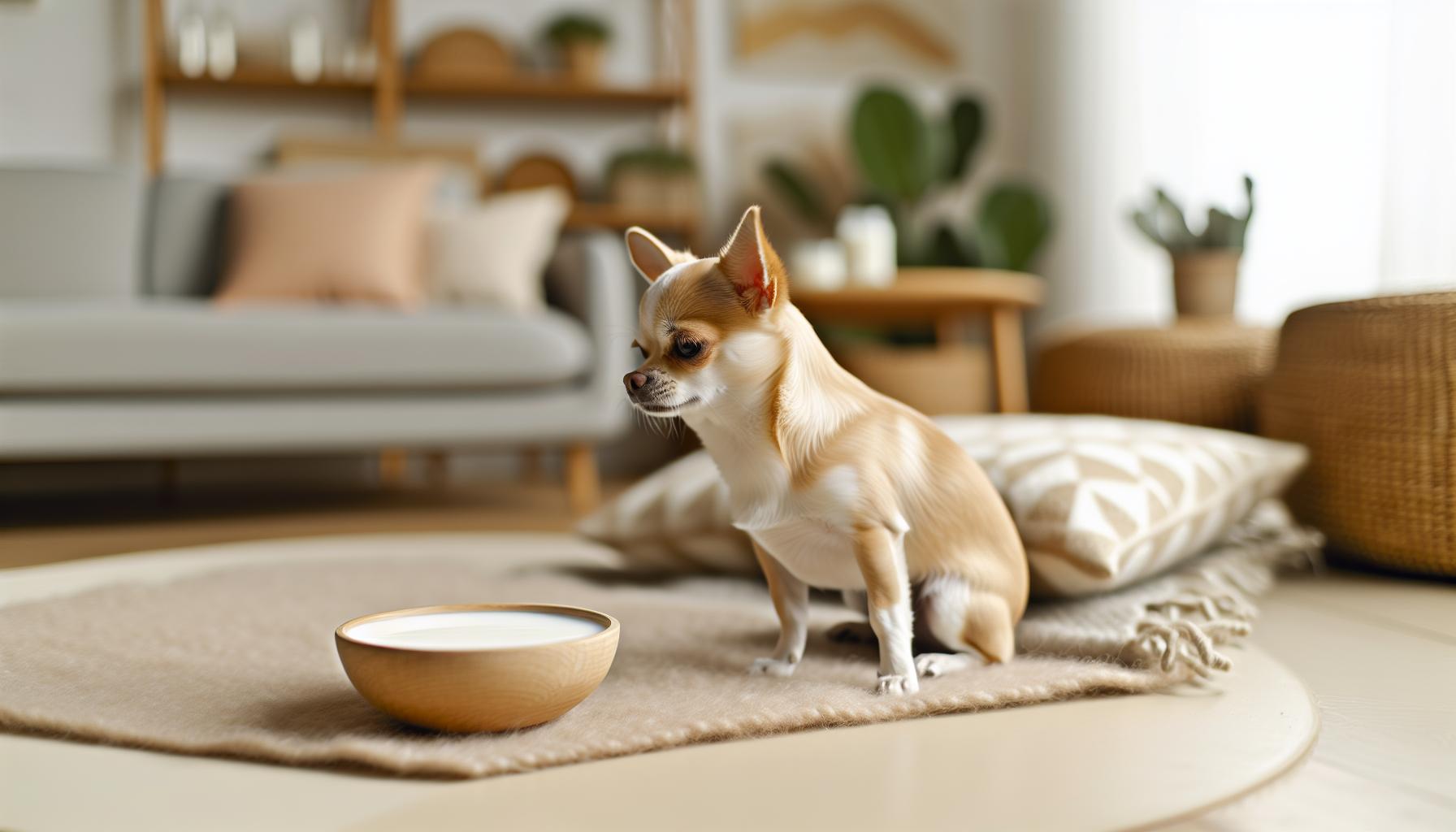
How to Introduce Milk to Your Chihuahua’s Diet
Introducing milk to your Chihuahua’s diet can be a delightful experience, especially when you see her little face light up at a new treat. However, since many Chihuahuas can become intolerant to lactose, it’s essential to approach this addition with care. Before you dive in, consider her age, health, and any potential dietary sensitivities.
Start by selecting the right type of milk. If you choose cow’s milk, opt for low-fat or lactose-free varieties to reduce potential digestive issues. Begin with just a teaspoon to gauge her reaction. This is crucial since Chihuahuas, especially those with sensitive stomachs, can experience upset if introduced to dairy abruptly. Monitor her for any signs of discomfort, such as gas or diarrhea. If she seems to enjoy these small sips, gradually increase the amount over a few days, but always keep it moderate-remember, this isn’t meant to replace her meals but to serve as an occasional treat.
It’s important to keep her unique personality in mind. A Chihuahua’s quirky character can shine through when they try new foods. One owner shared how her apple-head Chihuahua, Bella, initially wrinkled her nose at the sight of milk but eventually wagged her tail excitedly at the taste. Yet, another owner’s long-haired Chihuahua, Max, developed an aversion after experiencing a mild stomach upset. Each pup is different, so be prepared for a spectrum of responses.
Finally, remember that some alternatives can be just as enjoyable and potentially healthier. Dairy products like plain yogurt or specially formulated dog milk can provide that creamy texture Chihuahuas love, without the risk associated with traditional milk. As always, it’s best to consult with your veterinarian before making significant changes to her diet. By taking these steps, you can ensure that you’re not only treating your Chihuahua but also keeping her happy and healthy.
Signs of Lactose Intolerance in Chihuahuas
Understanding how our tiny Chihuahuas react to new foods is essential, especially when it comes to something as seemingly innocent as milk. While many of us fondly remember a time when dogs would enjoy a splash of milk, the truth is that many Chihuahuas can develop lactose intolerance, making this treat potentially problematic. Recognizing the signs of lactose intolerance will ensure your little companion remains comfortable and healthy.
When introducing any dairy product, watch closely for common symptoms of lactose intolerance:
- Gas and Bloating: If your Chihuahua starts to look uncomfortable, shifting around or having a bloated belly after consuming milk, this could be a sign he is struggling to digest it.
- Diarrhea: Loose stools or increased urgency (especially right after consuming milk) are strong indicators that milk don’t sit well with his stomach.
- Vomiting: Occasional vomiting can happen, but if it’s frequent after drinking milk, it’s time to reconsider including it in his diet.
- Changes in Behavior: If your usually energetic Chihuahua suddenly seems lethargic or irritable after having milk, he may be feeling unwell due to digestive distress.
Each Chihuahua is unique, just like their reactions to food. Owners often share stories of how their apple-headed Chihuahuas, like Bella, love a splash of milk, while others, like a friend’s long-haired Chihuahua named Max, simply avoid it entirely after a bad experience. Remember, your Chihuahua’s age and overall health play important roles in how well he tolerates dairy.
If you notice any of these signs after introducing milk, it’s best to stop feeding it to him. Always consult with your veterinarian for personalized advice tailored to your furry friend’s needs. They can guide you toward better alternatives that provide the same joy without risking discomfort, ensuring that every treat is a happy occasion for your little ball of energy.
The Role of Age and Health in Chihuahua Diets
When considering your Chihuahua’s diet, age and overall health are crucial factors that can significantly influence how well he processes certain foods, including milk. This breed, known for their vibrant personalities and charming quirks, isn’t just small in size but also often has unique dietary needs. Younger Chihuahuas have developing digestive systems that might react differently to dairy compared to older dogs, who may face health challenges that complicate their ability to tolerate it.
For instance, a young, energetic Chihuahua like Daisy might handle a small amount of milk just fine, showing no signs of distress. However, as Chihuahuas age, they can become more prone to lactose intolerance, which affects their ability to digest dairy. Older Chihuahuas might have sensitive stomachs, and any treats given should be approached with caution. This means that a senior Chihuahua, like 10-year-old Max, could be more likely to experience digestive issues if he indulges in milk compared to his younger counterparts.
Additionally, health conditions like pancreatitis, which is not uncommon in Chihuahuas due to their tendency towards obesity, can also dictate dietary choices. A Chihuahua dealing with such health challenges should avoid fatty or rich foods, including many dairy products. Consult your veterinarian about what is suitable for your Chihuahua, especially if he has pre-existing health issues. Choosing a diet tailored to his age and health status is key to ensuring he thrives.
Finally, it’s essential to remember that every Chihuahua is unique. What may be a delightful treat for one could be problematic for another. Observing your furry friend closely, adjusting his diet based on his age, health, and reactions to new foods will ensure he remains healthy and happy. Consider alternatives to milk that are gentler on a senior dog’s digestive system, such as tailored dog-friendly milk substitutes, to keep your beloved companion content while safeguarding his gut health.
Best Practices for Treating Your Chihuahua with Dairy
Introducing dairy into your Chihuahua’s diet can be a great way to treat him, but caution and care are required to ensure it’s a positive experience. Chihuahuas may have a charmingly bold personality, but their digestive systems can be quite sensitive. Understanding how to treat your furry friend with dairy means knowing what works best for him specifically.
Start by introducing any dairy product gradually. Begin with a small amount of milk-perhaps a teaspoon for a small pup. Watch for any signs of gastrointestinal distress, such as gas, diarrhea, or an upset stomach. It’s essential to proceed slowly; if your Chihuahua seems to handle a small amount well, you might increase the quantity slightly in the following weeks.
Understanding Individual Needs
Always consider your Chihuahua’s individual health conditions and age. Older Chihuahuas or those with known lactose intolerance may need to avoid dairy altogether. Instead, opt for low-lactose options or specialized pet dairy products designed for dogs. These treats can provide the creamy goodness without the digestive troubles that regular milk might cause.
Opting for Quality
When treating your little companion, quality matters. Choose organic, plain products without added sugars or artificial ingredients. For instance, plain Greek yogurt can be a better choice over regular milk because it contains beneficial probiotics. These can aid in digestion and might be kinder on your Chihuahua’s sensitive stomach.
Consult with Your Vet
Lastly, don’t hesitate to reach out to your veterinarian. They can help determine what types and amounts of dairy are appropriate for your specific Chihuahua. This is particularly important if your pup has any underlying health issues or dietary restrictions. Remember, you know your furry friend best, and what works for one Chihuahua might not work for another. Treat dairy as an occasional indulgence rather than a staple, ensuring that it enhances his diet without compromising his health.
Exploring Homemade Dog-Friendly Milk Alternatives
When considering alternatives to traditional milk for your Chihuahua, exploring homemade dog-friendly options can be a delightful journey that enhances their nutrition and offers safe indulgence. Many pet owners find that store-bought dairy products might not agree with their pups’ sensitive stomachs, especially those with lactose intolerance. Homemade alternatives can be tailored to suit your furry friend’s taste buds while ensuring they receive beneficial nutrients without any adverse effects.
One of the most popular homemade milk alternatives is coconut milk. It’s dairy-free, rich in healthy fats, and has a naturally sweet flavor that most Chihuahuas adore. To make it safe for your little one, start with unsweetened, canned coconut milk. You can dilute it with water to ensure it’s not too rich, especially since Chihuahuas have tiny tummies! Mix one part coconut milk with two parts water, and serve a small amount as a treat. Be sure to monitor for any digestive reactions.
Another excellent alternative is pumpkin puree. While not a liquid, it can be mixed with water to create a dog-friendly “milk” that’s loaded with fiber and vitamins. Simply mix canned pumpkin (make sure it’s pure pumpkin and not pie filling) with water until the desired consistency is reached. This option provides hydration while aiding digestion-a common concern for Chihuahuas-especially those prone to stomach issues. It’s also a great way to add some flavor to their daily routine!
For those who want to offer a creamier option, homemade almond milk can be made simply by soaking blanched almonds in water overnight, blending them, and then straining the mixture. This nut-based milk is rich in vitamins; however, it should be given in moderation to avoid excess calorie consumption.
When introducing these alternatives, remember to do so gradually. Monitor your Chihuahua for any signs of discomfort or allergic reactions, like gas or diarrhea. Each dog is unique, and their tolerance levels may vary. The goal is to provide enjoyable and nutritious options that complement their diet without causing digestive upset.
Lastly, always ensure that the ingredients are safe for your little companion. While many ingredients are wholesome for dogs, items like chocolate or xylitol (common in human food) can be toxic. Homemade treats not only allow you to control what goes into your Chihuahua’s food, but they also show them just how much you care. With a little creativity and careful preparation, you can create delicious milk alternatives that keep your pup happy and healthy.
Chihuahua-Specific Diet: What to Know
Navigating the dietary needs of your Chihuahua is crucial to ensuring their health and happiness. These tiny yet vibrant companions have special nutritional requirements that can vary based on factors like age, weight, and overall health. Chihuahuas are known for their bold personalities, but they also have sensitive stomachs that can react poorly to certain foods, such as milk. While a small amount of milk might not be harmful, it’s important to consider whether dairy fits into their overall diet.
First and foremost, Chihuahuas are prone to certain health issues that can impact their diet. For instance, dental problems are common in this breed, so a diet that supports oral health is essential. Feeding them dry kibble designed for small breeds can help reduce tartar buildup. Additionally, Chihuahuas can suffer from obesity, making it crucial to monitor their calorie intake closely. Treats like cheese or yogurt should only be given occasionally and in moderation, especially since many store-bought dairy products can contain additives that are unhealthy for dogs.
When considering what to include in your Chihuahua’s diet, focus on high-quality ingredients that provide balanced nutrition. Select dog food rich in protein and low in carbohydrates, as protein is vital for their energy and muscle health. Look for options that list real meat as the first ingredient. While treats are always fun, they should not exceed 10% of your dog’s daily caloric intake.
Introducing new foods, including any safe dairy alternatives, should be done gradually. Monitor for any signs of digestive upset or allergic reactions. Chihuahuas often have unique preferences, so it’s worth experimenting to see what your pup enjoys-be it a splash of low-fat yogurt mixed with their kibble or fresh fruits like blueberries, which are safe and enjoyable.
Ultimately, consulting with your veterinarian ensures that you’re meeting all of your Chihuahua’s health needs. They can offer tailored advice based on your dog’s individual health status and lifestyle. Remember, your little friend relies on you to make the right dietary choices, so staying informed is key to their well-being. Whether you’re a lifelong Chihuahua enthusiast or a first-time owner, providing a thoughtful diet is one of the best ways to show love to your loyal companion.
Expert Tips for Keeping Your Chihuahua Healthy
Keeping your Chihuahua healthy is a rewarding journey that involves attentive care and a well-rounded diet. These little pups, with their big personalities, require a nutritional approach tailored to their unique needs. While you might be tempted to offer your Chihuahua a splash of milk as a tasty treat, understanding the nuances of their diet is essential for fostering their overall well-being.
A key aspect of maintaining your Chihuahua’s health is ensuring they have access to high-quality, protein-rich food. Look for dog food brands that feature real meat as the first ingredient, avoiding fillers such as corn and soy that can lead to weight gain and digestive issues. Due to their size and sensitivity, Chihuahuas can easily overeat, so it’s vital to measure portions carefully and be vigilant about treats. If you choose to indulge your pup occasionally, remember that treats should make up no more than 10% of their daily caloric intake.
When introducing new components to your Chihuahua’s diet, such as dairy, proceed with caution. Monitor for any signs of lactose intolerance, which can manifest as upset stomach or diarrhea. If your Chihuahua seems particularly sensitive, consider offering dog-safe yogurt or cheese in small amounts rather than regular milk. These alternatives can be easier on their digestive systems and are a great way to incorporate probiotics, which support gut health. Moreover, engaging in a gradual introduction allows you to observe your pup’s reaction without overwhelming their system.
Regular vet check-ups play a crucial role in adapting your Chihuahua’s diet as they age or if health issues arise. Discuss any concerns or changes you observe with your veterinarian, as they can provide personalized recommendations based on your Chihuahua’s unique situation. Remember that a healthy Chihuahua is a happy Chihuahua; their playful spirit thrives on a balanced diet, quality care, and lots of love, ensuring they stay vocal, loyal, and undeniably bold.
Common Myths About Dogs and Dairy
Many people believe that dogs, including our beloved Chihuahuas, can safely drink milk just like humans. This notion is partly rooted in the widespread image of pets enjoying a bowl of milk casually. However, it’s crucial to separate fact from myth when it comes to dairy and dogs. In truth, while some dogs can tolerate dairy, many, especially Chihuahuas, might face digestive challenges due to lactose intolerance.
The idea that all dogs should naturally enjoy and thrive on milk is outdated. Most adult dogs, including Chihuahuas, lack the enzyme lactase, which is necessary for breaking down lactose-the sugar found in milk. As a result, when milk is consumed, it can lead to gastrointestinal upset, resulting in symptoms such as diarrhea, bloating, or an upset stomach. Chihuahuas, with their petite size and sensitive systems, are particularly prone to these uncomfortable reactions. Real-life owner experiences reinforce this; for instance, many Chihuaua owners have observed that even small amounts of regular cow’s milk can lead to distressing digestive issues in their pets.
Another common misconception is that dairy products like yogurt or cheese are just as harmful as milk. While it’s true that some dogs still struggle with dairy, certain options can actually be beneficial. Products like plain, unsweetened yogurt contain probiotics that may aid digestion and are generally better tolerated. When offering these foods, it’s essential to do so in moderation and observe your Chihuahua for any signs of discomfort. Ultimately, each dog is unique, and what works for one may not work for another.
Lastly, some pet owners believe that offering milk is an excellent source of calcium for dogs. While calcium is indeed vital for a dog’s bone health, there are far better and safer alternatives. High-quality dog foods are formulated to meet all nutritional requirements, including necessary minerals and vitamins. If you’re looking to supplement your Chihuahua’s diet, consider incorporating small amounts of leafy greens or dog-friendly vegetables that are easier on their digestive systems, rather than relying on milk.
In summary, being cautious about dairy in your Chihuahua’s diet will enable you to make informed and appropriate choices for their health. Understanding these common myths can help you celebrate your little powerhouse in the healthiest way possible!
The Importance of Consulting Your Vet on Diet
Understanding your Chihuahua’s dietary needs is crucial for her overall wellbeing, especially when it comes to introducing new foods like milk. These pint-sized companions have unique digestive systems that can react differently compared to larger breeds. Consulting with your veterinarian about your Chihuahua’s diet will empower you with the knowledge to make safe and healthy choices, ensuring her vibrant personality shines through without the pesky complications that can arise from unsuitable foods.
A vet consultation should include a discussion about your Chihuahua’s specific health concerns, such as age, weight, and any previous dietary intolerances. For example, if your little one has a history of gastrointestinal issues, your vet might advise against dairy altogether, or suggest small, controlled experiments with safe alternatives. Additionally, your vet can help you navigate the confusing landscape of food labels and dietary supplements, ensuring your Chihuahua gets the balanced nutrition she needs from high-quality dog food tailored to her size and energy levels.
Moreover, fostering a relationship with your veterinarian means you’re less likely to fall for common myths about Chihuahua diets. Many owners mistakenly think that cow’s milk can be a nutritious treat, when, in fact, it can cause distress for many Chihuahuas due to lactose intolerance. Your vet can debunk such myths with evidence-based information, helping you steer clear of dietary pitfalls. This is particularly important as some behaviors-like a vocal outburst or a sudden burst of hyperactivity-may be more closely linked to diet than we realize.
Incorporating your vet’s advice into your feeding routine fosters not just your Chihuahua’s health but also your confidence as an owner. A well-informed perspective lets you celebrate all her quirks-whether she’s a bold little diva or a shy snuggler-while keeping her lean and energetic. Remember, your vet is a partner in your Chihuahua’s health journey, ready to guide you through the delicious complexities of pet ownership.
FAQ
Q: Can Chihuahuas have yogurt instead of milk?
A: Yes, Chihuahuas can have yogurt, as it’s often easier to digest than milk. Look for plain, unsweetened yogurt without artificial additives. Yogurt can provide beneficial probiotics, but introduce it gradually to monitor for any digestive upset.
Q: What are the symptoms of milk allergy in Chihuahuas?
A: Symptoms of a milk allergy in Chihuahuas can include itchy skin, ear infections, and gastrointestinal issues like vomiting or diarrhea. If you suspect an allergy, discontinue milk and consult your veterinarian for alternative options and guidance.
Q: How much milk is safe for a Chihuahua to drink?
A: If you decide to give your Chihuahua milk, limit it to a small amount, like a tablespoon. Monitor for any adverse reactions, especially if it’s your first time introducing milk into his diet.
Q: Can puppies drink milk?
A: Puppies should drink their mother’s milk for the first few weeks. After weaning, a specialized puppy formula is recommended rather than cow’s milk, which can upset their stomachs. Always consult your vet for dietary advice specific to your puppy.
Q: Are there non-dairy alternatives safe for Chihuahuas?
A: Yes, there are safe non-dairy alternatives like coconut milk or almond milk (unsweetened). Each of these can occasionally be given in moderation, but always check for any added ingredients that may be harmful.
Q: Can lactose-intolerant Chihuahuas have cheese?
A: Some lactose-intolerant Chihuahuas may tolerate cheese because it contains less lactose than milk. Choose low-lactose cheese in small amounts and observe your dog for any negative reactions after consumption.
Q: How do I know if my Chihuahua is lactose intolerant?
A: Symptoms of lactose intolerance in Chihuahuas include gas, bloating, diarrhea, or vomiting after consuming milk or dairy products. If these symptoms arise, consult your veterinarian for an appropriate dietary plan for your pet.
Q: What should I do if my Chihuahua accidentally drinks milk?
A: If your Chihuahua accidentally drinks milk, monitor him for any signs of discomfort or digestive issues. If symptoms such as diarrhea or vomiting occur, consult your vet for advice on how to manage the situation and ensure your dog’s health.
Final Thoughts
As a devoted Chihuahua owner, it’s essential to prioritize your pup’s health and happiness. While the idea of sharing milk might be tempting, it’s crucial to remember that not all Chihuahuas can handle dairy well. Focus on providing a balanced diet rich in nutrients that support their unique needs-no one knows your little buddy better than you. If you found this information helpful, consider diving deeper into topics such as “Best Foods for Chihuahuas” or “Signs of Food Allergies in Dogs.”
Don’t miss out on expert tips tailored specifically for Chihuahuas! Sign up for our newsletter to receive as-it-happens dog care advice or browse our product recommendations designed for your fur baby. Have questions or tips of your own? We’d love to hear from you in the comments! Your Chihuahua is counting on you for a nutritious and happy life-let’s keep exploring ways to make that happen together!
Get our latest guides, news, and insights highlighted in your Google Search & AI Overviews.