

When it comes to mixing breeds, the thought of a German Shepherd and a Chihuahua may raise eyebrows, but it’s a topic worth exploring! These two breeds are worlds apart in size, temperament, and needs, which leads many dog lovers to wonder: can they successfully breed? Understanding the implications of such a mix is crucial for responsible pet ownership.
As a passionate Chihuahua enthusiast, I know firsthand how special these tiny, vocal companions can be. Chihuahuas are bold and fiercely loyal, yet their small size can create unique challenges, especially in a pairing with a larger breed like the German Shepherd. This article delves into the size differences, potential health concerns, and the truth behind the practicality of such a crossbreed. Whether you’re contemplating breeding or simply curious about these two beloved breeds, let’s explore the fascinating dynamics at play and ensure the well-being of both your furry friends. Your journey into understanding this pairing starts here!
Can German Shepherds and Chihuahuas Create Puppies?
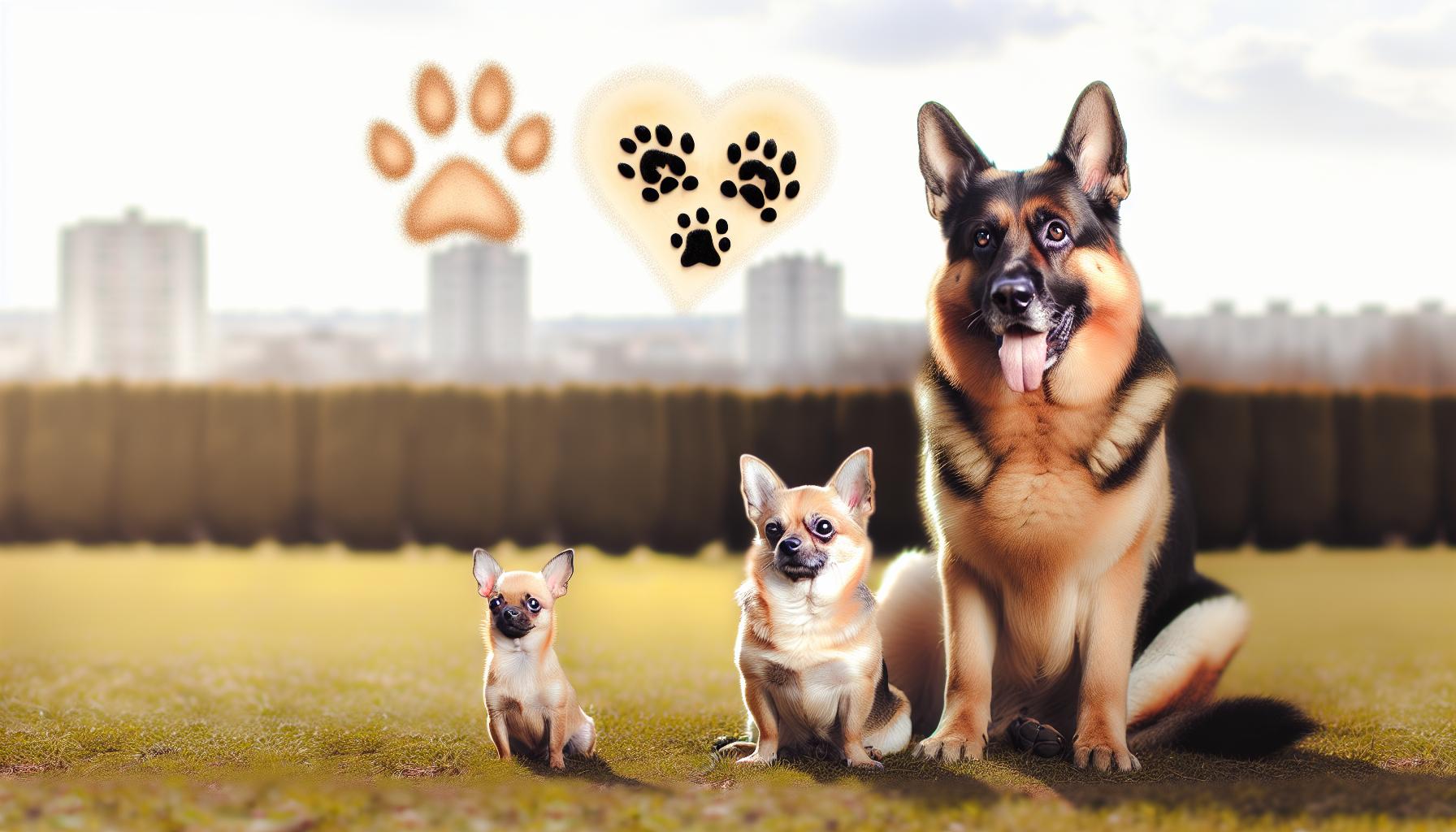
Breeding a German Shepherd with a Chihuahua isn’t as straightforward as it may seem due to their significant size difference. While it’s biologically possible, careful consideration is vital because of the potential health risks involved in such a mating scenario. The idea of a large breed like a German Shepherd breeding with a small breed like a Chihuahua raises immediate concerns about the safety of both the mother and the puppies.
When a female Chihuahua is bred with a male German Shepherd, the size disparity can result in severe complications during pregnancy and delivery. Chihuahuas typically weigh between 2 to 6 pounds, while German Shepherds weigh from 50 to 90 pounds. This size gap can lead to a situation where the Chihuahua is unable to safely carry and deliver the puppies, which can endanger her life. Therefore, if a mixed breed puppy is desired, it’s usually safer for the smaller breed to carry puppies from a smaller male or consider artificial insemination methods.
In the rare cases where a Chihuahua and a German Shepherd do mate successfully, the resulting offspring might inherit traits from both parents. These hybrids can vary significantly in size and appearance, often leading to a unique blend of personalities and physical characteristics. For example, some owners have noted that puppies might display the boldness typical of Chihuahuas alongside the loyalty seen in German Shepherds. It’s important for potential owners of such mixed breeds to be aware of these complexities, not only in terms of breeding but also in terms of training and socialization. Understanding the unique needs of these puppies will ensure they thrive and develop into well-adjusted adult dogs, capable of embodying the wonderful qualities from both parent breeds.
Understanding the Size Difference Between Breeds

Breeding a German Shepherd with a Chihuahua can seem like a fascinating experiment, but it raises important questions regarding the realities of size differences between these two breeds. Chihuahuas, with their confident but tiny frames, usually weigh between 2 to 6 pounds, while German Shepherds are robust dogs tipping the scales at 50 to 90 pounds. This vast difference in size can lead to critical health risks when considering breeding options.
When a Chihuahua female is involved, the danger escalates significantly. During pregnancy, the physically small Chihuahua may struggle to carry the larger puppies from a German Shepherd. A delivery may pose severe complications-it’s not uncommon for smaller mothers to face life-threatening challenges if they attempt to give birth to larger puppies. For instance, a Chihuahua named Bella successfully carried her first litter but faced immense stress during the birthing process. Unlike Bella, many Chihuahuas require veterinary assistance, potentially through cesarean sections, to safely deliver their young.
The offspring resulting from such a pairing can vary dramatically in size and appearance, often creating an intriguing mix of temperaments. Owners of these hybrids frequently share stories about their puppies showing tendencies of both parent breeds: the boldness of Chihuahuas may combine with the loyalty and intelligence characteristic of German Shepherds. Just like a Chihuahua like Luna, who commands the room with her tiny bark, her mixed-breed counterparts can inherit a similar vocal nature along with the protective instincts of a Shepherd.
Understanding these dynamics is essential for anyone considering such a mix. Taking the time to learn about the physical and behavioral aspects of both breeds will prepare you for the unique challenges that may arise, ensuring that any mixed breed puppies thrive in their new homes.
Health Risks of Breeding Large and Small Dogs
Breeding large and small dogs together can lead to serious health complications, particularly when the size disparity is as remarkable as between a German Shepherd and a Chihuahua. The physical limitations and risks associated with breeding a small female Chihuahua to a large male German Shepherd cannot be overlooked. Chihuahuas, known for their dainty frames, typically weigh between 2 to 6 pounds, while German Shepherds can weigh anywhere from 50 to 90 pounds. This size difference poses a significant threat during pregnancy and delivery.
When a Chihuahua female becomes pregnant with puppies from a German Shepherd, her tiny body has to accommodate a much larger litter than she is biologically equipped to handle. Carrying larger puppies can lead to a range of health problems. The most concerning risk is the potential for obstructed labor, where the size of the puppies makes it extremely difficult, if not impossible, for the mother to give birth naturally. Many small breed dogs have been known to require emergency cesarean sections to safely deliver their puppies. For instance, one owner recounted the harrowing experience of their Chihuahua, Bella, who struggled immensely during delivery despite successfully carrying her litter. In many cases, advanced veterinary care is essential to ensure the health and safety of both the mother and her pups.
Moreover, puppies resulting from this combination can inherit varying traits from both parents, leading to unpredictable health and developmental issues. For example, some mixed puppies may have physical anomalies due to their divergent lineage. It’s crucial for prospective owners to consider not just the joy of bringing new life into the world but also the ethical responsibilities associated with breeding. As passionate advocates for the Chihuahua breed, we must prioritize the well-being of our dogs above all else.
In light of these risks, it’s advisable to consult with experienced breeders or veterinarians before considering such a breeding arrangement. Preparing for the possibility of complicated pregnancies and ensuring access to quality veterinary care is vital. Breeding should be approached with a heart full of love and a mind grounded in the commitment to protecting our beloved companions. Prioritizing health over desire is the hallmark of a responsible dog owner.
Behavioral Traits of German Shepherd-Chihuahua Mixes
Creating a mix of a German Shepherd and a Chihuahua, often affectionately called a “Shepahuahua,” can lead to some intriguing behavioral traits, a delightful blend of both parent breeds. German Shepherds are known for their intelligence, loyalty, and strong protective instincts, while Chihuahuas are famous for their boldness, vocal tendencies, and affectionate nature. When these two breeds mix, their offspring often exhibit a unique combination of these traits, making them both fascinating companions and complex pets.
One remarkable aspect of the Shepahuahua’s demeanor is the potential for remarkable loyalty. Inherited from both parent breeds, this mix is likely to forge strong bonds with their human families, displaying a protective yet affectionate attitude. Owners often find their Shepahuahua to be a spirited companion, ready to be by their side, whether it’s lounging on the couch or participating in an outdoor adventure. An owner shared that their Shepahuahua, named Max, would alert them to every passerby with a confident bark-a trait echoed from both the alertness of the German Shepherd and the vocal nature of the Chihuahua.
In terms of temperament, these mixes can range from calm and laid-back to lively and playful, influenced by the dominant genes inherited from their parents. Regular exercise and mental stimulation are essential to channel their energy effectively. Owners might enjoy engaging their Shepahuahua in activities like fetch or agility training, which can satisfy the German Shepherd’s need for physical activity while also catering to the Chihuahua’s desire for play. However, be prepared for a bit of sass; a Shepahuahua could bring the notorious stubbornness of the Chihuahua to the table, occasionally testing boundaries when it comes to training.
The socialization process is a key aspect of raising a mixed breed like the Shepahuahua. Early and consistent socialization with other dogs, animals, and people is crucial to ensure they develop into well-rounded adults. Given the size difference between the two breeds, introducing them to various environments and situations while they are still puppies can cultivate confidence and reduce any fears. An early exposure to diverse experiences will aid in preventing any aggressive tendencies, especially since German Shepherds can be protective by nature.
In summary, while each Shepahuahua may exhibit different combinations of traits, owners can generally expect a mix of loyalty, spunk, and intelligence. Embracing the quirks from both breeds, along with a commitment to proper training and socialization, will ensure a loving and well-adjusted companion. Whether your Shepahuahua is a feisty ball of energy or a snuggly little love bug, understanding their unique behavioral traits will help you provide the best environment for them to thrive.
Care Requirements for Mixed Breed Puppies
Caring for a mixed breed puppy like the Shepahuahua-resulting from the delightful union of a German Shepherd and a Chihuahua-requires a thoughtful approach tailored to their unique characteristics. These spirited pups can inherit a blend of traits from both parent breeds, presenting a delightful yet complex challenge for any owner. Understanding their care requirements is essential for ensuring that your new furry friend has a happy and healthy life.
First and foremost, your puppy will need proper nutrition. Due to the size difference between the German Shepherd and Chihuahua, monitor your puppy’s growth and adjust feeding amounts accordingly. Look for high-quality kibble formulated for small to medium breeds, ensuring it meets the nutritional needs of an energetic puppy. For example, an owner noted that their Shepahuahua, Bella, thrived on a grain-free diet, which contributed to her shiny coat and boundless energy. Always consult your veterinarian for personalized feeding advice, especially as this mix may inherit specific health considerations from both breeds.
Regular exercise and mental stimulation are also crucial. While Chihuahuas are smaller and may require less physical activity, German Shepherds need significant exercise due to their working dog background. Thus, your Shepahuahua might vary, so tailor playtime accordingly. Short, engaging walks or interactive play sessions can help. Owners often suggest activities like hide and seek or puzzle toys to keep their pups entertained. You might even incorporate agility training, giving your puppy a chance to channel some of that German Shepherd energy in a controlled, fun environment.
Grooming needs can vary based on your puppy’s coat type. If your Shepahuahua takes after the Chihuahua, expect minimal grooming. However, a fluffier coat resembling the German Shepherd’s will require more frequent brushing to avoid matting. Regular baths will also help keep your puppy’s skin healthy-though be mindful not to wash too frequently, as this can lead to dry skin. One owner discovered that a biweekly grooming schedule worked perfectly for their mixed breed, keeping both the coat and skin healthy and vibrant.
Lastly, focus on socialization and training. Given the potential boldness of the Chihuahua crossed with the protective instinct of the German Shepherd, early socialization is vital. Expose your puppy to various environments, people, and other animals to foster a well-rounded temperament. A great way to do this is through puppy classes or playdates, where your Shepahuahua can learn valuable social skills and behaviors. Engaging in consistent, positive reinforcement-based training will also set the stage for good behavior and strengthen your bond.
By understanding these care requirements, you’ll not only cater to your Shepahuahua’s physical needs but also nurture the unique personality traits that make this mixed breed such a joyful companion. With love, patience, and proactive care, you’ll raise a well-adjusted puppy who brings laughter and warmth to your home.
The Role of Genetics in Hybrid Puppies
The genetics of a mixed breed puppy, particularly one resulting from a German Shepherd and a Chihuahua, creates a fascinating blend of traits that prospective owners should understand. When these two distinct breeds are combined, the resulting Shepahuahua can inherit characteristics from both sides, leading to a delightful yet unpredictable mix. Each puppy is a unique individual, embodying a combination of physical appearances, temperaments, and health predispositions that can vary widely.
One critical aspect to consider is size and physical traits. German Shepherds are known for their sturdy build, while Chihuahuas are petite and delicate. This difference can lead to variations in the Shepahuahua’s size, coat type, and even ear shape. For example, some puppies may resemble the stocky frame of their German Shepherd parent, while others might inherit the Chihuahua’s smaller stature and distinctive apple head. Engaging in regular health check-ups will help track these traits, allowing owners to plan for grooming needs and space requirements effectively.
Genetics also play a significant role in the behavioral traits and temperament of mixed breeds. While German Shepherds are known for their intelligence, loyalty, and protective instincts, Chihuahuas are characterized by their boldness and vibrant personalities. A Shepahuahua may exhibit a blend of these behaviors-showing loyalty and protectiveness alongside that signature Chihuahua fearlessness. Early training and socialization become essential to nurture the best traits in your puppy, as a balanced approach will help manage any challenging behaviors that might arise from this genetic cocktail.
Health issues can also be influenced by genetics. Both parent breeds have their specific predispositions, with German Shepherds being prone to hip dysplasia and Chihuahuas often facing dental problems. This mix may inherit health concerns from either side. Therefore, being proactive about your puppy’s health-through regular veterinary visits, a balanced diet, and appropriate exercise-is vital. Observing your puppy for any signs of discomfort or health issues can lead to early intervention, ensuring a longer, healthier life for your Shepahuahua.
Understanding is not just about recognizing potential traits; it’s about the joy of watching them develop into their unique selves. Each Shepahuahua presents an opportunity to embrace the quirks of both breeds while offering a loving home to a precious pup whose personality will undoubtedly shine with charm and affection.
Training Challenges with a Mixed Breed Dog
Training a mixed breed dog like the Shepahuahua-a blend of German Shepherd and Chihuahua-can be both rewarding and challenging due to their unique heritage and temperament. Bringing together the loyalty and intelligence of the German Shepherd with the spirited and sometimes stubborn nature of the Chihuahua creates a fascinating dynamic that every owner should embrace. However, understanding and addressing the potential training hurdles is key for fostering a well-rounded companion.
One significant challenge lies in the disparity in energy levels and sizes. While German Shepherds often possess high energy and require ample exercise and mental stimulation, Chihuahuas may prefer shorter bursts of activity and more time cozying up with their owners. As their owner, it’s important to find a balance that caters to both needs. For instance, incorporating brief, energetic play sessions followed by quiet cuddle times can help keep your Shepahuahua happy and engaged without overwhelming her.
Socialization is another essential aspect of training a Shepahuahua. Early exposure to various people, environments, and other animals can help mitigate any fear-based behaviors. Given the Chihuahua’s often vocal nature and protective instincts, mixed with the natural guarding tendencies of the German Shepherd, your puppy might become a little defensive or overly alert if not socialized properly. Regular trips to dog parks, puppy classes, or playdates with other dogs can aid in developing her confidence and social skills. Remember, positive experiences during her formative weeks are crucial for fostering a calm, well-adjusted adult dog.
Moreover, consistency in training methods is vital. Utilizing reward-based techniques, such as treats and praise, works wonders for both breeds. Chihuahuas are often motivated by food, so incorporating tasty treats can help encourage good behavior, while German Shepherds thrive on positive reinforcement for their eagerness to please. A structured routine that includes commands, tricks, and proper manners can significantly enhance your pup’s learning. For example, regular practice of commands like “sit,” “stay,” and “come” can reinforce her obedience, which is especially important for a mix that may inherit stubborn streaks from both sides.
In summary, understanding your Shepahuahua’s unique blend of traits is essential for effective training. Celebrate her quirks-whether it’s her boldness or her moments of newfound bravery-and remember that patience and love go a long way in shaping her into a beloved member of your family. Embrace the journey, and you’ll not only overcome training challenges but also develop an incredible bond with your mixed breed companion.
Socialization Tips for Small-Large Dog Breeds
Creating a balanced environment for a mixed breed like the Shepahuahua, which combines the spirited Chihuahua and the strong German Shepherd, makes socialization crucial. These pups often exhibit a mix of traits from both parent breeds, including the Chihuahua’s vocal alertness and the Shepherd’s protective instincts. This adorable blend can lead to unique challenges, particularly when it comes to socializing them with other dogs and new experiences.
To start, early socialization is essential. Begin this process when your puppy is small-between 3 to 14 weeks old is ideal. Shielding your Shepahuahua from the world can lead to fearfulness and over-protectiveness later in life. Introduce her to a variety of people, environments, and other dogs. Take her to local parks where she can observe larger dogs from a distance before interacting with them. For example, a Chihuahua owner noted that taking her pup to puppy classes helped him gain confidence around larger breeds, making him less anxious during encounters.
Another effective strategy is to incorporate controlled playdates. Seek out dogs of various sizes to ensure she learns how to behave around larger animals while also being encouraged to embrace her own quirks-like barking when excited. For instance, scheduling a playdate with a calm German Shepherd can provide a safe space for your Shepahuahua to express herself and learn boundaries, fostering a sense of security in her interactions.
Routine exposure to different sounds and environments is also beneficial. Take short trips in the car, visit pet-friendly stores, or even enjoy outdoor cafes together, allowing her to adjust to various stimuli. Training her to focus on you during these outings can help manage any anxiety. Use treats and praise as rewards when she remains calm around triggers that might otherwise cause her to bark or react defensively.
Lastly, consistency in your reactions is vital. If your Shepahuahua becomes overwhelmed or exhibits fearful behaviors, reassure her with calmness and confidence. A supportive environment will help her feel secure enough to enjoy new experiences. Be patient, knowing that while she may inherit stubbornness from her Chihuahua lineage, with time and socialization, she can grow into a well-adjusted companion who balances her small stature with a big personality.
Choosing the Right Home for a Mixed Breed
dog like the Shepahuahua, a mix between a German Shepherd and a Chihuahua, is crucial for ensuring their well-being and development. These dogs inherit traits from both parent breeds, which influences not just their behavior but also their needs in a living environment. The combination of a confident, protective German Shepherd and a spirited, bold Chihuahua results in a quirky yet lovable companion that thrives in a supportive home.
A balanced living space should prioritize safety and comfort. For example, homes with fenced backyards provide a perfect escape for playtime without the worry of escape, especially important for the spirited nature of Chihuahuas. Inside the home, it’s important to create a space that caters to their size difference; smaller, cozy spots for your Chihuahua side and sturdy structures that can safely accommodate their larger half. Owners often report success with dog beds that allow both small and larger dogs to feel secure-nesting areas are especially beloved by Chihuahuas.
Considering the presence of other pets is vital. A Shepahuahua’s instincts can be influenced heavily by their socialization and early experiences. If there are larger dogs at home, introduce them gradually and always supervise interactions, especially at the beginning. A positive example is a Chihuahua owner who successfully integrated a mixed breed into her home by ensuring her larger dog had calm and gentle behavior, allowing the smaller dog to feel secure and included in the family dynamics.
Moreover, the owner’s lifestyle is a significant factor. Active families or individuals who can dedicate time to play, training, and social outings are ideal for a Shepahuahua. This breed thrives on interaction and can develop behavioral issues if not mentally and physically stimulated. Engaging daily routines, such as walks, games, and even simple obedience training, cater to their energetic and intelligent nature. A supportive and interactive environment helps prevent anxiety and boredom, leading to a happier pup and a closer bond with their owner.
Ultimately, a careful consideration of both the physical environment and the emotional needs of a Shepahuahua is essential for their overall happiness. By ensuring a safe, engaging, and accommodating home, you not only respect the unique characteristics of both parent breeds but also celebrate the delightful blend that makes your mixed breed truly one-of-a-kind.
Common Myths About Designer Dog Breeds
It’s easy to get swept up in the allure of designer dog breeds, especially when considering the unique combination of a German Shepherd and a Chihuahua. However, several myths surround these mixed breeds that can mislead potential owners. Understanding the truth behind these misconceptions is crucial for anyone thinking about adding a Shepahuahua to their family.
One common myth is that mixed breeds, like the Shepahuahua, are always healthier than their purebred counterparts. While hybrid vigor does exist, it’s not a guaranteed trait. Both German Shepherds and Chihuahuas can have breed-specific health issues-such as hip dysplasia in Shepherds and heart problems in Chihuahuas. As a responsible owner, it’s essential to research the potential health risks associated with both parent breeds and commit to regular veterinary check-ups to monitor your dog’s health throughout their life.
Another prevalent belief is that smaller dogs, such as Chihuahuas, do not require as much exercise as larger breeds. This could not be further from the truth, especially for a mix like the Shepahuahua, which may inherit the higher energy levels of its German Shepherd parent. Regular exercise, mental stimulation, and social interaction are critical to ensure your mixed breed thrives. Short walks, play sessions, and interactive toys should be part of your daily routine to keep your furry friend happy and healthy.
Social behavior is also often misunderstood. Many people think that small dogs are more hostile or aggressive than larger breeds. In reality, a Shepahuahua’s temperament can vary widely based on genetics, early socialization, and training. With proper socialization from a young age, these dogs can become well-adjusted, affectionate companions. Owners who share their experiences find that with the right training and exposure, their Shepahuahuas can be friendly and confident around other dogs and people.
Lastly, there’s a myth that designer dogs are not as loyal or affectionate as purebreds. This notion overlooks the unique personalities of mixed breeds. Many owners of Shepahuahuas describe them as loving and fiercely loyal, combining the German Shepherd’s protective instincts with the Chihuahua’s affectionate nature. These dogs can form deep bonds with their owners, providing companionship that is both heartwarming and enriching.
By dispelling these myths, potential owners can make informed decisions and provide the loving homes that Shepahuahua puppies deserve. Understanding these realities not only helps in preparing for your new pet but also fosters a deeper appreciation for the unique traits that make each mixed breed special.
The Lifespan of German Shepherd-Chihuahua Mixes
Considering the combination of a German Shepherd’s size and a Chihuahua’s petite stature can be intriguing, especially when thinking about their mixed offspring. Typically, a German Shepherd-Chihuahua mix, often affectionately called a Shepahuahua, has a lifespan ranging from 10 to 15 years. This variation largely depends on genetic factors inherited from both parent breeds, as well as the care and lifestyle choices made by the owner.
Key Factors Influencing Lifespan
- Health Considerations: Both German Shepherds and Chihuahuas have specific health concerns. For instance, German Shepherds are prone to hip dysplasia and degenerative myelopathy, while Chihuahuas can suffer from patellar luxation and dental issues. Owners should be vigilant about regular veterinary check-ups to address any breed-specific conditions early on.
- Diet and Exercise: Maintaining a balanced diet tailored to your Shepahuahua’s needs is crucial. Regular exercise not only keeps your mixed breed healthy but also helps manage weight, which is particularly important given the potential for obesity if they inherit the Chihuahua‘s smaller frame but higher energy levels from the German Shepherd. Daily walks, playtime, and mental stimulation through interactive toys can significantly contribute to their overall longevity.
Real Owner Experiences
Many Shepahuahua owners share that by focusing on their dog’s unique health and exercise requirements, they have enjoyed happy, fulfilling lives of over a decade. For example, one owner notes that incorporating agility training with their Shepahuahua, inherited from the German Shepherd’s intelligence, has resulted in improved physical fitness and mental health, allowing their dog to thrive well into its teenage years.
Love and Attention
Moreover, the emotional environment also plays a vital role in a Shepahuahua’s lifespan. These dogs are known for their loyalty and affection. A loving home where they receive plenty of attention and social interaction tends to foster better health outcomes. Owners who invest time in creating a strong bond report having dogs that not only live longer but are happier and more well-adjusted.
In summary, the lifespan of a German Shepherd-Chihuahua mix can be influenced by a combination of genetics, health management, lifestyle choices, and emotional wellbeing. By understanding these factors, prospective owners can ensure a long, healthy, and fulfilling life for their beloved Shepahuahua.
Real Owner Experiences: Success Stories and Challenges
The journey of owning a German Shepherd-Chihuahua mix, often called a Shepahuahua, is filled with unique experiences, joys, and challenges. Many owners find the combination of these distinct traits intriguing. For instance, one owner shares how her Shepahuahua, Moxie, embraces both the German Shepherd’s protective instincts and the Chihuahua’s feisty personality. Moxie’s small stature, combined with her bold demeanor, makes her an amusing and loyal companion. Her owner notes that Moxie is not just a watchdog but also a bundle of energy, often barking at squirrels and demanding attention, which is quintessentially Chihuahua.
In terms of training, some owners recount how blending the intelligence of a German Shepherd with the stubbornness of a Chihuahua can lead to both success and frustration. While one owner successfully taught her Shepahuahua, Bella, various tricks, she admits that Bella’s attention span can be fleeting, making repetition and patience essential. Using positive reinforcement techniques, such as treats and praise, has proven helpful for many, allowing Shepahuahua owners to build on their dogs’ strengths while managing their quirks.
Health considerations also surface in many real-life stories. A Shepahuahua owner describes the importance of regular vet visits, highlighting how early detection of potential health issues-common in both breeds-made a significant difference for her dog, who was diagnosed early with a minor heart murmur. Keeping an eye on nutrition and maintaining a proper exercise regime tailored to her Shepahuahua’s mixed heritage has helped her dog thrive.
Creating a loving environment is a recurring theme in these narratives. Numerous Shepahuahua owners emphasize the impact of a nurturing home where their dogs receive ample affection and social interaction. One dedicated owner shared how her dog, named Gizmo, flourished emotionally in a family that constantly engaged him in play and socialization, resulting in a more balanced and well-adjusted dog.
Ultimately, the experiences of those living with Shepahauhuas reveal that, while there are unique challenges, the love, loyalty, and playful nature of these mixed breed dogs bring boundless joy to their families. Each story serves as a testament to the enriching bond between owners and their Shepahuahua companions, making every challenge worth it for the unconditional love they give in return.
Faq
Q: What are the potential problems when breeding a German Shepherd and Chihuahua?
A: Breeding a German Shepherd and a Chihuahua can lead to significant health issues due to their size difference, risking complications during pregnancy and delivery. Monitor both breeds for hereditary conditions and consult with a veterinarian for safety and care guidance to mitigate genetic risks.
Q: How do size differences affect the offspring of a German Shepherd and Chihuahua?
A: The size differences can result in puppies with various health complications, including dysplasia and respiratory issues. Puppies may be too large for Chihuahuas to carry, or too small for German Shepherds to nurture properly. It’s crucial to have a plan for the care of all potential sizes.
Q: Can a German Shepherd and Chihuahua live peacefully together?
A: Yes, they can coexist peacefully, but proper socialization and training are vital. Start introducing them in a controlled environment, ensuring both dogs feel secure. You’ll need to monitor interactions as their size difference can lead to play that may unintentionally harm the smaller breed.
Q: What care considerations are there for German Shepherd-Chihuahua mixes?
A: Caring for a German Shepherd-Chihuahua mix involves providing balanced nutrition, appropriate exercise, and routine vet check-ups. Understanding their unique needs, such as socialization and training, is essential for a healthy and happy pet.
Q: What genetic issues should I be aware of with a German Shepherd-Chihuahua hybrid?
A: Potential genetic issues may include joint problems, eye disorders (common in Chihuahuas), and cardiac conditions (in both breeds). Research both parent breeds and consult with breed-specific experts to prepare for any hereditary concerns.
Q: Are German Shepherd-Chihuahua mixes more prone to behavior problems?
A: German Shepherd-Chihuahua mixes can exhibit behavior issues if not properly trained. Early socialization, consistent training, and engaging activities help in minimizing anxiety and aggression, making them well-adjusted companions.
Q: How does training differ for a German Shepherd-Chihuahua mix compared to purebreds?
A: Training for a mix involves understanding both breeds’ temperaments. Combine techniques suited for German Shepherds’ intelligence and Chihuahuas’ sensitivity, focusing on positive reinforcement. Regular practice and patience are critical for effective training.
Q: What is the typical lifespan of a German Shepherd-Chihuahua hybrid?
A: Generally, a German Shepherd-Chihuahua mix has a lifespan of 12 to 15 years. Factors such as genetics, health care, and diet will affect their longevity. Regular veterinary check-ups and a healthy diet can help maximize their lifespan.
The Conclusion
If you’re considering a German Shepherd and Chihuahua mix, remember that understanding both breeds’ traits is essential. German Shepherds are loyal and protective, while Chihuahuas bring a sassy, bold personality to the mix. This unique pairing can create a wonderful companion, but their size differences require careful consideration, especially regarding their health and interaction. Don’t hesitate to share your thoughts or experiences in the comments below-we love hearing from fellow dog enthusiasts!
For more insights, check out our guides on caring for Chihuahuas and tips on introducing new dogs into your home. Your journey into the world of dog breeding can be rewarding and fun, so stay informed! If you found this information helpful, consider subscribing to our newsletter for expert advice and updates that will support your thriving companionship. Remember, whether you’re a first-time dog owner or a seasoned pro, we’re here to celebrate every quirky moment with you and your pups!
Get our latest guides, news, and insights highlighted in your Google Search & AI Overviews.