
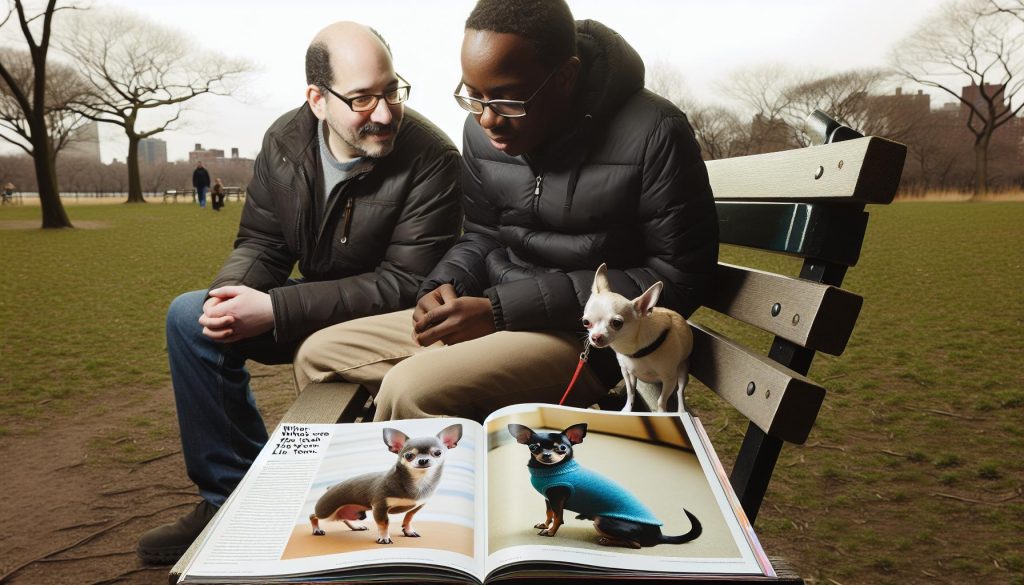
When it comes to Chihuahuas, their tiny stature can lead to surprising misconceptions, including the idea that they can inflict serious harm. Understanding the reality of bite risks associated with these spunky little pups is crucial for any owner. Despite their bold personalities and fierce loyalty, it’s essential to examine how their behavior, environment, and socialization influence their likelihood to bite.
Many people assume that smaller dogs are harmless, but every breed, including Chihuahuas, has unique characteristics that owners need to appreciate. This article delves into the truth behind Chihuahua bites, addressing common fears while celebrating their vibrant nature. By exploring owner experiences and expert insights, we aim to empower you with the knowledge to ensure safe interactions for both your Chihuahua and those around them. Curious about how to navigate this topic effectively? Let’s uncover the reality behind Chihuahua bites together.
Can Chihuahuas Really Be Dangerous?
Chihuahuas, despite their tiny size, can indeed surprise people with their assertive personalities. Many folks joke about their feistiness, but the question looms: can these pint-sized pups really pose a danger? To put it simply, while a Chihuahua is unlikely to cause severe harm like larger breeds, their bites can be painful, and a small dog can certainly lash out when feeling threatened. This boldness stems from their strong protective instincts, which can be amplified if they perceive a situation as unsafe. With proper care and understanding, these little companions can be managed to ensure they are both safe and happy.
Understanding the Bite Potential
Chihuahuas often resort to biting when they feel frightened or cornered. Their instinctive response is to defend themselves, which is essential to keep in mind when interacting with them. Unlike larger breeds that may have a more significant physical impact, a Chihuahua’s bite is more about the surprise factor. Owners should recognize that their small size belies a big attitude. For instance, many Chihuahua owners have reported instances where their dogs bark ferociously, hopping around to show their bravery, yet the reality is they are simply trying to protect their territory or express fear. A well-socialized Chihuahua, accustomed to handling and new experiences, can mitigate much of this instinctual aggression.
A Balanced Perspective
While bite incidents can occur, it’s essential to look at the broader context. Chihuahuas are loving, loyal companions when raised with proper training and socialization. When exposed to various environments and people from a young age, they learn to feel secure, reducing the likelihood of aggressive behavior. Real-life stories from owners reveal beautiful bonds formed through consistent training and socialization efforts. Consider Betty, a long-time Chihuahua owner, whose pup Bella was initially timid and snappy. Through gentle guidance and exposure to different scenarios, Bella transformed into a well-adjusted, friendly dog, showcasing how tailored experiences can help them thrive socially.
In essence, although Chihuahuas have the potential to be aggressive, it is largely dependent on their upbringing and environment. With the right approach, these little dogs can flourish into affectionate companions without the fear of being dangerous. Embrace their quirks, provide them with ample socialization, and you’ll find that beneath their bold exterior lies a heart full of love.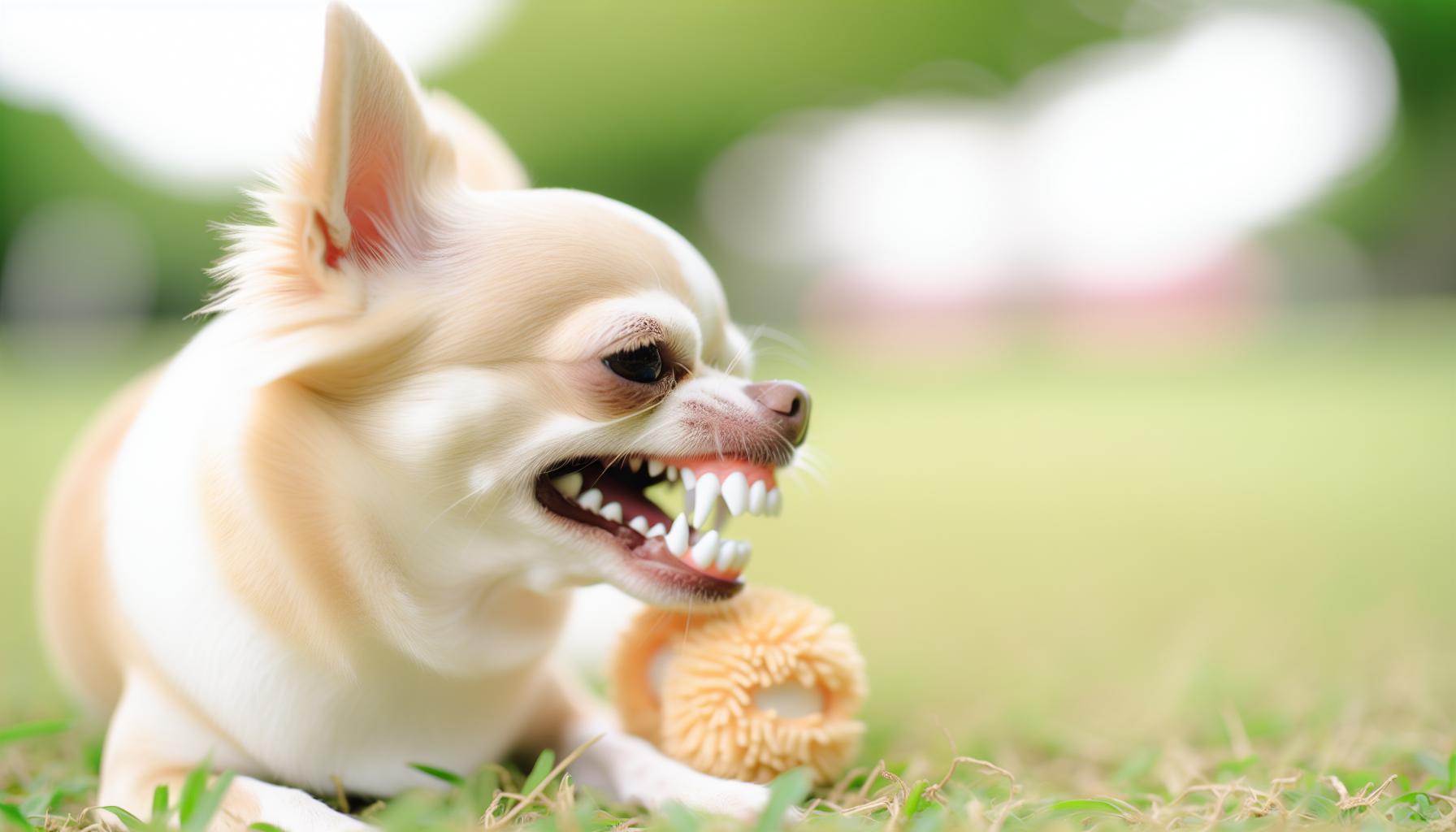
Understanding the Chihuahua’s Bite Potential
Chihuahuas are often seen as pint-sized companions, but their bravado can sometimes lead to surprising situations, especially regarding their bite potential. This breed, bold and spirited, may resort to biting as a defense mechanism when feeling threatened or anxious. While a Chihuahua’s bite typically won’t result in life-threatening harm like that of larger breeds, it’s essential to understand the factors contributing to their biting behavior and how owners can manage this.
Many Chihuahuas display aggressive tendencies when they perceive their space as encroached upon or when they feel insecure. Their instinct is to bark fiercely or snap, often surprising those unfamiliar with their feisty nature. For example, a Chihuahua named Max would bark and lunge at strangers approaching his owner, not out of true aggression, but from a desire to protect his territory. Understanding that their behavior stems from fear rather than malice is crucial for Chihuahua owners.
Regular, positive socialization can help alleviate these tendencies. Bringing your Chihuahua into various environments and exposing them to new people and experiences reinforces their confidence. Owners can employ techniques like positive reinforcement and gradual introductions. For instance, introducing a Chihuahua to a fellow canine buddy can be done gradually, starting from a distance and increasing close interactions as your dog becomes more comfortable.
The bite potential of a Chihuahua can also be linked to their upbringing. For example, a Chihuahua named Charlie, who experienced a tumultuous early life and lacked socialization, responded aggressively to new stimuli. In contrast, a well-socialized Chihuahua-a “social butterfly” like Lola-thrives in public and enjoys meeting new friends. Hence, focusing on positive experiences early in a Chihuahua’s life can significantly diminish biting incidents and foster a more appropriate response to stress.
Ultimately, while Chihuahuas can certainly bite, understanding their motivations, providing consistent training, and fostering healthy social interactions can help ensure they are more likely to give kisses than bites. Embracing their quirky personalities and guiding them towards positive behavior will lead to a loving, secure, and balanced relationship.
Factors Influencing a Chihuahua’s Aggression
Chihuahuas may be small, but their bark can be just as loud as their larger counterparts. Understanding the factors that influence a Chihuahua’s aggression is key to fostering a peaceful relationship with your tiny companion. Often, what appears to be aggression is rooted in their strong instincts and protective nature.
One of the primary factors influencing aggression in Chihuahuas is their innate protectiveness over their territory and family. These spirited little dogs are known for their loyalty, and this can sometimes manifest as a defensive reaction when they feel their space is being threatened. For instance, a Chihuahua named Bella would become feisty whenever someone entered her home, barking fiercely as if to say, “This is my kingdom!” Recognizing that this behavior stems from a desire to protect can help owners manage their reactions and implement training strategies effectively.
Environmental factors play a significant role as well. A Chihuahua exposed to a chaotic environment or frequent changes may become anxious and more prone to aggressive behavior. In contrast, a stable home with a routine helps them feel secure. Taking gentle steps to habituate your Chihuahua to new situations can vastly improve their temperament. For example, if you adopt a shy Chihuahua, gradually introducing them to different environments and social situations can cultivate confidence and reduce the likelihood of aggression.
Finally, early socialization is crucial. Chihuahuas that interact positively with a variety of people, dogs, and environments during their formative months are generally more balanced and less likely to exhibit aggressive tendencies. Regular playdates, doggy classes, or even casual strolls in dog-friendly parks can significantly enhance their social skills. For instance, a once timid Chihuahua named Teddy, who faced challenges with aggressive behavior, transformed after a series of social outings where he learned to trust and engage with others.
In summary, understanding the unique factors that can trigger aggression in Chihuahuas-such as territorial instincts, environmental stability, and early experiences-allows owners to create a nurturing and positive atmosphere. When these elements are addressed, you’ll find that your Chihuahua is not just a fierce protector but also a loving and peaceful companion. Embrace their boldness while providing the love and guidance they need to thrive!
Bite Statistics: Chihuahuas vs. Other Breeds
While Chihuahuas are among the smallest dog breeds, their bite statistics can be surprisingly significant when compared to larger breeds. One common misconception is that size directly correlates with bite severity; however, bite force and aggressive tendencies can vary drastically depending on the individual dog’s temperament and upbringing rather than just their size. In fact, many small dog breeds, including Chihuahuas, can exhibit aggressive behavior when feeling threatened, leading to bites that may not be as physically damaging as those from larger dogs, but can still be alarming and painful.
A study conducted by the Centers for Disease Control and Prevention (CDC) found that small dog breeds are often involved in bite incidents more frequently than larger breeds, especially in situations where a person is perceived as a threat to the dog’s territory. The research indicated that Chihuahuas, while they make up a small portion of the overall dog population, were disproportionately represented in reported bite cases. This highlights an important aspect for Chihuahua owners: understanding that aggression in these dogs often stems from fear or possessiveness rather than a true desire to inflict harm.
To illustrate, consider the case of Bella, a Chihuahua who was known for her bold personality. Bella would often bark aggressively at visitors and display what many interpreted as aggressive behavior. With proper training and socialization, Bella learned to articulate her concerns rather than acting out through biting. This reinforces the importance of recognizing that behaviors perceived as aggression can often be mitigated through appropriate training and social interactions.
Many owners find comfort in knowing that, while snarls and growls can be intimidating, bite incidents involving Chihuahuas rarely result in serious injury. Nevertheless, it’s essential for Chihuahua owners to be proactive in socializing their pets. Engaging in consistent training and positive reinforcement can help transform a potentially aggressive Chihuahua into a confident, well-adjusted companion who feels secure in their surroundings. Utilizing leash training, obedience classes, and regular playdates with other dogs can ensure that your Chihuahua develops healthy behavioral patterns and enjoys a more peaceful existence.
It’s crucial for all owners-especially first-time Chihuahua parents-to build on the understanding that all dogs, regardless of their size, require attention and care in social settings. Regular vet check-ups and working closely with professional trainers can empower you to foster a well-rounded, gentle Chihuahua who reduces the risk of biting incidents while embracing their delightful, spirited nature.
Safety Tips for Chihuahua Owners
While Chihuahuas may be tiny, their personalities can often be larger than life. These little companions are known for their vocal nature, loyalty, and, at times, a fiery attitude. Understanding how to ensure a safe and nurturing environment for your Chihuahua can significantly mitigate potential bite risks and enhance your bond with your furry friend.
One of the first safety tips for owners is to prioritize early socialization. Exposing your Chihuahua to various environments, other pets, and people can help diminish fear-based behaviors. For example, consider hosting controlled playdates with other friendly dogs. This practice can teach your Chihuahua positive responses to new experiences and reduce aggressiveness born of anxiety or territorial instincts.
Training is equally critical. Enrolling in obedience classes helps not only in teaching basic commands but also in establishing your role as a confident leader. Chihuahuas thrive when they have clear expectations set for them. This includes reinforcing commands like “sit,” “stay,” and “down,” which can effectively redirect unwanted behaviors before they escalate. Be sure to use positive reinforcement techniques, rewarding your pup with treats or praise for good behavior. Real-life examples abound-many experienced Chihuahua owners have shared how consistent training turned initially nippy pups like Luna into loving, well-behaved companions.
Regular health check-ups play a vital role too. As Chihuahuas are prone to dental issues, maintaining good oral hygiene is essential, as pain or discomfort can increase irritability. When your Chihuahua is healthy and happy, they’re less likely to display aggressive behaviors.
Lastly, familiarize yourself with your Chihuahua’s body language. Understanding when she is feeling anxious or threatened can allow you to intervene before a situation escalates. For example, if you notice her ears perk up or her tail stiffen, it might be time to step in and remove her from a stressful circumstance.
Embracing these proactive strategies can lead to a harmonious relationship with your little companion, promoting both her well-being and your peace of mind. Remember, while Chihuahuas are small, with the right approach, they can grow into confident, loving members of your household.
Recognizing Warning Signs in Chihuahuas
Chihuahuas may be small, but they often express their emotions without restraint. Understanding your Chihuahua’s body language and behavior is crucial to identifying warning signs that he may be feeling threatened or uncomfortable. This knowledge not only helps you prevent potential aggression but also strengthens your bond by ensuring he feels safe and understood.
One of the first indicators that your Chihuahua is experiencing stress or discomfort is his tail position. A wagging tail often signifies excitement or happiness, but watch carefully-if that tail is held high and stiff, or if it’s tucked between his legs, your little friend may be feeling anxious. Additionally, pay attention to his ears: when he’s relaxed, they should be in a neutral position. If they are perked up or pinned back against his head, this may indicate heightened agitation or fear.
Another vital sign of distress is vocalization. Chihuahuas are known for their vocal tendencies, and not all barking indicates aggression; however, a sudden change in the tone or intensity of barking can be a warning. For example, if your Chihuahua, who usually barks playfully, suddenly starts barking aggressively while growling, it’s important to take it seriously. Creating a calm environment and removing him from stressors like loud noises or crowded spaces can help de-escalate the situation.
Recognizing Other Physical Signs
Aside from tail and ear positions, other physical cues can help you gauge your Chihuahua’s emotional state. Look for:
- Body Stiffness: If your Chihuahua suddenly becomes very rigid or freezes in place, he might be feeling threatened.
- Facial Expressions: Watch for signs like showing teeth or a wrinkled forehead, which can indicate aggression or fear.
- Excessive Licking: If your Chihuahua starts licking his lips or yawning often, it may be a way of showing stress.
Recognizing these warning signs can greatly improve your interactions with your Chihuahua and ensure his well-being. For instance, a Chihuahua named Max was known for his feisty personality, but his owner learned to read his signals. By observing that Max would back away and growl when unfamiliar people approached, she was able to create a safer space for him and teach guests how to interact correctly with him. This open line of communication minimized stress for both Max and his owner, leading to a more enjoyable experience for everyone involved.
In summary, taking the time to understand and recognize your Chihuahua’s warning signals will not only enhance your relationship but will also help prevent unwanted situations. With their bold personalities, Chihuahuas can thrive in a nurturing environment where their feelings are validated and understood.
Socialization and Training for a Calm Chihuahua
Building a calm and well-adjusted Chihuahua starts with effective socialization and training. Many might underestimate the impact that early experiences and interactions can have on their small, yet spirited companions. Chihuahuas, known for their bold personalities and vocal nature, benefit immensely from exposure to various environments, people, and other animals. This not only reduces anxiety and fear but also enhances their confidence, making them less likely to react aggressively.
Start socializing your Chihuahua as early as possible, ideally during the critical period of 3 to 14 weeks. Introduce him to a range of situations-taking him to different locations like parks, pet-friendly stores, and around calm family pets. Ensure that these experiences are positive; for example, allow him to explore new sights while rewarding him with treats or praise. This will create positive associations that can help prevent future anxiety or aggression toward unfamiliar stimuli.
Training Techniques for a Relaxed Chihuahua
Training should be approached with kindness and patience, particularly given the sensitive nature of Chihuahuas. Positive reinforcement methods work incredibly well for this breed. Using treats, praise, and play to reward good behavior encourages him to repeat those actions. Basic commands like “sit,” “stay,” and “come” are essential for your Chihuahua’s safety and enhancing your communication with him.
Consider enrolling in puppy classes or obedience training specifically tailored for small breeds. These classes provide structured learning experiences and are often filled with socialization opportunities. One Chihuahua owner I know found that teaching her pup, Bella, the “leave it” command helped significantly in reducing her tendency to bark at passing strangers and dogs. With consistent practice, Bella learned to stay calm, allowing for enjoyable walks without excessive vocalizations.
Encouraging Calmness Through Activities
Engaging your Chihuahua in activities can also promote calm behavior. Long walks, gentle play sessions, and puzzle toys keep him physically and mentally stimulated. Chihuahuas thrive on routine, so establishing a consistent schedule for walks and play can help manage their energy levels and minimize anxious behaviors.
Also, ensure that your Chihuahua has a safe space at home. Whether it’s a cozy bed or a designated spot away from foot traffic, having a place to retreat when he feels overwhelmed can greatly improve his emotional health. A quiet corner with his favorite toys and blanket can create a sanctuary where he can relax when the world feels too busy.
By adopting these socialization and training strategies, you’ll nurture a confident, calm Chihuahua. With time, patience, and love, your little companion will thrive, allowing both of you to enjoy a happier, well-bonded relationship.
Chihuahua Behavior: The Myths and Realities
Chihuahuas are often seen as just tiny companions, but there are many misconceptions surrounding their behavior that can lead to frightful assumptions about their temperament. One common myth is that these small dogs, due to their size, cannot be aggressive or dangerous. The reality is that, like any breed, Chihuahuas can display aggressive behavior if not properly socialized or if they feel threatened. Their bold nature can often come across as fierceness, particularly when they are trying to assert themselves against larger creatures or unfamiliar situations.
Chihuahuas are known for their vocal tendencies and can be quite protective of their owners. This trait, while endearing, can lead some unsuspecting individuals to view them as aggressive without understanding the context of their behavior. For instance, a Chihuahua may bark frantically at a stranger approaching their home, but this is usually a defense mechanism rather than a true aggression. Owners often encounter moments when their small dog displays bravado; this is part of their quirky charm-these little dogs often don’t realize their size difference when facing perceived threats.
To debunk fears surrounding Chihuahua bites, it’s essential to look at the facts. While it is true that Chihuahuas are often involved in bite incidents, most of these cases arise from fear or anxiety rather than inherent aggression. Understanding your dog’s body language is crucial. For example, a wagging tail may not always indicate friendliness; a fast, stiff wag can signal agitation. By knowing your Chihuahua’s warning signs-like growling or a tense posture-you can intervene before a bite occurs.
To foster positive interactions and minimize risks, socialization is key. Exposing your Chihuahua to various environments, people, and other dogs early on can help build confidence and reduce anxiety. This will create a well-rounded pet who is less likely to react aggressively in unfamiliar situations. Moreover, consistent training using positive reinforcement methods not only teaches commands but also strengthens your bond, further ensuring your dog’s behavior aligns with a loving and supportive home environment. With proper care and attention, you’ll find that your spirited little companion is a joy to have, rather than a source of anxiety.
How Size Affects Bite Force and Risk
Chihuahuas may be small, but their bite potential often surprises those who underestimate them. Surprisingly, size doesn’t fully dictate bite strength or risk. While larger breeds can deliver more force due to their size, a Chihuahua’s bite can still cause significant pain or injury, particularly to sensitive areas such as hands or ankles. This is largely because they tend to bite out of fear, anxiety, or a defensive reaction, rather than aggression.
Bite Force Context
When considering bite force, it’s important to acknowledge that Chihuahuas have the capacity to inflict damage even if they lack the sheer power of larger breeds. For context, the average bite force of a Chihuahua is around 150 to 200 psi (pounds per square inch), which is significantly lower than that of larger dogs like German Shepherds, whose bite force can exceed 800 psi. However, because Chihuahuas are often perceived as harmless due to their size, bites can occur when they are startled or feels cornered.
- Chihuahuas can bite harder than you’d think: Their small size might lead some to assume they can’t cause real injury, but a Chihuahua’s determination can turn a minor nip into a serious bite.
- Smaller breeds tend to be reactive: Chihuahuas often feel the need to assert themselves, especially against larger dogs or perceived threats, which can lead to aggressive behaviors when they feel uneasy.
- Size doesn’t always equal threat: While a Chihuahua’s bite might not be as powerful as a Rottweiler’s, the injury caused can still be significant due to their sharp teeth and ability to target sensitive areas.
Understanding Bite Risks
To mitigate the risk of a bite, understanding the context of a Chihuahua’s behavior is crucial. A small dog feeling threatened often reacts defensively, leading to a bite response. For instance, if your Chihuahua feels overwhelmed in a crowded situation or encounters a rambunctious child, it might lash out to protect itself. As a responsible owner, quick recognition of these scenarios and taking proactive steps can help prevent bites.
First-time owners often worry about their Chihuahua’s big personality. One owner shared how her Chihuahua, Bella, would bark fiercely at guests, causing initial fear. Through careful socialization, Bella learned to trust new people and became the beloved greeter in their home instead. This experience highlights how effective training and socialization can harness a Chihuahua’s natural tendencies and ultimately reduce their bite risk while allowing their personalities to shine through. Always remember, it’s not just about the bite-it’s about ensuring your spirited little companion feels secure and loved in their environment.
Real Life Stories: Chihuahua Bites Examined
Chihuahuas may be compact in size, but there are stories that remind us how this feisty breed can leave a significant mark-sometimes, quite literally. One of the most talked-about incidents involved a woman whose playful, yet protective, Chihuahua named Tito unexpectedly bit her neighbor during a casual visit. The neighbor, while bending down to pet Tito, startled him. In a flash of misunderstanding, Tito reacted defensively, resulting in a painful bite to the hand that required medical attention. This incident illustrates not just the potential bite risk of Chihuahuas but also the importance of understanding their unique temperament and triggers.
Another compelling story worth considering comes from a first-time Chihuahua owner who overheard her friends joking about how her little apple-head, Luna, could never cause real harm. Caught up in that mindset, she inadvertently set Luna down during a family gathering without proper introduction. When a curious child approached, Luna felt threatened and bit the child’s ankle. Thankfully, the bite was not severe, but it served as a wake-up call for the owner. Through additional socialization and training sessions, she learned how crucial it is to ensure her Chihuahua feels secure-particularly in busy, unpredictable environments.
Understanding the potential for bites in Chihuahuas often boils down to their personality traits. These little dogs are known for their big attitudes and tendency to be vocal and watchful over their surroundings. They carry a fierce loyalty and pride in their small frames, sometimes leading them to act aggressively to assert themselves, especially when they feel threatened. Having consistent training and early socialization can greatly reduce the chances of these incidents. This provides both the dog and the owner with the confidence to navigate various situations-whether it’s a visit from a stranger or a bustling family gathering.
The key takeaway is to celebrate the uniqueness of our small companions while respecting their boundaries and sensitivities. Each Chihuahua has their own quirks and needs, and it’s essential for us as owners to be aware of their behavior and provide them with the right environment-one that fosters safety and understanding for both the dog and those around them.
Emotional Impact: Fear of Small Dogs
The emotional impact of encountering small dogs like Chihuahuas, particularly when it comes to fear, can often be underestimated. Despite their tiny stature, many people harbor an intense fear of small breeds, which sometimes stems from past experiences, misunderstandings, or even societal perceptions. For those not familiar with the breed, the Chihuahua’s bold demeanor and spirited behavior can appear threatening. This disconnect is crucial to address, as it not only affects the perception of our beloved Chihuahuas but also influences how they are treated and trained.
One of the primary reasons people fear Chihuahuas is the unpredictability some small dogs exhibit when they feel cornered or stressed. For instance, a friend once shared how his neighbor avoided walking near their home after witnessing a loud commotion between a visiting child and their Chihuahua, Bella. Bella, despite being friendly, miscommunicated her intent when excited, leading the child to flinch back in fear. This reaction quickly escalated into a fear of not only Bella but small dogs in general. It’s vital for Chihuahua owners to understand that children and adults alike might not interpret a small dog’s playful growls or barks as friendly. Encouraging calm behavior and gentle introductions can help ease these fears.
Moreover, the perception that smaller dogs are less dangerous can lead to underestimating their bite potential. It’s a common misconception that size equals harmlessness; however, even a Chihuahua’s bite can be painful and, in rare cases, lead to severe outcomes. By acknowledging that Chihuahuas possess the same survival instincts as larger breeds, we can foster a better understanding of their behaviors. Owners must educate themselves on their dog’s body language and warning signs of stress or discomfort-such as growling, baring teeth, or barking excessively-and implement preventative measures to avoid misinterpretations.
In light of this, it’s essential to encourage positive interactions between Chihuahuas and those who may fear them. This could include:
- Controlled introductions: Use leashes and keep your Chihuahua calm during meetings with strangers or visitors.
- Positive reinforcement: Reward your Chihuahua for staying calm and behaving positively around new people.
- Education: Inform others about Chihuahua behavior to dispel myths and provide insights into their true nature.
By investing time in training and socialization, we not only contribute to our Chihuahuas’ happiness but also act as ambassadors for the breed, promoting understanding and appreciation for their quirky, loyal, and sometimes feisty characters. As we work on building constructive relationships with those around us, we can alleviate fears, paving the way for a more harmonious coexistence that allows Chihuahuas and humans to thrive together.
Supporting Your Chihuahua’s Mental Health
Supporting your Chihuahua’s mental well-being is crucial, especially when considering their bold and sometimes unpredictable nature. These tiny dogs, often full of personality, can experience anxiety or stress if their mental health needs are not met. Understanding your Chihuahua’s emotional state and providing a supportive environment can significantly reduce the risk of aggressive behaviors, including biting.
One essential aspect of maintaining mental health in Chihuahuas is through regular exercise. Despite their small size, they have high energy levels and require daily activities to stimulate their minds and bodies. Engaging in playtime, whether through fetch or interactive toys, can help channel their energy positively. For instance, a Chihuahua named Max found his favorite toy ball and would play tug-of-war with it every morning, which not only kept him active but also made him more relaxed throughout the day.
Another critical element is establishing a routine. Chihuahuas thrive on predictability, and a consistent schedule for feeding, walks, and playtime can help them feel secure and less anxious. Owners should also be mindful of sudden changes in their environment, as these can trigger stress. An example comes from a Chihuahua owner who noticed her dog became anxious with new furniture in the house. By gradually allowing her dog to explore new items while providing treats and praise, she helped her Chihuahua adjust to the changes comfortably.
Additionally, socialization is particularly vital for a Chihuahua’s mental health. Introducing her to various environments, people, and other dogs can promote confidence and help reduce fearful or aggressive reactions. Attending puppy training classes or arranging playdates with friendly dogs can contribute to this effort. A lively Chihuahua named Coco, for example, transformed from a shy pup to a confident social butterfly after participating in group classes, showcasing how invigorating social interactions can be.
Lastly, be attuned to your Chihuahua’s body language. Understanding signs of stress-like growling, raised hackles, or snapping-can help you intervene before situations escalate. Providing a safe space for your dog to retreat when overwhelmed is equally crucial. Whether it’s a cozy bed or a designated quiet corner, these features can make your pup feel secure. By nurturing your Chihuahua’s emotional health, you foster her happiness and reduce the likelihood of aggressive behaviors, paving the way for a loving, confident companion.
Frequently Asked Questions
Q: Are Chihuahuas more aggressive than other dog breeds?
A: While Chihuahuas can exhibit aggressive behaviors, they are often influenced by their environment and training. Compared to larger breeds, their aggression can seem more pronounced due to their size. Understanding their temperament and providing proper socialization can minimize unnecessary aggression. Refer to the section on *Factors Influencing a Chihuahua’s Aggression* for more insights.
Q: How serious is a Chihuahua bite compared to larger breeds?
A: Although a Chihuahua’s bite may not carry the same physical risks as a larger breed’s bite, it can still cause significant pain and injury, particularly to small children or the elderly. Awareness and caution are crucial. Check out our *Bite Statistics: Chihuahuas vs. Other Breeds* section for further details.
Q: What should I do if my Chihuahua shows signs of aggression?
A: If your Chihuahua displays aggressive behavior, it’s essential to remain calm and avoid confrontation. Redirect their focus to toys or commands and seek professional training if needed. Understanding *Recognizing Warning Signs in Chihuahuas* can help prevent escalation.
Q: Do Chihuahuas bite more frequently than other small dogs?
A: Chihuahuas may have a reputation for biting, but their bite frequency can vary widely. Factors such as personality, upbringing, and social interactions play key roles. Exploring the *Chihuahua Behavior: The Myths and Realities* section will clarify common misconceptions.
Q: Can socialization help reduce a Chihuahua’s aggression?
A: Yes, socialization is crucial for Chihuahuas to help them learn how to interact with other pets and people positively. Early exposure to different environments and situations can significantly reduce fear-based aggression. For tips on this, refer to *Socialization and Training for a Calm Chihuahua*.
Q: What are the common triggers for Chihuahua bites?
A: Common triggers for Chihuahua bites include fear, protection of territory, or feeling threatened. Identifying these triggers can help you manage behaviors effectively. Visit *Understanding the Chihuahua’s Bite Potential* for strategies on mitigating these reactions.
Q: Is it safe to have children and Chihuahuas in the same home?
A: Yes, with proper supervision and training, Chihuahuas and children can coexist safely. Teaching children how to interact gently with small dogs is essential. Check out our *Safety Tips for Chihuahua Owners* for more best practices.
Q: What should I consider when adopting a Chihuahua in relation to bite risks?
A: When adopting a Chihuahua, evaluate the dog’s history and personality. Look for signs of socialization and temperament. Consulting resources on *Supporting Your Chihuahua’s Mental Health* can aid in nurturing a well-adjusted pet that is less likely to exhibit aggressive behaviors.
In Summary
As we’ve explored the realities of Chihuahua bite risks, it’s clear that these tiny, bold companions can be misunderstood. While their size might make them seem less intimidating, understanding their behavior and care is crucial for a happy, safe relationship. Remember, embracing their quirks-like their vocal nature and loyalty-can lead to incredible bonds. If you’re wondering how to ensure your Chihuahua’s behavior aligns with your lifestyle, check out our guides on “Chihuahua Health and Behavior” and “Effective Training Techniques for Small Breeds.”
Don’t miss out on becoming part of our community! Sign up for our newsletter for expert tips and resources tailored just for Chihuahua lovers like you. Have questions or personal stories to share? Drop a comment below-we’d love to hear from you. Your journey with your delightful little furball doesn’t end here; explore our site to uncover more insights that will enrich your life together!
Get our latest guides, news, and insights highlighted in your Google Search & AI Overviews.