

Chihuahuas may be tiny, but their fierce personalities can often leave us puzzled. Why do these little companions sometimes display aggressive behavior? Understanding this facet of your Chihuahua’s character is essential for fostering a happy, harmonious household. In this article, we’ll explore the root causes of aggression in Chihuahuas, from instinctual traits to environmental influences. By delving into their unique quirks, including their vocal nature and loyalty, we can equip you with the tools to nurture your dog’s strength while mitigating unwanted behaviors. Whether you’re a seasoned Chihuahua owner or just starting, we’ll share insights that resonate with your experiences and help you strengthen your bond. Join us as we unravel the truth behind this common concern and discover how to create a loving, secure environment for your feisty little friend.
Understanding Chihuahua Aggression: Key Factors at Play
Chihuahuas, often seen as tiny balls of energy, can sometimes exhibit aggressive behaviors that puzzle their loving owners. Understanding the root of this aggression is essential-not only to manage their behavior but also to nurture their unique personalities. Factors such as genetics, upbringing, and social experiences can significantly influence how a Chihuahua reacts to various situations.
A Chihuahua’s temperament often reflects its breeding history. Originally bred for companionship and as guard dogs, these pint-sized pals have developed a cautious nature. This instinct sometimes manifests as aggression when they feel threatened or anxious. Additionally, Chihuahuas are particularly attuned to their environment. An unsteady home life, lack of socialization, or exposure to unfamiliar stimuli can exacerbate aggressive tendencies. Owners should prioritize introducing their Chihuahuas to a variety of people, animals, and environments at a young age, reinforcing positive experiences with patience and consistency.
Moreover, health issues can play a critical role in behavioral changes. Chihuahuas may act aggressively if they’re in pain or feeling unwell. Regular veterinary check-ups are crucial to ensure that any underlying medical conditions are addressed early. By observing your dog’s behavior closely and consulting with a veterinarian when changes occur, you can often pinpoint the cause of aggression, be it physical health or emotional stress.
Understanding the multifaceted nature of aggression in Chihuahuas allows you, as an owner, to better empathize with your furry friend. Remember, high-pitched barks and bold postures are often their ways of expressing worry or asserting themselves in a world that’s much larger than they are. With the right knowledge and support, you can turn potential aggression into confidence and comfort, celebrating the fierce loyalty and unique quirks that make your Chihuahua truly special.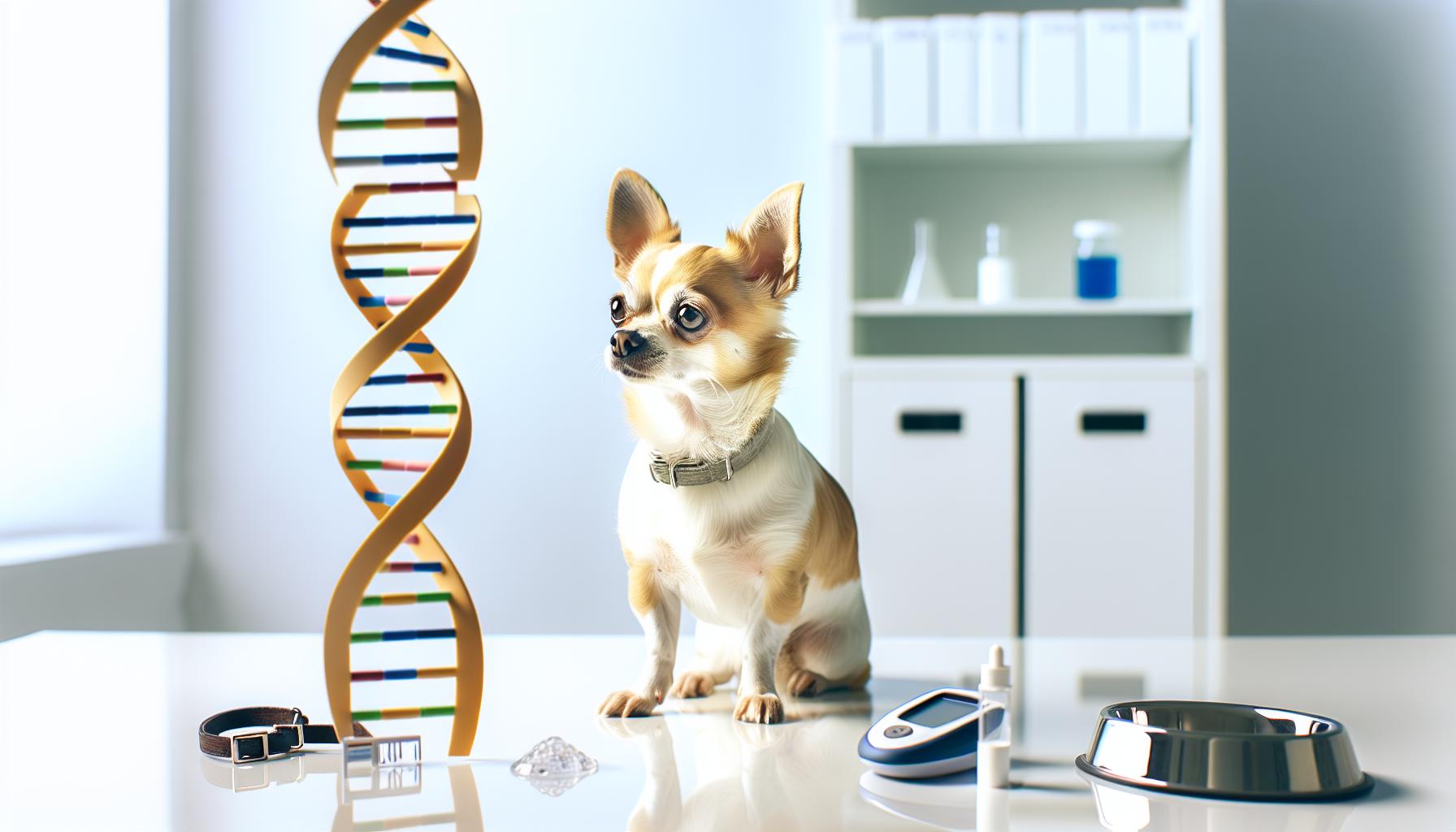
The Role of Genetics in Chihuahua Behavior
Chihuahuas are delightful little companions, but their spirited natures can sometimes lead to unexpected aggression. A deeper understanding of genetics is crucial in unraveling the behavior of these feisty dogs. Much like people, a Chihuahua’s personality is partly shaped by its inherited traits. Research indicates that certain aggressive tendencies may be passed down through generations, particularly in lines that were bred for guarding or protection roles, producing Chihuahuas with a more protective or defensive disposition.
Genetics can influence not just aggression but also how Chihuahuas handle situations that may provoke fear or stress. For example, if a Chihuahua comes from a lineage where anxiety-driven aggression was prevalent, there’s a higher likelihood that the puppy may exhibit similar traits. Many owners report that their Chihuahua’s reactions to stress closely mirror those of the dog’s parents or siblings, showcasing how these behavioral traits can be inherited. This insight underscores the importance of selecting a reputable breeder who prioritizes temperament in their breeding practices.
Additionally, being aware of your Chihuahua’s breed characteristics can help you better manage behavior. With Chihuahuas, you may find variations such as the apple-head or deer-head types, each displaying unique traits and behaviors. Understanding these nuances can empower you to adapt training and socialization approaches effectively. For instance, if a particular line of Chihuahuas is known for being more sociable, targeting socialization efforts in early puppyhood can yield better-adjusted adults.
Incorporating genetic insight into your training regimen is a powerful tool. If you notice aggression trends, consider working with a professional trainer who understands breed-specific quirks. They can provide tailored strategies that align with your Chihuahua’s genetic predispositions, ensuring that both you and your furry companion thrive. Remember, you’re not just raising a pet; you’re nurturing a unique personality shaped by both genetics and environment, and with the right approach, you can foster a well-rounded, happy Chihuahua.
Environment and Socialization: Influencing Aggression
While Chihuahuas are often perceived as fierce little guardians, their environment and socialization play crucial roles in shaping their behavior, particularly regarding aggression. When Chihuahuas are properly socialized from a young age, they’re more likely to develop into well-rounded and confident adults. This process involves exposing them to various people, animals, and situations to help them learn positive responses rather than fear-based reactions.
It’s essential to understand that starting socialization early can set the foundation for a dog’s temperament. Puppies between 8 and 16 weeks are in a critical period of development where they are most receptive to new experiences. Owners can create safe, positive interactions by introducing their Chihuahua to friendly dogs and calm, trusting individuals. Additionally, puppy classes can be a valuable resource, teaching both the dog and the owner essential skills while providing social experiences in a controlled environment. As one owner, Sarah, recalls, her Chihuahua Bella thrived in a puppy socialization class, going from timid to a confident little ambassador at the dog park, greeting new friends with a wagging tail instead of barking defensively.
Conversely, a Chihuahua that isn’t adequately socialized may perceive new experiences or encounters as threats. For instance, if a Chihuahua encounters harsh experiences, such as aggressive barking from larger dogs or negative interactions with strangers, their response can intensify over time. A striking example is provided by Mark, whose apple-head Chihuahua, Coco, became skittish after a bad experience when she was young. He found that with gentle exposure to new situations and a calm environment, she gradually learned to trust and feel safe, reducing her aggressive tendencies.
To further help mitigate aggressive behavior, create a nurturing home environment. This includes establishing a consistent routine, which can help alleviate anxiety and provide a sense of security. Make space for your Chihuahua to retreat when overwhelmed, and employ positive reinforcement training methods that encourage good behavior instead of punishing aggression. Remember, small dogs like Chihuahuas often vocalize their discomfort before escalating to more aggressive actions, so paying attention to their body language and vocalizations is key.
Ultimately, by fostering a supportive environment and prioritizing socialization, owners can cultivate a calm and happy Chihuahua, allowing their playful, loyal nature to shine through.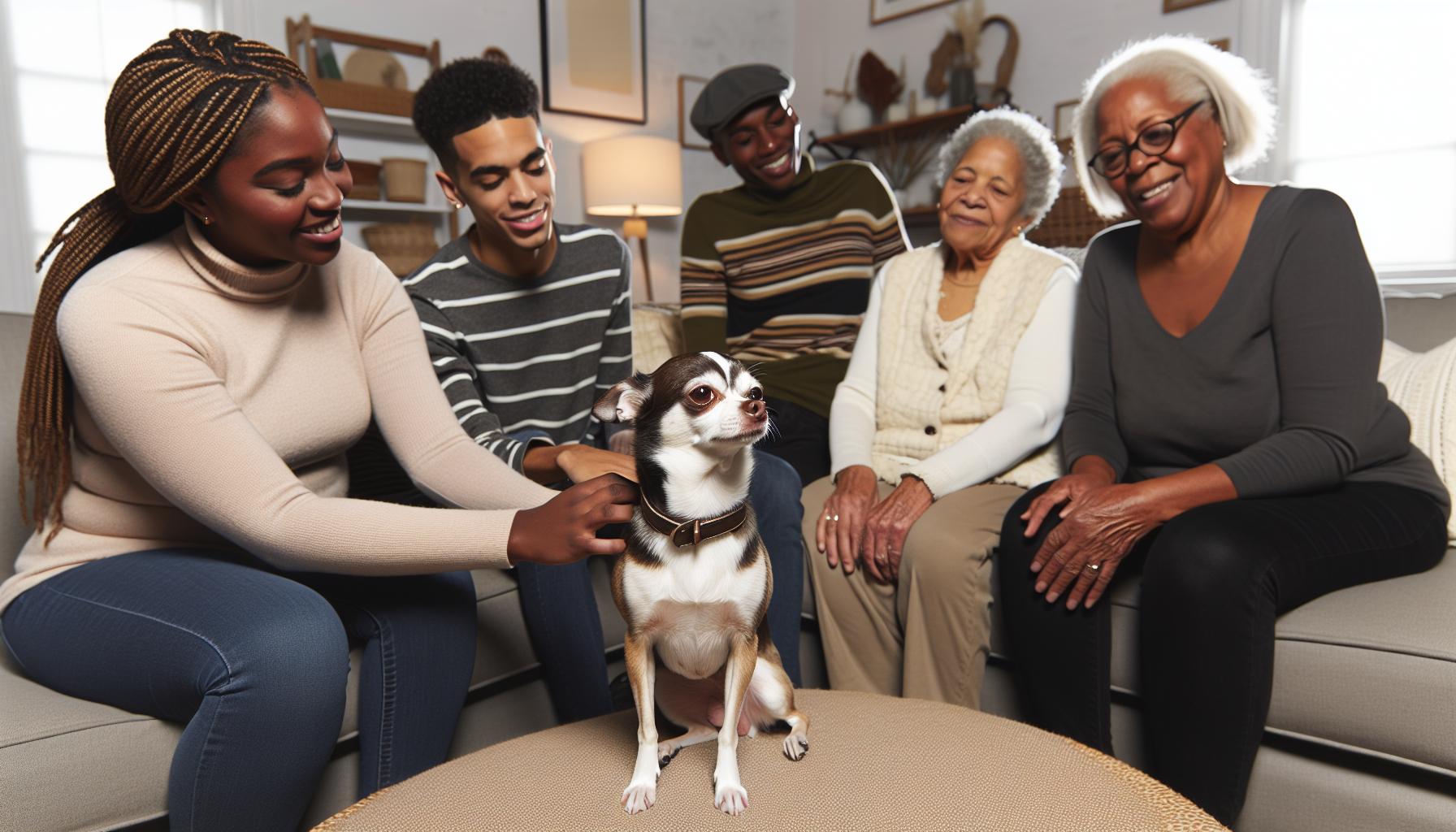
Common Misconceptions About Chihuahuas’ Temperament
Many people perceive Chihuahuas as inherently aggressive due to their small size and large personalities. However, this view often stems from misunderstandings about the breed’s unique temperament rather than an accurate assessment of their nature. One common misconception is that all Chihuahuas are yappy and overly aggressive. In reality, these traits are more closely related to individual experiences and upbringing rather than the breed itself. With proper training, socialization, and love, many Chihuahuas can be calm, friendly companions.
Another prevalent myth is that Chihuahuas are born aggressive. While genetics can play a role in temperament, it’s essential to recognize that a dog’s environment significantly impacts its behavior. For instance, dogs that are exposed to positive experiences and interactions from a young age tend to develop more balanced personalities. Owners who prioritize socialization during crucial developmental periods can help shape a Chihuahua’s demeanor, allowing them to thrive in various situations instead of reacting with fear or aggression.
Additionally, some people assume that a Chihuahua’s small size equates to a less significant role in family dynamics or that they don’t require much attention. This belief can lead to neglecting their social needs, which often results in behavioral issues. Chihuahuas thrive on companionship and engagement, and without adequate interaction, they may develop anxiety or aggressive tendencies. Just like larger breeds, they need training, exercise, and mental stimulation to keep their spirits high and their behavior in check.
Lastly, a belief exists that owning a small dog means you can let them get away with behaviors that would be unacceptable in larger breeds. Allowing a Chihuahua to act aggressively or defensively often reinforces bad behavior. It’s crucial for owners to establish consistent training and boundaries for their Chihuahuas, helping them understand how to interact positively with humans and other animals. A well-adjusted Chihuahua can be a loving bundle of joy-a true testament to the fact that temperament is shaped more by experiences than by nature alone.
Signs Your Chihuahua May Be Feeling Threatened
Chihuahuas may be tiny, but their reactions to perceived threats can be quite large. Understanding how these little dogs express their discomfort is vital for building a healthy relationship with them. When your Chihuahua feels threatened, he may exhibit various physical or behavioral signs, ranging from subtle to overt. Recognizing these signs early helps in alleviating fear and preventing aggression.
One of the most common indicators that your Chihuahua is feeling uneasy is body language. Pay attention to his posture-if he’s crouched low to the ground, with his tail tucked between his legs, it’s a clear message that he’s anxious or frightened. Similarly, a stiff body or raised hackles can signal a readiness to defend himself. Watch for excessive yawning, lip licking, or avoiding eye contact-these are signs of stress in dogs. Sometimes, a Chihuahua might bark or growl sharply as a warning sign, trying to assert control over his space.
Another critical aspect to consider is the environment around your furry friend. If he tends to react defensively in certain situations, like unfamiliar people approaching or loud noises, it could mean he feels cornered or threatened. For instance, if your apple-head Chihuahua is calm at home but becomes agitated during outings, he might stress from the hustle and bustle of a busy park. It’s essential to monitor his reactions during these moments and provide him with a safe space to retreat if needed.
Ultimately, a Chihuahua’s vocalization can provide insight into his feelings. A high-pitched yap may indicate excitement or fear, while a low growl usually suggests he feels threatened and wants to be left alone. Being attuned to these cues allows you to address situations promptly and reassure him.
By educating yourself on these signs and being proactive during stressful moments, you not only protect your beloved companion but also strengthen the bond between you. Taking the time to understand his emotions pays off in creating a peaceful and loving home for your Chihuahua.
Effective Training Techniques for Aggressive Chihuahuas
Chihuahuas are small but mighty, and their bold personalities can sometimes lead to aggressive behaviors, especially when they feel threatened or anxious. Addressing aggression in your Chihuahua can be challenging, but with the right training techniques, you can foster a calmer and more confident companion. Here’s how to approach training effectively while understanding your Chihuahua’s unique needs.
One of the most critical aspects of training is positive reinforcement. This technique involves rewarding your Chihuahua for good behavior rather than punishing him for bad behavior. Treats, praise, and toys can motivate him to behave appropriately. For example, if your Chihuahua responds well to a stranger without barking or growling, reward him immediately. This helps him associate calm behavior with positive outcomes, reinforcing the idea that he can feel safe and secure in various situations.
Establishing a safe space for your Chihuahua is also vital. Create a designated area in your home where he can retreat when feeling overwhelmed. This could be a cozy corner with his favorite blanket or bed. Introduce him to this space gradually, making it a positive environment through treats and praise when he uses it. A safe space can reduce anxiety and help him feel more grounded, making him less likely to react aggressively.
Socialization plays a key role in reducing aggression. Gradually expose your Chihuahua to new experiences, people, and other dogs. Start in a controlled environment, like inviting a calm friend over for a visit. Ensure these interactions are positive; if your Chihuahua shows signs of stress, don’t force the engagement. Instead, redirect him with treats or a toy, gradually increasing exposure as he becomes more comfortable. Consider enrolling him in a puppy kindergarten class, which can be beneficial for his social skills and confidence.
Consistency is Key
When implementing training techniques, consistency is crucial. Use the same commands and rewards every time so your Chihuahua knows what to expect. If you use different terms or responses, it may confuse him and hinder his learning process. For example, if you choose a specific command like “no bark,” ensure everyone in your household uses the same phrasing and consequences to maintain clarity.
Additionally, engage with your Chihuahua in regular playtime to build trust and a solid bond. Use his favorite toys for games that incorporate fetching or tug-of-war. This helps him release pent-up energy and stress, reducing irritability and the likelihood of aggressive behavior.
Combining these strategies with your love for this breed will result in a stronger, more trusting relationship. Remember, patience and understanding are just as valuable as the techniques you use. Each Chihuahua is unique, and discovering what works best for your furry friend will take time, but it will ultimately lead to greater harmony in your household. As you navigate these challenges, celebrate the quirks that make your Chihuahua special and enjoy the journey of training together.
The Impact of Health Issues on Behavior
Chihuahuas are known for their bold personalities, but what many owners don’t realize is that underlying health issues can significantly affect their behavior. Chronic pain, discomfort, and other medical problems can turn even the most loving Chihuahua into a defensive and aggressive little guardian, particularly if they feel threatened or vulnerable. Understanding the impact of health on behavior is essential for any Chihuahua owner who wants to foster a loving and well-adjusted companion.
Dental issues, such as periodontal disease, are particularly common in Chihuahuas due to their small mouths. Pain from dental problems can make them irritable and more prone to aggressive reactions. For example, if your Chihuahua seems to be snapping at you when you approach him while he’s eating, he might not be defending his food so much as reacting to discomfort. Routine dental check-ups and proper oral hygiene can help prevent these issues and maintain your dog’s comfort.
Additionally, joint problems like patellar luxation or arthritis are not uncommon in this breed. These conditions can lead to unexpected aggression as your Chihuahua’s mobility is hindered, and she may react defensively if she feels threatened or unable to escape from a situation. Observing your dog’s behavior closely can help you identify when she’s in pain. For example, if your once playful Chihuahua becomes more reserved or reactive, it might be time for a vet visit to check for underlying health problems.
Nutrition and weight can also contribute to behavioral issues. A Chihuahua that is overweight may struggle with discomfort and lethargy, leading to irritability. Owners might notice less tolerance for social interactions or even lower energy levels when it comes to maintaining positive behavior. Prioritizing a balanced diet and regular exercise can enhance both their physical health and overall temperament.
Ultimately, regular check-ups with your veterinarian and awareness of your Chihuahua’s unique needs can help mitigate aggressive behaviors related to health issues. If you suspect discomfort is affecting your Chihuahua’s behavior, don’t hesitate to consult your veterinarian for personalized advice. Keeping your fur baby healthy can lead to a happier, more relaxed companion who doesn’t resort to aggression out of pain or fear.
Why Size Doesn’t Determine Aggression in Dogs
While many people associate size with temperament, it’s crucial to recognize that aggression in dogs, including Chihuahuas, is influenced by a range of factors beyond just their petite stature. Despite their small physical frame, these little guardians possess a big personality, often leading people to mistakenly believe that being small equates to being non-aggressive. In reality, Chihuahuas can display aggression for numerous reasons, and size alone is not an indicator of their behavior.
One significant factor affecting aggression is the dog’s environment. Chihuahuas are fiercely loyal and can become protective of their owners. This instinct might lead them to show aggression if they perceive a threat, regardless of how big or small that perceived threat might be. For instance, a tiny Chihuahua named Bella might bark furiously at a larger dog approaching her owner, not because she believes she can take the dog on physically, but because she feels the need to defend her space and loved one.
Socialization plays a critical role in shaping a Chihuahua’s behavior as well. A Chihuahua that has not been properly socialized is more likely to react aggressively out of fear or uncertainty. Early exposure to different environments, people, and animals helps them build confidence and reduces anxiety, making it less likely for them to exhibit aggressive behaviors. As a responsible owner, you can mitigate these tendencies by providing varied experiences for your Chihuahua.
Moreover, genetics cannot be overlooked; some Chihuahuas may have inherited traits that predispose them to be more aggressive, independent of their size. Just like humans have a range of personalities, so do dogs, regardless of breed or size. It’s essential to understand your dog’s unique character and work with it. Training, consistent routines, and positive reinforcement can significantly help in guiding their behavior, promoting a loving and peaceful environment.
In conclusion, while size might suggest a timid temperament in dogs, aggression is a more complex issue rooted in genetics, environment, and socialization. Owners should take the time to understand these multifaceted influences on their Chihuahua’s behavior, approaching training and interaction with care and love. By fostering a nurturing environment and focusing on their Chihuahua’s individual needs, they can enjoy all the joys that come with having a small dog with an undeniably big heart.
Understanding the Chihuahua’s Vocalization: More Than Just Noise
Chihuahuas are renowned for their vocal personalities, often making them the loudest little guardians you’ve ever met. Their barks, yips, and growls might seem like mere noise at first, but they hold immense significance in expressing their emotions and identifying boundaries. Understanding your Chihuahua’s vocalizations can not only help clarify their behavior but also strengthen your bond.
Chihuahuas often bark to communicate a variety of feelings including excitement, fear, and protectiveness. For instance, a bark may signal that she feels threatened or anxious in a new environment, while yapping as you enter the house could mean she’s simply excited to see you. Recognizing these triggers is key. Here are some common vocalizations and what they might mean:
- Barking: Often associated with alertness. Your Chihuahua may bark to warn you of approaching strangers or other animals.
- Yipping: Usually means excitement or a playful mood, such as when introducing new toys or during playtime.
- Growling: A warning signal. If your Chihuahua growls, he might be feeling defensive, especially if he perceives a threat.
- Whining: This sound can indicate discomfort, desire for attention, or a need for reassurance.
It’s crucial to respond appropriately to each type of vocalization. For instance, acknowledging and rewarding your Chihuahua when she barks to alert you can reinforce that behavior positively. On the other hand, if your Chihuahua growls as she’s feeling threatened, it’s vital to assess the situation and provide reassurance or space, thus preventing potential aggression.
Being proactive can help mitigate unwanted barking. Training sessions aimed at reinforcing calmness can work wonders. Start with commands such as “quiet” or “enough” during periods of excessive barking. With patience and consistent training, your Chihuahua can learn to differentiate between situations deserving of a bark and those that don’t.
Ultimately, your Chihuahua’s vocalizations are her way of navigating the world around her. By tuning into these sounds and understanding their meanings, you not only enhance your relationship but also promote calmer and more composed behavior. Every bark is an opportunity for engagement-embrace it, and enjoy the rich conversations you can have with your furry friend!
Managing Aggressive Behaviors: Tips for Owners
Managing a Chihuahua’s aggressive behavior can feel like a daunting challenge, especially for new owners who may not be prepared for the boldness this tiny breed often exhibits. Chihuahuas are known for their fierce loyalty and protectiveness, which can sometimes manifest as aggression toward strangers, other pets, or even loud noises. Understanding how to manage these behaviors effectively is crucial for creating a harmonious environment.
One effective strategy is to establish a consistent routine that helps your Chihuahua feel secure. Chihuahuas thrive on predictability; regular feeding, walks, and playtime can significantly reduce anxiety that may lead to aggressive outbursts. For instance, if your Chihuahua tends to bark aggressively at new guests, try designating a ‘safe space’ for her where she can retreat and observe her environment without the pressure of immediate interaction. This helps her feel grounded and reduces her urge to defend her territory aggressively.
Training is another vital component in managing aggression. Positive reinforcement techniques work wonders with Chihuahuas. Use treats or praise to reward calm behavior and obedience to commands like “sit” or “stay.” For example, if your Chihuahua reacts aggressively during a walk, stop, have her sit, and then reward her with a treat for remaining calm. Over time, this helps her associate encounters with strangers or other dogs with positive experiences instead of threats.
Additionally, socialization plays a crucial role in curbing aggressive tendencies. Gradually introduce your Chihuahua to new dogs and people in controlled environments, such as obedience classes or safe dog parks. Start with calm dogs that won’t overwhelm her, allowing her to become accustomed to various stimuli at her own pace. Real-life success stories often come from owners who share how their dogs progressed from fearful yappers to confident companions through consistent positive exposure.
Lastly, always keep an eye on health issues. Sometimes, underlying medical conditions can exacerbate aggression. Regular veterinary check-ups are essential to ensure your Chihuahua is healthy and free from pain, which could be influencing her behavior. By taking these proactive measures-establishing routines, training with positive reinforcement, promoting socialization, and monitoring health-you set the stage for a loving and calm relationship with your feisty little friend.
Building Trust and Bonding with Your Chihuahua
Building a strong bond with your Chihuahua is essential not just for nurturing a loving relationship, but also for reducing any tendencies toward aggression. Chihuahuas are known for their fierce loyalty and protective instincts, which can sometimes translate into aggressive behavior, particularly if they feel insecure or threatened. Establishing trust is key to creating a calm and confident companion.
One effective way to bond with your Chihuahua is through positive interactions. Spend time engaging in activities she enjoys, whether it’s a gentle game of fetch with her favorite toy or snuggling together on the couch. Daily routines filled with consistent love and attention help reinforce your role as a trusted figure. As you develop this connection, follow these tips:
- Respect Her Space: Chihuahuas, especially those that are more reserved, need to feel in control of their environment. Creating a safe space can help your pup feel more secure. Consider setting up a cozy bed or crate where she can retreat when feeling overwhelmed.
- Use Positive Reinforcement: When she behaves calmly in situations where she might normally react aggressively, reward her with treats or praise. This helps her associate positive outcomes with new experiences, ultimately building her confidence.
- Quality Time: Invest time in training sessions that focus on obedience and socialization. Incorporate basic commands and tricks while keeping sessions short and fun to prevent frustration.
Moreover, understanding her body language and vocalizations is crucial. Chihuahuas can be quite vocal, expressing themselves through barks or whines that often signal their mood or needs. Pay close attention to these cues, as they can guide you in addressing her concerns before they escalate into aggressive behaviors. For example, if she barks at strangers, gently redirect her attention with a toy or treat, reinforcing the idea that there’s no need to be defensive.
Real-life experiences from other Chihuahua owners illustrate the importance of building trust. One owner shared how her shy apple-headed Chihuahua blossomed through consistent exposure to new environments and people. By slowly introducing him to friendly guests and rewarding him for calm behavior, he transitioned from a nervous pup to a sociable companion, eager to greet new friends.
Ultimately, patience and dedication are your best tools in fostering a trusting relationship with your Chihuahua. Celebrate her quirks and be attentive to her needs; doing so not only enhances your bond but also mitigates potential aggression, paving the way for a loving, well-adjusted pet.
Real Stories: Owners Share Their Experiences with Aggression
Many Chihuahua owners have shared their experiences regarding aggression in their beloved pets, revealing that this behavior often stems from a combination of factors unique to the breed. One owner recounted how her little apple-head Chihuahua named Bella would fiercely protect her space, barking at every passerby. Initially, this seemed like mere territorial behavior, but with time, she discovered that Bella’s fear of strangers was at the core of the aggression. By gently socializing Bella with friends and introducing her to more people over time, she gradually learned that not everyone was a threat. Eventually, Bella transformed from a timid barker to a friendly greeter, demonstrating how patience and exposure can change a dog’s behavior.
Another memorable story comes from a couple who adopted a Chihuahua mix named Max. They quickly noticed that Max would snap when approached unexpectedly, especially around his toys. After consulting with a dog trainer, they learned to recognize Max’s stress signals before he reached a boiling point. They started implementing a routine around playtime, allowing Max to engage with his toys in a way that didn’t trigger his possessive tendencies. By establishing boundaries and using positive reinforcement when he played gently, they fostered a calmer environment where Max felt more secure and less likely to react aggressively.
These real-life experiences underscore a vital lesson for Chihuahua owners: understanding your dog’s background and temperament is crucial. Each dog has its own personality shaped by genetics, environment, and past experiences. For example, an owner described how his rescue Chihuahua, Paco, displayed aggressive tendencies due to a history of neglect. By providing a stable and loving home, along with specialized training that addressed Paco’s fears, he was able to help Paco trust again. This journey highlights that aggression is not just about the individual dog but often a response to their feelings of insecurity or past trauma.
Ultimately, these stories illustrate the importance of building a trusting relationship with your Chihuahua. Just as with Bella, Max, and Paco, patience, consistency, and understanding can turn potentially aggressive behaviors into opportunities for connection and growth. Embrace the quirks of the Chihuahua breed while ensuring that they feel loved and secure in their environment, paving the way for a happy and well-adjusted pet.
Frequently asked questions
Q: Why are Chihuahuas perceived as aggressive?
A: Chihuahuas may appear aggressive due to their protective nature and bold personalities. Their small size can lead to overcompensation, causing them to act defensively in unfamiliar situations. Understanding the key factors that contribute to this behavior is essential for effective management.
Q: How can I tell if my Chihuahua’s aggression is a problem?
A: Signs of problematic aggression include excessive barking, growling, lunging, or biting. If your Chihuahua displays these behaviors frequently, especially under normal circumstances, consulting a professional trainer or behaviorist may be necessary.
Q: What role does socialization play in reducing a Chihuahua’s aggression?
A: Socialization is crucial for Chihuahuas to learn appropriate behaviors around other dogs and people. Early exposure to various environments can help them develop confidence and reduce fear-based aggression. Start socializing your Chihuahua when they are a puppy with controlled interactions.
Q: Are some Chihuahuas more prone to aggression than others?
A: Yes, genetics play a part in behavior. Certain bloodlines may exhibit more aggressive traits. However, environmental factors such as training and socialization significantly influence each individual Chihuahua’s temperament.
Q: How should I handle my Chihuahua during aggressive outbursts?
A: During aggressive outbursts, remain calm and avoid punishment. Instead, distract your Chihuahua with a toy or treat. Redirect their focus and reward calm behavior. This approach reinforces positive actions and helps them learn to respond differently.
Q: Can health issues contribute to a Chihuahua’s aggression?
A: Absolutely. Health problems, such as pain or discomfort, can manifest as aggression. Always consult your veterinarian if you notice sudden behavioral changes in your Chihuahua; it could indicate an underlying health issue that needs addressing.
Q: What training techniques are effective for aggressive Chihuahuas?
A: Positive reinforcement training is effective for managing aggression. Use treats and praise to reward desirable behaviors and help your Chihuahua associate positive outcomes with previously feared situations. Consistency is key to changing aggressive behavior patterns.
Q: How can I better understand my Chihuahua’s vocalizations?
A: Understanding your Chihuahua’s vocalizations can help identify their feelings. Growling can indicate fear or protection, while barking may signal excitement or a warning. Learning these cues informs better management of their behavior and enhances your bond.
The Way Forward
Understanding your Chihuahua’s behavior is key to nurturing a loving relationship. Remember, aggression often stems from fear or anxiety rather than malice. Addressing their needs-whether through training tips, socialization strategies, or understanding their unique personality traits-can lead to a happy, well-adjusted companion. Explore our articles on “Chihuahua Training Tips” and “Understanding Chihuahua Body Language” for deeper insights.
If you’re still unsure about your Chihuahua’s behavior, don’t hesitate to reach out for expert advice. Signing up for our newsletter ensures you won’t miss valuable resources and community stories that can guide you in your journey as a proud Chihuahua owner. Your feedback is invaluable-share your experiences in the comments below! Keep exploring to build a stronger bond with your little warrior and enjoy all the quirks that make Chihuahuas so special.
Get our latest guides, news, and insights highlighted in your Google Search & AI Overviews.