
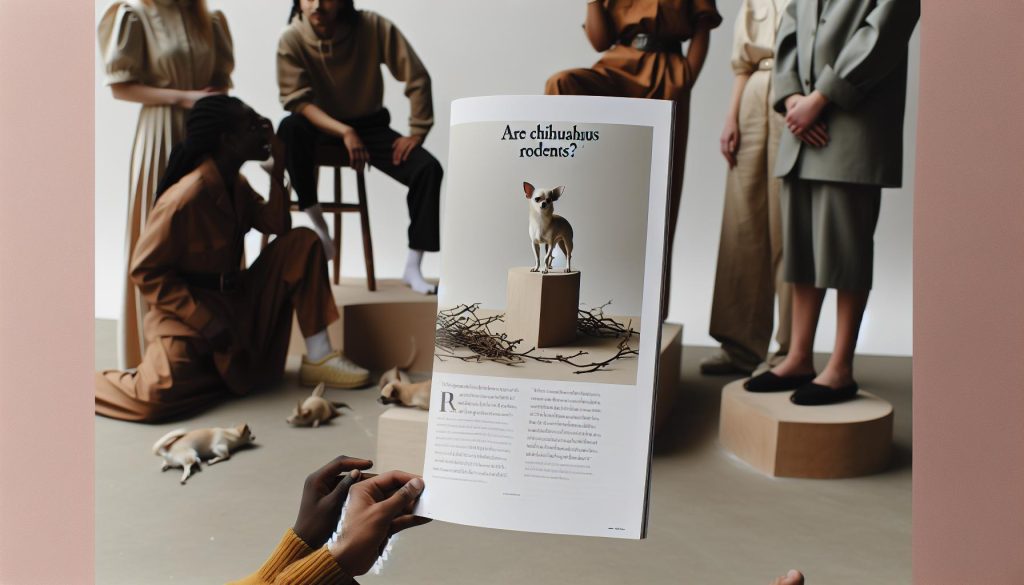
Have you ever wondered if your feisty, loyal Chihuahua could be mistaken for a rodent? This quirky misconception often leaves pet owners scratching their heads. In truth, Chihuahuas are beloved canines, distinct in their personalities, behaviors, and health needs. Understanding their true nature is crucial for responsible ownership, ensuring that these tiny dynamos are cared for and celebrated for who they truly are.
In this article, we will unravel the myths surrounding Chihuahuas and clarify why they are, without a doubt, charming dogs, not rodents. From their unique traits-like their renowned boldness and vocal flair-to practical tips for their care, we’ll explore what makes Chihuahuas so special. Whether you’re a first-time owner or a lifelong enthusiast, your understanding of this breed will deepen as we set the record straight. Let’s embark on this enlightening journey together!
Understanding the Chihuahua: A Unique Breed Overview

Chihuahuas are not only famously tiny; they are also one of the most misunderstood dog breeds in the world. These spirited little companions have a rich history and a striking personality that set them apart from rodents and other animals. Originating from Mexico, Chihuahuas were revered by ancient civilizations and are considered one of the oldest dog breeds. Their lineage can be traced back to the Techichi, a small companion dog belonging to the Toltec people, which gives Chihuahuas a unique cultural and historical significance that’s often overlooked.
In terms of their physical appearance, Chihuahuas can vary dramatically, with options ranging from the smooth coat to the plush long-haired variety. Commonly recognized types include the “apple head” and the “deer head,” a classification that refers to their distinct skull shapes. Despite their diminutive size, typically weighing between 2 to 6 pounds, Chihuahuas boast a bold and lively demeanor. They are often known for being vocal and protective, showcasing a personality that belies their size. It’s essential for new owners to understand that they are not just cute accessories; these dogs thrive on companionship and require social interaction to become well-adjusted pets.
Care Essentials
To ensure a happy and healthy life for your Chihuahua, consider the following care essentials:
- Regular Vet Check-ups: Chihuahuas are prone to certain health issues, including heart problems and patellar luxation. Regular veterinary visits can help catch and treat these conditions early.
- Balanced Diet: High-quality, specially formulated dog food tailored for small breeds is vital to meet their nutritional needs.
- Socialization and Training: Start socializing your Chihuahua early on to help prevent behavioral issues. Positive reinforcement techniques work wonders with this intelligent breed.
Each Chihuahua has its own unique personality, and they often form incredibly close bonds with their owners. Some may be shy or reserved, while others thrive on attention and play. Regular exercise, mental stimulation, and plenty of love can bring out the best in your little companion. Embrace their quirks and idiosyncrasies, and you’ll find that these tiny dogs have big hearts and make for wonderful, loyal pets.
Chihuahuas vs. Rodents: Debunking Common Myths

Chihuahuas are affectionately tiny companions with big personalities, and it’s time to set the record straight: these spirited pups are not rodents. In fact, they are one of the oldest dog breeds, with a lineage steeped in rich history and cultural significance originating from Mexico. Their ancestors, the Techichi, were beloved by the ancient Toltec civilization, showcasing that Chihuahuas have been esteemed companions for centuries. Unlike rodents, which are often solitary and driven by survival instincts, Chihuahuas thrive on social interaction and form deep bonds with their human families.
One of the most common misconceptions is that Chihuahuas are merely small, fragile creatures. In truth, they possess a bold demeanor, often exhibiting a protective and vocal nature. Many owners can attest to their tiny dogs’ bravery, with stories of Chihuahuas bravely standing their ground against larger threats. For instance, a devoted Chihuahua might bark vigorously at the delivery person, asserting his territory despite his petite size. This behavior underscores that Chihuahuas are not timid animals but rather confident, loyal companions who can bring a lot of character to a household.
When it comes to care and understanding, it’s essential to remember that owning a Chihuahua requires attention to their unique needs. Unlike rodents, which may require less interaction, Chihuahuas thrive on companionship. They do best when they receive ample socialization and regular training. New owners should be prepared to engage with their Chihuahuas not just in play, but also in providing structured environments, which help prevent anxiety and behavioral issues. Regular vet check-ups are vital too, as Chihuahuas are prone to specific health concerns like dental issues and heart problems, making proactive care crucial for their well-being.
In summary, while rodents fulfill specific ecological niches, Chihuahuas embody the essence of companionship and loyalty. They are vibrant, vocal, and engaging creatures that deserve recognition for their unique traits and needs. Understanding these distinctions not only helps debunk myths but also enables you to appreciate the remarkable qualities that make Chihuahuas wonderful pets. Whether you’re a first-time owner or a seasoned Chihuahua enthusiast, embracing their quirks will lead to a fulfilling relationship with these charming little dogs.
The Evolutionary History of Chihuahuas
Chihuahuas are often misunderstood due to their small size, but their heritage is rich and deeply intertwined with human history. These diminutive dynamos can trace their lineage back to the ancient cultures of Mesoamerica, specifically the Toltecs, who revered the Techichi-a dog cherished for its companionship and role in religious ceremonies. The Techichi served not just as pets but as spiritual guides for their owners, often accompanying them in life and beyond, highlighting the profound bond humans have shared with this breed for centuries.
A captivating fact about Chihuahuas is that they may be one of the oldest dog breeds still in existence today. Evidence suggests that their ancestors have been part of Mexican culture for over 3,000 years. This historical context serves to counter the myths surrounding their classification as rodents. Unlike rodents, which evolved primarily to survive in harsh environments, Chihuahuas have evolved as steadfast companions, bred for loyalty and social interaction. Their vibrant personality traits-such as being vocal and protective-are hallmarks of their history as devoted family members.
Chihuahuas come in various types, predominantly categorized as Apple Head and Deer Head, each displaying unique features that reflect their genetic heritage. The Apple Head variety tends to have a rounded skull and a more pronounced muzzle, while the Deer Head type features a longer nose and a flatter head, giving them a different stature. Understanding these distinctions can enhance the owner’s appreciation for their Chihuahua’s quirks and needs, leading to better care and training strategies tailored to each type’s characteristics.
As a Chihuahua owner, it’s vital to acknowledge the breed’s historical context when considering their care. Recognizing that they are not just pets, but descendants of a long line of esteemed companions, can foster a deeper connection and commitment to meeting their social needs. Regular socialization and interaction are essential to their well-being; they thrive not just on love, but on a meaningful, engaged existence with their human family. Your Chihuahua’s needs are comprehensive, encompassing not only their physical health-prone to dental and heart issues-but also their emotional health, which can be nurtured through a history of shared companionship.
Why Chihuahuas Are Not Rodents

Chihuahuas, often mistaken for rodents due to their small size and sometimes feisty demeanor, are in fact a distinct and celebrated breed with a rich heritage. These tiny companions are not only beloved for their quirky personalities but also for their longstanding relationship with humans that traces back over 3,000 years. While some may liken them to rodents, this comparison is unfounded; Chihuahuas possess a unique genetic and behavioral makeup entirely separate from that of any rodent species.
To understand why Chihuahuas and rodents are worlds apart, consider their evolutionary paths. Chihuahuas were bred as companion animals, deeply integrated into human lives as loyal protectors and affectionate partners. This breed thrives on social interaction, showcasing traits typical of domesticated dogs-such as loyalty, intelligence, and a vibrant disposition. In contrast, rodents evolved primarily to survive in harsh environments, focusing on traits that support survival rather than companionship. Where a Chihuahua seeks interaction, a rodent typically prioritizes self-preservation.
Chihuahuas also exhibit a range of distinctive physical features that highlight their unique identity. The two primary types, Apple Head and Deer Head, showcase differences in head shape and profile that are celebrated by their owners. Apple Heads present with a rounded cranium and a short muzzle, while Deer Heads feature longer noses and flatter skulls. These variations not only make them visually different but also contribute to their individual personalities, further affirming their status as a distinct breed rather than a rodent-like creature.
When caring for a Chihuahua, it’s important to recognize their specific health and emotional needs. Common misconceptions might lead some to underestimate their requirements, but as a dedicated owner, you’ll find that Chihuahuas need more than just basic care; they thrive on interaction, mental stimulation, and regular socialization with both humans and other dogs. Your Chihuahua isn’t just a small pet; he’s a vibrant companion with a rich history that demands respect and understanding. Celebrate his quirks-whether it’s a fearless bark or a soft lap cuddle-knowing that he’s far from a rodent, but a loyal friend who has been by our sides for centuries.
Chihuahua Behavior: Traits That Set Them Apart
Chihuahuas are known for their big personalities packed into tiny bodies, making their behavior truly unique compared to other breeds. Those charming, feisty little companions possess a variety of traits that not only endear them to their owners but also distinguish them as one of the most lively breeds. One major trait is their vocal nature; Chihuahuas love to express themselves through barks and yips, often taking on the role of a fierce guardian despite their size. This vocalization can be a source of entertainment, but it’s also a vital communication tool for them, indicating everything from excitement to alertness.
A strong sense of loyalty is another defining characteristic. Chihuahuas often bond deeply with their owners, forming an attachment that may lead them to follow you around the house or snuggle closely, especially during quiet moments. This loyalty extends beyond just companionship; they can be highly protective, often displaying a bold demeanor when faced with strangers or unfamiliar situations. It’s not uncommon for Chihuahuas to act as tiny watchdogs, barking to signal potential threats, which is a reflection of their instinctual behaviors rather than a sign of aggression.
Another fascinating aspect of Chihuahua behavior is their adaptability. Whether you live in an apartment or a house with a yard, they can thrive in smaller spaces as long as their needs for exercise and social interaction are met. Engaging them in daily play or walks is essential, as they have bursts of energy that need to be channeled appropriately. Furthermore, their inquisitive nature leads them to be curious little explorers, which can sometimes turn playful moments into mischievous ones-be prepared for unexpected antics!
Lastly, it’s crucial to understand that Chihuahuas are sensitive dogs requiring positive reinforcement and gentle training methods. Harsh discipline can lead to anxiety or behavioral issues, so nurturing their self-confidence while teaching boundaries will help them thrive. From apple-head to deer-head, each Chihuahua has distinct quirks and characteristics that may influence its behavior. Embrace their uniqueness, knowing that these little companions are not just pets; they’re lively personalities with the ability to bring joy, laughter, and warmth into your life.
The Physical Characteristics of Chihuahuas
Chihuahuas stand out not just for their spirited personalities but also for their distinct physical traits, making them easily recognizable and endearing to enthusiasts and newcomers alike. Despite their diminutive size, often weighing between 2 to 6 pounds, these little dogs pack a heavyweight punch in charm and character. Their small stature leads some to mistakenly compare them to rodents, but the only similarity lies in their size; visually and behaviorally, they are entirely unique.
One of the most notable features of Chihuahuas is their head shape, which can vary among individuals. You’ll often hear about apple-head and deer-head Chihuahuas. Apple-heads possess a rounded, dome-like skull, which contributes to their cute, almost exaggerated appearance. Deer-heads, on the other hand, have a flatter, longer face that resembles that of a deer. Understanding these differences is essential, especially for first-time owners who may be drawn to one type over the other.
Chihuahuas come in a variety of coat types, including short-haired (smooth) and long-haired, each offering a unique texture and appearance. The short-haired variety is easy to maintain, requiring minimal grooming, while long-haired Chihuahuas need regular brushing to keep their coats from tangling. Both types showcase a dazzling array of colors, patterns, and markings – from solid shades of fawn and black to more intricate combinations of white, chocolate, and brindle.
In addition to their coat and head shapes, Chihuahuas exhibit large, expressive eyes that can convey a wide range of emotions. These captivating eyes, combined with their erect or floppy ears, enhance their communicative nature. Many owners often remark that their Chihuahua’s eyes can be remarkably expressive, revealing everything from curiosity to mischief.
Ultimately, underscore their individuality and charm. Whether you are dealing with an apple-head or deer-head, understanding these aspects not only enhances your appreciation for the breed but also helps you cater to their unique care needs effectively. Embrace their quirks – after all, these tiny companions are nothing short of delightful!
Chihuahua Temperament: Loyal Companions
Chihuahuas are often celebrated for their bold personalities, but one of their most admirable traits is their unwavering loyalty to their owners. This charming breed forms strong bonds with their people, often viewing them as their entire world. Many Chihuahua owners have shared stories of how their little companions will follow them from room to room, always seeking closeness and affection. Despite their small size, Chihuahuas carry a hefty amount of loyalty and devotion that sometimes surprises those unfamiliar with the breed.
This loyalty is accompanied by a spirited protectiveness. Chihuahuas are known for their alertness; they often act as mini watchdogs, barking at any perceived threat. This instinct is rooted in their history and makes them excellent companions for those who appreciate a dog that is both affectionate and protective. However, it’s essential to channel this protective behavior positively through proper training and socialization, helping to ensure they differentiate between genuine threats and everyday occurrences.
In terms of temperament, Chihuahuas can be quite vocal. This trait often leads to misconceptions about their demeanor. Their barking should not be mistaken for aggression; rather, it’s their way of communicating. Early training can help manage excessive barking and reinforce more desirable behavior, making them well-adjusted family members. Pair their vocal nature with their playful antics, and you have a breed that loves to engage and entertain.
Understanding your Chihuahua’s unique personality is crucial for fostering a healthy relationship. Some may lean more towards the apple-head variety, known for their sweet expressions, while others may be deer-head types, usually more reserved. Regardless of the type, Chihuahuas thrive on companionship and require ample social interaction to feel secure and happy. Encourage playtime, exploration, and positive experiences with both people and other pets to build confidence and reduce anxiety. Embrace the quirks that come with their character-whether it’s their penchant for cuddling in your lap or their vigorous ‘zoomies’ around the house-and enjoy the companionship that these little dogs are known for. By fostering an environment of affection and security, you’ll ensure that you and your Chihuahua create a bond that is truly special.
Care Essentials for Your Chihuahua
Caring for your Chihuahua goes beyond basic needs; it requires an understanding of their unique characteristics and personality. These tiny dogs may be small in stature, but they have big hearts and spirited personalities that make them delightful companions. Proper care ensures that your Chihuahua thrives both physically and emotionally, setting the stage for a strong and loving bond.
Diet and Nutrition
A proper diet is essential for your Chihuahua’s health. These little guys have fast metabolisms, meaning they need nutrient-dense food that provides energy without overloading them on calories. Look for high-quality dog food made for small breeds, and consider your Chihuahua’s life stage-puppy, adult, or senior-when selecting their diet. Regularly consult with your veterinarian to determine the best diet based on your dog’s specific needs and weight to prevent obesity, which is a common risk in smaller breeds.
Exercise Requirements
Despite their size, Chihuahuas are energetic and need regular exercise. Daily walks and playtime are crucial for maintaining their physical health and mental stimulation. Whether it’s chasing a toy in the garden or playing a game of hide-and-seek indoors, engaging your Chihuahua in activities will help keep their energy levels in check and prevent behavioral issues. Aim for at least 30 minutes of active play each day, and remember that short bursts of activity are often more enjoyable for them than long, tiring sessions.
Grooming Needs
Chihuahuas come in two coat types: short-haired and long-haired. Each type has different grooming needs, but overall, Chihuahuas require minimal grooming. Short-haired Chihuahuas may need brushing once a week, while their long-haired counterparts might need more frequent grooming to prevent tangles and mats. Regular brushing not only helps reduce shedding but also allows you to check for skin issues or parasites. Bathing should be done sparingly-perhaps every few months or as needed-using a gentle dog shampoo to maintain their coat without stripping natural oils.
Health Considerations
Regular vet check-ups are vital for monitoring your Chihuahua’s health. Common issues in the breed include dental problems, patellar luxation, and heart conditions. Keeping your Chihuahua’s teeth clean with dental chews, professional cleanings, or brushing helps prevent common dental diseases. Additionally, be aware of their vulnerability to temperature extremes; Chihuahuas are sensitive to both heat and cold, so ensure they are comfortable and protected according to the season.
Embrace the fun and quirky side of Chihuahuas-whether it’s their bold barking, adorable cuddling, or those charming ‘zoomies’! As a Chihuahua owner, your attention, love, and proper care will help your pup flourish and become a loving companion for many years. Always remember, it’s not just about meeting their needs; it’s about celebrating their unique spirit and the special bond you share.
Health Considerations Unique to Chihuahuas
Chihuahuas are not just tiny dogs-they are unique companions with specific health needs that require attention from their owners. Understanding these health considerations is crucial for anyone who shares their life with this spirited breed. A Chihuahua’s small size makes them susceptible to a variety of health concerns, but with knowledge and proactive care, you can help ensure your little friend lives a long and healthy life.
One of the most common health challenges for Chihuahuas is dental issues. Their small mouths often lead to overcrowded teeth, making dental care essential. Regular brushing at home, dental chews, and professional cleanings can help mitigate the risk of periodontal disease, a leading health concern in this breed. Owners have found success with both vet-recommended dental products and at-home routines that encourage healthy teeth and gums.
Another significant consideration is the Chihuahua’s susceptibility to patellar luxation, a condition where the knee cap dislocates. This is particularly important for active Chihuahuas who enjoy jumping and running. Watch for signs of limping or reluctance to climb stairs, which can indicate discomfort. If your Chihuahua starts showing these behaviors, consulting your veterinarian promptly can help manage the condition and possibly prevent surgery.
Chihuahuas also face challenges related to their body temperature. Being small, they can easily become chilly in cold weather or overheated in the heat. Ensuring your Chihuahua has appropriate clothing in cold temperatures and providing a cool, shaded area during hot weather is crucial. Many owners invest in cozy sweaters for winter walks and are diligent about indoor cooling during summer days.
Moreover, it’s essential to monitor their heart health, as Chihuahuas are prone to heart conditions, including congestive heart failure and heart murmurs. Routine vet visits become even more critical as your Chihuahua ages, enabling early detection of potential issues. A heart-healthy diet and regular exercise play a key role in supporting their cardiovascular health.
Overall, being an informed and loving owner can make all the difference in your Chihuahua’s life. Their quirky personalities and loyal companionship deserve the best care possible, helping them thrive as joyful members of your family for many years. Remember, regular vet check-ups, attention to dental care, temperature management, and proper nutrition are your best strategies for ensuring your little buddy stays happy and healthy!
Common Misconceptions About Chihuahuas
Despite their diminutive size and pocket-friendly nature, Chihuahuas are often misconceived as mere rodents, a stereotype that does a disservice to their true identity as canine companions. This misconception likely stems from their small stature and sometimes feisty personalities-traits that can lead unknowing individuals to equate them with small mammals. However, it’s crucial to recognize that Chihuahuas are dogs, with all the complexities, behaviors, and needs that come with being a member of the canine family.
Firstly, it’s important to address the myth surrounding Chihuahuas being less “dog-like” due to their size. Many believe that their small size and quirky behaviors, like shaking or yapping, are traits common among rodents. In reality, Chihuahuas exhibit a rich array of behaviors typical of dogs, including loyalty, playfulness, and affection. These little companions are known for their strong bond with their owners, often displaying remarkable courage, which is starkly different from the timid behaviors generally associated with rodents. A Chihuahua named Bella, for instance, bravely protects her home despite only weighing a few pounds, showcasing that heart and personality matter far more than size.
Another common misconception is that Chihuahuas lack health concerns due to their size. Many first-time owners may mistakenly believe that smaller dogs are inherently healthier. However, Chihuahuas are prone to specific health issues, including dental problems and heart conditions, much like larger breeds. Regular vet visits are essential, and attention to dental care-like using dog-specific toothpaste and providing dental chews-is vital in preventing common health issues. Owners should be proactive, just as they would with any breed, to ensure their Chihuahua thrives.
Moreover, some might assert that Chihuahuas are difficult to train or overly aggressive. This notion often emerges from misunderstandings about their high energy and robust personalities. In truth, Chihuahuas can be excellent learners with proper positive reinforcement techniques. They respond well to training when it’s consistent, patient, and engaging. Highlighting their playful nature can transform training sessions into fun bonding experiences, proving that even the smallest dogs can excel in obedience and tricks.
In summary, recognizing Chihuahuas as distinct dogs, rather than likening them to rodents, helps in understanding and celebrating their unique traits. These little pups may be small in size, but their personalities are larger than life. Embracing their quirks and understanding their needs enables owners to forge deeper connections with their vibrant companions, dispelling myths and enjoying the joy that comes with having a Chihuahua.
The Importance of Socialization for Chihuahuas
A well-socialized Chihuahua is a confident Chihuahua, and socialization is key to helping your little companion thrive. These tiny dogs, known for their bold personalities, often display an abundance of loyalty and affection. However, without proper socialization, they can develop fears and anxieties, which can lead to behavior issues. Starting socialization early-ideally during the critical first four months of life-can make a world of difference in your Chihuahua’s confidence and overall demeanor.
Begin by exposing your Chihuahua to a variety of environments, people, and other animals. Positive experiences can shape her understanding of the world. For instance, take her on walks to different parks, allowing her to encounter various sights, sounds, and smells. When she meets other dogs, start with calm, friendly breeds to ensure she feels safe. Remember, patience is essential; if she seems overwhelmed, give her a break. Gradual exposure will help reduce any fear or anxiety that can stem from the unknown.
Socialization doesn’t just mean meeting other dogs; it can also involve interaction with children, the elderly, or people of different appearances. This is particularly important given Chihuahuas’ tendency to become overly protective or territorial if not properly introduced to diverse situations. For example, regular visits to a dog-friendly cafe can allow her to observe bustling environments while enjoying some treats. Celebrating her unique quirks, like her vocal nature and tiny stature, can make these outings enjoyable and affirming experiences.
Additionally, group puppy classes can be a wonderful way to facilitate socialization in a structured setting. These classes typically focus on obedience and can be a fun way to teach your Chihuahua basic commands while socializing with other dogs. Whether it’s an apple-head or a deer-head Chihuahua, socialization contributes to her identity as a well-rounded companion, demonstrating that being a small dog does not mean being a timid one.
In sum, socialization is an ongoing journey that influences your Chihuahua’s happiness, reducing the likelihood of behavioral issues as she grows. By investing time and effort into exposing her to new experiences, you’ll foster a confident and well-adjusted companion who embodies the bold spirit of the breed, reinforcing the understanding that she is much more than just a tiny, feisty dog-she’s an integral part of your life.
Fun Facts About Chihuahuas: Celebrating Their Quirks
Chihuahuas are full of surprises and charm that make them truly one-of-a-kind companions. Despite their tiny stature-often weighing just 2 to 6 pounds-these little dogs have the heart of a lion. Did you know that Chihuahuas can be more vocal than many larger breeds? Their barks, yaps, and howls can rival that of a much bigger dog, making them excellent watchdogs. This spirited vocal nature adds to their unique personality and can make for some entertaining moments at home.
Another delightful quirk is their strong bond with their owner. Chihuahuas thrive on companionship and are happiest when cuddled close to their favorite person. It’s common for them to follow you around, all while giving you their famous “Chihuahua stare,” a look that can melt your heart. These little guardians are fiercely loyal and often prefer to be the center of your universe. Just ask any Chihuahua owner who has experienced their pup’s undeniable loyalty-often translating into them feeling like they are your protector, despite their small size.
When it comes to variety, Chihuahuas come in two main coat types: smooth and long-haired, each with its own appeal. Smooth Chihuahuas flaunt their sleek, shiny coats, while long-haired Chihuahuas offer a touch of elegance with their flowing fur. Both varieties can feature a rainbow of colors and patterns, adding to the fun of choosing your furry friend. And let’s not forget the buzz-worthy debate among enthusiasts about the two distinct head types: the apple-head, with its rounded skull and short muzzle, and the deer-head, characterized by a longer snout and leaner face. Each has its own charm and beauty, showcasing the diversity within this breed.
Finally, it’s crucial to celebrate their quirky personalities. Chihuahuas are known to develop unique habits and preferences. Some love to dig themselves into soft blankets while others might enjoy sitting atop the highest perch in the house, surveying their kingdom. Providing enriching experiences, like puzzle toys or training sessions, can stimulate their minds and keep them engaged. Their playful antics and strong personalities remind us that there’s much more to Chihuahuas than meets the eye-they’re not just small, they’re packed with character and charm!
Frequently Asked Questions
Q: Are Chihuahuas small dogs or rodents?
A: Chihuahuas are small dogs, not rodents. They belong to the canine family and are recognized as a distinct dog breed. Unlike rodents, Chihuahuas exhibit unique behaviors, such as loyalty and companionship, making them beloved pets. For more insight into their distinct nature, check out our section on Chihuahua Behavior.
Q: What is the origin of Chihuahuas?
A: Chihuahuas originated in Mexico, with roots tracing back to ancient civilizations. They are believed to be descendants of the Techichi, a companion dog of the Toltec culture. For a deeper understanding of their history, refer to our section on The Evolutionary History of Chihuahuas.
Q: Why are Chihuahuas mistaken for rodents?
A: Chihuahuas may be mistaken for rodents due to their small size and epitome of cuteness. However, they are fundamentally different as they belong to the canine family, showcasing behaviors and characteristics typical of dogs. Read more in our section on Chihuahuas vs. Rodents: Debunking Common Myths.
Q: What are the key behavioral traits of Chihuahuas?
A: Chihuahuas are known for being vocal, confident, and sometimes oversized in personality compared to their tiny size. They form strong bonds with their owners and are naturally protective. For detailed traits, explore our section on Chihuahua Behavior: Traits That Set Them Apart.
Q: Are there any health considerations specific to Chihuahuas?
A: Yes, Chihuahuas can face health issues such as patellar luxation, dentition problems, and heart ailments. Regular vet check-ups and a proper diet can help maintain their health. Learn more in our section on Health Considerations Unique to Chihuahuas.
Q: How do I properly care for a Chihuahua?
A: To properly care for a Chihuahua, ensure they have a balanced diet, regular exercise, and socialization. They thrive in a warm environment and should be treated gently due to their delicate structure. Check our section on Care Essentials for Your Chihuahua for more tips.
Q: Can Chihuahuas be trained easily?
A: Yes, Chihuahuas are intelligent and can be trained easily, though they might exhibit stubbornness. Positive reinforcement methods work best. Start with basic commands and gradually introduce more complex tasks. For more tips, visit our article on Common Misconceptions About Chihuahuas.
Q: What makes Chihuahuas unique among dog breeds?
A: Chihuahuas are unique due to their tiny size, strong personalities, and distinctive appearance. They are known for their bravery and loyalty, often forming a deep attachment to their owners. Explore Fun Facts About Chihuahuas: Celebrating Their Quirks for more interesting insights.
Key Takeaways
Now that we’ve set the record straight, it’s clear that Chihuahuas are not rodents! Instead, these tiny, vocal companions are beloved dogs known for their loyalty and unique personalities. If you’re a new owner, think about your Chihuahua’s health and care needs-be it nutrition, socialization, or training. Want to dive deeper? Check out our guides on “Caring for Your Chihuahua” and “Understanding Chihuahua Behavior” for valuable insights that will enhance your pet parenting journey.
Join our community by signing up for our newsletter for the latest tips, or share your experiences with Chihuahuas in the comments below! Every dog lover’s voice matters; let’s celebrate the quirks and confidence of our little friends together. Remember, being informed about their needs will ensure your Chihuahua thrives and lives a happy life. Explore more and empower your Chihuahua journey today!
Get our latest guides, news, and insights highlighted in your Google Search & AI Overviews.