

Chihuahuas, those tiny bundles of personality, often spark curiosity and concern surrounding their behavior and temperamental traits. Are they dangerous, or merely misunderstood? Understanding the safety and temperament of this breed is crucial for prospective owners and those living alongside them. Chihuahuas can be bold and vocal, traits that often lead to misconceptions about their aggression. Many owners have experienced firsthand just how fiercely loyal and loving these small dogs can be, but how can you navigate their unique characteristics? In this article, we’ll explore the true nature of Chihuahuas, examining their behavior, common quirks, and essential safety tips to help you foster a healthy and happy relationship with your Chihuahua. Whether you’re a first-timer or a seasoned owner, this guide aims to provide valuable insights and reassurance about the delightful complexity of this spirited breed. Join us as we unravel the truths surrounding Chihuahua safety and temperament!
Understanding the Chihuahua’s Temperament and Behavior
Chihuahuas are often misunderstood due to their small stature and bold personalities. These spirited little companions possess a rich array of traits that can be both endearing and challenging. Known for their loyalty and strong protective instincts, Chihuahuas can exhibit a variety of behaviors that reflect their unique temperaments. Understanding the nuances of your Chihuahua’s behavior is crucial for fostering a positive relationship and ensuring a harmonious home environment.
Chihuahuas are inherently vocal; their keen senses make them excellent watchdogs. They tend to bark at unfamiliar sounds or sights, which can sometimes be perceived as aggressive behavior. However, this is often a protective response rooted in their desire to shield their owner and territory. Emphasizing positive reinforcement techniques during training can help mitigate excessive barking and reinforce desirable behaviors. Consistent training and socialization from a young age can turn this vocal tendency into an asset, allowing your Chihuahua to learn when it’s appropriate to alert you and when to settle down.
Behavioral Challenges and Solutions
Despite their small size, Chihuahuas often exhibit larger-than-life attitudes. This boldness can sometimes lead to behavioral issues like resource guarding or fear-based aggression, particularly if they feel threatened or insecure. Socialization is essential; introducing your Chihuahua to various environments, people, and other pets will help them learn to navigate the world with confidence. Real-life experience shows that owners who regularly expose their Chihuahuas to new situations tend to have calmer, better-adjusted dogs.
Chihuahuas thrive on human interaction and can become anxious if left alone for long periods. Strategies such as crate training and gradually increasing your dog’s independence can help alleviate separation anxiety. Establishing a routine that includes daily walks, playtime, and mental stimulation can also prevent behavioral problems stemming from boredom or pent-up energy.
Incorporating these insights into your daily routine will not only enhance your Chihuahua’s behavior but also strengthen the bond you share. Celebrate their quirky personalities, recognizing that each little bark and bound is part of what makes this breed so beloved. Whether it’s snuggling on the couch or exploring the great outdoors, the key to a happy Chihuahua is understanding and embracing their unique temperament.
Are Chihuahuas Really Dangerous? Myths vs. Facts
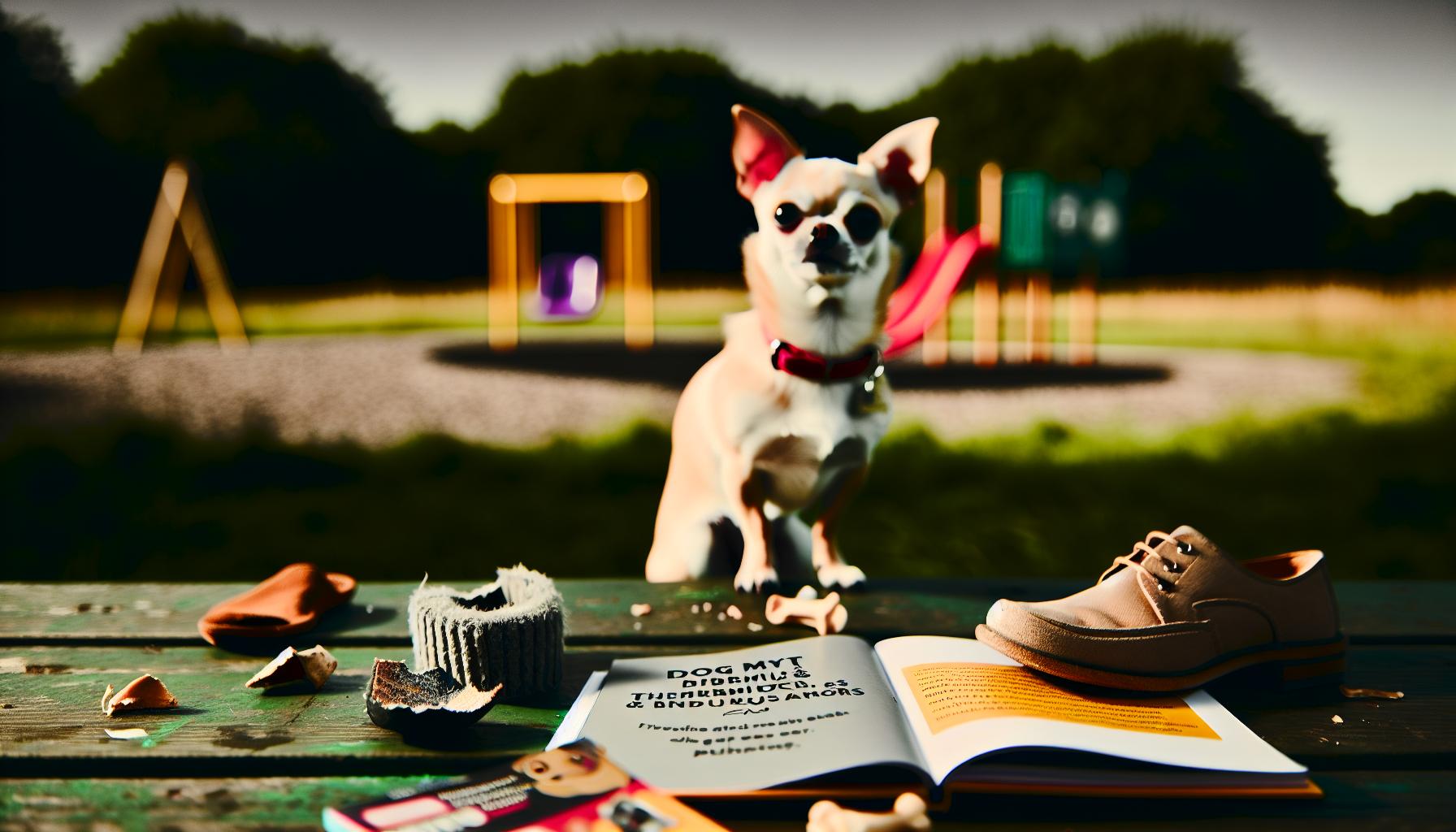
Despite their tiny stature, Chihuahuas often bear a reputation that can be misleading. These vibrant little companions might be seen as dangerous or aggressive based solely on their propensity to bark and defend their territory. However, it’s crucial to understand the underlying factors that contribute to this behavior and debunk common myths that surround this breed.
Many people assume that because Chihuahuas are small, they lack the capability for aggression. In truth, these dogs can be quite bold and assertive, but this behavior is usually more about their protective instincts than true aggression. Chihuahuas are highly alert and will defend their owner and home from perceived threats. This loyalty, while sometimes expressed through barking or growling, does not equate to them being inherently dangerous. Owners often find that with proper training and socialization from a young age, their Chihuahuas become well-adjusted companions who can distinguish between genuine threats and normal noises.
To cultivate a positive demeanor in your Chihuahua, early socialization is key. Introduce him to various people, pets, and environments regularly. This exposure helps him to feel more comfortable and less prone to react defensively. Sharing personal experiences, such as taking your Chihuahua to a dog park or having friends over, can significantly improve his behavior in social settings. Owners have observed that their once overly vocal Chihuahuas became calmer and more sociable after consistent interactions with other dogs and varied environments.
Furthermore, understanding how to read your Chihuahua’s body language and vocalizations can provide insights into his feelings. A relaxed posture and wagging tail generally indicate comfort, while raised hackles or a tense stance suggest he may feel threatened. By paying attention to these signals, owners can address concerns before they escalate. Remember, Chihuahuas are not inherently dangerous; like all dogs, their behavior is shaped by environment, training, and the bond they share with their owners. A well-trained, socialized Chihuahua is a loving, lively companion who is anything but a menace.
Common Behavioral Issues in Chihuahuas

Chihuahuas are known for their spunky personality and vibrant energy, but like any breed, they can exhibit common behavioral issues that may concern first-time owners and seasoned enthusiasts alike. One of the most prevalent challenges is their tendency to bark excessively. This spirited vocalization can stem from a variety of factors, including anxiety, boredom, or a strong protective instinct. Understanding the root causes of this barking is essential for addressing the behavior effectively.
To mitigate excessive barking, it’s vital to identify triggers. For instance, if your Chihuahua barks at unfamiliar sounds or visitors, desensitization techniques might help. Gradually exposing him to these stimuli while rewarding calm behavior can significantly reduce his reactions over time. Additionally, providing sufficient mental and physical stimulation through playtime, puzzles, and regular walks can alleviate boredom and anxiety, leading to a quieter and more relaxed companion.
Another common behavioral issue is fearfulness, particularly in settings with new people or animals. Chihuahuas, with their loyal yet alert nature, can be wary of strangers. It’s crucial to introduce them to new experiences early on. Invite friends over or visit pet-friendly locations, encouraging positive interactions. Celebrating small wins, such as staying calm during a brief encounter, reinforces their confidence.
Moreover, aggression, often perceived as a Chihuahua’s natural instinct, frequently results from fear rather than genuine aggression. When your dog perceives a threat-be it another animal or new people-he may react aggressively to defend himself or his territory. Understanding this is key; addressing underlying fears through training and socialization will lead to better behavior.
Ultimately, creating a safe, structured environment is fundamental. Regular routines, boundaries, and consistent training reinforce positive behavior and help reduce anxiety-driven actions. Remember, your bold, tiny furball is not just a lap dog but a vibrant personality who can thrive with the right guidance and care. With patience and understanding, you can navigate these challenges, leaning on your Chihuahua’s delightfully spirited nature to foster a joyful and safe home life.
Chihuahua Socialization: Essential Tips for Safety
Building a well-socialized Chihuahua is crucial in addressing common behavioral problems, including fear and aggression. These little dogs, often perceived as fierce due to their tiny size and bold attitudes, can be quite sensitive and may react defensively to new experiences. To ensure your Chihuahua grows up to be a well-adjusted pet, early and consistent socialization is key.
Start by exposing your Chihuahua to a variety of environments and people. This could mean walking in different neighborhoods, visiting pet stores, or attending puppy classes. Encourage him to interact positively with strangers and friendly dogs. Aim for brief, controlled encounters at first; you can gradually increase the time and variety of experiences as he becomes more comfortable. Always reward calm behavior with treats or praise to reinforce positive associations.
Another important aspect is introducing your Chihuahua to different sounds, situations, and even household items. Chihuahuas are notorious for being barkers, and much of this vocalization comes from fear or uncertainty. You can help mitigate this by desensitizing him to loud noises, such as vacuum cleaners or doorbells. Play sounds at a low volume during calm activities, gradually increasing the volume as he becomes accustomed. This can help him feel more secure in his environment, reducing anxiety-triggered barking.
When meeting other pets, it’s essential to supervise interactions closely. Since Chihuahuas can sometimes be defensive around larger dogs, start introductions on neutral territory and ensure all pets are calm. Using a harness and leash for control can help reduce stress for both your Chihuahua and the larger dog, allowing you to intervene if necessary. Over time, this can foster a sense of safety and build positive relationships with other animals.
Lastly, practice patience. Socialization is an ongoing process that develops continuously throughout your Chihuahua’s life. Celebrate small victories along the way, and keep training consistent and rewarding. With your guidance, your little companion can embrace his vibrant spirit and become a well-rounded, confident member of your family.
How to Train Your Chihuahua for Positive Behavior
Training your Chihuahua for positive behavior is not just about teaching tricks; it’s an essential part of nurturing a well-rounded, confident pup. These little dogs often come with big personalities-bold, loyal, and sometimes a tad dramatic! Understanding their unique quirks can make all the difference in your training journey.
Start with basic commands, as these lay the groundwork for good behavior. Chihuahuas are intelligent but can be stubborn, so keep training sessions short and engaging-10 to 15 minutes is ideal. Use treats your Chihuahua loves (like small pieces of chicken or cheese) and keep it positive. For example, when teaching “sit”, hold the treat above their nose, and slowly move it back over their head. As they look up, their bottom will naturally touch the ground. When they do it, praise them enthusiastically and reward with the treat. This not only teaches them commands but strengthens your bond.
Socialization is also crucial for Chihuahuas. These tiny dogs can be protective and may develop inappropriate behaviors if not exposed to different people, places, and pets. Make it a daily activity to introduce your Chihuahua to new experiences. Visit parks, invite friends over, or even take them with you when running errands (make sure it’s dog-friendly!). Always supervise interactions to ensure your Chihuahua feels secure. If he exhibits barking or growling toward new people or pets, redirect with a toy or treat to create a positive association.
Consider incorporating play into training. Chihuahuas love to have fun, so using games can enhance learning. Fetch, tug-of-war, or hide-and-seek can help reinforce commands while keeping your dog active and entertained. One successful method for a Chihuahua owner was playing fetch with a favorite squeaky toy. Whenever their pup brought the toy back, they rewarded her with a treat and a lot of praise. This led to improved recall and a stronger connection between them.
Lastly, patience is key. Chihuahuas thrive on consistency, and behavioral change won’t happen overnight. Celebrate small milestones, whether it’s responding to a command or interacting calmly with a new dog. Remember, your Chihuahua’s journey is as unique as their personality. With your love and guidance, he can grow into a happy, well-behaved companion, showcasing all the charm that this delightful breed has to offer!
Chihuahua Health Risks and Their Impact on Safety
Although small in stature, Chihuahuas are known for their spirited and bold personalities, which can sometimes mask underlying health vulnerabilities. Understanding these health risks is essential not only for their well-being but also for ensuring a safe environment for both the Chihuahua and those around them.
Teacup Chihuahuas, while incredibly cute, often face heightened risks related to their size. Things like hypoglycemia, a condition where blood sugar levels drop dangerously low, can lead to lethargy or even fainting. Regular feeding schedules with high-quality, nutrient-rich food can help prevent these issues. Additionally, dental health is a significant concern: Chihuahuas are prone to dental disease, which can cause pain and contribute to other health issues if left untreated. Daily brushing and providing dental chews can greatly contribute to their oral hygiene.
Chihuahuas are also susceptible to certain genetic conditions, such as patellar luxation, where the kneecap dislocates from its normal position. This condition can cause discomfort and mobility issues. Ensuring your Chihuahua maintains a healthy weight through balanced diet and regular exercise is crucial to minimizing stress on their joints. Regular check-ups with a veterinarian can help catch any health issues early, allowing you to address concerns before they escalate.
Lastly, their protective instincts, often a source of pride for Chihuahua owners, can sometimes lead to behavior that may be perceived as aggressive. Understanding your Chihuahua’s health risks can mitigate these behaviors. For example, if your pup is in pain due to a health issue, he might react defensively in situations that wouldn’t normally provoke a reaction. Keeping a close eye on your dog’s health, socialization, and overall well-being will not only ensure a happy, healthy pet but will also contribute to a harmonious living environment for everyone involved.
By staying informed and proactive about common health issues and their potential impacts on behavior, you can help your Chihuahua thrive while safely navigating the world around them. Embrace their unique quirks – those tiny leaders have hearts full of love and boundless loyalty to give!
Assessing the Chihuahua’s Protective Instincts
Chihuahuas are renowned for their boldness, often surprising people with their fierce protective instincts given their small size. This spirited demeanor is rooted deep in their nature, and it’s essential for owners to appreciate how this can manifest in various situations, both positively and negatively. While these tiny guardians are often loyal and loving, they can also display behavior that may seem aggressive if they perceive a threat to their family or territory.
Understanding the emotions behind your Chihuahua’s behavior is critical. They tend to be naturally suspicious of strangers, and what may appear as protectiveness can sometimes be a manifestation of anxiety. For example, if your Chihuahua barks at a passerby, he’s not just being noisy; he’s likely alerting you to what he perceives as an unfamiliar presence. However, as an owner, it’s essential to guide these instincts rather than let them spiral into overly protective or aggressive behavior. Practicing early socialization can markedly influence how your Chihuahua reacts in different scenarios. Introducing her to a variety of people, pets, and environments while she’s a puppy can help her learn that not every new encounter is a threat.
Moreover, the protective instincts of a Chihuahua can sometimes lead to misunderstandings with other pets or family members. It’s not uncommon for a Chihuahua to feel compelled to defend her space, which can cause friction. One effective strategy is to create a safe space within your home where she can retreat when feeling overwhelmed. This could be a cozy bed in a separate room where she feels secure. Additionally, supervised introductions to other pets should be handled with care; positive reinforcement, like treats and praise, can encourage her to see new friends as allies rather than intruders.
It’s also important to consider your Chihuahua’s health, as pain or discomfort can heighten defensive behaviors. Regular veterinary visits and a keen eye on any signs of distress-such as changes in appetite or energy levels-can help you address potential issues before they translate into aggressive behavior. Remember, a happy and healthy Chihuahua is usually a more relaxed one. With patience and understanding, you can foster a nurturing environment that celebrates her unique personality while ensuring safety for all. Ultimately, your small but mighty friend is just looking to protect her loved ones-embracing her quirks and guiding her behavior will enrich both your lives.
Tips for Introducing Chihuahuas to Other Pets
Introducing your Chihuahua to other pets can be a rewarding yet challenging experience. Their bold nature and fierce protectiveness, particularly towards their family, means that careful planning is crucial. Understanding how to navigate these introductions will foster a harmonious household and ensure your Chihuahua feels secure while learning to accept new companions.
Start by creating a positive environment for the introduction. Before bringing a new pet home, it’s helpful to establish a safe space for your Chihuahua. This area should include her favorite toys and a comfortable bed, allowing her to retreat when feeling overwhelmed. When it’s time for the introductions, keep both pets on a leash-this provides control and allows you to gauge their reactions. Let them sniff each other from a distance before gradually decreasing the space between them if they seem comfortable.
Use positive reinforcement to encourage friendly interactions. Treats and praise can help them associate each other’s presence with good feelings. For example, during the first meeting, reward your Chihuahua whenever she displays calm behavior around the new pet. It’s also important to observe body language closely; signs of stress or aggression, such as growling or rigid posture, indicate that you may need to separate them and try again later. Patience is key-some Chihuahuas may take longer to warm up than others.
Daily routines are another important consideration. Incorporate joint activities, such as walks or play sessions, gradually blending their routines. This not only helps them to bond but also establishes your role as the leader, which can ease your Chihuahua’s anxiety. Always supervise initial interactions, especially if you are introducing smaller pets, as Chihuahuas can sometimes misjudge their size or strength in play.
Lastly, be mindful of your Chihuahua’s health. Behavioral changes may stem from discomfort or pain, so regular vet checkups are essential. As a breed that can be prone to certain health issues, maintaining her well-being will promote a more relaxed demeanor, lessening fears and anxiety during introductions.
Every Chihuahua is unique, and getting to know your pet’s individual personality and quirks will make the introduction process smoother. With love, patience, and careful attention, your Chihuahua can learn to embrace new furry friends, enriching her life and your home.
Chihuahua Ownership: Preparing for Challenges
Welcoming a Chihuahua into your home can be an exhilarating adventure, but it comes with its unique set of challenges. Known for their vibrant personalities, Chihuahuas are often vocal, fiercely loyal, and unabashedly bold-traits that make them delightful companions, but also present certain hurdles for owners. Understanding these characteristics and being prepared for the associated challenges is essential for ensuring a smooth transition and lasting relationship.
One striking aspect of Chihuahua ownership is their tendency to assert themselves despite their tiny stature. These spirited little dogs are often seen as guardians, ready to defend their territory and family with unwavering courage. To manage their protective instincts, establish clear boundaries and consistent training from an early age. Socialization is key; make sure your Chihuahua interacts with a variety of people and situations to reduce anxiety and fear-based behaviors. For example, inviting friends over regularly or taking your Chihuahua on outings can help him learn that the world is a safe place.
Another critical area to focus on is health care, as Chihuahuas can be predisposed to certain health issues, including heart disease and dental problems. Regular vet checkups not only help identify and address health concerns early but also build a routine that your Chihuahua can rely on. Furthermore, these visits can provide you with insight into your dog’s specific needs, allowing for tailored treatment and preventive care. Owners should also be vigilant about dental hygiene; incorporating regular teeth brushing and vet-recommended dental chews into your routine can keep their pearly whites in check.
Lastly, it’s vital to create a safe and comfortable environment for your Chihuahua. Their small size makes them particularly vulnerable to injury, so consider pet-proofing your home by removing hazardous items and ensuring that high furniture or steep stairs are inaccessible. Providing a dedicated safe space, complete with cozy bedding and favorite toys, can give your Chihuahua a sense of security and prevent anxiety.
With patience, empathy, and a proactive approach, navigating the challenges of Chihuahua ownership can lead to a joyous and fulfilling companionship. As you embark on this journey, remember that every Chihuahua is an individual; understanding and adapting to their unique quirks will enhance your bond and create a harmonious home.
Vocalizations: What Your Chihuahua is Trying to Tell You
Chihuahuas are one of the most vocal dog breeds, and their various sounds communicate a wide range of emotions, needs, and messages. Listening closely to your little companion can unlock a world of understanding. For instance, a high-pitched yip might indicate excitement or alertness, while a deep bark often serves as a warning to perceived threats. This vocal variety is not only an endearing trait but also an important aspect of their behavior that owners should learn to interpret.
Understanding Vocalizations
Chihuahuas use their voices to express themselves in many ways. Here are a few common vocalizations you might encounter:
- Barking: This is the most common sound and can signal anything from happiness to anxiety. A Chihuahua may bark when they want attention, feel threatened, or even just to say hello.
- Whining: If your Chihuahua is whining, it could mean they are seeking comfort or are distressed. This sound is often used to express dissatisfaction, whether due to hunger or loneliness.
- Growling: Although often associated with aggression, a growl can also signify playfulness. Pay attention to body language to determine the context.
- Chirps or Whimpers: These softer sounds often indicate contentment or a desire to engage, especially during playtime.
Listening to your Chihuahua’s vocalizations alongside their body language will provide clearer insights into their feelings. For example, if they bark with a wagging tail, they are likely excited. Conversely, barking while having a stiff posture might indicate they feel threatened.
Responding to Vocalizations
Taking the time to respond appropriately to your Chihuahua’s vocal cues can strengthen your bond. Here are some tips for effective communication:
- Check the Environment: When your Chihuahua barks, scan the surroundings for potential triggers, such as another animal, a loud noise, or even a passing car.
- Provide Comfort: If your Chihuahua is whining or showing signs of distress, approach them calmly and reassure them. Gentle petting or talking softly can help ease their worries.
- Redirect Attention: If barking becomes excessive, redirect their attention with a toy or a command, turning their focus away from what they’re barking at.
- Reinforce Positive Behavior: When your Chihuahua communicates without barking excessively, provide treats or praise. This encourages them to express themselves without feeling the need to bark for every little thing.
Real owner experiences help paint a picture of how vocalizations affect family dynamics. For example, one owner shared that their apple-headed Chihuahua often ‘talks back’ when they are scolded, emitting a series of petty barks that almost sound like an argument. This playful banter illustrates their feisty personalities and how vocalizations play a role in communicating their mood and engaging with family members.
By understanding and responding to your Chihuahua’s vocalizations, you create a more harmonious living environment where both you and your four-legged friend feel heard and understood. Embracing their vocal nature not only enhances your bond but also enriches your daily interactions, transforming your home into a cozy sanctuary where every bark and whimper is part of the conversation.
Creating a Safe Environment for Your Chihuahua
Creating a safe abode for your Chihuahua is paramount, especially considering their spirited nature and petite size. These little dogs, though sometimes perceived as fierce due to their bold personalities, require an environment that protects them from potential hazards while catering to their unique needs.
First, it’s essential to examine your living space for safety. Chihuahuas are naturally curious, and their small stature can lead to accidental injuries. Ensure that small objects, such as coins, rubber bands, or sharp items, are out of reach. Utilize baby gates to restrict access to stairs and high places, as a tumble can lead to serious injuries. Additionally, check that your home is secure against common threats: window screens should be tightly fitted, and open windows must be approached with caution to prevent a jump or fall.
Another significant aspect is managing your Chihuahua’s interactions. While your adventurous little one might feel fearless, socializing him with larger pets or overly energetic children can be overwhelming. Active supervision during playtime with others is beneficial; loosely supervise if you have larger animals in the household. For smoother introductions, try using treats to create a positive association. Real owner stories demonstrate how gradual exposure, such as allowing each pet to sniff from a distance before closer meetings, can foster peace.
Moreover, consider the environment outside your home. When on walks, use a harness rather than a collar to prevent strain on their fragile necks. Always be watchful in public spaces where larger dogs roam; a small dog can easily be overlooked, leading to unfortunate incidents. Bringing a portable crate or blanket to the park can provide your Chihuahua with a safe space when feeling overwhelmed, further enhancing their outdoor experiences.
Lastly, creating a cozy nook enriched with comfort is vital. Simple additions like soft blankets, designated toys, and a safe retreat can help keep your Chihuahua calm in the hustle of daily life. Always remember-your goal is to foster a secure haven that allows your furry friend to thrive and express that fiery spirit, all while staying safe.
Real Owner Experiences: Chihuahuas and Family Dynamics
Family dynamics play a pivotal role in the well-being of your Chihuahua, as their vibrant and spirited personalities can shape interactions within the home. It’s important to understand that Chihuahuas, despite their tiny size, often exhibit strong temperaments. They are fiercely loyal and seem to have no concept of their minimal stature, which can lead to quirks in their behavior with children, other pets, and even visiting guests.
One owner shared her experience with her two-year-old apple-head Chihuahua, Bella, who quickly became the center of attention in their household. Bella, with her bold attitude, would bark energetically at the doorbell, asserting her presence. However, when the couple’s toddler began crawling, they noticed Bella becoming protective rather than aggressive. By gently exposing Bella to the toddler under supervision, keeping interactions positive with treats and praise, they were able to teach Bella that their child was a friend, not a foe. With time, Bella grew more comfortable, often cuddling beside the toddler during storytime, showcasing how patience and guidance can foster family bonding.
To ensure harmonious living with a Chihuahua, it’s vital to create a structure that respects her petite nature while also allowing her personality to shine. Designating safe spaces where she can retreat when feeling overwhelmed makes a significant difference. Using baby gates to create boundaries, particularly when larger pets are around, can help her feel secure without feeling isolated. In homes with multiple pets, owners recommend performing gradual introductions. One family illustrated this by allowing their Chihuahua to interact with their golden retriever on neutral ground, ensuring that both pets received equal attention and positive reinforcement throughout the interaction. This method not only helped the Chihuahua feel safer but also eased her anxiety in mixed pet gatherings.
Chihuahuas are often vocal and love to express themselves, which can be a charm or a challenge depending on the setting. When introducing her Chihuahua, Coco, to family members who weren’t accustomed to lively dogs, Clara utilized a technique of “quiet time” at the beginning of visits. By calmly rewarding Coco with a treat each time she refrained from barking when guests arrived, she was able to link social sessions with tranquility. Coupling this with regular socialization with friends and family helped build Coco’s confidence and teach her appropriate behavior in bustling environments.
Through these real-owner experiences, it’s clear that fostering a positive relationship between Chihuahuas and family members hinges on patience, structure, and understanding of each individual dog’s personality. With the right approach, Chihuahuas can thrive within family dynamics, bringing joy, warmth, and an undeniable spark to everyday life.
Faq
Q: Are Chihuahuas aggressive towards strangers?
A: While Chihuahuas can be wary of strangers, this behavior is often rooted in their protective instincts rather than aggression. Proper socialization from a young age-discussed in the section on Chihuahua Socialization: Essential Tips for Safety-can help your Chihuahua feel more comfortable around new people.
Q: How can I tell if my Chihuahua feels threatened?
A: Signs that your Chihuahua feels threatened include growling, barking, or showing signs of anxiety (like shaking or cowering). If you notice these behaviors, it’s important to remove your dog from the situation to avoid escalation. Training techniques can help in managing fear-refer to How to Train Your Chihuahua for Positive Behavior for more guidance.
Q: Do Chihuahuas require specific training to be safe around children?
A: Yes, Chihuahuas benefit from specific training to interact safely with children. Teaching commands like “leave it” or “sit” can foster a calm environment. Consistent supervision and positive reinforcement are key, as noted in the section on How to Train Your Chihuahua for Positive Behavior.
Q: Can a Chihuahua be a good family pet?
A: Absolutely! With proper training and socialization, Chihuahuas can thrive in family settings. They are loyal and protective, making them wonderful companions. Ensuring interactions are positive helps with their adaptability, as covered in Real Owner Experiences: Chihuahuas and Family Dynamics.
Q: What steps can I take to prevent my Chihuahua from biting?
A: To prevent biting, ensure your Chihuahua is well-socialized and trained. Recognizing signs of discomfort and providing a safe space can reduce stress. Regularly engaging in positive play and obedience training supports healthy behavior; see Common Behavioral Issues in Chihuahuas for more tips.
Q: How does a Chihuahua’s size affect its temperament?
A: A Chihuahua’s small size does not determine its temperament; rather, it can influence behavior in terms of confidence and anxiety levels. Smaller breeds may be more prone to anxiety, so establishing a secure environment is crucial. Check Understanding the Chihuahua’s Temperament and Behavior to learn more.
Q: Are Chihuahuas protective or territorial?
A: Yes, Chihuahuas are known to be protective and territorial, especially over their family and home. This instinct can manifest through barking or growling at perceived threats. Proper training and socialization are essential to manage these behaviors, as discussed in Assessing the Chihuahua’s Protective Instincts.
Q: What health issues should I be aware of that affect my Chihuahua’s safety?
A: Chihuahuas are prone to certain health issues like heart disease and patellar luxation, which can impact their safety and overall behavior. Regular veterinary check-ups and monitoring for symptoms are crucial. Refer to Chihuahua Health Risks and Their Impact on Safety for more details on maintaining your pet’s health.
Future Outlook
Thank you for diving into the fascinating world of Chihuahuas! We’ve explored their unique personalities and how their strong instincts can influence both safety and temperament. Remember, while Chihuahuas can be brave and vocal, with the right training and socialization, they can be delightful companions. If you’re a first-time owner, check out our guide on Chihuahua training tips to get started on the right paw. For those interested in health, a quick read on Chihuahua health concerns could be invaluable in ensuring your little friend lives a happy life.
Don’t let uncertainties hold you back! Engage with us in the comments section below with your thoughts, experiences, or questions. We encourage you to explore more of our content on dog behavior and care, which will bolster your understanding and enjoyment of this amazing breed. With the right knowledge and love, your Chihuahua can bring boundless joy into your life. Sign up for our newsletter for the latest tips and stories, and join our community of Chihuahua enthusiasts today!
Get our latest guides, news, and insights highlighted in your Google Search & AI Overviews.