
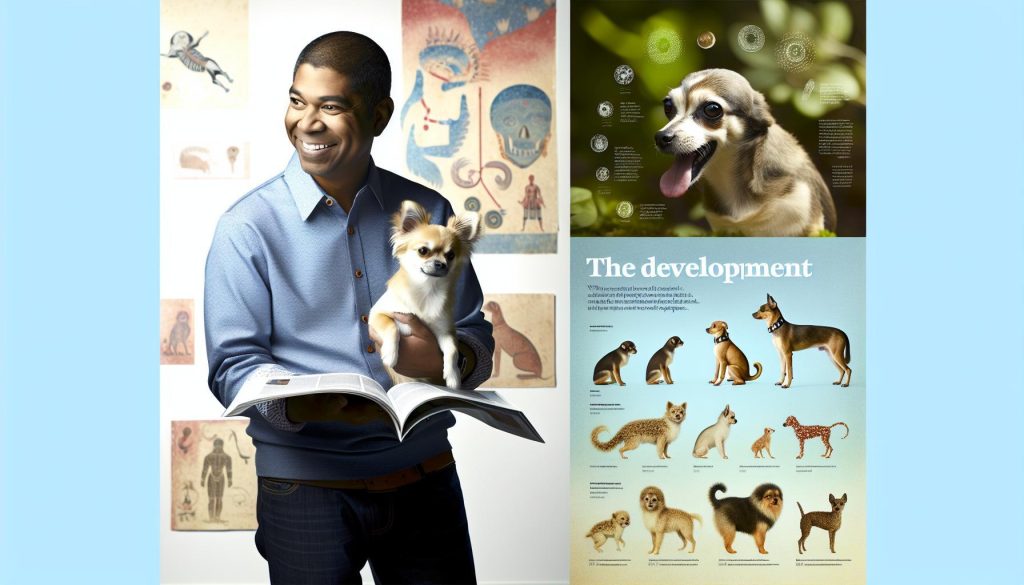
Did you know that Chihuahuas, often seen as tiny companions, have a rich history rooted in ancient cultures? Understanding the breed’s development not only satisfies your curiosity but also enhances your bond with these vocal and loyal little friends. “Are Chihuahuas Natural: Breed Development History” delves into the origins of this fascinating breed, exploring how genetics and environment shaped their unique traits and behaviors.
As a proud owner or someone considering welcoming a Chihuahua into your life, knowing more about their background can help you provide the best care possible, catering to their health, behavioral quirks, and the distinctive challenges they may face. Each Chihuahua, from the spirited apple-head to the sturdy deer-head variety, carries a lineage that informs their character and needs. Join us on this journey to uncover the history of these bold little dogs, ensuring you’re well-equipped to understand their needs and celebrate their remarkable personalities. Your journey with your Chihuahua begins here!
Understanding Chihuahuas: An Overview of the Breed
Chihuahuas are more than just tiny companions; they are vibrant personalities wrapped in an adorable package. With their history tracing back to ancient Mexico, these little dogs have evolved considerably from their roots, becoming one of the most beloved and recognizable breeds today. Originally thought to descend from the Techichi, a companion dog of the ancient Toltecs, Chihuahuas have a lineage that highlights their role as loyal companions across centuries. Their evolution reflects not only changes in breeding practices but also shifts in human companionship styles.
One key aspect of understanding Chihuahuas is recognizing their diverse characteristics. Chihuahuas typically weigh between 2 to 6 pounds and stand about 6 to 9 inches tall, making them one of the smallest dog breeds. They come in a variety of coat types, including smooth and longhaired, and can sport an array of colors and patterns. Their size doesn’t overshadow their bold personality-their vocal nature and protective instincts are often disproportionate to their small stature. It’s not uncommon for a Chihuahua to be the bravest dog in the room, fiercely guarding their owners from perceived threats while endearing themselves with their quirky charm.
Chihuahuas are known for their strong bonds with their owners, and this loyalty often translates into their behavior. They thrive on companionship, making them excellent lap dogs but also requiring attention and engagement to keep their spirits high. First-time owners may be surprised by their feistiness and independence, but with patience and consistent training, these traits can be well-managed. Understanding their behavioral quirks, such as their tendency to bark at strangers or their love for cuddling, is crucial for fostering a positive relationship.
In caring for this breed, it’s essential to pay attention to their health needs. Chihuahuas can be prone to dental issues and heart problems, so regular vet check-ups and good dental hygiene are important. Additionally, despite their small size, they should never be considered delicate; proper socialization and training will help ensure they grow up to be well-adjusted and confident. Understanding not only their history but also their unique characteristics empowers owners to provide the best care possible, turning every day into an adventure shared with a loving companion.
The Fascinating Origins of the Chihuahua
Despite their tiny size, Chihuahuas carry a rich history that is as vibrant as their personalities. Emerging from ancient Mexico, this breed is believed to trace its origins back to the Techichi, a small dog enjoyed as a companion by the Toltec civilization over a thousand years ago. These charming little dogs were more than mere pets; they were revered in ancient cultures for their companionship, often accompanying their owners into the afterlife. Understanding this profound heritage helps explain the Chihuahua’s deep-seated loyalty and attachment to their owners today.
Historical Significance
As you explore , you’ll find that their roots are intertwined with the culture of the regions they hail from. The Techichi was thought to share close ties with the ancient Toltec people, serving not only as a companion but also playing a role in important rituals. As the Aztecs conquered the Toltecs, they too embraced these small dogs, leading to a proliferation of Chihuahuas throughout Mexico. This blend of historical significance provides a backdrop for the breed’s development, influencing their temperament and demeanor.
Influence of Modern Breeding
Over centuries, the Chihuahua has seen various influences that have shaped its breed standards and appearance. With the arrival of Spanish colonizers in the 1500s, these small dogs were introduced to European settlers, leading to the recognition of the breed as we know it today. Early on, Chihuahuas exhibited diverse traits, but modern breeding has further refined their characteristics. Owners often choose between two distinct types based on head shape: the *apple-head*, known for its rounded skull, or the *deer-head*, which boasts a longer, more angled face.
By embracing their illustrious background, Chihuahua owners can appreciate not just their pet’s unique quirks-like their spirited barks and dynamic personalities-but also their place in history. When you own a Chihuahua, you’re not just gaining a pet, but a descendant of an ancient lineage that has captured hearts for centuries. Understanding this history enriches the bond between a Chihuahua and its owner, fostering an appreciation for the breed’s resilience and adaptability.
Practical Takeaways for Owners
For those considering welcoming a Chihuahua into their life, it’s essential to remember:
- Health Considerations: Regular vet check-ups are crucial as Chihuahuas are prone to specific health issues like dental problems and heart diseases.
- Socialization: Early interaction with various people and pets can aid in developing a confident, balanced adult dog.
- Caring for Their Temperament: A structured training approach tailored to their bold personalities can help channel their energy positively.
Equipped with a sense of their rich history and a few practical care tips, you’re well on your way to enjoying the colorful journey of dog ownership with a Chihuahua, a breed that thrives on affection and companionship.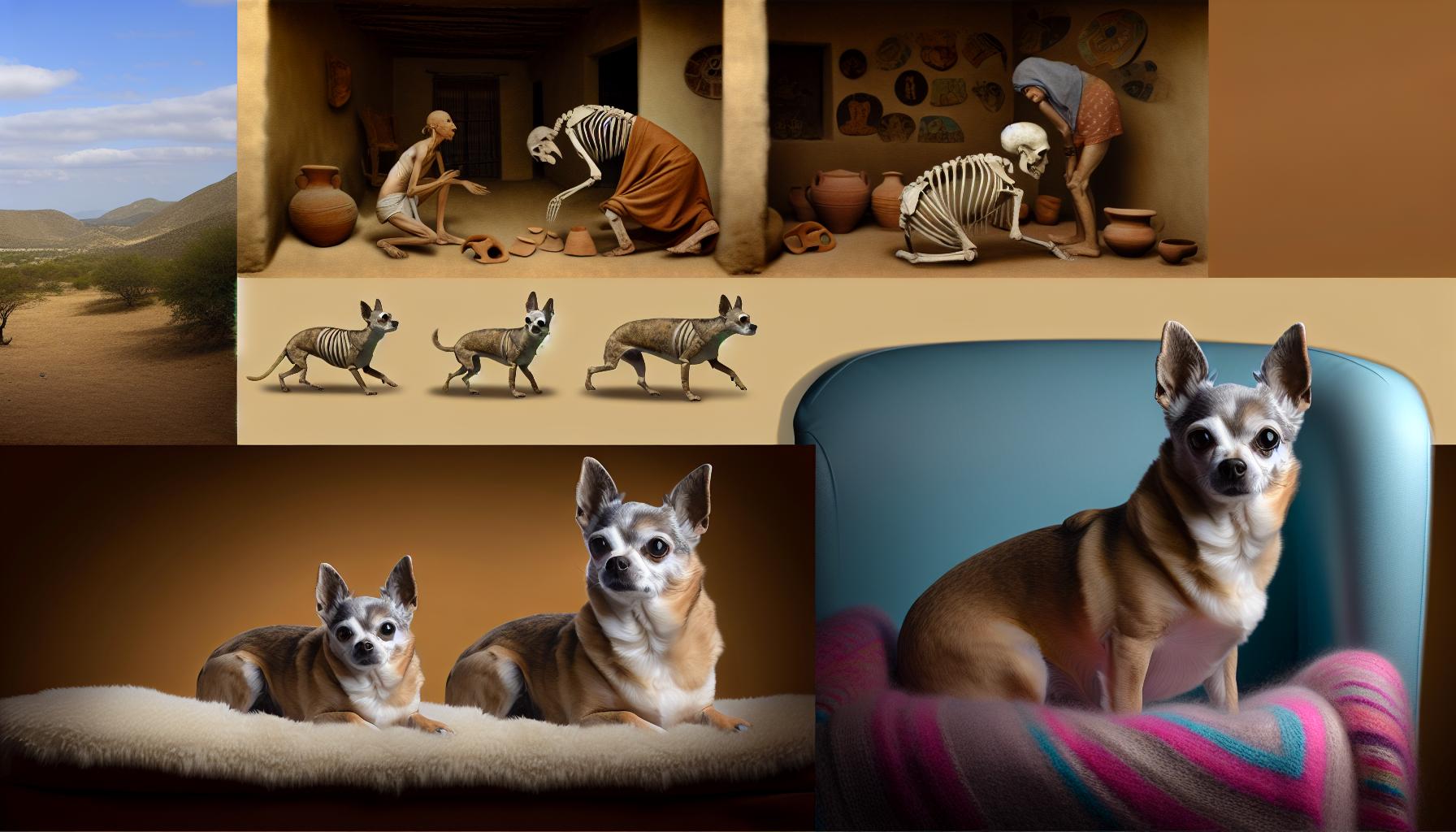
Chihuahua Breed Development: From Ancient Times to Today
Chihuahuas, with their tiny stature and massive personalities, are not just pets-they’re steeped in history. Evolving from their ancient ancestors, the Techichi, these spirited little dogs have traveled through time alongside humans, adapting and changing while retaining the core traits that make them beloved companions today. The breed’s development reflects a fascinating journey from pre-Columbian times in Mexico to the modern era, where they showcase not only diversity in appearance but also a deep emotional bond with their owners.
Throughout the centuries, the evolution of Chihuahuas has been influenced by external factors, including cultural exchange and selective breeding. Initially enjoyed by the Toltec civilization, the Techichi were revered as companions, often interred with their owners to accompany them in the afterlife. Following the Aztec conquest, these small dogs were integrated into the culture, leading to a spread of the breed across the region. The Spanish colonizers introduced Chihuahuas to Europe in the 1500s, marking the beginning of their recognition on a global scale. Today, you may find two primary types of Chihuahuas: the apple-head, characterized by its round skull and larger eyes, and the deer-head, with its elongated face and more refined features.
In the modern era, Chihuahuas have continued to capture the hearts of dog lovers around the world. Breeders today focus on refining particular traits while ensuring the dogs maintain their health and temperament. However, this popularity has come with concerns about inbreeding and genetic health issues. Owners should prioritize health assessments and choose reputable breeders who engage in responsible practices. For example, a Chihuahua with proper socialization is less likely to exhibit anxiety or aggressive behavior, showcasing a blend of genetics and upbringing.
As a Chihuahua owner, it’s essential to celebrate the unique quirks that make your furry friend special. Whether it’s their bold barks or undying loyalty, understanding their lineage enriches your relationship. Always remember to provide ample care-regular vet visits, a balanced diet, and consistent training help nurture these tiny companions. With their rich history in mind, you can enjoy the vibrant journey of having a Chihuahua, a breed filled with love, charm, and a touch of mischief.
Key Characteristics of the Chihuahua: Size, Coat, and Temperament
Chihuahuas may be small, but their presence is anything but! With a personality that often outshines their pint-sized stature, they are one of the most charming breeds around. Typically weighing between 2 to 6 pounds, these little dogs are known for their bold and confident demeanor. Their compact size makes them ideal companions for various living situations, whether in bustling urban environments or cozy countryside homes. Their delicate yet sturdy build allows them to navigate their environments with agility while still being robust enough to withstand everyday life.
Chihuahuas come in two distinctive head types: the apple-head and the deer-head. The apple-head has a rounded skull with a more pronounced forehead and larger eyes, giving them an adorable, almost cartoonish appearance. In contrast, the deer-head features a longer, narrower skull and a more refined face. Both varieties reflect the unique charm of the breed, and both types can be equally affectionate and spirited.
One of the most delightful aspects of Chihuahuas is their impressive coat variety, which can range from short to long hair. Short-haired Chihuahuas have a sleek, shiny coat that is easy to maintain, while their long-haired counterparts flaunt a more luxurious, flowing fur. This variety not only adds to their aesthetic appeal but can also influence their grooming needs. Owners should be aware that while the short-haired variety typically requires less upkeep, the long-haired variety benefits from regular brushing to prevent tangles and mats.
In terms of temperament, Chihuahuas are known for their loyalty and tenacity. They often form incredibly strong bonds with their owners, showcasing a protective nature that belies their size. This breed is also known for being vocal, often barking to alert their humans to any perceived threats, making them surprisingly effective little watchdogs. However, this boldness can sometimes lead to challenges, particularly with proper socialization. To embrace their traits positively, early socialization and consistent training are essential. Engaging your Chihuahua with various people, pets, and environments helps them develop into well-rounded companions, reducing the likelihood of excessive barking or anxiety.
Overall, the distinctive characteristics of Chihuahuas-their size, varied coat types, and unique temperaments-make them a wonderful addition to any household. By understanding and appreciating these traits, you can provide your Chihuahua with the care and training they need to thrive and showcase the endearing quirks that make them so special.
The Role of Chihuahuas in Mexican Culture and Heritage
Chihuahuas hold a special place in the heart of Mexican culture, deeply intertwined with the country’s rich history and identity. These small yet spirited dogs are believed to have descended from the Techichi, a companion dog revered by ancient Mesoamerican civilizations, including the Toltecs and Aztecs. Artifacts and historical records reveal that these early ancestors were not only cherished as pets but also played significant roles in spiritual practices and rituals, often accompanying their owners in the afterlife.
As you explore the cultural significance of Chihuahuas, you’ll find that they symbolize loyalty and companionship-a trait that resonates deeply within Mexican families. Owners frequently share stories illustrating this bond. For example, they recount how their Chihuahua, whether an apple-head with its charming round face or a sleek deer-head, forms a connection that seems to transcend mere pet-owner relationships. Some owners highlight how their chihuahuas engage with family traditions, from participating in festive celebrations to warming laps during family gatherings, embodying the spirit of togetherness.
The breed’s representation in folklore and art further underscores its cultural impact. Chihuahuas are often featured in paintings, textiles, and pottery, showcasing their status as iconic symbols of Mexican heritage. They are celebrated in festivals and parades, where you might see them proudly trotting alongside their owners, donning festive outfits. This visibility cements their role in contemporary Mexican culture, reminding everyone that these dogs are more than just adorable companions; they’re part of a broader narrative that treasures canine loyalty and joy.
Understanding the profound connection between Chihuahuas and their Mexican roots can enhance your appreciation of the breed. Their history as revered companions speaks to their unique temperament-often bold, vocal, and fiercely loyal. This personality makes them not only great pets but also excellent cultural ambassadors, representing a rich legacy of love and companionship from Mexico to the world. Whether you’re a seasoned Chihuahua enthusiast or a new owner, recognizing this heritage can deepen your bond with your little friend and enrich your experience together.
Evolution of Chihuahua Breeding Practices
The is as rich and intricate as the breed itself. Originally cherished as companions by ancient Mesoamerican cultures, these small dogs were primarily bred for their loyalty and companionship rather than for specific physical traits. Over time, however, this focus shifted, influenced by more contemporary needs and aesthetic preferences.
Breeders aimed to emphasize certain characteristics, resulting in distinct types like the apple-head and deer-head Chihuahuas. The apple-head is known for its rounded skull and short muzzle, which many find irresistibly adorable. Conversely, the deer-head has a longer muzzle and a more elongated body, giving it a different charm that appeals to various enthusiasts. This distinction helps potential owners understand the differences in temperament and appearance that their Chihuahua might exhibit.
Key Changes in Breeding Practices
Historically, the breeding focus was generally on temperament and health. As the breed gained popularity in the United States and worldwide, breeders began experimenting more with genetic traits to enhance specific looks and behaviors. This shift led to a variety of coat colors and patterns, from fawns to chocolates, and even long-haired varieties, providing a broader selection for owners.
One practical consideration for prospective Chihuahua owners is the variety in health issues that can arise from intensive breeding practices. Several owners have noted that while their apple-head Chihuahua boasts a charming appearance, they may be prone to certain genetic conditions. Owners must be active advocates for their pup’s health; regular vet check-ups and awareness of breed-specific issues-like patellar luxation or heart problems-are crucial.
By understanding the , you can better appreciate your little companion’s unique traits. If you’re considering adding a Chihuahua to your family, researching reputable breeders who prioritize health and temperament can make all the difference. Embrace the quirks that make Chihuahuas special-whether they’re boldly defending their territory or curling up in your lap during a quiet evening. Such knowledge enhances not only your bond with your Chihuahua but also the joy of sharing your life with such a unique and endearing breed.
Health Considerations: Common Issues in Chihuahuas
Chihuahuas are delightful little companions, known for their larger-than-life personalities. However, like many purebred dogs, they come with unique health considerations that prospective owners should be aware of. Understanding these issues can help you take proactive steps to ensure your furry friend lives a long, healthy life.
First and foremost, dental problems are common in Chihuahuas due to their small mouths. Regular dental care, including brushing their teeth and providing dental treats, is essential to prevent plaque buildup and tooth decay. Many owners find that incorporating dental hygiene into their Chihuahua’s routine not only improves their health but also strengthens the bond between them.
Another prevalent issue in the breed is patellar luxation, where the kneecap dislocates from its normal position. This condition can lead to pain and difficulty walking. If you notice your Chihuahua limping or holding up a leg, it’s crucial to consult your veterinarian. Early diagnosis can make a significant difference in managing this condition effectively.
Heart problems, particularly mitral valve disease, are also significant concerns. Routine check-ups can help detect any early signs, allowing for timely intervention. Chihuahuas are known for their spirited nature, but if you notice your pup becoming lethargic or having difficulty breathing, it’s essential to seek veterinary advice without delay.
To support overall health, providing a balanced diet and appropriate exercise is vital. Chihuahuas may be small, but they require regular playtime to maintain a healthy weight and stimulate their energetic minds. Engaging in activities like short walks or interactive games can keep them physically fit and mentally sharp.
By staying informed and proactive about these common health issues, you can enhance your Chihuahua’s quality of life. Regular veterinary visits, a focus on dental care, and a balanced lifestyle will ensure your loyal companion thrives, providing you with all the joy that comes from having such a special little friend by your side.
Grooming and Care Needs for Chihuahuas
Chihuahuas may be small, but they have big grooming and care needs that every owner should embrace. With their distinct personalities and unique characteristics, these spirited little dogs deserve attention to detail when it comes to their grooming regimen. Understanding their coat types, sensitivity to cold, and dental health requirements will not only ensure they look fabulous but also thrive in their environment.
Haircare is one of the most important aspects of grooming for Chihuahuas. These dogs come primarily in two coat varieties: smooth and long-haired. While smooth-coated Chihuahuas require minimal grooming, regular brushing helps reduce shedding and maintain a shiny coat. Long-haired Chihuahuas, on the other hand, need more frequent attention to prevent tangles and mats. A gentle slicker brush works wonders in keeping their fur smooth and healthy.
Regular dental care is crucial for Chihuahuas due to their small mouths, which can harbor plaque and lead to dental issues. Owners should aim to brush their Chihuahua’s teeth several times a week, if not daily. Utilizing flavored dog toothpaste can make this task enjoyable for your pup. Additionally, providing dental chews can promote oral health while satisfying their natural chewing instincts.
Chihuahuas are sensitive to temperature changes, making proper care essential throughout the year. During colder months, consider using a stylish, warm sweater when you take your Chihuahua outside. This can help protect them from chills and keep them comfortable. In warmer seasons, ensure they have ample access to shade and fresh water, as these tiny dogs can easily overheat.
Finally, regular vet visits should be part of your care routine. Maintaining vaccinations, heartworm prevention, and routine check-ups will help catch any potential health issues early. A proactive approach to your Chihuahua’s health will ensure many joyful moments together.
By understanding and integrating these grooming and care needs into your routine, you’ll celebrate the quirks of your loyal little companion while fostering a healthy lifestyle. The bond formed through these shared activities is just one of the many joys of owning a Chihuahua.
Training Your Chihuahua: Tips and Techniques
Training a Chihuahua can be an enriching experience, not just for your pup but also for you as an owner. These tiny dynamos come with a wealth of personality-bold, vocal, and fiercely loyal. Yet, their assertive nature can lead to some unique challenges during training. Start by harnessing their natural curiosity and intelligence. Chihuahuas are quick learners, but you’ll need to keep sessions light and engaging to maintain their attention.
Consistency is key when teaching your Chihuahua. Use positive reinforcement methods, such as treats or praise, to reward good behavior. For instance, if your apple-head Chihuahua sits on command, celebrate this small victory with a delighted tone and a tasty treat. This not only reinforces the behavior but also strengthens your bond. Keep training sessions short-around five to ten minutes-since their focus can wane quickly. Aim for multiple short sessions throughout the day rather than one long session.
Understanding that Chihuahuas can be sensitive to harsh discipline is critical. Instead of shouting or using negative reinforcement, redirect undesired behaviors with positive alternatives. For example, if your Chihuahua tends to bark at the mailman, redirect their energy by teaching them to sit or go to their bed when the doorbell rings. This will not only reduce the barking but also instill a sense of order in your household.
Socialization is another critical aspect of training. Introduce your Chihuahua to various environments, people, and other animals early on. A well-socialized Chihuahua is more likely to adapt well to new situations and display balanced behavior. Consider hosting playdates with gentle dogs or enrolling your pup in a puppy kindergarten class. These experiences allow her to learn proper interactions and hierarchy while having fun.
Finally, be patient. Chihuahuas have unique personalities that sometimes require a tailored approach to training. Celebrate their quirks-whether it’s that sassy attitude or their determination to patrol the house like a guardian. With love, patience, and the right techniques, you’ll nurture a well-behaved Chihuahua who’s as joyful and affectionate as he is spirited.
Understanding Chihuahua Behavior: Personality Traits and Quirks
Chihuahuas are often described as having larger-than-life personalities, a trait that’s as iconic as their tiny stature. Their boldness and self-confidence can turn heads, making them a beloved companion for many. Despite their small size, they act like the true guardians of their homes, often barking at anything that piques their curiosity or seems out of place. This protective instinct is a hallmark of the breed, originating from their ancient roots as companions to the once mighty civilizations of Central Mexico.
Understanding the behavioral traits of Chihuahuas can deepen your bond with your furry friend. These little dogs are incredibly vocal; they will express their needs and feelings robustly. Whether it’s barking at a passing car or alerting you to a stranger, their vocalizations serve as key communicative tools. To help manage their spirited nature, it’s important to engage them mentally as well as physically. Puzzle toys, training exercises, or simply teaching them new tricks can be excellent ways to channel their energy into productive behavior.
Socialization plays a critical role in shaping a Chihuahua’s temperament. Exposing them to different people, environments, and other pets can diminish anxiety and help them develop into well-rounded companions. For instance, one owner shared how inviting friends over regularly allowed her Chihuahua to become accustomed to new faces, easing her tendencies to bark excessively at visitors. Early social interactions enable your Chihuahua to feel more secure in various situations, fostering a relaxed and confident demeanor.
It’s also vital to recognize and embrace the quirks that make Chihuahuas unique. From their penchant for snuggling under blankets to their love for perching on your shoulder like a living accessory, these behavioral idiosyncrasies are endearing. Each Chihuahua has a distinct personality; one might be a brave explorer, while another might prefer the comfort of home. Tailoring your approach to fit their unique character not only enhances their quality of life but also enriches your experience as a devoted owner. By celebrating these personality traits and quirks, you ensure that your Chihuahua flourishes in an environment that recognizes their extraordinary nature.
Chihuahuas in Modern Society: Popularity and Lifestyle Adaptations
In recent years, Chihuahuas have surged in popularity, becoming one of the most recognizable breeds across the globe. Their petite size and sassy personalities make them an ideal companion for city dwellers and families alike. Despite their small stature, these dogs are known for their big hearts and even bigger attitudes. As they capture the fascination of first-time dog owners and seasoned enthusiasts alike, their presence has adapted seamlessly to modern lifestyles.
Chihuahuas thrive in diverse living situations, from compact apartments to bustling households. Their adaptability is one reason they fit so easily into contemporary life. Thanks to their low exercise requirements, they can maintain a happy life even with short daily walks. Owners often share anecdotes about how their Chihuahuas warm up any space, turning a simple gathering into a lively affair with their vocal contributions and curious antics. Moreover, socialization is a breeze; they often enjoy trips to dog-friendly cafés or parks, where their confidence and charisma shine.
Despite their small size, Chihuahuas are highly trainable, making them a popular choice for those who seek a loyal companion with a knack for learning tricks. Many owners have reported that their Chihuahuas excel in obedience classes and love to show off their skills. Whether perfecting a ‘sit’ or learning to navigate agility courses, these little dynamos can stun onlookers with their talent. Additionally, their striking appearance-varying from apple-heads to deer-heads-offers something for everyone, allowing prospective owners to find a Chihuahua that matches their aesthetic.
However, the breed’s popularity has also necessitated a greater emphasis on responsible breeding practices. Prospective owners must be diligent in choosing reputable breeders who prioritize health and temperament to avoid common Chihuahua health concerns. By adopting or seeking out puppies from ethical sources, owners can ensure they welcome a healthy, well-adjusted companion into their homes. Embracing these principles not only supports the breed’s integrity but also enhances the joy of dog ownership, allowing Chihuahuas to continue to thrive in modern society.
Choosing the Right Chihuahua for You: Adoption vs. Breeder
Selecting the right Chihuahua for your home can be an exciting yet daunting decision, especially given their rich history and unique traits. Understanding the two main pathways to welcoming a Chihuahua into your life-through adoption or purchasing from a breeder-can help ensure you find a perfect match that aligns with your lifestyle and values.
Chihuahuas hold a special place in the hearts of many, known for their charming personalities and remarkable loyalty. When considering adoption, you might find yourself drawn to rescue organizations or shelters. Many wonderful Chihuahuas are looking for loving homes, and adopting one can be a deeply rewarding experience. Just think of Bella, a lively five-year-old rescue who transformed the lives of her new family with her playful nature and quick wit. Often, rescues are already familiar with basic training, making the transition into your home smoother.
Key Considerations for Adoption
Before adopting, consider the following:
- Health Screenings: Many shelters conduct initial health checks, but it’s recommended to have a veterinarian evaluate your new pet.
- Behavior Assessment: Spend time observing how the Chihuahua interacts with others and responds to various environments.
- Support Network: Research local support groups for new Chihuahua owners, as they can provide guidance and resources post-adoption.
On the other hand, purchasing from a reputable breeder allows you to select specific traits, such as size, coat type, and even personality. Responsible breeders can provide insights into the lineage and health history of the puppies, minimizing the risk of inherited health issues like dental disorders or heart disease-a common concern in Chihuahuas. If you’re enamored with the apple-head variety, a good breeder will help you understand the nuances of caring for them properly, from their specific grooming needs to their playful behavior.
Key Considerations for Choosing a Breeder
If you decide to go the breeder route, keep these points in mind:
- Reputation: Seek breeders with a solid reputation, evidenced by positive reviews and clear commitment to the breed.
- Health Testing: Ensure they conduct health screenings and provide a health guarantee for their puppies.
- Socialization: Ask how they socialize their puppies, as positive early interactions can shape a confident companion.
Ultimately, whether you choose to adopt or purchase, finding a Chihuahua that fits well with your family and lifestyle is paramount. Be patient in your search, and don’t hesitate to seek advice from fellow Chihuahua enthusiasts. Each Chihuahua is unique and deserves a loving home where their vibrant personality can shine. Celebrate their quirks, and you’ll find that this little breed will bring boundless joy and loyalty into your life.
Celebrating the Unique Traits of Chihuahuas: What Makes Them Special
Chihuahuas are not just tiny companions; they are vibrant little beings filled with personality and charm. Their history dates back to ancient Mexico, where these spirited dogs were cherished and revered. Understanding the unique traits of Chihuahuas deepens our appreciation for them, showcasing their special place in both historical and modern contexts.
One of the most striking features of Chihuahuas is their bold confidence. Despite their small stature, they exhibit a larger-than-life attitude. This breed is known to be courageous and fiercely loyal to their owners. For example, many Chihuahua owners recount how their dogs often fearlessly confront much larger dogs, displaying a remarkable level of bravery that is both amusing and endearing. This fearless nature often requires owners to provide guidance and training to help them navigate social interactions effectively.
Their vocal nature is another defining trait. Chihuahuas are known for being quite talkative, expressing themselves with a range of barks, yips, and even growls. This vocalization can be both a blessing and a challenge. While some owners enjoy their little ones’ chatter, others may need to manage excessive barking-especially if they live in an apartment or have close neighbors. Utilizing positive reinforcement training to redirect barking at inappropriate times can greatly enhance the household harmony.
Chihuahuas also boast a unique physical diversity. With variations such as the apple-head and deer-head types, along with different coat lengths and colors, each Chihuahua is distinct. For instance, an apple-head Chihuahua is characterized by a rounded head and large eyes, exuding a cute and doll-like appearance, while a deer-head Chihuahua has a more elongated face and svelte build. Understanding these differences can help potential owners choose a Chihuahua that best fits their aesthetic preferences and lifestyle needs.
When it comes to care, their size makes them suitable for various living situations, but it doesn’t mean they require less attention. Chihuahuas thrive on companionship and can develop separation anxiety if left alone for extended periods. Owners should create a nurturing environment and engage in regular playtime to keep their Chihuahuas happy and well-adjusted. This includes mental stimulation through toys and training exercises which are crucial for this intelligent breed.
Overall, celebrating the unique attributes of Chihuahuas-from their spirited personalities to their eclectic physical traits-allows us to honor their legacy and enjoy their company fully. Whether you’re a first-time owner or a seasoned Chihuahua lover, embracing what makes this breed special enriches the bond you share with your tiny companion.
FAQ
Q: What is the history of the Chihuahua breed?
A: The Chihuahua’s history dates back to ancient Mexico, believed to descend from the Techichi, a companion dog of the Toltec civilization. This breed was later refined through crossbreeding with other small dogs, which shaped its distinctive characteristics seen today.
Q: Are Chihuahuas considered a natural breed?
A: While Chihuahuas are often regarded as a ‘natural’ breed, their development involved selective breeding practices. Initially, they served as companion animals, but over time, breeding focused on aesthetics, creating the diverse appearances we see now.
Q: What were Chihuahuas originally bred for?
A: Chihuahuas were originally bred as companion animals in ancient civilizations. Their small size made them ideal for being portable companions, which aligned with the lifestyle of many people in pre-Columbian Mexico.
Q: How has the breed standard for Chihuahuas changed over time?
A: The breed standard for Chihuahuas has evolved significantly, especially with increased popularity in the 20th century. Early standards emphasized utility and temperament, while modern standards often prioritize size, coat types, and conformation.
Q: Are Chihuahuas naturally occurring in the wild?
A: No, Chihuahuas do not occur naturally in the wild. Their development is entirely linked to human involvement in breeding, making them domesticated pets with no wild ancestors or variations.
Q: When did Chihuahuas become popular outside of Mexico?
A: Chihuahuas gained popularity outside Mexico in the late 1800s, primarily in the United States. Their rise in fame was fueled by celebrity endorsements and their appearance in films, leading to increased demand for ownership.
Q: What genetic traits are common in Chihuahuas?
A: Common genetic traits in Chihuahuas include their small size, distinctive apple-head shape, and coat variations that range from smooth to long-haired. These traits have been shaped by their breeding history and environmental factors.
Q: How do Chihuahuas fit into Mexican culture?
A: Chihuahuas hold a special place in Mexican culture, often symbolizing loyalty and companionship. They are featured in art and folklore and are celebrated in festivals, strengthening their identity as a cultural icon.
Closing Remarks
In exploring the history and development of Chihuahuas, we’ve uncovered how this beloved breed’s natural instincts and unique traits have evolved. Understanding their health needs, behavior patterns, and care requirements is crucial for every owner. Whether you’re new to the Chihuahua community or a seasoned enthusiast, embracing their vocal loyalty and bold personality enhances your bond with these tiny companions.
Ready to dive deeper? Check out our articles on Chihuahua health tips and how to train your little buddy for success. And don’t forget to join our newsletter for ongoing insights and community stories that celebrate all things Chihuahua! Your feedback is invaluable-share your experiences and questions in the comments below. By connecting with us, you ensure your Chihuahua’s happiness while experiencing everything this fantastic breed has to offer. Remember, every moment spent with your Chihuahua is a treasured one; let’s make them count together!
Get our latest guides, news, and insights highlighted in your Google Search & AI Overviews.