
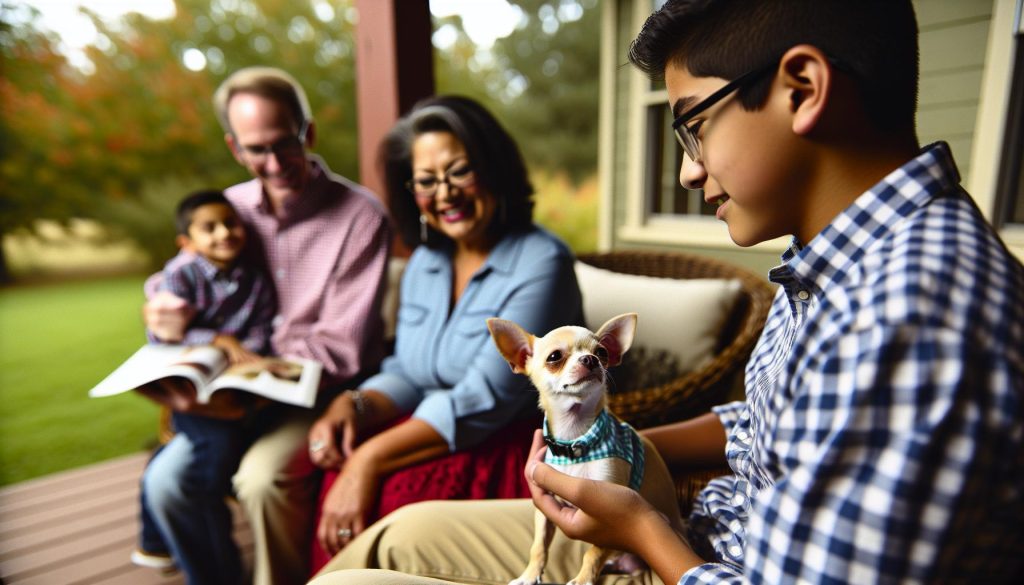
If you’re considering bringing a Chihuahua into your home, you’re in for a delightful journey! These tiny companions are bursting with personality-loyal, vocal, and undeniably bold. However, their unique traits come with specific needs and challenges that any new owner should understand. In this guide, we’ll explore essential factors such as their health, behavior, and care requirements, helping you determine if a Chihuahua is the right fit for your lifestyle. With insights from seasoned owners and practical advice, you’ll gain the confidence needed to make an informed decision. Stay with us as we dive into the wonderful world of Chihuahuas, ensuring that you feel supported and excited about the possibility of welcoming a furry friend into your life!
Considerations Before Getting a Chihuahua
Getting a Chihuahua can be a joy, but it’s important to understand the unique considerations involved in welcoming this spirited little companion into your life. Chihuahuas, while small in stature, are known for their larger-than-life personalities. They are incredibly loyal, fiercely protective, and often act as though they are much bigger than they actually are. This breed is not just a pet; they become a significant part of your daily life and will expect your attention and affection in return.
Before bringing one into your home, consider the time and energy you’ll need to devote to him. They thrive on social interaction and can develop separation anxiety if left alone for long periods. Chihuahuas also have a reputation for being vocal. While this spirited behavior can be charming, it’s not uncommon for them to express their opinions loudly. Those who live in apartments or shared spaces may need to think about how this incessant barking will affect their neighbors.
Furthermore, Chihuahuas are sensitive to temperature changes due to their small size and thin coat, making them more susceptible to extreme heat or cold. Providing a cozy blanket and appropriate clothing, especially during winter, is essential to keep them comfortable. Lastly, while they don’t require extensive exercise compared to larger breeds, they do benefit from regular playtime to keep their minds and bodies stimulated.
In short, a Chihuahua can bring immense joy and companionship if you are ready to embrace their quirky, loving nature. Understanding their needs and ensuring you can meet them will lead to a fulfilling relationship with your new furry friend.
Understanding the Unique Chihuahua Personality
Chihuahuas boast an undeniable charisma that captivates many dog lovers. Their petite size doesn’t diminish their bold personalities; in fact, they often consider themselves the rulers of their domain. These little dogs are packed with charm, loyalty, and an attitude that can take you by surprise. For first-time owners, grasping the essence of the Chihuahua personality is key to nurturing a loving and understanding relationship.
One of the most remarkable traits of Chihuahuas is their unwavering loyalty. They thrive on companionship and often form deep bonds with their humans. It’s not unusual for your Chihuahua to follow you from room to room, keeping a watchful eye on you. This loyalty can border on possessiveness; they may be wary of strangers or other animals, exhibiting protective behaviors when they feel their loved ones are threatened. Socializing your Chihuahua from a young age is vital. Familiarizing him with diverse people and environments helps him relax and feel secure in unfamiliar situations.
Chihuahuas are also known for their vocal nature. This breed is one of the most talkative, and while their barking can be amusing, it can also lead to conflicts, especially in noise-sensitive environments like apartments. Encouraging quiet behavior and rewarding calmness can help manage excessive barking. Training should be consistent and positive; Chihuahuas respond better to gentle guidance than to harsh reprimands.
Additionally, Chihuahuas come in various shapes and sizes, including the popular apple-head and deer-head varieties. Each type has its own unique charm and quirks, but they all share a zest for life that is contagious. Be prepared for plenty of playful antics and affectionate moments. With the right approach and understanding, welcoming a Chihuahua into your life can lead to countless joyful experiences and a bond that brings immense fulfillment.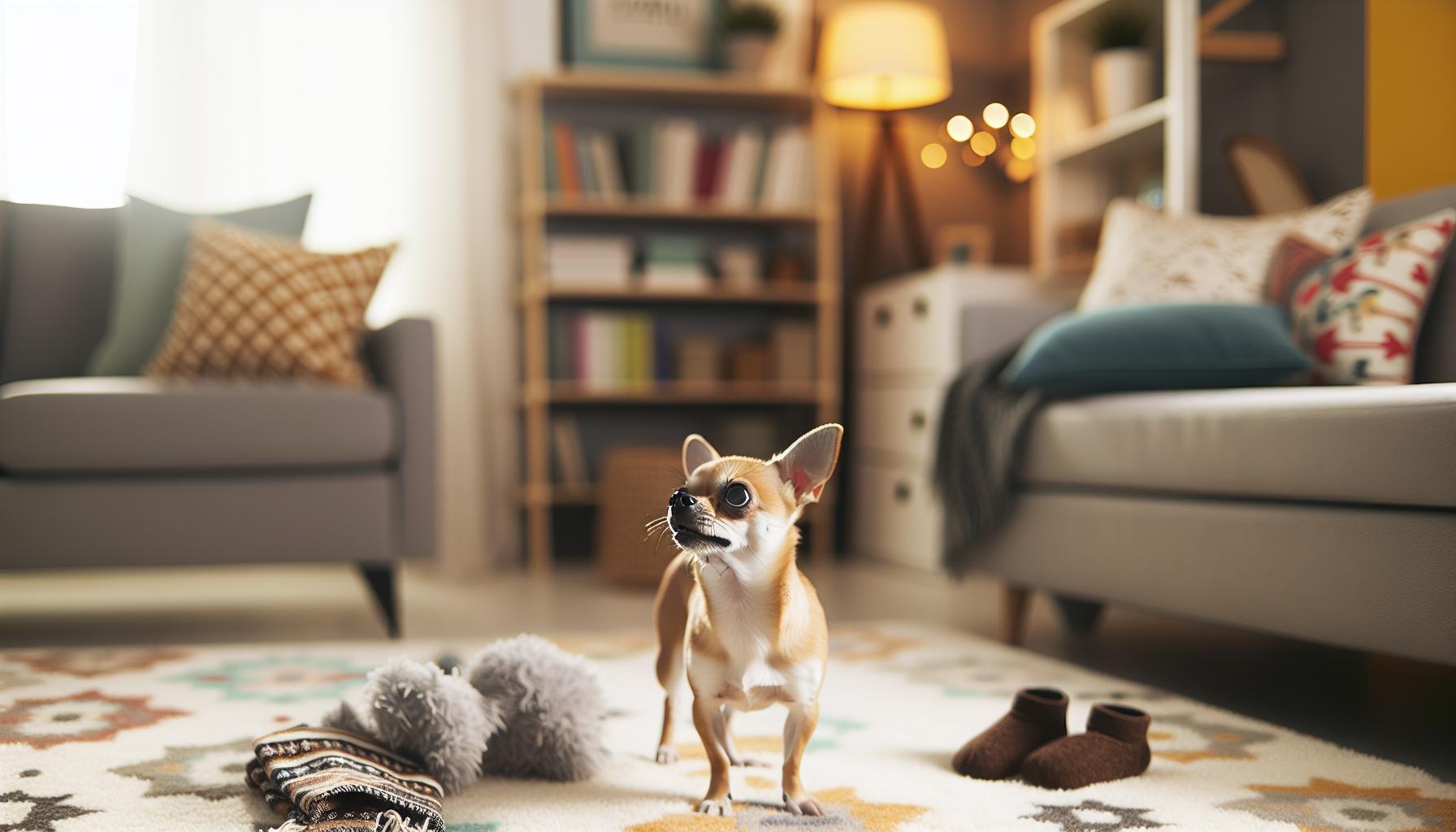
Chihuahua Health: Common Issues and Care Tips
Chihuahuas, with their vibrant personalities and petite frames, are a joy to have as companions, but they also come with their share of health considerations. Being aware of common health issues can prepare you for potential challenges and ensure your little friend lives a long, happy life. This breed is known for certain genetic predispositions and lifestyle-related conditions that every owner should know.
One prevalent concern among Chihuahuas is patellar luxation, which occurs when the kneecap dislocates from its normal position. This can lead to limping or difficulty in movement. Regular vet check-ups are vital, and if you notice your Chihuahua favoring a leg, it’s worth discussing with your veterinarian. Additionally, dental disease is particularly significant in this breed. Due to their small mouths, Chihuahuas often suffer from overcrowded teeth, leading to plaque build-up and gum issues. Daily brushing with a toothbrush designed for dogs can help maintain their oral health.
Another issue is hypoglycemia, or low blood sugar, which is especially a risk for younger Chihuahuas or those that are too thin. Symptoms can include weakness, lethargy, or even seizures. Feeding smaller, more frequent meals can help regulate their blood sugar levels, along with keeping a source of glucose on hand (like honey or syrup) in case of emergencies.
To keep your Chihuahua healthy, ensure they have a balanced diet tailored to their specific needs. Quality commercial dog food designed for small breeds often suffices, but you may also consider supplements for joint health or dental chews that promote oral hygiene.
Staying active is crucial too. Chihuahuas are spirited and need daily exercise, which can be achieved with short walks or play sessions. However, be cautious with extreme temperatures; their small size makes them susceptible to both heat and cold. Always adapt activities to the weather, keeping your furry friend safe and comfortable.
In essence, embracing the quirky, bold nature of your Chihuahua means also being proactive about their health. Regular vet visits, proper diet, and attention to their unique needs will foster a healthy relationship full of playful antics and love. Celebrate their quirks and enjoy the journey with your tiny companion!
Training Your Chihuahua: Techniques for Success
Chihuahuas may be one of the smallest dog breeds, but their personalities are anything but small! Their spirited nature means they often come with a unique set of challenges when it comes to training. To effectively train your Chihuahua, you’ll need to consider their boldness, intelligence, and sometimes stubborn streak. Here’s how to harness that feisty spirit and transform it into a well-behaved companion.
Start with positive reinforcement. Chihuahuas respond extremely well to rewards, so using treats, praise, and playtime can help you make training enjoyable for both of you. For instance, when teaching your Chihuahua basic commands like “sit” or “stay,” reward her immediately after she performs the command correctly. This immediate feedback reinforces the behavior you want to see. Similarly, if she gets distracted or refuses to obey, avoid punishment, as it may cause anxiety and resistance. Instead, keep sessions short-10 to 15 minutes is ideal for maintaining her focus.
Understanding Chihuahua Quirks
Chihuahuas are famous for their vocal tendencies, often barking to assert themselves. This trait can be beneficial during training, as it can help you teach her commands like “quiet” or “enough” when she barks excessively. Use a calm tone and provide a treat when she stops barking on command. It’s vital to remember that while their barks can seem fierce, this small dog will often feel intimidated. Training should focus on building her confidence so that she feels secure when meeting new situations or pets.
Additionally, Chihuahuas often exhibit a protective nature towards their owners. Socialization is crucial from a young age. Introduce her to different environments, people, and other animals. This will help reduce anxiety and prevent aggressive behaviors later on. Setting up playdates with familiar dogs can also create positive experiences, reinforcing her social skills. A well-socialized Chihuahua grows into a confident adult, eager to greet the world rather than retreat from it.
Consistency is Key
When it comes to commands and expectations, consistency is essential. Use the same word for the same command every time, and ensure everyone in your home does the same. This helps her learn more effectively. For example, if you’re teaching her to go outside to do her business, take her out at the same times each day, and reward her when she goes outside rather than indoors.
Lastly, remember to be patient and enjoy the process. Every Chihuahua has her own personality and pace of learning. Celebrate small successes along the way. Whether it’s a new trick or just her coming when called, acknowledging progress fosters trust and makes training a fulfilling experience for both of you. By committing time and effort, you’ll create a companion who embodies the vibrant character of her breed, bringing joy and laughter into your home.
Nutrition Needs: Feeding Your Chihuahua Right
Feeding a Chihuahua involves careful consideration due to their petite size and unique metabolism. These spirited little companions can thrive on the right diet, which not only supports their health and energy but also keeps their hearts and minds engaged. It’s essential to choose high-quality dog food tailored specifically to Chihuahuas’ needs, considering their dietary requirements to ensure they maintain a healthy weight and receive all the necessary nutrients.
When selecting food, look for options that contain real meat as the primary ingredient-this is crucial for their muscle maintenance and overall energy levels. Chihuahuas benefit from a balanced diet rich in protein, with some healthy fats for energy. Aim for premium dog foods that have named meat sources, such as chicken or beef, prominently listed in the ingredient list. Remember, their small stomachs mean they require a concentrated source of nutrients rather than filler ingredients, which can lead to weight gain and digestive issues.
Portion control is vital. Since Chihuahuas are prone to obesity, it’s important to measure their food carefully. Most adult Chihuahuas should have about 1/4 to 1/2 cup of dry kibble daily, divided into two meals. Adjust based on your pup’s activity level and metabolism-an active Chihuahua may need more, while a less active one could be fine with less. Always consult your veterinarian for specific feeding recommendations, especially if your Chihuahua has unique health concerns.
Additionally, be mindful of treats. While it’s tempting to spoil your little friend, unhealthy snacks can lead to weight gain and other health complications. Opt for small, low-calorie treats, or better yet, use her kibble as training rewards. This not only keeps her diet balanced but also enriches her environment as she earns her meals through play and training.
Lastly, fresh water should always be available. Hydration is key for your Chihuahua’s overall health, and their small size means they can dehydrate quickly. If your Chihuahua is hesitant to drink, consider serving her water in a fun, shallow bowl or adding a splash of low-sodium broth to entice her. Keeping your little companion hydrated, coupled with mindful eating, lays the foundation for a long and vibrant life together.
Socialization: Making Friends with Your Chihuahua
Socialization is essential for your Chihuahua, shaping their interactions with people, other pets, and the world around them. Chihuahuas may be small, but their personalities can be larger than life, often leading to behaviors that stem from fear or misunderstanding. A well-socialized Chihuahua is generally more confident, less aggressive, and better equipped to handle new situations, making your life together more enjoyable.
Start socializing your Chihuahua as early as possible. Puppies are particularly receptive to new experiences, so introduce them to diverse environments, sounds, and people. For instance, take her to dog-friendly parks, where she can encounter other dogs and various sounds like children playing or people laughing. This exposure helps her learn that the world is a friendly place. Remember, each new experience should be positive; pairing new situations with treats or praises can make for a fun introduction.
Consider enrolling in puppy socialization classes. These structured environments provide opportunities for safe interactions with other dogs, as well as guidance from experienced trainers. Real owner experiences highlight that Chihuahuas can be quite vocal and may bark when they’re nervous or excited. A well-planned socialization approach will help reduce excessive barking from fear or anxiety.
Older Chihuahuas still benefit from socialization, though you might need to take it at a slower pace. If you adopt an older dog, spend extra time gently introducing her to new experiences. Be mindful of her body language; signs of discomfort like backing away or reducing tail wagging can indicate she needs a break. You can support her confidence by offering lots of encouragement and gradually increasing her interactions with the outside world.
Incorporating playdates into the routine can also enhance your Chihuahua’s social skills. Invite friends with dogs, preferably ones known to be sociable, into your home. Allowing her to interact in a controlled setting helps her adapt to new canine companions. Just like all training, consistency is key. Regular outings and interactions will build her confidence and lead to a well-rounded, happy Chihuahua that you can take anywhere. Remember, the goal is to foster trust in her surroundings, allowing her wonderful, quirky personality to shine through.
Grooming Essentials for Your Chihuahua
Caring for a Chihuahua’s grooming needs can be a delightful part of owning this charming breed. With their lively personalities and love for companionship, grooming sessions can become a bonding experience. Regular grooming not only keeps your furry friend looking fabulous but also plays a crucial role in their health. Chihuahuas come in both short and long-haired varieties, each requiring a different approach to grooming, so understanding your dog’s coat type is essential.
For short-haired Chihuahuas, a simple routine usually suffices. A good brushing once a week with a soft-bristled brush or a grooming mitt will remove loose hair and help keep their coat shiny. These little beauties don’t shed as much as some other breeds, but they can still benefit from a gentle brush to minimize hair floating around your home. Occasional baths are enough, as too much bathing can strip their coat of natural oils, leading to dryness and irritation.
On the other hand, long-haired Chihuahuas require a bit more attention. Regular brushing-ideally a few times a week-is key to preventing tangles and mats, especially around the ears and legs. Using a pin brush can help detangle any knots and keep their coat looking its best. Bathing these Chihuahuas can be done about once a month or as needed, always using a mild dog shampoo to protect their sensitive skin.
One cannot overlook the importance of dental hygiene in Chihuahuas, who are prone to dental issues. Brushing their teeth several times a week with dog-specific toothpaste can help prevent tartar build-up and maintain fresh breath. In addition to brushing, consider providing dental chews or toys designed to support oral health.
Regular nail trimming is also crucial. Chihuahuas have tiny, delicate paws, and long nails can lead to discomfort and even injury. Aim to trim their nails every 3 to 4 weeks, or as needed, depending on how quickly they grow. If you’re uncertain about how to trim their nails, seek advice from your veterinarian or a professional groomer to ensure you’re comfortable with the process.
Implementing these grooming practices not only promotes a healthy and happy Chihuahua but also creates opportunities for you to bond. Treating grooming as a pleasurable routine can turn what might be a chore into a moment of connection between you and your little companion, highlighting the beauty of this adorable breed.
Chihuahua Size and Living Space Requirements
Chihuahuas may be small, but their size means they often have unique living space needs that owners should consider. Generally weighing between 2 to 6 pounds and standing just 6 to 9 inches tall, this tiny breed can adapt well to a variety of living environments. However, they thrive in a home where their special needs are met. Keeping in mind their energetic and often feisty nature is crucial to ensuring they feel comfortable and secure within your space.
While Chihuahuas don’t require vast open spaces, they do benefit greatly from a safe area to explore and play. If you live in an apartment, having a designated space for your Chihuahua’s toys, a small bed, or a cozy blanket will help create a sense of belonging. A fenced yard is a great bonus, but regular walks and trips to dog parks, where they can socialize and burn off energy, are equally important. Owners should ensure that any outdoor space is secure, as Chihuahuas can be bold and curious, sometimes leading them into risky situations with larger pets or traffic.
Considerations for Space Setup
When preparing your home for a Chihuahua, keep in mind their curious and vocal personality:
- Safe Zones: Create safe spots where she can retreat when feeling overwhelmed, such as a quiet corner with her bed or a crate.
- Furniture Arrangements: Ensure your living space is comfortable with low furniture; Chihuahuas love to jump and perch in their owner’s laps or on sofas.
- Temperature Control: Chihuahuas can be sensitive to temperature changes; they thrive in a warm environment, so consider a cozy blanket or dog sweater during colder months.
- Environment Enrichment: Toys, interactive puzzles, and even a perch by a window will keep her entertained and stimulated.
Educating yourself about Chihuahua behavior, particularly their tendency to bond closely with their owners, helps when deciding how to structure your living space. Many owners find that Chihuahuas are happiest when included in family activities, whether nestled on a lap during movie night or joining in during craft time. With thoughtful space planning, you can create an environment that meets both the physical and emotional needs of your tiny companion, making for a happy, healthy home and a lifelong best friend.
Preparing Your Home for a Chihuahua
involves understanding their unique needs and creating a safe, comfortable environment where they can thrive. These tiny companions, often weighing between 2 to 6 pounds, have big personalities and radiate loyalty. Their small stature means they can adapt to various living situations, but certain adjustments will ensure they feel secure and happy in their new home.
One of the first steps is establishing a designated space for your Chihuahua. This area should include a cozy bed, their favorite toys, and a blanket, as Chihuahuas often appreciate having a personal nook to retreat to when they need a moment of quiet. If you have a crate, it can serve as a safe haven where she can rest without disturbances. Ensure this spot is away from noisy areas of the house so she can relax comfortably.
Because Chihuahuas are curious and energetic, it’s also crucial to adjust your furniture arrangement. They love to explore and can easily jump onto couches and beds, so having lower furniture can make it easier for them to access their favorite spots. Additionally, provide barriers for stairwells or high ledges to prevent accidental falls. Remember that Chihuahuas are sensitive to weather; keeping blankets available and ensuring warmth during colder months is vital.
Socialization is another important aspect of preparing your home. Introduce her to different areas of your living space gradually, allowing her to familiarize herself with her new surroundings. Consider setting up small play areas and incorporating engaging toys and puzzles that stimulate her mind. The more comfortable she feels with her environment, the more confident she will be in exploring it.
Lastly, ownership responsibilities include creating a secure outdoor space. If you have a yard, ensure it is fully enclosed to prevent her from wandering off, as Chihuahuas are bold and often inquisitive. Regular, supervised outdoor playtime and socialization with larger dogs will help her build confidence and develop proper behavior around other animals. By thoughtfully considering these aspects, you can create a welcoming home that caters to both the physical and emotional well-being of your Chihuahua, setting the stage for a fulfilling, joyful companionship.
Chihuahua Behavior: Understanding Their Quirks
Chihuahuas are renowned for their spirited personalities, which can often make them seem larger than life in their tiny frames. One captivating characteristic of Chihuahuas is their vocal nature; they tend to be quite chatty and may bark to communicate their feelings or alert their owners to something they perceive as unusual. This vocalization is part of their protective instinct, making them excellent watchdogs despite their small size. It’s important to recognize that while their barking can sometimes be excessive, it stems from a place of loyalty and a desire to defend their loved ones.
Another fascinating trait of Chihuahuas is their boldness. They might take on much larger dogs without a hint of fear, showcasing their brave spirit. This trait is particularly important for new owners to be aware of, as it can lead to confrontations with larger pets. Socialization from an early age is crucial; introducing your Chihuahua to a variety of environments, people, and pets can lessen their tendency to be overly aggressive or anxious. Remember, the goal is to help them feel secure in their environment, which ultimately elevates their confidence.
In terms of companionship, Chihuahuas form strong bonds with their owners, often following them around the house or seeking to cuddle close during quiet times. This affectionate behavior can be deeply rewarding, but it’s essential to set boundaries and teach them independence as well. For instance, establishing a safe space where your Chihuahua can retreat allows them to explore their independence without anxiety. Chihuahuas thrive on companionship but also enjoy a little time apart to recharge.
When considering their quirky behaviors, it’s crucial to appreciate the uniqueness of each Chihuahua. Some may develop odd habits, like spinning in circles or hiding toys, which can be endearing and entertaining. Embrace these quirks as part of their charm. Understanding that these behaviors can highlight their personalities helps foster a deeper bond and appreciation. For example, if your Chihuahua loves to burrow under blankets, provide them with cozy hiding spots to stimulate their natural instincts.
In summary, knowing a Chihuahua’s behavior and quirks is key to nurturing a happy and healthy relationship. Their bravado, vocal expressions, and affectionate nature are all parts of what makes them wonderfully unique companions. Open communication, fostering independence, and social exposure are vital to ensuring that they grow into well-adjusted members of your family.
Common Mistakes First-Time Chihuahua Owners Make
In the world of Chihuahuas, even the smallest missteps can lead to big challenges for first-time owners. These delightful little companions have distinct personalities that require a tailored approach to care and training. Understanding common pitfalls can help ensure a harmonious and fulfilling relationship with your new furry friend.
One major mistake new Chihuahua owners often make is underestimating their dog’s need for socialization. Chihuahuas, though small, possess a big-dog attitude and can be quite feisty. Failing to expose them to various environments, people, and other animals can lead to excessive barking or anxiety in unfamiliar situations. Regular socialization helps them develop confidence and reduces the likelihood of fear-based aggression. Consider arranging playdates with other dogs or visiting dog-friendly parks to create positive experiences.
Another frequent misstep is overlooking proper training. Chihuahuas are intelligent and can be trained effectively, but their stubbornness may tempt owners to give in to sweet, pleading eyes. This can lead to behavioral issues like excessive barking or resource guarding. Instead, establish clear rules from the beginning and use positive reinforcement techniques. For example, rewarding good behavior with treats or praise encourages your Chihuahua to repeat those actions.
Health care and nutrition are also critical aspects often neglected. New owners might not realize that Chihuahuas are prone to dental problems due to their small mouths. Daily tooth brushing and providing dental chews can help maintain oral health. Also, be mindful of their diet; these little dogs can gain weight quickly, which exacerbates health issues. Feeding high-quality dog food tailored to their age and activity level is essential for their well-being.
Lastly, understanding the need for a cozy, safe environment can’t be overstated. Chihuahuas thrive in an atmosphere where they feel secure and loved. Providing a dedicated space with soft bedding and safe toys helps them relax and recharge. Owners should also be cautious about leaving their Chihuahuas unsupervised, as their curious nature can lead to mischief or accidents.
By avoiding these common pitfalls, you can set the stage for a joyful and healthy relationship with your Chihuahua, appreciating their unique quirks and the love they bring into your life.
Real Stories: Life with a Chihuahua
Every Chihuahua has a unique story to tell, and these lively little dogs bring boundless joy and challenges into their owners’ lives. For many, sharing a home with a Chihuahua means more than just having a pet; it’s about cultivating a deep bond with a fiercely loyal companion. Their charismatic personalities-often characterized by a bold spirit and vocal nature-add a layer of warmth to any household.
Consider Sarah, a first-time Chihuahua owner who adopted a lively apple-head named Bella. At first, Sarah found Bella’s feistiness overwhelming. Bella’s suspicious barks at newcomers and her unwavering vigilance were a stark contrast to the calm demeanor she expected in a small dog. However, with time and patience, Sarah learned that Bella’s quirks were simply expressions of her personality. By incorporating regular socialization-bringing Bella to dog parks and arranging friendly meet-ups with other pets-Sarah transformed Bella into a confident and well-adjusted member of their community.
But it’s not all smooth sailing. Much like any dog, Chihuahuas can face specific health concerns. Take John, who discovered that his Chihuahua, Max, had dental issues that required frequent vet visits. Initially unaware of the breed’s predisposition to dental problems, John learned quickly that maintaining oral health is key. Daily teeth brushing and dental treats became part of their routine, and now Max shows off his pearly whites proudly-much to John’s relief.
Creating a safe, inviting home for your Chihuahua is essential. When Lisa brought home her long-haired Chihuahua, Mochi, she dedicated a cozy corner of her living room just for him. With plush beds, toys, and blankets, Mochi soon claimed his space. This thoughtful preparation not only helped Mochi feel secure but also minimized accidents caused by his curious exploration of the house.
Life with a Chihuahua is a blend of shared adventures and moments of learning. Every bark and wiggle tells a story, making them vibrant companions. As you contemplate welcoming one into your home, remember these real-life tales and the joys they bring. Embrace the quirks, prepare for the unique challenges, and know that the bond you’ll create will be as rewardingly distinctive as each Chihuahua’s personality.
Frequently asked questions
Q: What do I need to know about Chihuahua exercise requirements?
A: Chihuahuas need moderate daily exercise to stay healthy and happy. Aim for two short walks and some playtime each day. Their small size means they can get adequate exercise in smaller spaces, but mental stimulation through toys and training is also essential. For tips, check the section on Training Your Chihuahua.
Q: How do I choose the right Chihuahua for my lifestyle?
A: To find the perfect Chihuahua, consider your living situation and activity level. Different coat types and temperaments may suit varied lifestyles. Visit shelters or breeders, and spend time with potential pets to see if their personality fits your family’s needs. Refer to the Considerations Before Getting a Chihuahua section for more guidance.
Q: Are Chihuahuas good with children and other pets?
A: Chihuahuas can be good with children and other pets, but early socialization is crucial. Supervise interactions to ensure both the dog and kids are safe and comfortable. Some Chihuahuas may prefer a quieter home, so assess their temperament during introductions. Explore the Socialization: Making Friends with Your Chihuahua section for detailed tips.
Q: What are the grooming needs for a long-haired Chihuahua?
A: Long-haired Chihuahuas require more frequent grooming, ideally several times a week, to prevent matting. Use a slicker brush and bathe them as needed. Regular grooming keeps their coat healthy and reduces shedding. For more grooming essentials, see the section on Grooming Essentials for Your Chihuahua.
Q: How can I manage a Chihuahua’s barking?
A: Managing a Chihuahua’s barking involves consistent training and positive reinforcement. Teach commands like “quiet,” and reward them for calm behavior. Ensure they are properly socialized to help reduce unnecessary barking. For techniques, check the Training Your Chihuahua: Techniques for Success section.
Q: What common health issues should I be aware of for Chihuahuas?
A: Chihuahuas can be prone to certain health issues including dental problems, patellar luxation, and heart disease. Regular vet check-ups and dental care can help mitigate these risks. For a full overview, please refer to the Chihuahua Health: Common Issues and Care Tips section.
Q: Do Chihuahuas adapt well to apartment living?
A: Yes, Chihuahuas adapt well to apartment living due to their small size and lower exercise needs. However, regular walks and playtime are essential to keep them active and happy. For more on space requirements, visit the Chihuahua Size and Living Space Requirements section.
Q: What should I do if my Chihuahua shows aggressive behavior?
A: If your Chihuahua exhibits aggressive behavior, immediate intervention is necessary. Consult a professional dog trainer who specializes in behavior issues. Establishing a consistent training routine and understanding the triggers of their aggression can help. For more tips, check out the Common Mistakes First-Time Chihuahua Owners Make section.
In Retrospect
Deciding to bring a Chihuahua into your home is a big step filled with joy and a few challenges. Remember, these little companions-whether a bold apple-head or a lively short coat-bring unique personalities and plenty of love. They thrive on care and attention, making them wonderful, if sometimes sassy, additions to your life. As you reflect on the decision, consider what best fits your lifestyle and the specific needs of this tiny but vibrant breed.
Don’t miss our articles on Chihuahua health and behavior tips, or explore our guide on training techniques that can help you foster a strong bond with your new friend. If you’re still on the fence, sign up for our newsletter for more expert insights and resources that will support you every step of the way. Share your thoughts in the comments-we want to hear your experiences or questions about Chihuahuas! Take action today and embrace the joy of Chihuahua ownership; they might just steal your heart!
Get our latest guides, news, and insights highlighted in your Google Search & AI Overviews.