
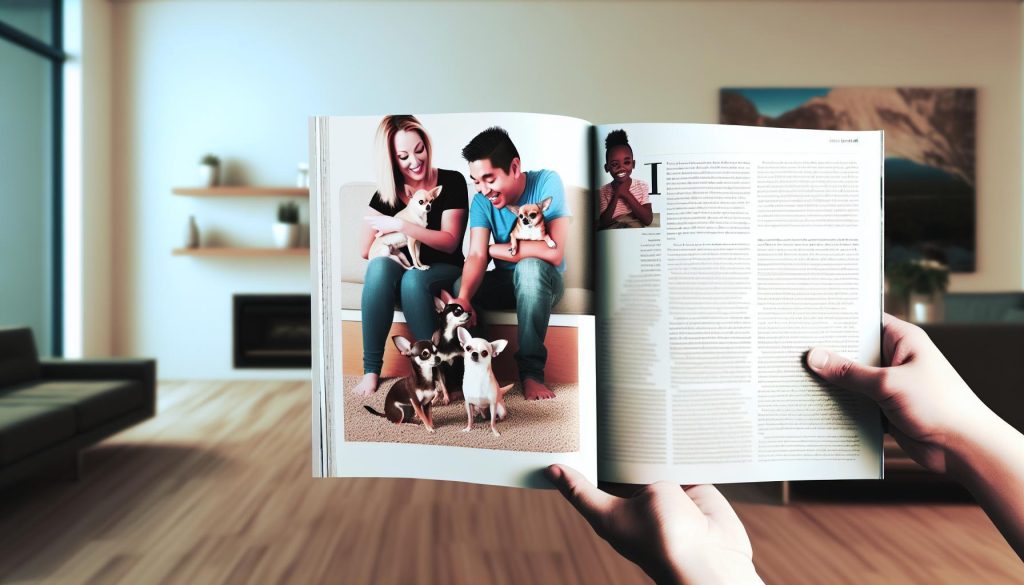
Chihuahuas are much more than their petite size; they’re a blend of bold personalities and intense loyalty that often surprises new owners. Understanding what life with a Chihuahua is really like is essential for anyone considering adding one of these vibrant little companions to their family. This article shares real owner experiences, offering insights into the breed’s unique quirks, health considerations, and care needs. From their playful antics to their extraordinary attachment to their humans, Chihuahuas can be both delightful and challenging. Whether you’re a first-time dog parent or an experienced owner, you’ll find valuable tips and anecdotes that will deepen your appreciation for these spirited canines. Dive in to discover just how these tiny dogs can fill your life with love, laughter, and a little bit of mischief!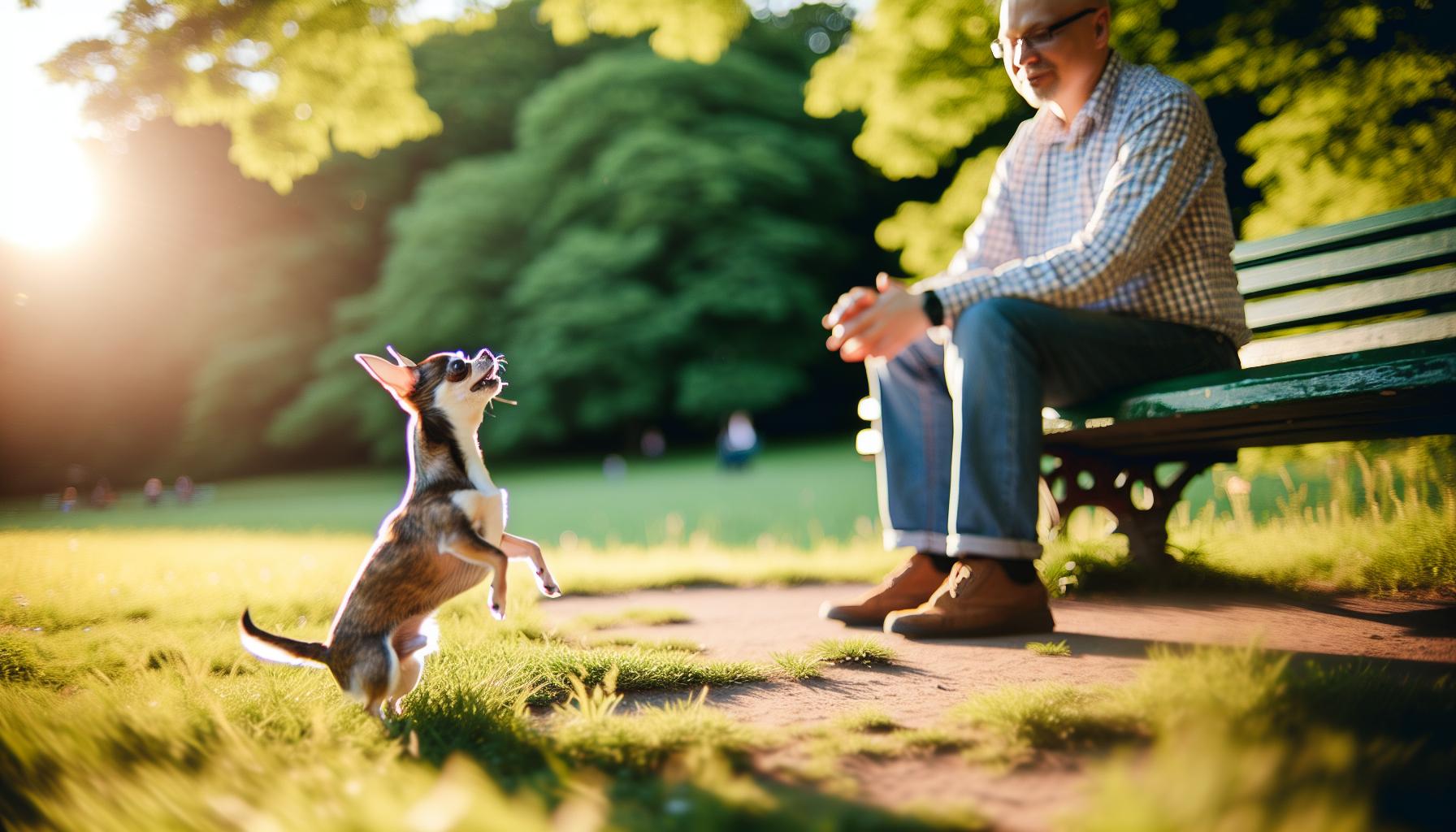
What Makes Chihuahuas Unique: Understanding Their Personality
Chihuahuas are nothing short of delightful, bursting with personality that often surprises those unfamiliar with their charms. Their petite size can be misleading; what they lack in stature, they more than make up for in spirit. These little canines are known for their boldness and vocal nature, creating a distinct presence in any home. For new and seasoned owners alike, understanding what makes Chihuahuas tick is essential to fostering a loving, well-adjusted relationship.
One of the standout traits of Chihuahuas is their loyalty. A dedicated companion, your Chihuahua will often bond fiercely with you, demonstrating affection through snuggles and, at times, protectiveness. This loyalty can sometimes translate into a touch of jealousy when other pets or people enter the scene. Owners frequently share stories of their Chihuahuas following them everywhere, making for an inseparable duo that thrives on each other’s company.
Chihuahuas also possess a unique personality, ranging from the more reserved to the exuberantly outgoing. For instance, a confident, apple-head Chihuahua named Bella might strut her stuff like a little diva, while another, a more shy, deer-head Chihuahua named Max, may prefer cozy laps over loud gatherings. Each is individualistic, and recognizing these nuances can help provide the right environment for your companion. Socialization and positive reinforcement during playtime or training can enhance their natural inclinations, allowing them to flourish.
When it comes to training, consistency and patience are key. Chihuahuas are intelligent, but they can also be stubborn. Using positive reinforcement-like treats or praise-works wonders. Owners often find that incorporating short bursts of fun into training helps maintain their dog’s attention and eagerness to learn. Remember, a well-socialized Chihuahua can transition smoothly between being the center of attention at home and a calm companion in public settings. Embracing and understanding your Chihuahua’s unique personality traits can lead to a rewarding companionship filled with adventures and delightful moments.
Health Considerations for Chihuahuas: Common Issues and Care
Chihuahuas, with their tiny frames and larger-than-life personalities, are a breed full of surprises, but they also come with some unique health considerations that every owner should be mindful of. These little companions can be predisposed to specific health issues that require regular attention, making it essential for both first-time and seasoned owners to stay informed and proactive about their care.
One prevalent health concern in Chihuahuas is patellar luxation, a condition where the kneecap dislocates from its normal position. It’s not uncommon for owners to notice their Chihuahua suddenly limping or skipping when playing, which might indicate this issue. Early detection is crucial, so routine veterinary check-ups can help catch problems before they escalate. Treatment varies depending on severity, from weight management and physical therapy to surgery in more severe cases.
Chihuahuas are also known for having dental issues due to their small mouths, which can lead to overcrowded teeth and increased plaque build-up. Regular dental care is vital. Owners should consider implementing a routine of brushing their Chihuahua’s teeth with dog-specific toothpaste, and providing dental treats designed to promote oral health. Chewing toys can also help maintain good dental hygiene while keeping your pup entertained.
Another common concern is hypoglycemia, especially in puppies and smaller adults. This condition involves a dangerous drop in blood sugar levels. Owners might observe symptoms like lethargy, shaking, or even disorientation. It’s critical to have high-quality food readily available and to monitor their eating habits closely. In severe cases, having a sugar source on hand, like honey or corn syrup, can help stabilize your Chihuahua quickly until you can consult your vet.
Maintaining a healthy weight is key to safeguarding your Chihuahua’s overall health. Due to their small size, just a few extra ounces can lead to significant health issues, including heart disease and diabetes. Owners often share how they manage their Chihuahua’s diet through portion control and regular exercise, tailoring routines that stimulate both physical and mental engagement. Remember, those little barks for treats are adorable, but they can lead to unwanted weight gain!
Ultimately, the foundation of a thriving Chihuahua starts with attentive health care. Regular veterinary visits, a balanced diet, proper dental hygiene, and active engagement will contribute to a long, happy life with your feisty friend. Celebrating their quirky nature is wonderful, but ensuring they remain in good health allows you to enjoy all their sass and charm for years to come.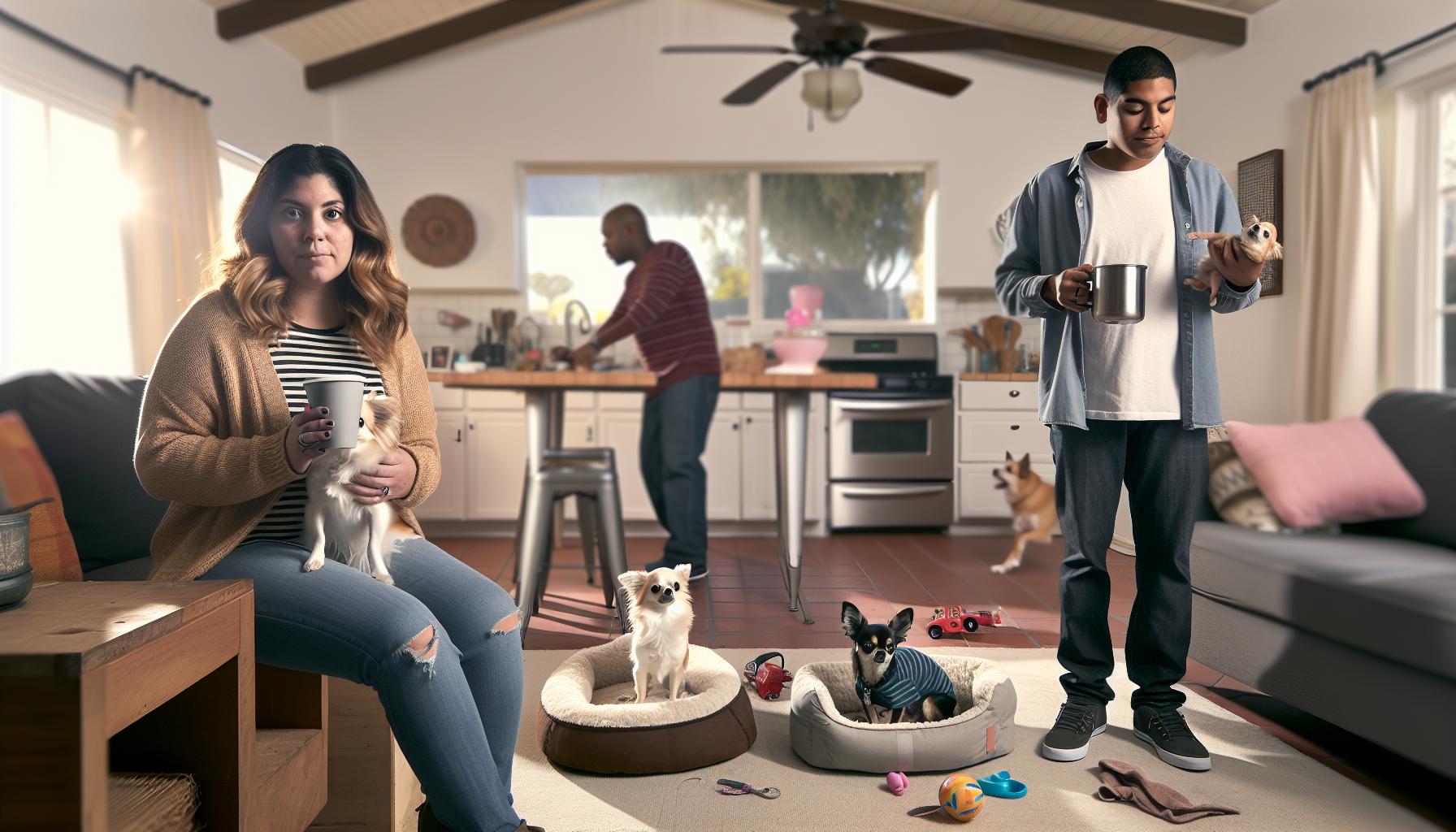
The Daily Life of a Chihuahua Owner: Real-Life Experiences
Life with a Chihuahua is never dull. These charming little companions have a way of making every moment feel special, whether it’s their bold little bark alerting you to the slightest noise outside or their unwavering loyalty as they curl up beside you. Every Chihuahua owner experiences a unique blend of joy, challenge, and laughter, with each day bringing new adventures that highlight the quirks inherent to this delightful breed.
Chihuahuas are known for their vibrant personalities packed into tiny frames, making their daily rhythm distinctly energetic. One owner might share how her apple-head Chihuahua, Bella, commands attention at the park, strutting around like she owns the place. Others relate tales of spirited play sessions with their long-haired Chihuahuas and how their feisty antics can turn a quiet evening at home into a lively affair filled with barks, wiggles, and tug-of-war games. It’s not unusual for these pups to display a mix of sass and affection, often alternating between demands for cuddles and playful sprinting around the living room.
When it comes to care, Chihuahua owners quickly learn about the importance of health management. Routine vet visits become a key part of their schedules, especially since this breed can be prone to dental issues and weight gain. Regular teeth brushing and careful meal portions aren’t just suggestions-they’re essential practices that foster longevity and happiness. Observing how quickly a Chihuahua can be impacted by their environment can be eye-opening. For instance, one owner discovered that her Chihuahua, Max, loved to snuggle in a warm blanket but would start to shiver if the temperature dropped too low, emphasizing the need for awareness of their comfort levels.
Socialization also plays a pivotal role in the daily life of a Chihuahua owner. Taking a Chihuahua out for walks or to doggy playdates provides opportunities for interaction, which is crucial given their sometimes diva-like demeanor. Owners often recount how positive encounters with other dogs-or lack thereof-shape their Chihuahuas’ behavior. For example, creating a welcoming space where your Chihuahua can confidently explore new friends fosters both social skills and a relaxed temperament.
Living with a Chihuahua isn’t just about managing their unique health needs and considering their sociability; it’s also about embracing the laughter and joy that comes from their distinctive traits. From the way they often think they can take on much larger opponents to the contented sighs they emit while napping in your lap, these willful little characters bring both challenges and immense rewards. As any Chihuahua owner will tell you, the love and companionship of these spirited pets deeply enrich everyday life, making each day a new chapter full of rewarding moments and delightful surprises.
Training Your Chihuahua: Tips from Seasoned Owners
Training a Chihuahua can be one of the most rewarding experiences for both you and your spirited companion. These tiny dogs are intelligent and eager to please, but their feisty personalities mean they may not always comply with commands immediately. Understanding their unique traits is essential for effective training. Many seasoned owners recommend positive reinforcement techniques. For instance, coarse treats work well, but even your praise and affection can motivate your Chihuahua to engage and respond positively to training sessions.
Establishing Boundaries and Consistency
Chihuahuas thrive in environments where they understand the rules. Consistency is key. It helps to set clear expectations from the start, ensuring that your Chihuahua learns what is acceptable behavior and what is not. For example, one owner shared how her apple-head Chihuahua, Bella, learned to stay off the couch by firmly redirecting her each time she approached it. Positive reinforcement kicked in with rewards when Bella chose her bed instead. Repetition and patience are your best friends here.
Keeping Training Engaging
Given their small size, Chihuahuas may soon lose interest if training becomes monotonous. Mixing up your methods can keep them engaged. Incorporate play and short training sessions to match their energetic nature. Owners often use toys as rewards, which can help make the training more enjoyable. For example, a seasoned owner with a long-haired Chihuahua found that using a favorite squeaky toy as a reward dramatically improved her pup’s enthusiasm during sessions.
Socialization is Crucial
Socialization should also be a vital part of your training regime. Exposing your Chihuahua to various environments, sounds, and other pets can help them become well-rounded and adaptable. A Chihuahua that is accustomed to varied situations is less likely to react fearfully in new scenarios. A local owner once shared how her Chihuahua, Max, thrived because she took him to puppy classes where he learned to interact with other dogs and people, reducing his initial shyness.
Guiding vs. Forcing
Lastly, it’s essential to remember that guidance is more effective than force. Chihuahuas are known for their stubbornness, so employing gentle methods yields better results. For example, one owner told a story about how quickly her Chihuahua learned to sit on command. Instead of pulling him into a sitting position, she patiently waited for him to figure it out naturally, rewarding him immediately when he did.
In summary, the journey of training a Chihuahua is unique to each owner-pet duo, enriched by shared experiences and gentle perseverance. Embrace your Chihuahua’s quirky personality and remember to celebrate small victories-each step taken together is a bond strengthened!
Chihuahua Behavior: Understanding Their Quirks and Traits
Understanding the unique behaviors and quirks of Chihuahuas can transform your experience as an owner. These spirited little companions are bold beyond their tiny stature, often believing they are much larger than they really are. One owner shared a delightful story about her apple-head Chihuahua, Luna, who bravely confronted a much larger dog at the park, barking fiercely to protect her space. This boldness is a hallmark of Chihuahuas; they are fiercely loyal and often consider themselves the guardians of their family.
Their vocalizations are another defining trait. Chihuahuas are known for their expressive barks, which can range from a cheerful greeting to a warning about potential intruders. It is essential to embrace this vocal nature, as it is part of their charm. Owners often find that developing a daily routine that includes vocal play or training exercises can help manage their barking while celebrating their personality. One owner shared how she taught her Chihuahua, Oliver, to “speak” on command, turning his loud barks into a fun aspect of their bonding time.
Chihuahuas can also display some quirky behaviors that are endearing yet puzzling. For instance, many have a penchant for burrowing under blankets or cushions, feeling secure in small, warm spaces. This instinct to seek refuge can often manifest in hilarious antics, like one owner’s story of her Chihuahua, Penny, who would wiggle her way into a laundry basket full of clothes to snuggle. Encouraging safe spaces for your Chihuahua can promote comfort and reduce anxiety.
It’s also essential to recognize the stubborn streak that many Chihuahuas possess. Their independent nature can make training a challenge, but patience and consistency are key. Integrating short, fun training sessions into your daily routine can help harness their energy and intelligence. As one seasoned owner noted, using treats and positive reinforcement not only teaches commands effectively but also engages their minds, keeping their behavior in check while allowing obedience to flourish.
In short, living with a Chihuahua means embracing their unique quirks and traits wholeheartedly. By understanding their boldness, vocalization, burrowing habits, and independent spirit, you can create a nurturing home that appreciates their distinctive personality, enhancing the bond you share with your delightful little companion.
Grooming Your Chihuahua: Best Practices for Coat Care
Caring for your Chihuahua’s coat can be a delightful part of your daily routine, especially given their unique personality and playful nature. Whether your little companion has the smooth, sleek coat typical of a short-haired type or the longer, fluffier fur of a long-haired variety, consistent grooming is essential for maintaining their health and appearance. Grooming serves not only cosmetic purposes but also has health benefits, such as preventing matting and skin issues.
For Chihuahuas with short coats, brushing them once a week is usually sufficient. A simple bristle brush or a grooming mitt can help remove loose hair and distribute natural oils, giving their coat a nice shine. One owner of a short-haired Chihuahua, Daisy, swears by using a rubber grooming mitt while watching TV-Daisy loves the attention and becomes a part of the family’s evening routine. However, don’t be surprised if your little pup enjoys running off with the brush; sometimes, their tiny, feisty nature makes grooming a funny adventure!
Long-haired Chihuahuas, on the other hand, require a bit more effort. They should be brushed several times a week to prevent tangles and mats. Use a slicker brush or a comb specifically designed for longer hair, and take your time to gently work through any knots. One vibrant Chihuahua owner shared her experience with her long-haired beauty, Bella. She set up a “spa day” for Bella with calming music and treats, turning groom time into a positive bonding experience. This can help reduce any fussiness your pup might have about being groomed.
Bathing your Chihuahua doesn’t need to be frequent; every 1 to 3 months is often just right. Use a gentle dog shampoo that won’t irritate their sensitive skin. After bathing, be sure to dry them well, especially between the toes and near the ears, where moisture can lead to infections. Many owners find using a soft towel and allowing their Chihuahua to lay on a cozy blanket afterward helps them relax post-bath.
Another component of grooming is checking their ears and teeth regularly. Chihuahuas can be prone to dental issues, so daily brushing is highly recommended. Ear cleaning is also crucial; use a vet-approved ear cleaner and a cotton ball to keep those little ears clean and free from wax buildup.
In summary, regular grooming not only enhances your Chihuahua’s appearance but is also a great way to bond with your spirited companion. By enjoying the grooming process together, you are fostering trust and affection while ensuring he remains healthy and happy. Plus, those adorable quirks of Chihuahuas-you’ll find that every grooming session provides laughter and love!
Socializing Your Chihuahua: Building Strong Bonds
Creating strong bonds with your Chihuahua starts with understanding their unique personality and behavioral traits. These little dogs are known for their boldness, loyalty, and vibrant energy. Their socialization process can be incredibly rewarding, helping them to become well-adjusted companions. One of the most effective ways to socialize your Chihuahua is through positive and gradual exposure to new environments, people, and other pets.
Taking your Chihuahua to a dog park or a pet-friendly café can provide new experiences that are crucial for their social development. A confident owner shared that at first, her Apple-head Chihuahua, Coco, was hesitant and barked at other dogs. However, regular visits to the dog park allowed Coco to gain confidence and learn that not all dogs are threats. Now, she happily plays with her canine friends and greets newcomers with a wagging tail, showcasing her newfound confidence.
It’s essential to introduce socialization experiences slowly. For instance, start with quiet spaces where your Chihuahua can feel safe and gradually move to busier environments. Using treats for positive reinforcement when they encounter something new helps form positive associations. If your Chihuahua seems anxious, remain calm and patient; they can pick up on your emotions. One dedicated owner often carried her timid Chihuahua, Bella, in a secure bag during busy outings, allowing her to observe the world without feeling overwhelmed. Over time, Bella grew more comfortable, even daring to explore on her own.
Training your Chihuahua to interact with other animals is equally important. Setting up controlled playdates with gentle dogs can help them learn proper social cues without the stress of unpredictable encounters. Make sure to choose playmates that match your dog’s energy and size. Share experiences with other Chihuahua owners in your community; they can provide valuable insights on navigating social encounters.
In addition to physical exposure, verbal interaction plays a significant role. Talking to your Chihuahua in a soothing tone while introducing new situations can reassure them. This act of vocal engagement not only calms their nerves but strengthens the bond you share. Remember, maintaining regular routines, such as daily walks or play sessions, fosters familiarity and trust, making your Chihuahua feel secure in their environment.
Every little step in socialization builds a stronger relationship between you and your furry friend. Embrace their quirks, create fun experiences, and watch as your Chihuahua blossoms into a well-loved companion. Through patience, understanding, and shared experiences, you are laying the foundation for a lifetime of joy and companionship together.
Choosing the Right Diet for Your Chihuahua: Owner Insights
Choosing the right diet for your Chihuahua is not just about satisfying her hunger; it’s about nourishing her tiny body and supporting her enthusiastic spirit. These little dogs require special attention when it comes to their nutritional needs, as their size and energy levels create unique dietary considerations. It’s essential to select high-quality dog food that caters specifically to small breeds, ensuring she gets the right balance of protein, fats, and nutrients.
For instance, many Chihuahua owners advocate for a diet rich in high-quality protein to support their active lifestyle. Real chicken, beef, or fish should be top ingredients when selecting kibble. Fatty acids, like Omega-3 and Omega-6, are also crucial for maintaining a shiny coat and healthy skin. One owner shared that when she switched her Apple-head Chihuahua, Daisy, to a high-protein diet, she noticed a significant boost in Daisy’s energy levels and overall health.
Portion Control Matters
Given their small size, portion control is critical. Overweight Chihuahuas can face numerous health challenges, including joint problems and heart diseases. It’s often recommended to feed adult Chihuahuas about 1/2 cup to 1 cup of food daily, divided into two meals. However, always check with your veterinarian for specific recommendations tailored to your dog’s weight, age, and activity level. One seasoned owner noted that her Chihuahua, Max, thrived on a routine schedule with precise portioning, which helped avoid the pesky habit of constant begging for food.
Consider Their Sensitivities
Chihuahuas can be prone to certain food sensitivities. Some may develop allergies to common ingredients like chicken or grain. Keep an eye out for signs such as itching, gastrointestinal upset, or changes in behavior after a new food introduction. A fellow Chihuahua lover mentioned that her dog, Bella, had a sensitive stomach, and it took some trial and error to find a grain-free diet that suited her needs perfectly.
Homemade and Fresh Options
Don’t overlook the potential of incorporating fresh, whole foods into her diet. Many owners enjoy cooking for their Chihuahuas, providing meals that include cooked vegetables, lean meats, and some grains, like quinoa or brown rice, ensuring they’re balanced. Just be cautious with seasoning and keep toxic foods like chocolate and onions far away from her bowl. For example, one owner created a homemade recipe featuring ground turkey, sweet potatoes, and peas, and Bella thrived on it, gaining both health and vitality.
Making the right dietary choices for your Chihuahua involves understanding her specific nutritional needs, monitoring her reactions to different foods, and adjusting her diet as necessary. With a little attention and love, you can help ensure your Chihuahua remains healthy, energetic, and always ready for her next little adventure.
Living Space Considerations for Chihuahuas: Is Your Home Ideal?
Chihuahuas are often described as little bundles of personality, and their home environment plays a crucial role in their happiness and well-being. Most owners will tell you that these tiny dogs, whether they are Apple-head or Deer-head types, thrive in spaces that cater specifically to their unique needs. A well-considered living space not only keeps your Chihuahua comfortable but also ensures they feel secure and content.
Safety First
Given their small stature, safety is paramount in a Chihuahua’s home. Create a secure environment by minimizing hazards. This means keeping small objects or toys that could be swallowed out of reach and making sure common household dangers, like electrical cords and open windows, are thoughtfully managed. A loyal Chihuahua named Bella once had a close call with a loose thread from a rug; her owner learned the hard way that tiny threats can lead to big worries. Additionally, consider using baby gates to block off areas that may not be suitable for her to explore.
Space Requirements
Chihuahuas, despite their energetic behavior, do not require large spaces to thrive. A cozy apartment can serve as an ideal setting, provided it offers a mix of comfort, stimulation, and safety. One vivid account comes from an owner who transformed a small corner into a play area filled with soft toys, which became her Chihuahua Max’s favorite spot. Utilize vertical space with shelves or pet towers to provide both exercise and a sense of security.
Conversely, if you have a larger home, consider setting up a specific area for your Chihuahua, complete with bedding, toys, and a water bowl. This allows her to feel grounded in her own territory while still being part of family activities.
Temperature Control
These little dogs are sensitive to temperature changes. Proper heating and cooling ensure they remain comfortable throughout the year. In colder months, providing a warm, soft blanket or a heated dog bed can help keep your Chihuahua cozy, while in warmer climates, be sure to have air circulation to avoid overheating. Owners should always keep an eye on their furry companions, as many Chihuahuas love to snuggle but can quickly become too warm if left near heat sources.
By setting up your home with these considerations in mind, you’ll not only create a safe environment for your Chihuahua but also foster a loving atmosphere where they can thrive. As a Chihuahua owner, you know their quirks and bold personalities-ensuring they have the right space is key to nurturing those traits while keeping them healthy and happy.
Chihuahua Energy Levels: Playtime and Exercise Needs
Chihuahuas are often bundles of energy, and their playful nature makes them an absolute joy to be around. Surprisingly, despite their tiny size, these little dogs possess a vibrant spirit and can keep their owners on their toes! Many owners share that even a short play session can send their Chihuahua racing around the house, showcasing bursts of speed and agility that might astonish anyone unfamiliar with the breed. This high energy means that daily playtime and exercise are not just beneficial, but essential for a happy and balanced Chihuahua.
When it comes to active play, it’s crucial to embrace the Chihuahua’s innate curiosity and boldness. Simple games like fetch or tug-of-war can be tremendously engaging. In one adorable owner recount, her Chihuahua, Coco, would dash back and forth between her and a squeaky toy, barking joyfully the entire time. This owner shared how great it felt to see Coco so animated, reminding her that even a few minutes of active play can make a significant difference in their day.
H3: Daily Exercise Needs
While Chihuahuas are playful, their exercise requirements are modest compared to larger breeds. A couple of short walks daily-ranging from 15 to 30 minutes-can usually suffice. However, on days when energy levels run high, incorporating additional activities like a visit to the park or a safe, enclosed backyard can help burn off excess energy. Owners often note that such outings not only meet their Chihuahua’s exercise needs but also provide essential mental stimulation. New sights, sounds, and scents keep these little adventurers engaged and happy.
H3: Playtime Ideas
To spice up playtime, consider these engaging activities for your Chihuahua:
- Interactive Toys: Puzzle toys that dispense treats keep her occupied and mentally stimulated.
- Hide and Seek: This fun game helps reinforce recall while allowing for both physical and mental exercise.
- Obstacle Courses: Set up a mini agility course using household items, allowing your Chihuahua to navigate and explore different challenges.
Chihuahuas might be small, but their energy levels can be quite impressive. By ensuring they get enough exercise and playtime tailored to their needs, you’ll nurture their vibrant personalities and keep them healthy and happy. Remember, a well-exercised Chihuahua is not only physically fit but also a joy to have around-full of enthusiasm and ready for your next adventure together!
Traveling with Your Chihuahua: Owner Experiences and Tips
Traveling with your Chihuahua can be one of the most rewarding experiences, but it comes with its own set of unique considerations. These tiny companions are incredibly adaptable, but a little preparation goes a long way. A well-planned trip ensures not only their comfort but also your peace of mind. For example, I once took my apple-head Chihuahua, Bella, on a weekend getaway. Knowing her penchant for the unexpected, I packed her favorite blanket and a travel bowl for food and water, which turned out to be a lifesaver during our roadside stops.
When you’re planning a trip, consider your Chihuahua’s temperament. Are they more nervous or adventurous? Secure a comfortable carrier if you’ll be traveling by plane or train. This provides a safe haven for your pup while also ensuring they’re close to you. Make sure the carrier is well-ventilated and lined with familiar items to help reduce anxiety. For those longer journeys, breaks are essential-stopping every couple of hours for potty breaks and a little exercise can help keep your Chihuahua happy and reduce stress.
H3: Preparing for the Journey
Before you embark on your adventure, prepare a travel kit specifically for your Chihuahua. This kit should include:
- Food and Water: Pack enough food for the duration, plus a few extra days, along with portable water dishes.
- Leash and Harness: A secure harness is ideal, especially since Chihuahuas can be prone to escaping when startled.
- Health Records: Carry a copy of your Chihuahua’s vaccination records and any medications they may need.
- Comfort Items: Bring along their favorite toys or blankets to create a sense of familiarity.
H3: On the Road
During the trip, keep an eye on your Chihuahua’s demeanor. Some may be thrilled to enjoy the ride, while others may need a little more reassurance. Bella often enjoyed sitting in my lap, securely tethered with a car harness, allowing her to enjoy the view safely. And don’t forget to check the temperature! Smaller breeds can be more susceptible to heat or cold, so adjust the vehicle climate as necessary.
If you’re traveling to new locations, look for dog-friendly accommodations. Many hotels now cater to pet owners, offering amenities specifically for your furry companions. Always confirm the hotel’s pet policy before booking.
In essence, traveling with your Chihuahua is about striking a balance between your adventure and your pup’s comfort. With a little forethought and preparation, you can create unforgettable memories while ensuring that your loyal friend has a safe and enjoyable journey. Remember, every trip is an opportunity for bonding, so enjoy the moments, whether taking in new sights or cuddling up after a long day of travels!
Chihuahua Variations: Understanding Different Types and Traits
When it comes to Chihuahuas, their diversity is one of the most captivating aspects of this beloved breed. With their small size and big personalities, Chihuahuas can vary significantly in their appearance, behavior, and even temperament. This diversity is exemplified through the two main types of Chihuahuas: the Apple Head and the Deer Head. Each type has its unique physical traits and quirks, which can influence how they fit into your lifestyle.
The Apple Head Chihuahua is easily recognized by its rounded skull and short muzzle. This type tends to possess a more compact body and a sweet, somewhat expressive face that many owners find irresistible. In contrast, the Deer Head Chihuahua has a longer skull and a more elongated body, resembling a small deer. While both types are equally charming, Apple Heads might be more prone to certain health issues, such as dental problems due to their distinctive head shape. For example, my Apple Head, Max, has needed frequent dental cleanings, which is something to keep in mind for potential owners.
Chihuahuas also come in various coat types and colors, which adds to their allure. You can find smooth-coated Chihuahuas, which require minimal grooming, and long-haired ones, who benefit from regular brushing to prevent matting. Popular colors include fawn, black, chocolate, and spotted variations. For those who enjoy a grooming routine, long-haired Chihuahuas can be incredibly rewarding to care for, as their coats often add to their charm.
In terms of temperament, individual personalities significantly vary among Chihuahuas, often influenced by their upbringing and environment. Some are fiercely loyal and tend to bond closely with their owners, while others might be more independent and aloof. Regardless of the type or coat, Chihuahuas are known for their vocal nature and protectiveness. For instance, my Deer Head, Bella, always keeps an eye on the front door, ready to alert me at the sound of any visitor, turning the simplest moments into precious memories.
Understanding these variations not only helps new owners make informed decisions but also emphasizes the importance of socialization and training to bring out the best in each Chihuahua. No matter which type you choose, the joy they bring into your life is immeasurable. Always remember that Chihuahuas thrive in loving environments where they feel safe and secure, allowing their unique personalities to shine.
Frequently Asked Questions
Q: What is the temperament of a Chihuahua?
A: Chihuahuas are known for their lively, bold, and alert temperament. They are often deeply loyal to their owner and can exhibit protective behaviors. This breed tends to be playful and curious, making them great companions, but they may also show stubbornness, which can be a challenge during training.
Q: How do Chihuahuas communicate?
A: Chihuahuas communicate through a mix of vocalizations, body language, and facial expressions. They can be quite vocal, using barks to express excitement or alarm. Understanding their quirks-like tail wagging during play-can help owners respond to their needs effectively.
Q: Are Chihuahuas good for families with children?
A: Chihuahuas can thrive in a family environment, but it’s essential that children understand how to interact gently. Supervision is crucial, as Chihuahuas are small and can be easily injured if handled roughly. Choosing a socialized Chihuahua can help foster positive interactions.
Q: What is the ideal living situation for a Chihuahua?
A: Chihuahuas adapt well to various living situations, including apartments or homes with small yards. However, they require regular exercise and mental stimulation. Providing a safe indoor space along with outdoor opportunities is key to ensuring their happiness and health.
Q: How much daily exercise do Chihuahuas need?
A: Chihuahuas generally need about 30 minutes of exercise each day. This can include short walks and playtime. Engaging them in interactive games will not only satisfy their energy levels but also help in preventing behavioral issues.
Q: How do I introduce a Chihuahua to other pets?
A: Introducing a Chihuahua to other pets should be done gradually and with supervision. Ensure all pets are calm during introductions and offer treats to create positive associations. This process may require patience and should occur in a neutral space to minimize territorial behavior.
Q: What are common health issues in Chihuahuas?
A: Common health issues in Chihuahuas include dental problems, heart conditions, and patellar luxation. Regular veterinary check-ups and a proper diet are crucial to managing their health. Owners should also prioritize dental care due to their predisposition to oral diseases.
Q: Can Chihuahuas live alone for long periods?
A: While some Chihuahuas may tolerate being alone for a few hours, they are companionship-driven dogs and often do not do well when left alone for extended periods. This breed thrives on interaction; therefore, providing enrichment through toys is beneficial when owners are away.
The Conclusion
Thanks for joining us in exploring the vibrant world of Chihuahuas through the eyes of real owners! As you’ve learned, these little dynamos are not just tiny companions; they are bold, vocal, and incredibly loyal. Their unique personalities, whether you’re dealing with an apple-head or a sleek deer-head type, truly shine through with proper care and understanding. If you’re considering adding a Chihuahua to your family or if you have one that’s already captured your heart, remember to embrace their quirks and cherish the bond you’re building.
For deeper insights, check out our articles on “Chihuahua Health and Care Essentials” and “Understanding Your Chihuahua’s Behavior” to enrich your journey with your furry friend. Don’t forget to sign up for our newsletter for the latest tips and tips on Chihuahuas and more! Have any questions or want to share your experiences? We’d love to hear from you in the comments below. Keep exploring, and let’s celebrate the unique joys of Chihuahua ownership together!
Get our latest guides, news, and insights highlighted in your Google Search & AI Overviews.