
Chihuahuas are not just small dogs; they are spirited companions brimming with personality. Known for their boldness and vocal nature, these pint-sized pooches pack a big punch in terms of love and loyalty. Understanding the key traits of a Chihuahua is essential for any current or prospective owner. From their unique physical characteristics, like the distinctive apple-head shape, to their varied coat types, these dogs require a special kind of care and attention. You might wonder what it truly means to share your life with a Chihuahua. With their loving yet sometimes challenging behavior, each day with one can be a delightful adventure. In this article, we’ll explore the essential traits that define Chihuahuas and provide practical insights to help you nurture a happy, healthy relationship with your tiny friend. Dive in to discover the captivating world of Chihuahuas and why they are cherished by so many.
Traits of a Chihuahua: Overview and Appeal
Chihuahuas are not just the tiniest dogs; they are also known for their big personalities. These little companions come with a unique blend of traits that make them endearing to many. With their bold nature, they can sometimes act as if they’re large guard dogs, fiercely protective of their loved ones. It’s this audacious spirit wrapped in a compact size that often captures the hearts of dog lovers around the world.
One of the most appealing traits of Chihuahuas is their loyalty. They develop strong bonds with their owners and often prefer to be by their side, making them excellent companions. Their vocalness, while sometimes considered a downside, actually serves as a charming alert system. It’s not unusual for Chihuahuas to bark at unfamiliar sounds, showing off their innate watchdog instincts.
In terms of physical traits, Chihuahuas are typically characterized by their small stature and distinct head shapes. You will find two primary types: the apple-head, which has a rounded skull and a short muzzle, and the deer-head, which features a long, flatter skull and longer legs. These differences add to their charm and appeal, showcasing the breed’s variety. Their coat types also range from short to long and come in numerous colors and patterns, allowing owners to find a Chihuahua that truly suits their style.
Despite their small size, Chihuahuas possess a robust energy level and often require regular playtime and short walks to keep them happy and healthy. Engaging them mentally through games or training can also unleash their highly intelligent nature. Understanding these traits not only celebrates the breed but also prepares any potential owner to provide the loving care that Chihuahuas thrive on. If you’re considering welcoming one into your home, know that you’re not just getting a pet-you’re gaining a spirited companion full of character and affection.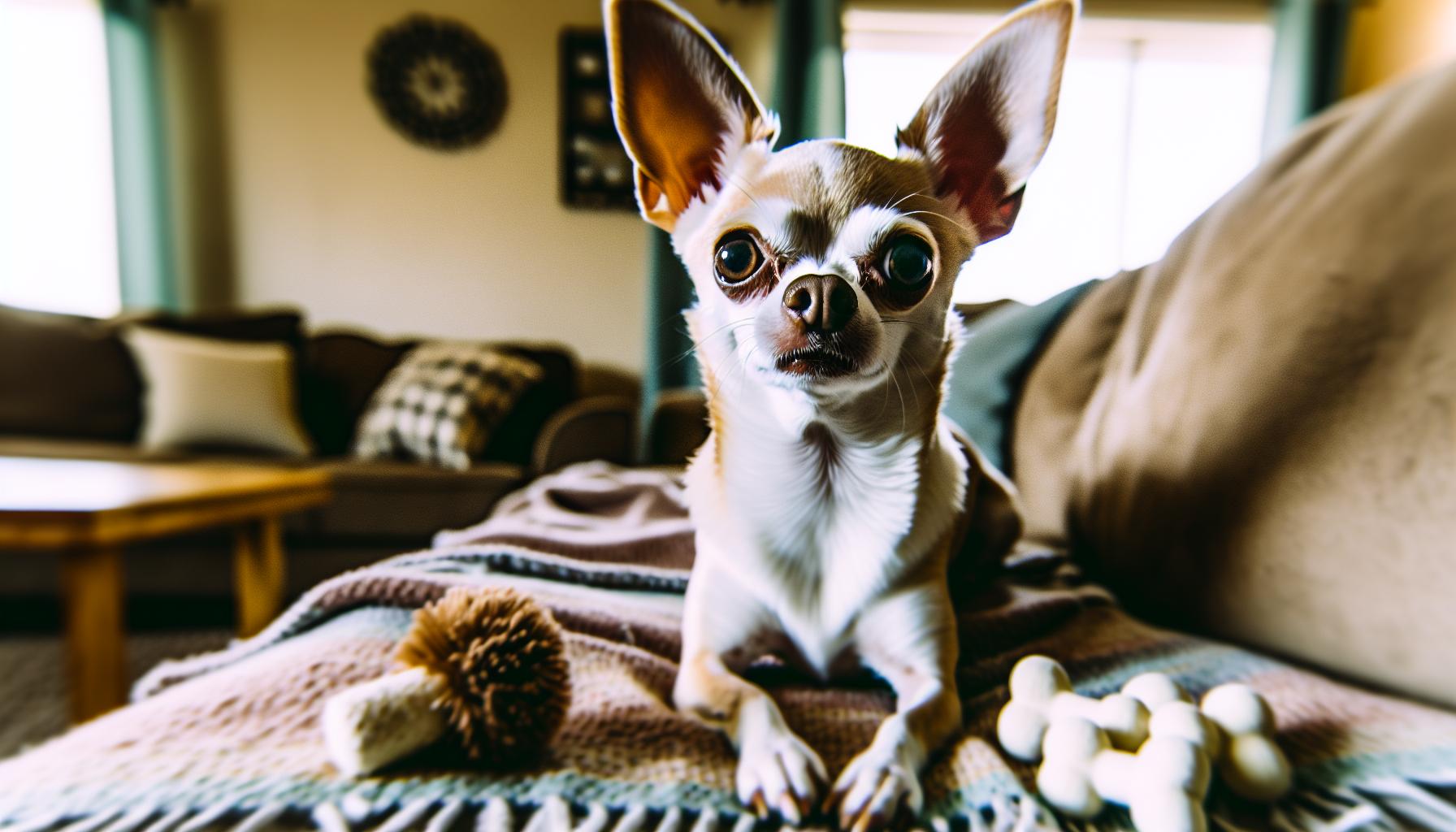
Understanding the Size and Build of Chihuahuas
Chihuahuas, despite their diminutive size, carry a larger-than-life presence that captures the hearts of many dog lovers. Understanding their physical stature is essential for both potential and current owners. Typically, Chihuahuas weigh between 2 to 6 pounds and stand about 5 to 8 inches tall at the shoulder, making them one of the tiniest breeds around. This compact build not only adds to their portability but also influences how you should care for them physically, from exercise needs to health monitoring.
When considering the build of Chihuahuas, it’s crucial to note their distinct head shapes: the apple-head and the deer-head. The apple-head variety features a rounded skull and a short muzzle, which often gives them an adorable, flower-like appearance. On the other hand, the deer-head type exhibits a flatter skull and legs that are slightly longer, lending them a more elongated silhouette. Both types contribute to the breed’s charm, but they also come with varying health considerations that are important for owners to understand. For example, apple-head Chihuahuas can be prone to certain dental and skull shape issues, while deer-heads might face other unique challenges.
Chihuahuas possess a fragile frame that requires gentle handling, particularly during play. Their small size can lead to injuries if they are not treated with care-think of a child playing with a delicate action figure. Because they can easily be injured by rough play with larger dogs or even young children, training and socialization from an early age are vital to ensure they can interact safely. Owners should always supervise playtime in mixed-size environments and teach their children how to approach and play with their tiny companions respectfully.
In summary, while Chihuahuas pack a punch in personality, maintaining a thorough understanding of their size and build will help foster a long, healthy, and happy life for these little dynamos. Providing suitable care, such as high-quality nutrition and gentle activity, ensures that your Chihuahua can thrive while showcasing their delightful quirks and fiery spirit.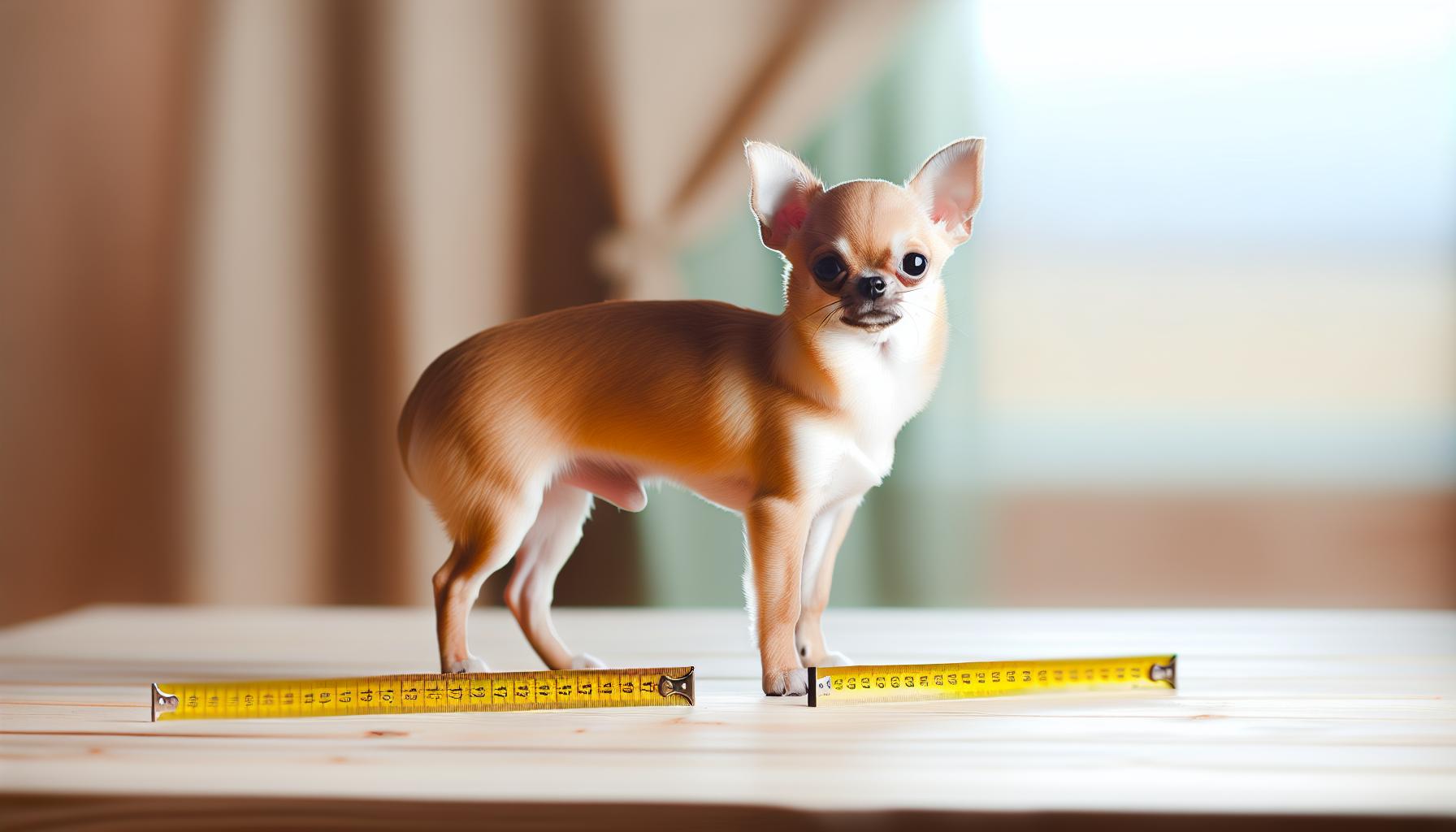
The Unique Coat Types of Chihuahuas
Chihuahuas come adorned in a delightful array of coat types and colors, which adds to their unique charm and appeal. Understanding the variations not only enhances your appreciation of this spirited breed but also guides you in proper care and grooming. There are two primary coat types: smooth coat and long coat. Each offers its own set of characteristics and beauty, appealing to different preferences among dog lovers.
Smooth Coat Chihuahuas
Smooth coat Chihuahuas are known for their sleek, shiny fur that lies close to the body. This coat type requires minimal grooming, making it a practical choice for many first-time owners. Regular brushing with a soft bristle brush or grooming glove can help keep their skin healthy and remove loose hairs. Despite their short fur, they can be sensitive to cold weather, so it’s good practice to provide a cozy sweater when temperatures drop. Common colors range widely, from fawn and black to chocolate or even blue, creating a striking visual spectrum that many owners celebrate.
Long Coat Chihuahuas
On the other hand, long coat Chihuahuas boast a graceful and luxurious fur that can be of varying lengths. This coat type often requires more grooming to prevent tangles and mats. Regular brushing, ideally several times a week, is key to maintaining its beauty and softness. Long coats can present a wider range of colors and patterns, including spotted, brindle, and sabled. Owners often cherish these pups for their elaborate fur, which can make them look almost regal! However, keep in mind that their longer hair can trap dirt and debris, so bathing them occasionally may be necessary.
Color Variations
Both coat types can come in an extensive variety of colors, with many Chihuahuas sporting rich combinations. While fawn is a classic favorite, you might also encounter solid black, white, chocolate, and even rare colors such as lavender or merle. This vast selection of color combinations allows for significant personal expression among Chihuahua owners.
In conclusion, regardless of coat type, each Chihuahua brings character and beauty into the home. As their loving owner, investing time in grooming not only helps maintain the health of their coat but also strengthens your bond as you attend to their unique needs. Whether you choose a smooth or long coat Chihuahua, you’ll be rewarded with a devoted companion that radiates charm in every little quirk they exhibit.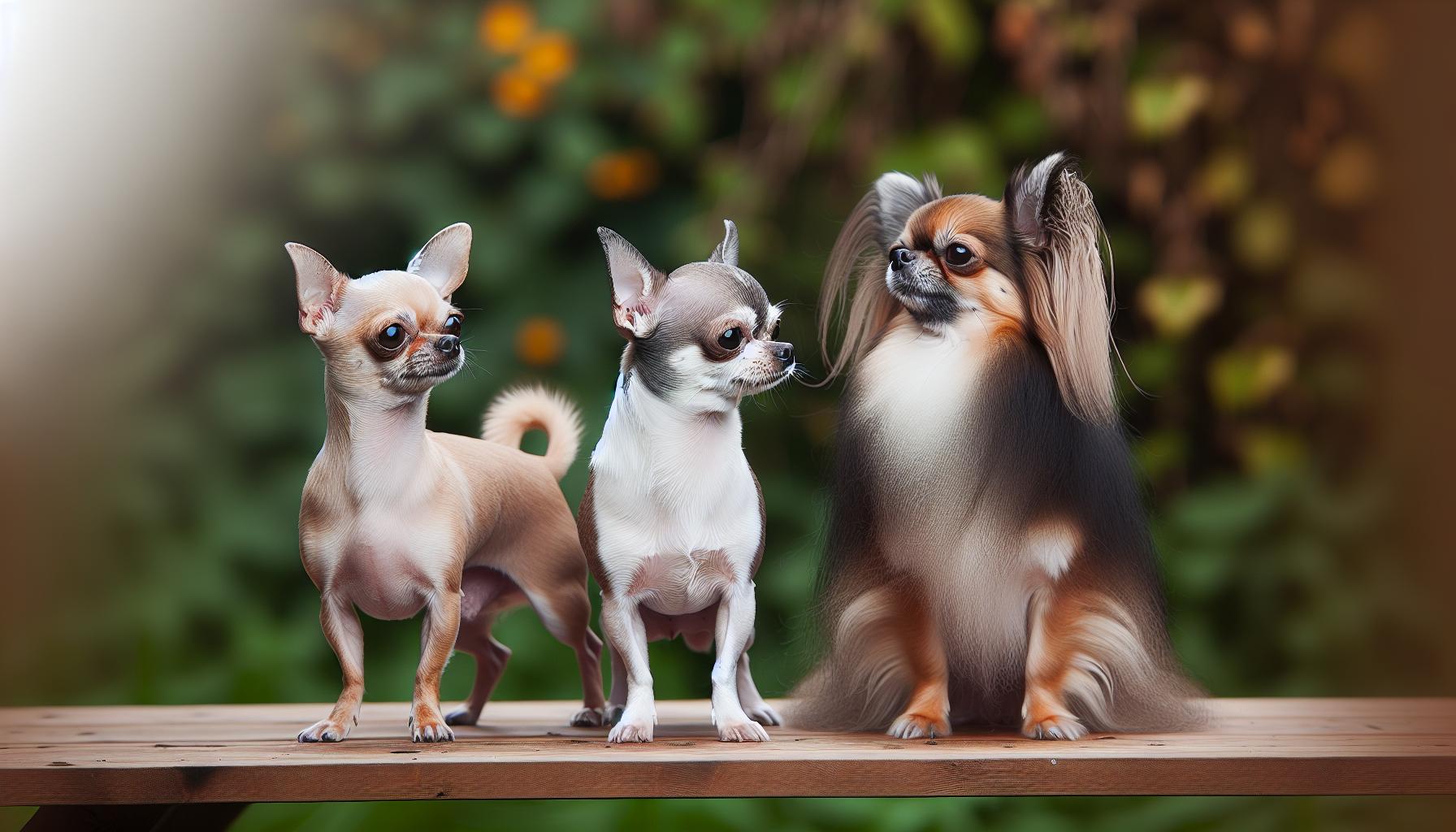
Chihuahua Behavior: Personality Traits Explained
Despite their diminutive size, Chihuahuas possess a personality that is anything but small. These tiny dogs are famous for their boldness and fearless attitudes, often believing they are as large as their larger canine counterparts. They are fiercely loyal companions, displaying a deep bond with their human family. Chihuahuas can be very vocal, using their expressive barks to communicate everything from excitement to alertness. This breed is known for its unwavering affection towards their owners, often following them from room to room, eager to offer companionship.
Vocal and Expressive
Expect your Chihuahua to be quite the chatterbox! Their vocalizations are an essential part of their communication style. Whether barking at strangers passing by or voicing their displeasure at being left alone for too long, your little companion will keep you entertained. Training is key to managing their vocal tendencies-start early to ensure they understand when it’s appropriate to express themselves and when it’s time to be quiet.
Social and Affectionate
Chihuahuas love their families, and they often form very tight bonds with their human companions. They can be quite affectionate, seeking out cuddles and lap time. However, this breed can sometimes be reserved with strangers. Proper socialization from a young age is crucial for helping your Chihuahua become well-rounded and comfortable in various situations. Enroll in puppy classes or schedule playdates with other dogs to expose them to different people and environments.
Bold and Confident
Chihuahuas are not shy about showcasing their opinions-whether it’s demanding food or expressing their desire for attention. Their courageous nature means they might confront larger dogs with vigor, which can sometimes lead to trouble if not supervised. Teach your Chihuahua boundaries early; using positive reinforcement will help them understand when to engage and when to back off.
Ultimately, a Chihuahua thrives in an environment where their spirited personality is embraced. Understanding their behavior and characteristics will help you nurture a loving and harmonious relationship. With proper guidance, your little companion will flourish, bringing joy and laughter into your home every day.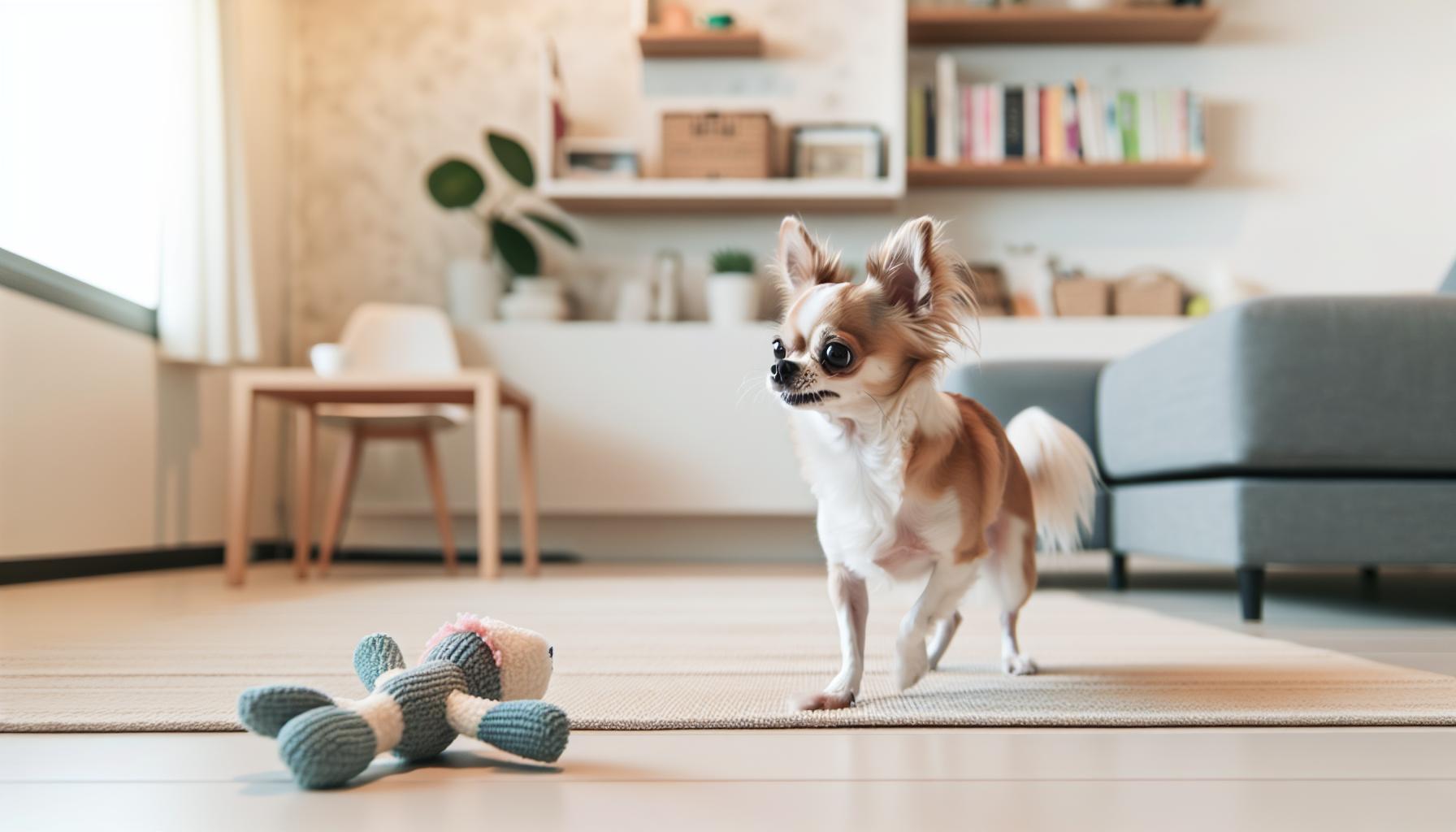
Caring for Your Chihuahua: Health Essentials
Chihuahuas may be small in stature, but their health needs are as significant as any larger breed. Understanding how to care for your little companion will enhance their quality of life and ensure they remain your lively, loyal friend for many years. Regular veterinary check-ups are crucial; Chihuahuas, like all breeds, benefit from professional assessments that can catch potential issues before they become serious. Annual vaccinations, dental care, and regular heartworm and flea prevention should be part of your care routine. Don’t overlook the importance of weight management; their tiny frames can be susceptible to obesity, which can lead to various health issues.
Nutrition Matters
The right diet is foundational for a Chihuahua’s health. Due to their small size, they require nutrient-dense food tailored for small breeds. High-quality kibble should be rich in proteins and fats, providing the energy your Chihuahua needs. Consider portioning out meals to prevent overeating, and always keep fresh water available. For treats, opt for healthy snacks that contribute to their overall nutrition, and keep them to a minimum to maintain a healthy weight.
Grooming and Bathing
Grooming is essential for both short and long-haired Chihuahuas. Regular brushing helps minimize shedding and prevents matting in long-haired varieties. Bathing should be done every few weeks or as needed, using gentle dog shampoos to keep their skin healthy. Additionally, pay close attention to their dental hygiene. Brushing their teeth a few times a week is ideal to avoid dental disease, a common concern in small breeds.
Exercise and Mental Stimulation
While Chihuahuas are energetic, their exercise needs aren’t as high as larger breeds. Short, daily walks combined with playtime in a secure area will suffice to keep her physically active. Mental stimulation is equally vital; puzzle toys and training sessions can keep her smart mind engaged, preventing boredom and behavioral issues.
With your commitment to proper care, your Chihuahua will thrive, bringing joy and companionship into your life. Embrace their quirks and maintain a routine that supports their health; in return, you’ll have a spirited little friend who is ready to fill your days with love and energy.
Socializing Your Chihuahua: Tips for Success
Socializing a Chihuahua is one of the most important steps you can take to ensure your little companion grows into a confident, well-adjusted pet. These tiny dogs may be small in stature, but their personalities are often larger than life. Early and consistent socialization helps them feel comfortable in varied environments and around different people and pets. Start socializing your Chihuahua as early as you can-ideally when they are still a puppy. During this critical developmental window, exposure to new experiences can help shape their temperament for years to come.
Taking your Chihuahua out into the world is a great starting point. Begin with short, positive outings to places where he can safely experience different sights, sounds, and smells. Puppy classes or dog-friendly parks can be excellent environments for positive interactions. Ensure that interactions are positive; if your Chihuahua shows fear or aggression, take a step back and try again later in a less intense setting. Remember, Chihuahuas often feel more secure in familiar spaces, so consider inviting friends over or visiting neighbor dogs who are known to be friendly.
Another effective way to socialize your Chihuahua is through structured playdates. Invite other small dogs over, ensuring they are well-behaved. Observe how your pup interacts-this will give you insights into his comfort levels and how to further encourage social behavior. Use treats and praise to reinforce positive interactions; saying “good boy” when he approaches a new friend will build his confidence. Take it slow; let your Chihuahua set the pace, and never force him into situations he seems uncomfortable with.
It’s important to remember that every Chihuahua is unique, so what works for one may not work for another. Some may be vocal and bold, while others may take a more cautious approach. Understanding your dog’s personality will allow you to tailor your socialization efforts. If you have a shy Chihuahua, consider positive reinforcement tactics, such as clicker training, that encourage exploration and engagement. On the other hand, a more outgoing Chihuahua may thrive on varied social engagements. With patience and dedication, you can help your small buddy flourish in any social environment.
Training Your Chihuahua: Techniques That Work
To successfully train your Chihuahua, understanding their unique temperament is essential. These little companions often have bold personalities that can shine, but knowing how to channel that energy positively is key to effective training. Unlike larger breeds, Chihuahuas respond best to gentle methods and consistent routines. They may not always take commands seriously, but with the right approach, you can cultivate respectful behavior and reinforce your bond.
Start with a strong foundation using positive reinforcement. Chihuahuas thrive on attention and affection, so rewarding them with treats, praises, or playtime can reinforce good behavior. For example, if your Chihuahua sits when asked, immediately offer a treat and a cheerful “good boy!” This will help them associate the command with something they truly enjoy. Remember, patience is crucial; if they seem to ignore you, try again later rather than expressing frustration. Slow and steady wins the race with these little ones.
Keep training sessions short and sweet, ideally between 5 to 10 minutes. Chihuahuas can lose focus easily, so frequent, short bursts of training will keep them engaged and excited. Incorporate play and movement to reinforce the idea that learning is fun. For instance, use a favorite toy during the session as a reward or as part of the training – tossing it when they successfully complete a command integrates play into learning.
Socialization Tips
Socialization is just as vital as basic commands. Exposing your Chihuahua to various environments, people, and other dogs will help them develop confidence. Consider enrolling them in puppy classes, which not only enrich their social skills but also provide valuable training insights. Moreover, structured playdates with friendly, calm dogs can foster trust and positive socialization experiences. Always supervise these interactions to ensure they are safe and stress-free.
Common Command Techniques
Here’s a quick reference for some commands to start with:
| Command | Action | Tip |
|---|---|---|
| Sit | Hold a treat above their nose, then move it back over their head. | Once they sit, reward immediately. |
| Stay | With their sit command established, take a step back and offer a treat. | Gradually increase distance while maintaining eye contact. |
| Come | Back away while calling their name in a cheerful tone. | Use a leash for assistance until they reliably respond. |
With a little patience and creativity, training your Chihuahua can be an incredibly rewarding experience. They are loyal and loving companions who thrive on the bond you create through training. Celebrate their quirks and personalities, and remember that each session provides an opportunity to learn and grow together.
Nutrition Needs for a Healthy Chihuahua
Ensuring your Chihuahua receives the right nutrition is crucial for their health and happiness. These tiny dogs have unique dietary needs that cater to their size, energy level, and active lifestyles. Chihuahuas can be prone to certain health issues, so a well-balanced diet tailored to their specific needs can help manage and prevent these problems.
Chihuahuas typically thrive on high-quality commercial dog food that is appropriate for their age, weight, and activity level. Look for food specifically formulated for small breeds, as it will often contain the right balance of nutrients in smaller kibble sizes that are easier for them to chew. Proteins like chicken or lamb should be the main ingredient, supporting their agile, vibrant personalities. It’s also essential to check for omega fatty acids, which promote healthy skin and coats, especially beneficial for long-haired Chihuahuas.
Feeding Guidelines
When determining the appropriate amount of food, consider their weight and energy levels. Generally, adult Chihuahuas should consume about 1/4 to 1/2 cup of dry food daily, split into two meals to help manage their metabolism. Make sure you adjust portions based on their activity levels and any individual health concerns. For instance, if your Chihuahua is less active, reduce their food slightly to prevent obesity, which is a common issue in the breed.
It’s also important to incorporate some variety into their diet for mental stimulation. Many owners find success by adding occasional cooked veggies like carrots or peas, or small amounts of fruit like blueberries or bananas, which are safe and healthy for Chihuahuas. However, always introduce new foods gradually to monitor for any allergies or digestive issues.
Treats and Snacks
When it comes to treats, moderation is key. Chihuahuas adore treats, but too many can lead to weight gain and health issues. Opt for small, low-calorie options and make sure treats don’t make up more than 10% of their daily caloric intake. Some owners find success with puzzle toys that dispense treats, providing both mental stimulation and a reward for their efforts.
Remember, consistency and routine are essential in keeping your Chihuahua happy and healthy. Regular feeding times and maintaining a balanced diet will ensure that she has the energy to play and engage, keeping up with her naturally bold and lively demeanor. Keeping an eye on her weight and adapting her diet as needed will help her live a long and healthy life, full of those vibrant Chihuahua quirks you adore.
Common Chihuahua Health Issues and Prevention
Chihuahuas, despite their small size, can be surprisingly robust and lively. However, their tiny frames also mean they’re susceptible to certain health issues that owners should be aware of. Understanding these common health challenges can empower you to provide better care and help your furry friend live a long, healthy life filled with barks and cuddles.
One of the most prevalent issues faced by Chihuahuas is dental disease. Due to their small mouths, crowded teeth can lead to plaque and tartar buildup, which may result in gum disease or tooth loss. To prevent this, regular dental check-ups and at-home dental care, such as brushing their teeth with dog-friendly toothpaste, can be very effective. Many owners opt for dental chews or toys designed to reduce plaque. Just like my friend Sarah, whose apple-head Chihuahua, Bella, keeps her pearly whites in check thanks to a consistent brushing routine and occasional vet cleanings.
Another serious concern is patellar luxation, commonly seen in small breeds like Chihuahuas. This occurs when the kneecap dislodges from its normal position, leading to discomfort or limping. Maintaining a healthy weight can help minimize the risk, as extra pounds put additional stress on those tiny joints. Engaging your Chihuahua in light exercises, such as gentle walks, can help strengthen the muscles that support their joints.
Chihuahuas are also known to suffer from hypoglycemia, particularly in puppies. Because of their rapid metabolism and small size, a drop in blood sugar can lead to lethargy or even seizures. To combat this, ensure your Chihuahua has access to a well-balanced diet made specifically for small breeds, and consider offering small, frequent meals instead of one or two larger servings. As my neighbor learned the hard way with his puppy, keeping some honey or maple syrup on hand can be a lifesaver if a hypoglycemic episode occurs.
Finally, heart problems, especially mitral valve disease, are more prevalent in older Chihuahuas. Regular vet check-ups become increasingly vital as your dog ages, as early detection through testing can significantly improve treatment outcomes. Keeping your Chihuahua at a healthy weight and providing them with adequate exercise can also reduce the risk of heart disease, allowing them to remain the spirited, vocal companions we love.
By staying informed about these common health issues and taking proactive measures for prevention and care, you can better ensure that your Chihuahua remains healthy, happy, and full of the sass that makes them so endearing. Whether it’s through regular vet visits, maintaining a nutritious diet, or offering plenty of love and attention, your little companion’s well-being rests in your hands.
Energetic Boost: Activity Level of Chihuahuas
Chihuahuas may be small, but their energy levels are often larger than life. This breed is known for its spirited personality, and they’re always ready to bounce into action. Whether it’s chasing after a toy or playfully engaging with their favorite human, Chihuahuas thrive on movement and mental stimulation. For them, exercise doesn’t just keep them fit; it’s an essential part of their happiness.
A quick daily walk can do wonders for your Chihuahua’s spirit, but don’t underestimate the power of playtime right at home. Engaging in interactive games, like fetch or hide and seek, can provide ample opportunities for physical and cognitive exercise. Given their small size, these little warriors typically require between 30 minutes to an hour of activity per day, which can easily be broken down into short bursts throughout the day. For example, my friend Jake incorporates 10-15 minute play sessions with his smooth coat Chihuahua, Tilly, multiple times a day, keeping her lively while burning off excess energy.
Additionally, being vocal is part of their charm, often accompanied by bursts of energy. Chihuahuas love to express their feelings, which can lead to enthusiastic barking during play. Be prepared for this characteristic, as it adds to their unique personality. Socialization is also key; inviting other dogs over or visiting local dog parks can help reinforce proper behavior while allowing your Chihuahua to expend energy in an enjoyable and safe environment.
Remember, while keeping your Chihuahua active, it’s crucial to tailor their activity level based on age, health, and individual energy needs. Some Chihuahuas may require more exercise than others, and their little legs can tire quickly. Consider her health status – older Chihuahuas, for example, may appreciate gentler activities, such as short walks or playing with toys on the floor rather than vigorous games that might strain their joints. Listening to your companion and adjusting activities accordingly ensures not only their physical well-being but also strengthens the bond you share. So, gear up with enthusiasm and let your tiny dynamo shine!
The Lifespan and Aging in Chihuahuas
Chihuahuas, with their vibrant personalities, often charm us into thinking they will be our lively companions forever. However, it’s important to understand that they have distinctive aging patterns and a lifespan that typically ranges from 12 to 20 years. Their smaller size contributes to their longevity compared to larger breeds, often making them a beloved part of our families for many years. As they age, Chihuahuas can still maintain their energetic spirit, but like any breed, they will experience changes that require our attention and care.
Understanding the Aging Process
As your little friend matures, you might notice physical and behavioral changes. Common signs of aging in Chihuahuas include a decrease in energy, joint stiffness, and potential weight changes. It’s crucial to adapt their routine to ensure they continue to thrive. Regular vet check-ups become even more important during their senior years to monitor for health issues such as dental disease, heart conditions, or arthritis. Maintaining a healthy weight is essential; many older Chihuahuas are prone to becoming overweight, which can exacerbate joint problems and decrease their quality of life.
Caring for Senior Chihuahuas
To help your aging Chihuahua feel comfortable and happy, consider these practical tips:
- Diet Adjustments: Opt for high-quality dog food formulated for seniors, which often contains fewer calories and appropriate nutrients to support their changing metabolism.
- Gentle Exercise: While they may not be bouncing around as they used to, short, regular walks and light play can keep them active without overexerting them.
- Comfortable Environment: Ensure they have a cozy place to sleep and access to soft bedding that supports their joints.
- Regular Grooming: Senior Chihuahuas may need more help with grooming, especially if they develop mobility issues. Gentle brushing can also enhance their bond with you.
Bonding in Their Golden Years
As they age, your bond with your Chihuahua can deepen. Spend quality time together, engaging in low-impact activities that suit their energy levels, like puzzle toys or light training sessions. Remember, even as they slow down, they still crave companionship and love. My friend Lisa often spends her afternoons on the couch with her aging Chihuahua, Maya, watching movies-something they both look forward to each week.
By keeping a close eye on their health and providing the right care, you can help your Chihuahua lead a comfortable and joyful life as they grow older. Cherish each moment, as these little dynamos have an incredible way of enriching our lives, reminding us that love knows no bounds-no matter the age.
Chihuahua Myths: Debunking Common Misconceptions
Chihuahuas often spark vivid misconceptions that can lead to misunderstanding their true nature. The idea that they are yappy, aggressive, or fragile little dogs couldn’t be further from the truth. While they are certainly vocal and can express their opinions with an impressive bark, this vocalization is just one way they communicate in their brave and spirited personalities. What many don’t realize is that vocalization is often a sign of their protective nature; they view themselves as guardians of their home and loved ones.
Another common myth is that Chihuahuas are too delicate to enjoy an active lifestyle or get along well with larger dogs. However, these tiny dynamos are surprisingly energetic! Many Chihuahuas thrive on daily walks, playtime, and exploring the outdoors. Similarly, their feisty attitudes can make them more than capable of holding their own in the company of larger dogs. A well-socialized and trained Chihuahua can indeed enjoy interactions with dogs of all sizes. One example is Bella, who, despite her petite frame, confidently plays with her neighbor’s Labrador, proving that size does not dictate spirit.
Some potential owners fear that Chihuahuas aren’t devoted or loyal. Quite the opposite; they are famously attached to their companions. Chihuahuas often form strong bonds with their owners, showing unwavering loyalty and affection. This characteristic is evident in the relationship between Tom and his Chihuahua, Pippin, who follows him everywhere, even settling down right next to him while he works from home. Their love and loyalty often compensate for their small size, which makes them a cherished member of the family.
Lastly, the notion that Chihuahuas require little care or grooming due to their small size can lead to neglect. Like any breed, they need regular veterinary check-ups, a balanced diet, and grooming tailored to their specific coat type, whether it be smooth or long-haired. Proper grooming not only keeps them looking good but also maintains their skin health and comfort. Frequent brushes can become a bonding activity that enriches the connection you share with your furry friend, enhancing their coat’s health and displaying your commitment to their well-being.
By dispelling these myths, you can fully appreciate the charming traits and unique personality of Chihuahuas. They may be small, but their impact on our lives is anything but tiny!
Frequently asked questions
Q: What makes Chihuahuas unique compared to other dog breeds?
A: Chihuahuas are known for their *distinct personalities*, *small size*, and *gorgeous coat variations*. Their bold nature and loyalty set them apart, making them excellent companions. Understanding these unique traits can help you appreciate your Chihuahua’s *quirky behaviors* and *strong bond* with you.
Q: Are Chihuahuas good for apartment living?
A: Yes, Chihuahuas are excellent for apartment living due to their *small size* and *moderate exercise needs*. They require minimal space and enjoy indoor activities. Regular walks and playtime can help keep them happy and healthy, fostering a strong bond in small living environments.
Q: How do Chihuahuas communicate?
A: Chihuahuas communicate through *vocalizations* like barks and yips, as well as body language. They may bark to express excitement, alert to visitors, or protect their territory. Observing your Chihuahua’s *gestures* will help you understand their feelings and needs better.
Q: What is the typical weight range for a Chihuahua?
A: The typical weight range for a Chihuahua is between *2 to 6 pounds*. Maintaining a healthy weight is crucial, as being overweight can lead to health issues. Regular check-ups with your veterinarian can help monitor their weight effectively.
Q: How often should Chihuahuas be groomed?
A: Grooming frequency for Chihuahuas depends on their coat type. *Short-haired* Chihuahuas may need weekly brushing, while *long-haired* varieties benefit from more frequent grooming, about twice a week. Regular grooming helps reduce shedding and keeps their coat healthy.
Q: What are common health issues in Chihuahuas?
A: Common health issues in Chihuahuas include *dental problems*, *heart issues*, and *patellar luxation*. Regular veterinary care, a balanced diet, and proper exercise can help in early detection and prevention of these issues, ensuring a healthier life for your Chihuahua.
Q: How do Chihuahuas behave around children and other pets?
A: With proper socialization, Chihuahuas can get along well with children and other pets. However, their *small size* makes them vulnerable to rough handling, so always supervise interactions. Teaching children to be gentle will help create a harmonious household.
Q: Why are Chihuahuas considered a loyal breed?
A: Chihuahuas are known for their loyalty due to their *strong attachment* to their owners. They often form deep bonds and can exhibit protective behaviors. Understanding this trait can help you build a trusting and loving relationship with your Chihuahua.
Wrapping Up
Chihuahuas, with their vibrant personalities and unique traits, truly make incredible companions. Remember, they are not just small dogs; they are bold, loyal, and full of life. If you’re considering bringing one into your home or already have a furry friend, understanding their health needs, behavior nuances, and grooming requirements is essential for their happiness and your peace of mind.
For more insights, check out our articles on Caring for Your Chihuahua and Training Your Chihuahua. Don’t forget to share your experiences or ask questions in the comments below-we love hearing from fellow Chihuahua enthusiasts! Also, subscribe to our newsletter for tips and resources that will help you navigate every stage of your Chihuahua’s life. Embrace the quirks and joy of your tiny friend today; after all, every moment counts with a Chihuahua by your side!
Get our latest guides, news, and insights highlighted in your Google Search & AI Overviews.